
eSafetyCommissioner
New family tech agreements are here!
Parents are navigating the digital world alongside their children from an early age. Our ‘Growing up online: Parenting young children in the digital age’ report found 97% of parents of children aged 3 to 10 said their child had been online, with engagement increasing as children get older.
While many parents see benefits such as learning, entertainment and connection, concerns about online safety remain common.
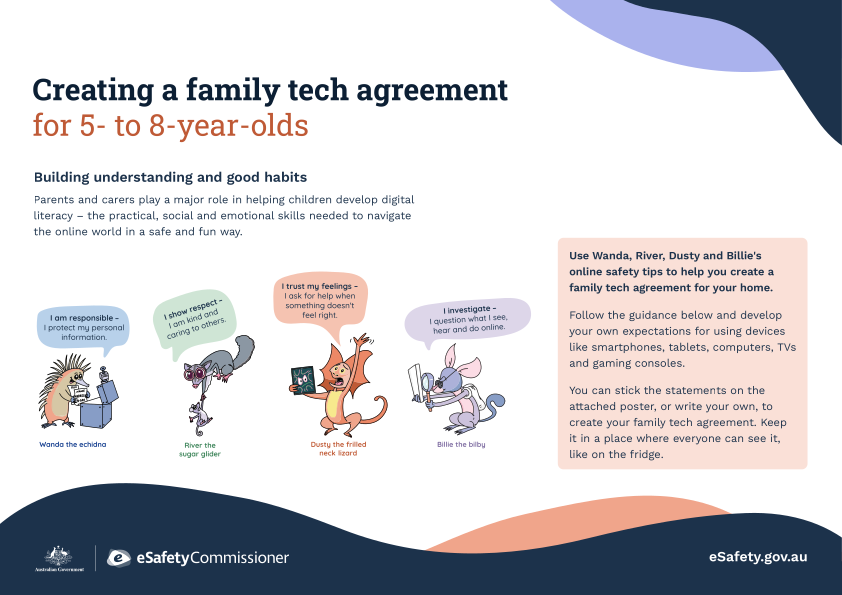
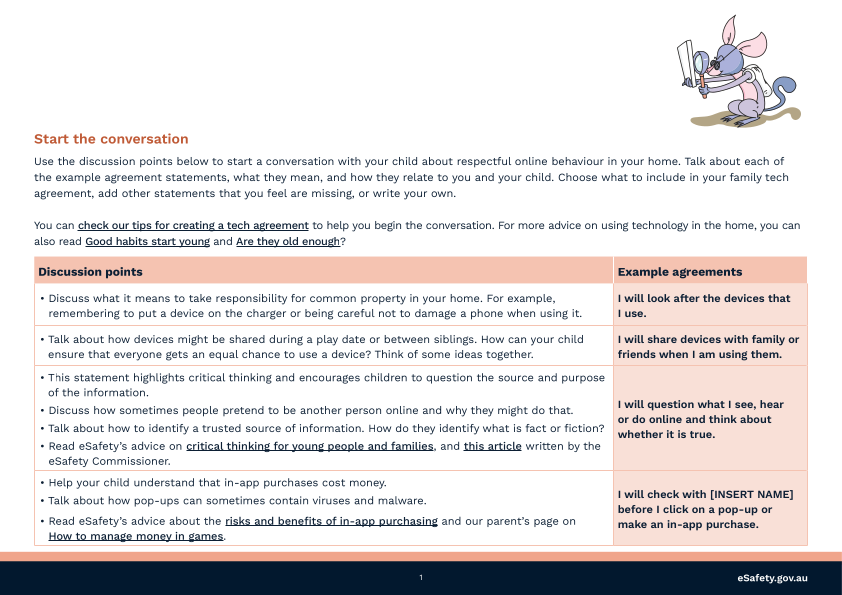
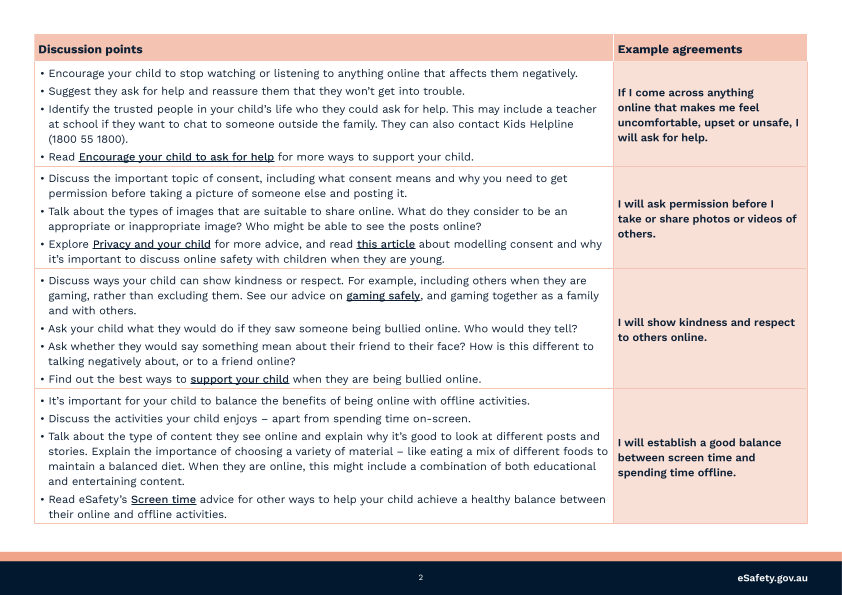
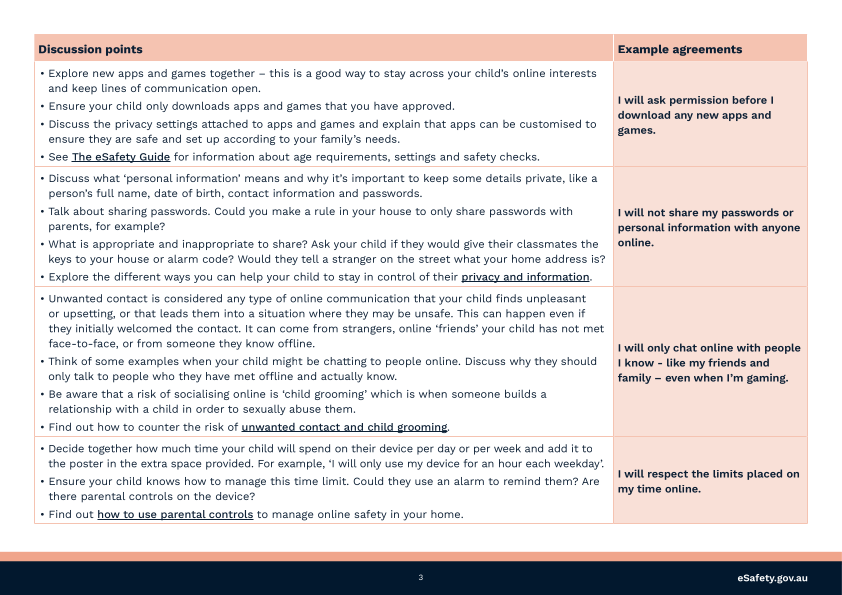
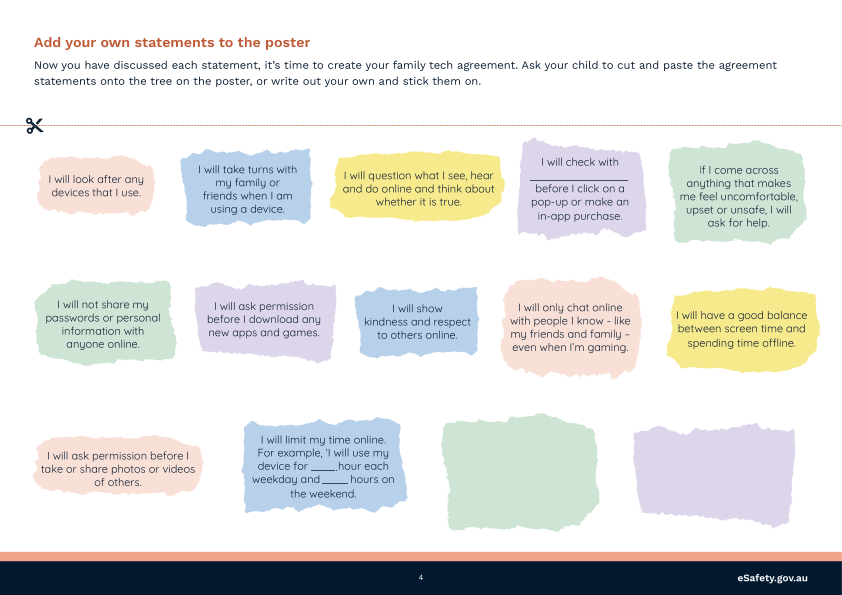
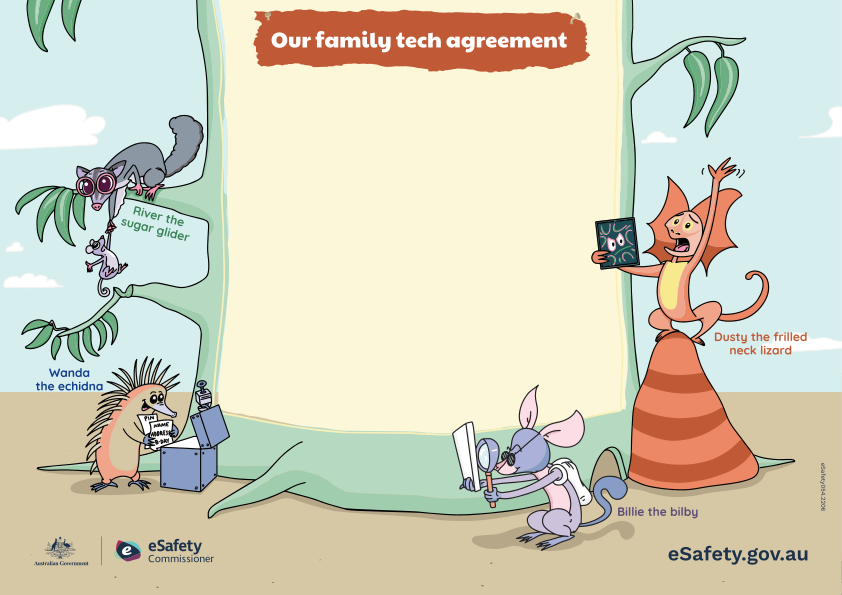
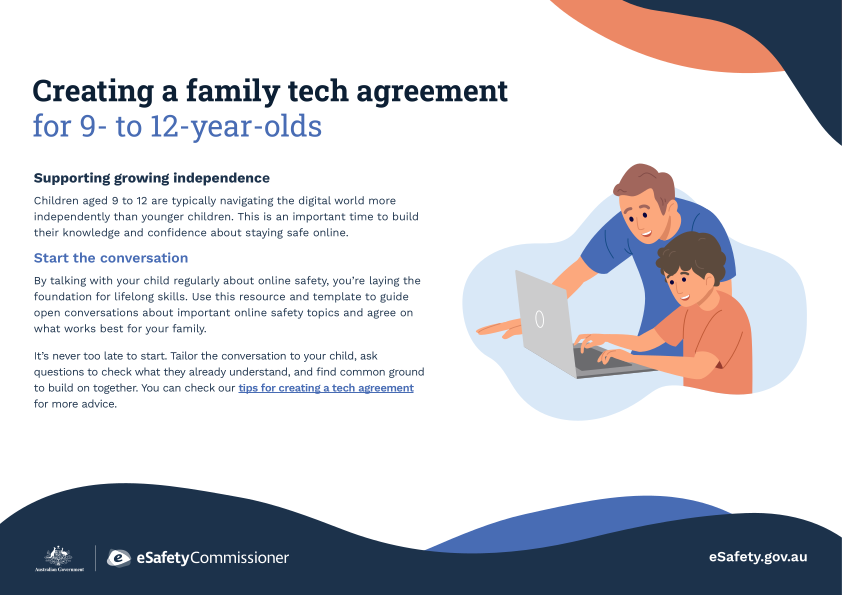
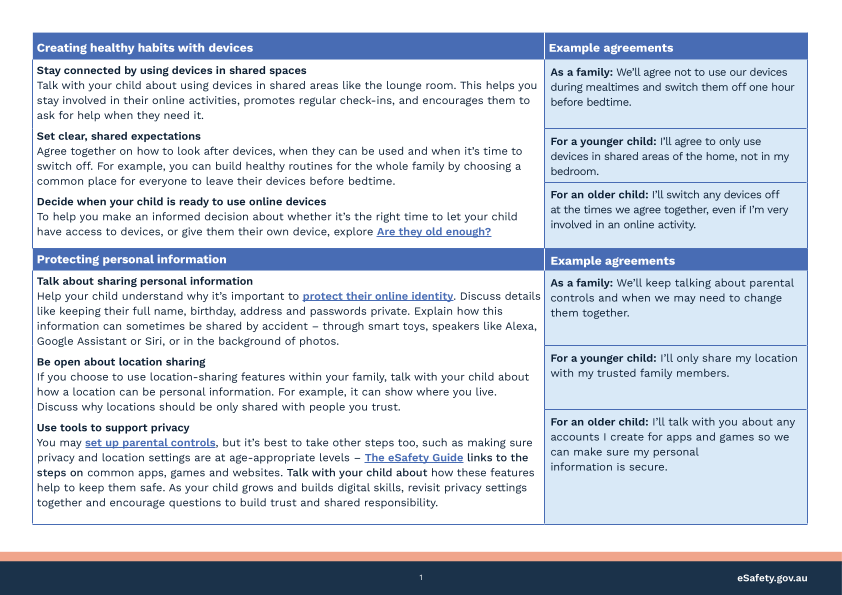
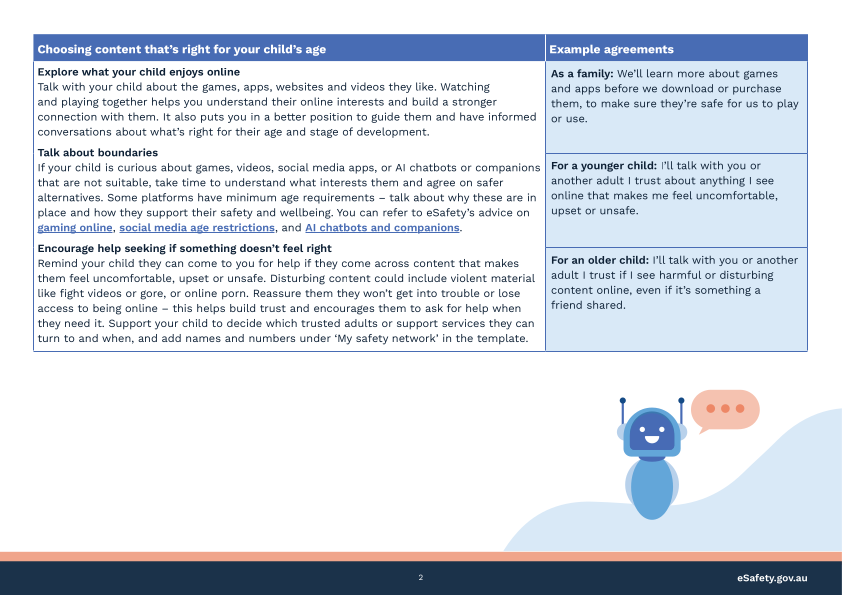
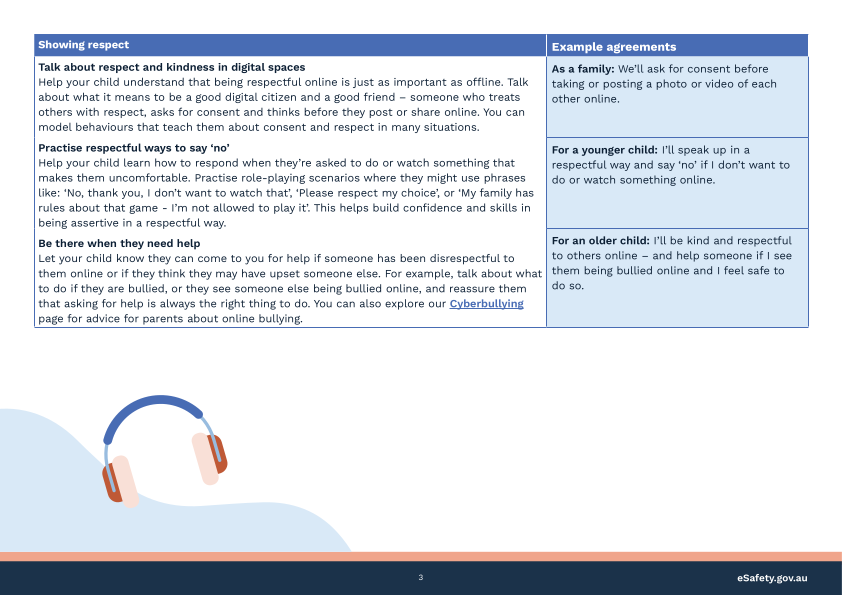
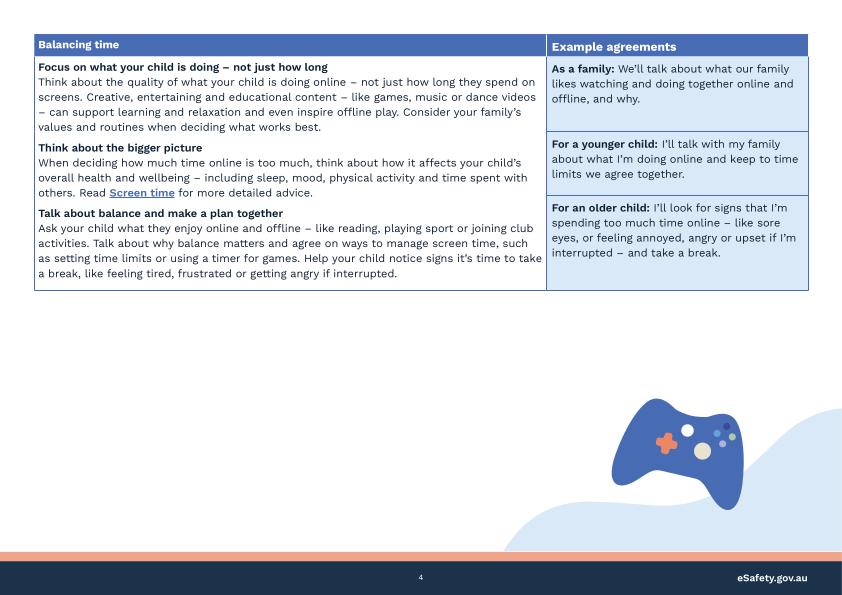
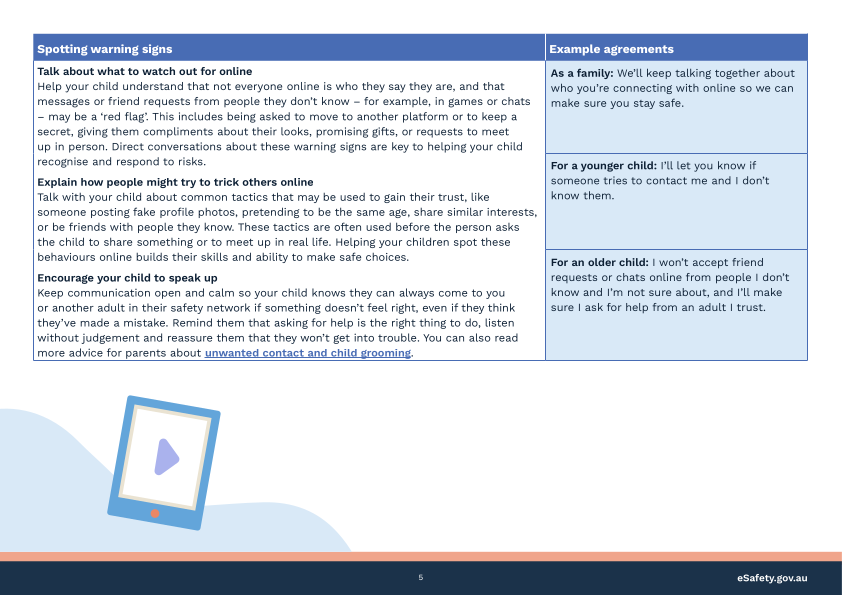
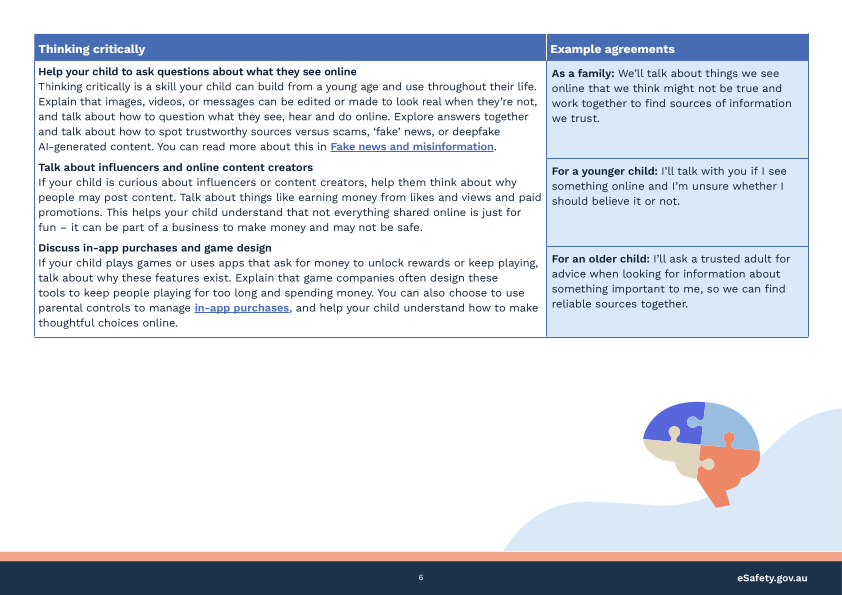
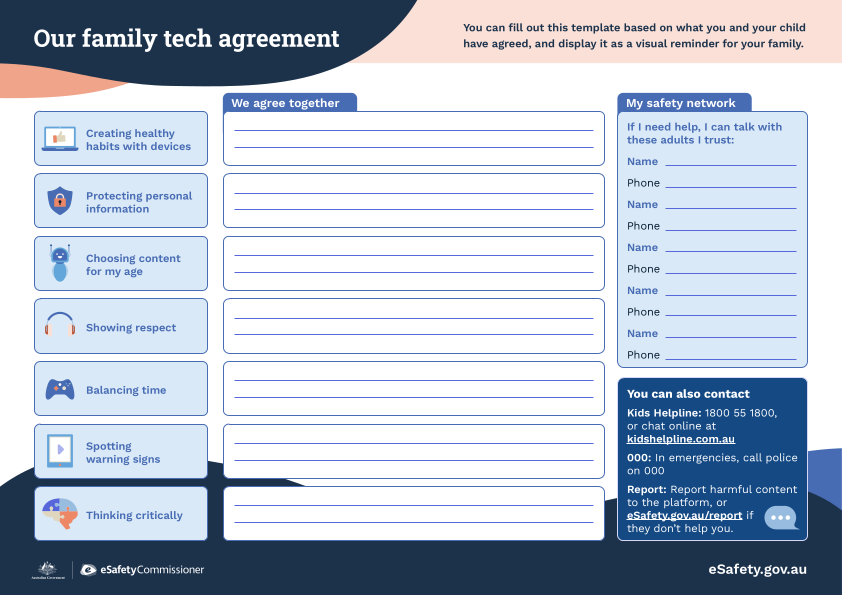
A family tech agreement can help turn everyday conversations about technology into clear, shared expectations that grow with your child.
Creating an agreement together is a practical way to stay connected, encourage open communication about online safety, and support your child to build the skills, judgement and confidence they need to navigate the online world.
Whether your child is just starting their online journey or preparing for social media, our free agreements for 5 to 8 year olds, 9 to 12 year olds, and 13 to 15 year olds can help support safer, more positive online experiences.
https://www.esafety.gov.au/parents/resources/family-tech-agreement
We've put Roblox on notice

We’ve secured a court-enforceable undertaking from Roblox to do more to protect children from grooming, sexual exploitation and abuse online.
Following our investigation and testing of the gaming giant’s safety systems, we identified gaps we considered to put children at risk, including allowing contact between children and adults they do not know.
Roblox has committed to boosting safety on its platform and to an independent third-party audit to assess the effectiveness of its safety measures. If Roblox breaches the undertaking, we won’t hesitate to take further action if necessary.
This development is part of our broader work to improve safety and accountability across the online gaming sector, so parents and carers can feel more confident that platforms are taking steps to better protect children and support safer online experiences.
Top tips to help your child navigate cyberbullying
For many children and young people, being online is an important part of how they connect with friends, learn and express themselves. When online interactions become harmful, the impact can be significant, affecting their confidence, wellbeing and sense of safety.
As we’re in the midst of Bullying No Way Week, now is a great time to talk with your child about their online experiences and how to respond to cyberbullying. Children are better able to cope with cyberbullying when they have the support of at least one trusted adult.
If your child is experiencing cyberbullying, you can:

stay calm and listen without judgement

let them know they are not alone

help them collect evidence

work with them report harmful content using the eSafety Guide and the platform’s reporting tools

seek support when needed.
It is also important not to remove access to devices straight away, as online spaces can be a valuable source of connection and support for young people.
If serious cyberbullying involving a child under 18 is not addressed by the platform, we may be able to help remove the content reported to us.
Free webinars to help you support your child online
Technology is constantly changing, and so are the online challenges young people face. Our free webinars offer practical tips and strategies to help you keep your child safe, confident and supported online.
Key upcoming webinars include:
How connection and belonging shapes children and young people’s vulnerability online
8 September
- AI-generated images and videos: navigating the deepfake threat
15 September
Build your child's critical thinking skills
With Scam Awareness Week coming up next week, encourage your child to be alert to scams, online manipulation, misinformation and AI generated content by remembering to stop, think and check:

Encourage your child to pause before clicking a link, sharing personal information, sending money, or responding to unexpected messages. Scammers often rely on people acting quickly without thinking.

Help your child consider who sent the message, why they are contacting them, and whether they may be trying to create urgency, fear or excitement to influence their decisions.

Show your child how to verify information by checking trusted sources, confirming requests through official channels, and looking for signs that a message, profile, image or offer may not be genuine. You can also remind them that it’s always okay to ask you or another trusted adult if they’re unsure about a message, offer or request.
For additional support, the Australian Communications and Media Authority provides information on identifying phone and SMS scams, reducing spam, understanding telemarketing rules and reporting unwanted communications.