Assistant Principal Update
Going Clubbing...
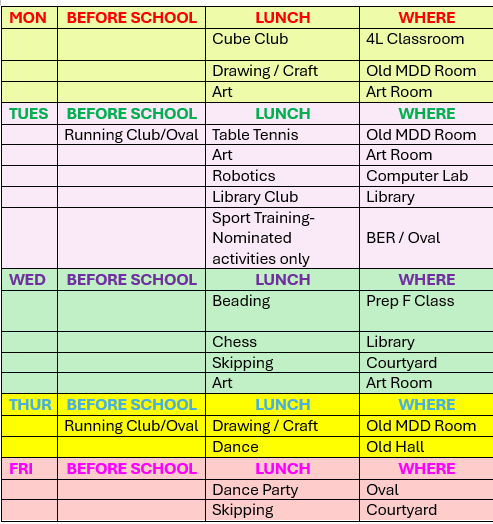
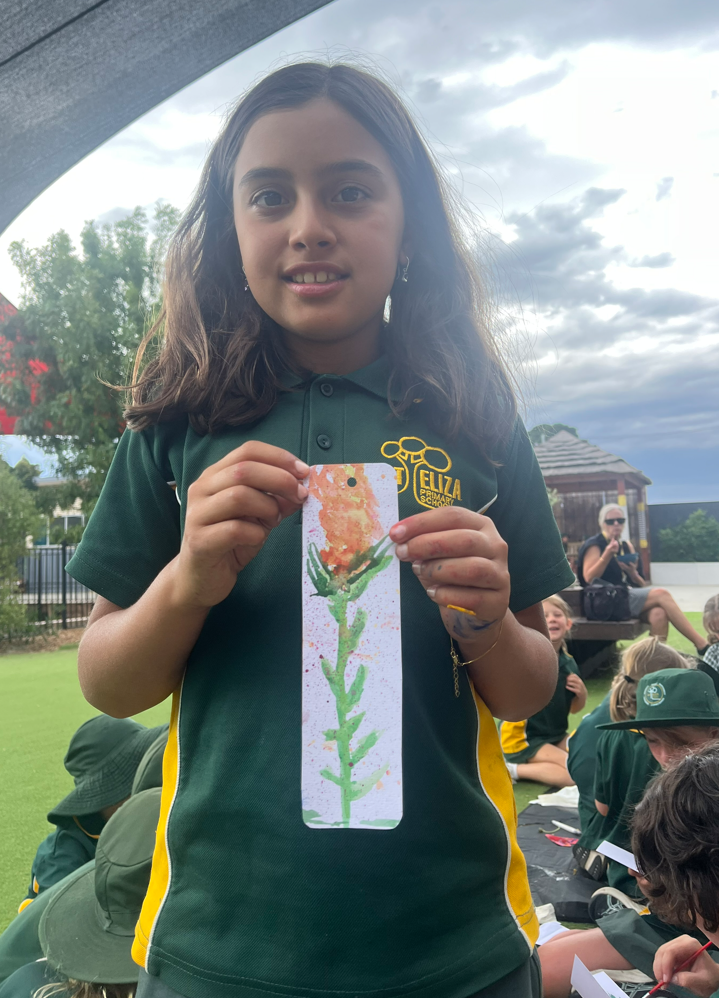
At Mount Eliza Primary School, we are thrilled to see so many students connecting into school clubs to spend time with their friends, learn some new skills and have a few laughs along the way. Whether that is before school run club, after school soccer or lunchtime chess, we are seeing the passions and talents of our students shine through and are enjoying the risk taking of those that are trying something new for the first time. Below is a list of our club offerings and a photo of a few people who recently enjoyed our Art club running at lunch time.
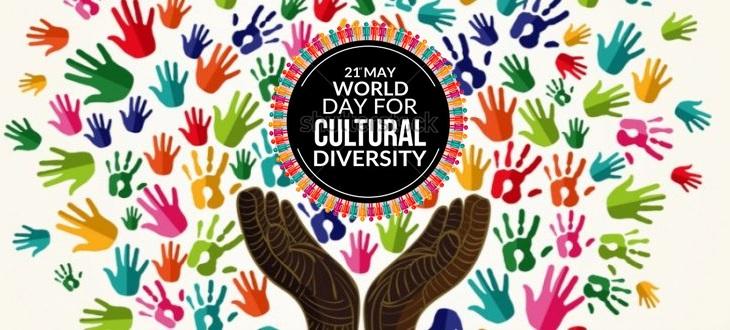
Cultural Diversity Day
On May 21st, our students participated in celebrating World Cultural Diversity Day here at school. It was a delight to see so many choose to participate by dressing in cultural clothing or bringing in a cultural item from home to share with others. We had a special afternoon where students were encouraged to share thier culture and learn from each other before spending some time playing a few games from difference cultures around the world. Thank you to Mrs. Taggart who organized the day as well as parents that supported their children in dressing up and finding those special items at home to share at school.
Wellbeing Curriculum- Resilience, Rights and Respectful Relationships
One of the ways we develop emotional learning at our school is to explicitly teach topics that promote the development and strengthening of social skills. Studies show that well-devised and implemented social, emotional learning programs help students to develop the relationship skills needed in everyday life, such as emotional awareness, empathy, perspective taking, self-regulation, cooperation, problem-solving, positive coping, responsible decision-making, peer support and help-seeking. Research into the effectiveness of social, emotional education highlights positive impacts in wellbeing, social and academic outcomes. Across their primary school journey, students are introduced to age-appropriate learning resources and activities to build their knowledge and confidence across each of the following key concepts:
Topic 1: Emotional literacy
Students develop the ability to be aware of, understand and use information about the emotional states of themselves and others.
Topic 2: Personal and cultural strengths
Students develop a vocabulary to help them recognise and understand strengths and positive qualities in themselves and others. They identify the values and strengths they have learnt from role models within their families and culture to think about how this guidance helps them to treat others with respect. They consider how to draw on these strengths to engage with the challenges and opportunities that life presents.
Topic 3: Positive coping
Students develop language around coping, critically reflect on their coping strategies and extend their repertoire of positive coping strategies.
Topic 4: Problem-solving
Students learn a range of problem-solving techniques to apply when confronting personal, social and ethical dilemmas. They engage in scenario-based learning tasks to practise their problem-solving skills in relevant situations.
Topic 5: Stress management
Students consider the causes of stress and develop a range of self-regulation and coping strategies they can draw on to manage stressful situations.
Topic 6: Help-seeking
Students develop skills and knowledge for peer support, peer referral and help-seeking.
Topic 7: Gender norms and stereotypes- *our term three focused topic*
Students consider the influence of gender norms on attitudes, opportunities and behaviour. They learn about gender equality, inclusion, human rights and the importance of relationships that respect people of all genders.
Topic 8: Positive gender relationships
Students develop an understanding that verbal, physical, emotional, financial and sexual forms of violence are harmful, and that these forms of violence can also be gendered. They learn about safe and unsafe behaviours, consent and their rights to bodily autonomy. They practise strategies they can use to assert their rights to bodily autonomy to be free from coercion or violence. They develop self-care, peer support, peer referral and help-seeking skills that they can use in response to situations involving gender-based violence within family, peer, school, community or online relationships.
Parents and carers as partners.
Parents and carers are a child’s first and most important teachers, particularly in relation to teaching core values and key social and emotional skills. Our Respectful Relationships curriculum encourages students to talk with parents, carers and family members about what they are learning so they feel supported in sharing ideas and solving problems effectively as they arise. If you wish to have further discussion or have questions regarding our wellbeing curriculum, please contact the school at darren.thresher@education.vic.gov.au.
Kind Regards,
Darren Thresher
Assistant Principal
Mount Eliza Primary School