Year 1 News














 Beaumaris North Primary School
Year 1 News
What a wonderful and busy start to Term 4 in Year 1!
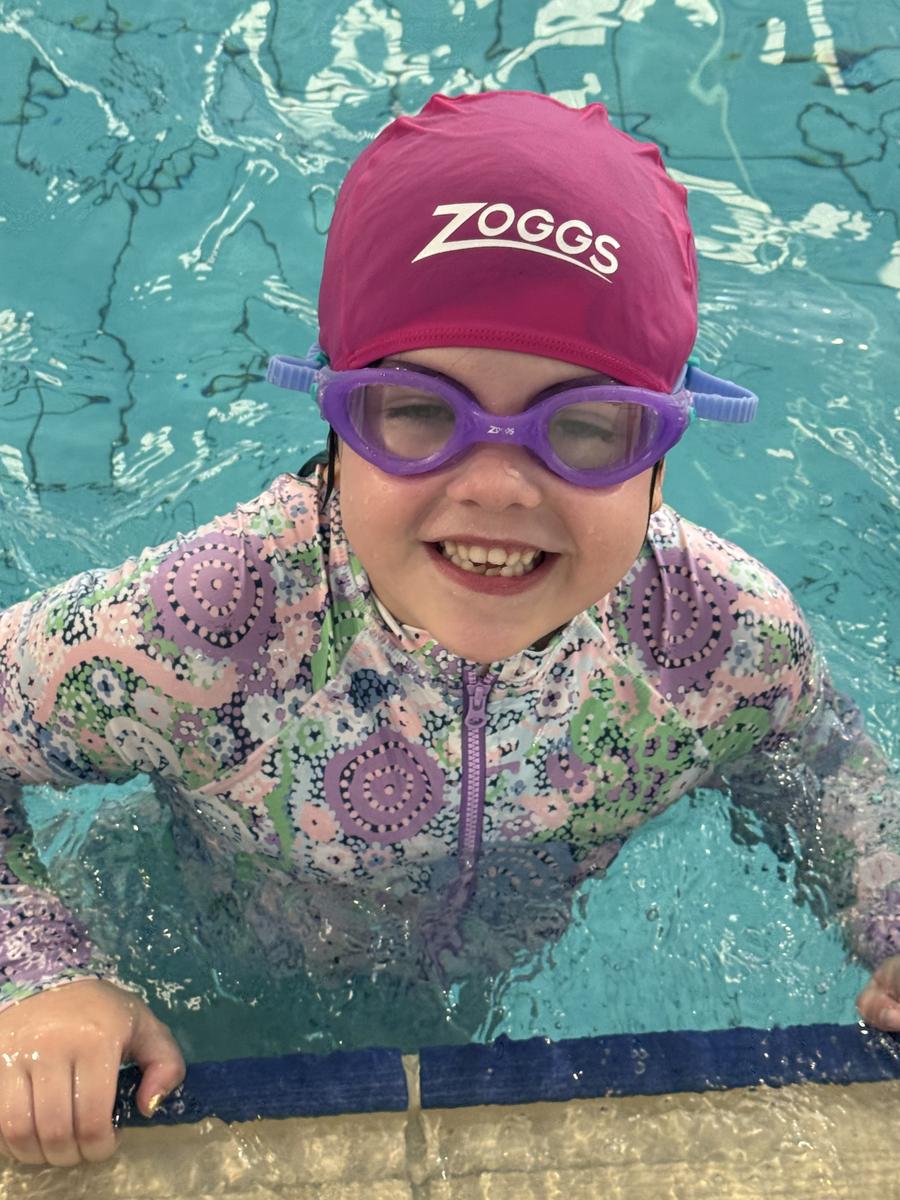
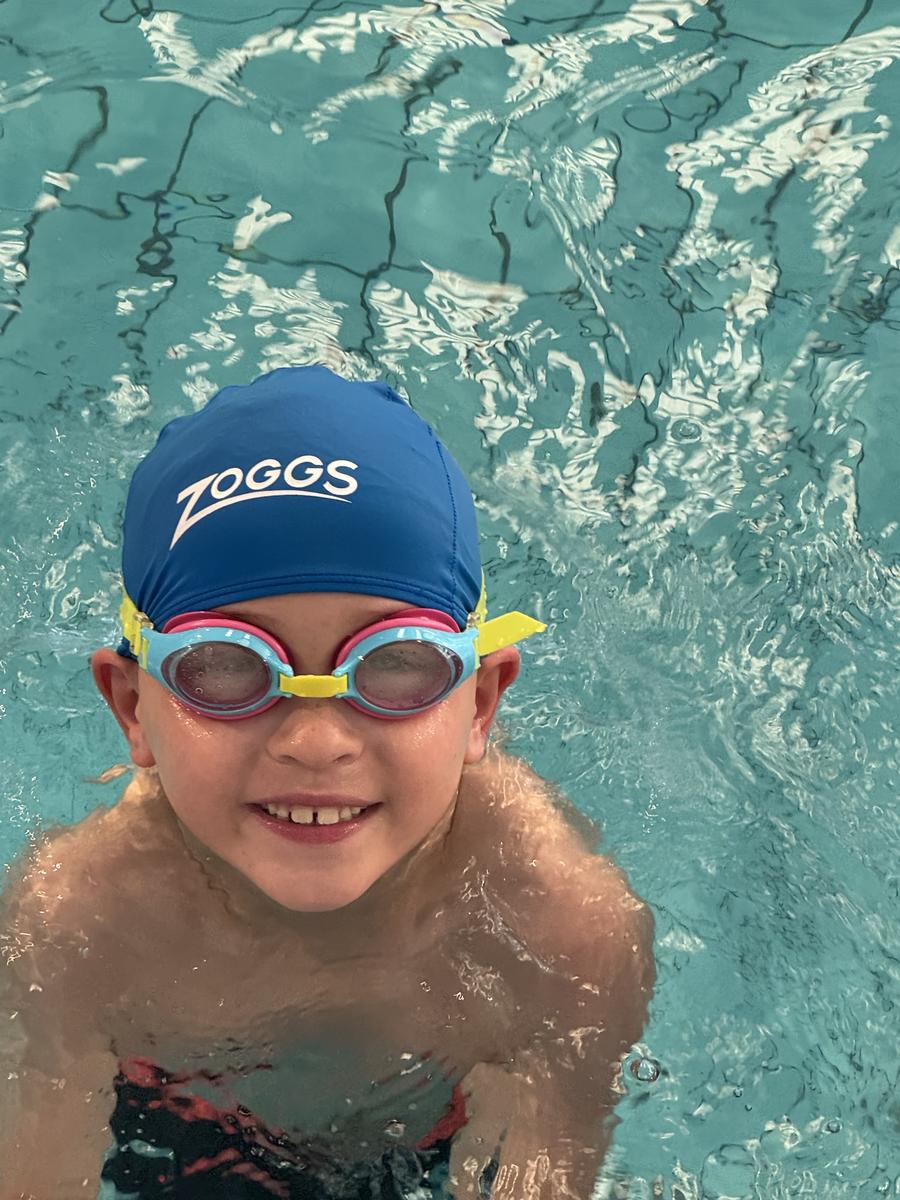
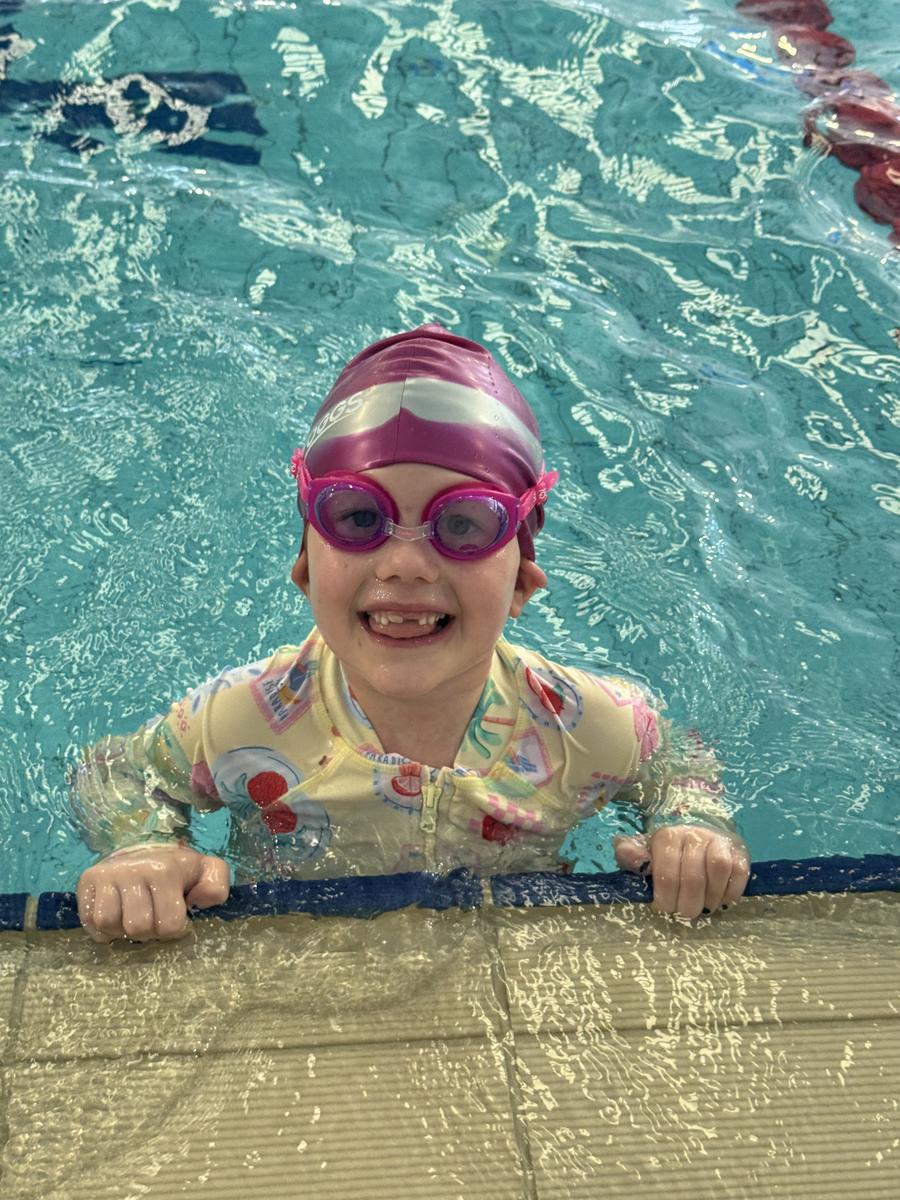
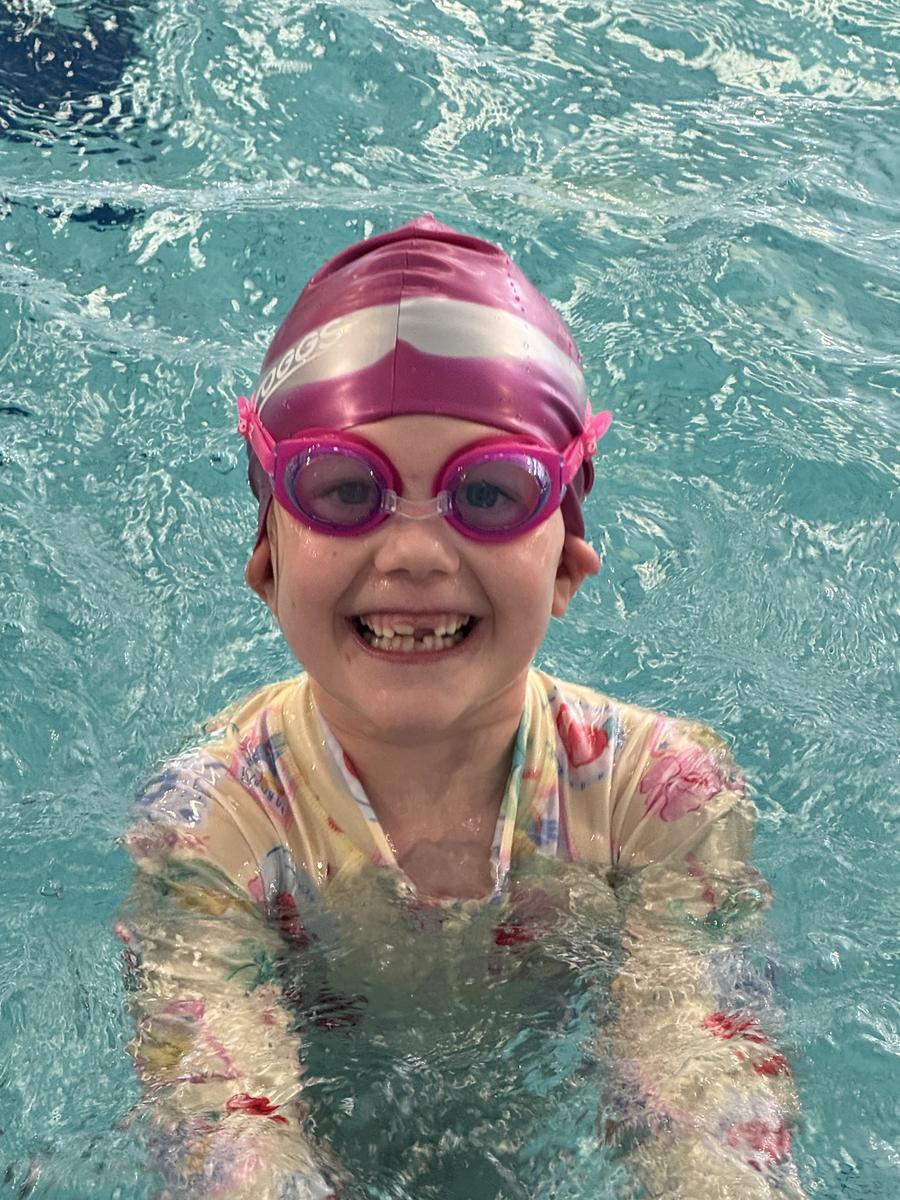
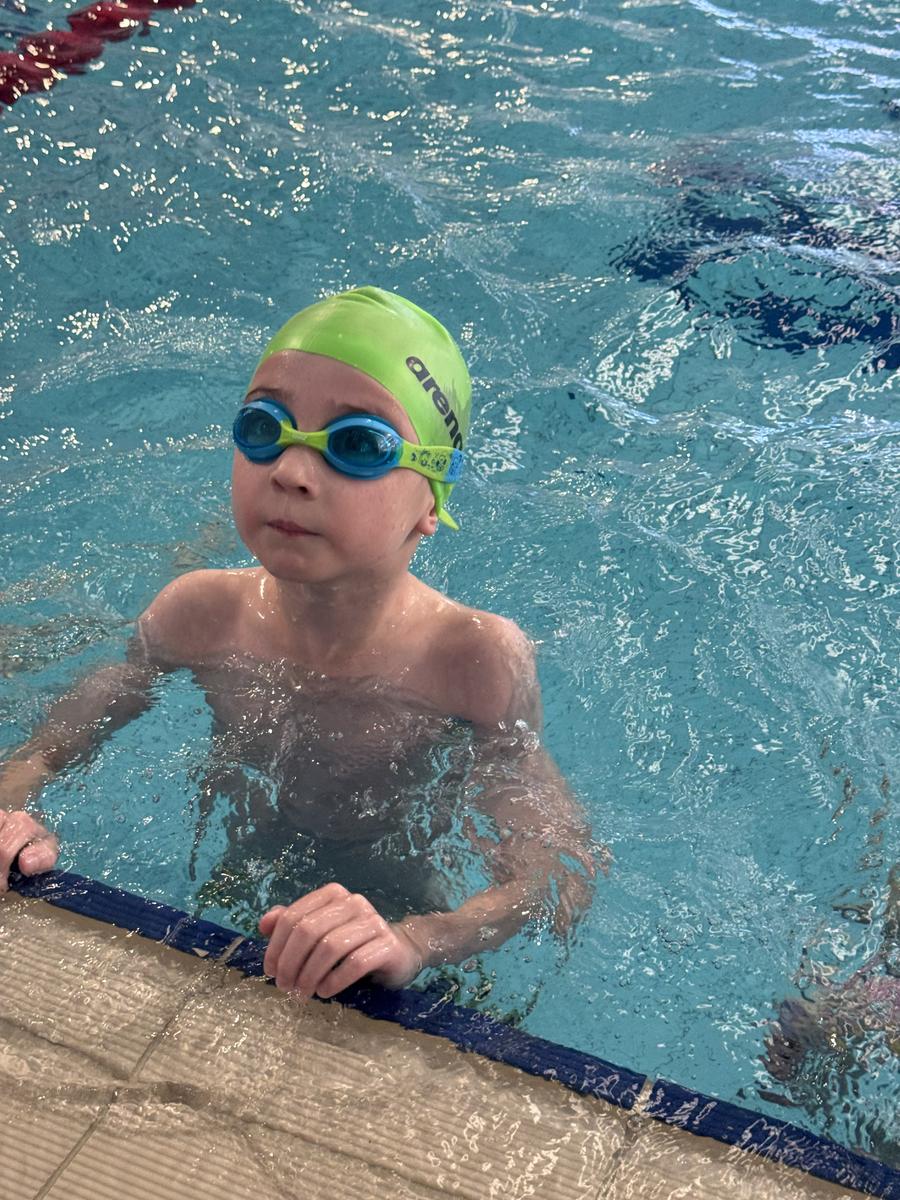
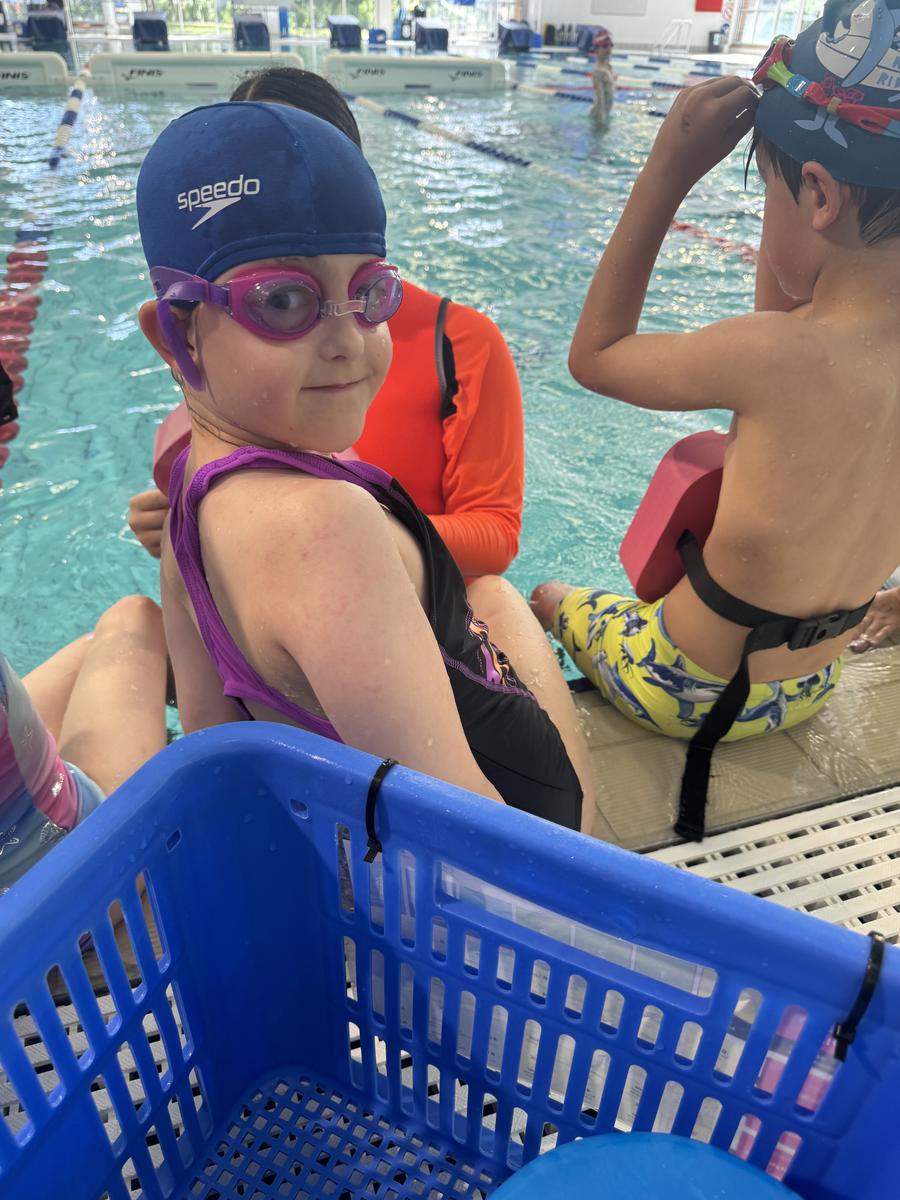
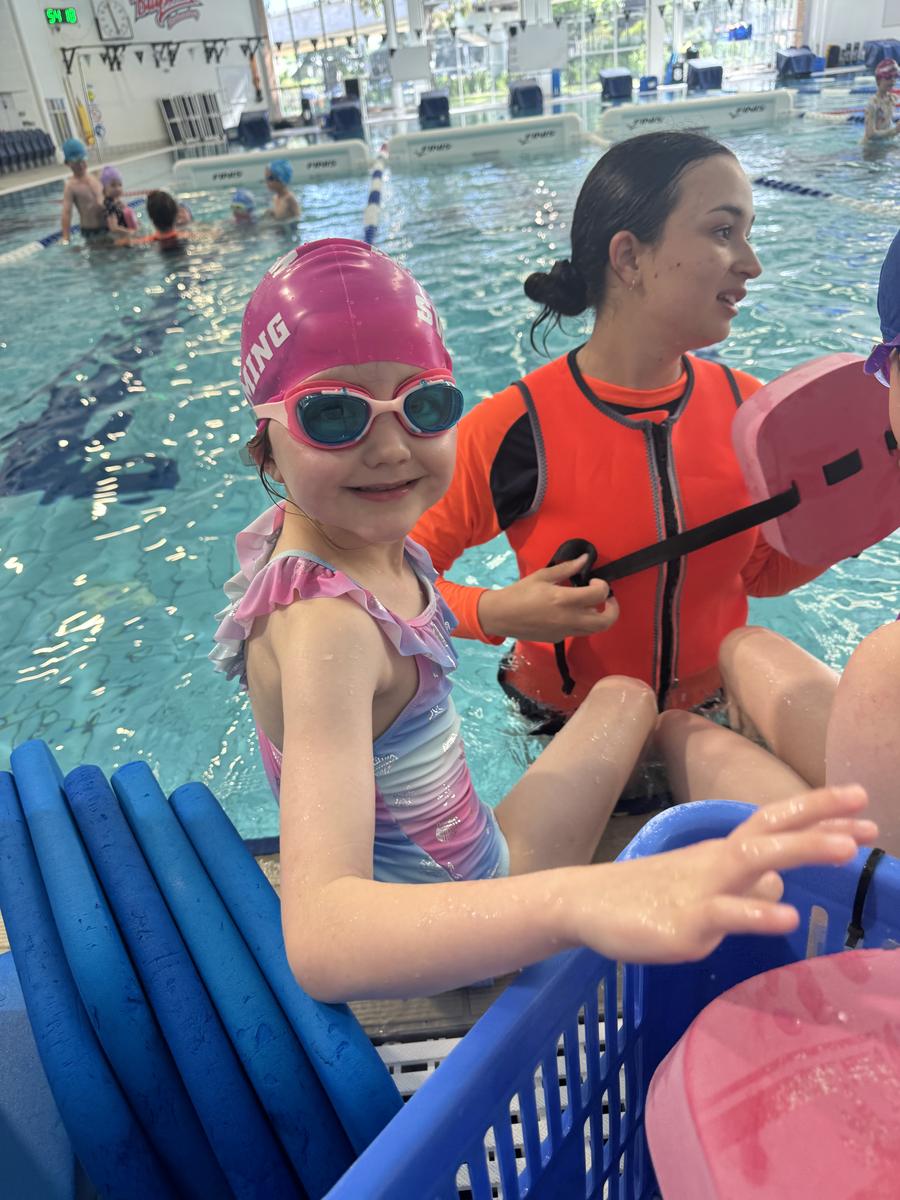
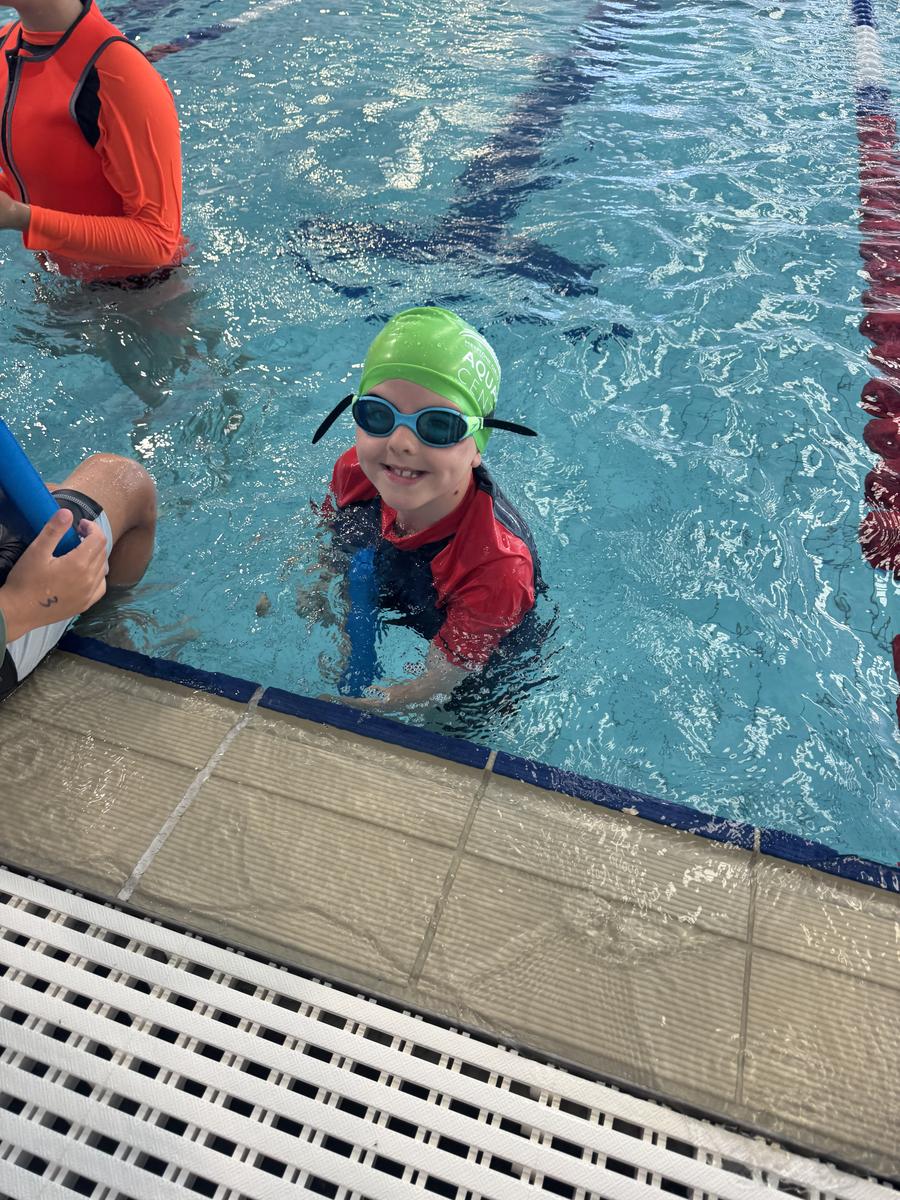
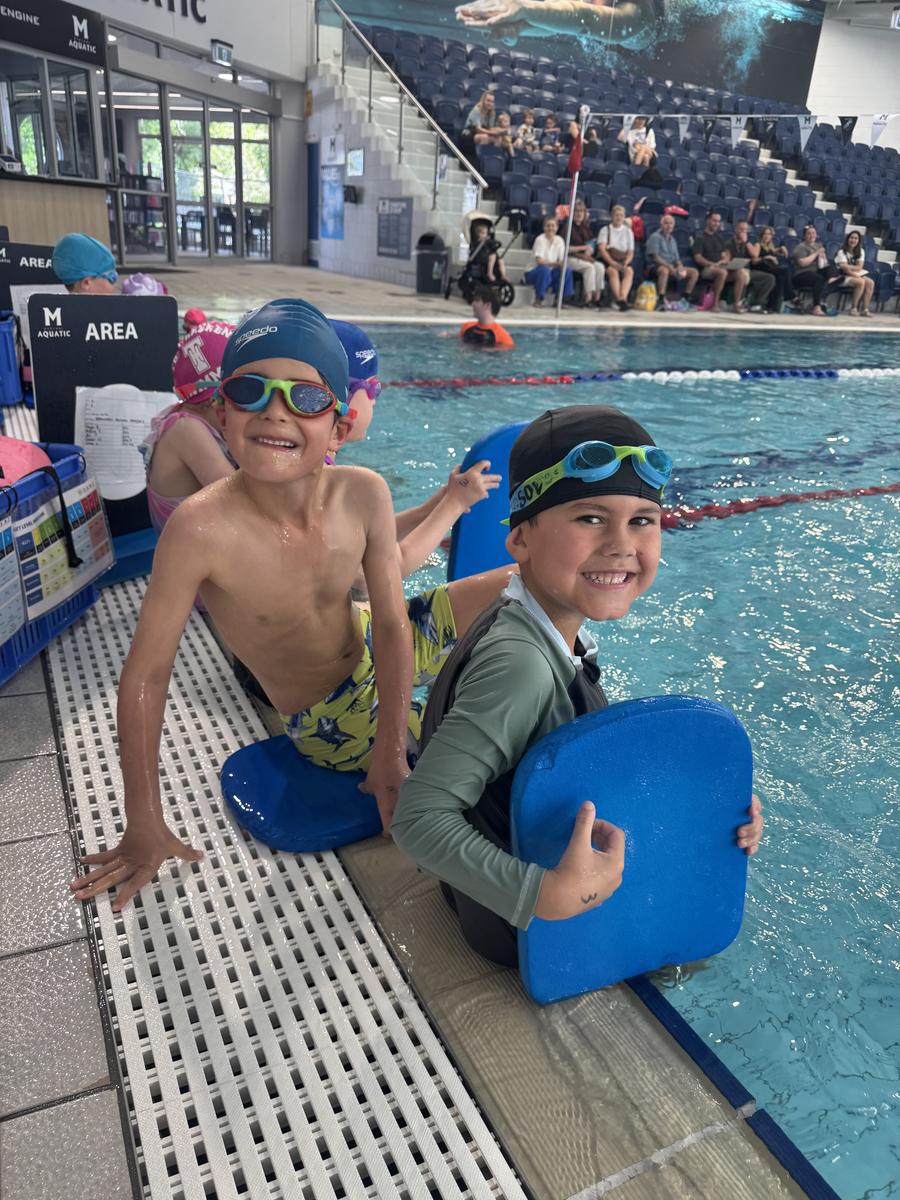
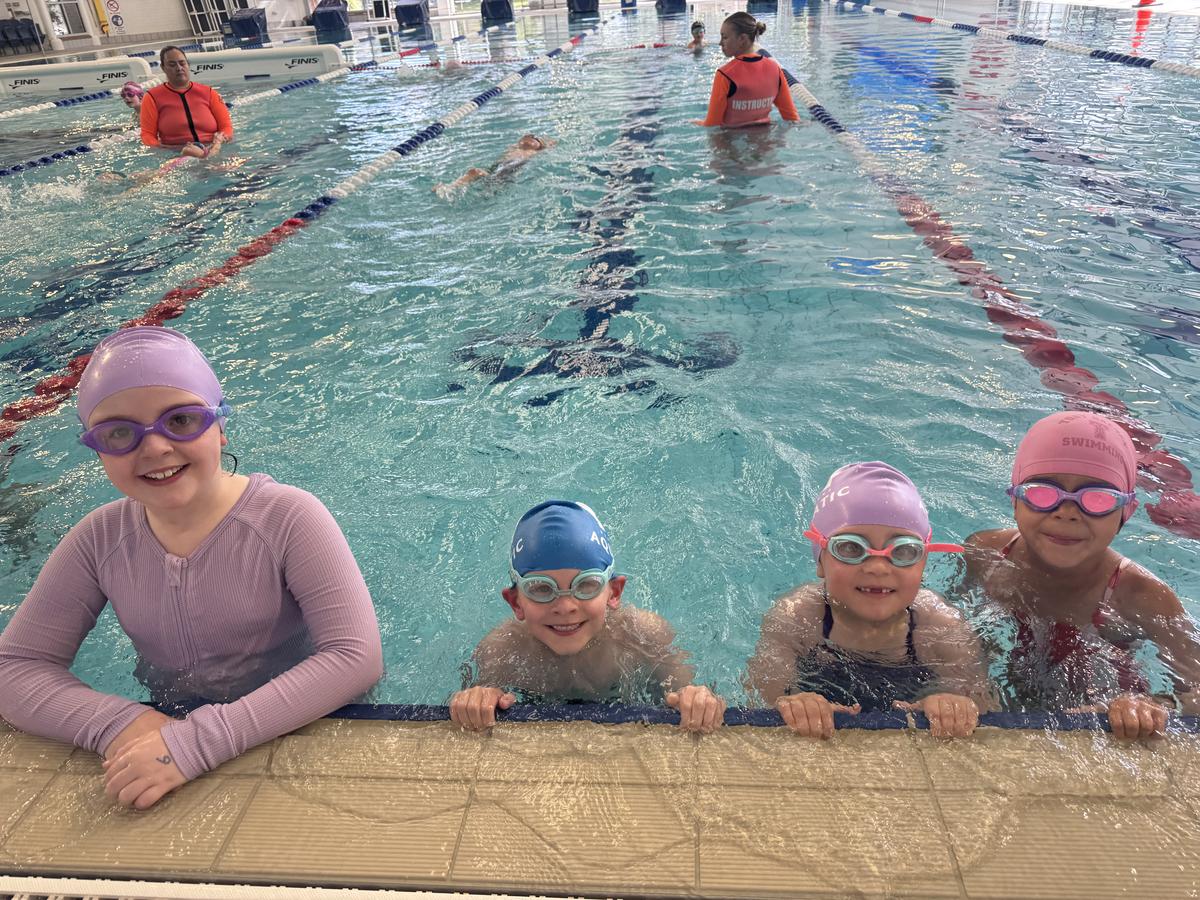
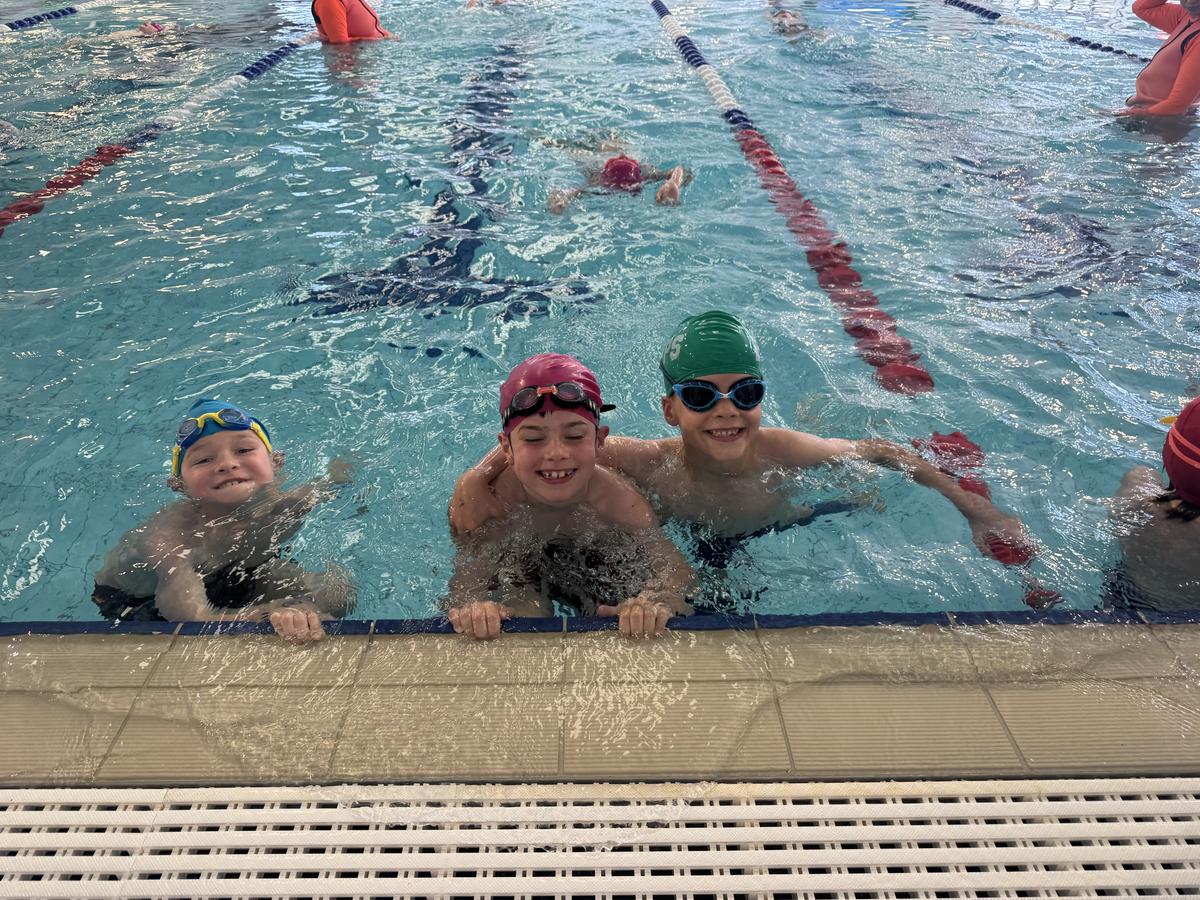
This week students begin their participation in our intensive swimming program, where they are working hard to develop their confidence, water safety awareness, and swimming skills. It has been fantastic to see students challenge themselves and demonstrate resilience. The program is also providing valuable opportunities for students to strengthen friendships, encourage one another and build independence through the organisation and management of their personal items.
We are incredibly proud of the way our students have settled back into classroom routines and expectations. As they enter their final term of Year 1, we have been delighted to see such growth, maturity, and independence. Students are demonstrating increasing responsibility for their learning and are showing many of the qualities that will support a successful transition into Year 2 next year.
We look forward to an exciting and productive term ahead as we continue to celebrate our students' achievements and make the most of their final weeks in Year 1.
We have been busy learning lots of new sounds and putting them to work in our reading and spelling. We have just introduced the new GPC’s - ‘or’ and ‘ar’. The students have been practising reading and spelling words such as sport, north, thorn, actor, brainstorm, smart, start, market, and darkness.
We will continue revising the suffixes -er, -est, -s and -es, exploring how they change the meaning of words. Students will learn how these suffixes can be added to describe comparisons, such as slow, slower and slowest, or to show more than one person or thing, such as cook/cooks and coach/coaches.
Reading fluently and confidently continues to be an important focus in our classroom. The students have been taking part in regular reading fluency activities, giving them opportunities to practise reading accurately, smoothly and with expression. These activities help the students become more confident and fluent readers.
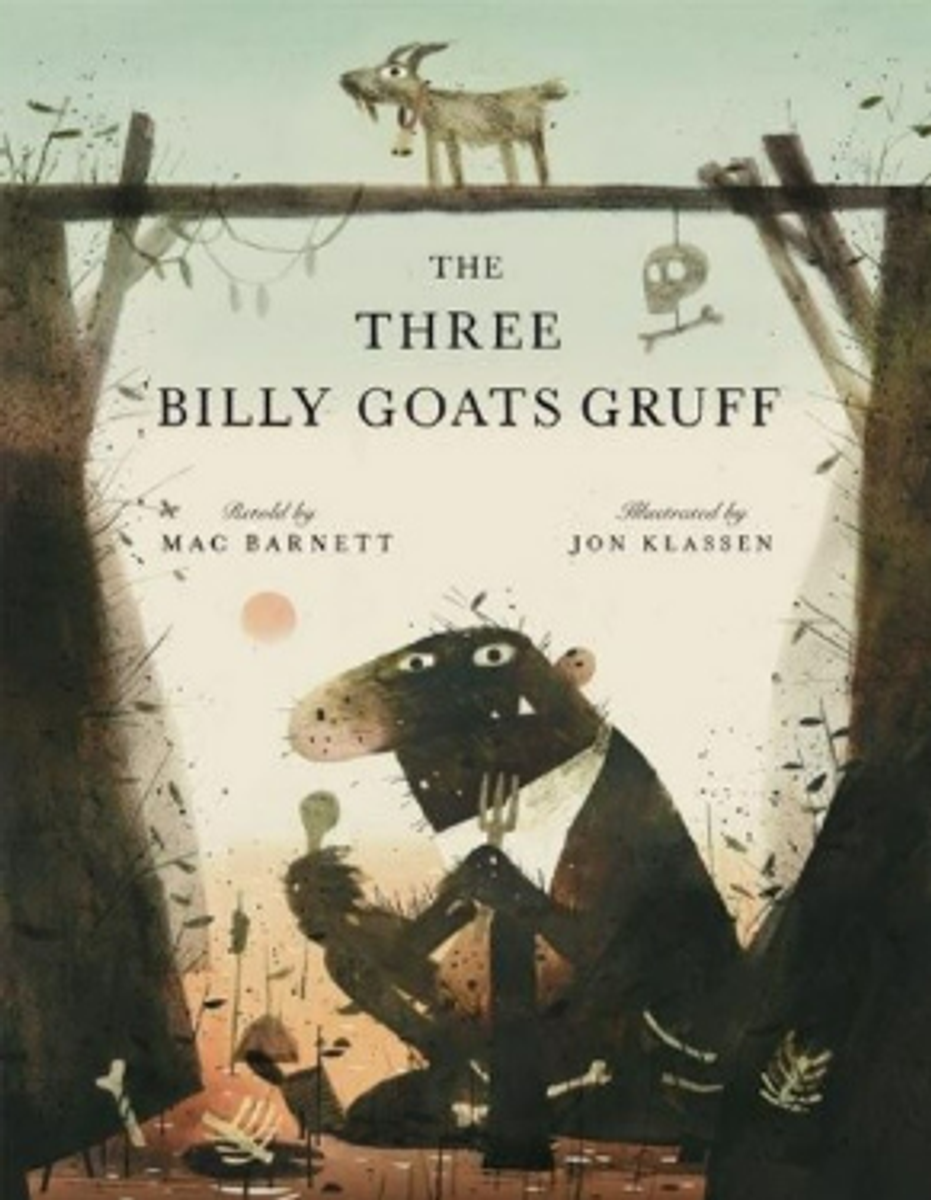
This term, our Year 1 students have been thoroughly enjoying our text study of The Three Billy Goats Gruff. Students have been enchanted by this version of the classic fairy tale, particularly its rich descriptive language, engaging vocabulary, and detailed illustrations that bring the story to life.
Throughout our reading and discussion sessions, students have been exploring the characters in depth, identifying and comparing the character traits of the three goats and the troll. They have investigated how the goats demonstrate positive qualities such as bravery, determination, cooperation, and clever thinking, while the troll's actions and words reveal traits such as greed, selfishness, and intimidation.
Students have used evidence from both the text and illustrations to support their thinking and have participated in rich discussions about how characters’ actions help us understand their personalities. These conversations have helped students develop their comprehension skills, expand their vocabulary, and deepen their understanding of how authors create interesting and memorable characters.
It has been wonderful to see the enthusiasm students bring to our lessons, and we look forward to continuing our exploration of this engaging fairy tale.
Our Year 1 mathematicians have been building their number knowledge, fluency, and problem-solving skills through a wide range of engaging learning experiences.
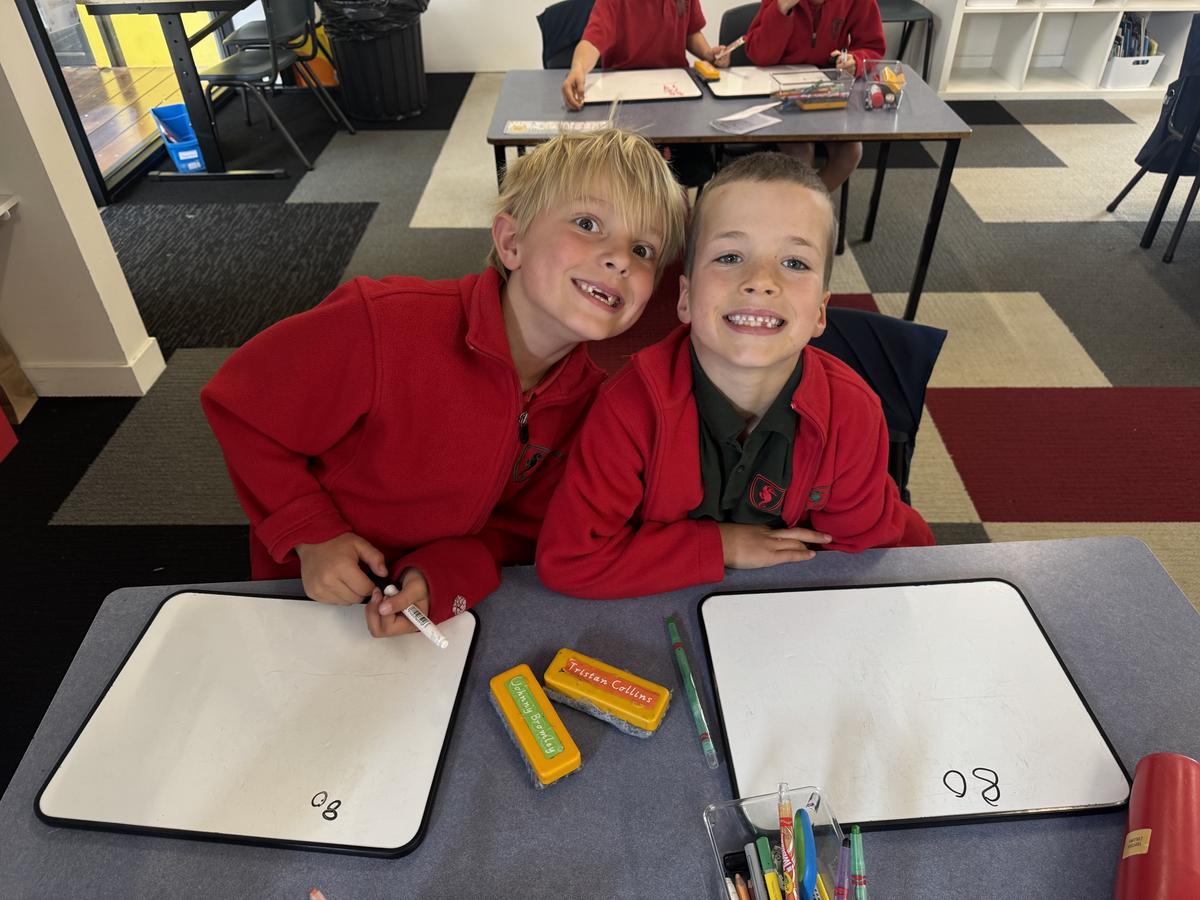
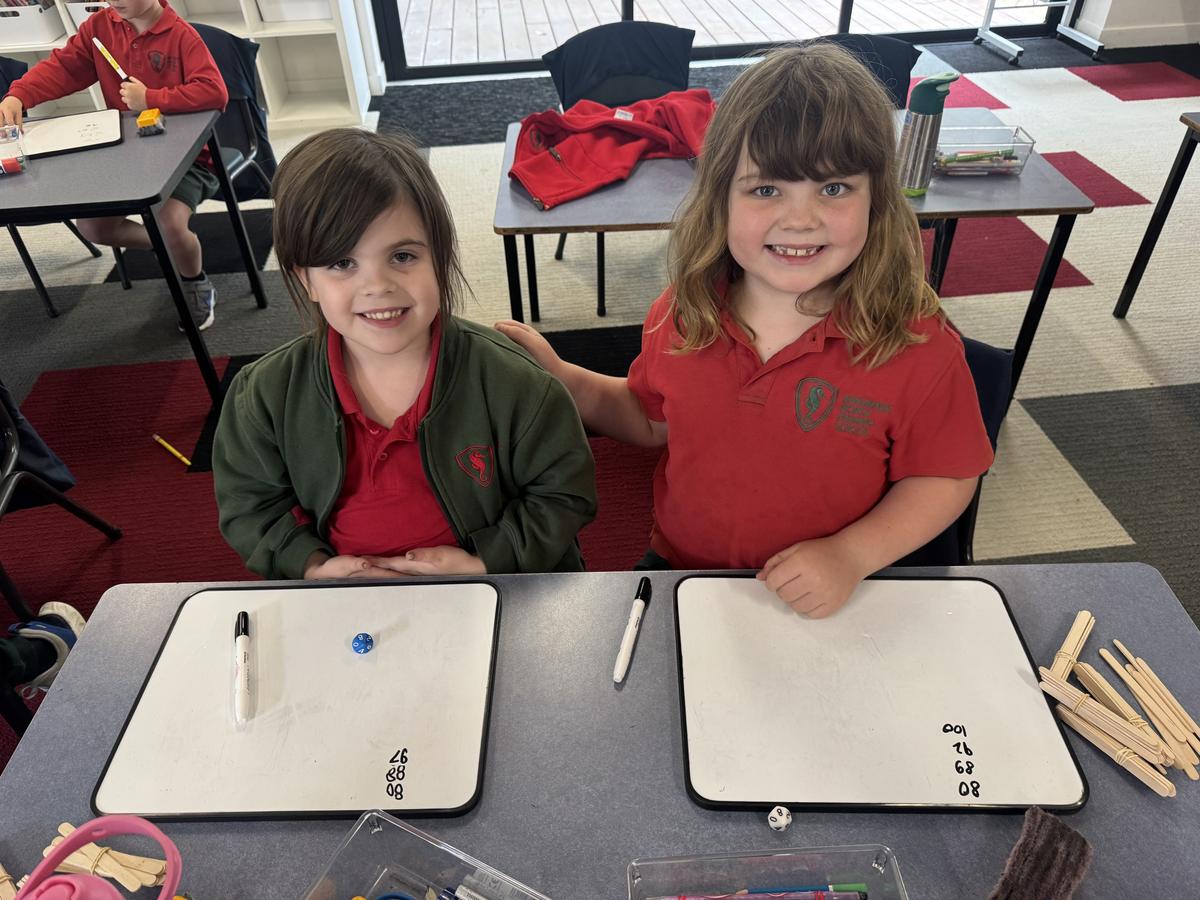
A key focus has been developing automatic recall of basic number facts through regular timed fluency practice. Students have been exploring efficient mental strategies, including understanding that adding or subtracting 9 can be thought of as adding or subtracting 10 and then adjusting by 1. They have also been making connections between related number facts, recognising that if they know 7 − 3 = 4, they can use this knowledge to solve 17 − 3 = 14, and that 4 + 5 = 9 is related to 4 + 15 = 19.
Students have continued to strengthen their understanding of place value by arranging, ordering and comparing numbers, while also practising counting by 2s, 5s and 10s from any starting number. These activities help develop flexible thinking and number sense.
In Measurement and Geometry, students have been learning to tell the time on analogue clocks and determine durations of time. They have also explored fractions by identifying and creating halves and quarters and have been comparing the area of different objects using informal units.
Students have been applying their place value knowledge to solve double- and triple-digit vertical addition and subtraction problems without regrouping. They have demonstrated increasing confidence when setting out calculations and explaining their mathematical thinking.
In Statistics, students have been learning to read, interpret and discuss information presented in graphs.
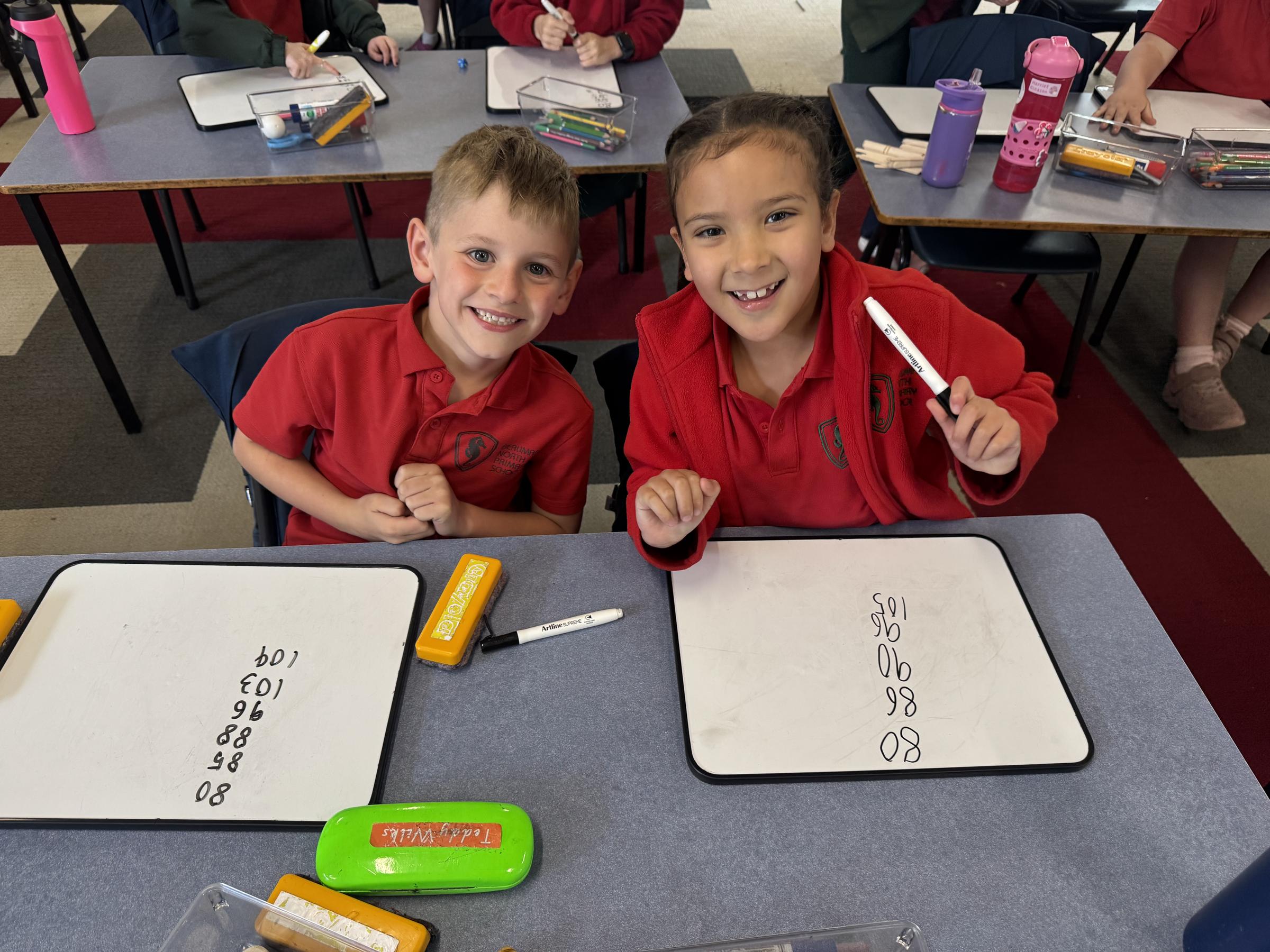
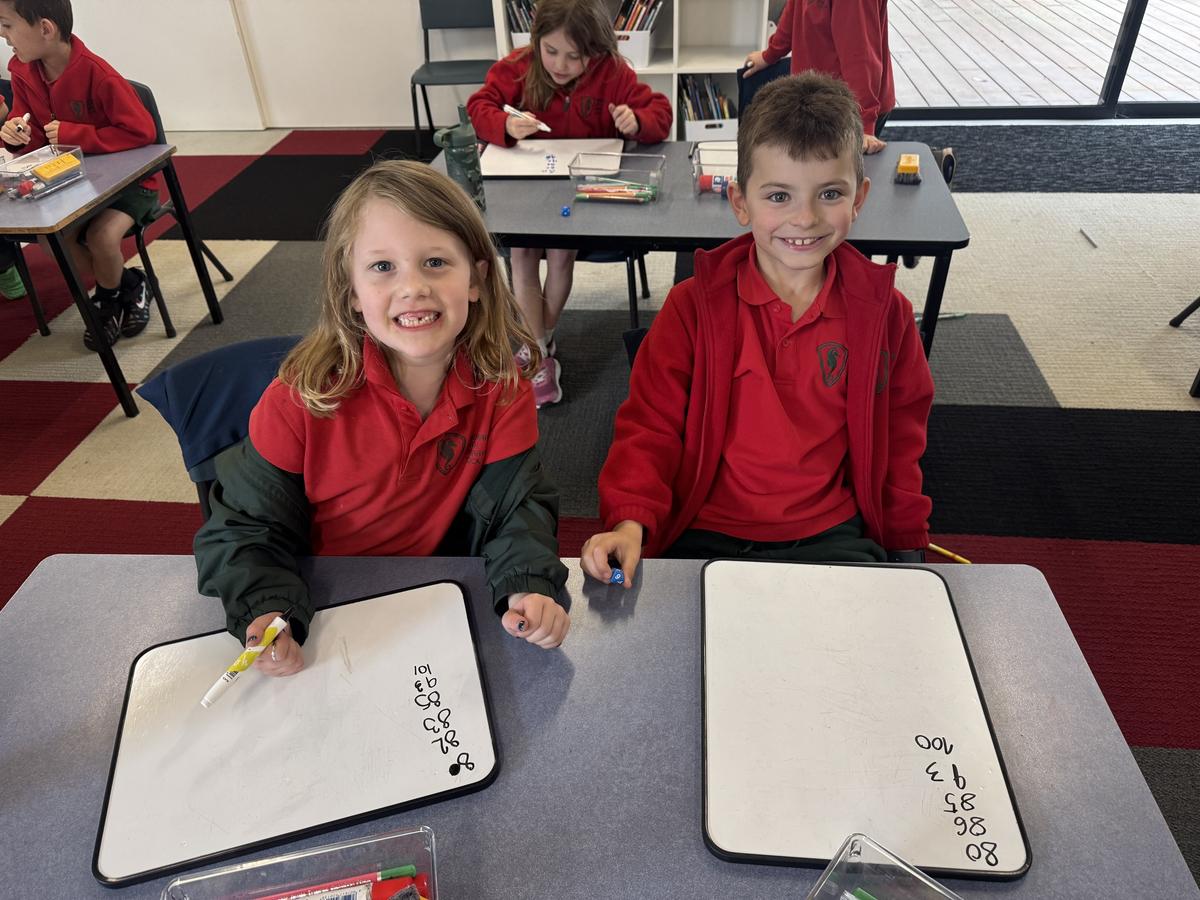
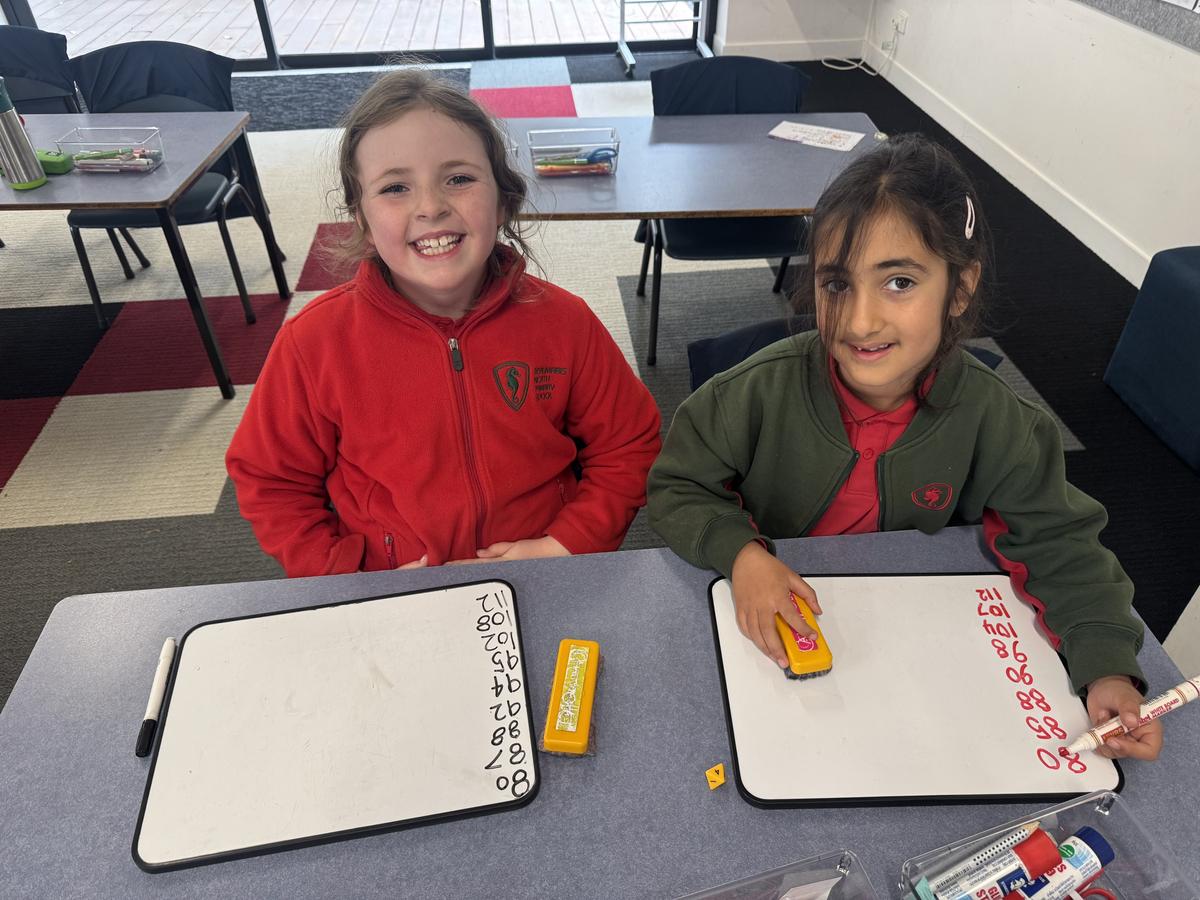
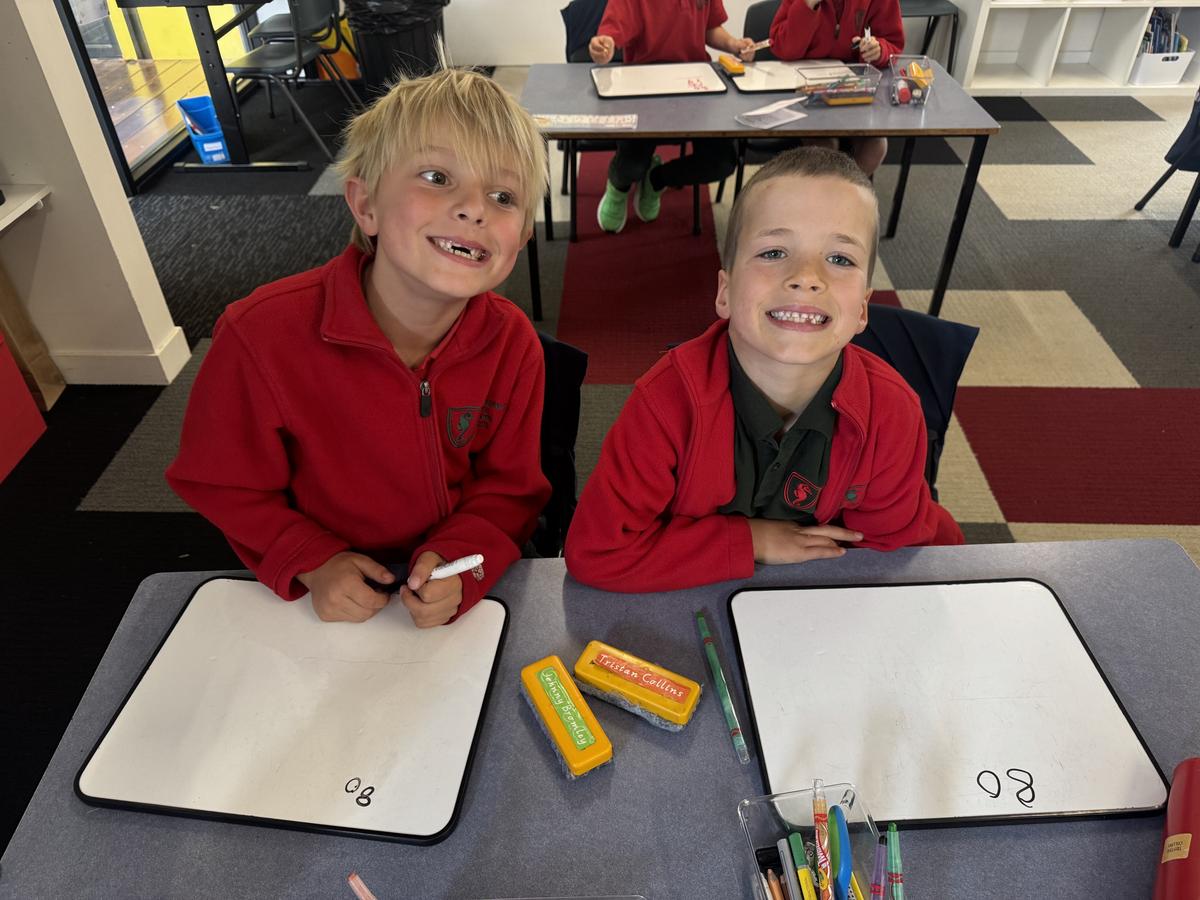
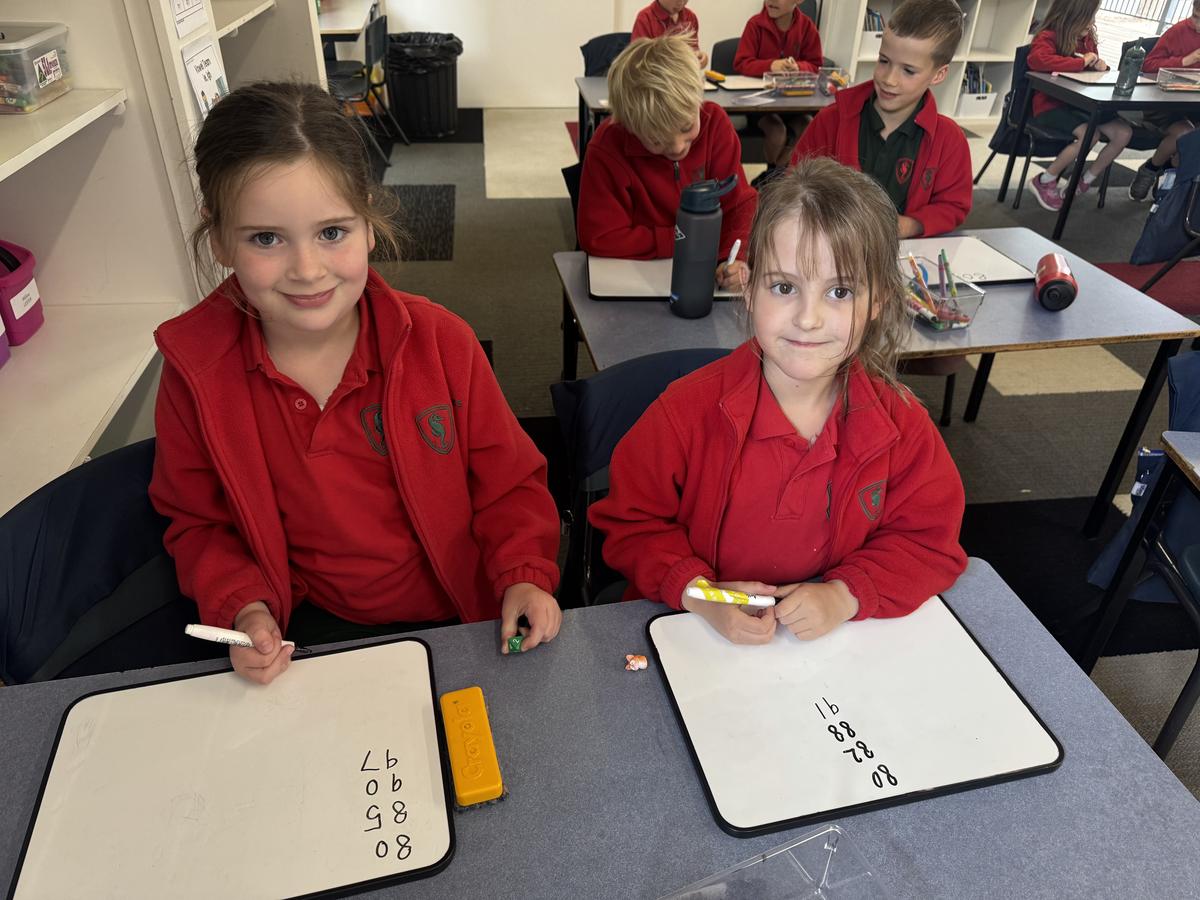
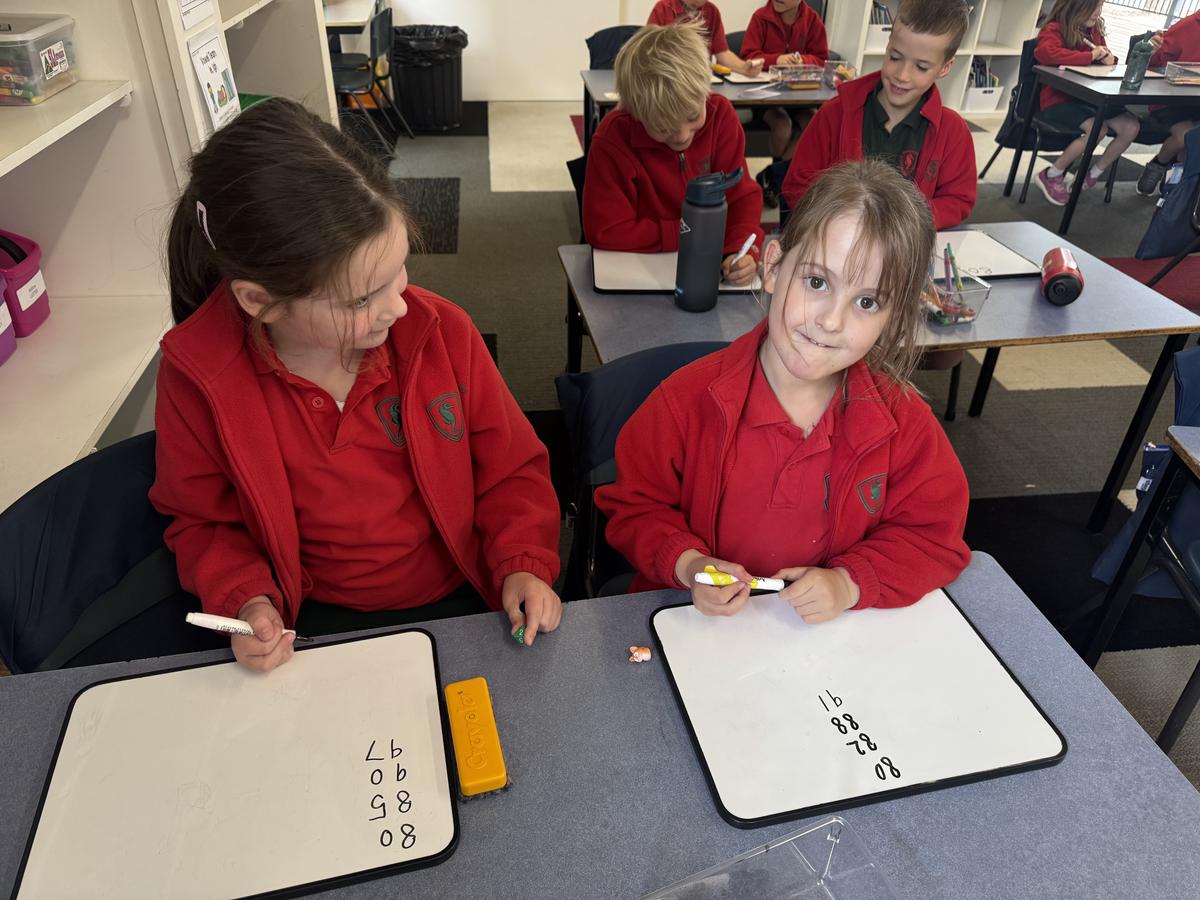
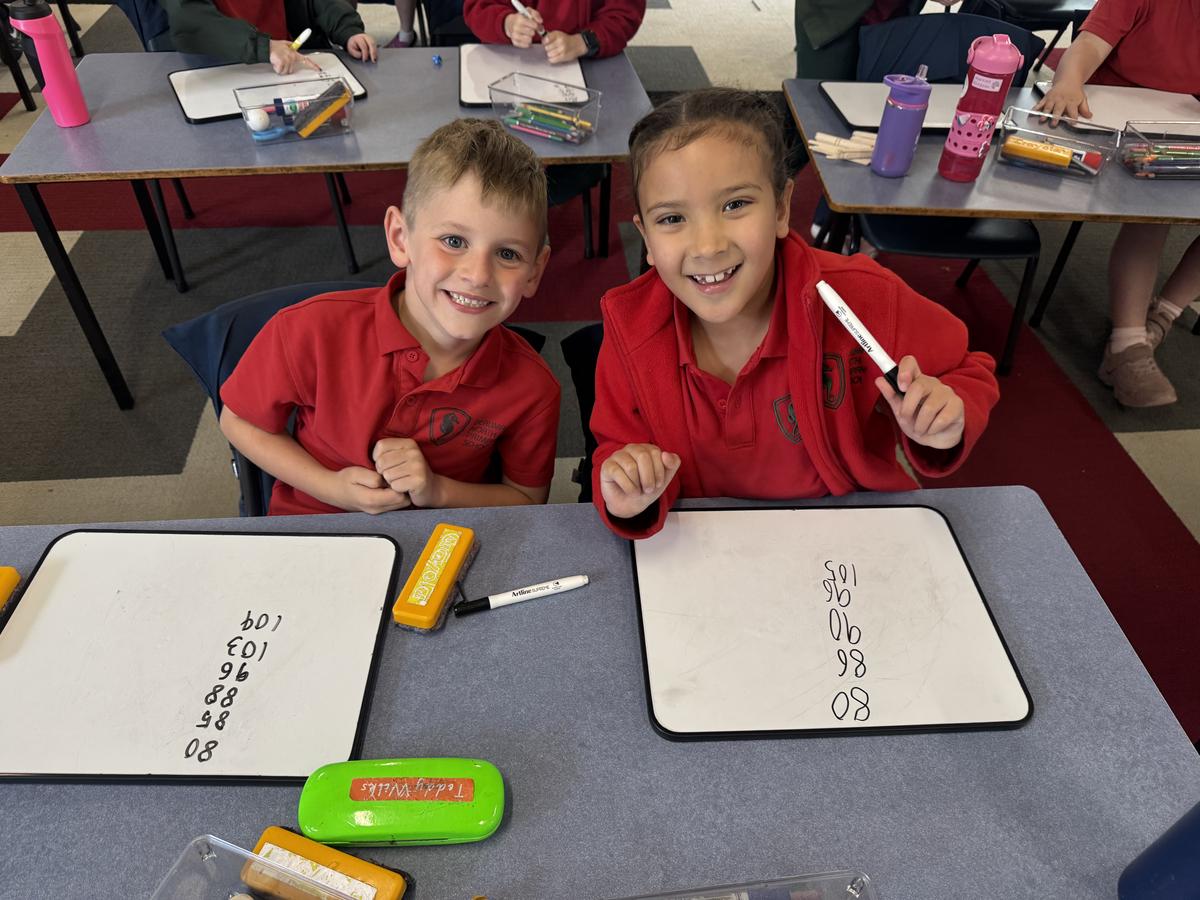
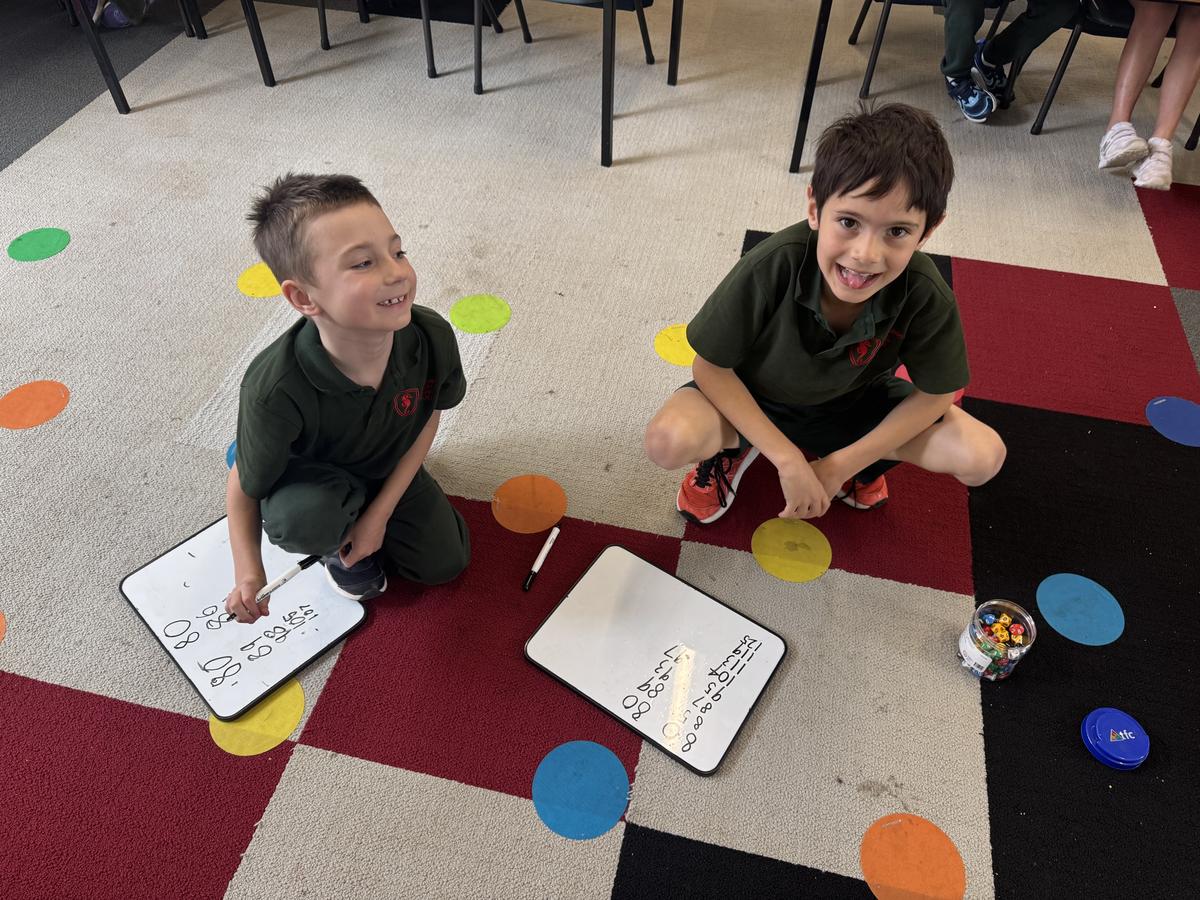
Students have also been learning to play Race to 120, a fun and engaging mathematics game that strengthens number fluency and counting skills.
To play, players begin at 80 and take turns rolling a 10-sided dice (or selecting a number card from 1–10). Players add their number to the running total and continue taking turns until someone reaches 120.
Once students have mastered Race to 120, they can challenge themselves with the variation Race Back to 80. In this version, play begins at 120 and players subtract their numbers to race back to 80. This provides valuable practice with subtraction and counting backwards.
We encourage families to play these games at home. They require very little equipment and provide a simple, enjoyable way for students to strengthen their mathematical thinking. It has been wonderful to see students' confidence and enthusiasm for mathematics continue to grow as they challenge themselves with new concepts and make connections between their learning.
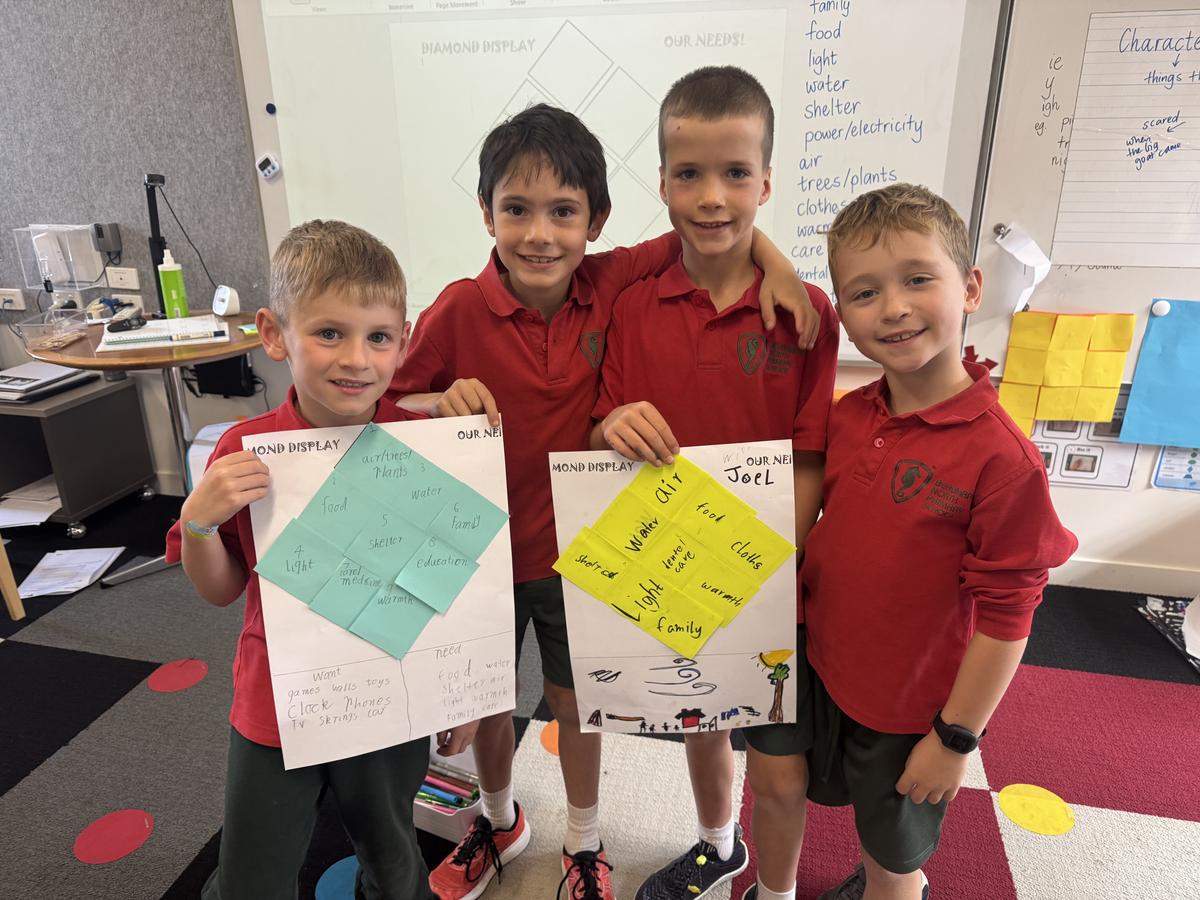
Our current Unit of Inquiry, Sharing the Planet, has truly captivated the imaginations of our Year 1 students. Students have been developing their understanding of the amazing diversity of animals that share our world.
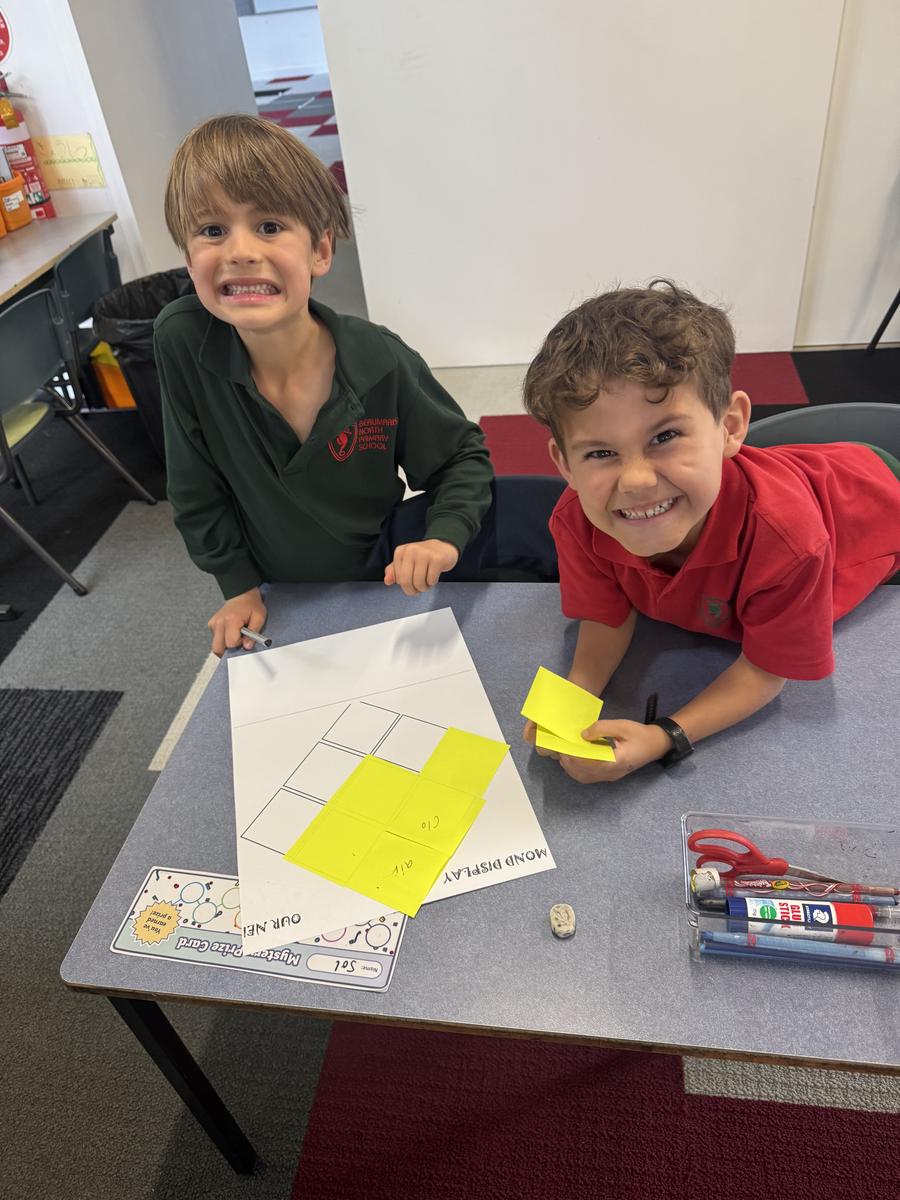
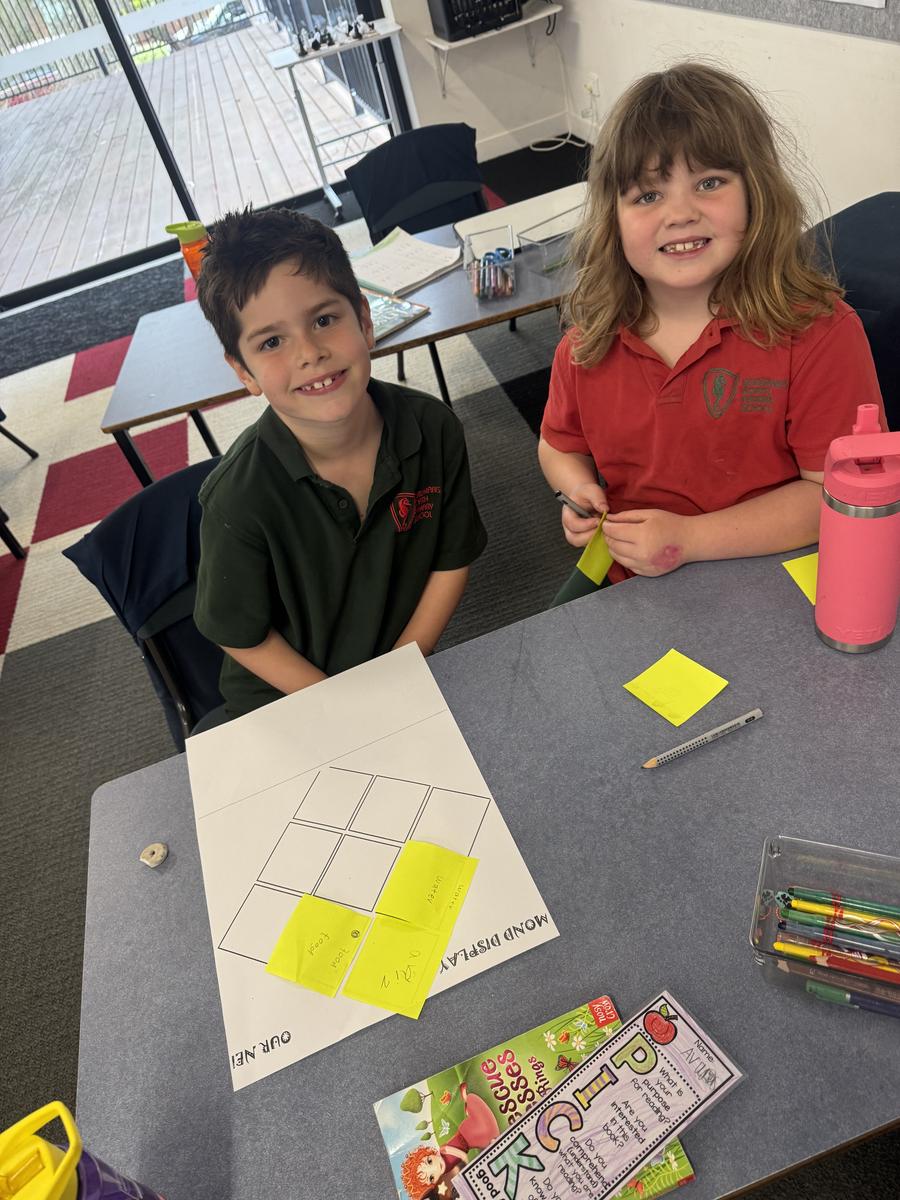
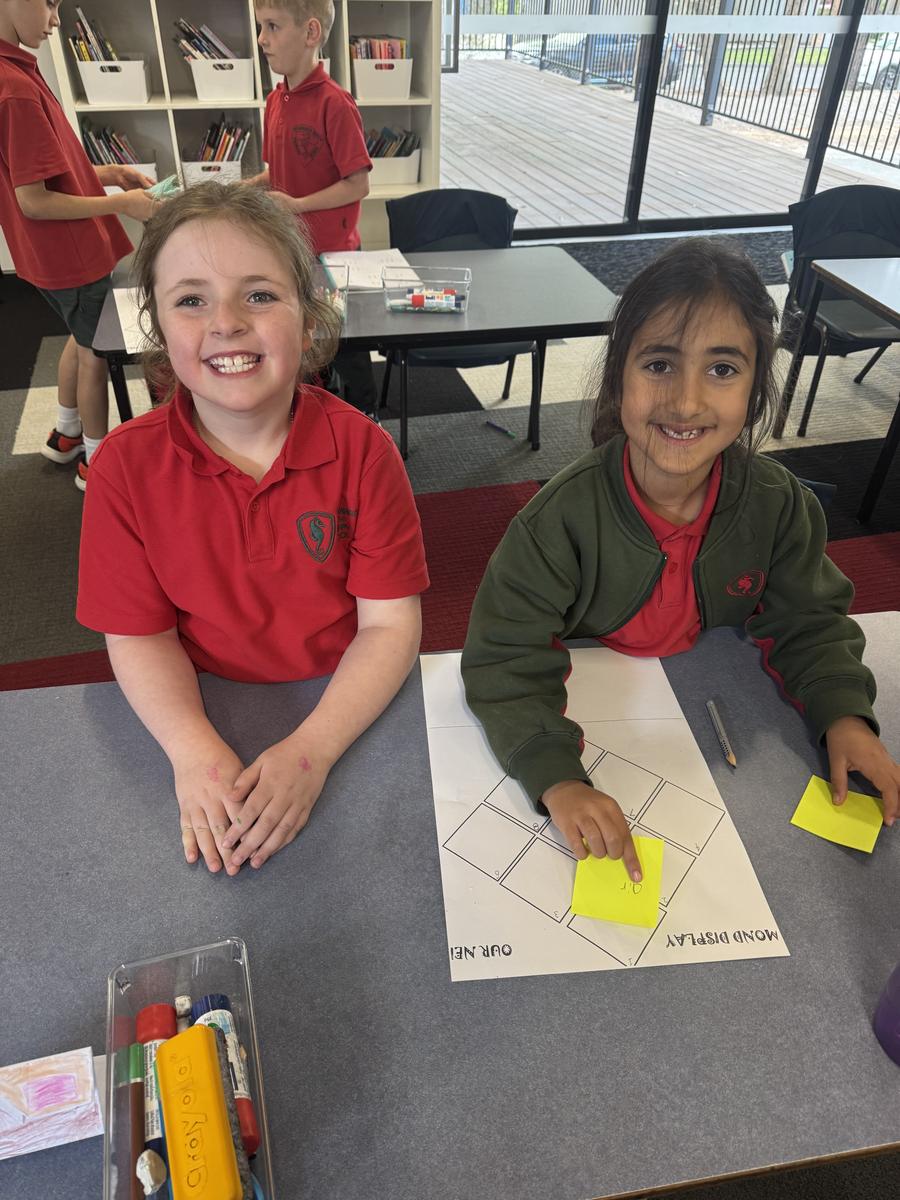
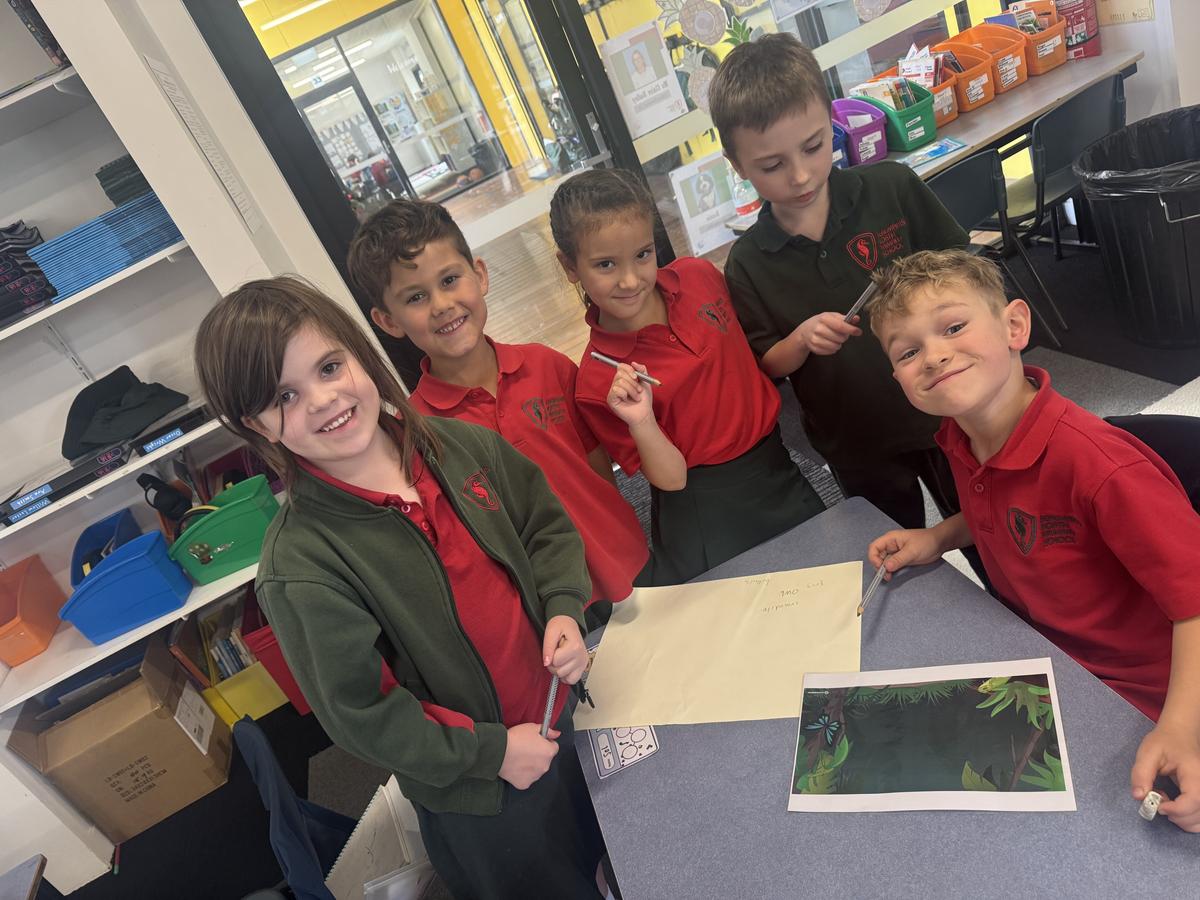
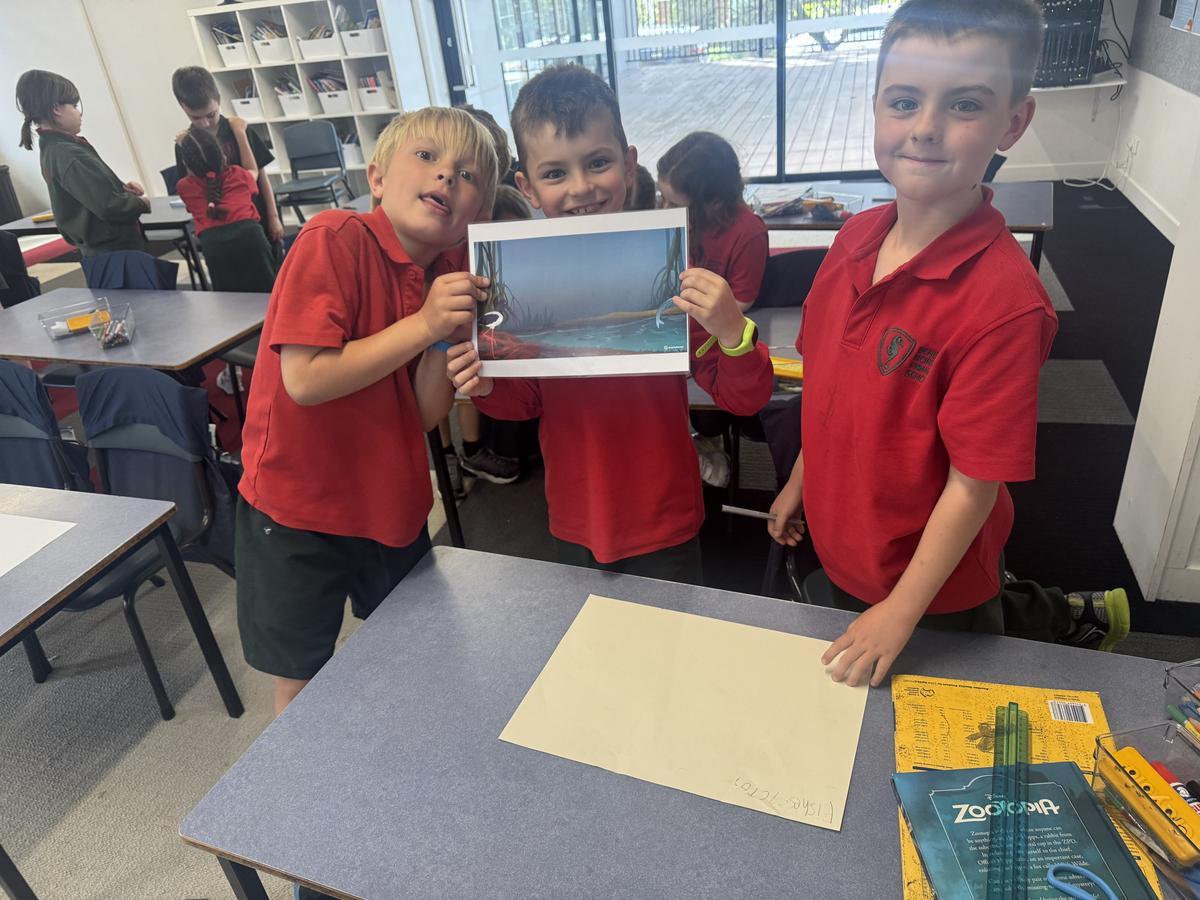
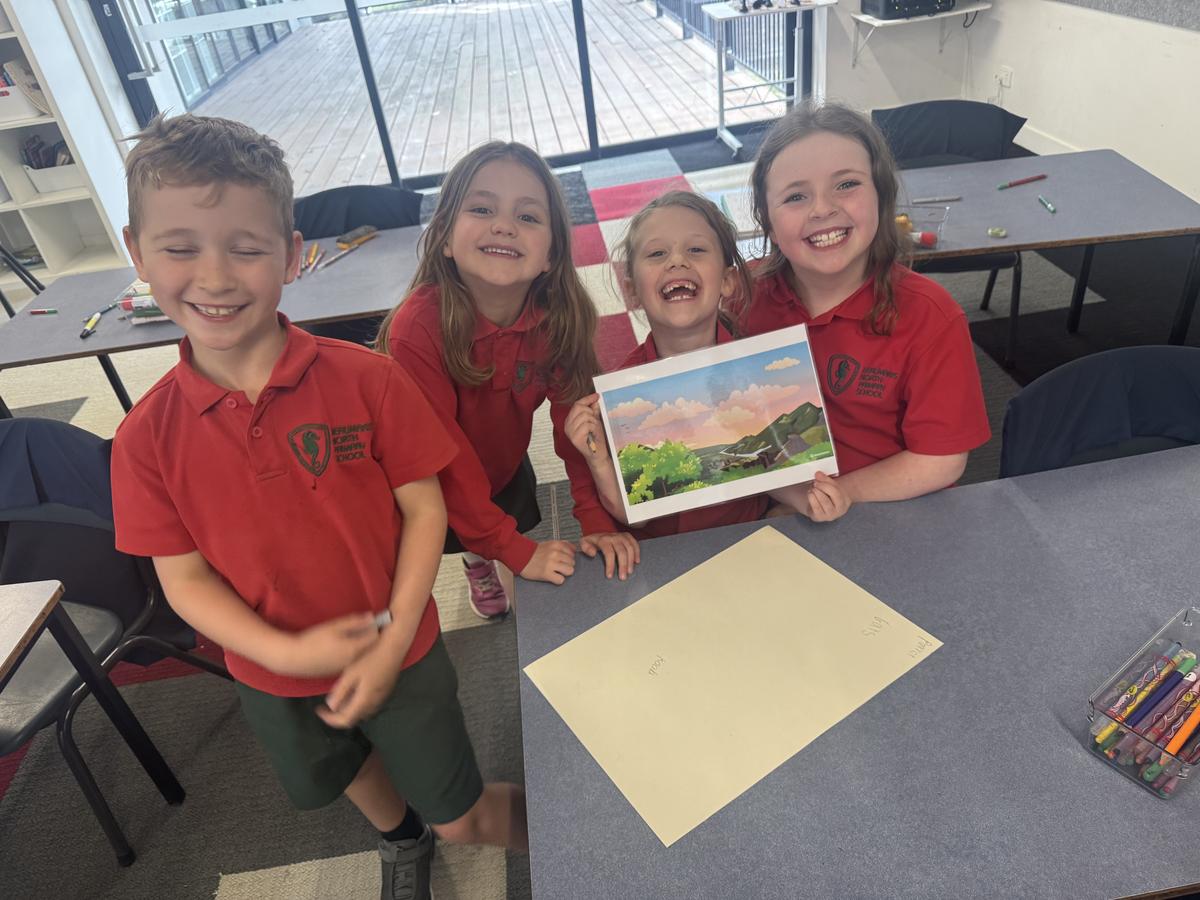
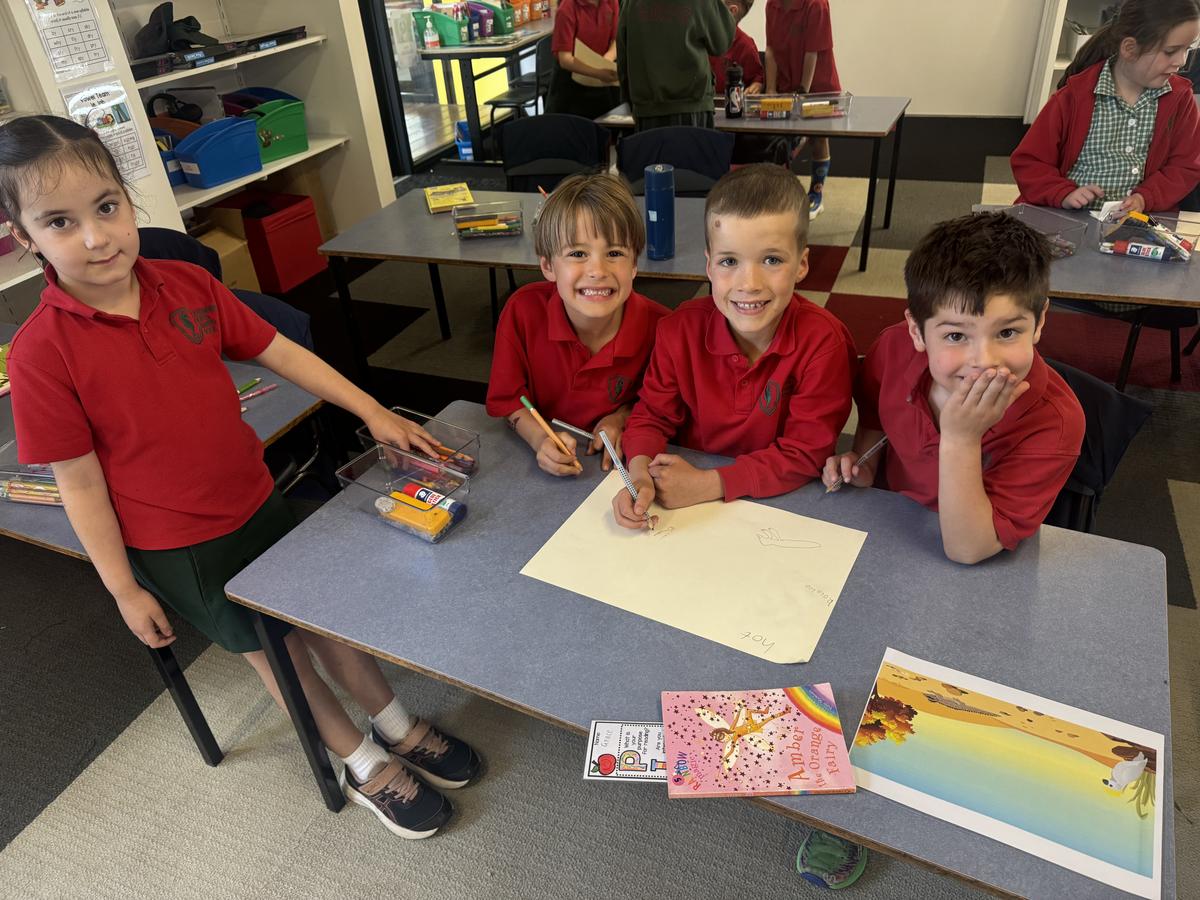
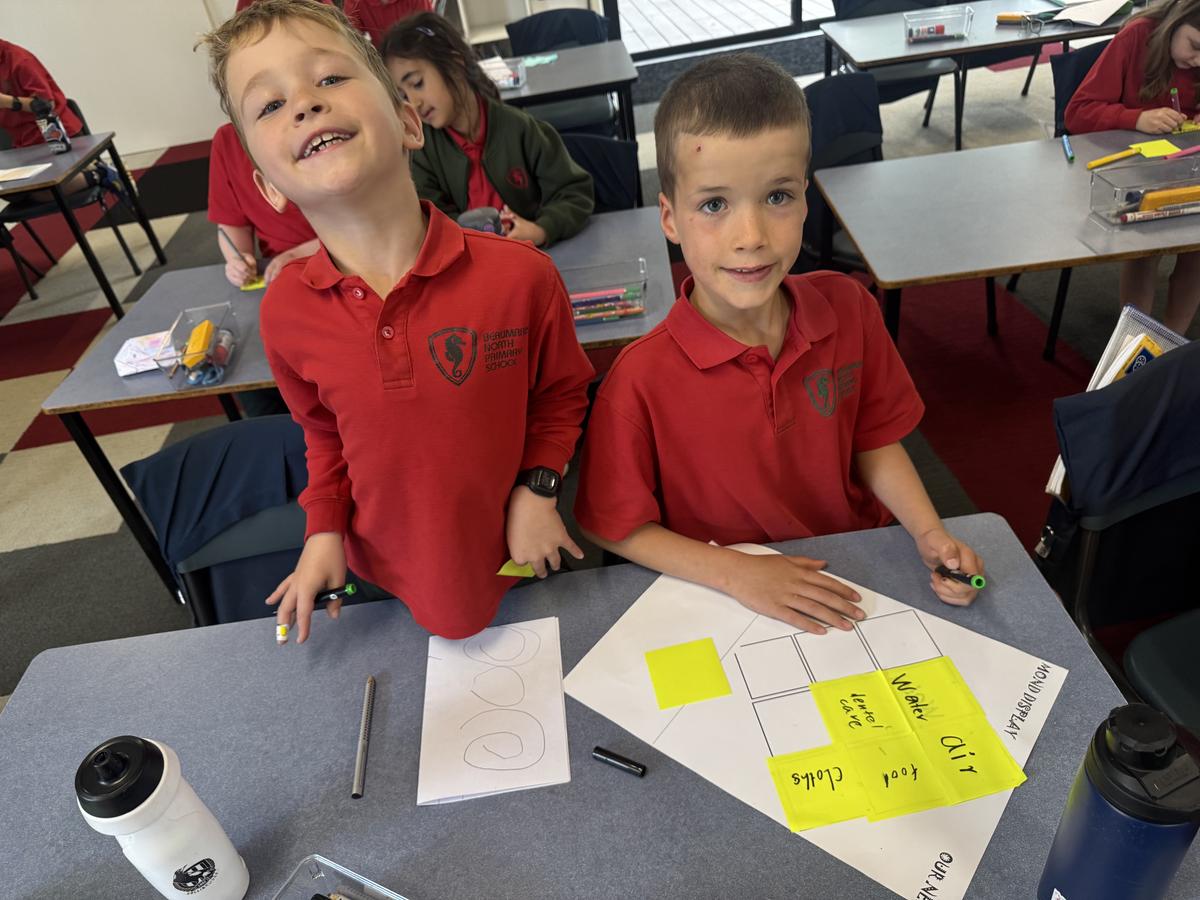
A key focus of the unit has been learning how to classify animals into different groups based on their characteristics. Students have explored the features of mammals, birds, reptiles, amphibians, fish and insects, and have enjoyed sorting and categorising animals using their growing knowledge.
Students will also be investigating how animals adapt to their environments and why they have special features that help them survive. We will explore questions such as: Why do polar bears have thick fur? How do ducks use their webbed feet? Why do giraffes have such long necks? These inquiries will encouraged students to think deeply about the relationship between an animal's physical features and the habitat in which it lives.
It has been wonderful to see students' enthusiasm for learning grow as they discover more about the incredible ways animals are adapted to survive and thrive in a variety of environments. We look forward to continuing our investigations and uncovering even more fascinating facts about the living things that share our planet.
It has been terrific to see how students’ curiosity, determination and willingness to embrace new challenges have made for a fantastic start to Term 4, and we look forward to celebrating many more learning achievements in the weeks ahead. Thank you for your ongoing support and partnership throughout the year.
As we move into Term 4, we are revisiting and placing a strong emphasis on the importance of good sportsmanship, fair play and positive interactions in the yard. Learning how to include others, follow game rules, solve minor disagreements respectfully and be gracious winners and losers are all important skills that help create a happy and safe playground for everyone.
To support our Year 1 students, a group of Year 6 student leaders will be available in the playground to help facilitate games and provide guidance when needed. This wonderful initiative offers younger students additional support as they develop confidence in playing cooperatively, taking turns, including others and resolving problems independently.