Wellbeing and Inclusion


School-age play: why it’s important for emotional development
Play is one of the main ways that children learn and develop. It’s important for all areas of development, including emotional development. Play is an important way for school-age children to practise their emotional skills – and sometimes just to let their emotions out.
Your child might have many opportunities to play with other children at school, but playing with you still has an important and special role.
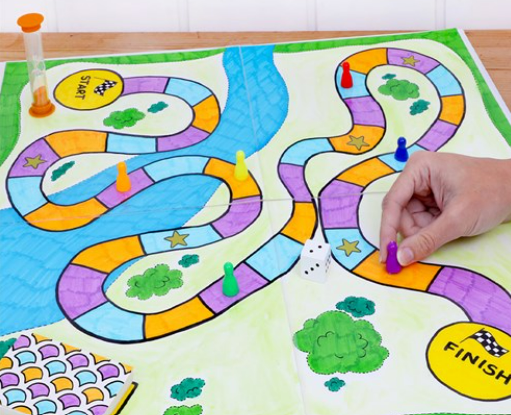
Playing with your child – for example, throwing a ball to each other or playing a board game together – gives your child the chance to experience and express emotions like happiness and disappointment in a supportive environment. It strengthens your relationship too, and it’s all good practice for when your child is playing with others.
Play ideas to share together
Creative play
- Build together – LEGO, blocks, cardboard boxes or a blanket fort.
- Draw a picture together – take turns adding to the same picture.
- Make a family comic – create characters and a funny story.
- Cooking together – make pizzas, biscuits, fruit skewers or sandwiches.
- Craft challenge – give everyone the same materials and see what they create.
- Make a puppet show – use socks, paper bags or toys as characters.
Active play
- Backyard obstacle course – use cushions, chairs, hoops and balls.
- Scavenger hunt – find things around the house or outside.
- Family bike or scooter ride.
- Ball games – catch, kicking, basketball or target throwing.
- Dance party – take turns choosing songs and inventing dance moves.
- Follow the leader – take turns being the leader.
Games that encourage talking and thinking
- Would You Rather? – "Would you rather fly or be invisible?"
- 20 Questions – guess the animal, object or person.
- I Spy – great for younger children.
- Charades – act out animals, jobs, movies or activities.
- Memory games – place objects on a tray, remove one and guess what's missing.
- Story-building game – each person adds one sentence to create a silly story.
- Board or card games – choose something appropriate for the child's age.
Activities focused on connection
- Special time – the child chooses the activity, and the parent follows their lead.
- Feelings drawing – "Draw something that made you happy this week."
- Rose, thorn and bud – share something good, something difficult and something you're looking forward to.
- Family question jar – everyone pulls out a question and answers it.
- Compliment game – each person says something they appreciate about another family member.
- Build and chat – build LEGO or blocks together while talking.
- Bedtime story with a twist – let the child choose what happens next.
As busy parents, finding time is always tricky. Try spending 10 minutes each day playing together.
- Let your child choose the activity.
- Put phones and other distractions away.
- Follow their lead.
- Ask questions and show interest.
- Praise their ideas and effort.
- Have fun – it doesn't need to be perfect!
Play is not just about keeping children busy. It's a chance to build connection, confidence, communication and strong relationships.