
Classroom Activities

National Science Week 2026: Planting Seeds of Scientific Discovery
National Science Week 2026 embraced the theme 'Seeds of Science: nurturing science for all', inviting students across Australia to explore the power of curiosity, enquiry and shared learning in growing scientific understanding. Just as seeds need the right conditions to grow, knowledge flourishes when it is nurtured, shared and applied to real-world and authentic challenges across all areas of science.
This theme encouraged students to explore how ideas take root, develop and spread, from the first spark of a question to sharing discoveries that can benefit the wider community. While the theme aligns with the United Nations International Year of Woman Farmers and the Year of Rangelands and Pastoralists, Science Week is about much more than agriculture. It provided opportunities to explore 'seeds' in all their forms, from growing plants and crystals to exploring sustainable practices and modern technology.
Our Year 7 and Year 8 scientists embraced the theme with a week of hands-on investigations, practical challenges and plenty of opportunities to think like real scientists.
Growing Our Understanding
Our Year 7 scientists began by investigating seed germination and what seeds need to grow. They created their very own 'Hairy Harries' using watercress seeds, watching as their seeds germinated and began to grow. They also completed the 'Bean to Sprout' investigation, giving students the opportunity to observe the stages of germination and consider the conditions plants need to successfully grow.
Students then turned their attention from growing plants to the very different challenge of sustainable fishing. Using lollies to model fish populations, students investigated how advances in technology and fishing equipment have made fishing more efficient. They also explored why this increased efficiency has made it necessary to introduce fishing regulations to protect fish populations and maintain healthy aquatic ecosystems. It was a fun activity with an important message about how human technology can have both positive and negative impacts on the environment.
To finish their Science Week, the Year 7 scientists got their hands dirty making seed bombs. Using native flower seeds, students created small balls containing everything needed to help distribute seeds and encourage native plants to grow. Their seed bombs provided a practical connection between science, sustainability and our local environment.
Seeds, Snowflakes and Sustainable Science
The Year 8 scientists also explored seed germination and sustainable fishing, building on their understanding of plant growth, ecosystems and the impact humans can have on natural environments.
They then took their investigations in a completely different direction by exploring cloud seeding. Students investigated how scientists can influence cloud formation and precipitation before creating their own 'Salty Snowflakes' using Epsom salts. This activity allowed students to observe crystal formation while connecting their practical work to the much larger processes that occur in Earth's atmosphere.
Science Week provided our students with the opportunity to see that science is not simply something that happens in a textbook or laboratory. It is all around us – in the growth of a tiny seed, the management of our oceans, the formation of crystals and clouds, and the technologies we use to better understand and manage our world.
Most importantly, our students were encouraged to ask questions, investigate, experiment, collaborate and discover – helping to plant the seeds of scientific curiosity that we hope will continue to grow well beyond Science Week.
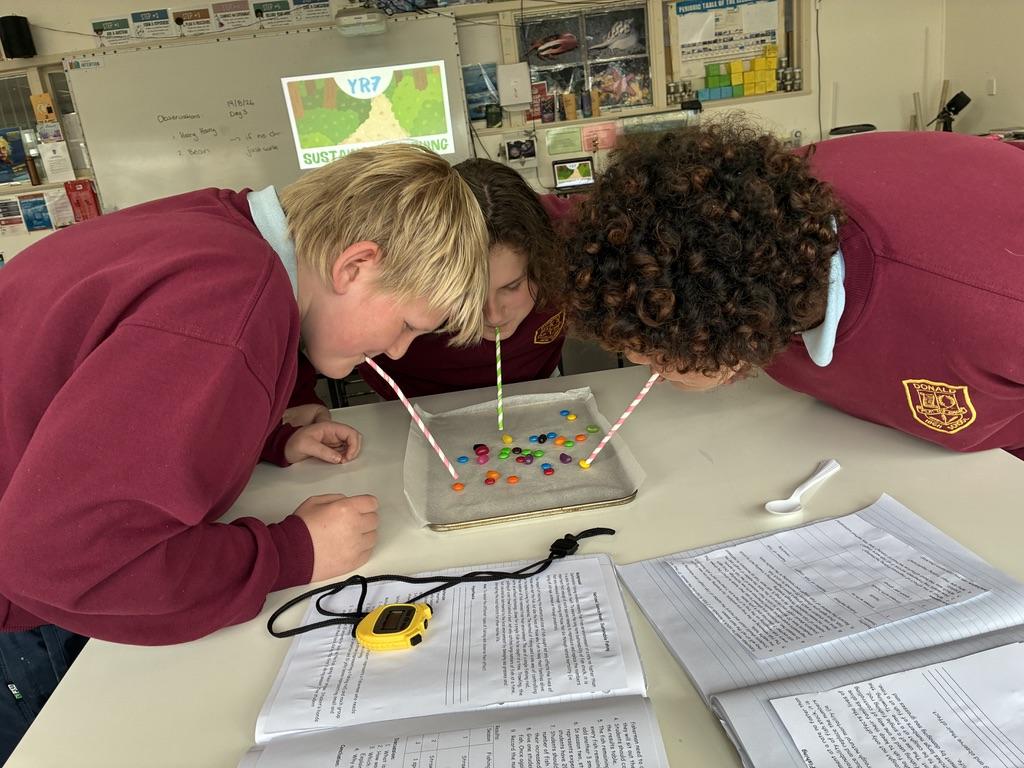
Sustainable fishing with Ross, Liam and Larou
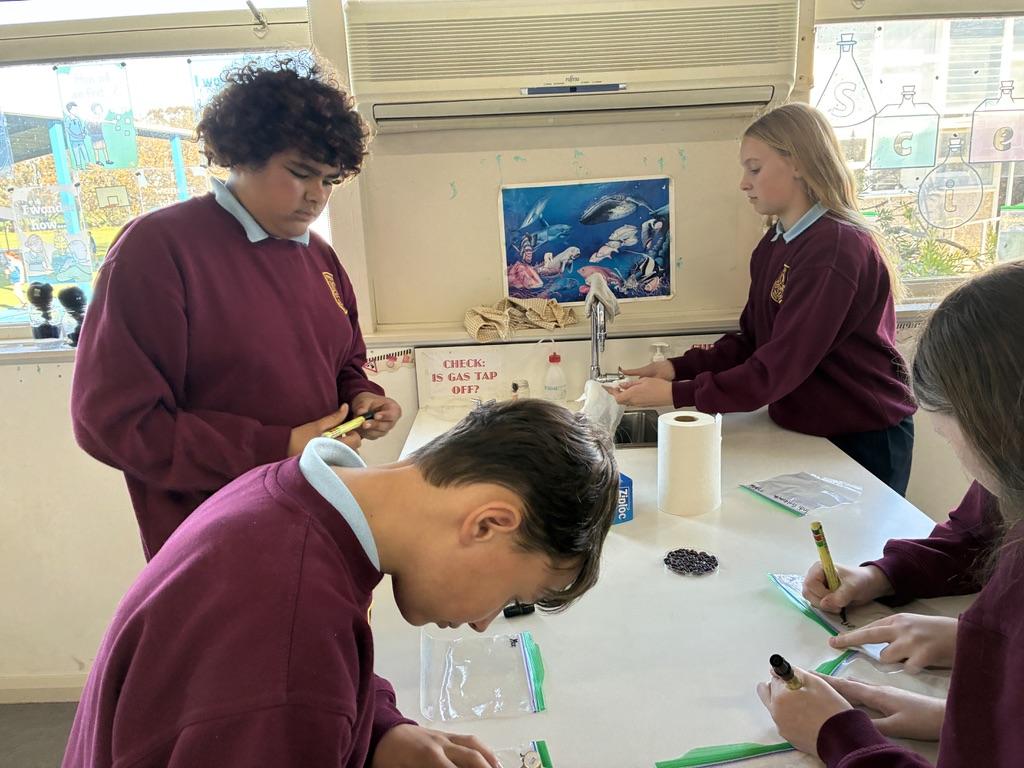
Year 7's preparing their 'Beans to Sprout'
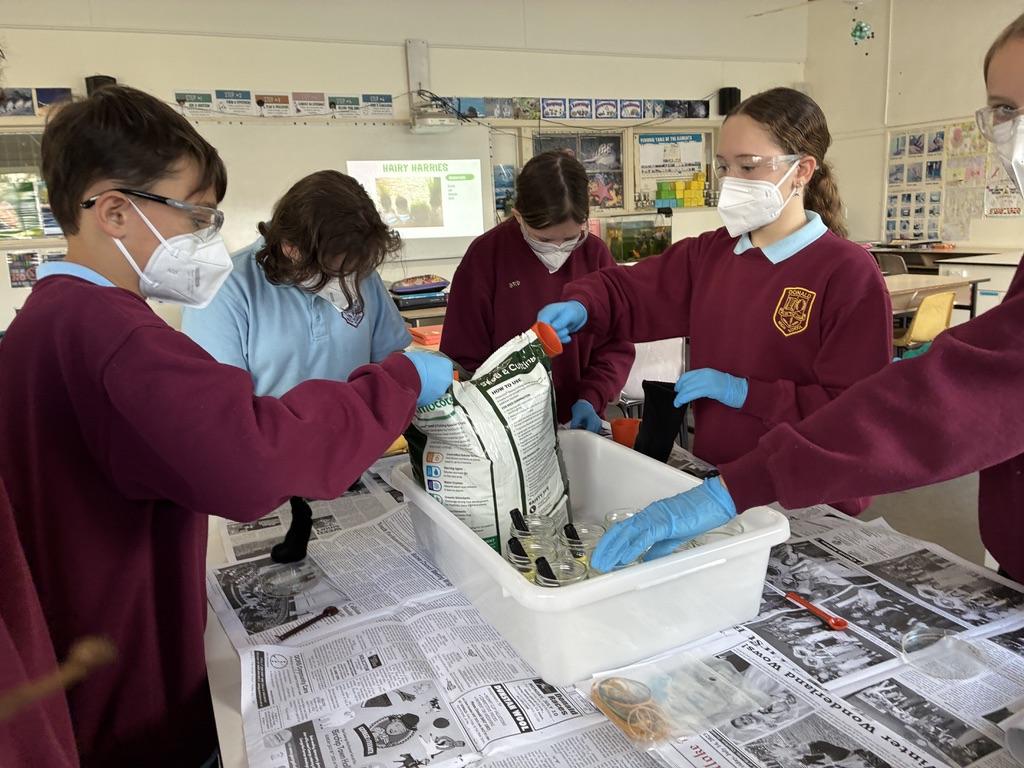
Year 7's making 'Hairy Harries'
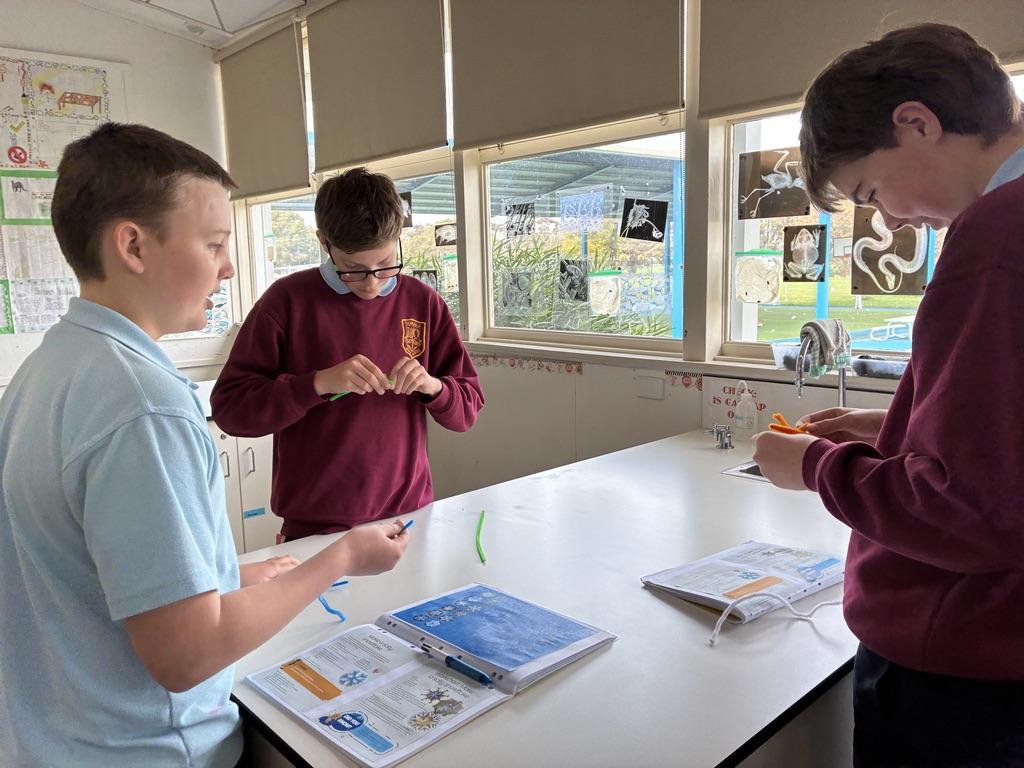
Year 8's Laikyn, Max and Riley creating their 'Salty Snowflakes'
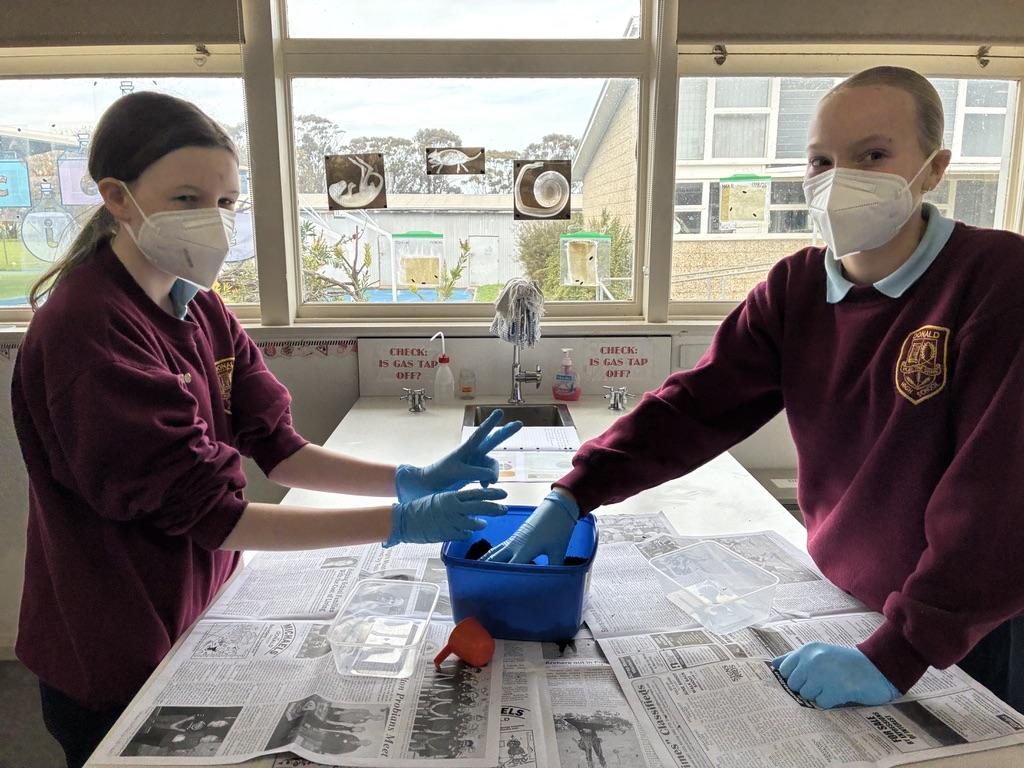
Charlee and Indi making their 'Seed Bombs'
Sustainable fishing with Ross, Liam and Larou
Year 7's preparing their 'Beans to Sprout'
Year 7's making 'Hairy Harries'
Year 8's Laikyn, Max and Riley creating their 'Salty Snowflakes'
Charlee and Indi making their 'Seed Bombs'