
Learning and Teaching
COMMUNITY EXCELLENCE RESPECT

Learning and Teaching
COMMUNITY EXCELLENCE RESPECT
Celebrating Faith: First Eucharist and St Mary MacKillop
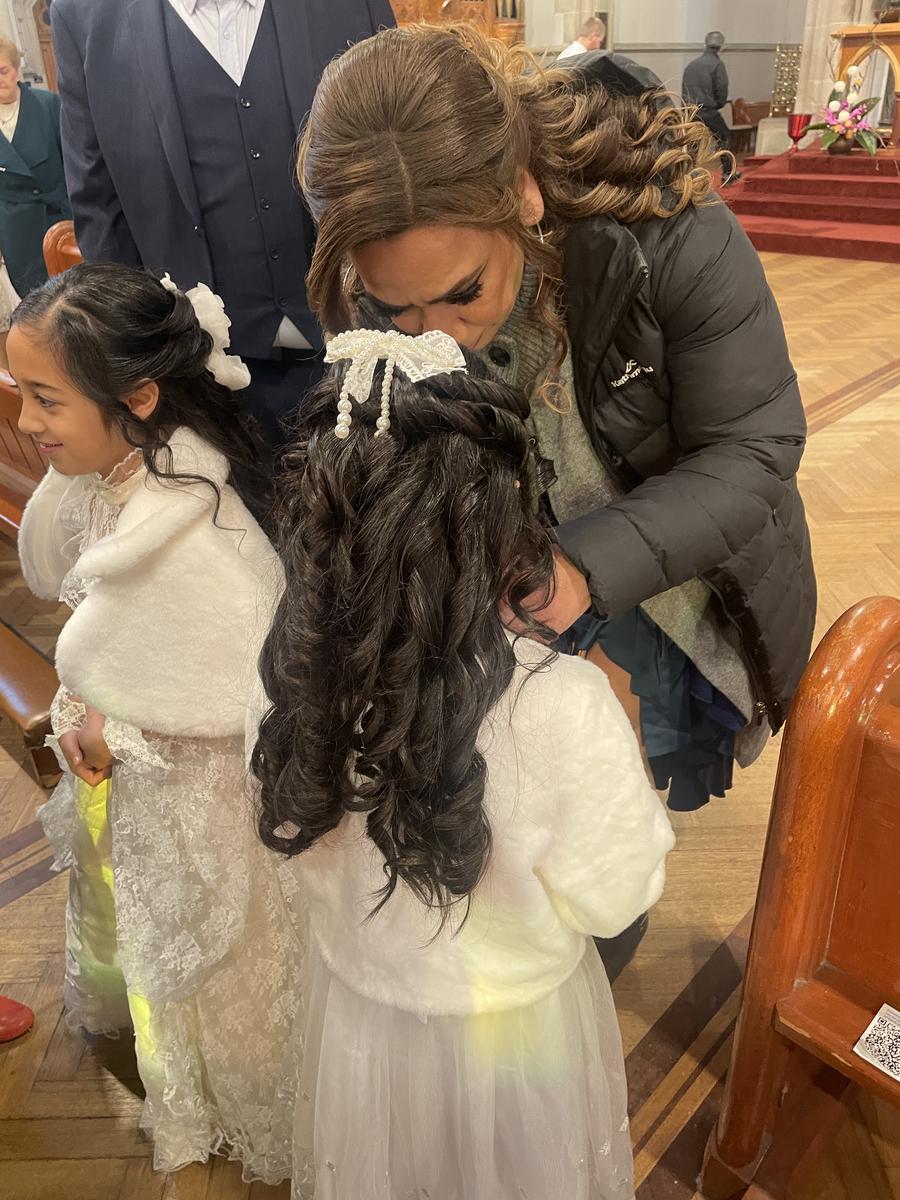
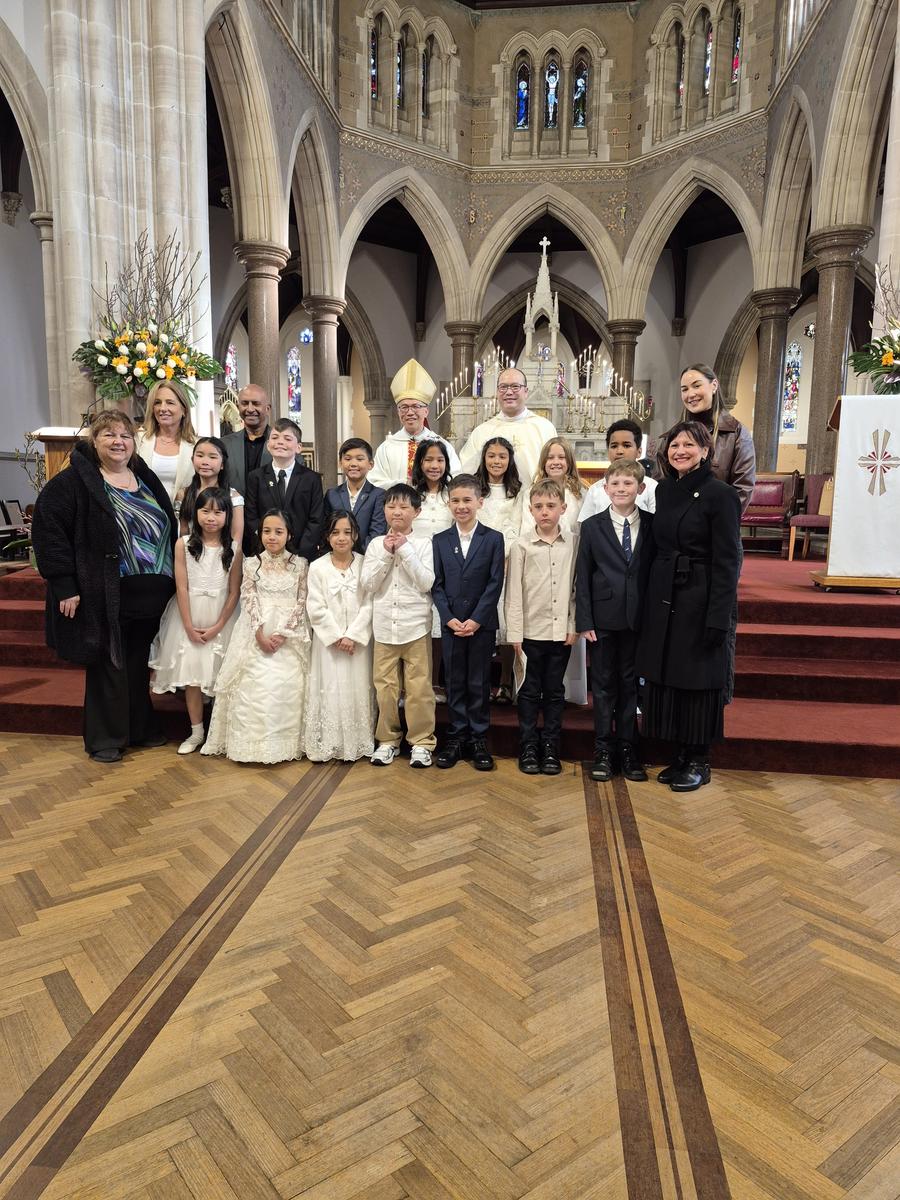
Over the coming weeks, our school community will have the joy of celebrating two important moments in the life of our Catholic community: First Eucharist and the Feast Day of St Mary MacKillop, Australia’s first saint.
These celebrations invite us to reflect on what it means to live our faith not simply through what we believe, but through how we love, serve and care for others.
For our children celebrating First Eucharist, receiving Jesus in the Eucharist is an invitation to become more like Christ — people who notice others, welcome those who may feel left out, forgive, show kindness and look for ways to make a difference in the lives of others.
St Mary MacKillop offers us a wonderful example of this. She was an ordinary Australian woman who trusted in God and responded courageously to the needs of the people around her. She believed that every child deserved the opportunity to learn and that those who were poor or vulnerable should be treated with dignity and compassion. Her life reminds us that small acts of love, courage and kindness can make a lasting difference.
Our modern-day saints remind us that holiness is not about being perfect. It is about allowing God's love to shape the way we live each day. For children and families, the lives of the saints can inspire us to ask:
Who needs my kindness today?How can I use my gifts to help others?Where is God calling me to be courageous?
As we celebrate First Eucharist and remember St Mary MacKillop, may our children and families be encouraged to live with generous hearts, strong faith and a commitment to making our world a kinder and more compassionate place.
“Never see a need without doing something about it.” – St Mary MacKillop
As parents and carers, one of the most powerful things we can do to support our children’s learning is to help them develop resilience, persistence and confidence. Learning doesn’t always come easily, and that’s okay! Struggle, mistakes and challenges are important parts of becoming a successful learner.
Here are some simple ways to build resilience and grit at home:
🌱 Praise the process, not just the result
Notice effort, persistence and strategies: “I noticed you kept trying even when that was difficult.”
💬 Encourage a ‘yet’ mindset
When your child says, “I can’t do it,” encourage them to add: “…yet!”
🧩 Let them solve problems
Resist the temptation to immediately fix things. Ask: “What could you try?” or “What might you do differently?”
📚 Make reading part of everyday life
Read together, talk about stories, ask questions and encourage children to share their thinking. Even 10–15 minutes of reading each day makes a difference.
🎯 Set small, achievable goals
Help your child identify one thing they are working towards and celebrate progress along the way.
😊 Normalise mistakes
Remind children that mistakes are not failures — they are opportunities to learn. Try saying, “What did that mistake teach you?”
⏰ Establish routines
Regular times for reading, homework, sleep, play and screen use help children feel secure and ready to learn.
❤️ Encourage independence
Give children age-appropriate responsibilities at home. Packing a school bag, organising belongings or preparing for the next day builds confidence and ownership.
Most importantly, be encouraging rather than doing the work for them. Children build resilience when they experience challenges, know that adults believe in them and learn that persistence pays off.
At school and at home, we can work together to help our children become confident, capable and resilient learners who are willing to have a go, make mistakes and keep going.
At Trinity, we are committed to ongoing professional learning that strengthens our practice and ensures every student is supported to thrive. Recently, our leadership team had the opportunity to attend a professional learning conference focused on Responsive Teaching — exploring how teachers can use evidence of student learning to adapt instruction, provide timely feedback and respond to individual learning needs.
This aligns closely with the MACS Vision for Engagement, which emphasises creating learning environments where every student is known, valued and actively engaged in their learning. We look forward to continuing to bring this learning into our classrooms and sharing the impact with our students and families.
Mrs Annie Engellenner
Deputy Principal, Learning and Teaching Leader & Religious Education Leader