Junior School News

Unit of Inquiry Four- How We Organise Ourselves
This Unit of Inquiry, our students have been exploring how products are created, selected and brought to consumers. Through our three lines of inquiry, students have been developing their understanding of where products come from and the changes they go through, how people make choices about the products they use, and the resources required to produce products.
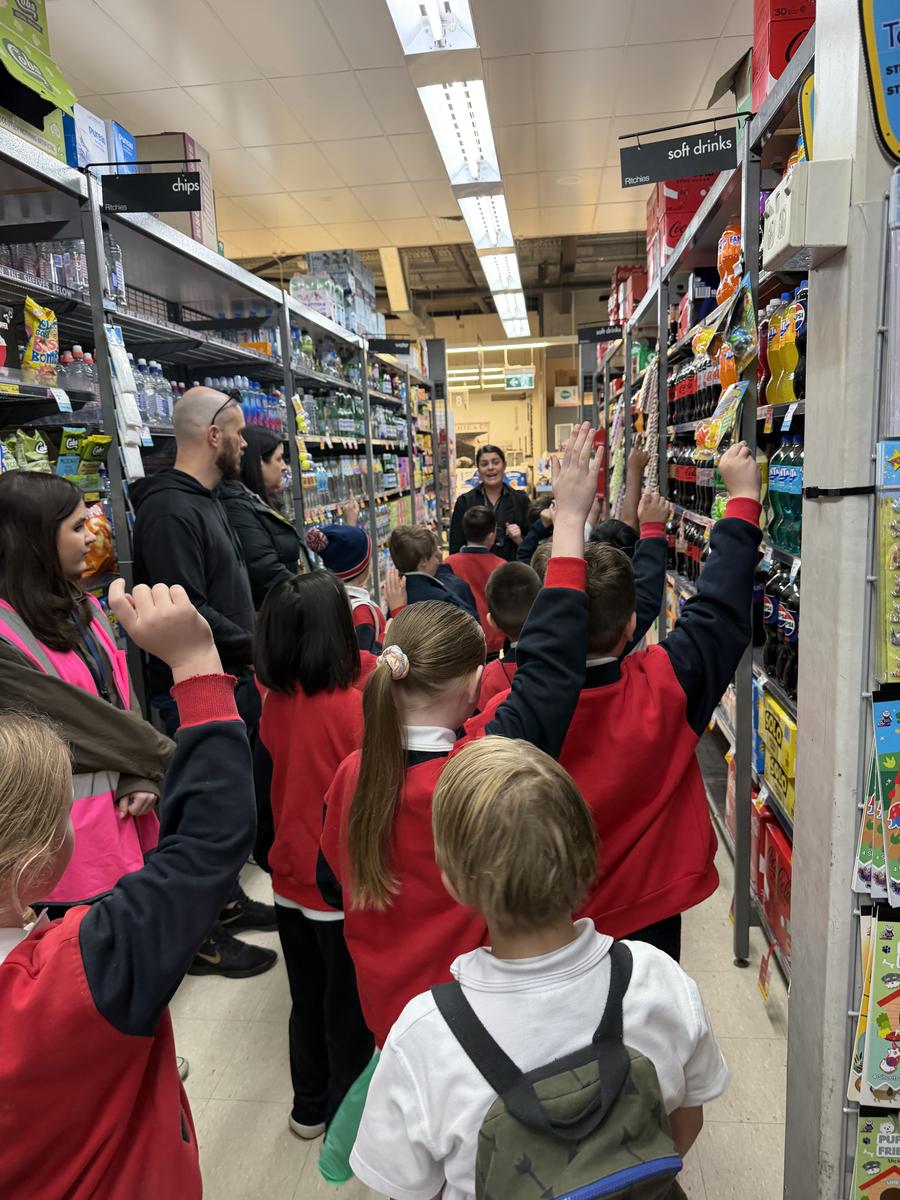
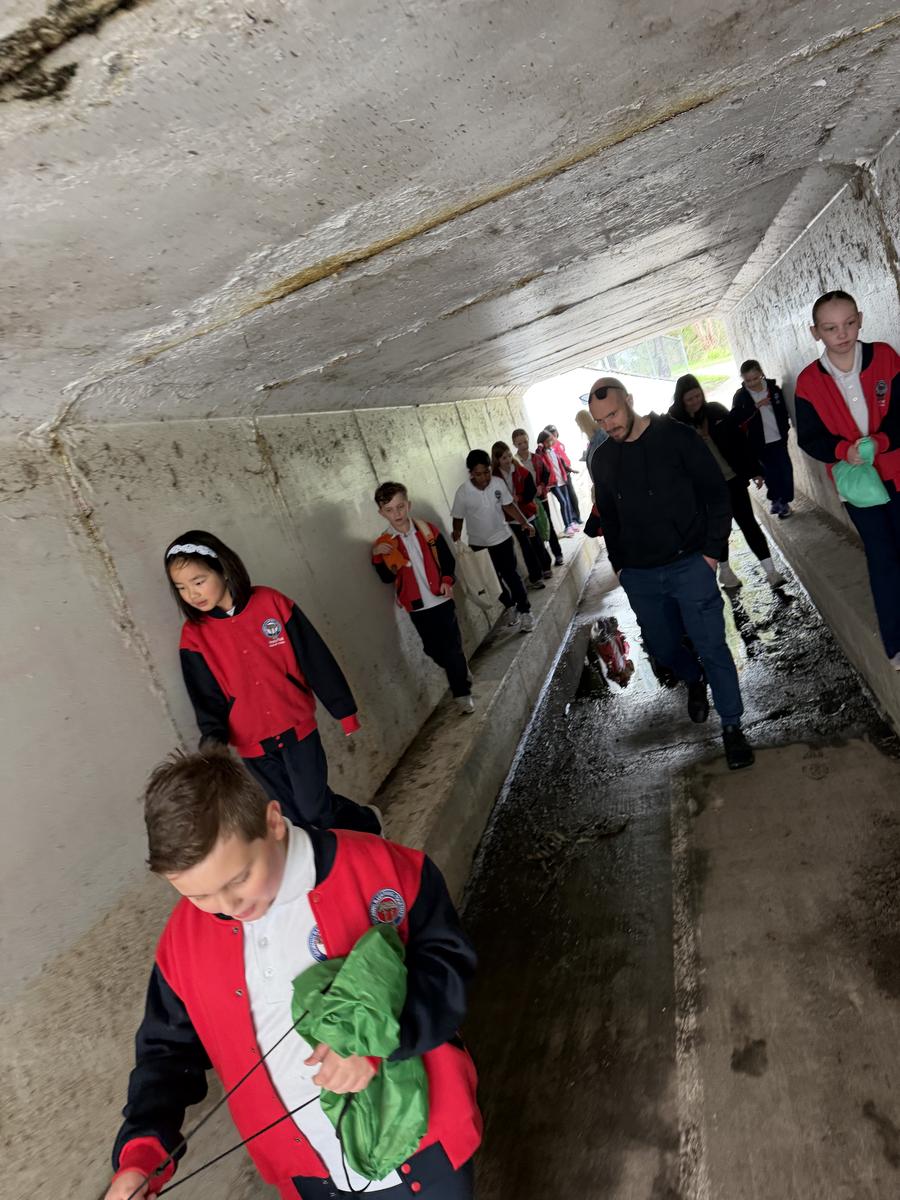
To bring our learning to life, we walked to Rowville IGA, where students had the opportunity to explore the supermarket through the lens of our inquiry. They investigated where different foods come from, considered how products make their way from producers to the supermarket, and discovered how companies pay for product placement and locations within the store. Students also put their mathematical learning into practice by using cash to purchase a piece of fruit, carefully selecting their purchase and working out the amount they needed to pay.
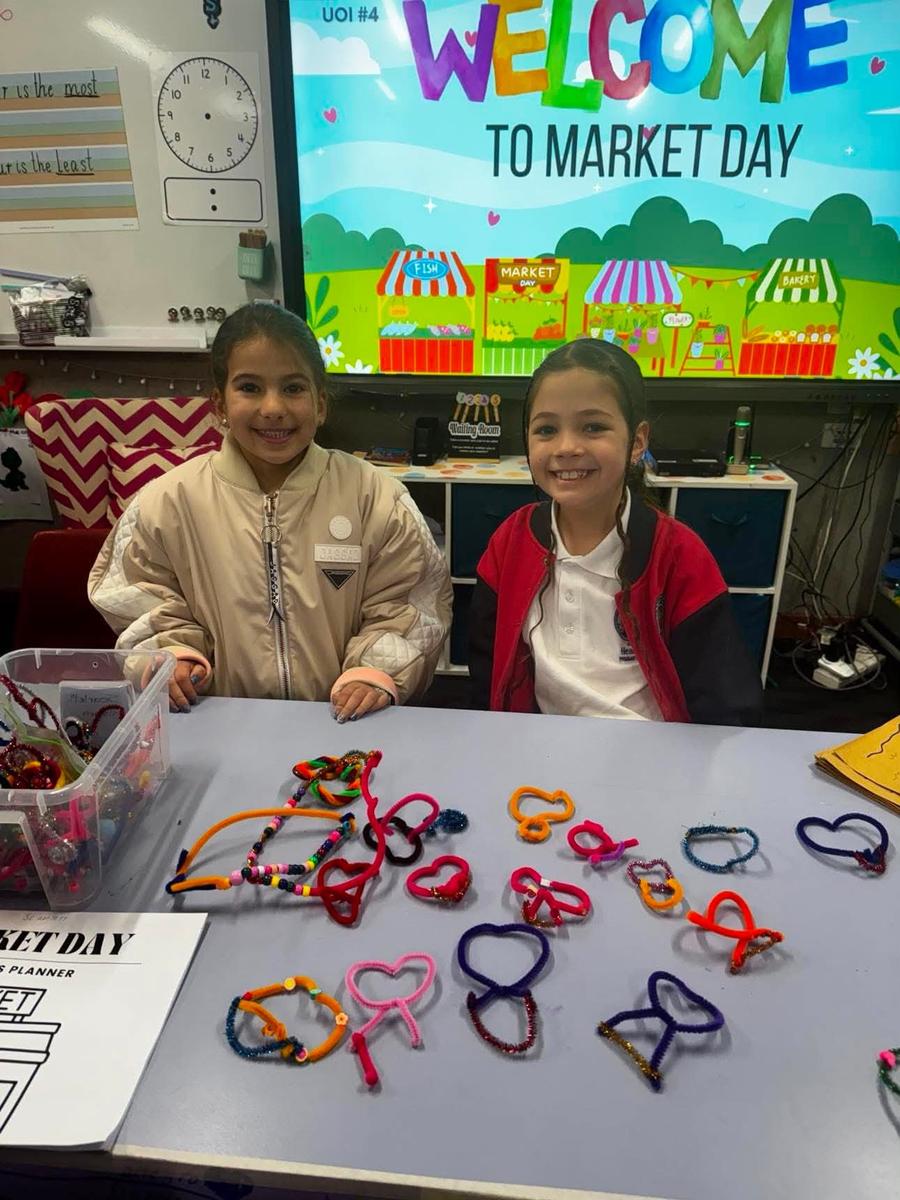
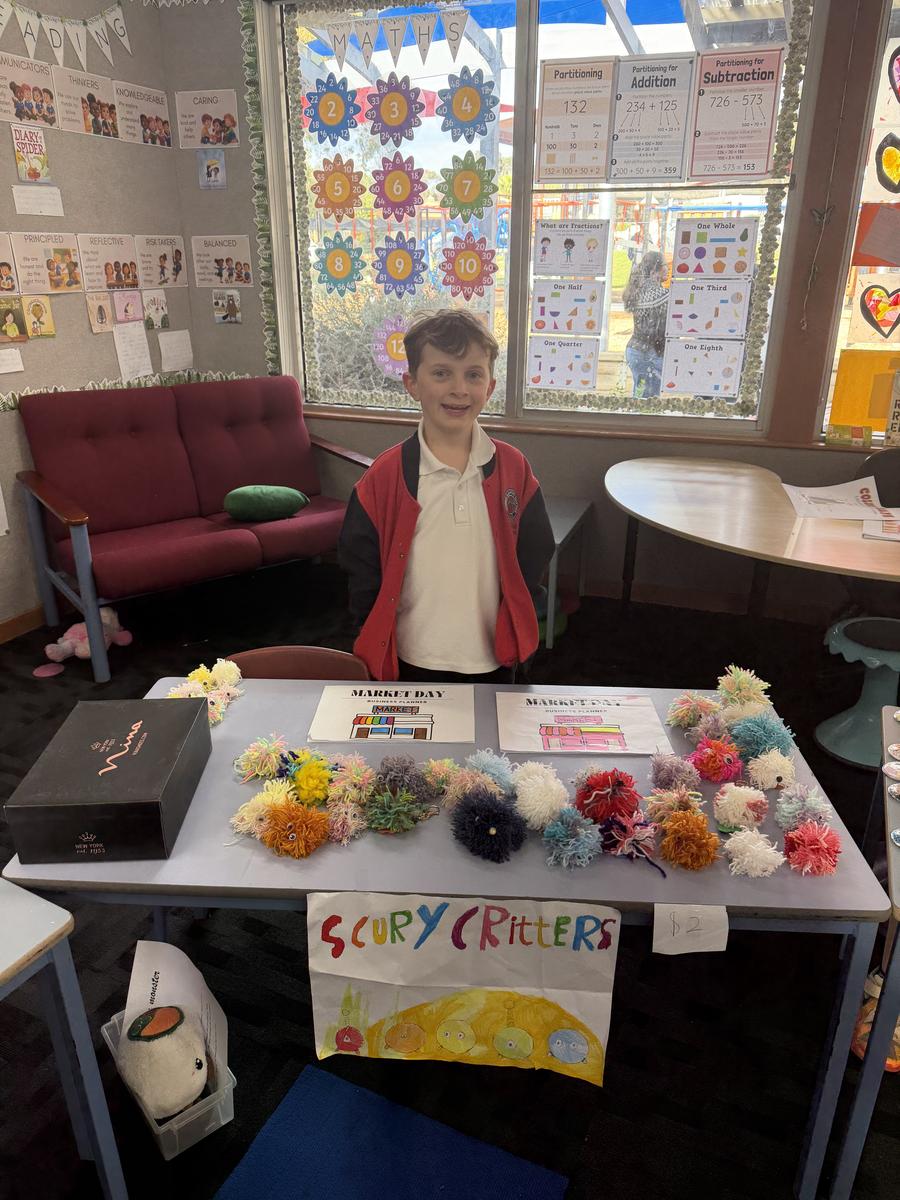
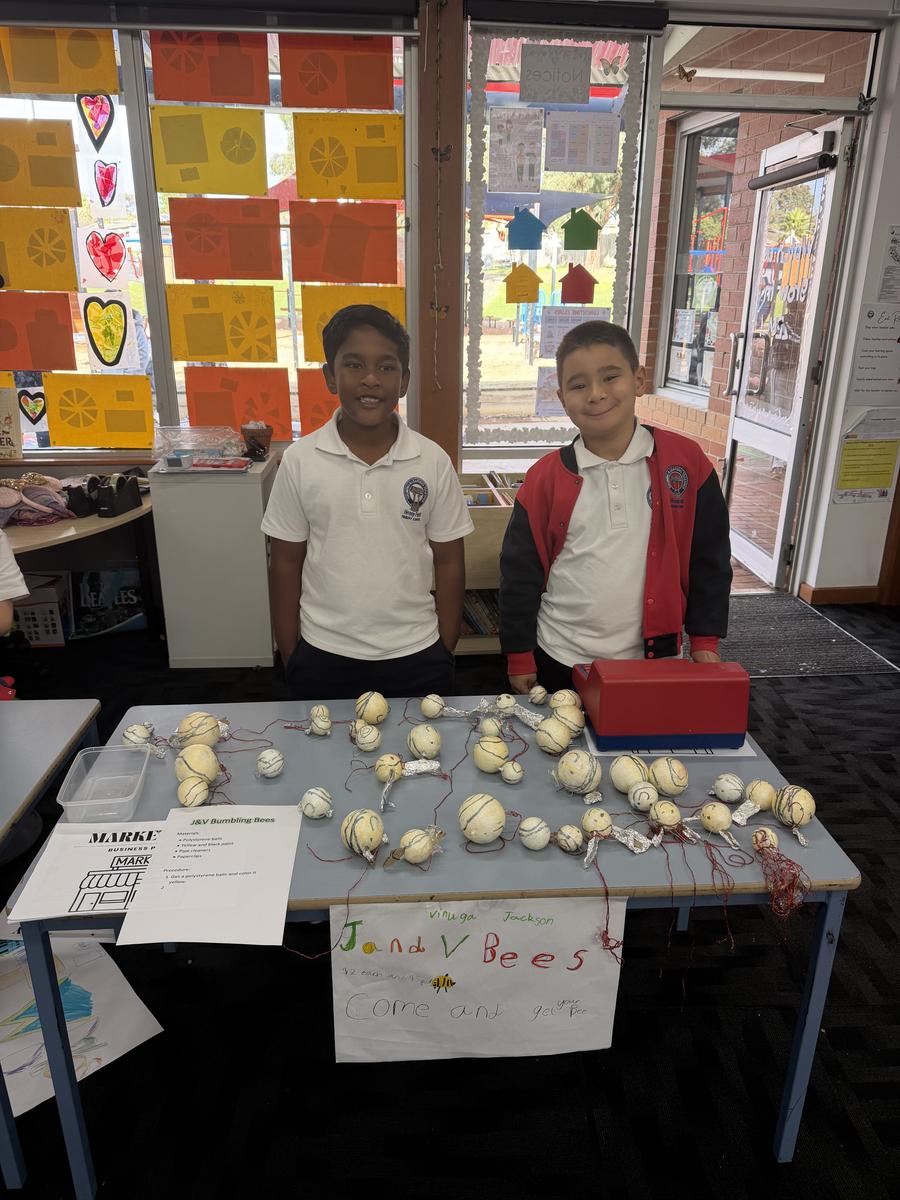
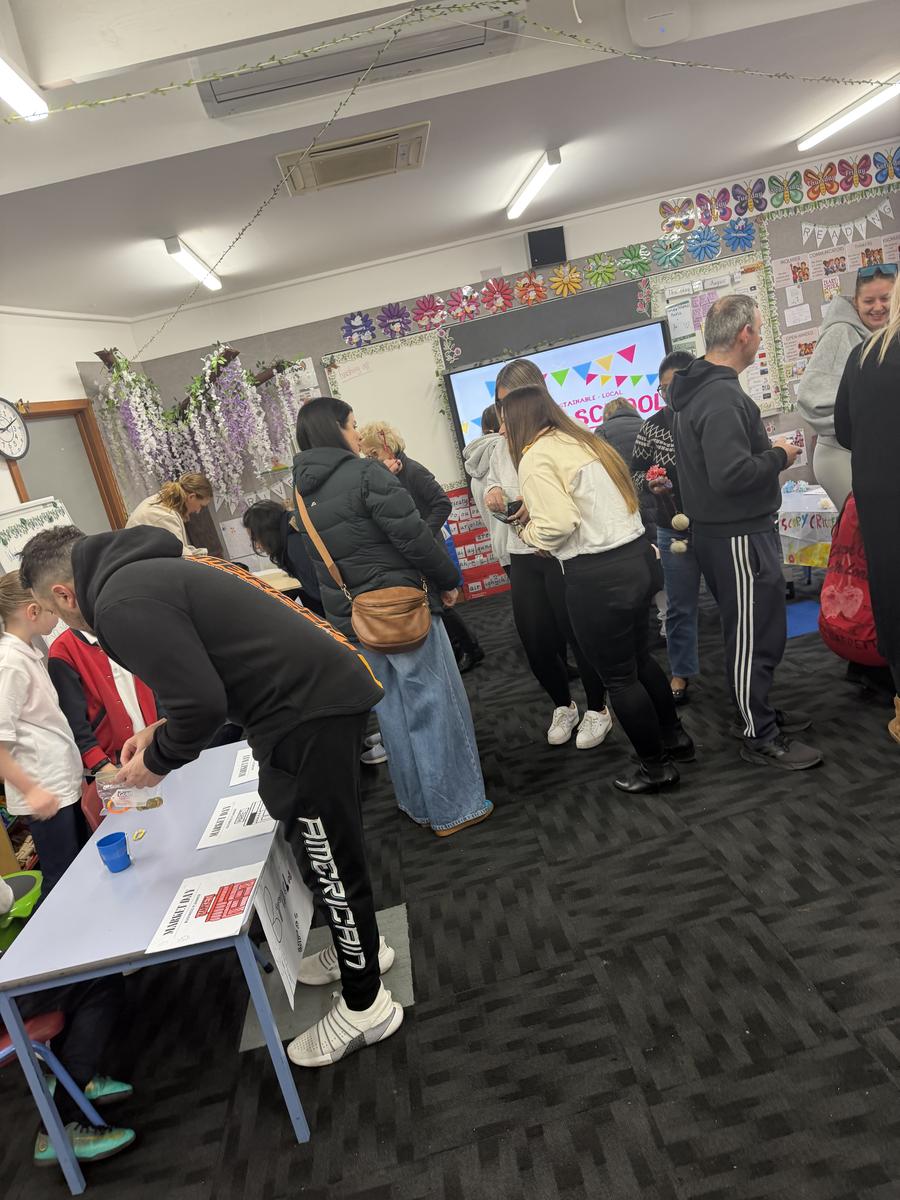
Our inquiry continued with a very special Junior School Market Day. Working with a partner, each student planned, designed and created 40 products to sell at our market. Students had to consider their customers, select appropriate materials and resources, plan their production and work together to prepare their products for sale. On Market Day, students took on the roles of sellers, developing their communication, collaboration and financial skills as they interacted with customers. We are incredibly proud of the way our students embraced this experience and took responsibility for their learning.
Their hard work and entrepreneurial spirit resulted in an amazing $2,218 being raised for The Royal Children’s Hospital!
This unit has provided students with meaningful opportunities to see how our learning connects to the real world. They have developed a deeper understanding of how products are made and distributed, how consumers make choices and how resources are used, while also building important skills in collaboration, communication, responsibility and decision-making. A huge congratulations to our Grade 1 and Grade 2 students on their wonderful achievement!
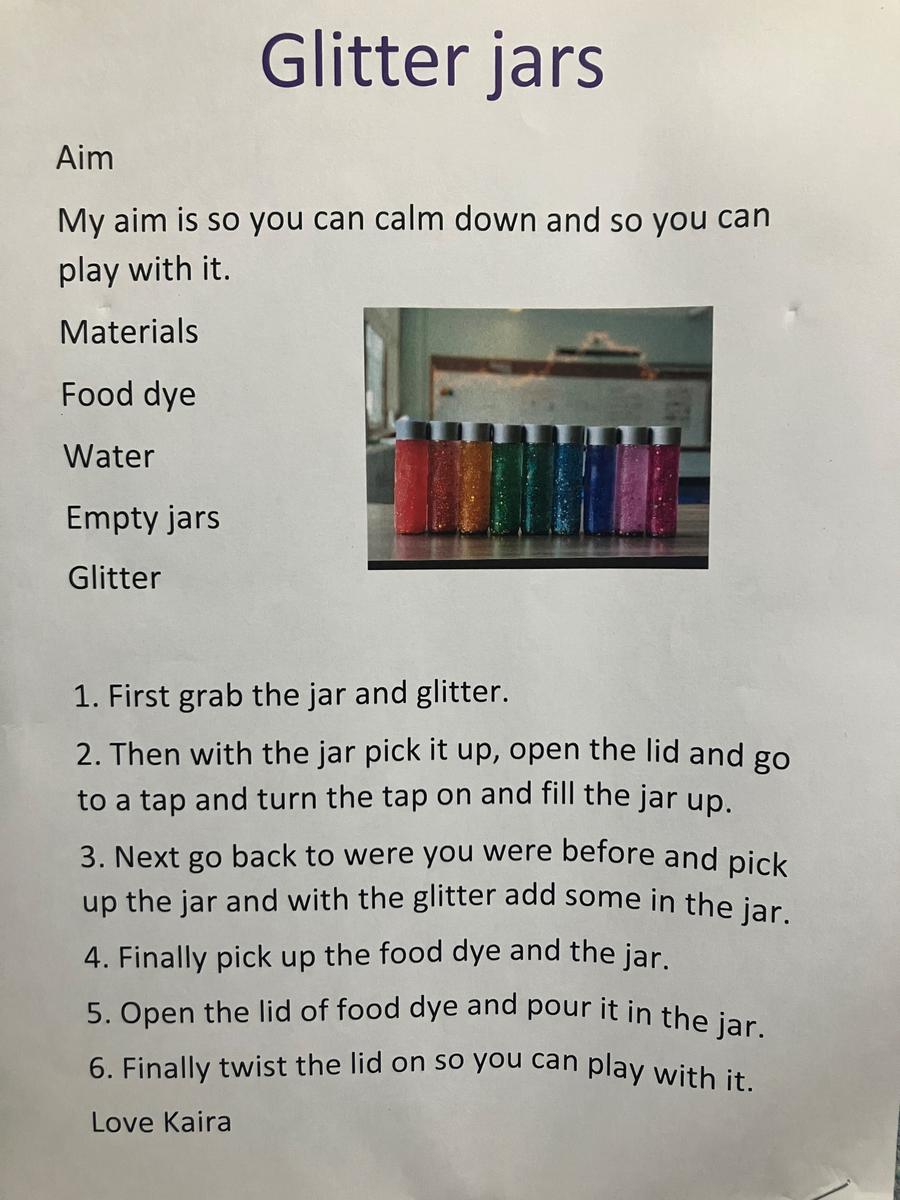
This term, our Year 1 and Year 2 students have been busy learning how to write procedures using teacher texts as models. By studying simple, clear examples, students gained confidence with the structure of procedural writing—starting with an introduction to the task and moving through ordered steps using “first, next, then, finally.”
To spark ideas, students explored humorous, memorable teacher texts, including “How to wash a woolly mammoth.” From there, they discussed what makes a procedure work well: clear instructions, the right action verbs, and step-by-step sequencing so a reader can follow along successfully.
Students then put these skills into action with a real-life twist: teachers reenacting the procedure for how to make a vegemite sandwich. Watching the process unfold helped students recognise key features of procedural writing—like using imperative (“spread,” “add,” “cut”), including what you need, and ensuring the steps are in the correct order.
Finally, the students wrote procedures about the product they made for Market Day, sharing their step-by-step instructions so others could recreate their products at home.
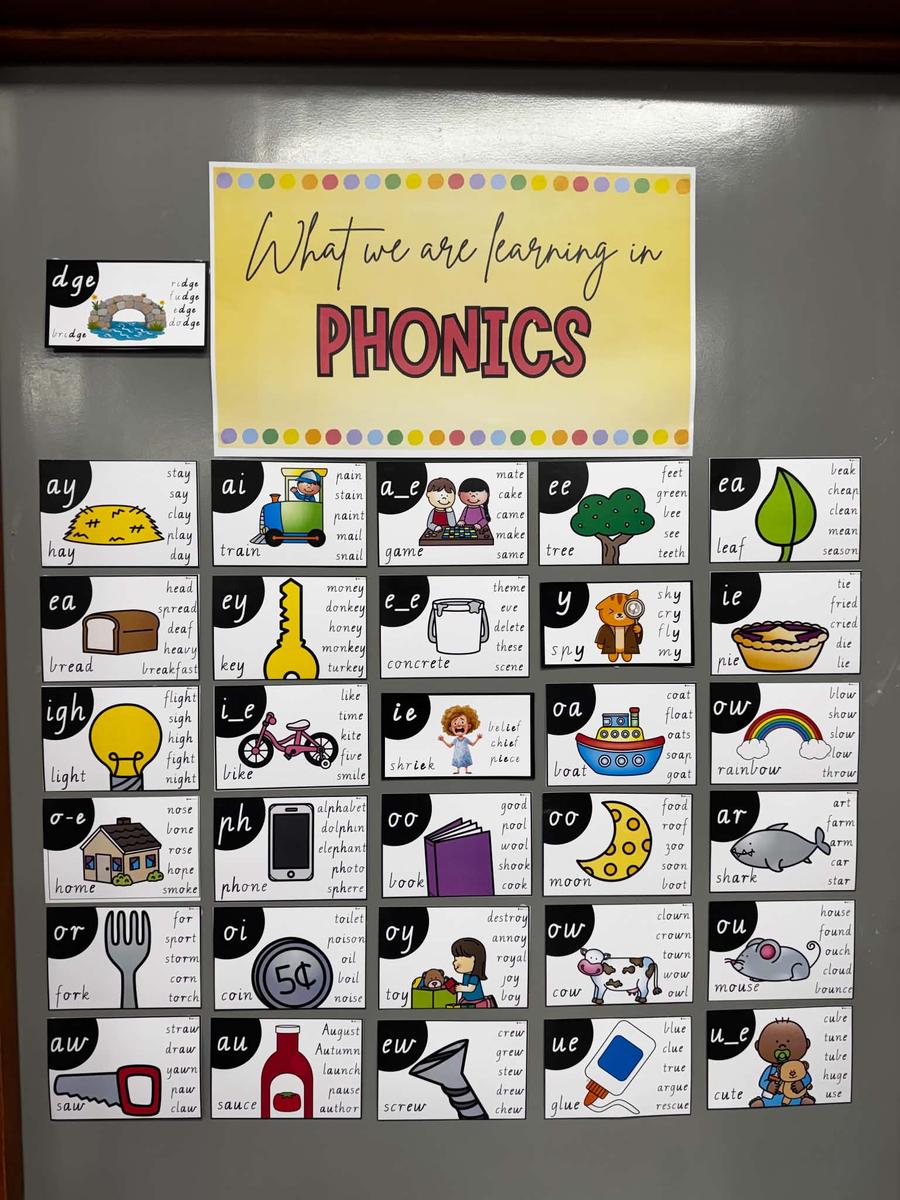
This term, Year 1 has been building confidence in phonics through carefully focused learning. Teaching the GPCs ore, aw, and au, plus the re- prefix. Students practised reading, spelling and handwriting words such as wore, bore, sore; jaw, draw, chainsaw; haunt, autumn, author; and taut, autumn, boiler, adore, then used these patterns to decode, read fluently and grow vocabulary. Alongside this, students worked on the long /oo/ sound using oo, ew, ue, and u_e, developing automaticity in reading, spelling, handwriting and word manipulation. They also explored how prefixes change meaning by learning pre-, then revising un- and re-, and applying this knowledge in meaningful writing and final assessments.
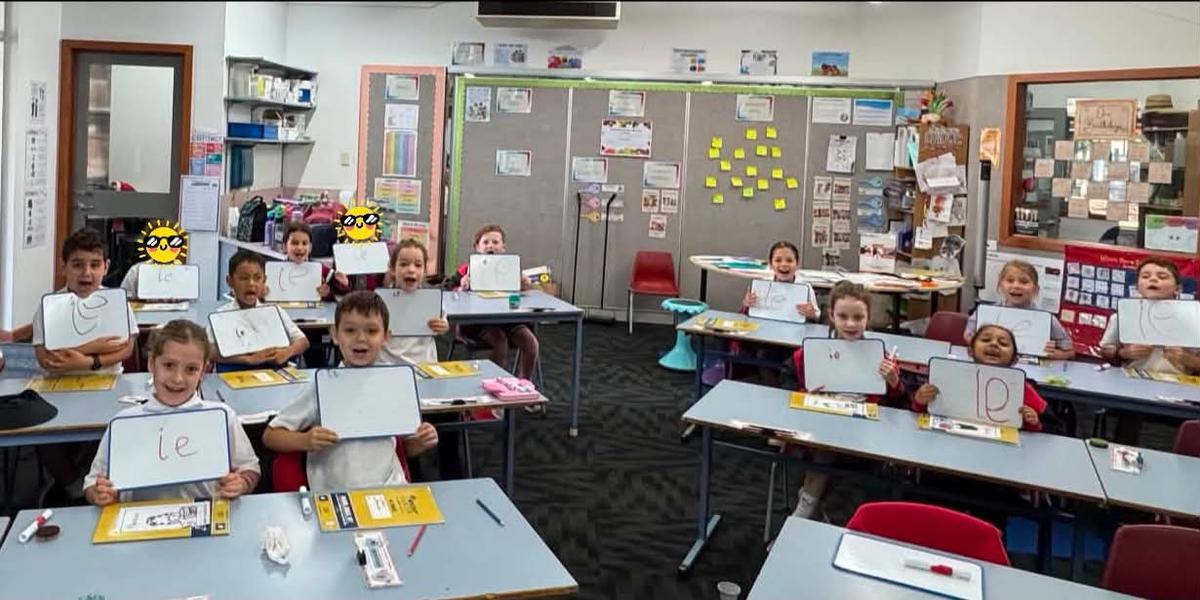
Grade 2 has been building confident phonics skills with a focus on the suffix -y. Students practised careful handwriting (including, anticlockwise, movements and long straight letters) alongside phonics and GPCs. They read, spelled and wrote word sets like, messy, cloudy, rocky, rusty, then windy, dusty, grumpy, dirty and funny, muddy, yummy, using them in context too. Students applied known GPCs to new vocabulary, wrote sentences, and completed dictated sentences to secure spelling and handwriting. The unit also included vocabulary and affix work (e.g. **second, correct, person, protect, bacon, 3rd person singular -s, un- and compound words), finishing with an assessment covering taught suffixes (-y, -ion, -ous, -ive).
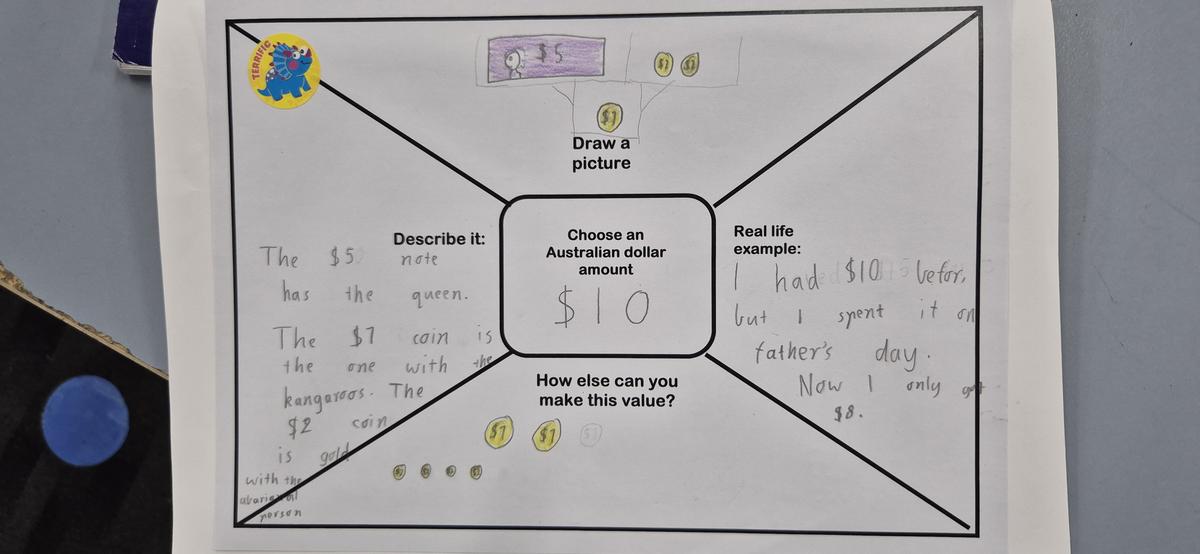
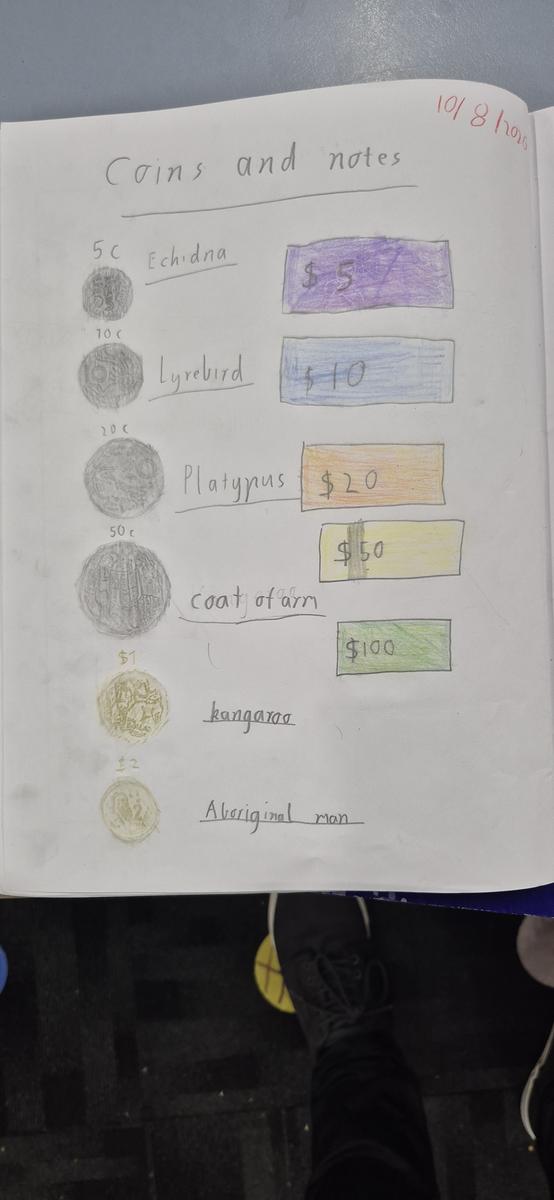
This term, our Grade 1 and Grade 2 students have been developing their mathematical understanding through practical, hands-on learning experiences focused on money and data. In our learning about money, students have been exploring how mathematics is used in everyday financial situations. They have been working with Australian coins and notes, representing different amounts and solving practical problems involving buying and selling. Through classroom shops and real-life problem-solving tasks, students are developing confidence in selecting appropriate coins and notes, calculating totals and determining the money needed to make purchases.
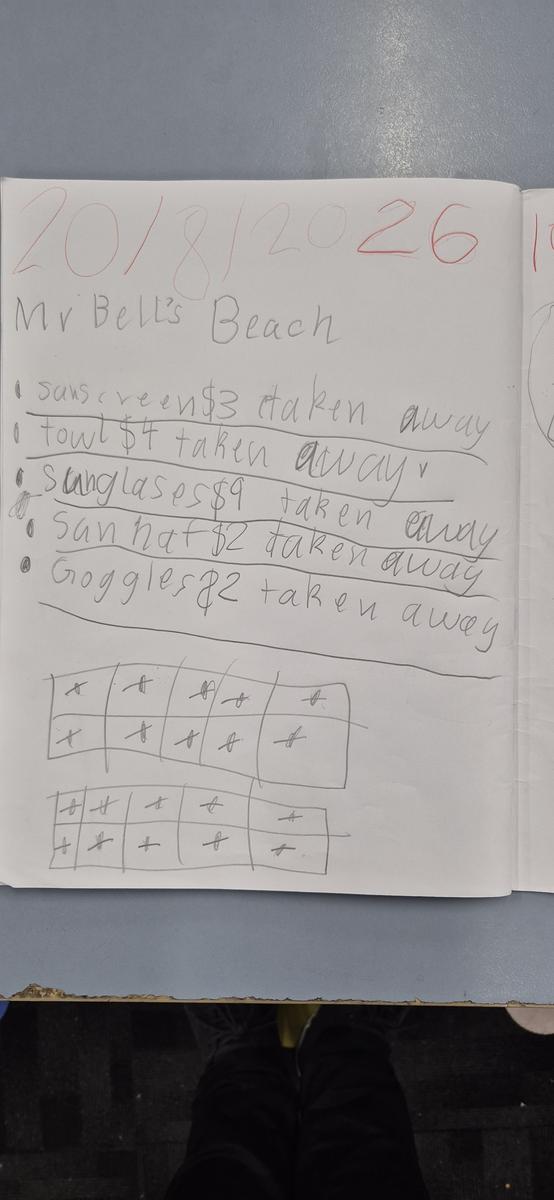
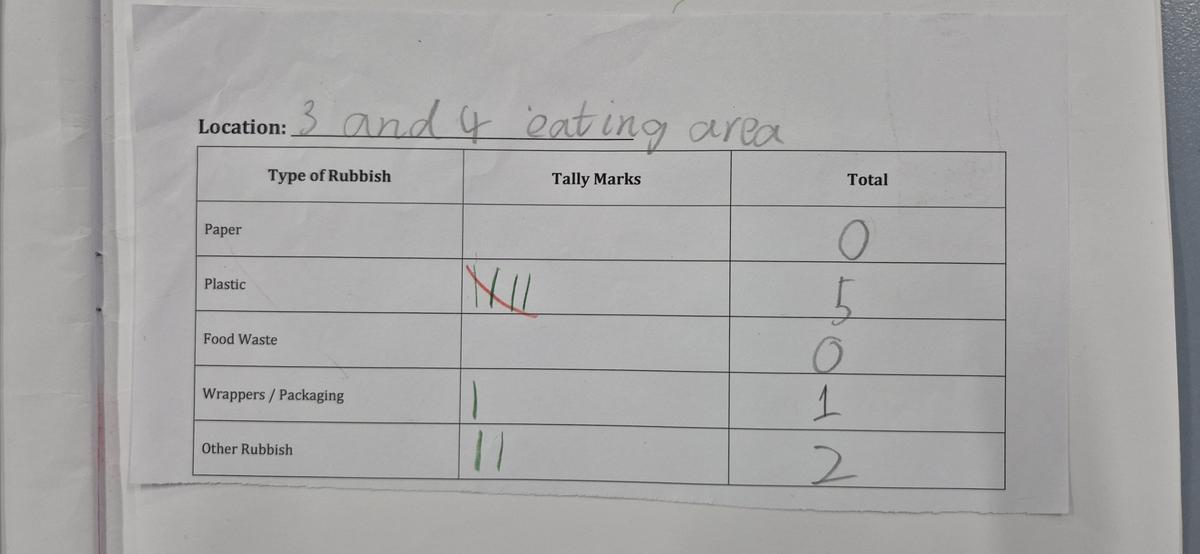
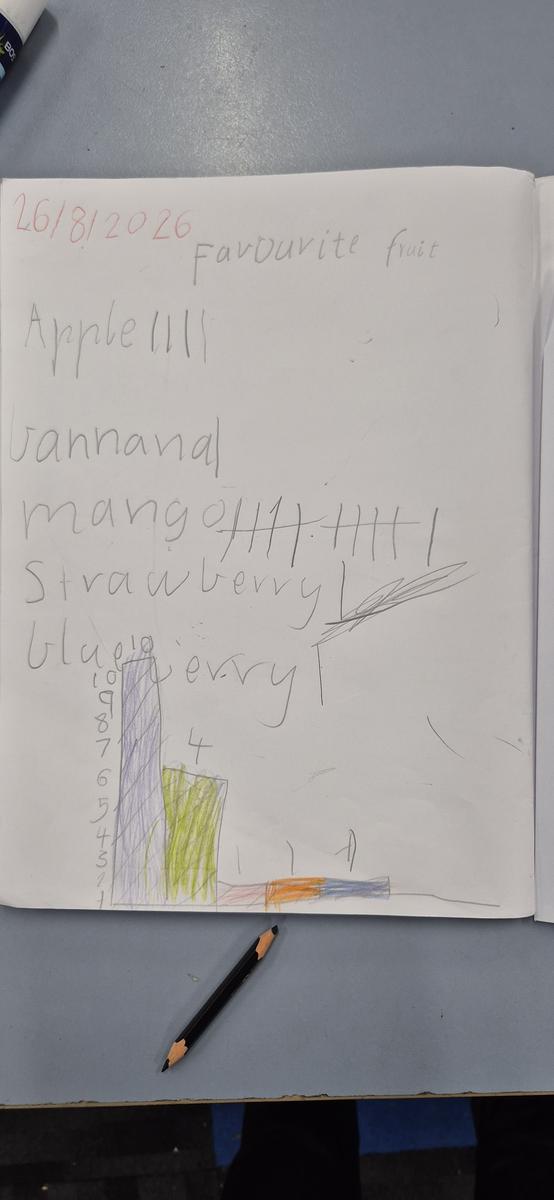
Our students have also been busy becoming data detectives! They have been collecting information by asking questions, conducting surveys and making observations, before recording and representing their findings using lists, tables, tally marks, symbols, digital tools and graphs. Grade 1 students are learning to represent data using tally marks, pictographs and simple displays, as well as comparing results by considering how frequently each response occurs. Grade 2 students are extending these skills by creating and comparing different graphical representations and interpreting the information presented in each graph. Through these investigations, students are discovering how mathematics can help us answer questions, make sense of information and understand the world around us.