Wellbeing
Fiona Dandie & Robert Pain
Wellbeing
Fiona Dandie & Robert Pain
Building Healthy Friendships with URSTRONG Friendology
Friendships are one of the most important parts of a child's school experience. Positive friendships help children feel connected, develop confidence and create a sense of belonging. Like any important life skill, learning how to build and maintain healthy friendships takes time, guidance and practice.
At Whittlesea Primary School, we use the URSTRONG Friendology program as part of our Social and Emotional Learning curriculum to explicitly teach students the skills they need to develop positive, respectful and resilient friendships. Friendology is an evidence-informed program used in schools across Australia and internationally to help children understand friendships, communicate effectively and resolve everyday friendship challenges.
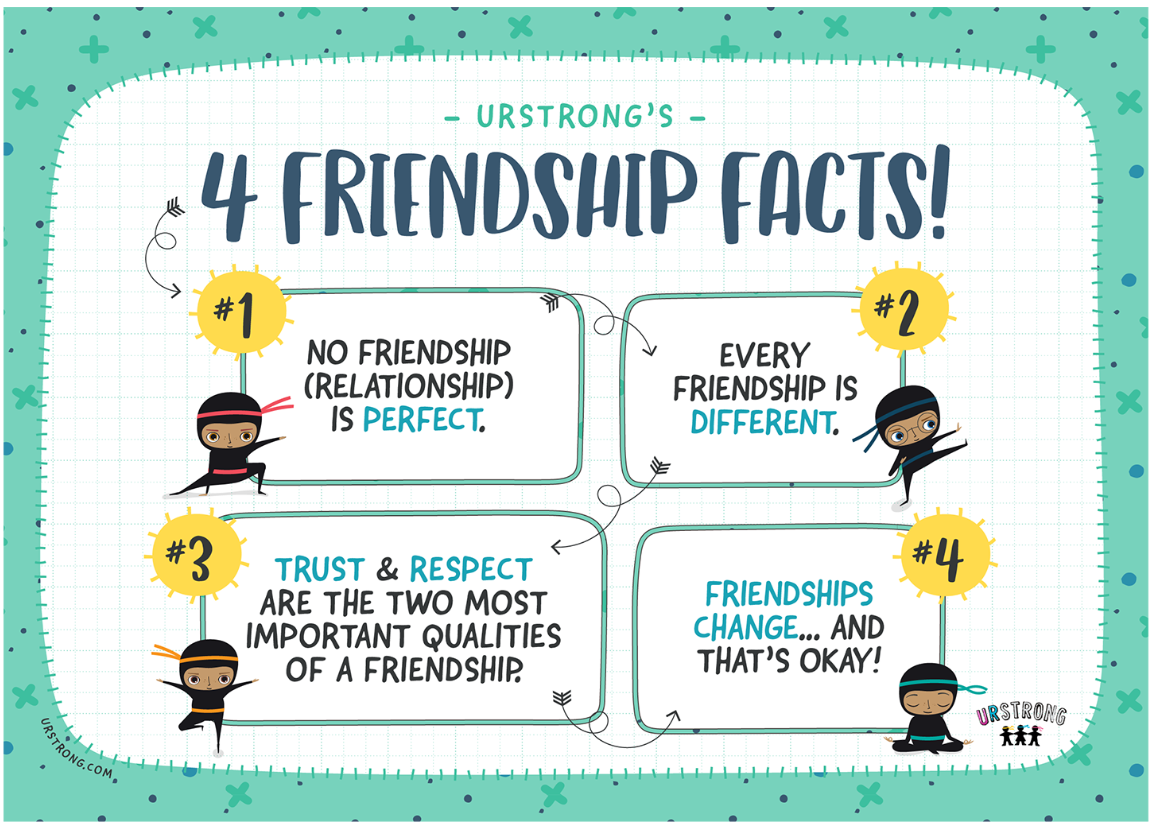
One of the strengths of Friendology is that it gives students, teachers and families a shared language for talking about friendships. Rather than relying on adults to solve every problem, students are taught practical strategies that help them recognise, understand and manage friendship situations independently.
Throughout the program, students learn to:
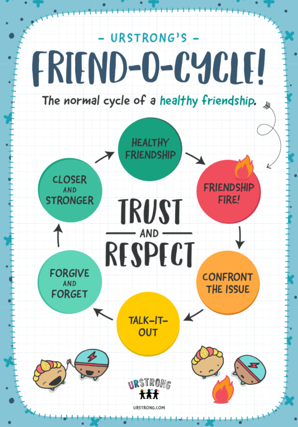
One of the key concepts students learn is the difference between a Friendship Fire and someone being Mean-on-Purpose.
A Friendship Fire is a disagreement, misunderstanding or mistake that happens between friends. These situations are usually unintentional and can often be resolved through respectful conversation, listening, and problem-solving.
When someone is Mean-on-Purpose, the behaviour is deliberate and repeated. Helping students understand this difference allows them to respond appropriately and seek adult support when it is needed, rather than viewing every disagreement as bullying.
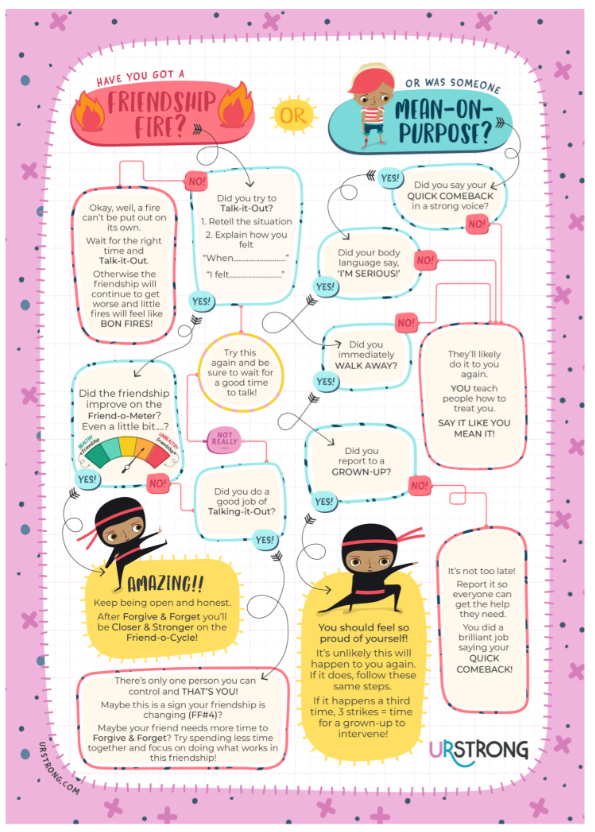
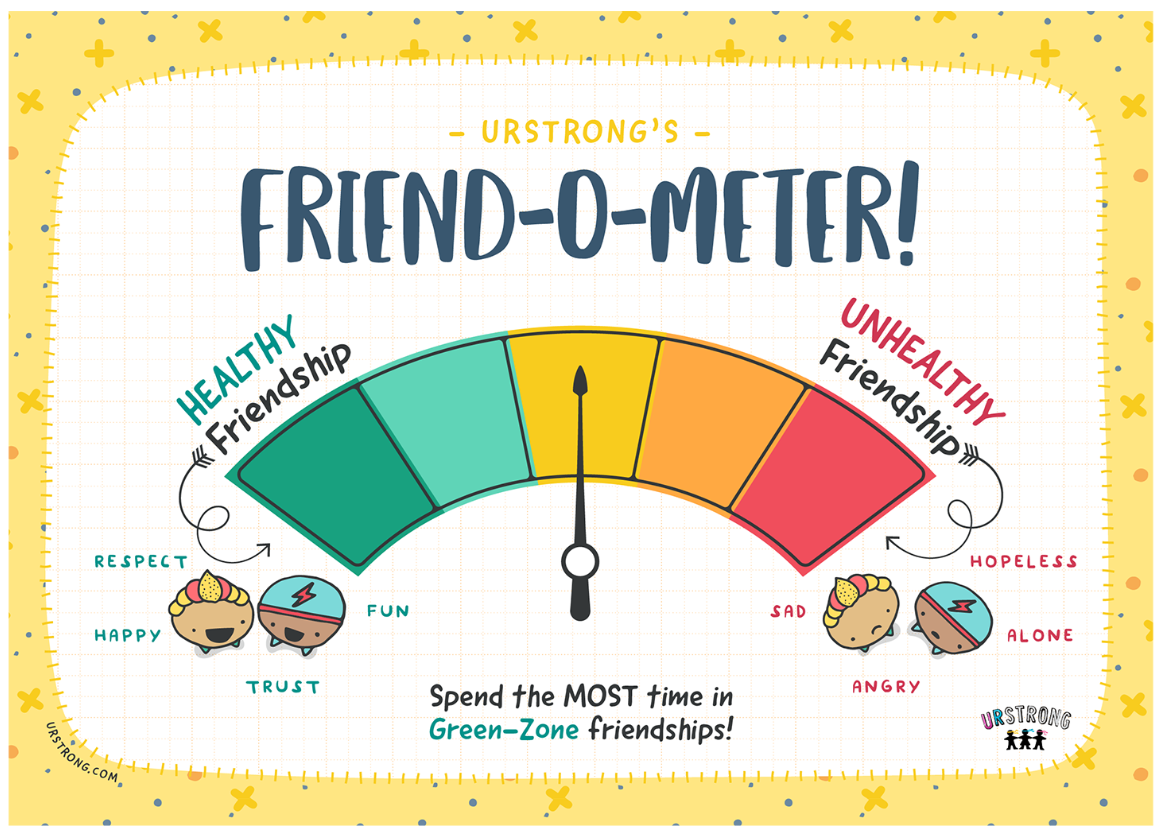
Students become familiar with a range of practical tools that help them navigate friendships, including:
These tools encourage children to think critically about their relationships and develop the confidence to solve many everyday friendship challenges themselves.
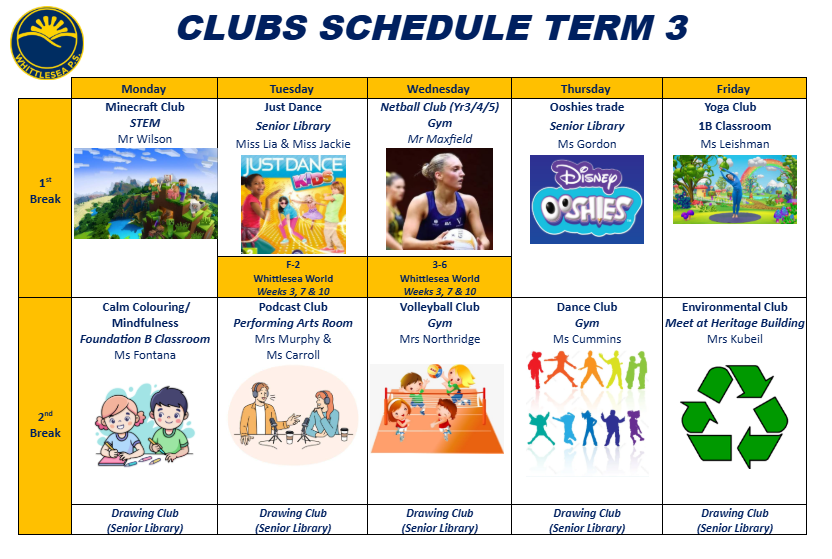
Lunchtime clubs have commenced for Term 3 this week. There are several positive benefits of lunchtime clubs, including helping to build student engagement, social skills, and inclusion for all students. They support students who may struggle with a lack of structure in the school playground or need an outlet from the traditional playtime setting.
Lunchtime clubs can also benefit our students and the whole school community, by:
reduction in playground behaviour incidents.
Below is our Term 3 Lunchtime club schedule. These have already commenced this week. We are fortunate to have a variety of staff members volunteer their time to run a club, as we know that students at WPS love engaging with them.