
Wellbeing

How to Support Young Children When Their Heroes Are Not the Role Models They Are Meant to Be
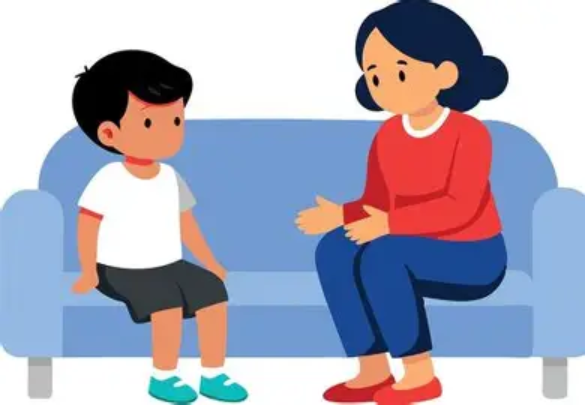
Parents and caregivers have always played an important role in helping children understand the world around them. In today's environment, with a constant flow of information from news outlets, social media, and online platforms, this responsibility has become more significant than ever. From natural disasters and global conflicts to incidents involving public figures and sporting heroes, many children are exposed to stories that can be confusing, upsetting, or difficult to understand.
This week, many children may be watching the unfolding events involving Sydney Swans players. More than ever, children are inundated with current events, both positive and negative, and are often left feeling confused, disappointed, or even angry.
They have questions and want to better understand the world around them.
As trusted adults, we play an important role in helping children process these situations in a safe and supportive way. Below are some helpful strategies for navigating these conversations at home.
Don't Avoid Difficult Conversations
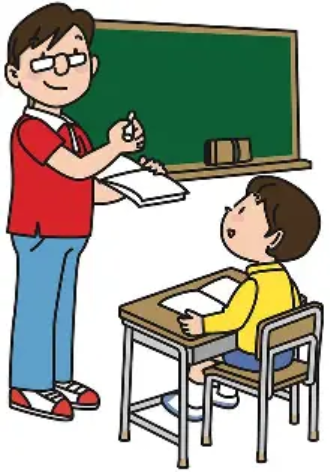
Talking about challenging current events helps children understand that these topics are not taboo and that it is okay to ask questions. While these conversations can feel uncomfortable, avoiding them often leaves children to make sense of information on their own. This can make them more vulnerable to misinformation, misconceptions, and confusion.
Creating opportunities for open, honest dialogue allows children to develop a deeper understanding of the world while strengthening their trust in the adults around them.
Model Calm and Appropriate Responses
Children look to adults for cues on how to respond to challenging situations. When discussing difficult events, try to share information calmly and in an age-appropriate way. This helps children feel safe and encourages them to come to you with future questions.
Being calm does not mean hiding your emotions. It is important for children to see that adults have feelings too. Acknowledging disappointment, sadness, or concern in a healthy way demonstrates emotional awareness and resilience. It is also perfectly acceptable to take time to process events yourself before discussing them with your child.
Helping Children Find Their Own Heroes

When children's heroes make poor choices or fall short of expectations, it can be disappointing and confusing. These moments, however, can provide valuable opportunities to help children develop their own values, critical thinking skills, and sense of self.
Encourage Self-Advocacy
Help children understand their rights, responsibilities, strengths, and needs. Take time to listen actively and ask open-ended questions that encourage reflection and discussion. Supporting children to express their thoughts and feelings helps build confidence and independence.
Model Positive Behaviour
Children learn by watching the adults around them. Demonstrate qualities such as kindness, integrity, responsibility, and empathy in everyday interactions. These behaviours provide powerful examples of what positive role modelling looks like.
Explore Positive Role Models
Encourage children to think about people they admire, whether they are family members, teachers, community leaders, athletes, historical figures, or fictional characters. Discuss the qualities that make these individuals admirable and how those values can be reflected in everyday life.
Create a Supportive Environment
Children thrive when they feel safe, heard, and supported. Foster an environment where they feel comfortable expressing emotions, asking questions, and seeking guidance. Strong relationships at home, positive school connections, and supportive community networks all contribute to children's wellbeing and resilience.
A Final Thought
As children grow, they will inevitably encounter moments when people they admire fall short of expectations. While these situations can be disappointing, they also provide meaningful opportunities to discuss values such as integrity, responsibility, empathy, and resilience. When parents and educators engage in open conversations, model thoughtful responses, and encourage children to think critically about the qualities they admire in others, they help children understand that true heroes are not defined by fame or success alone, but by their character and actions.
In doing so, we empower children to develop the confidence and values needed to become positive role models in their own communities and become their own everyday heroes.
Donna