A message from the Principal
Technology, social media and protecting childhood









 St. Kilda Park Primary School
A message from the Principal
Technology, social media and protecting childhood
Welcome back to Term 4. I hope all our families enjoyed the holidays and that you and your children are feeling refreshed and energised for the final 11 weeks of the school year. There is plenty to look forward to as we continue our learning, celebrate our students’ achievements and enjoy the events that make this such a busy and memorable term at SKiPPS.
Over the school break, I started to read The Digital Delusion by Jared Cooney Horvath, who I was fortunate to hear speak at a conference towards the end of last term. With children’s use of technology and social media receiving so much attention, it has been a timely and thought-provoking read.
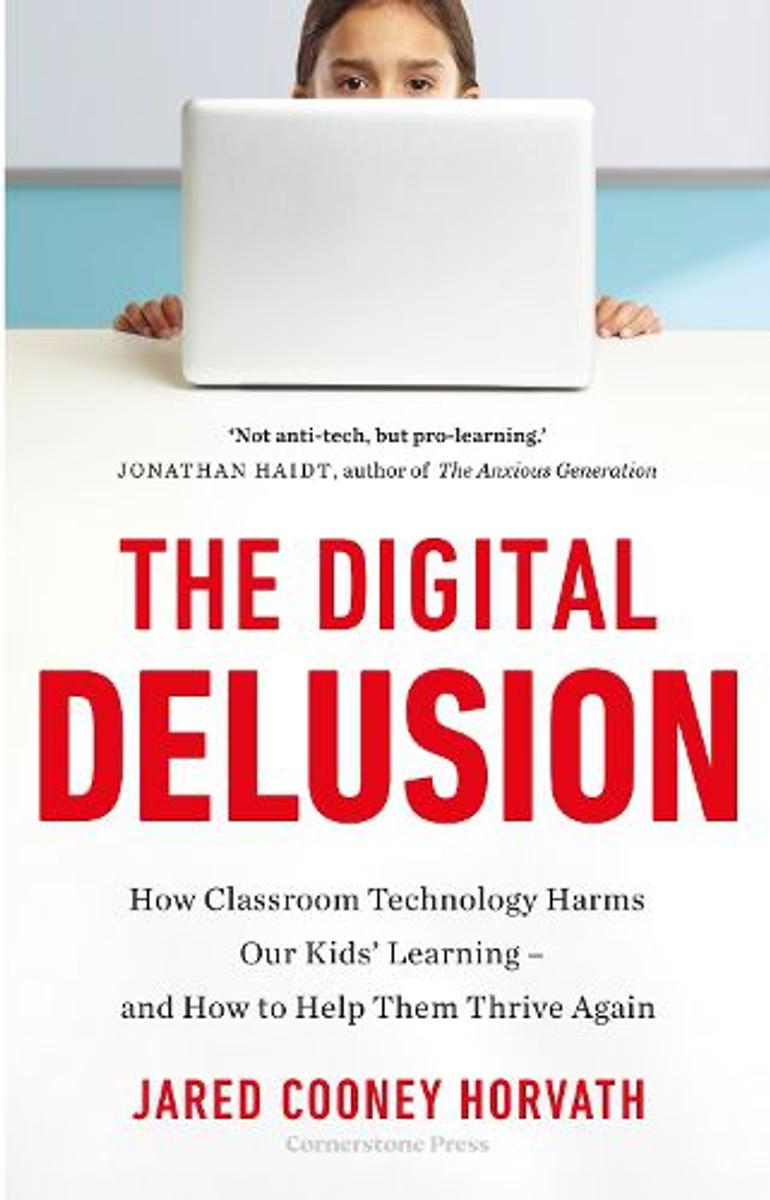
The book challenges the assumption that more technology in classrooms automatically leads to better learning. He argues that the rapid introduction of laptops, tablets and educational software has too often proceeded without convincing evidence of benefit, and that the resulting distractions can undermine attention and deeper thinking.
His central message is that schools need to put human relationships and the processes through which children learn at the centre of their decisions about technology.
For me, this reinforces an important principle: we should judge a classroom activity by what children learn from it. Looking busy or engaged on a screen does not, on its own, tell us how much a child is understanding or remembering.
The book also sits alongside a growing willingness by governments to question the place of technology in children’s lives. The Federal Government’s social media restrictions and Victoria’s moves to limit classroom device use reflect concerns about the risks of embracing these tools without sufficient safeguards.
From 2027, Victorian government primary schools will no longer invite families to purchase or bring new student devices for school use. The policy also sets expectations of minimal device use in Foundation to Year 2 and a maximum of 90 minutes daily in Years 3 to 6.
At SKiPPS, we have long taken a conservative approach. When many schools were introducing one-to-one devices and Bring Your Own Device (BYOD) programs 10 to 15 years ago, we held back. We were unconvinced by the evidence that placing children in front of individual screens for substantial parts of the day would improve their learning. We were also concerned about what this might displace: handwriting, conversation, social connection and sustained attention to a task.
We have continued to use school-owned devices selectively, where they serve a clear learning purpose. The arguments in The Digital Delusion, together with the current direction of education policy, feel like a vindication of that measured approach.
Closely related is the use of devices outside school. Many families will recognise how easily screens can take time away from sleep, play, conversation and face-to-face friendships. For children, online conflict and the pressure to remain constantly connected can also affect confidence, relationships and happiness.
Australia’s under-16 social media restrictions, which came into effect on 10 December last year, recognise the need to protect young people from harms associated with certain platforms. They require affected services, including TikTok, Instagram and Snapchat, to take reasonable steps to prevent under-16s from holding accounts.
I recognise that this ban presents challenges for families. Helping a teenager step away from platforms already embedded in their friendships and daily routines can be incredibly difficult.
For children currently in primary school, however, there is an opportunity to delay that involvement in the first place. My hope is that these restrictions will help families avoid the pressure to introduce social media early, before constant checking and endless scrolling become established habits.
Over the years at SKiPPS, we have seen the impact when students are given phones and relatively unrestricted access to messaging platforms. We understand the pressure behind the familiar request: “All my friends have it.”
Unfortunately, we have regularly needed to respond to cyberbullying, exclusion and unpleasant messages sent outside school. The hurt then comes through the school gates, affecting children’s wellbeing, friendships and ability to concentrate.
In many of these incidents, the difficulty has involved group chats on Messenger, Discord or WhatsApp, rather than the formal social media platforms now subject to the under-16 restrictions. These messaging services are currently outside those restrictions. That does not mean they are suitable for unsupervised use by primary-aged children.
My appeal to families is to hold off on providing a smartphone and access to these messaging groups for as long as possible. Please do not feel that “everyone else has one” means you must follow. Too often, these groups become a source of nastiness, drama and upset that children are not yet equipped to manage.
Our children will have plenty of their teenage and adult years spent on devices. Giving them more time to enjoy childhood, free from the pressure to be constantly available online, is a precious gift, even if it makes parents temporarily unpopular at home.
When the time does come for a phone and appropriate messaging access, adult supervision needs to be part of the arrangement from the beginning. Make it clear that you will regularly check messages and group chats. Talk together about what respectful communication looks like, and ensure that their interactions reflect our school values and the type of people that we want to be.
For practical advice on devices, online safety, cyberbullying and family boundaries, I encourage parents and carers to explore the excellent resources at esafety.gov.au/parents.
Neil Scott
Principal