What a fantastic Futsal Season!
Our Grade 5/6 students have had a wonderful futsal season, proudly representing our school and demonstrating our school values both on and off the court.
Over the past 12 weeks, the team competed against three other schools and worked incredibly hard to make it all the way to the Grand Final. While they just fell short on the day, it was fantastic to see the team grow, develop and come together as the season progressed.
A massive thank you to all the parents and supporters who came along each week to cheer the team on, and to our students for showing such great sportsmanship,teamwork and school spirit throughout the season.
We are so proud of you all!
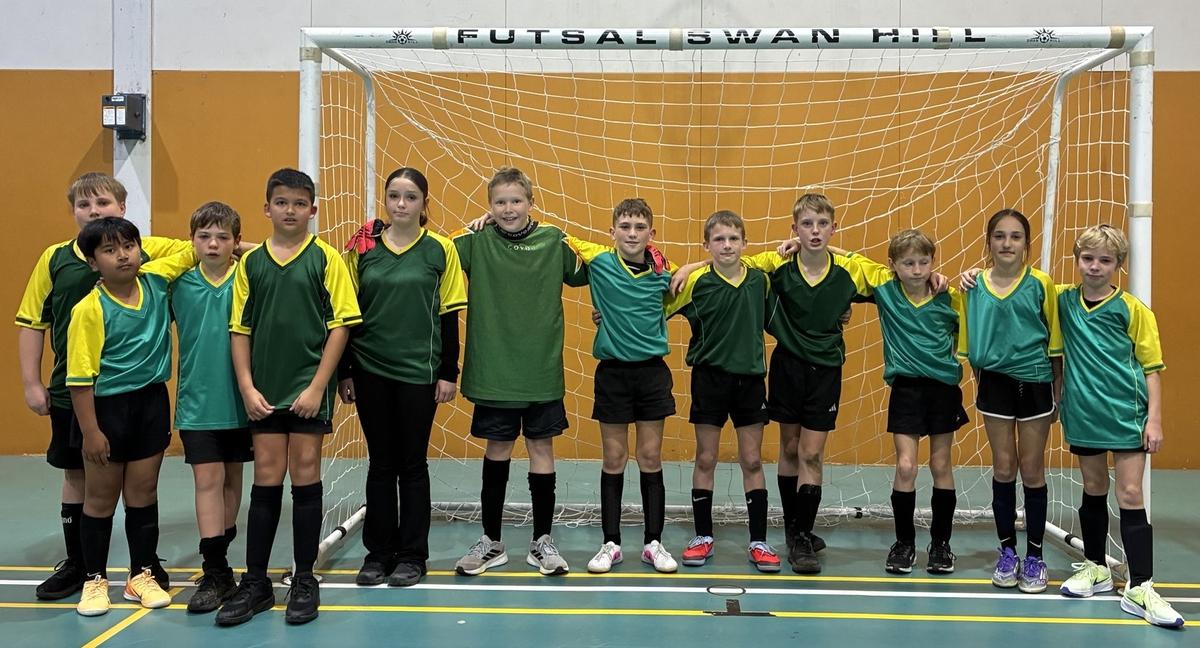
Team List:
Isaac, Joseph, Hudson, Keivan, Emmett, Amarli, Victoria, Jarrakye, Cooper, Kade,
Jimmie, Jett.
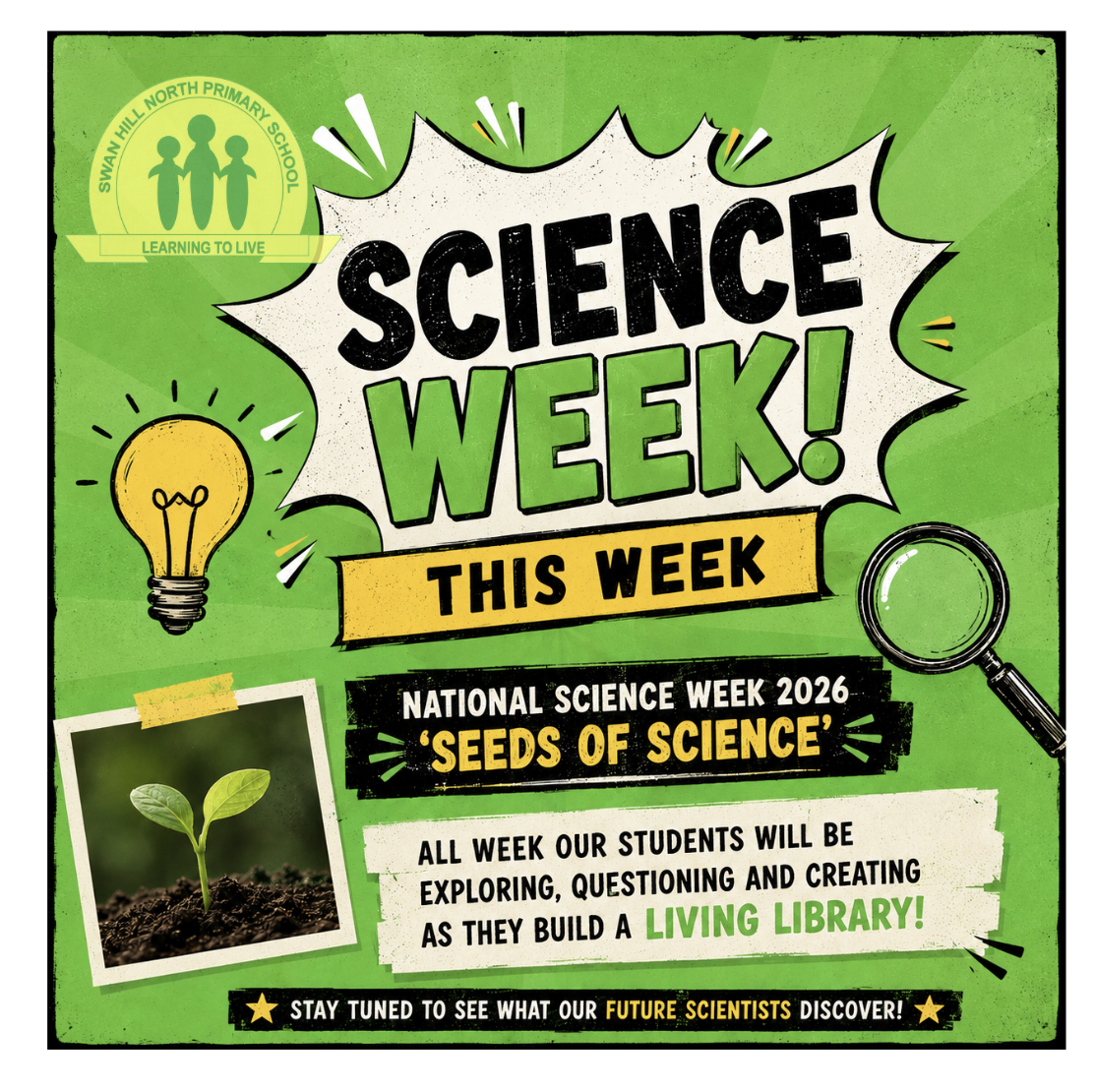
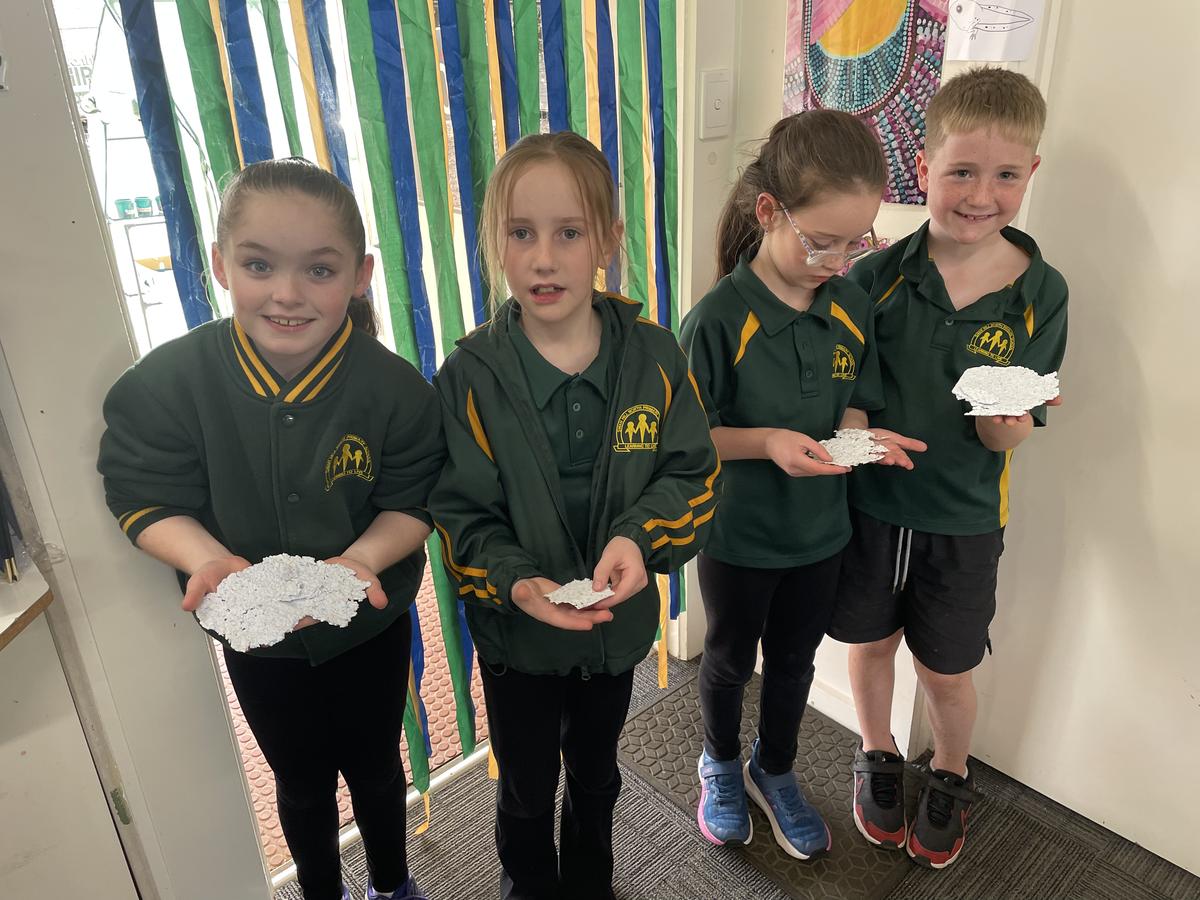
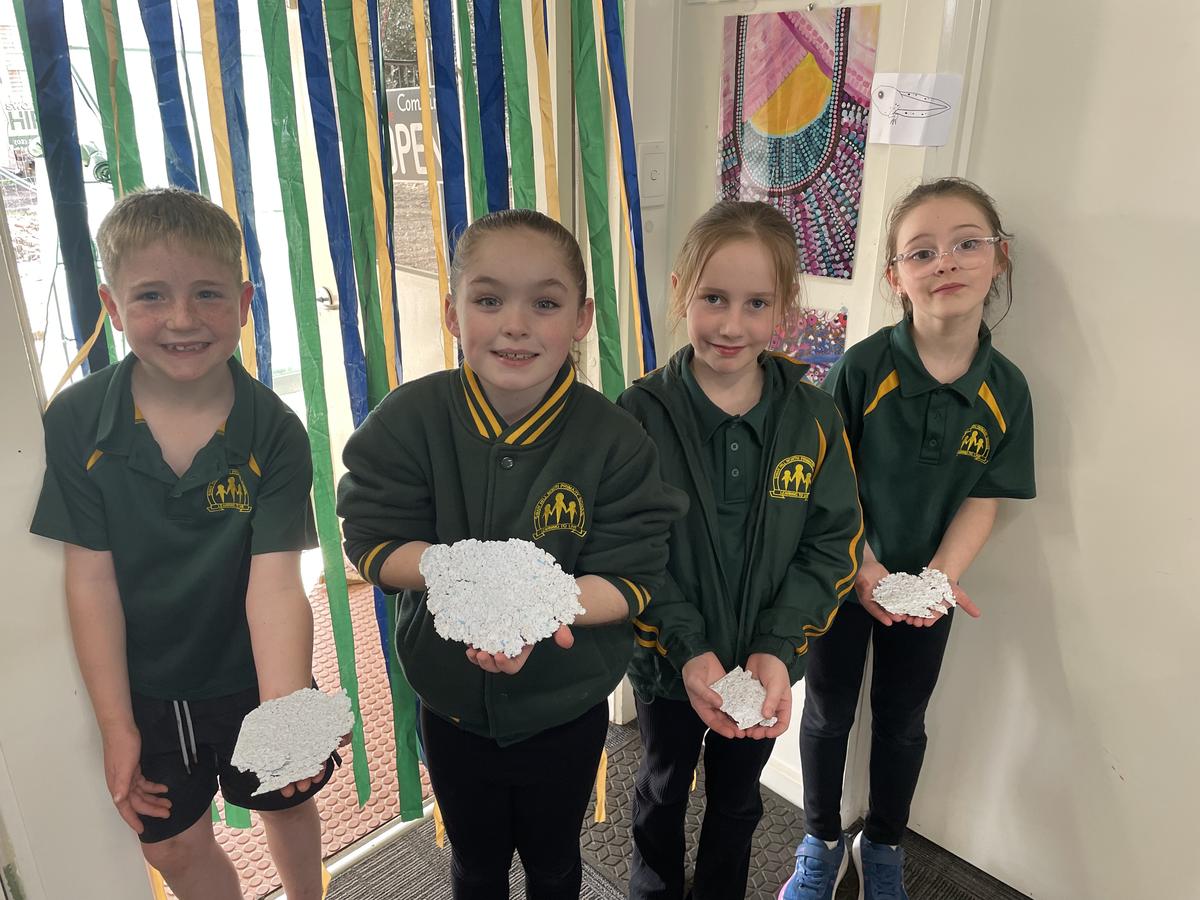
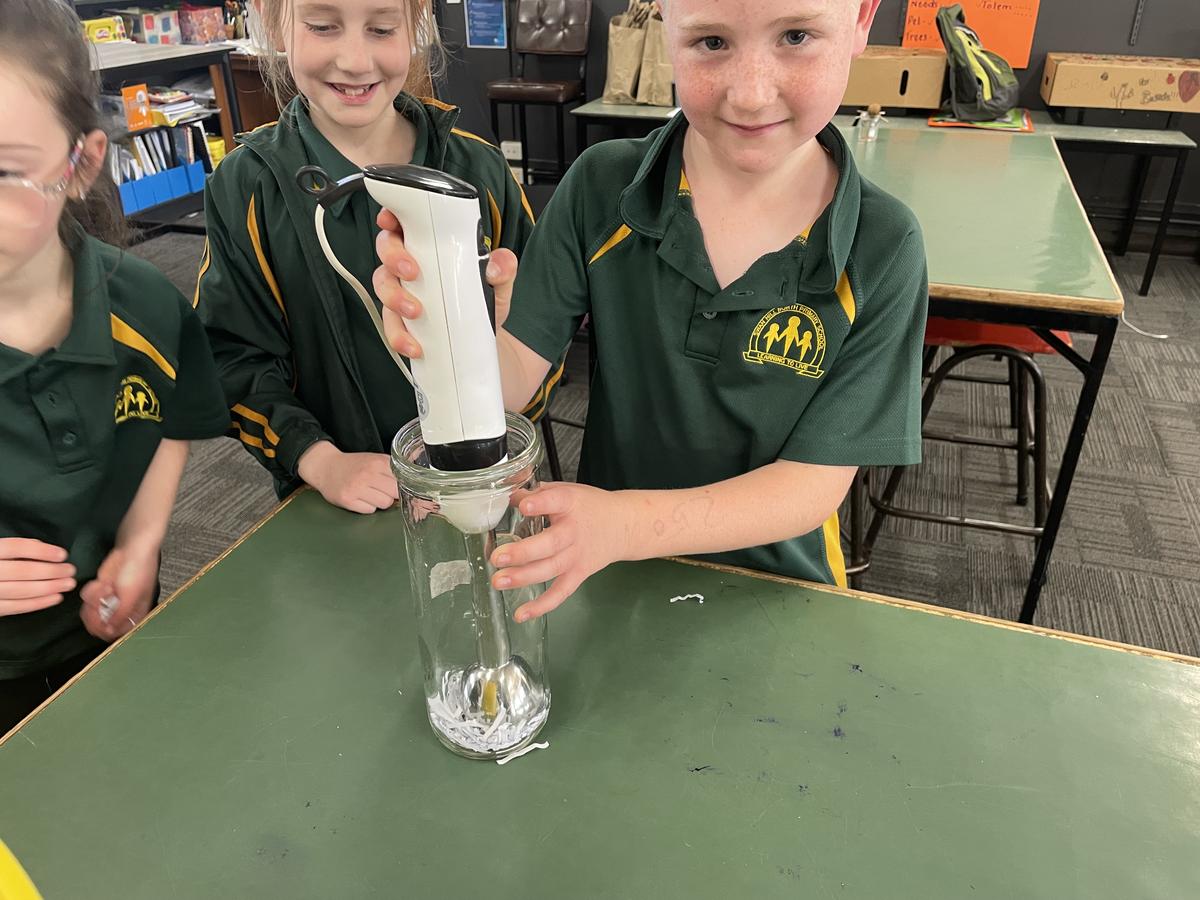
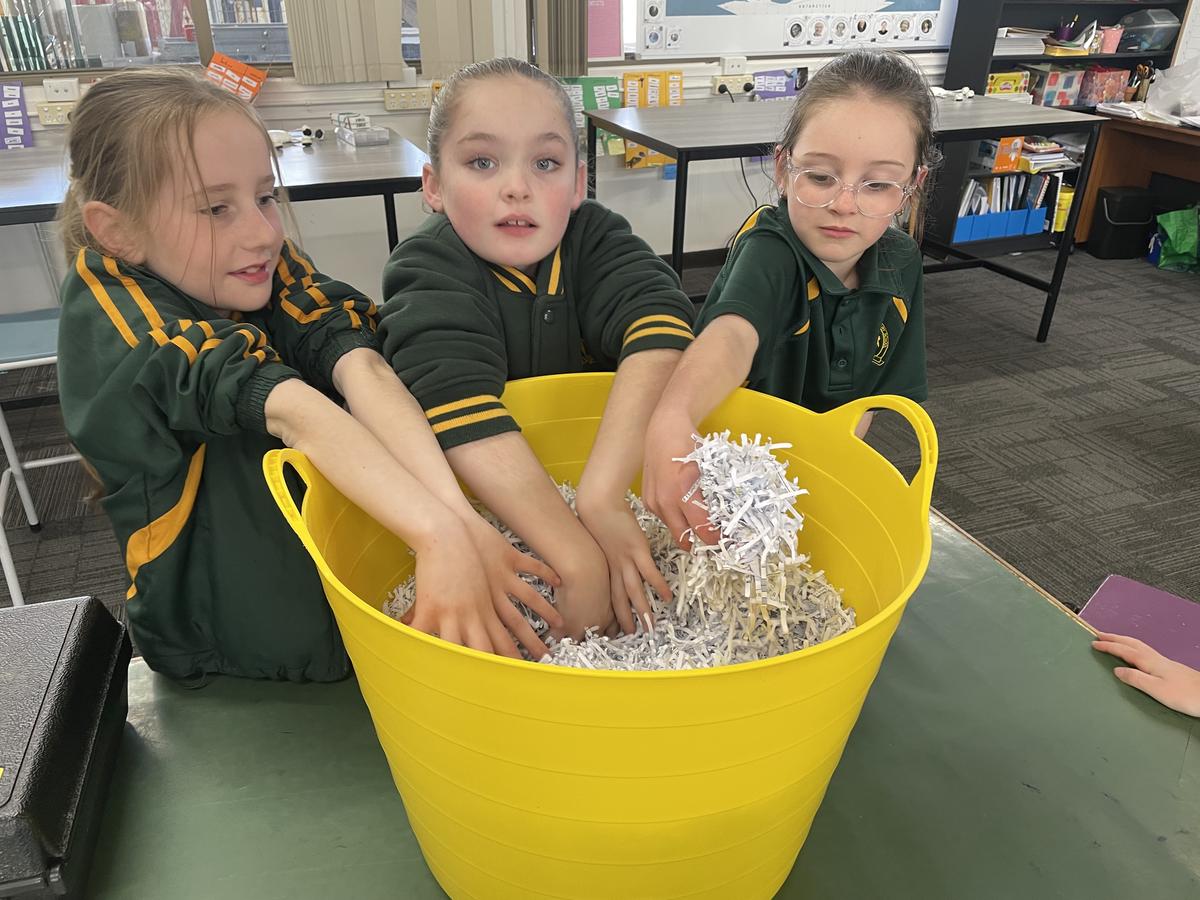
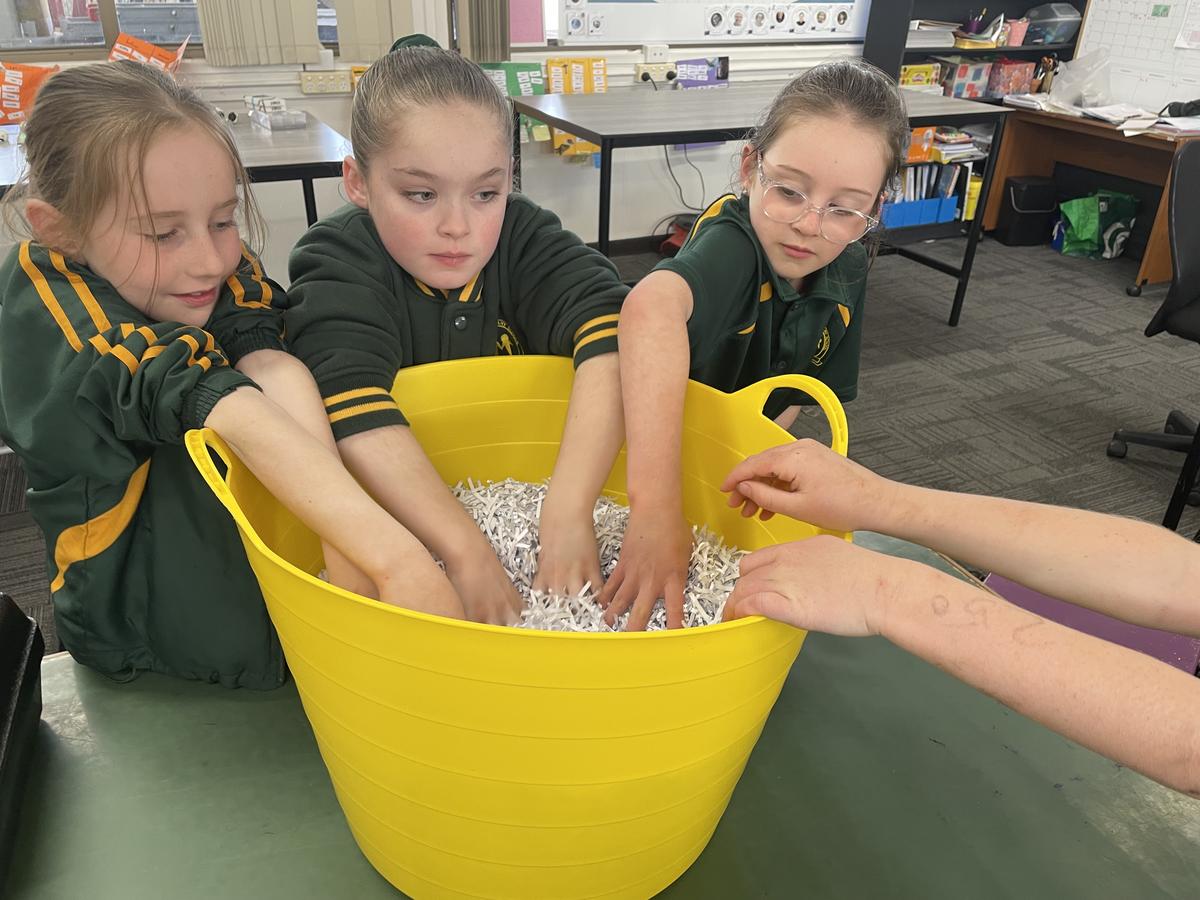
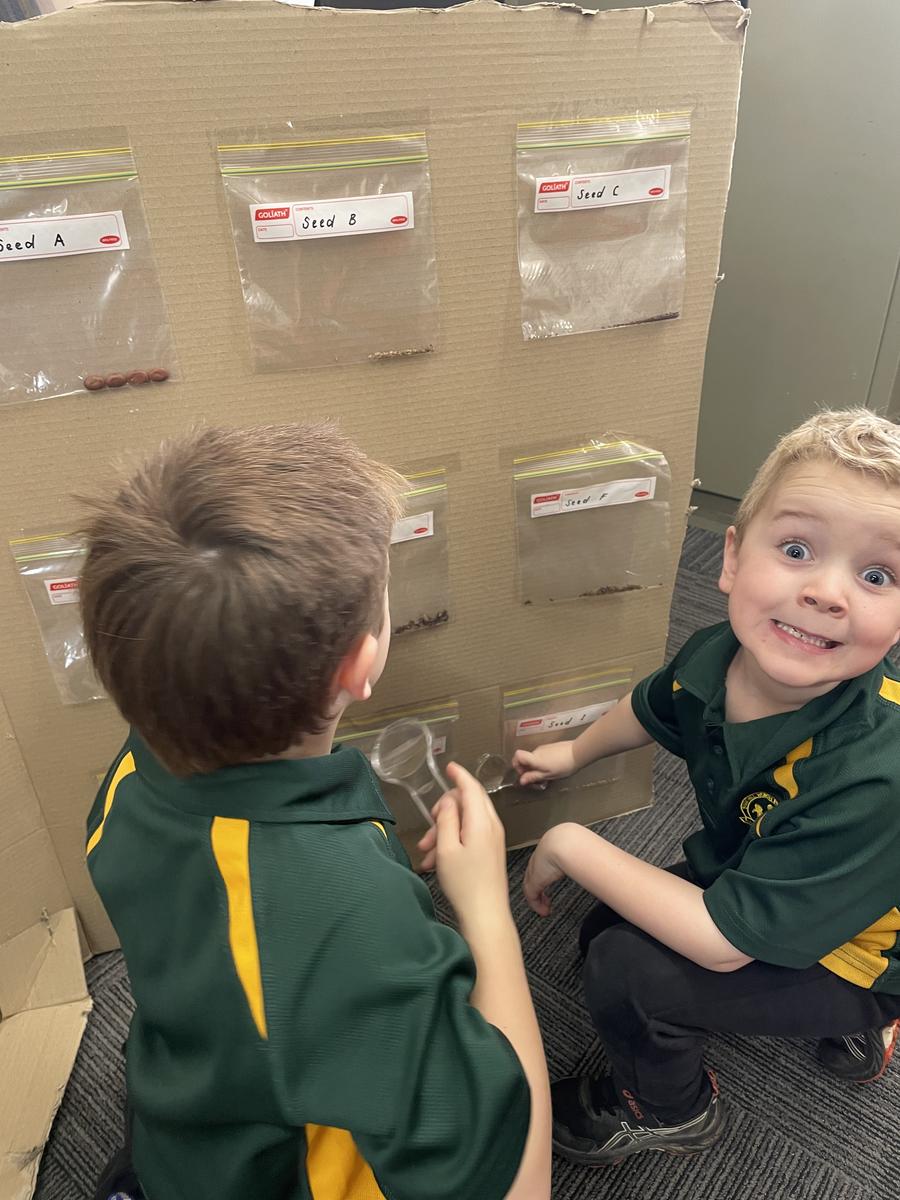
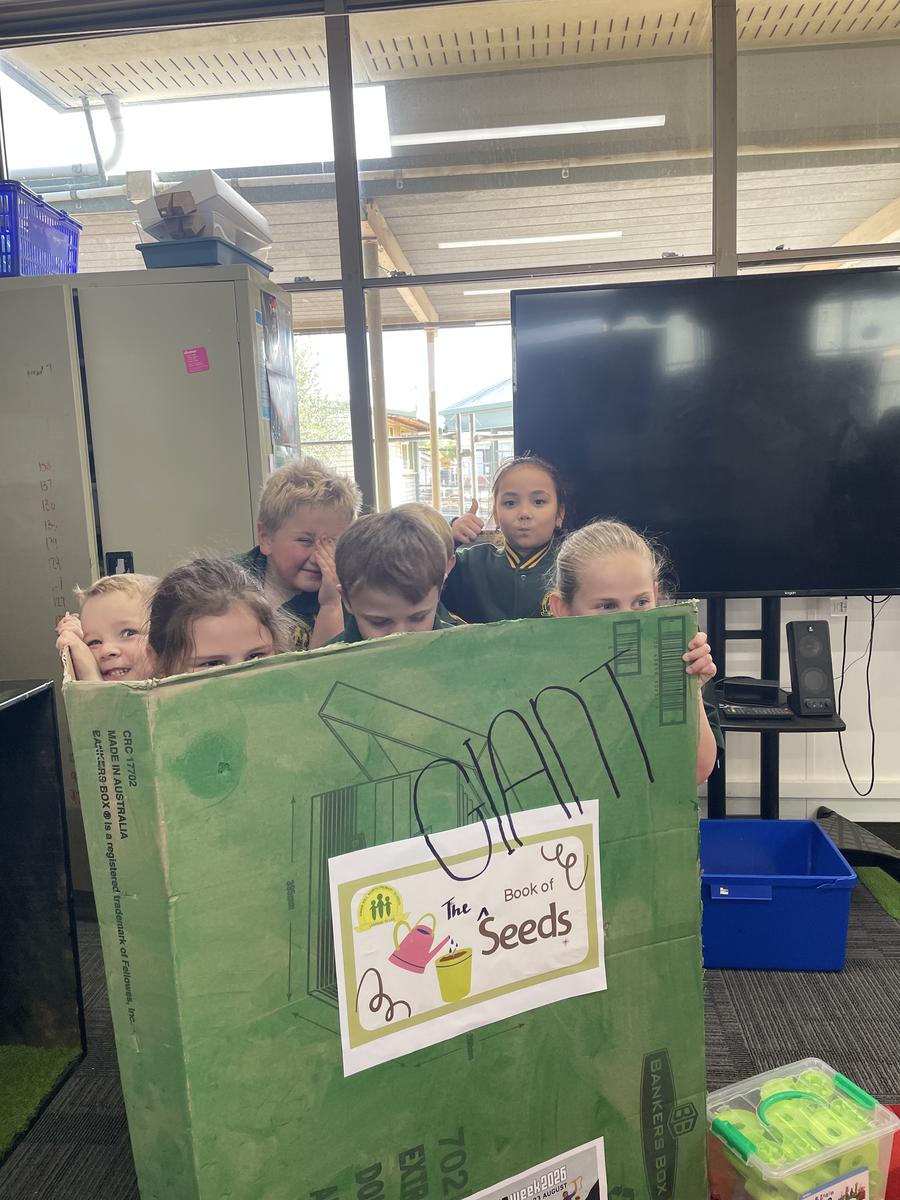
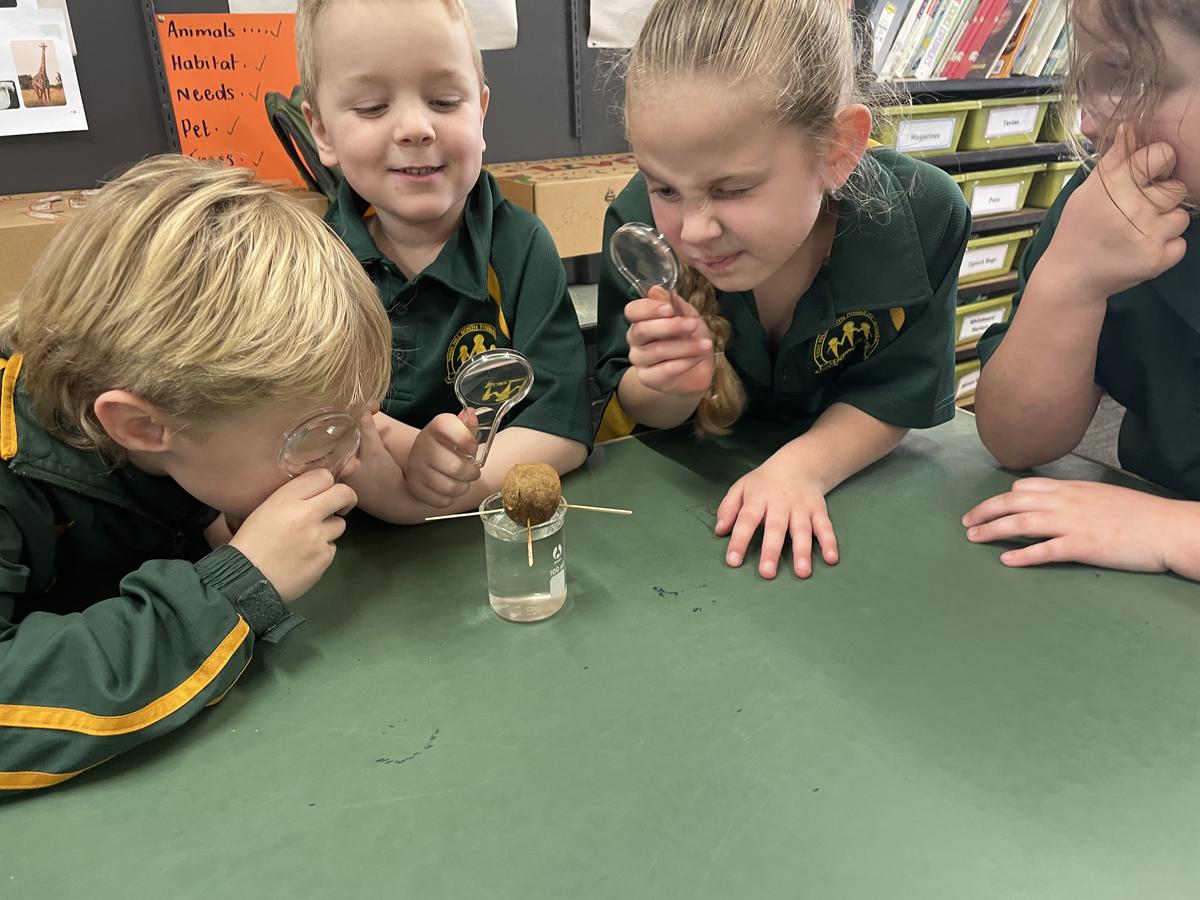
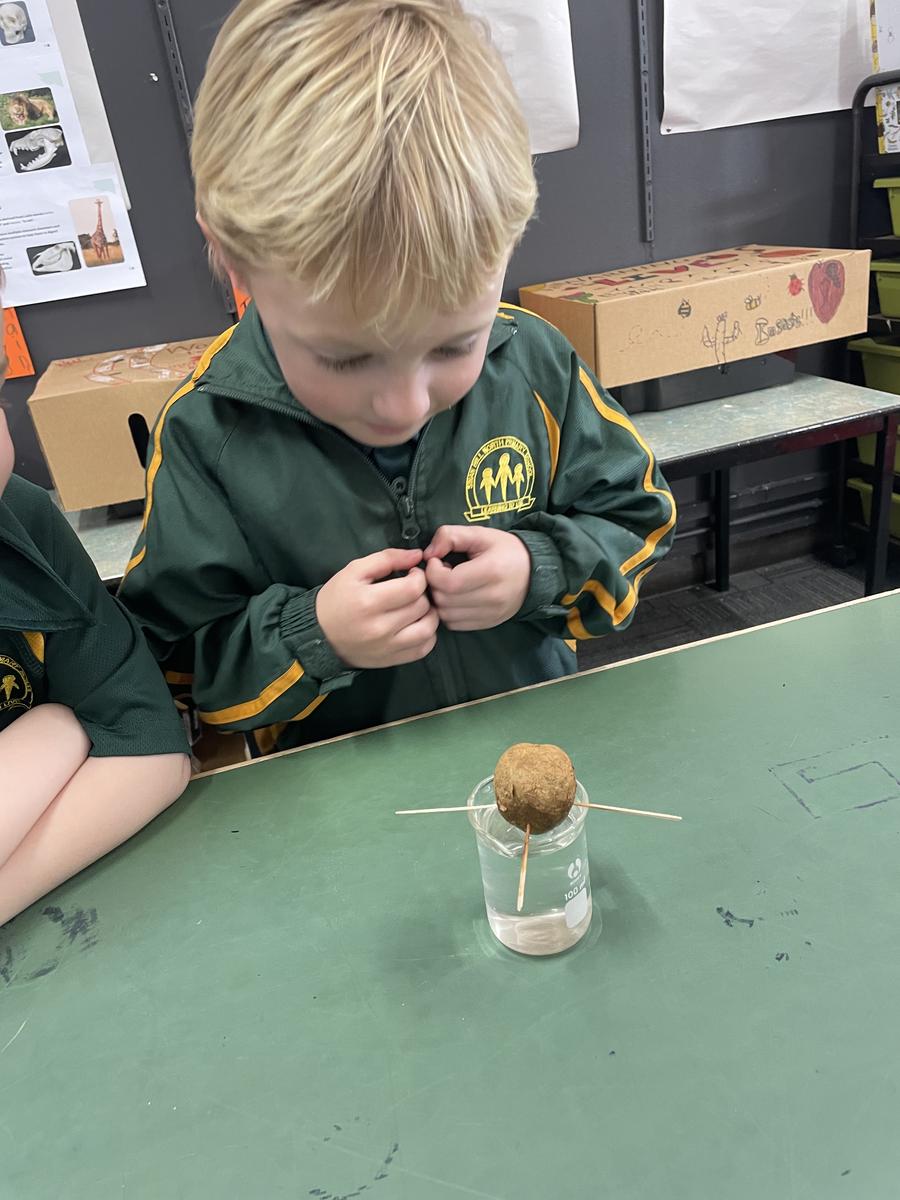
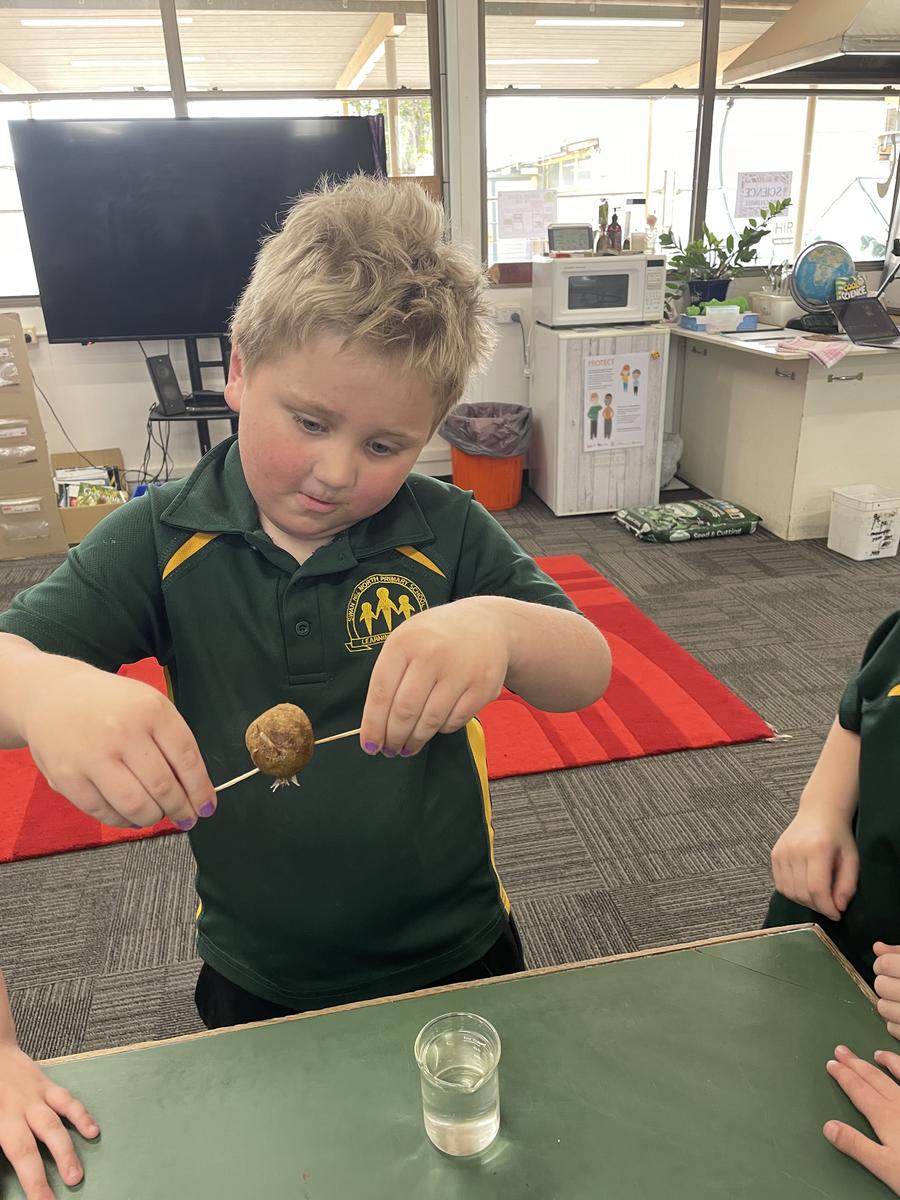
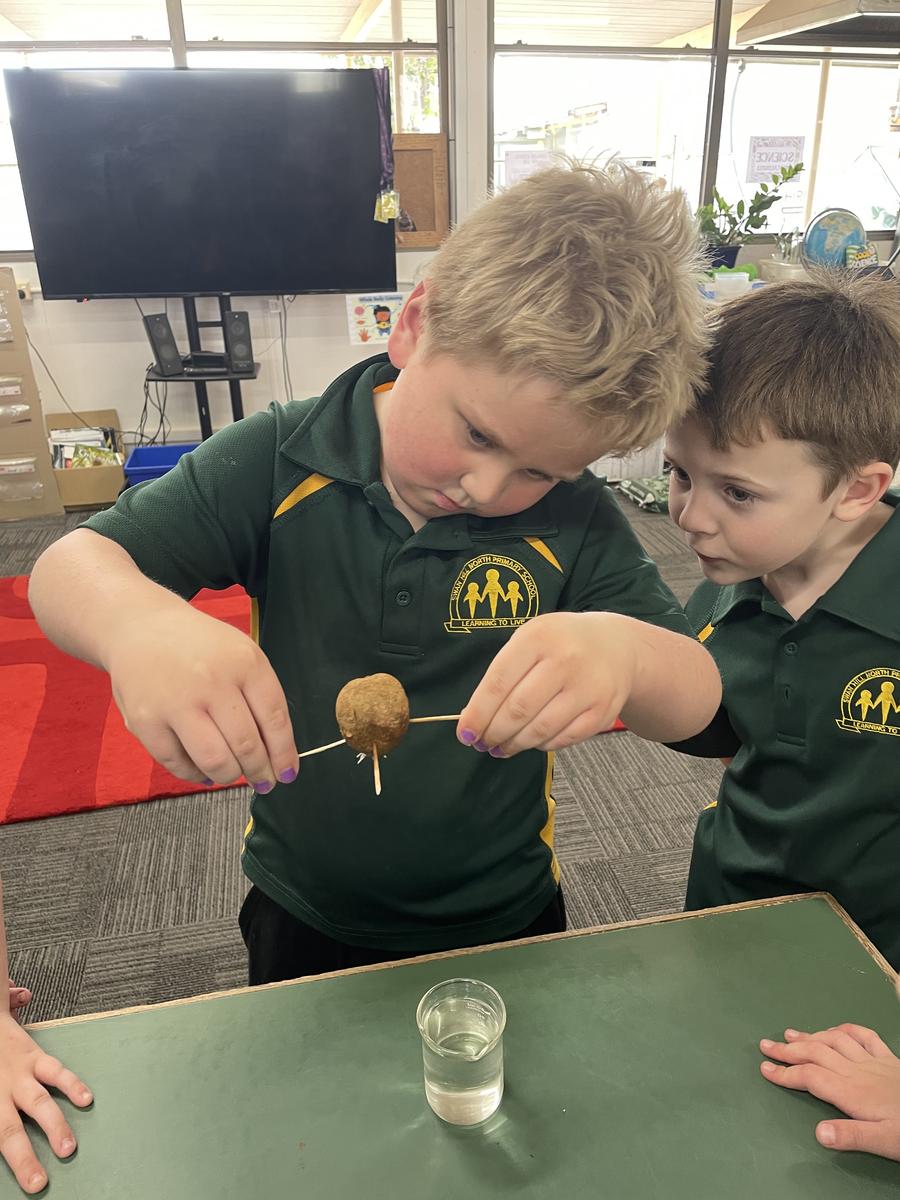
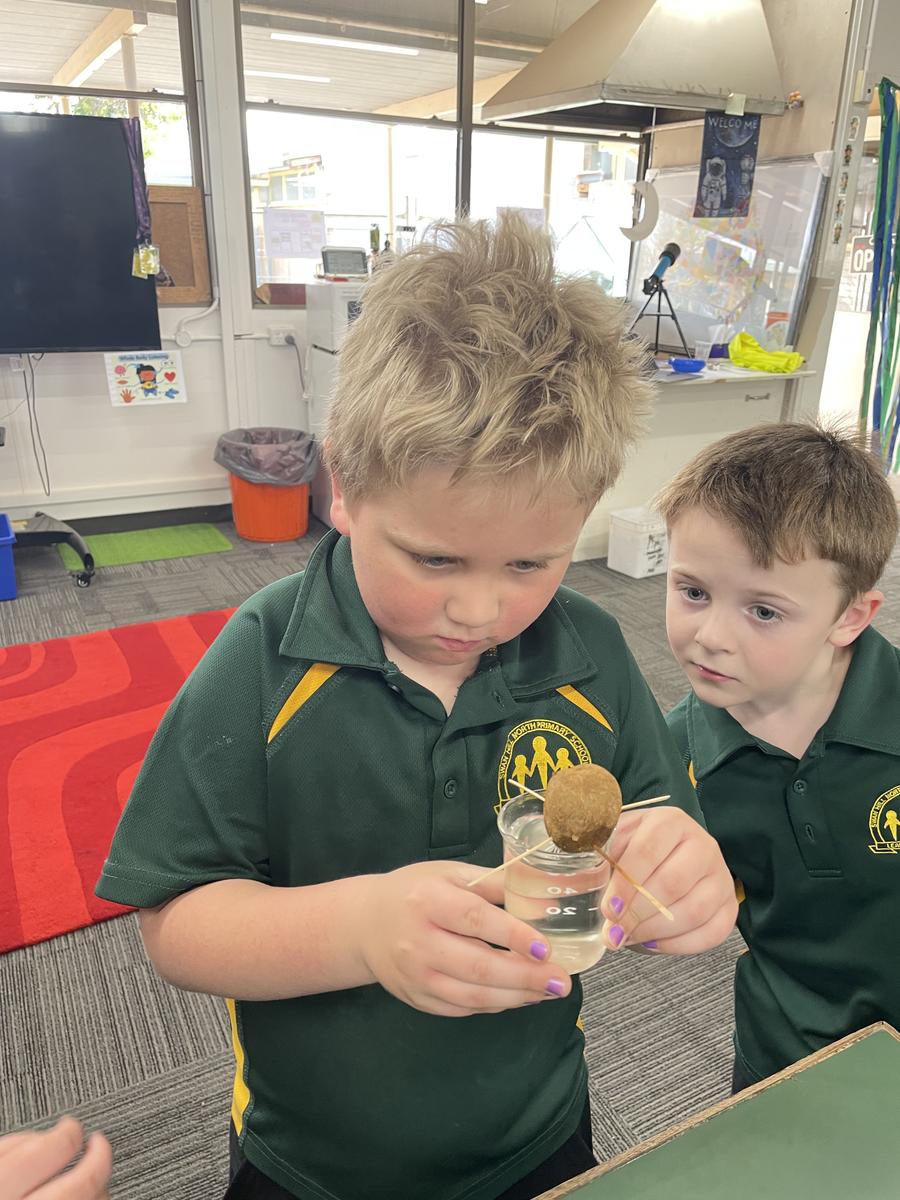
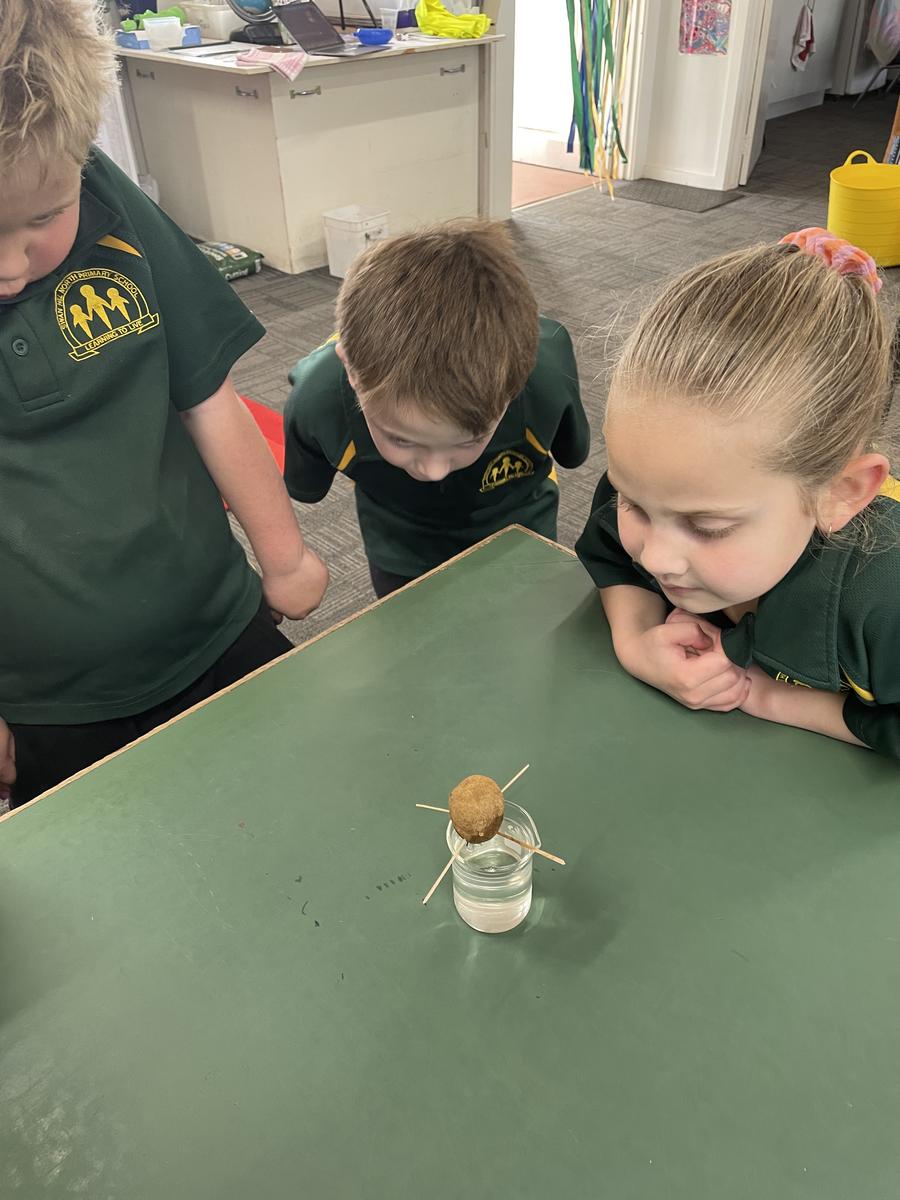
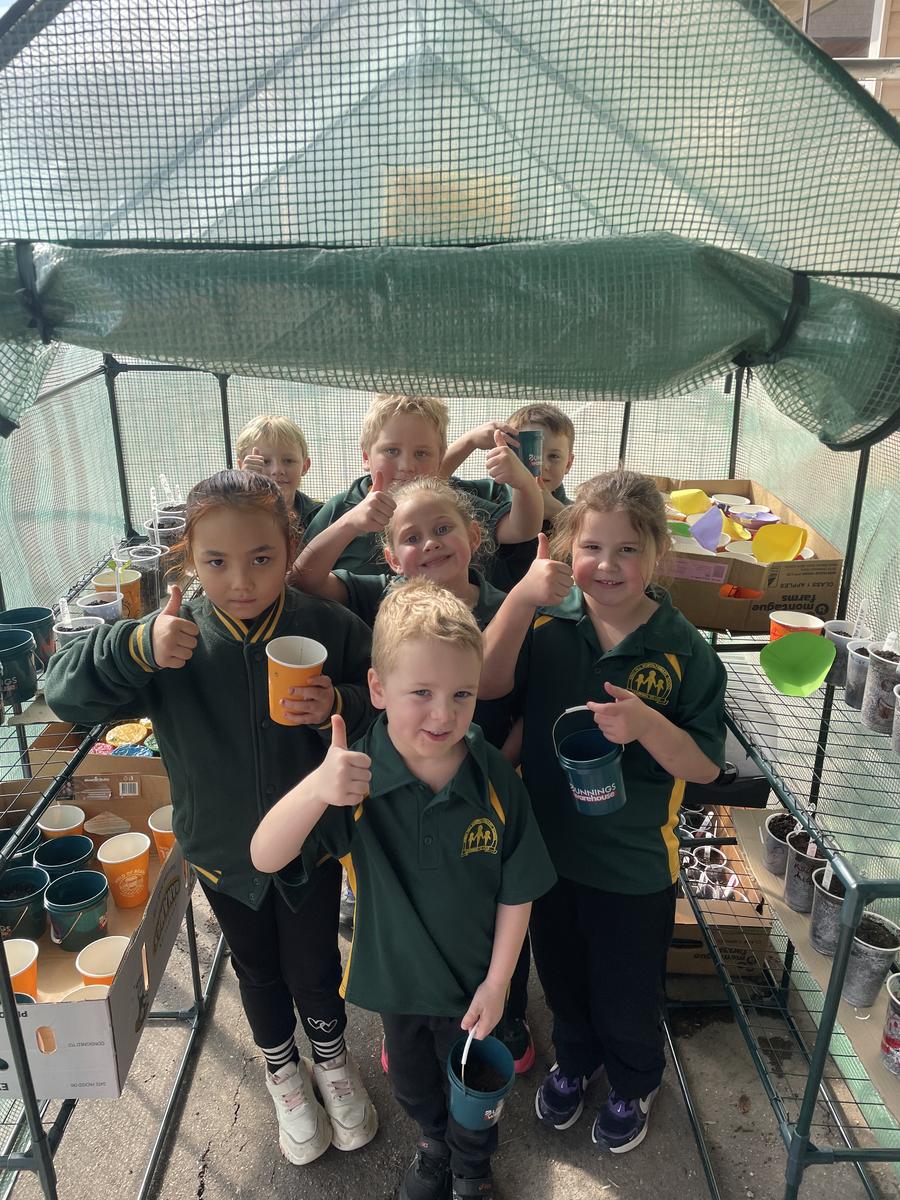
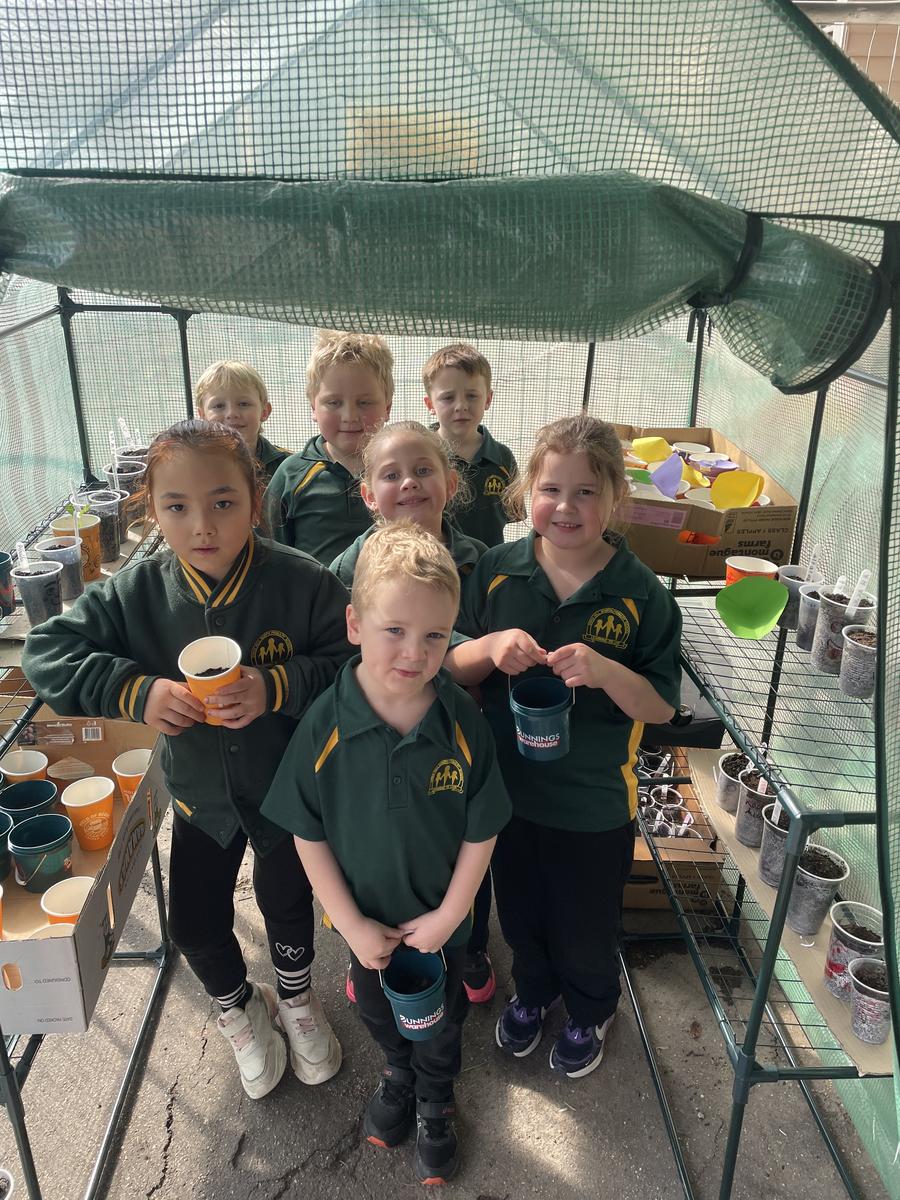
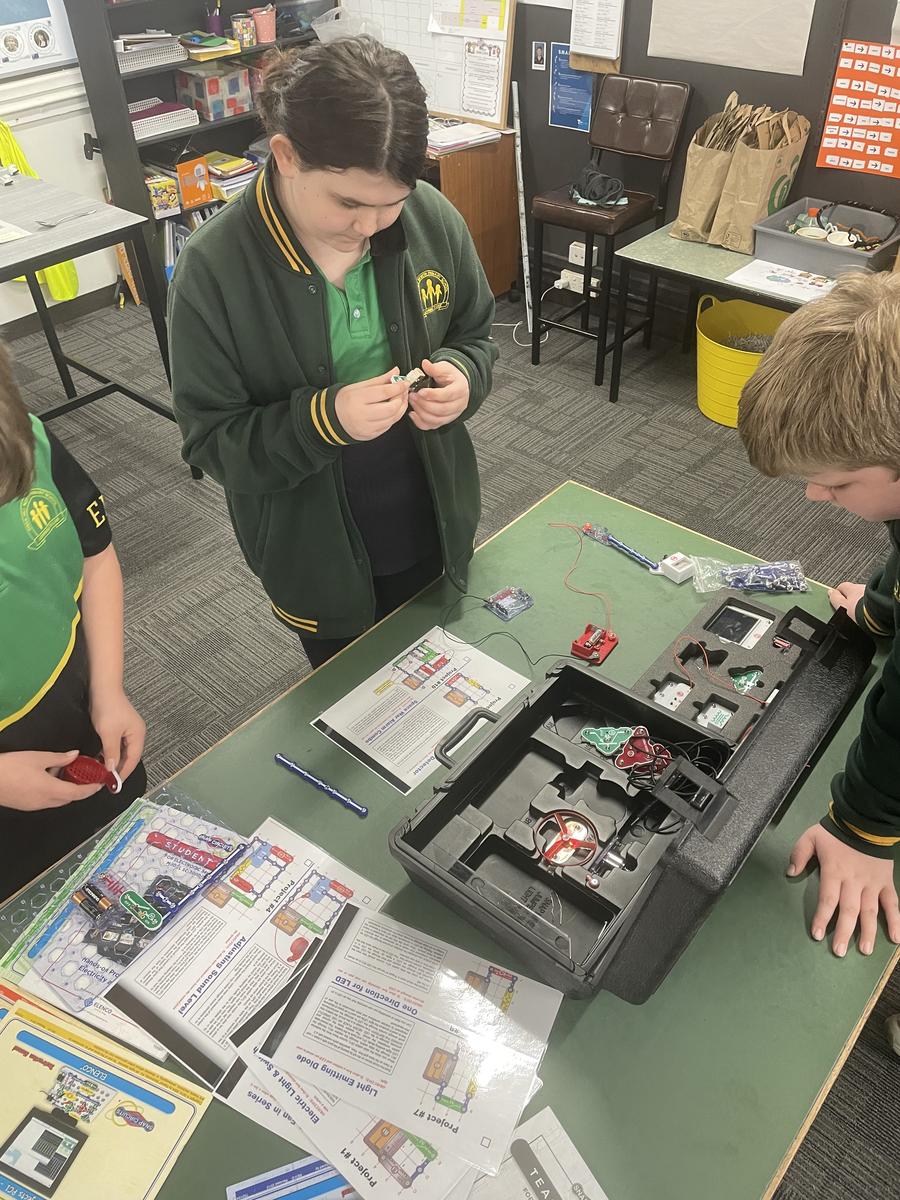
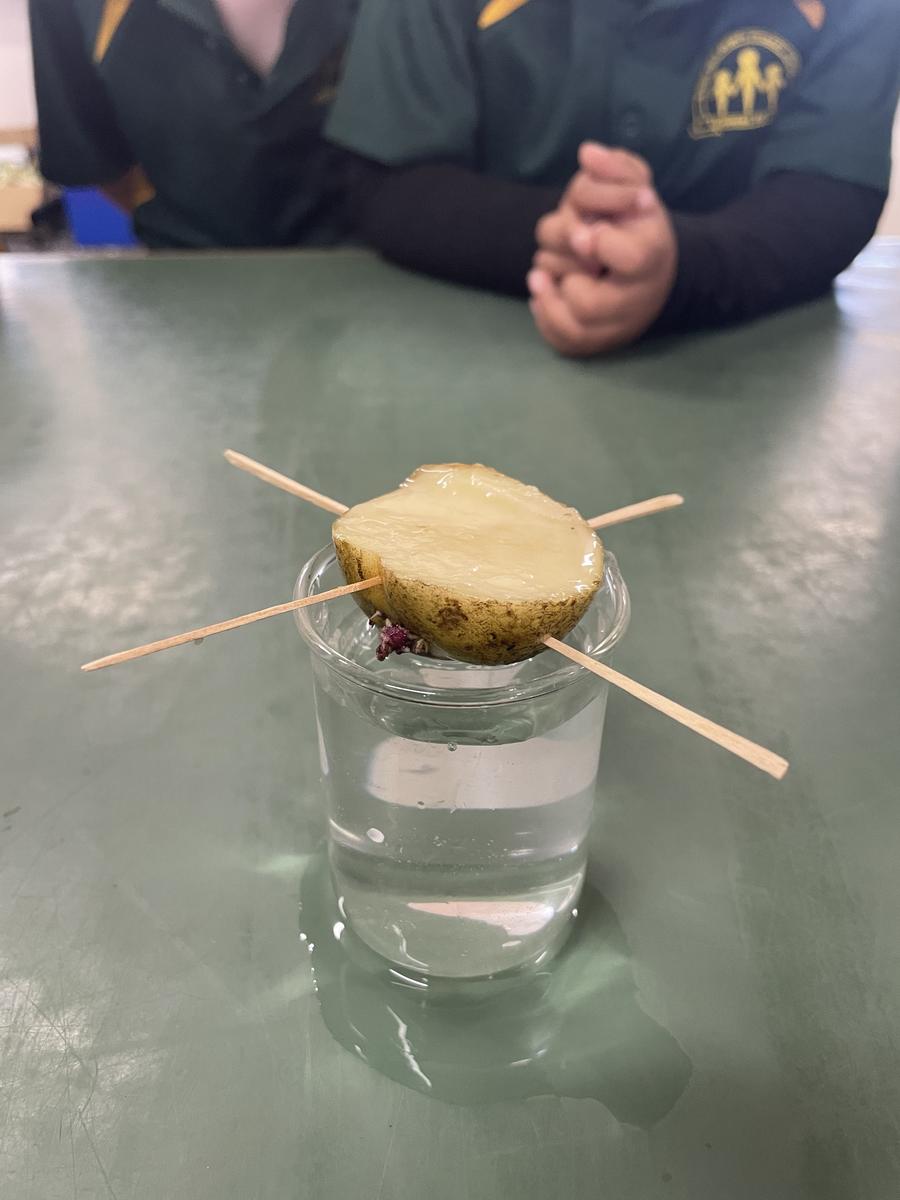
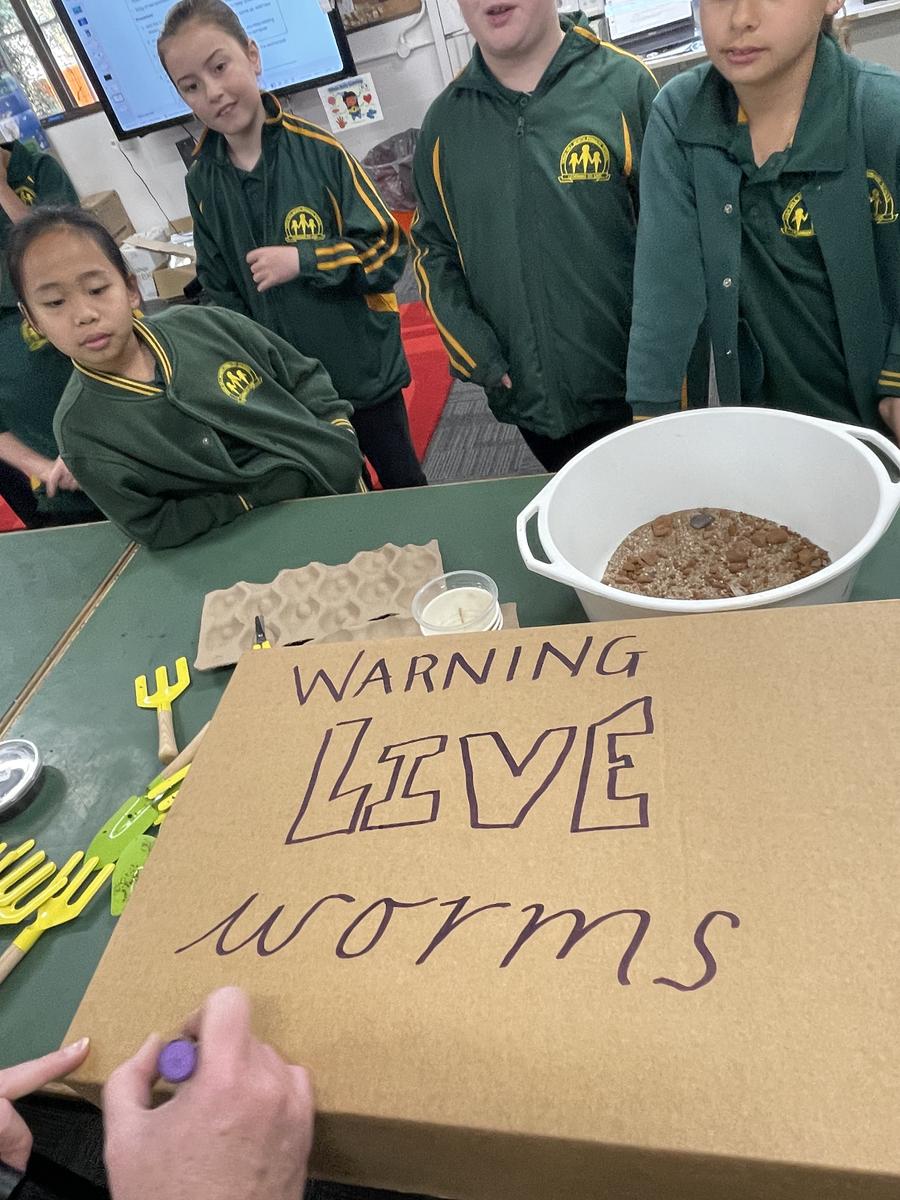
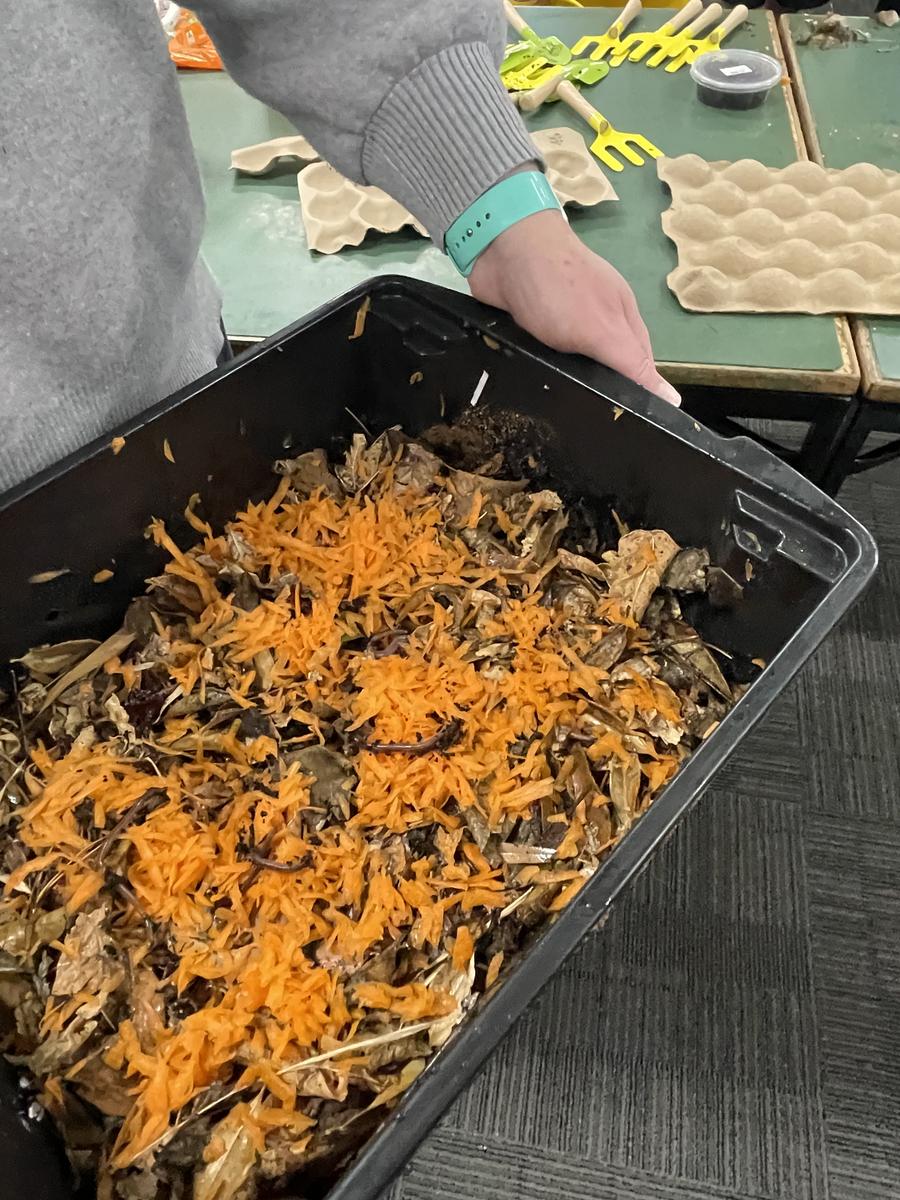
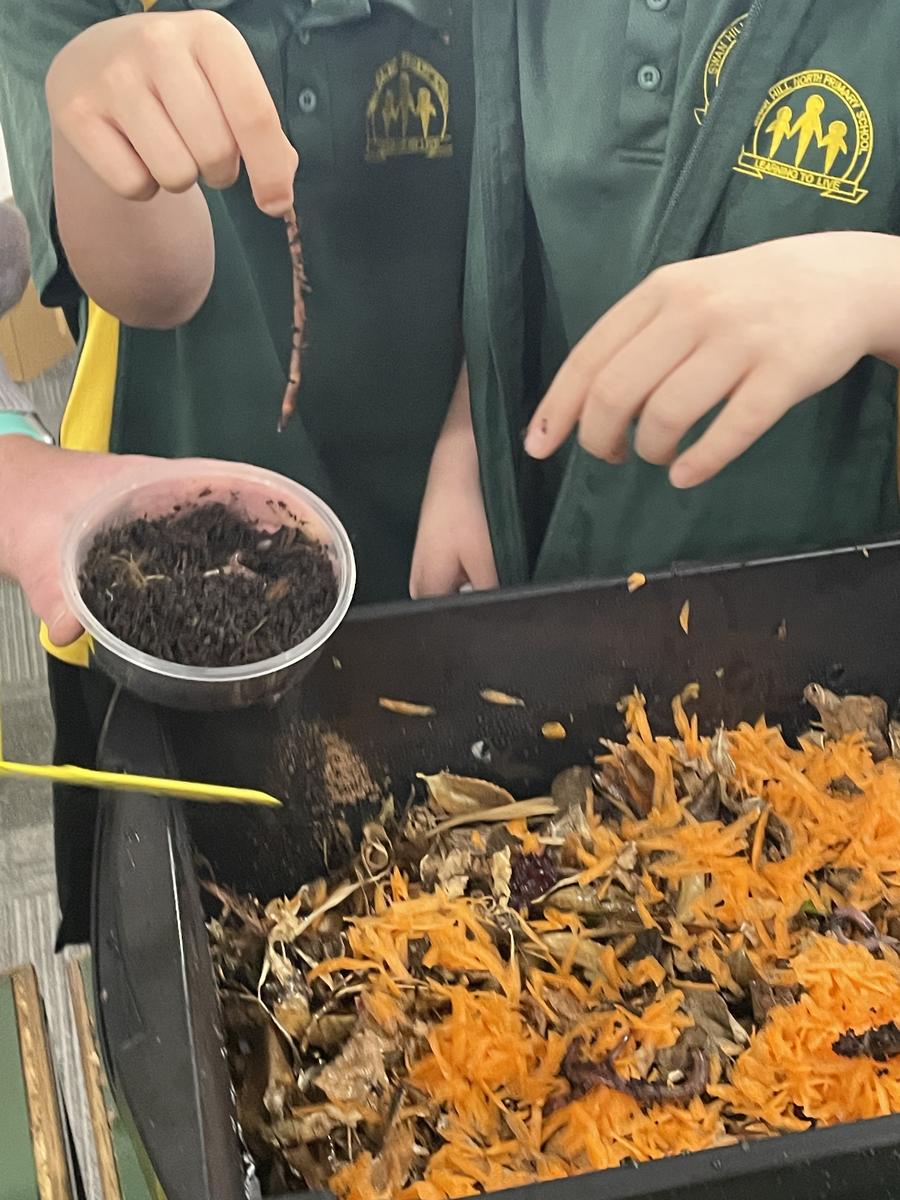
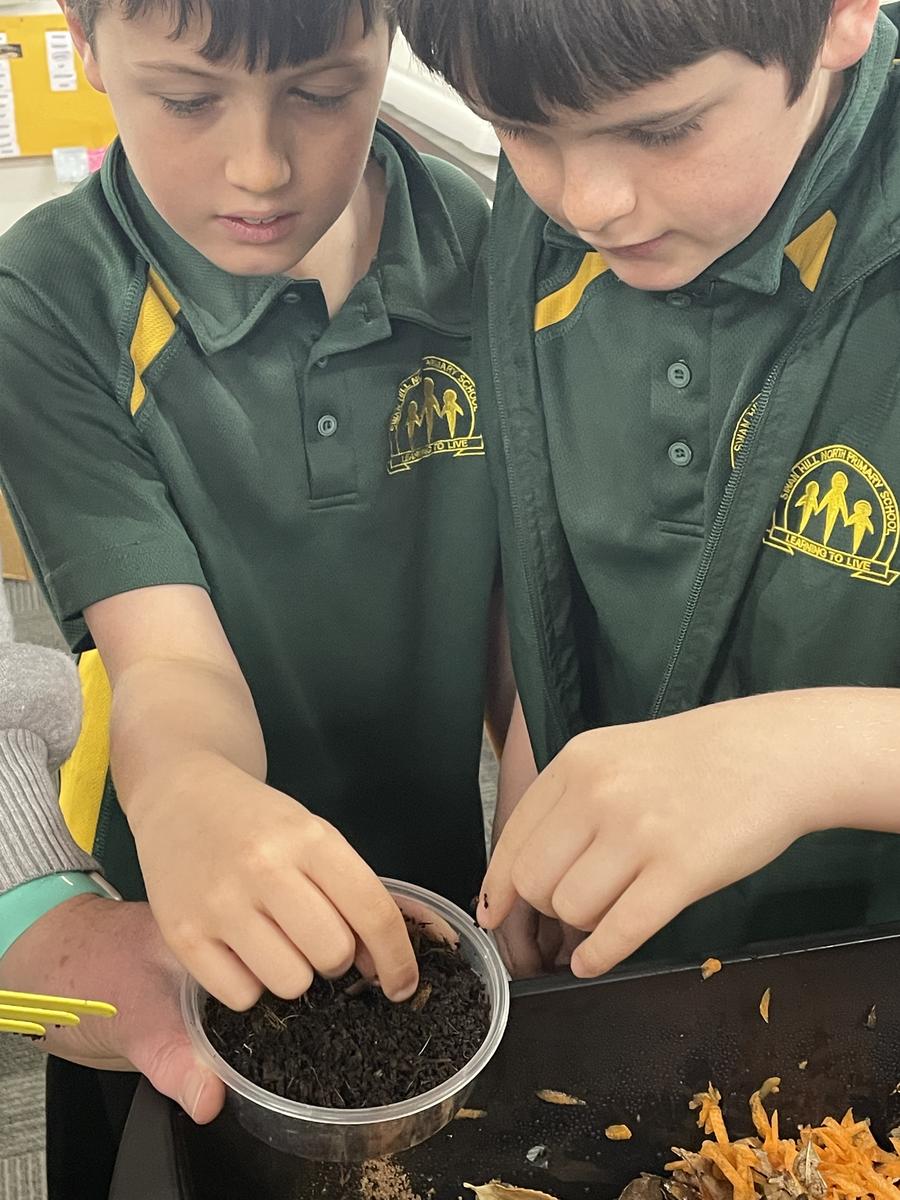
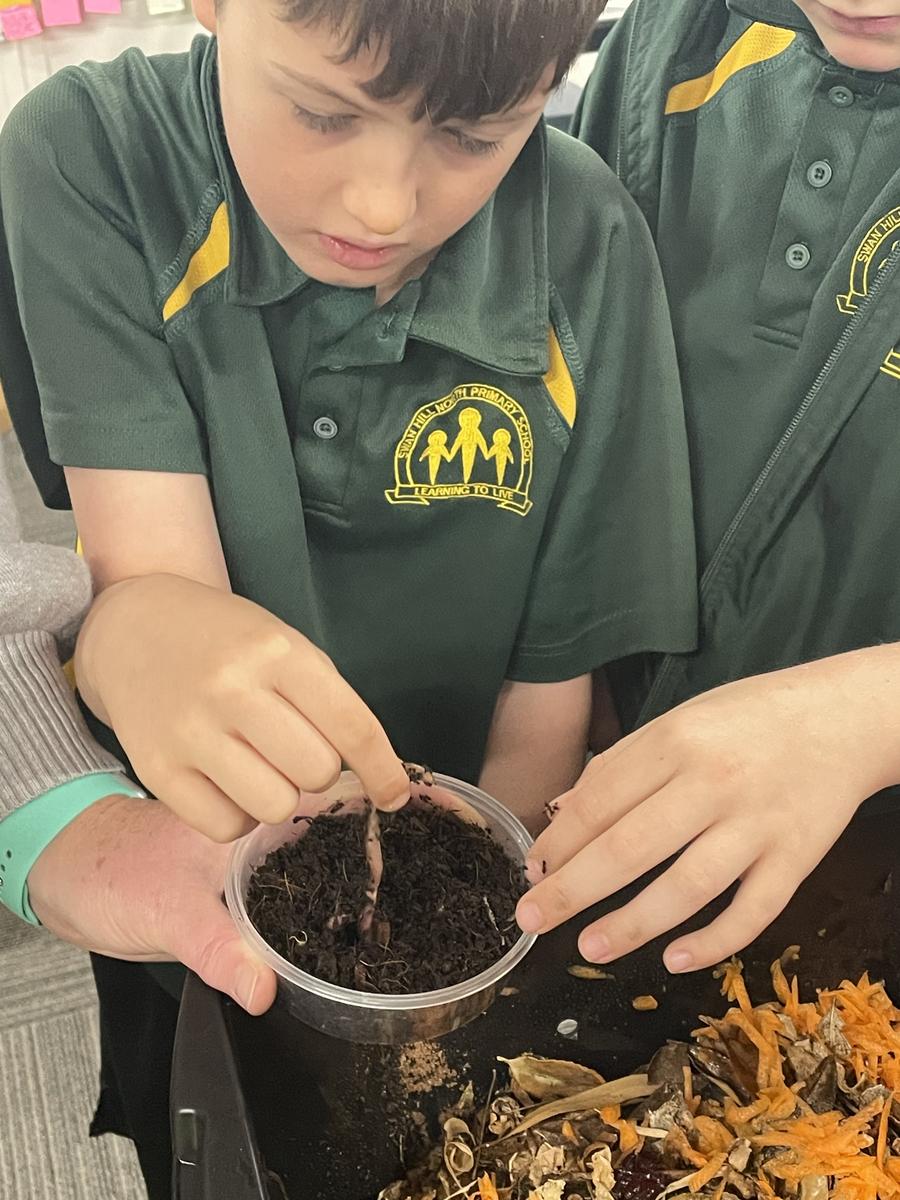
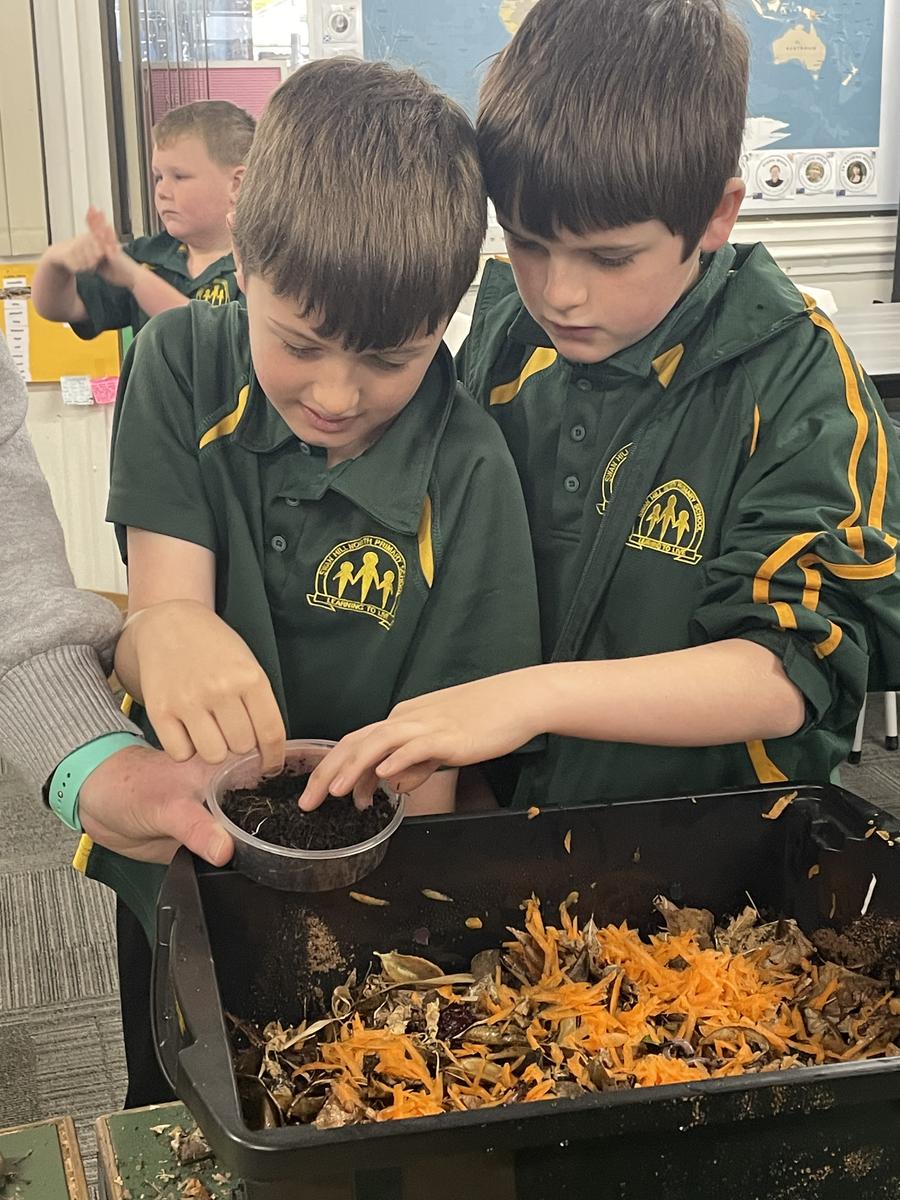
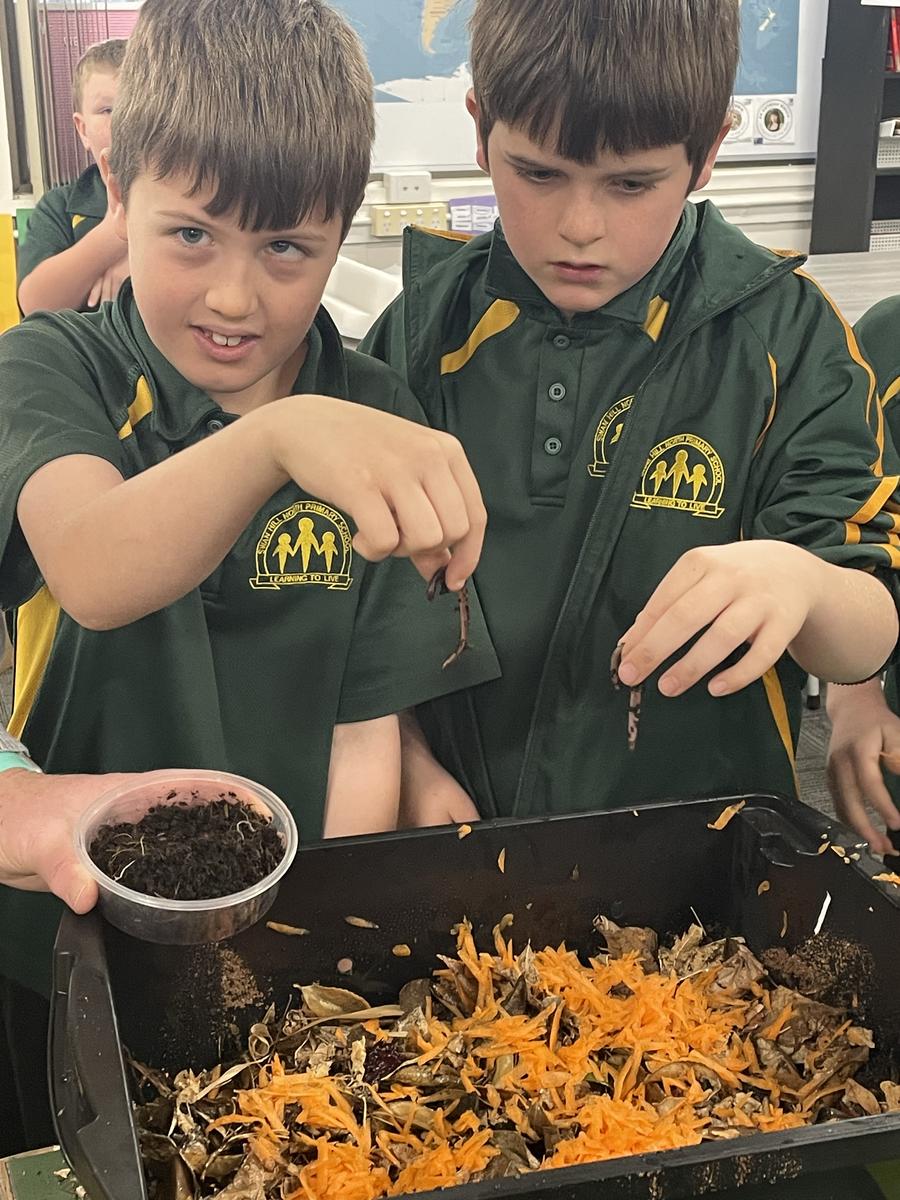
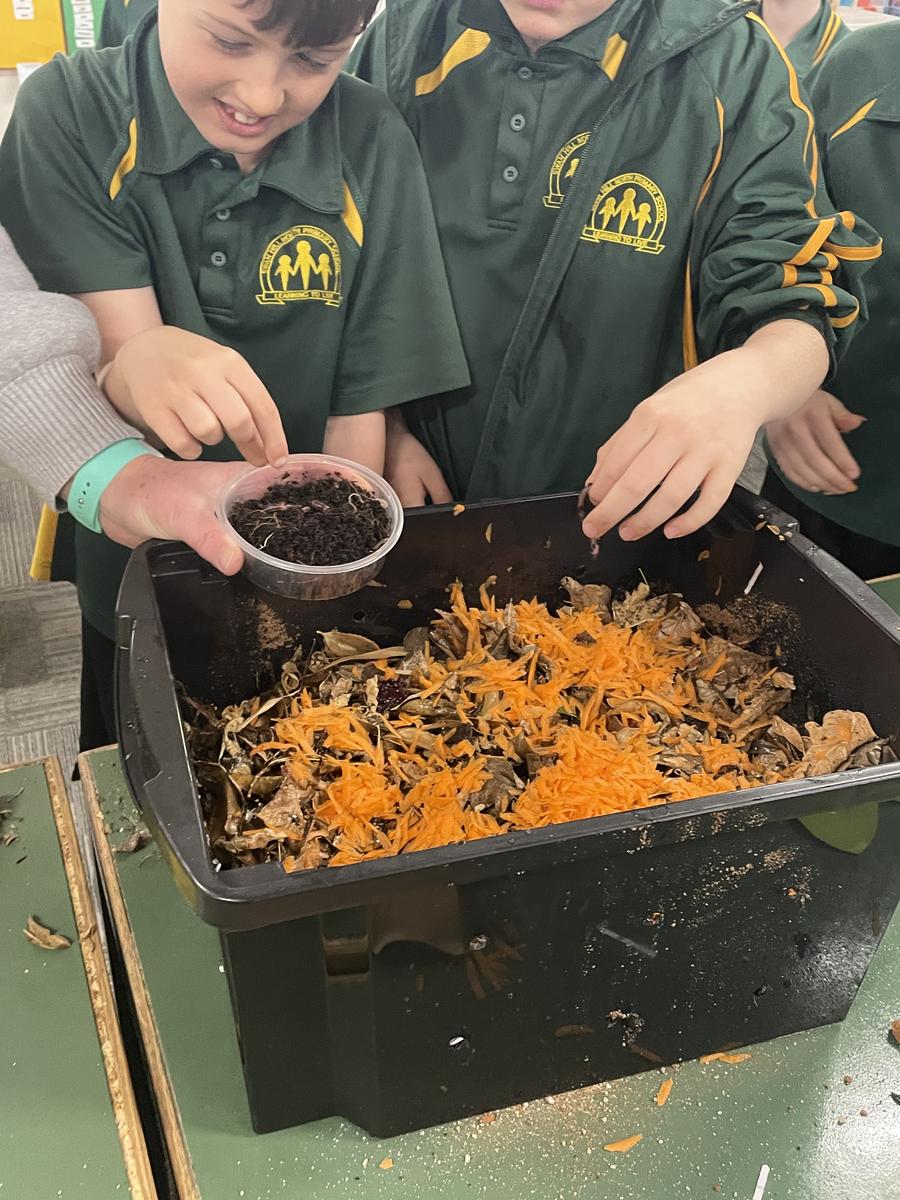
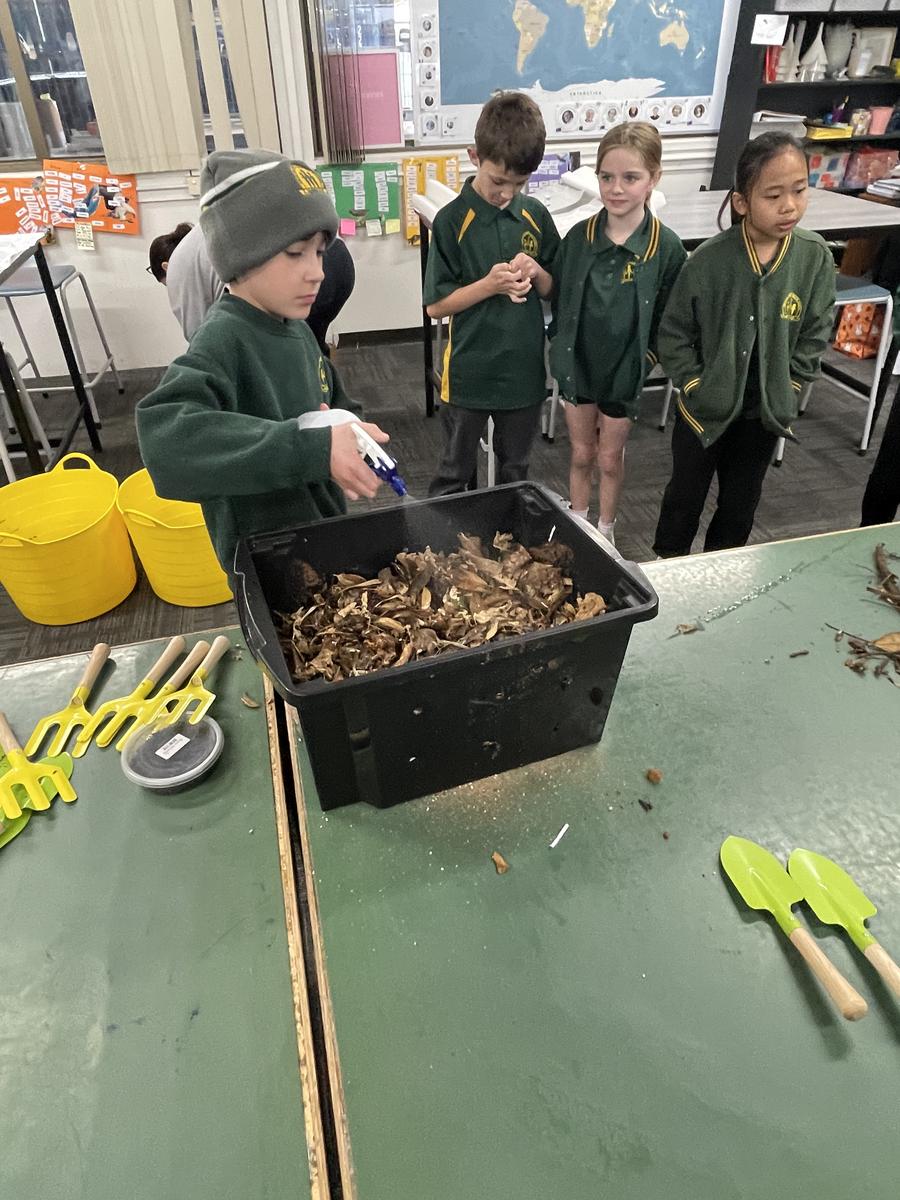
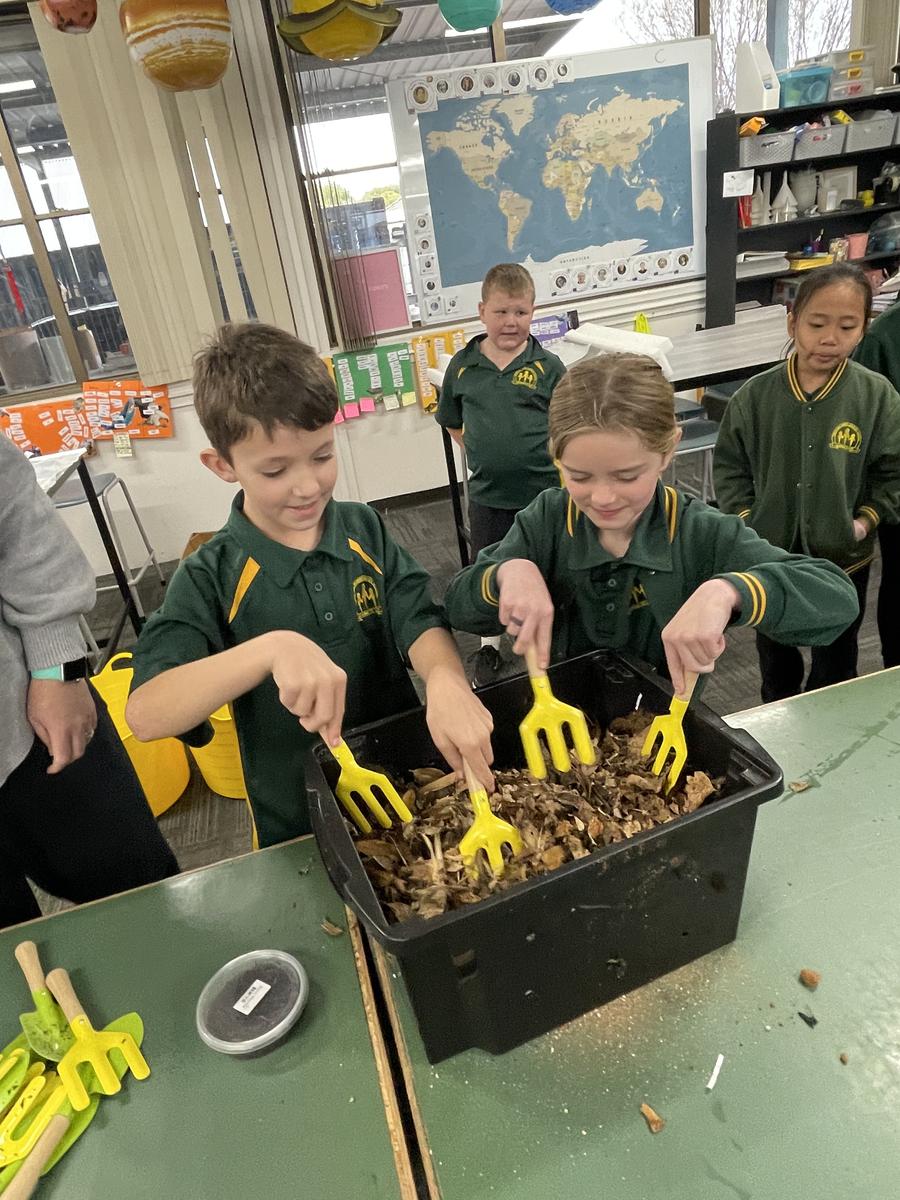
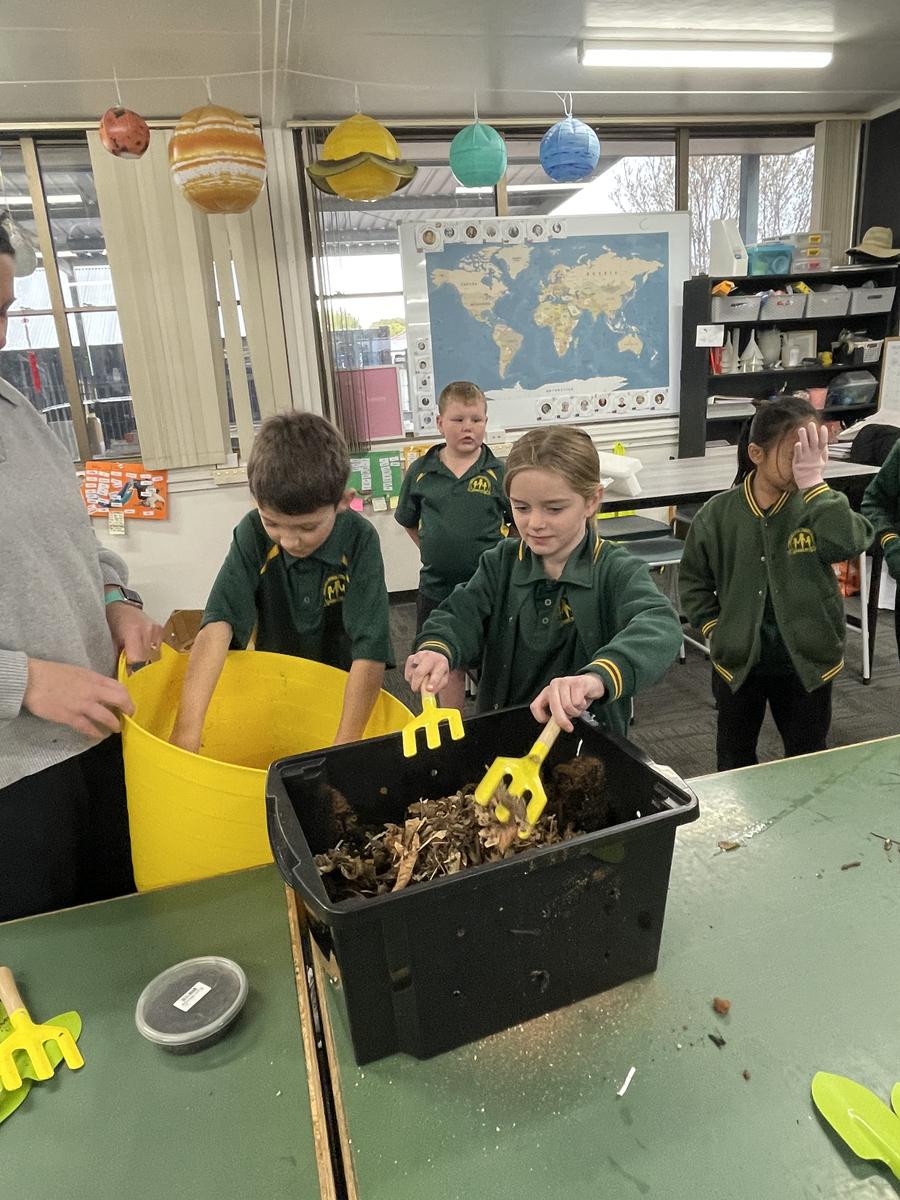
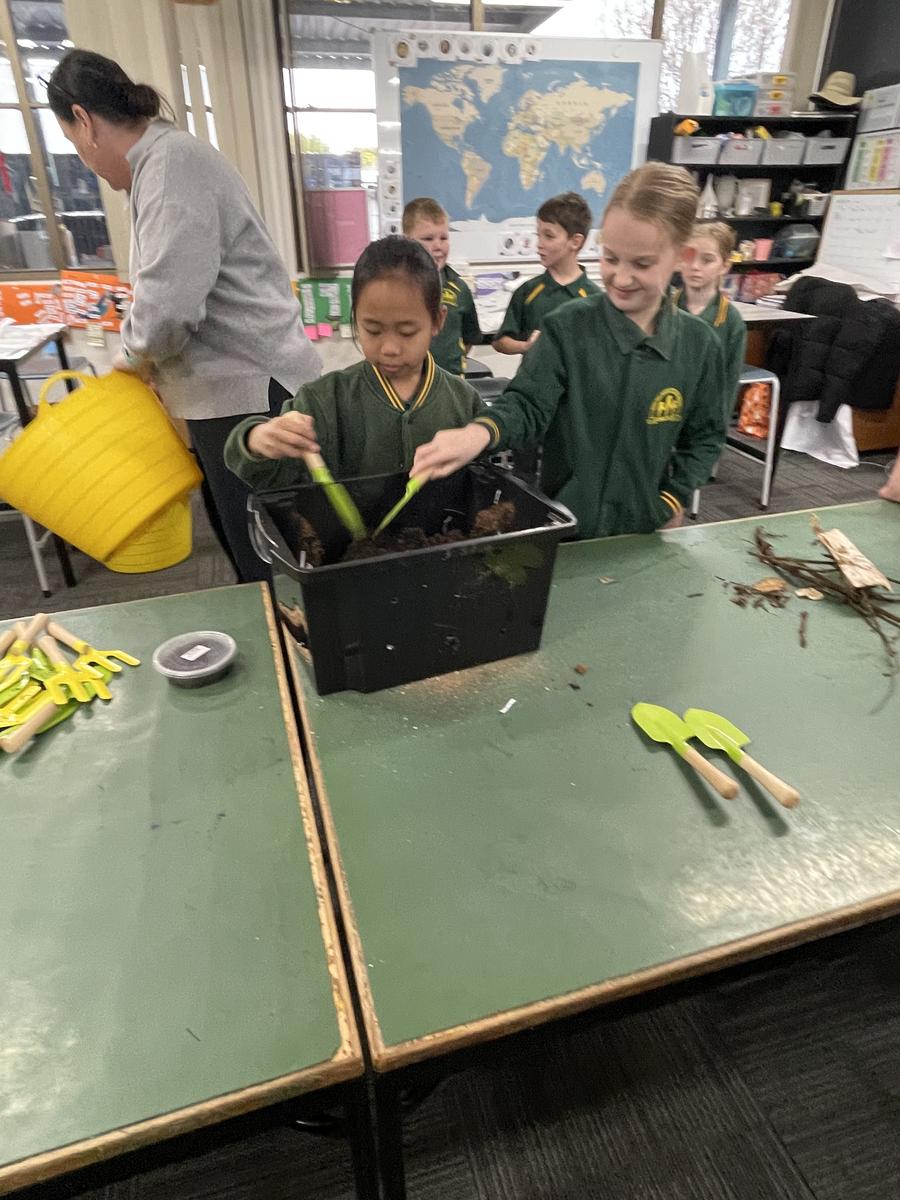
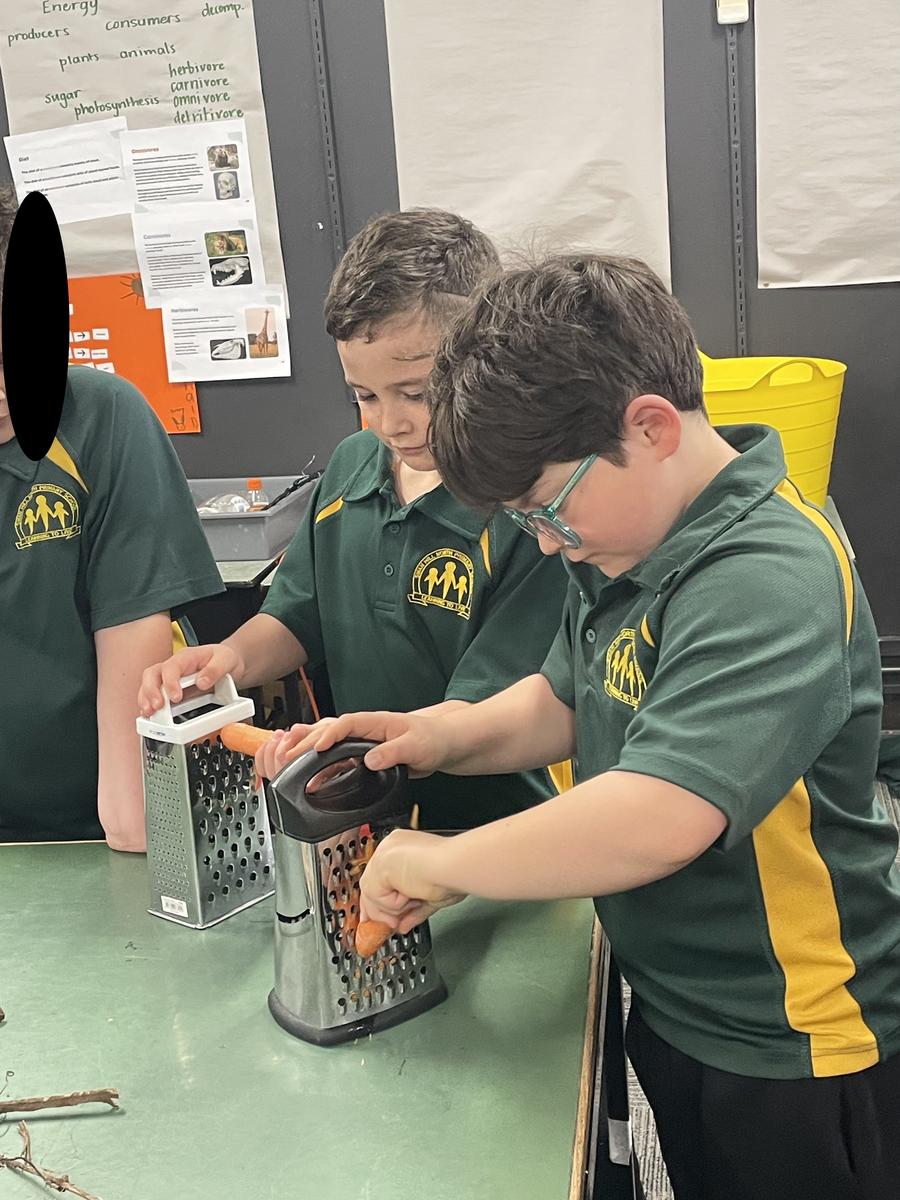
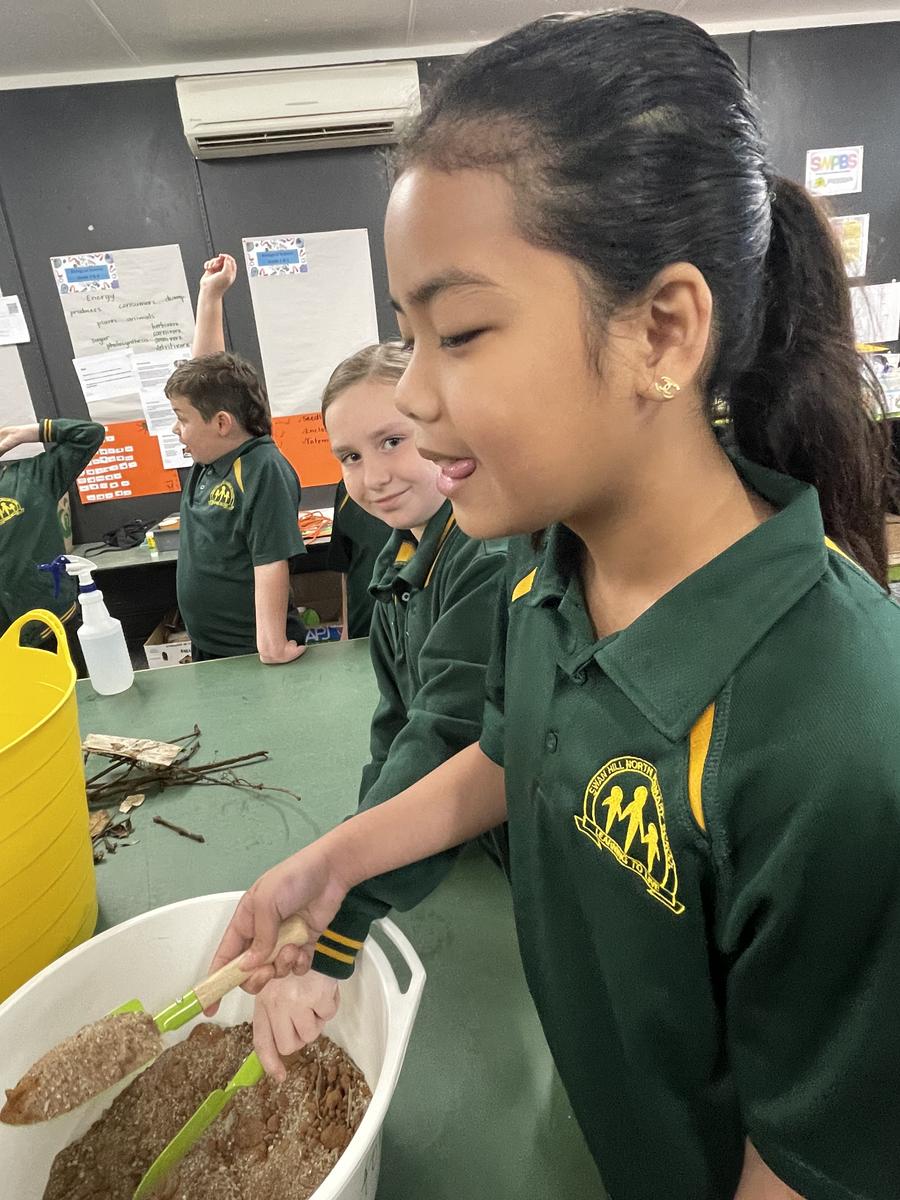
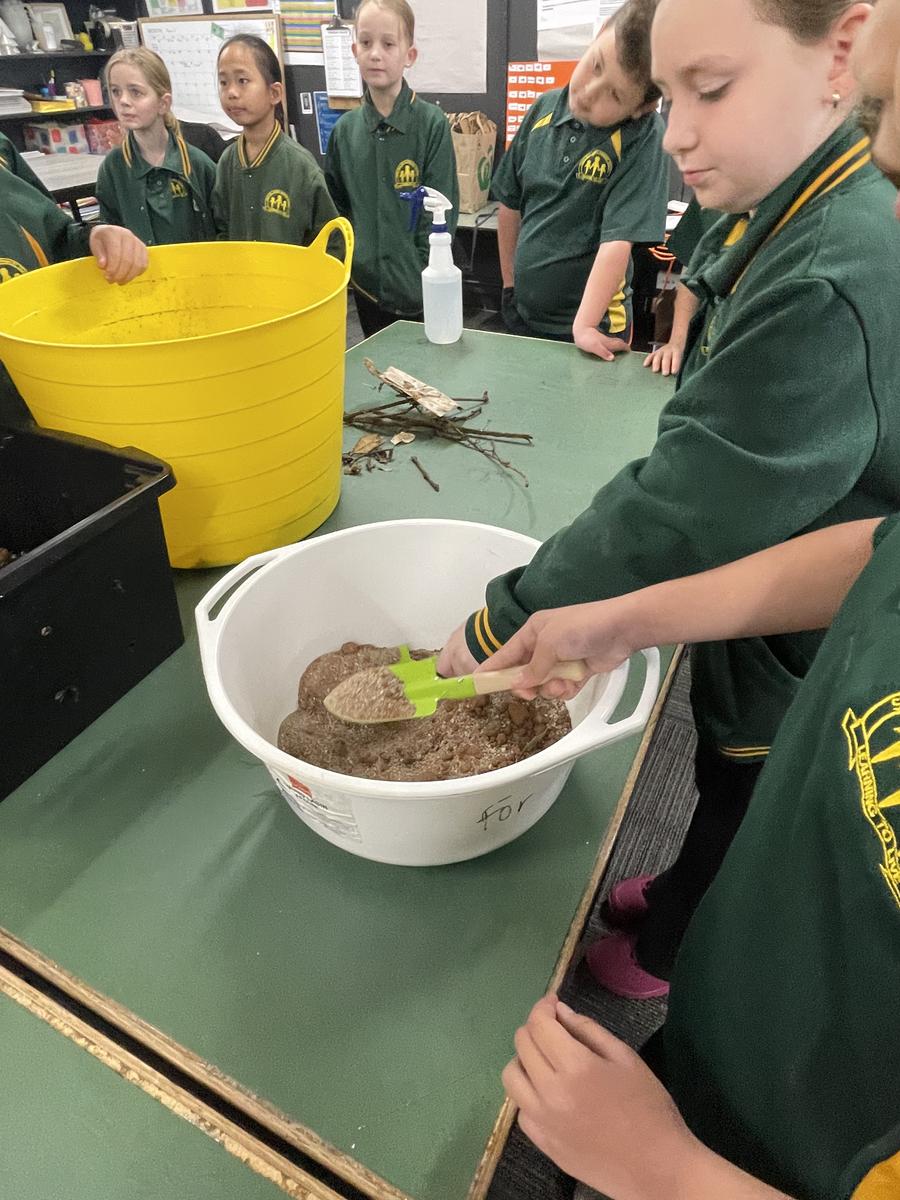
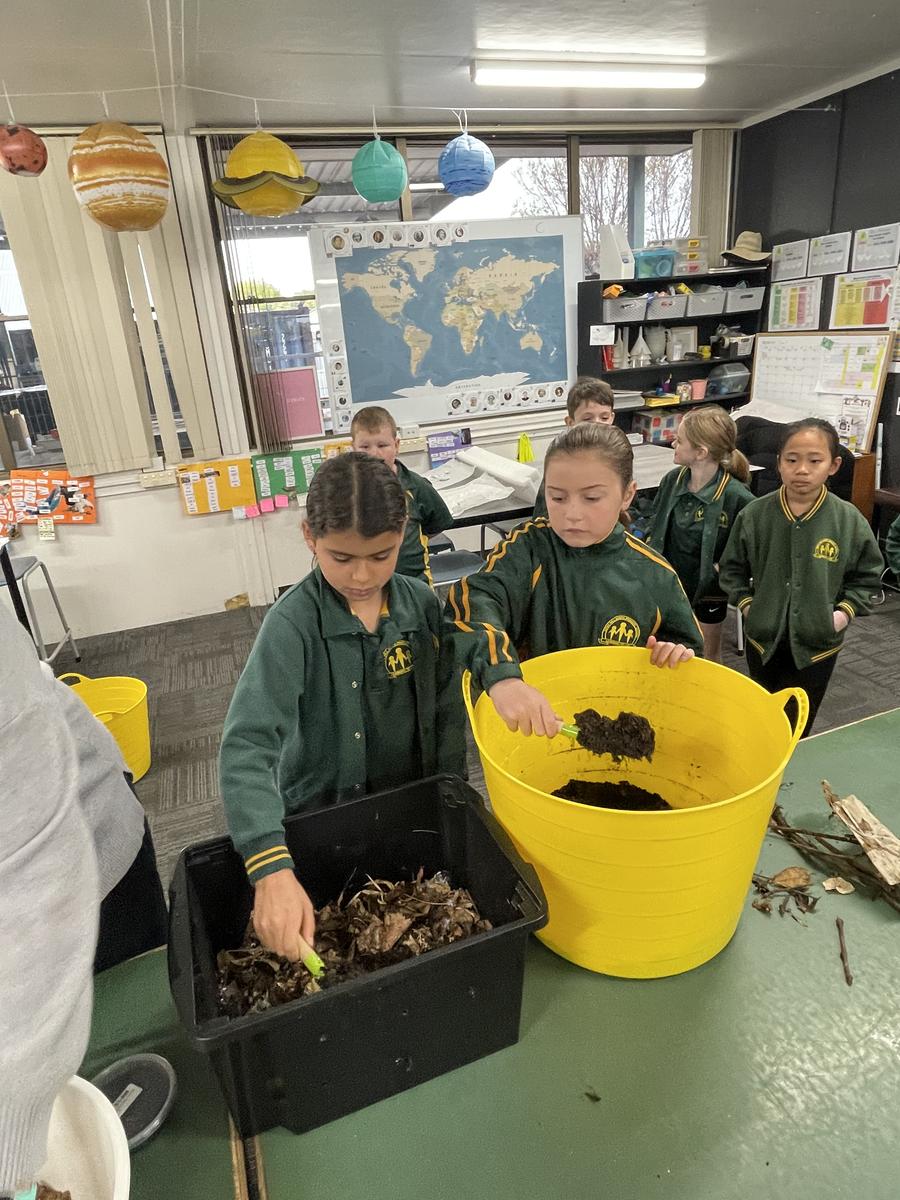
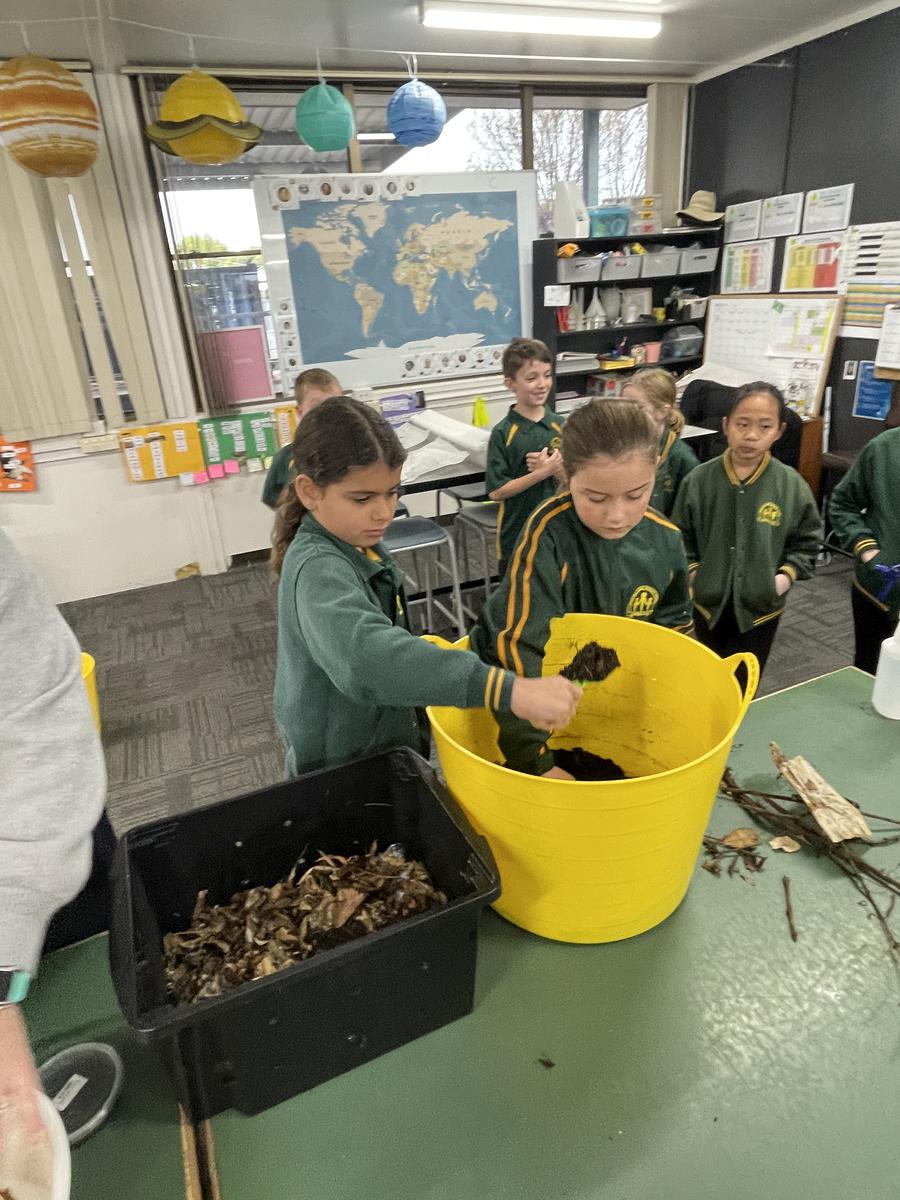
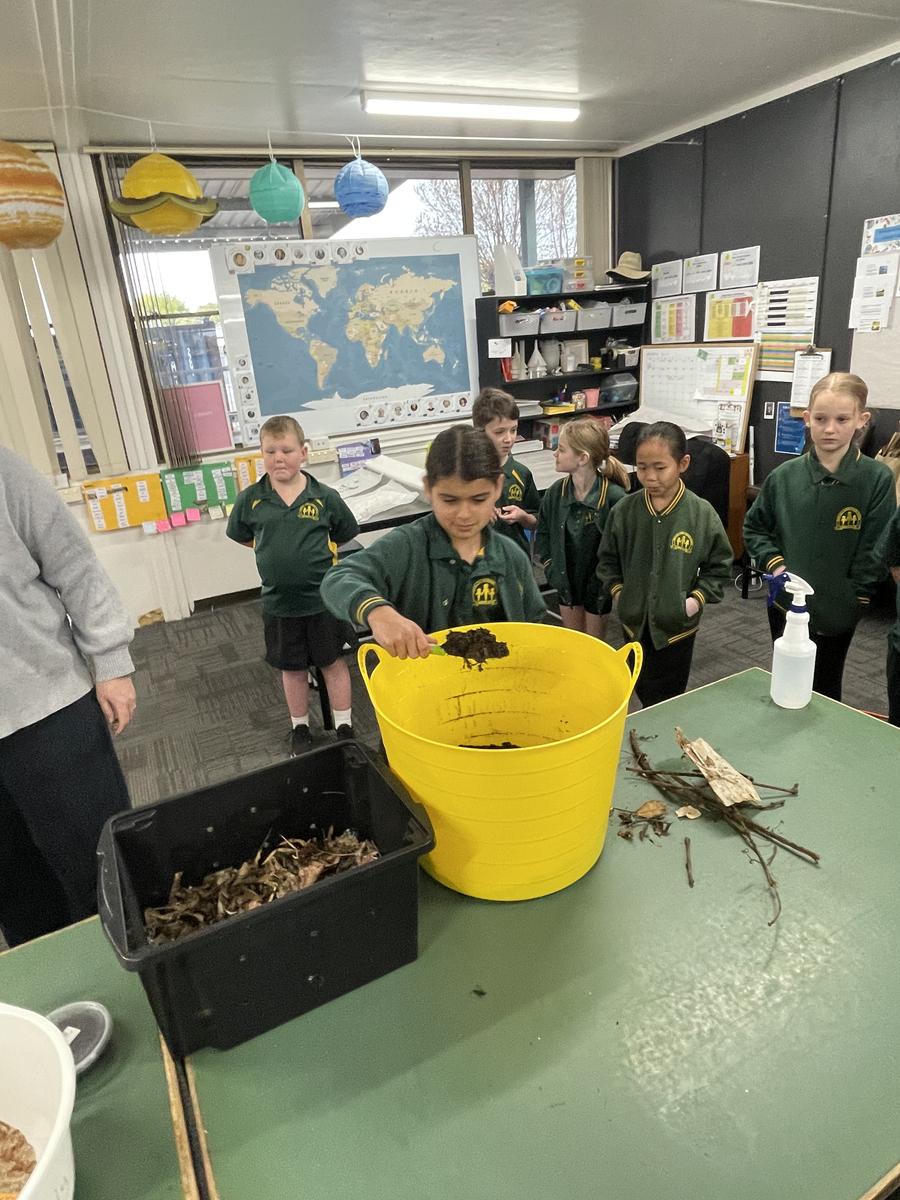
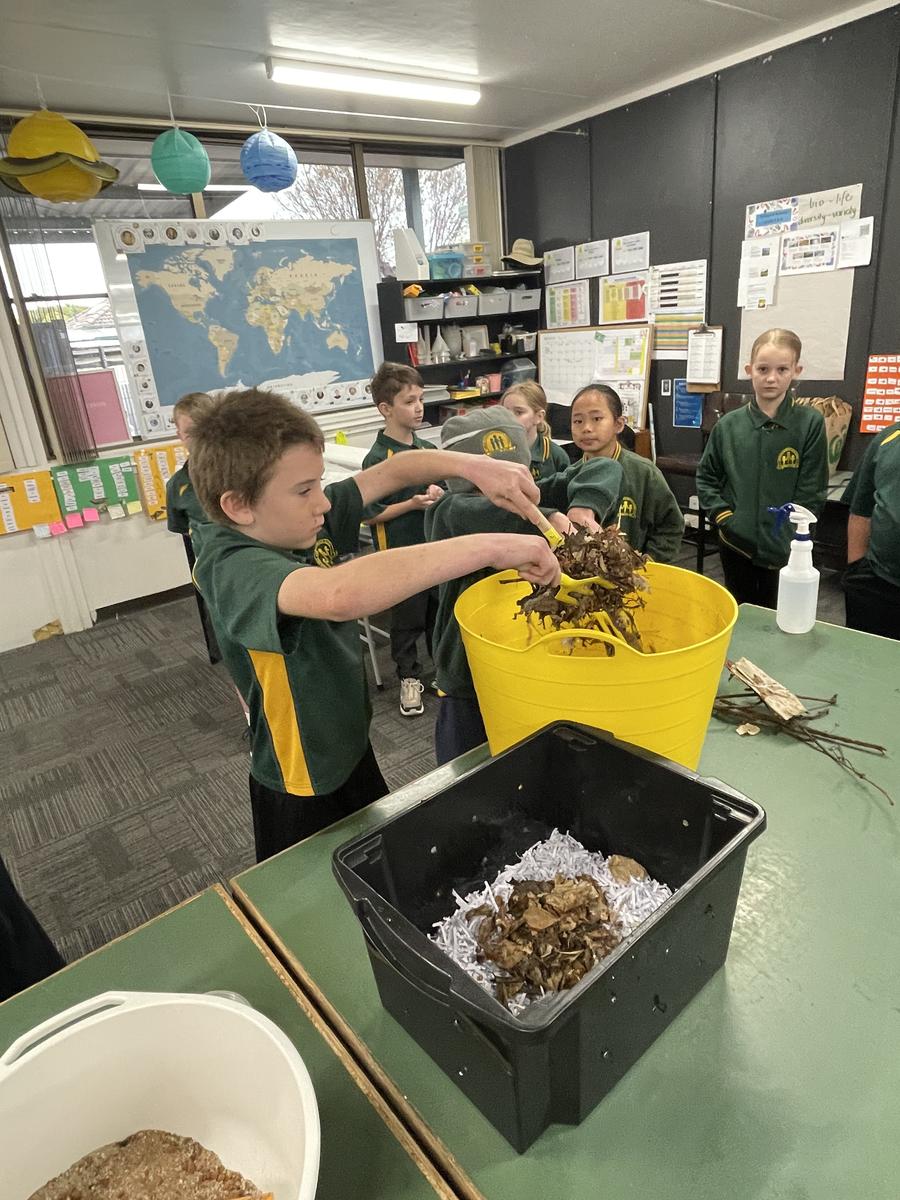
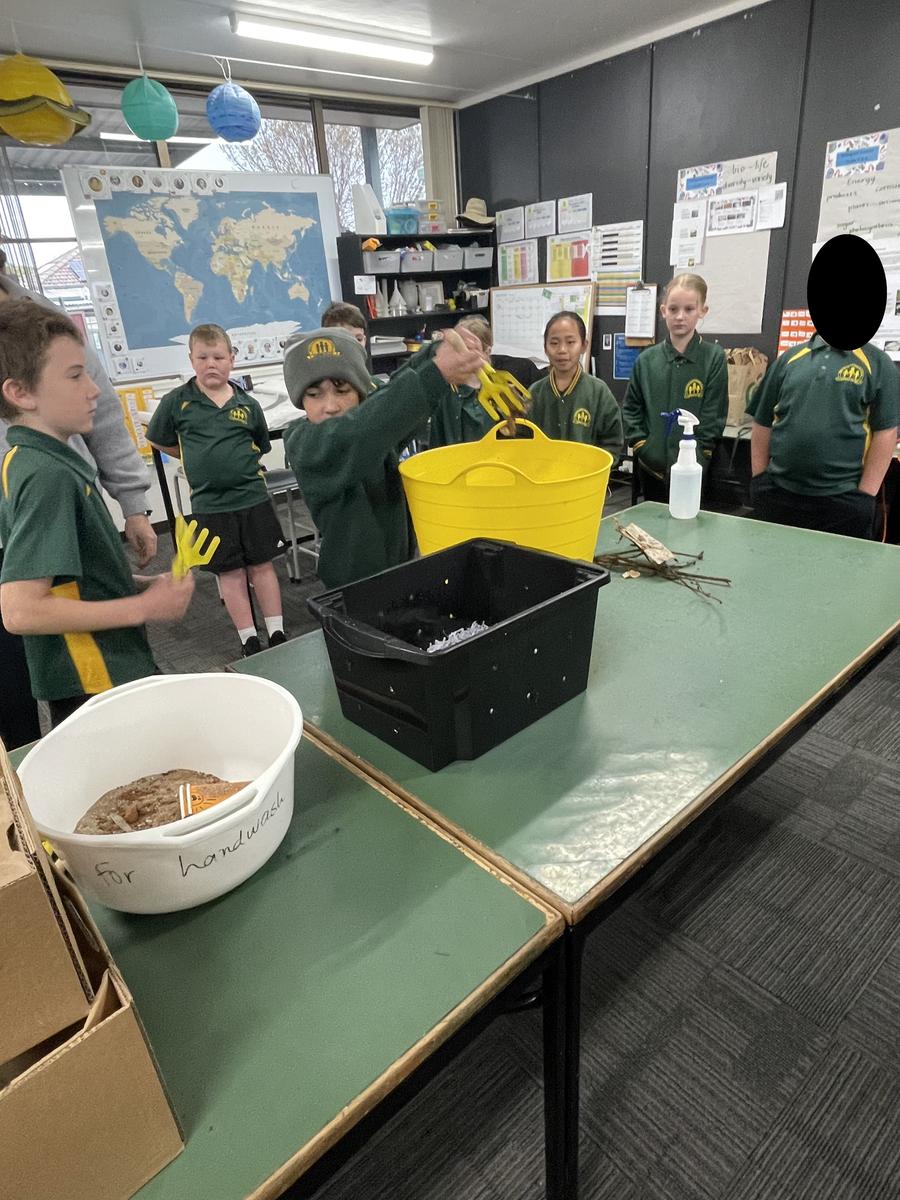
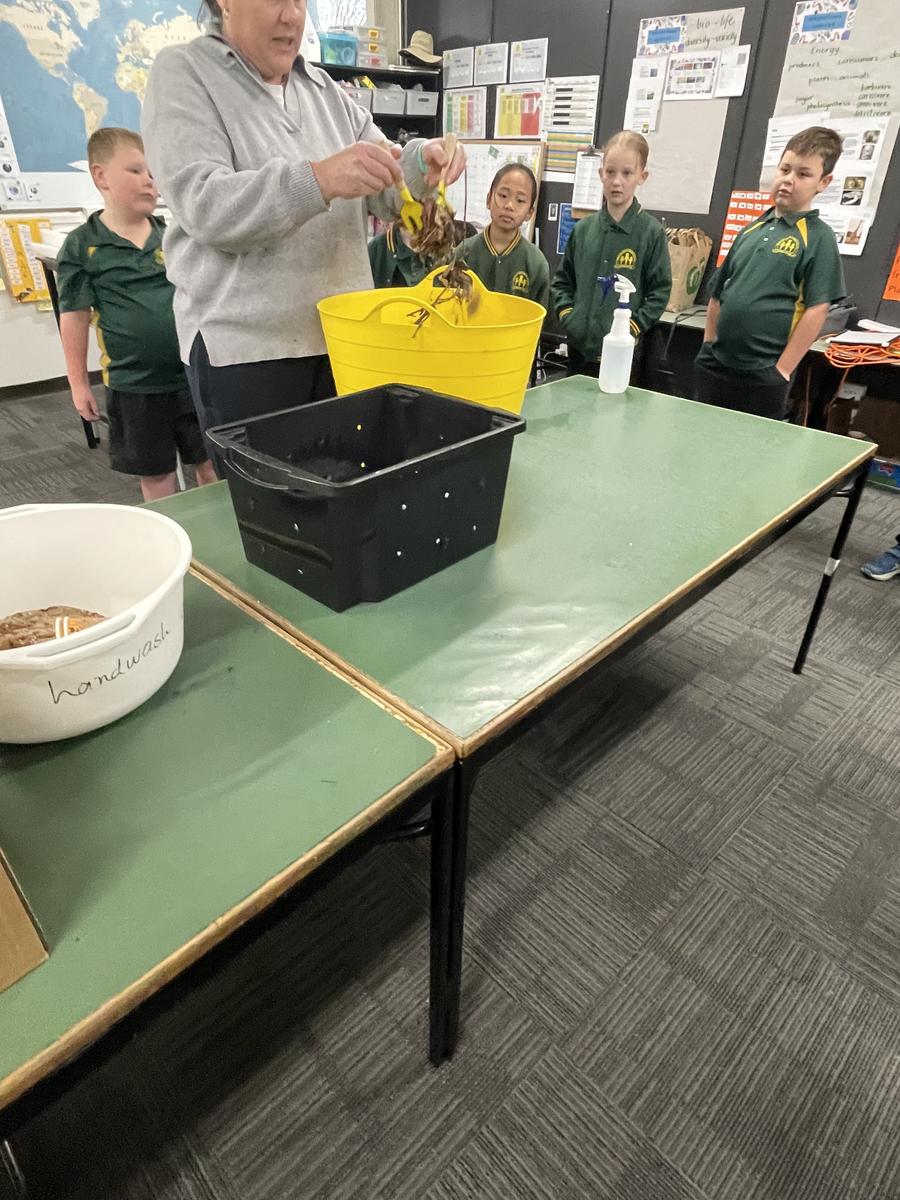
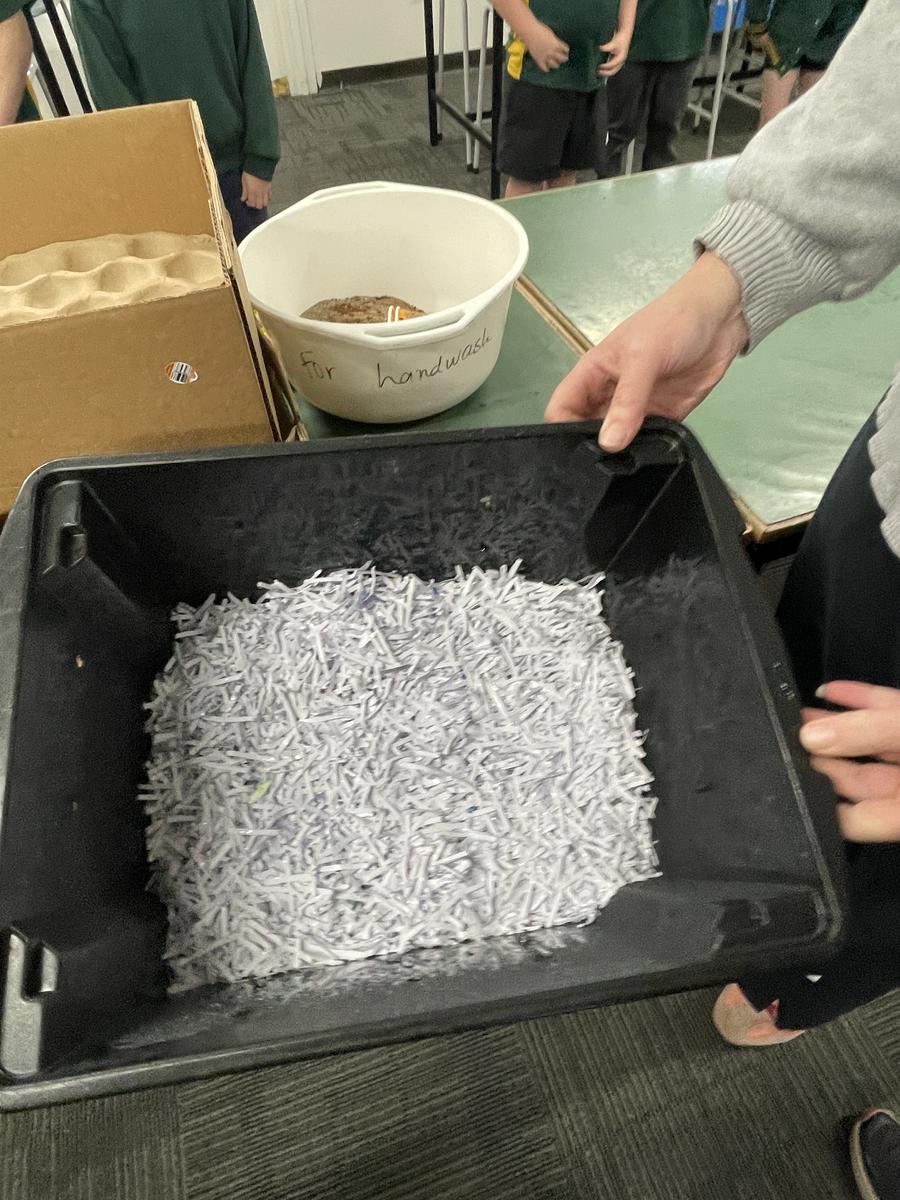
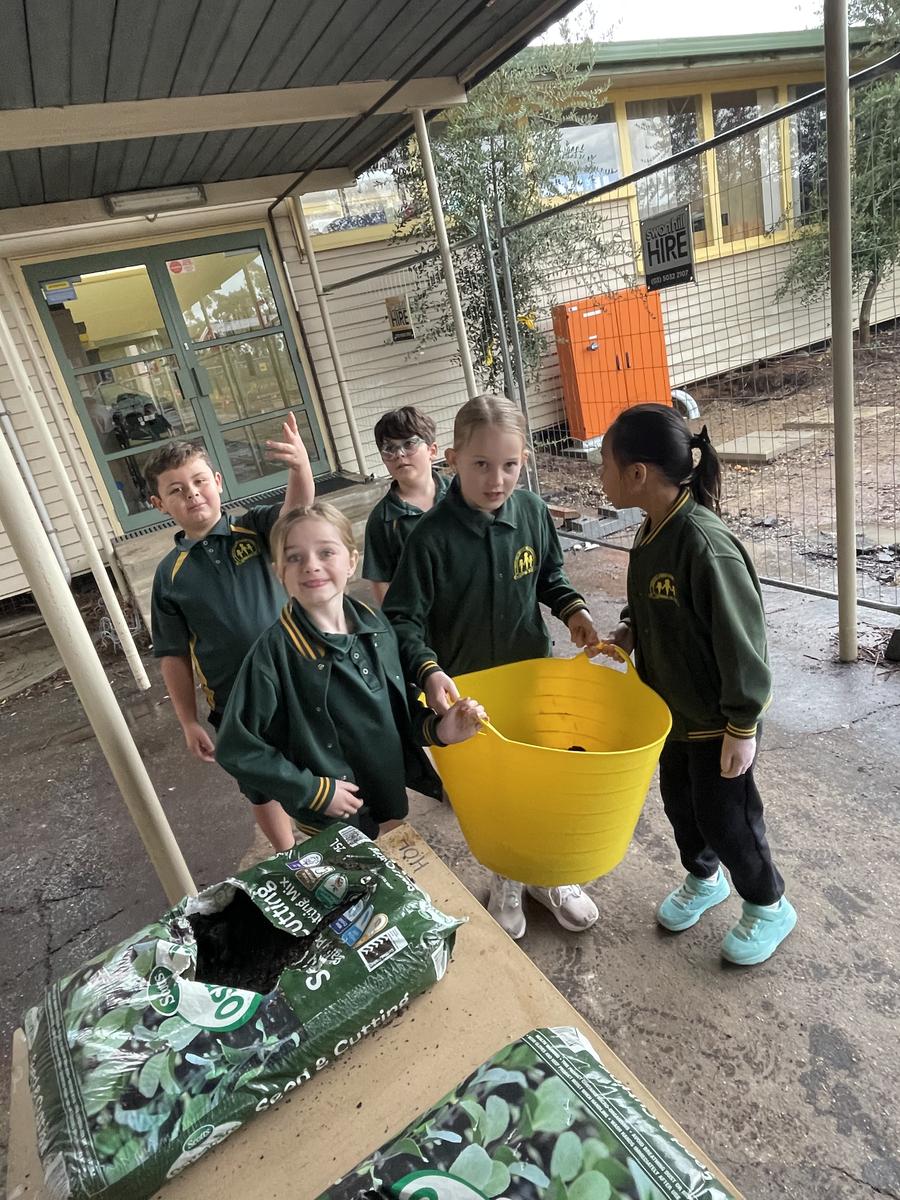
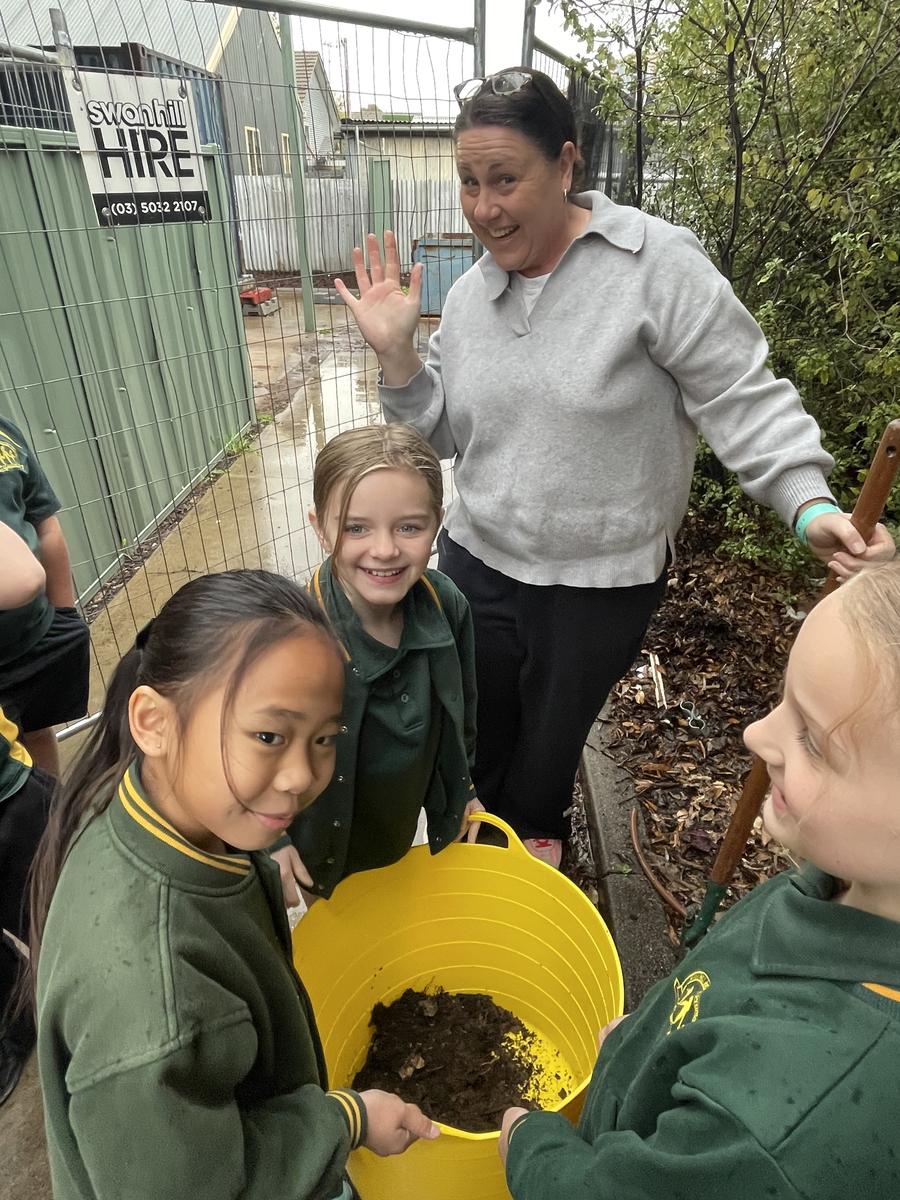
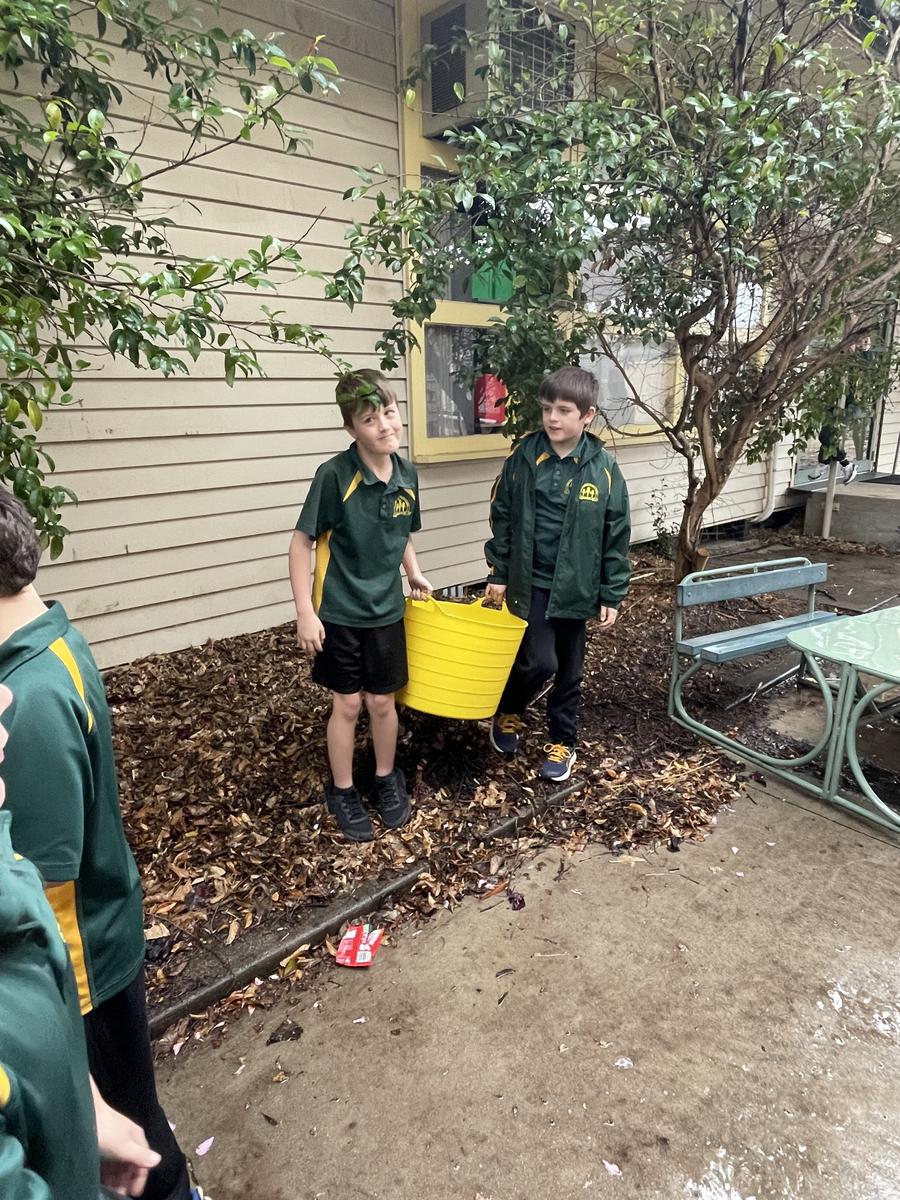
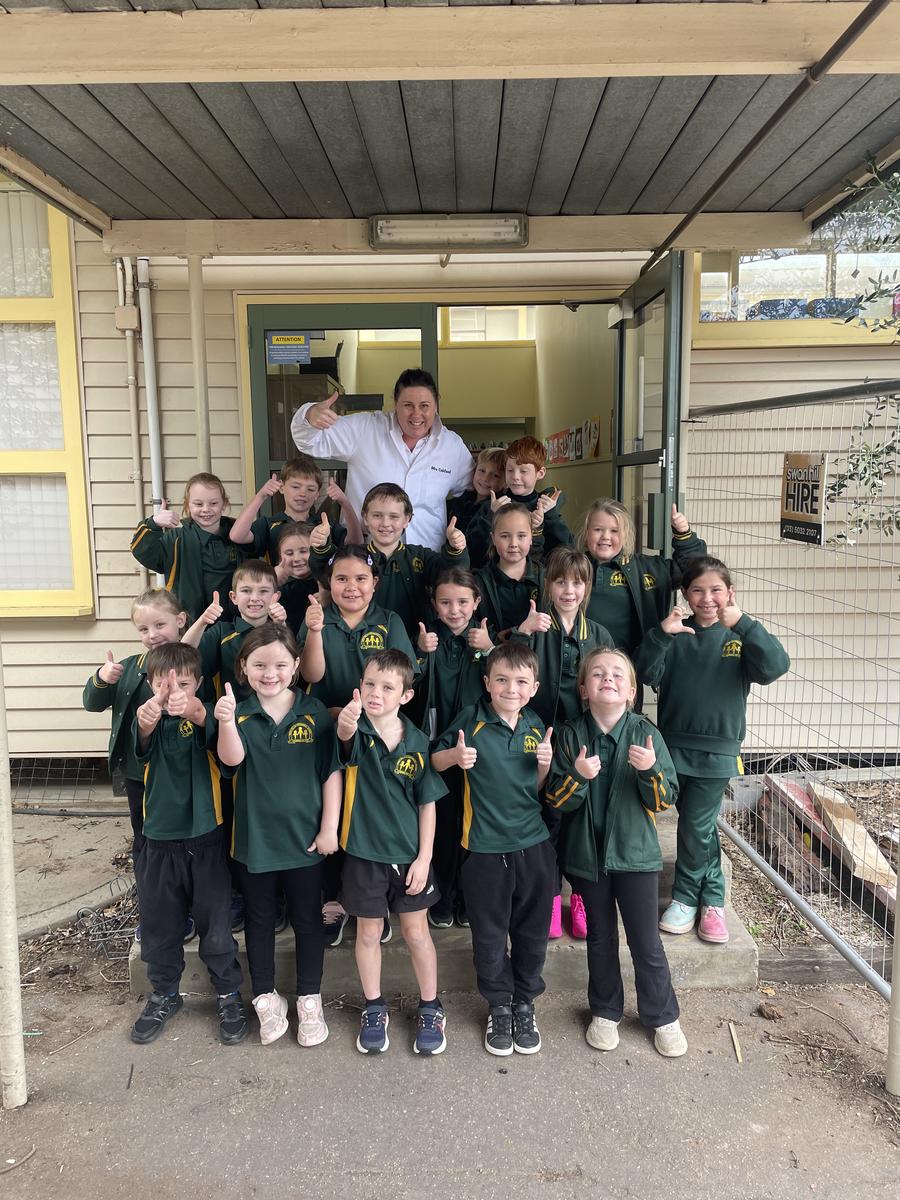
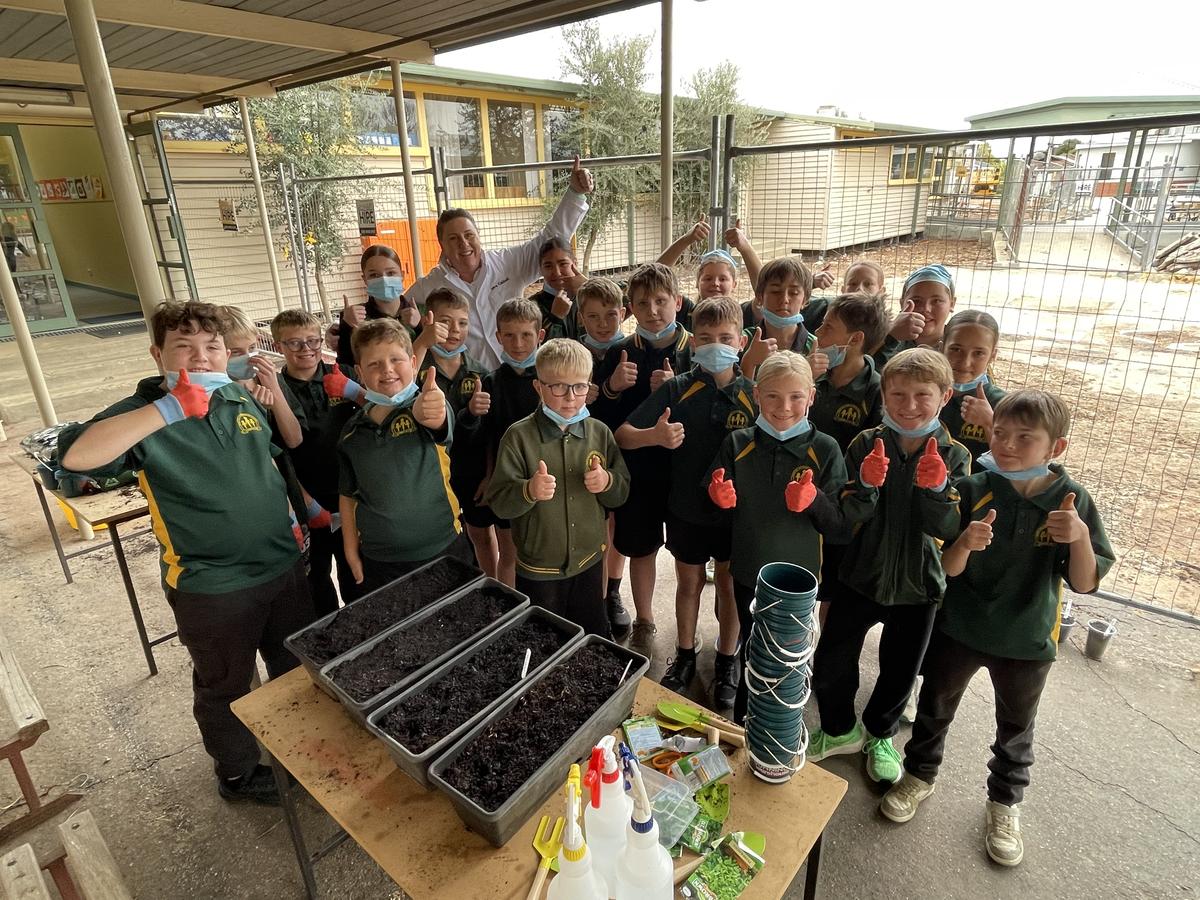
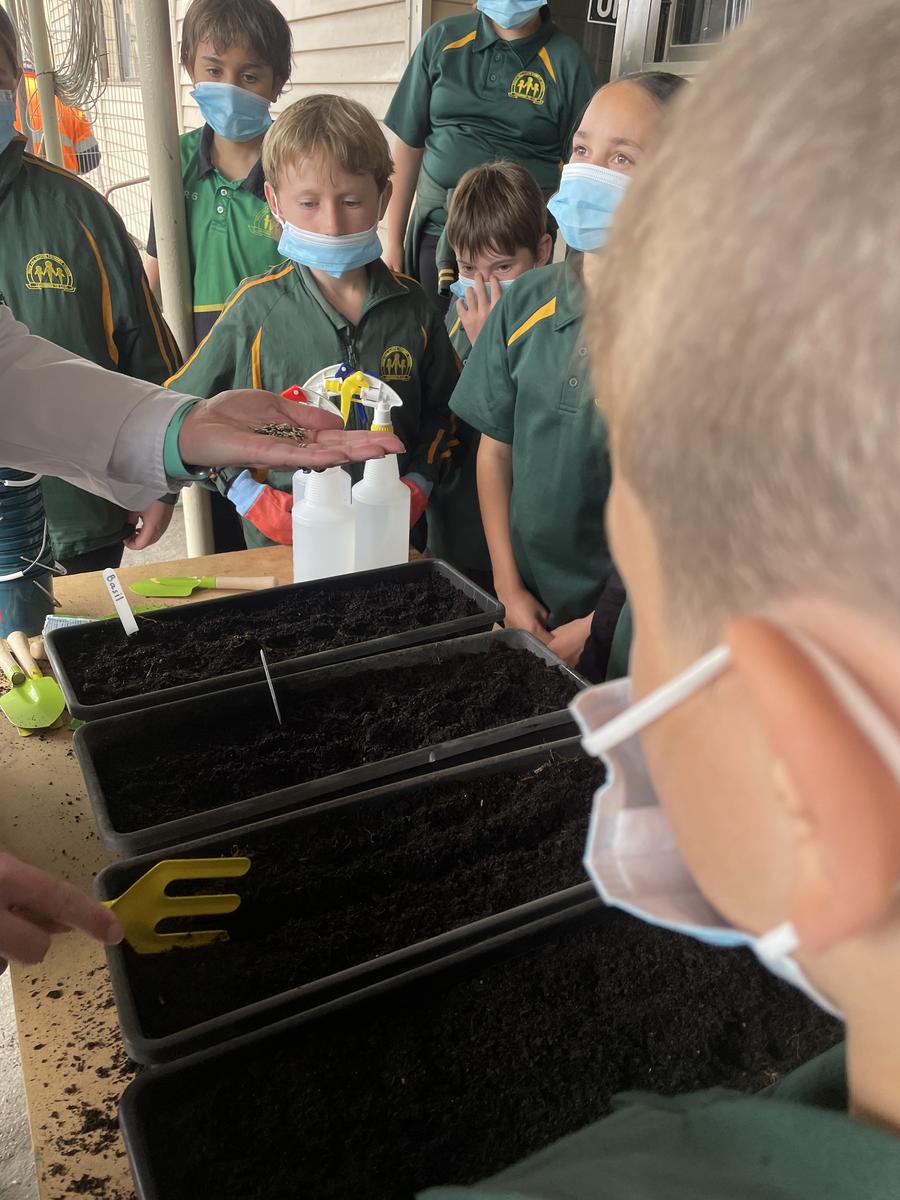
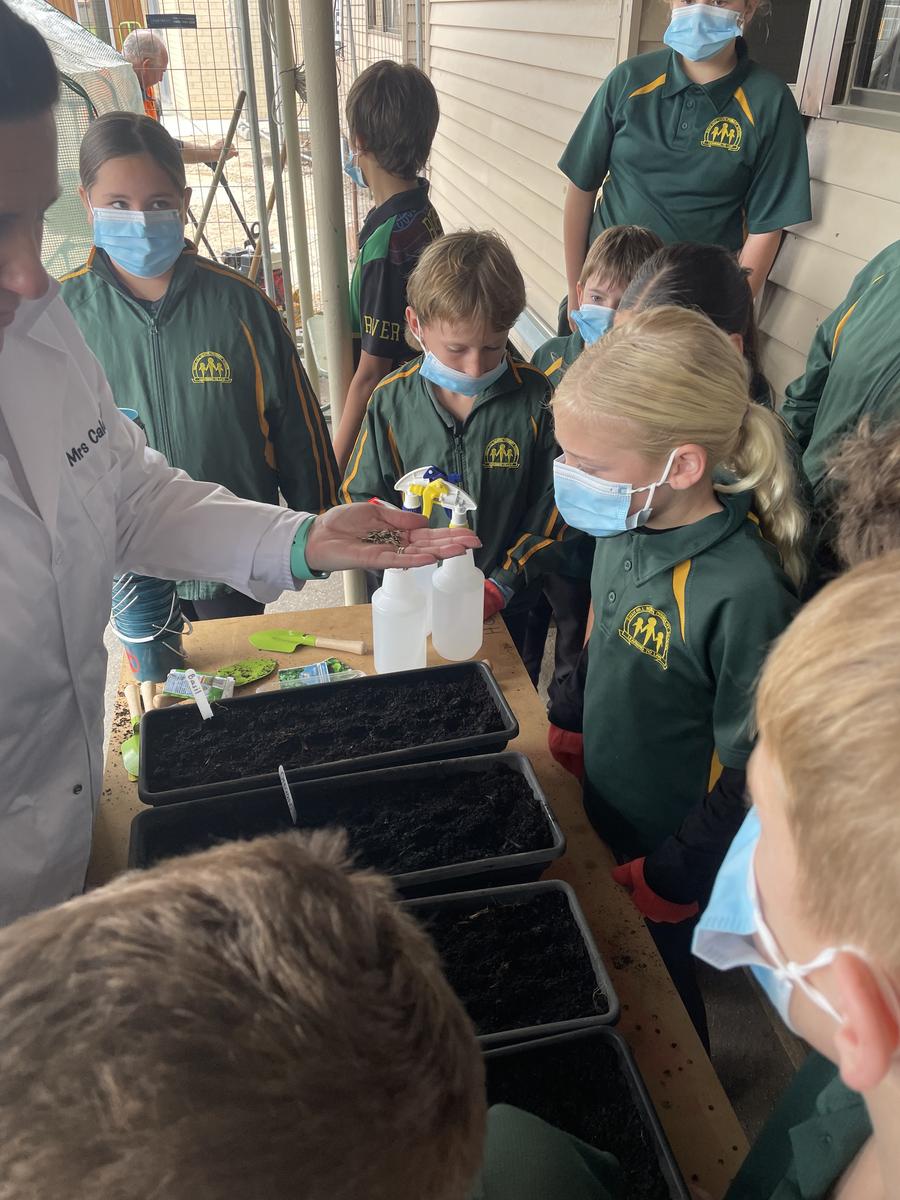
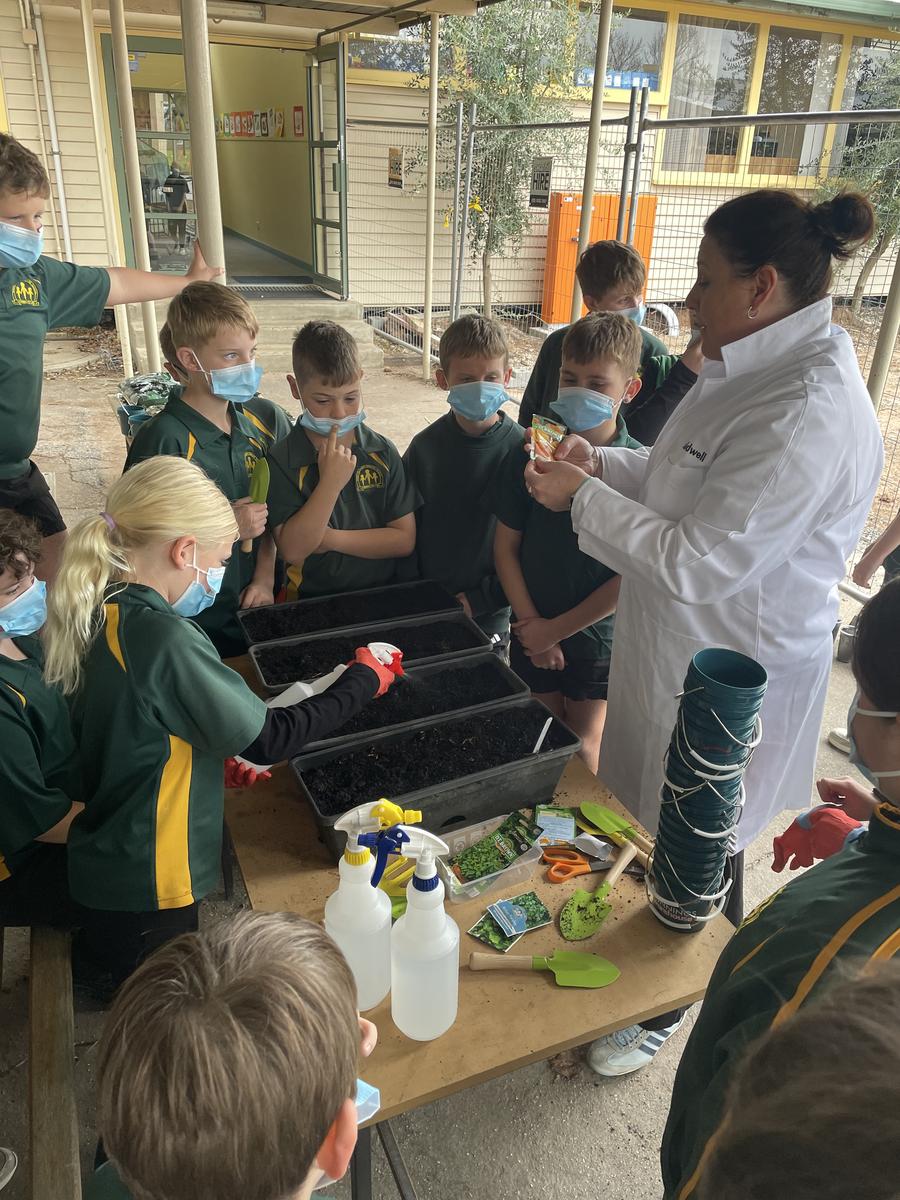
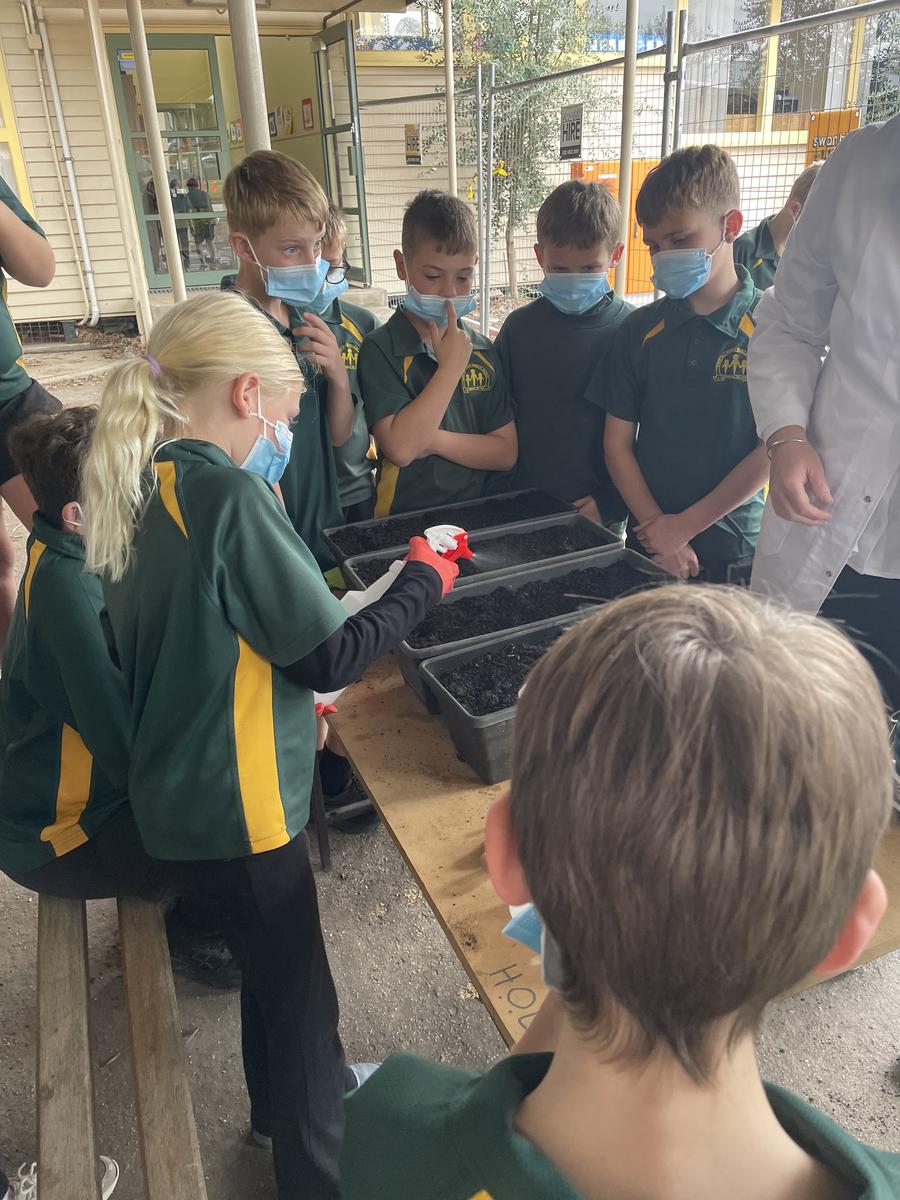
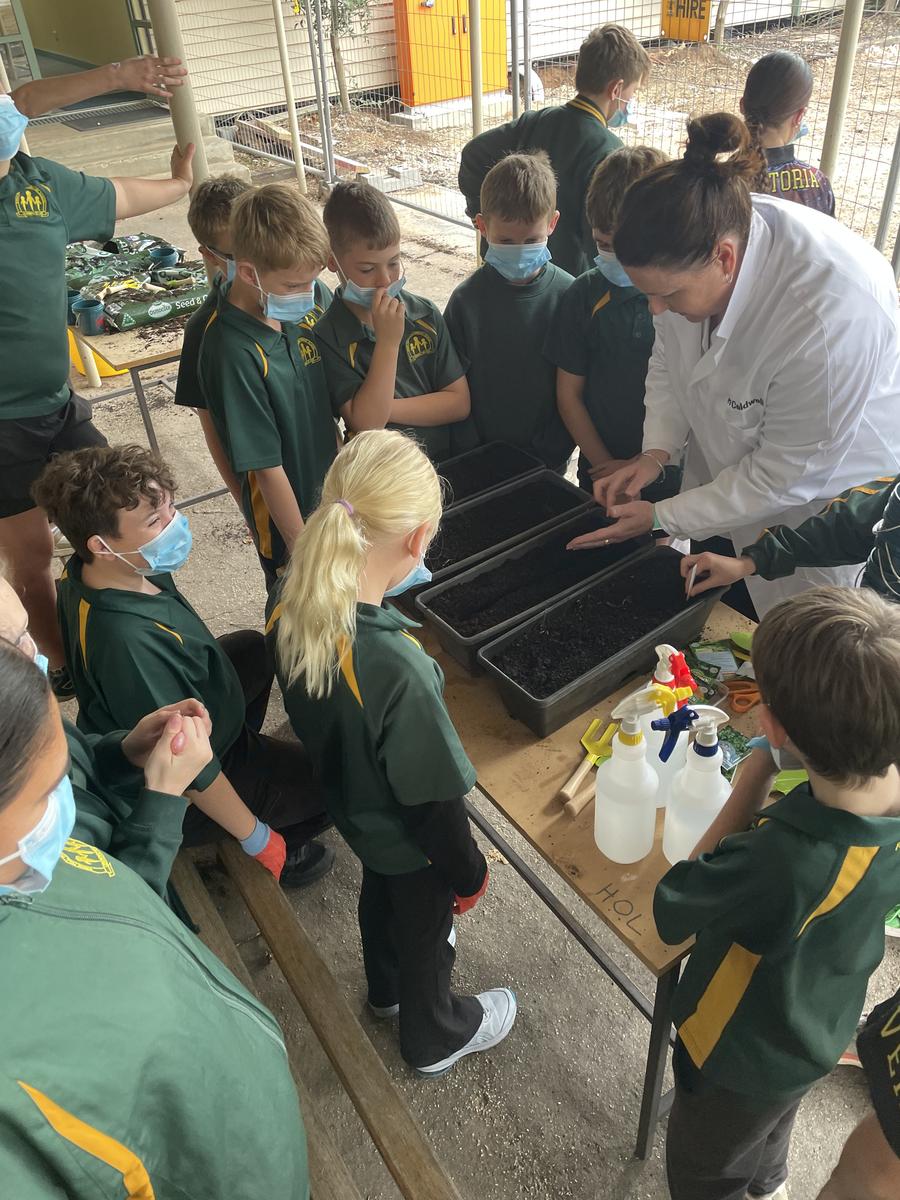
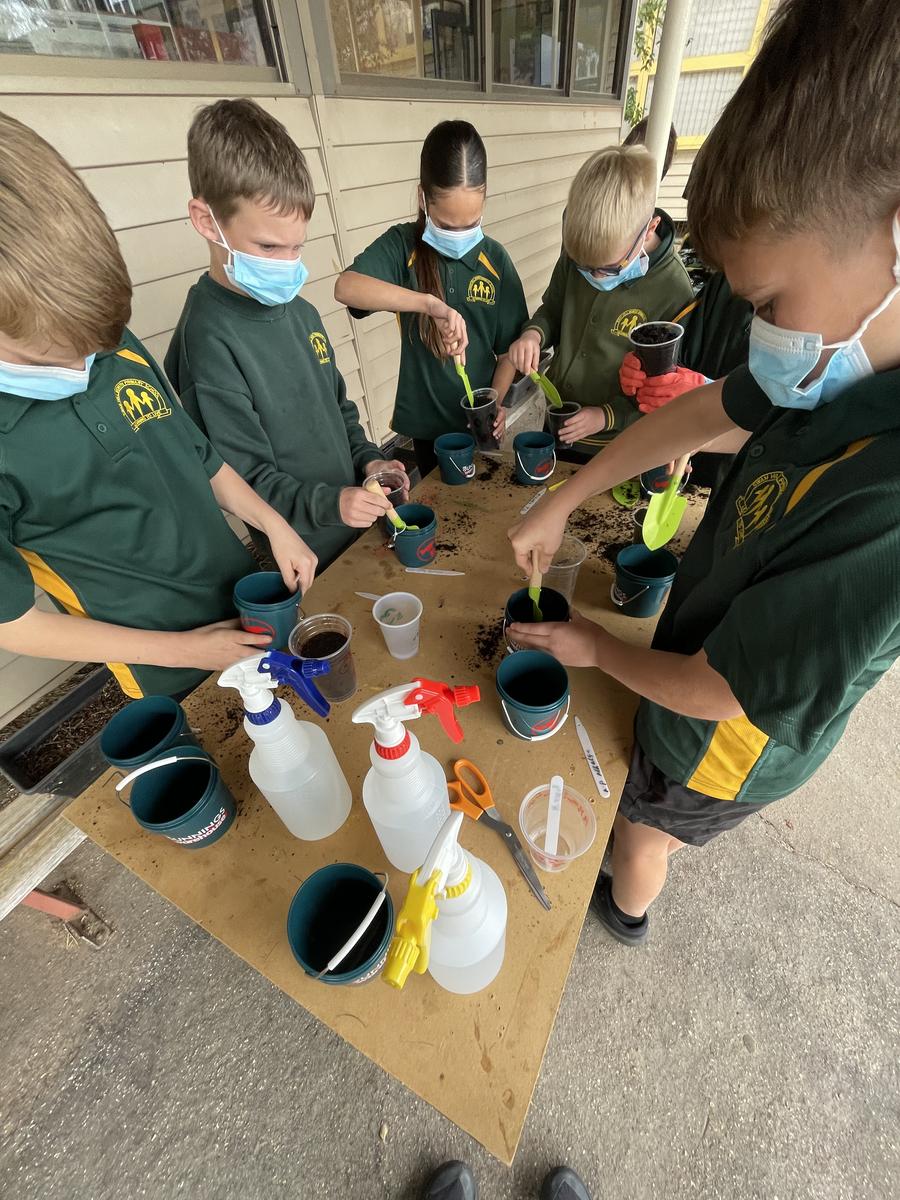
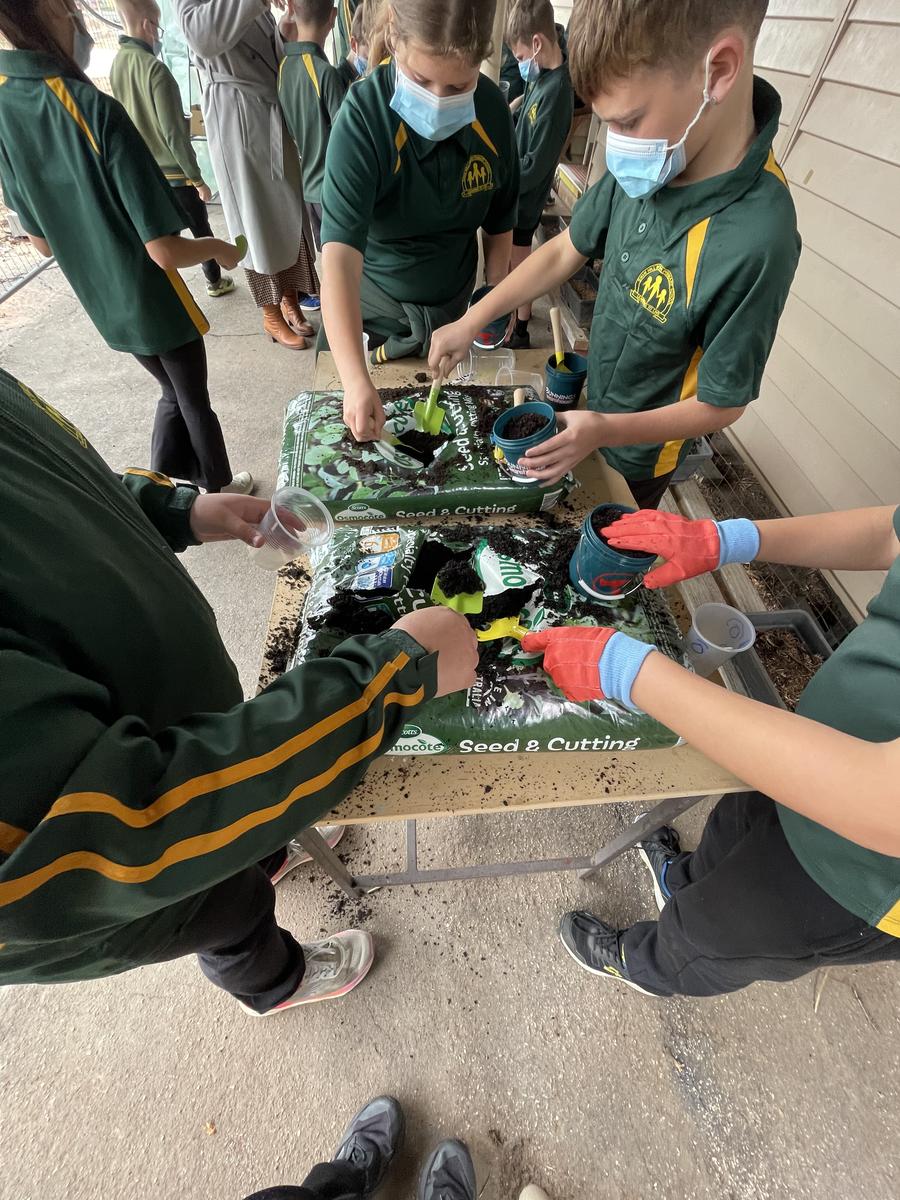
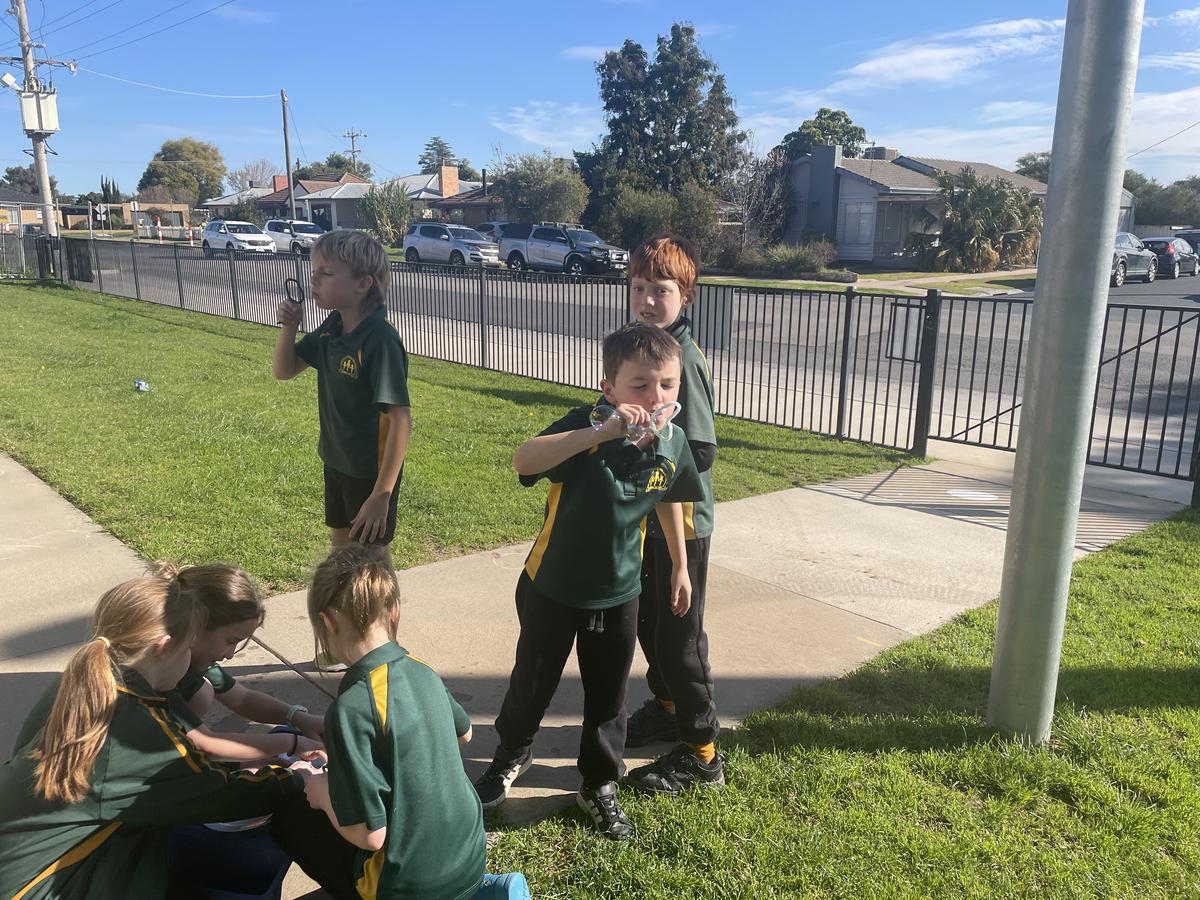
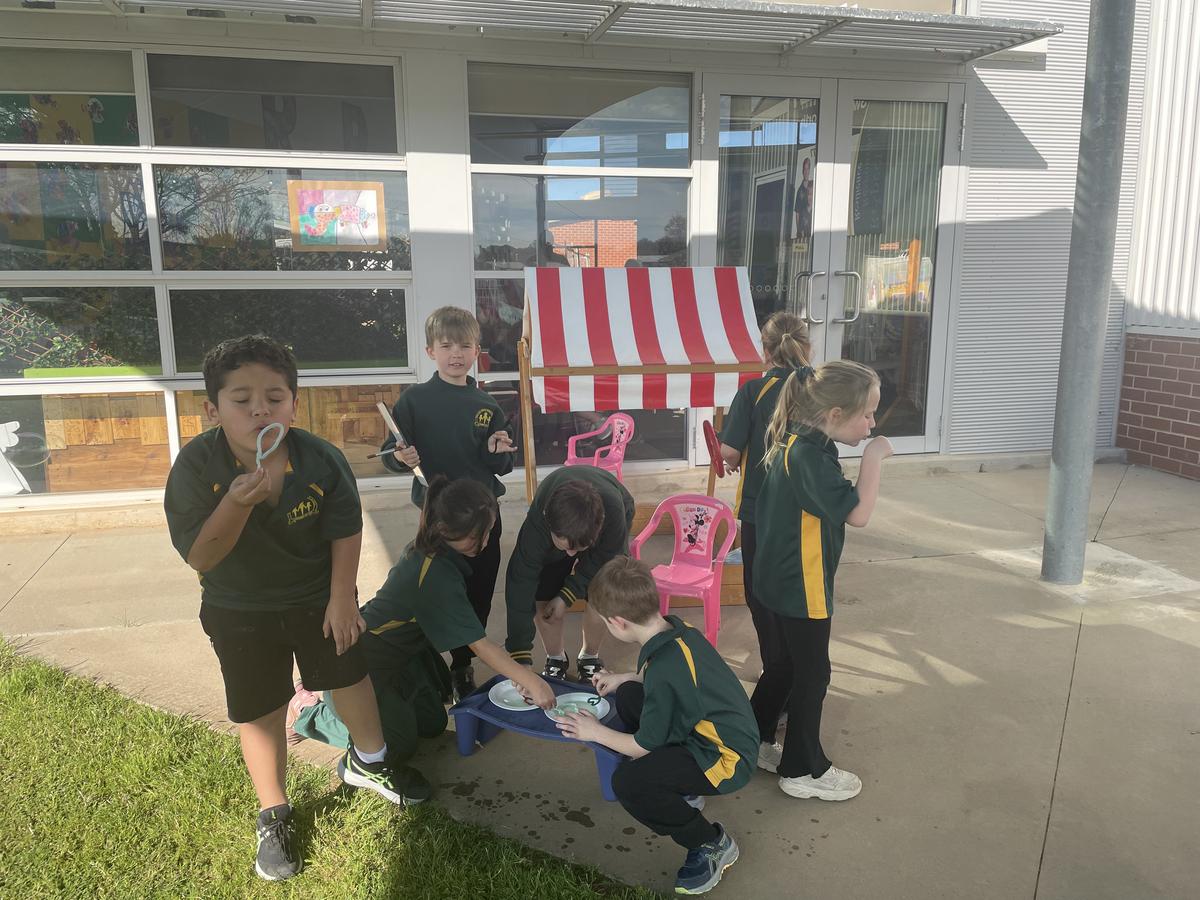
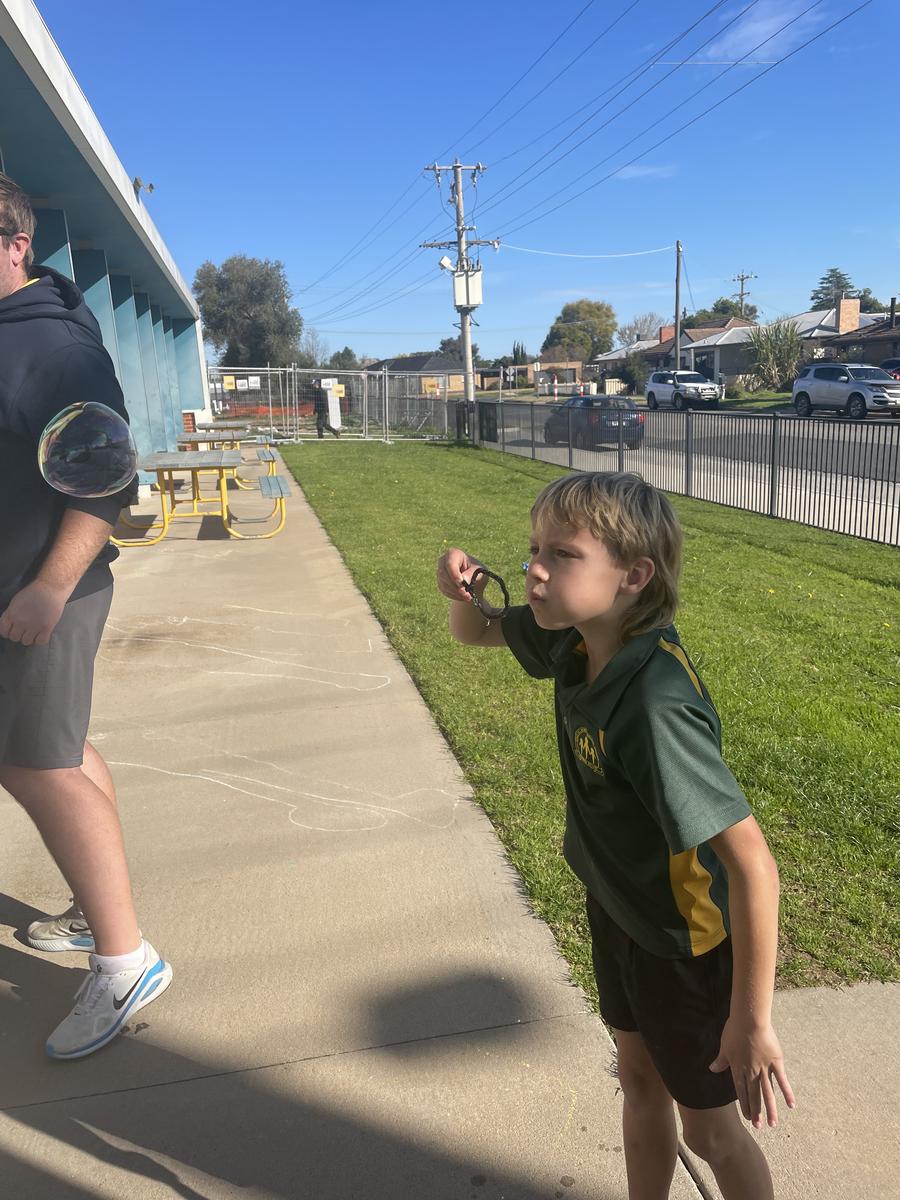
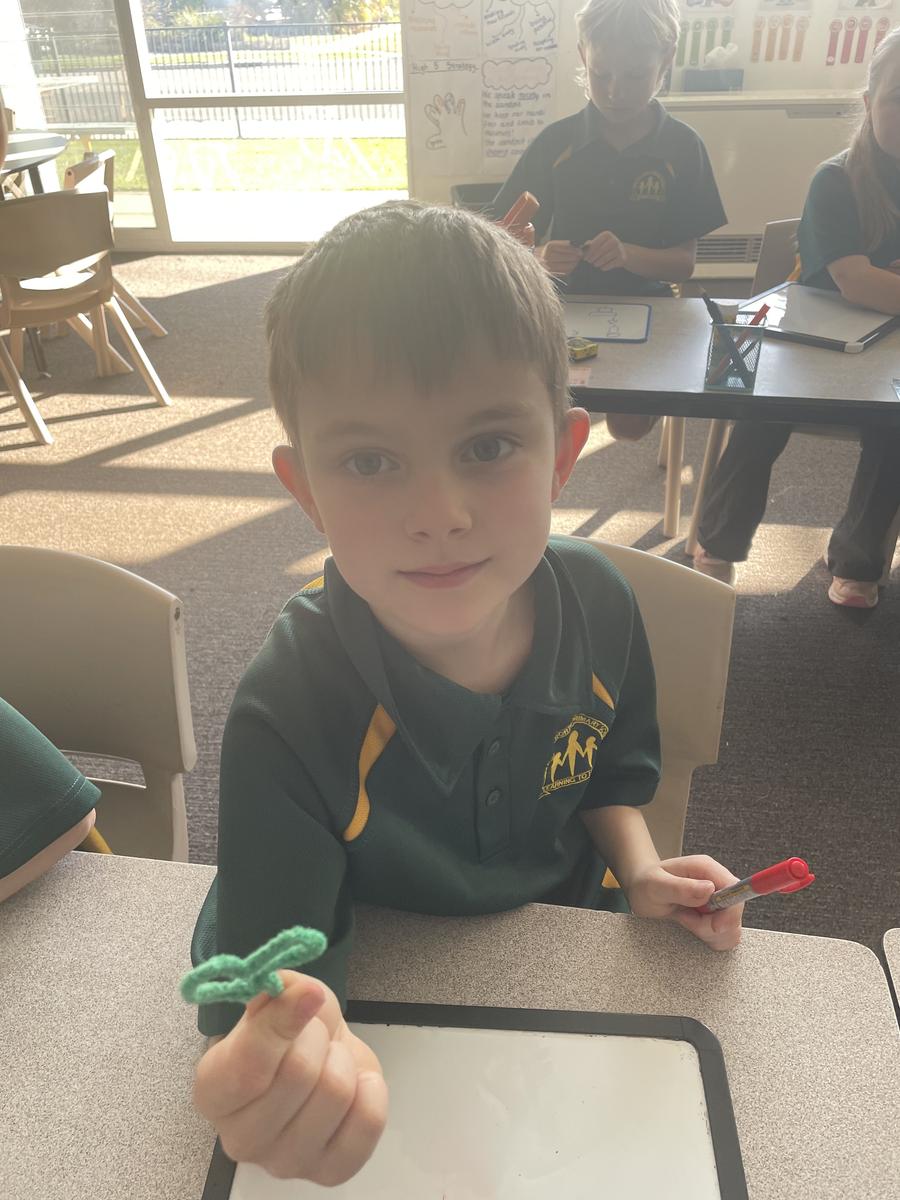
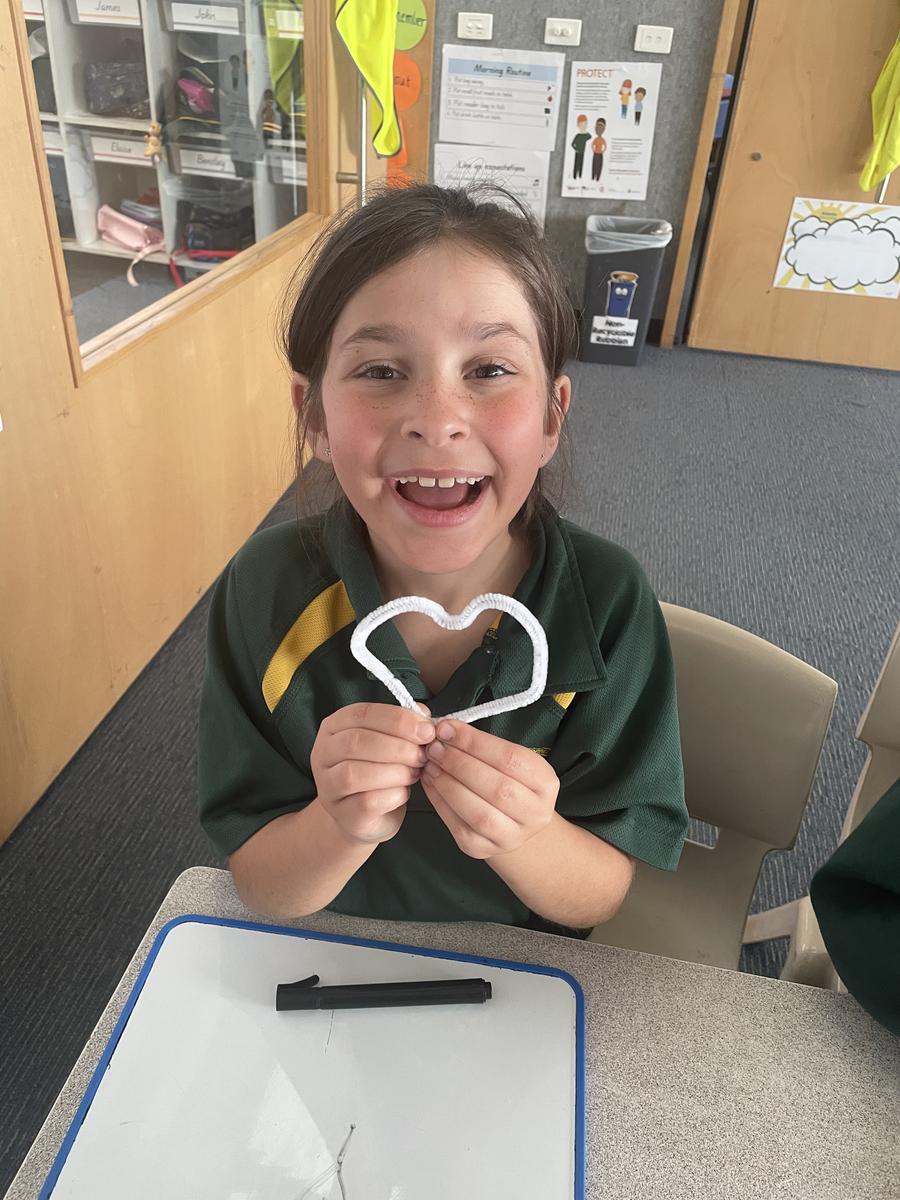
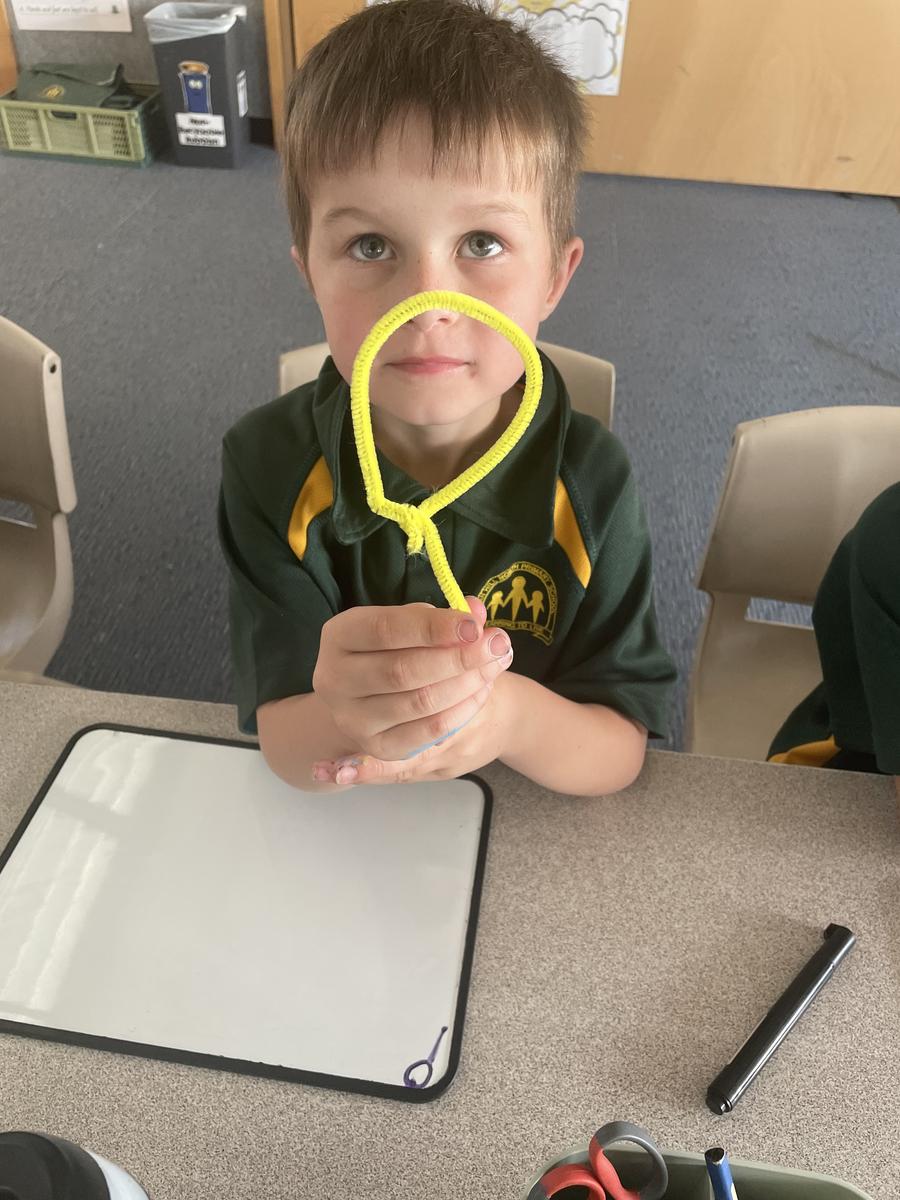
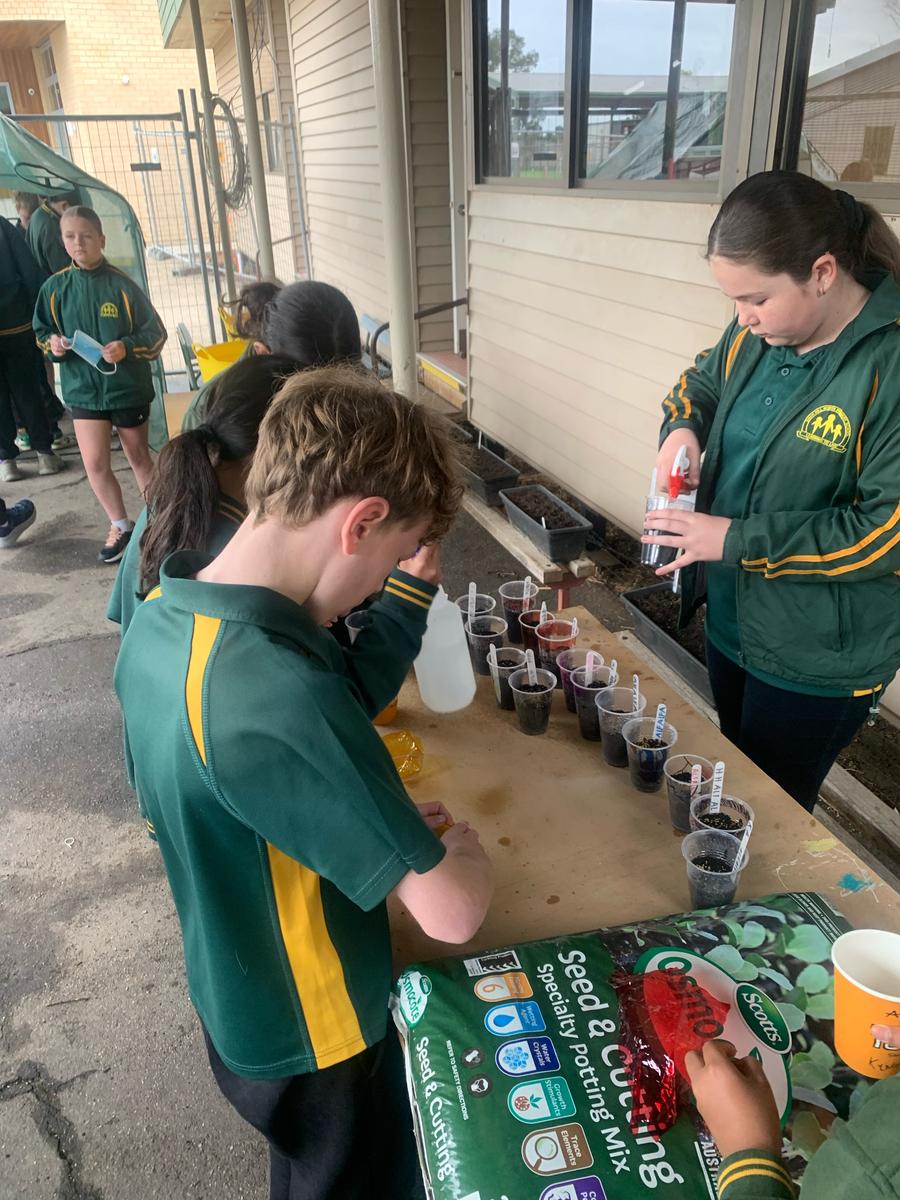
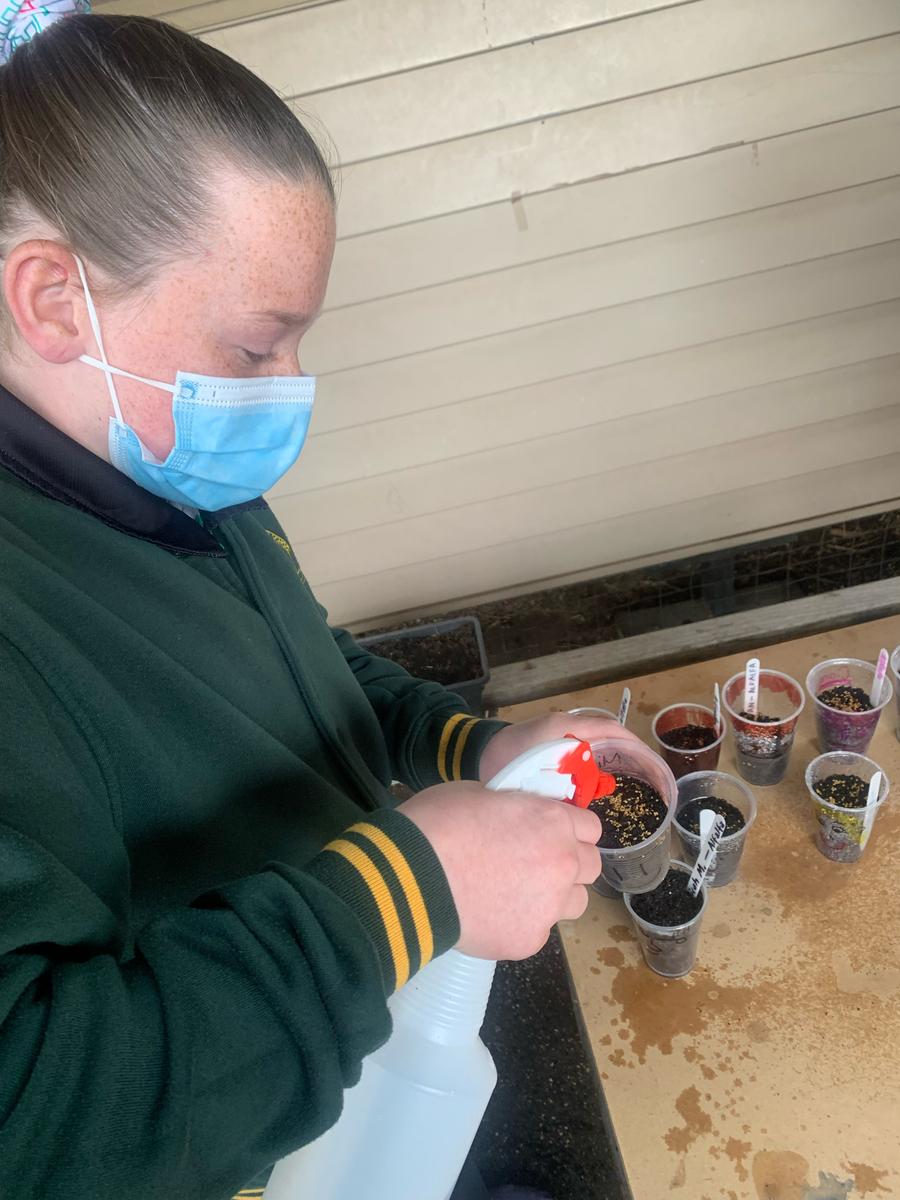
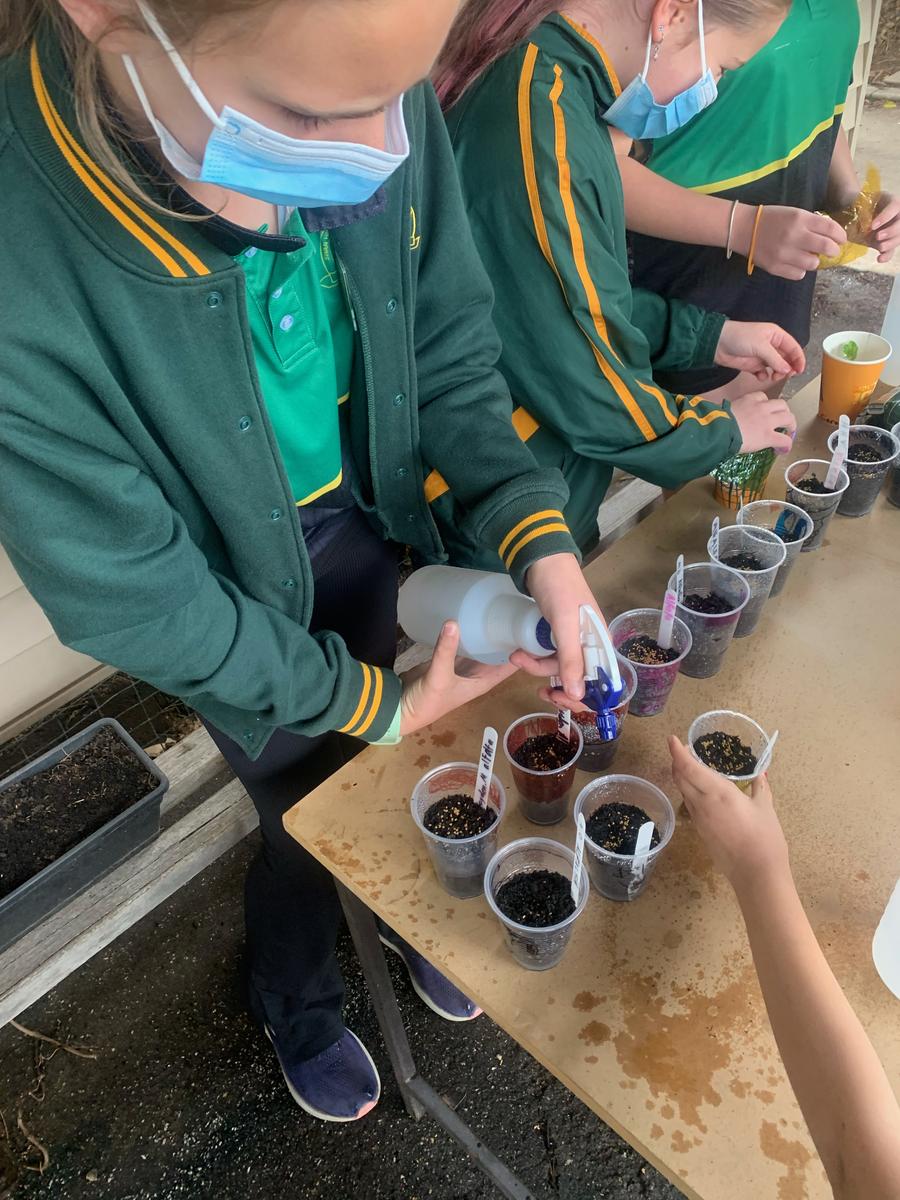
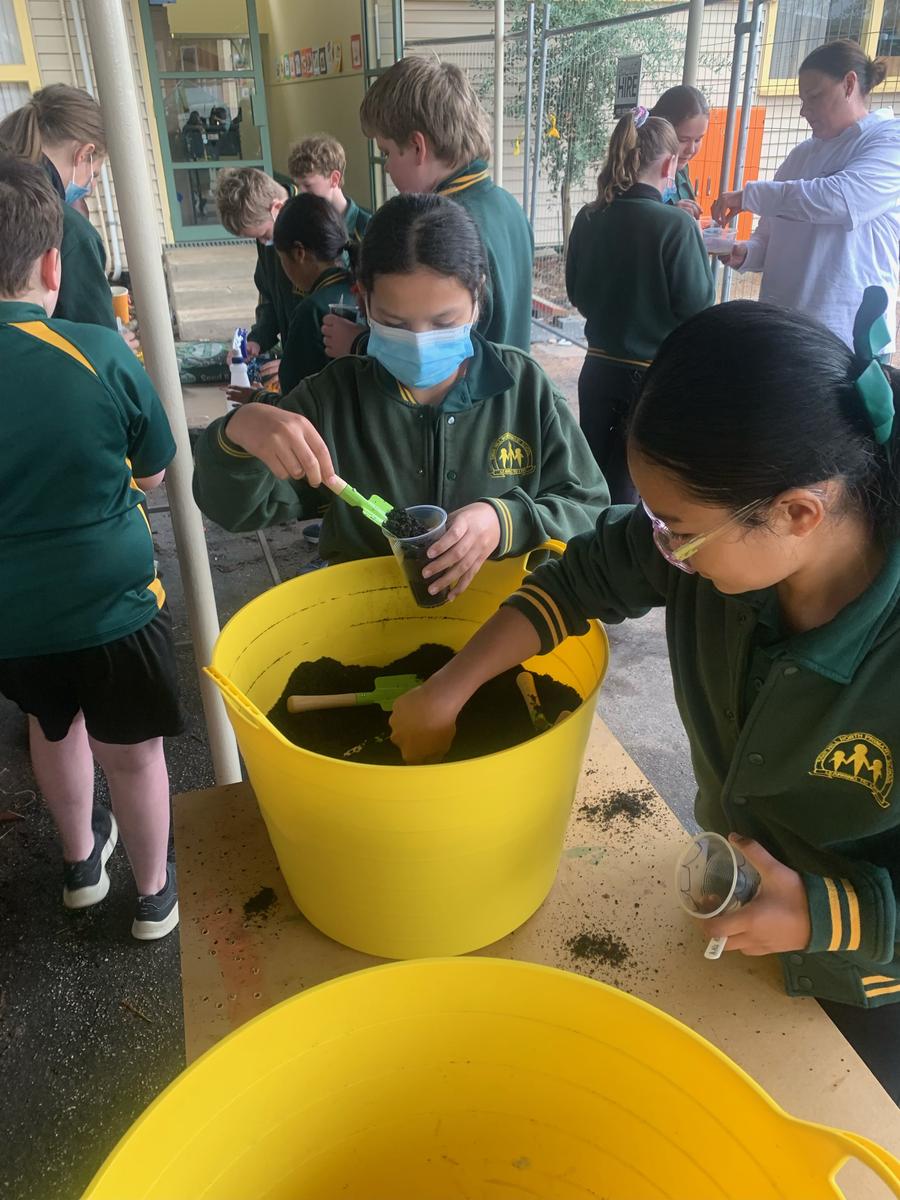
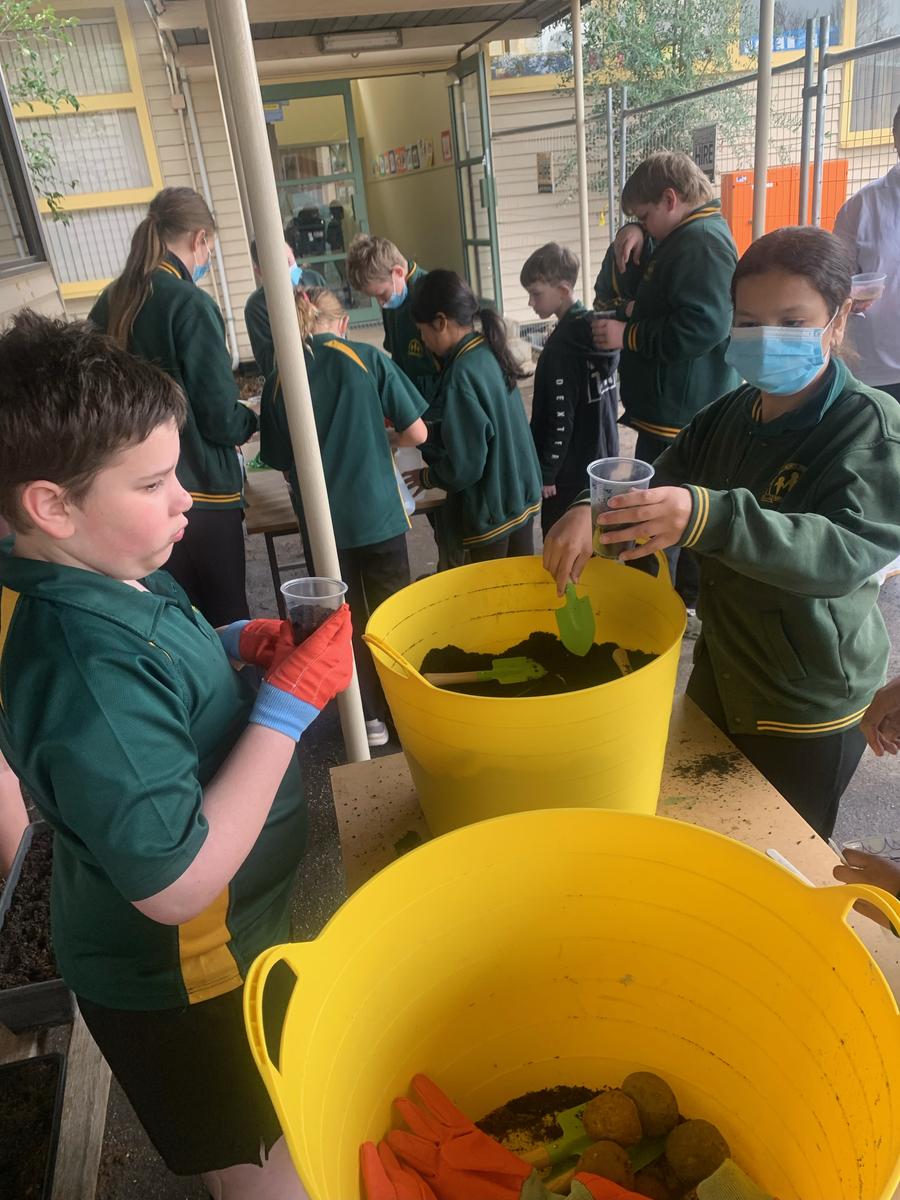
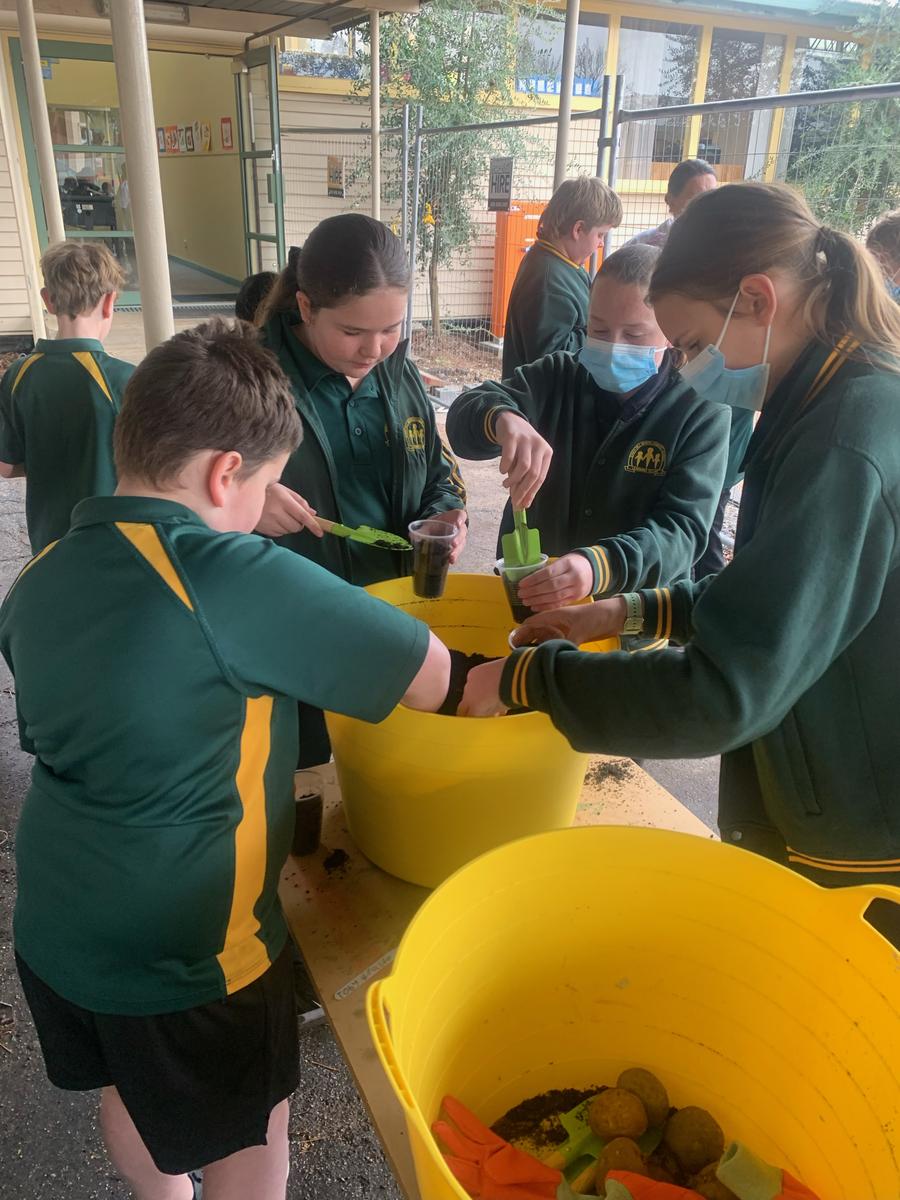
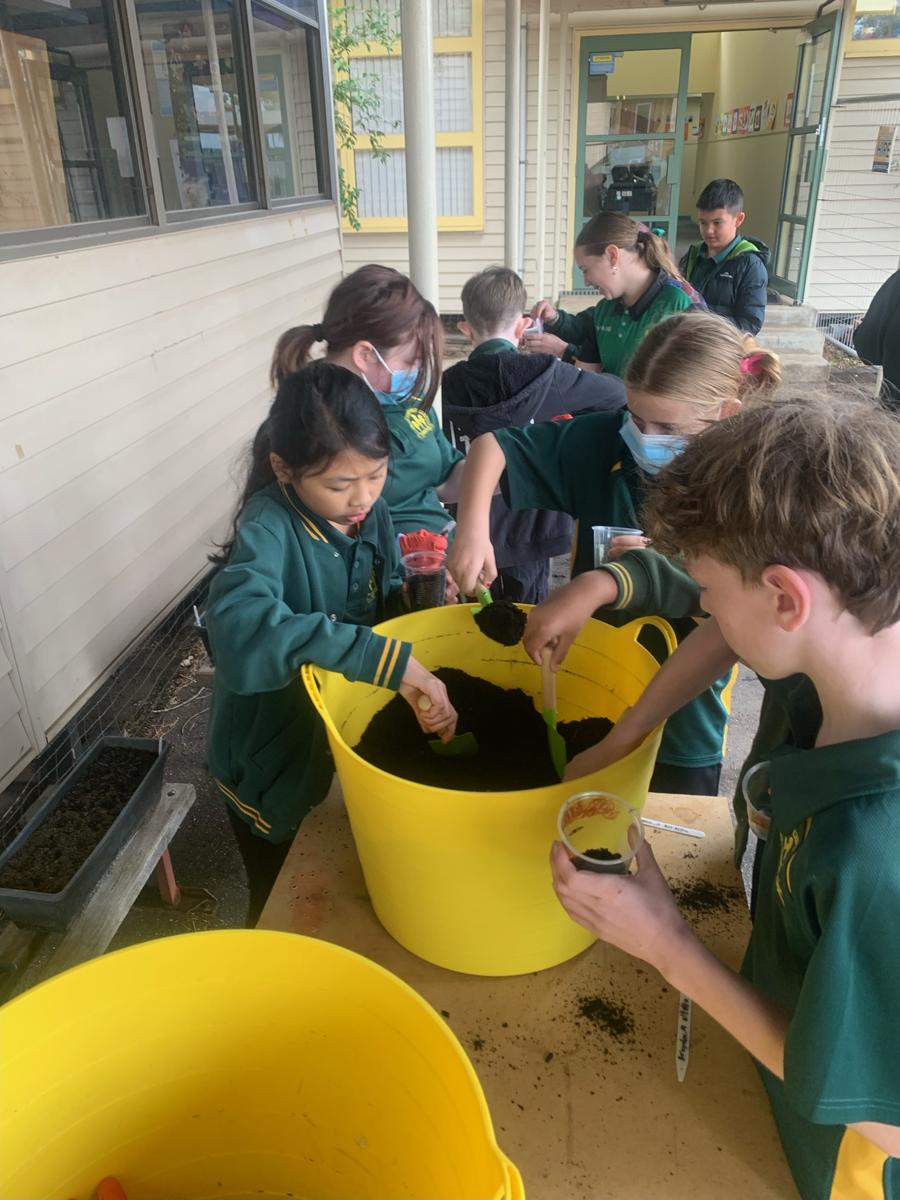
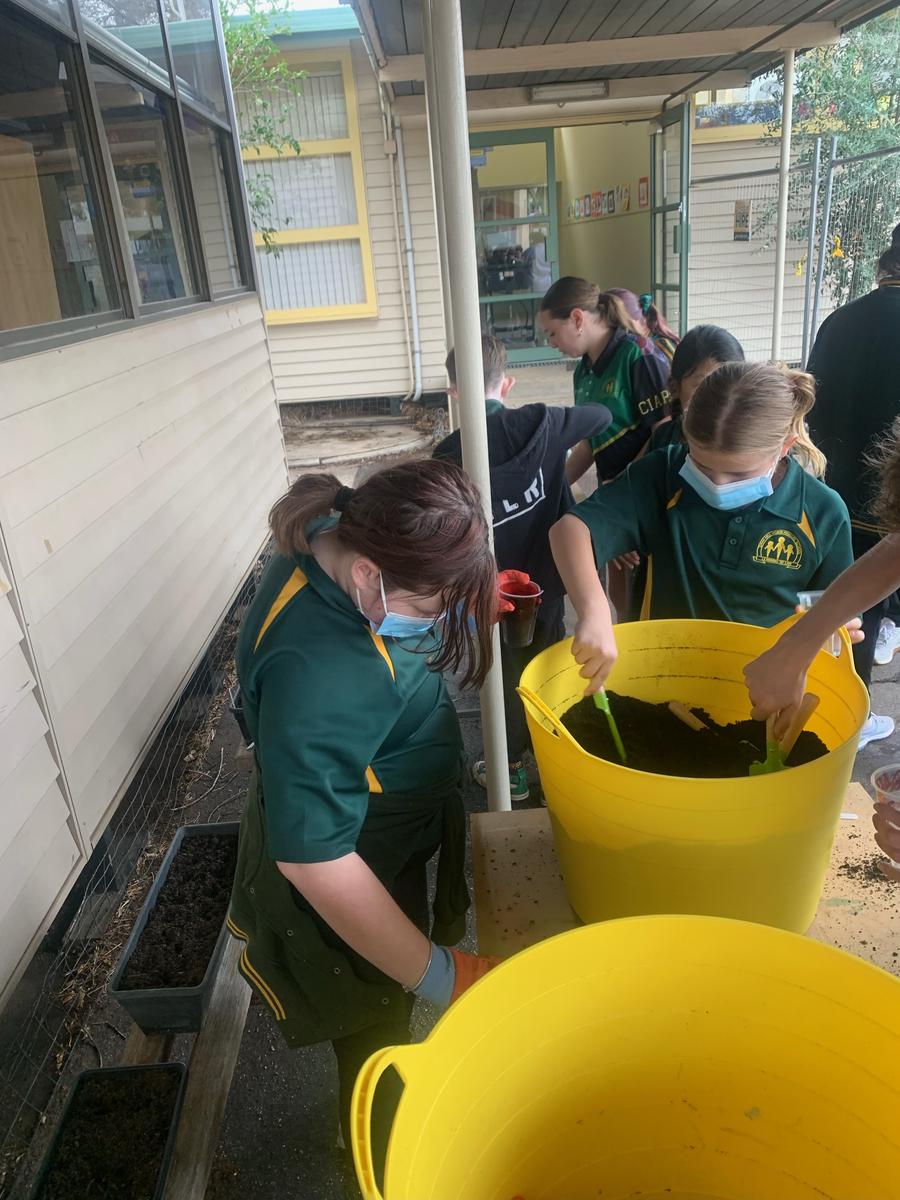
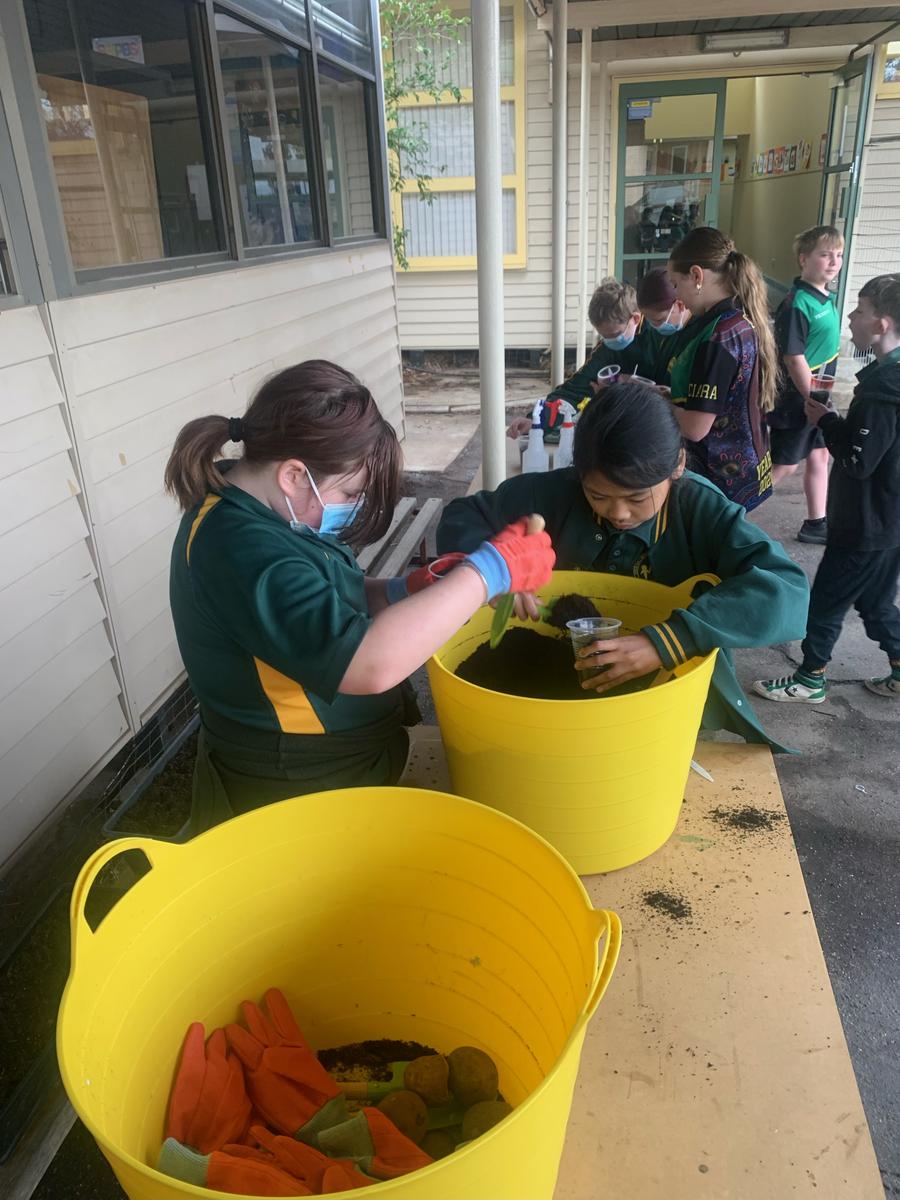
This week, Swan Hill North Primary School has been buzzing with curiosity, creativity and hands-on learning as we celebrated National Science Week! Our Prep students became budding potato farmers, planting their very own potatoes—we can't wait to see our crop grow! Grade 1/2 students explored the science of bubbles before creating beautiful seed paper, which they'll take home to grow colourful flowers and create a welcoming haven for our busy bees. In Grade 3/4, students built their own vermicompost systems, learning how worms create nutrient-rich castings to help plants thrive. Meanwhile, our Grade 5/6 students made quirky alfalfa heads, discovering just how quickly seeds can germinate and grow.
Our students were absolutely amazing throughout the week, embracing every challenge with enthusiasm, curiosity and plenty of smiles. We hope they'll continue talking about this year's National Science Week theme, 'Seeds of Science', and remember that even the smallest ideas can grow into something incredible. What a fantastic week of exploring, experimenting and celebrating the amazing science all around us!
Bullying No Way Week is Australia’s leading initiative for bullying prevention in schools. It’s an opportunity for schools to foster a shared understanding of bullying behaviours and highlight strategies for their prevention.
2026 theme: Small Acts, Big Impact
Bullying is everyone’s responsibility, and small acts can make a real difference.
This year’s theme reminds us that actions don’t need to be big to change someone’s world.
Small actions – like including someone, speaking up or showing kindness – can create meaningful change.
In our schools and communities, our goal is to build environments where everyone belongs, diversity is celebrated and bullying is never accepted.
During Bullying No Way Week, we encourage students, schools, families and communities to engage in small acts that can have a big impact against bullying.
What is Bullying?
Bullying is a complex social issue that harms people. Teachers, parents and carers, students and the whole school community need to understand what bullying is so that if it happens, they can recognise, report and respond to it quickly and effectively.
Bullying is when someone repeatedly and intentionally uses their power or status to harm, upset or intimidate someone else. It can cause physical, social or psychological harm.
Bullying can happen anywhere – at home, online, at work or at school. It can involve individuals or groups, and it can happen to anyone. Bullying No Way focuses on bullying between students, usually called student bullying, student-to-student bullying or school bullying.
Talking about bullying
Child mental health experts recommend not using the terms ‘victim’ and ‘bully’ when talking about bullying. Labelling a child a ‘victim’ or a ‘bully’ can influence how they see themselves, and it can become part of their identity.1 Labels can also lead to reputational bias. This is when students develop a certain reputation in the minds of other students, parents and even teachers, and it can lead to those students being stigmatised.
Here are a few examples of what using the labels ‘victim’ and ‘bully’ might lead to:
- Calling someone a victim might lead them to blame themselves or feel helpless to change the situation.
- A child labelled a bully might begin to see themselves as being bad, or view aggression as part of their personality. This can make it harder for them to see that they can change their behaviours.
A student labelled a victim or a bully is often treated in ways that reinforce that label by other students, parents and teachers. This label, or reputational bias, can span different social settings and follow them to new schools, which further reinforces the behaviour or experience.
The four types of bullying
Broadly, bullying can be split into four types:
Verbal bullying
includes using threatening language, name-calling and insulting someone about their physical characteristics such as weight or height, or other attributes including race, sexuality, culture or religion.
Physical bullying
can involve hitting, hurting, shoving or intimidation, or damaging, stealing or hiding belongings.
Social bullying
or relational bullying aims to harm someone’s reputation or self-esteem, or to cause humiliation. It includes ongoing exclusion, spreading rumours or untrue stories, sharing images or other digital content.
Cyberbullying or online bullying
Can involve social bullying, verbal bullying and threats of physical bullying. Technologies such as artificial intelligence (AI), social media, email, messaging apps, texting, online platforms, forums and gaming communities are used for cyberbullying.
Creating a positive school environment
A positive school culture and community is a key part of bullying prevention. This involves:
- strengthening student’s social and emotional skills
- promoting inclusivity and respect
ensuring that educators are trained to recognise and address bullying behaviours early.
The best approach to preventing bullying involves the whole school community. When schools create an inclusive environment where everyone feels welcome and supported, with a strong focus on wellbeing, there are:
- fewer bullying risk factors
- stronger protective and preventative factors
- fewer school bullying behaviours.
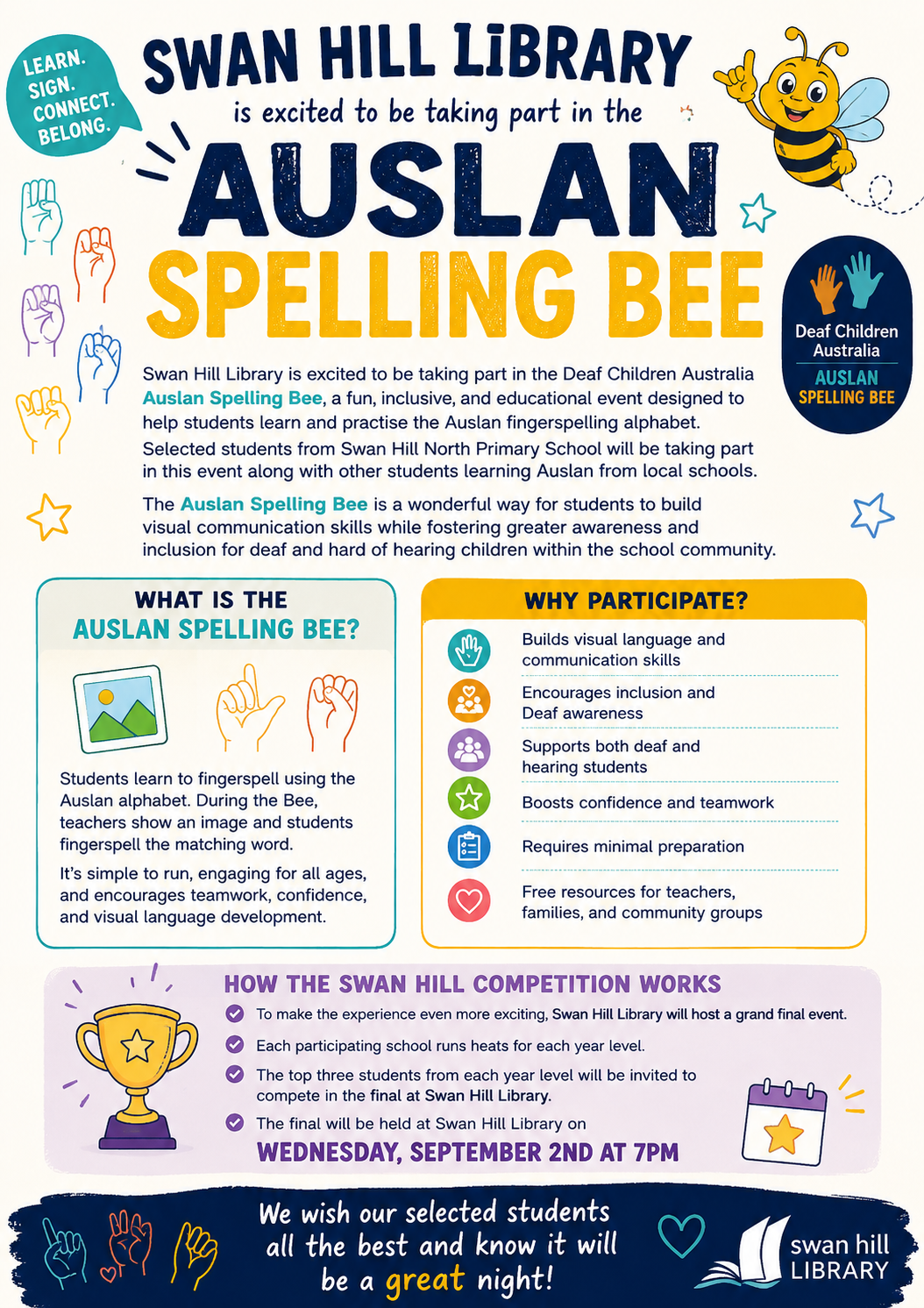
Spelling Bee - Auslan
We are so excited to have 6 of our Swan Hill North Primary School students taking part in the Auslan Spelling Bee at Swan Hill Library!
Our students have been learning and practising the Auslan fingerspelling alphabet and are looking forward to putting their skills to the test alongside students from other local schools.
Our Auslan Spelling Bee students: Milla, Emmett, Amarli, Joseph, Addi Barker and Eli
The Swan Hill Auslan Spelling Bee Grand Final will be held at Swan Hill Library on Wednesday, 2 September at 7pm.
We are incredibly proud of our students for embracing Auslan, building their confidence and helping promote inclusion, communication and Deaf awareness within our school community.
Good luck to our six students — we know you’ll do an amazing job!