Wellbeing

LEPS Therapy Dog Program
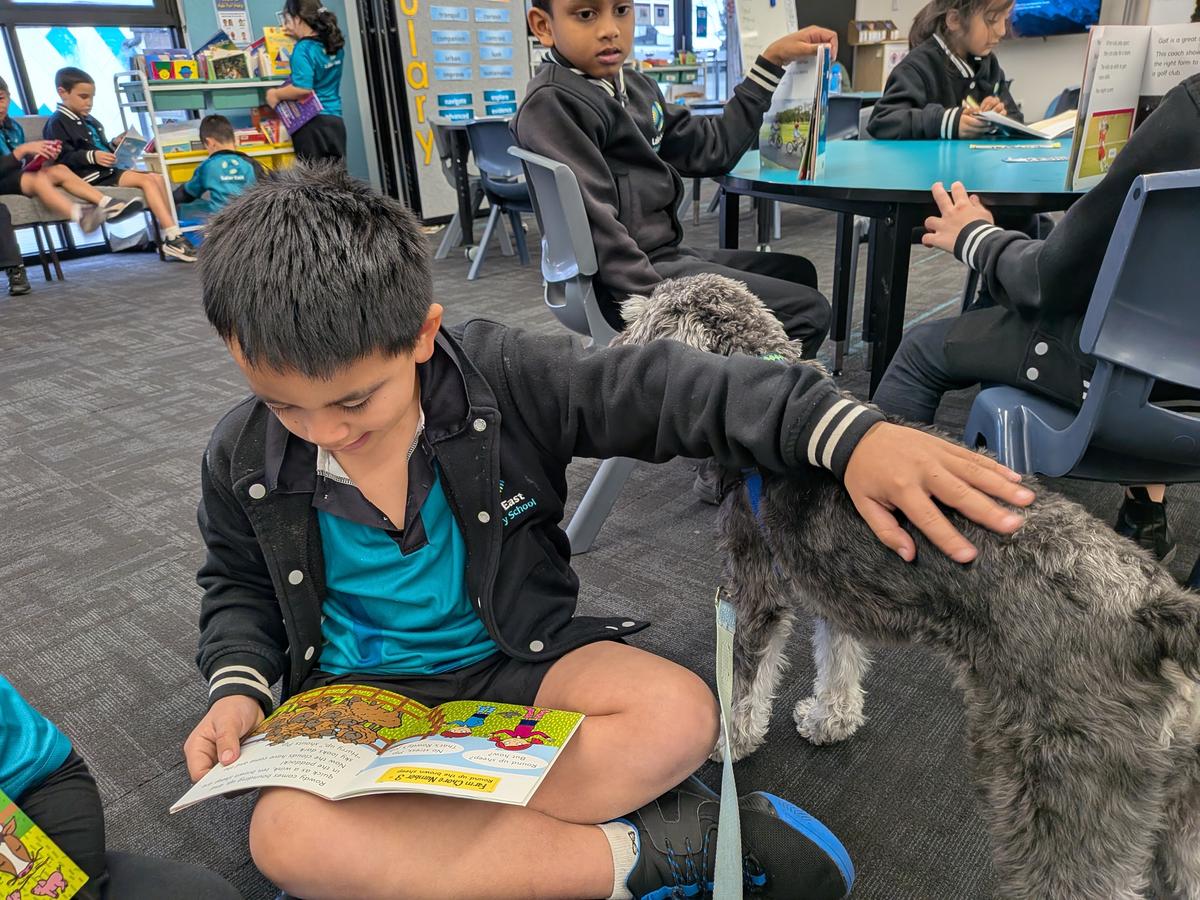
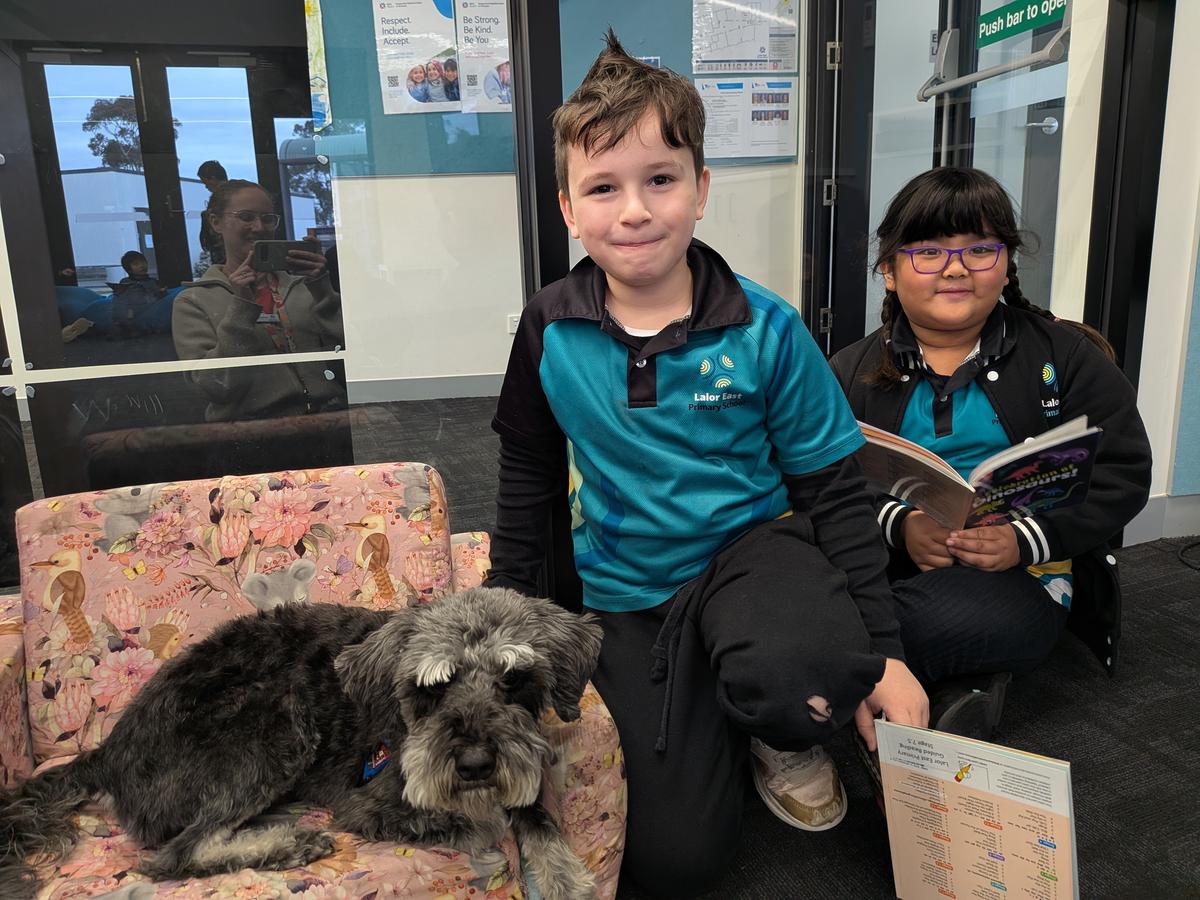
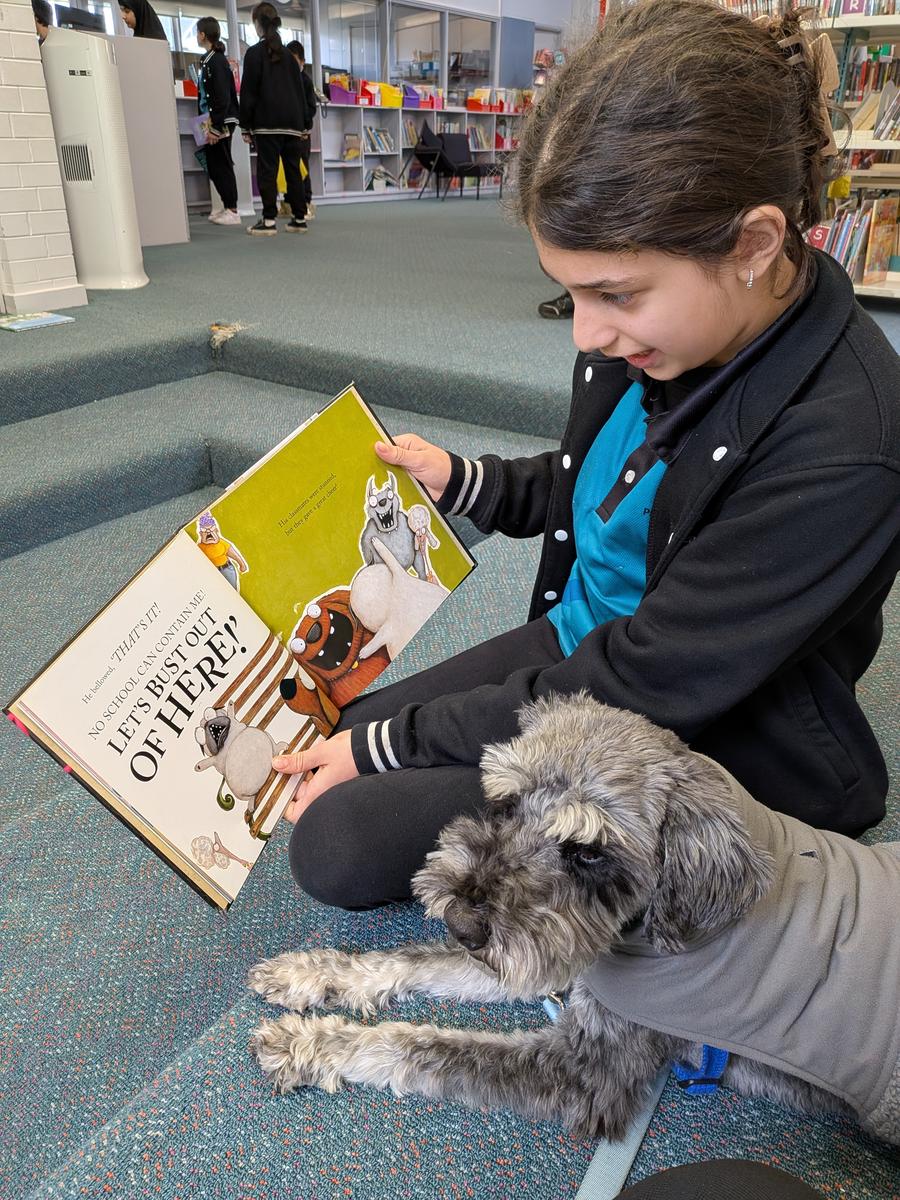
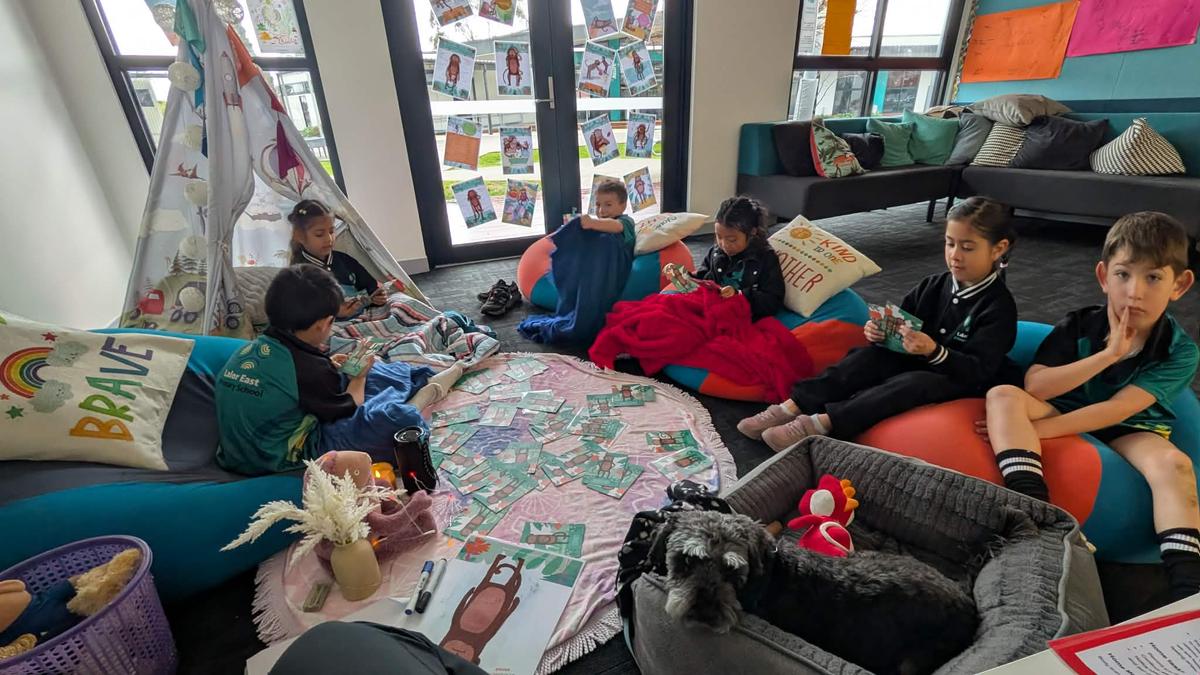
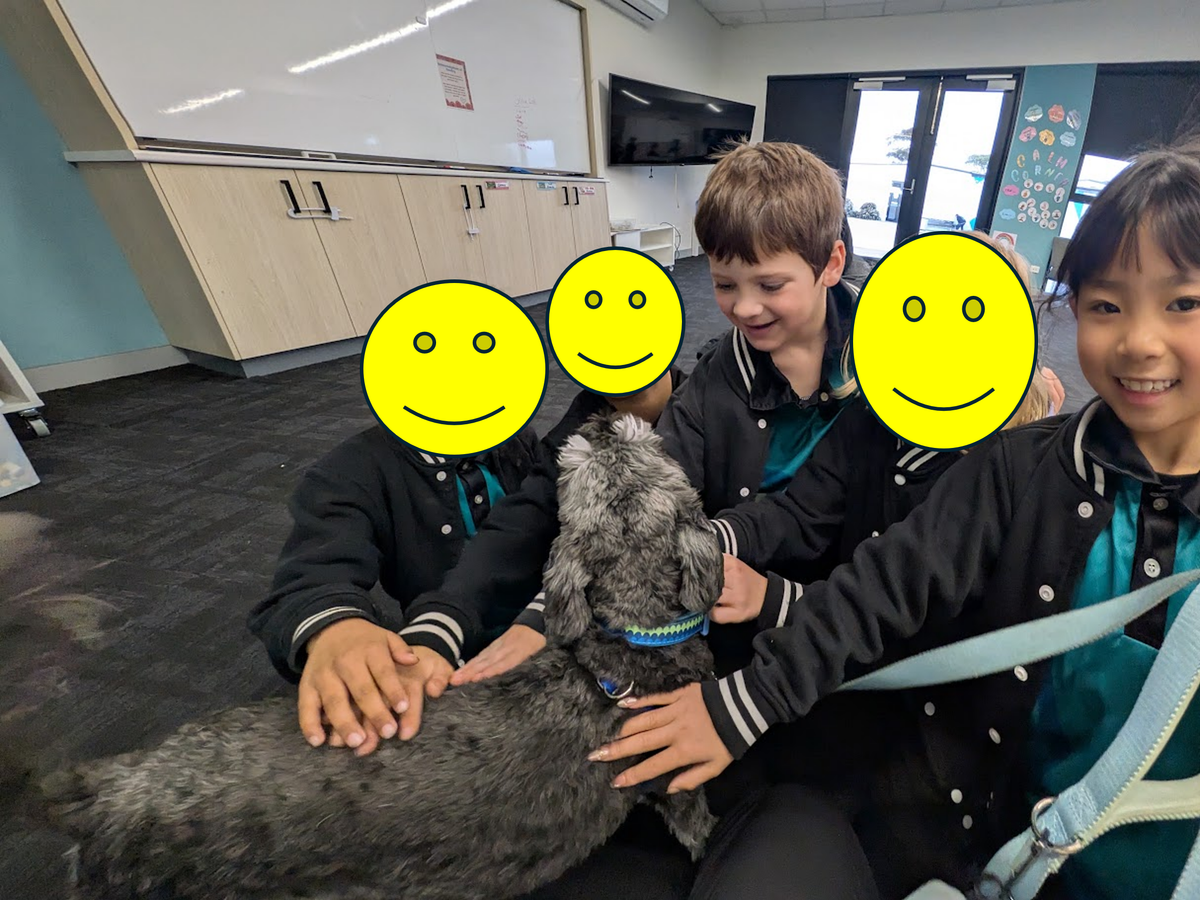
At the beginning of the term, Ollie the Schnoodle officially began his role at LEPS as our very own therapy dog! Ollie currently works on Tuesdays and Wednesdays and has loved spending time with our students during library sessions, Peaceful Kids, LEGO groups and even out on yard duty.
Our students have given Ollie a wonderful welcome. They have been asking thoughtful questions about his favourite foods, where he likes to be patted, and even what he gets up to on his days off! As part of introducing Ollie to our school community, students have also been learning how to interact with him safely and respectfully. They now know to always ask before patting Ollie and understand that when he is resting in his crate, he is having a well-earned break and should not be disturbed.
We have been incredibly impressed by the kindness, respect and responsibility our students have shown when interacting with Ollie. Their positive approach has helped him settle into life at LEPS, and he is already making a positive impact on the wellbeing of many students.
Ollie is looking forward to building even more connections with students throughout the year. He also can't wait to welcome his therapy dog friend, Walter, who will be joining the LEPS team on Mondays and Thursdays over the coming months!

Fidget Tools as a Learning Support
At Lalor East Primary School, we believe every child has the right to learn in an environment that is supportive, inclusive and responsive to their individual needs. For some students, one strategy that can support learning is the use of a fidget tool.
It is important to remember that fidgets are learning tools, not toys. When used appropriately, they can help some students meet their sensory needs by keeping their hands occupied while allowing their brains to focus on listening, thinking and learning. Research shows that, for some students, access to an appropriate sensory tool can improve attention, reduce restlessness and support emotional regulation during learning tasks.
We are committed to providing high-quality regulation supports for students who need them. Students who benefit from using a fidget tool are explicitly taught how to use it appropriately. This includes understanding that:
Fidget tools are used to support learning, not for play.
Hands can be busy while eyes, ears and brains remain focused on the teacher or learning task.
Fidget tools should never distract the user or others.
Different regulation strategies work for different people. If a fidget tool is not supporting a student's learning, teachers will work with them to identify a more effective strategy.
Over recent weeks, we have noticed an increase in students bringing fidget toys from home. While some students genuinely benefit from using these tools, for many others they become a source of distraction and can reduce engagement with learning.
To ensure our classrooms remain calm and focused learning environments, students are no longer permitted to bring fidget tools from home for use during classroom learning time, unless this has been agreed upon as part of an individual support plan developed in consultation with the family and school.
Students are still welcome to bring fidget toys from home to enjoy during recess and lunchtime. These items should remain in their school bags during all classroom learning sessions.
Students who require access to a fidget tool during learning will have an individual support plan developed in consultation with their family, key school staff and, where appropriate, allied health professionals such as psychologists or occupational therapists. In addition, every classroom has a range of school-provided fidget tools that teachers can provide to students when they are likely to support learning.
We appreciate your support in helping us maintain calm, focused and inclusive learning environments for all students. If you have any questions or would like to discuss your child's regulation supports, please don't hesitate to contact your child's classroom teacher.

The Orange Door
Our school cares about the safety and wellbeing of our students and their families.
Sometimes things at home or in a relationship are not OK or families can be worried about the wellbeing of their children or young people.
The Orange Door can help you to get the support you need, quickly and easily. It’s free and you don’t need a referral.
The Orange Door can help families. They provide support for concerns with parenting, relationships, and family violence.
The Orange Door is a free intake and assessment service for:
families requiring support for their child or young person’s wellbeing or development
families needing parenting support
young, isolated, or unsupported families
individuals and families experiencing family violence
adults using family violence
young people using violence in the home.
If you contact The Orange Door, they can help by:
working with you to identify the help and support you need
supporting you with the wellbeing and development of your child or young person
helping you make a safety plan if someone is making you feel unsafe
connecting you to services that can help like counselling, accommodation, mental health and drug and alcohol services, parenting support groups, services for children, financial help, or legal assistance
supporting you to access funding for basic living expenses and some other costs
supporting you to change abusive or controlling behaviour.
Each Orange Door location across Victoria has their own phone number and email. Students and their families can also visit their local Orange Door in person for support, Monday to Friday, 9am - 5pm for support. No appointment is needed.
To find your local service, see: The Orange Door – Support near you.