
Wellbeing News
Brooke Davis - Student Wellbeing Leader
Wellbeing News
Brooke Davis - Student Wellbeing Leader
This national week of action unites government, Catholic and independent schools and their communities across the country. Together, we can inspire practical solutions to prevent bullying in Australian schools.
Bullying is everyone’s responsibility, and small acts can make a real difference.
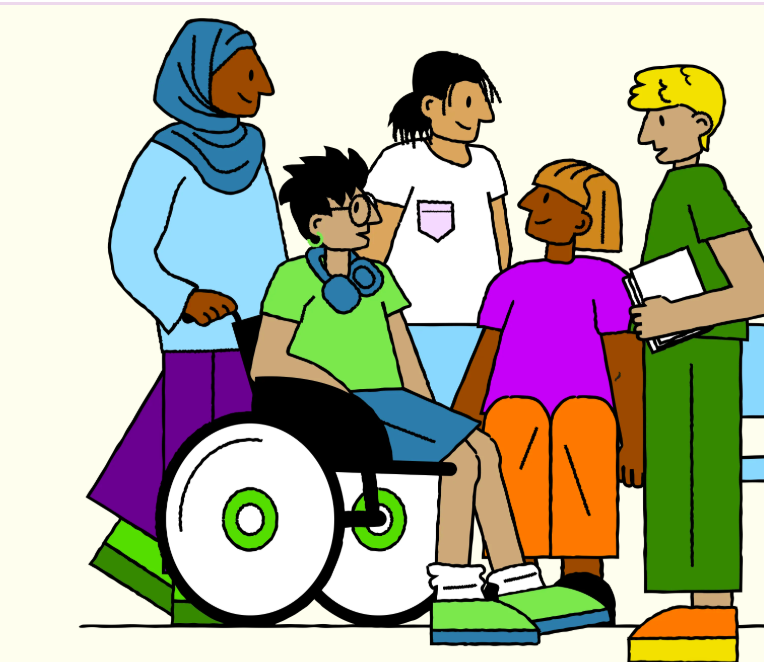
This year’s theme reminds us that actions don’t need to be big to change someone’s world.
Small actions – like including someone, speaking up or showing kindness – can create meaningful change.
In our schools and communities, our goal is to build environments where everyone belongs, diversity is celebrated and bullying is never accepted.
During Bullying No Way Week, we encourage students, schools, families and communities to engage in small acts that can have a big impact against bullying.
You can explore more about this initative through their website https://www.bullyingnoway.gov.au/
Our ongoing dedication to Positive Behaviour for Learning (PBL) remains central to how we foster a positive environment for student wellbeing. When school life is structured and expectations are clear, children feel far more secure. This consistency eliminates daily guesswork, lowers stress, and frees up students to focus on learning and enjoying their friendships.
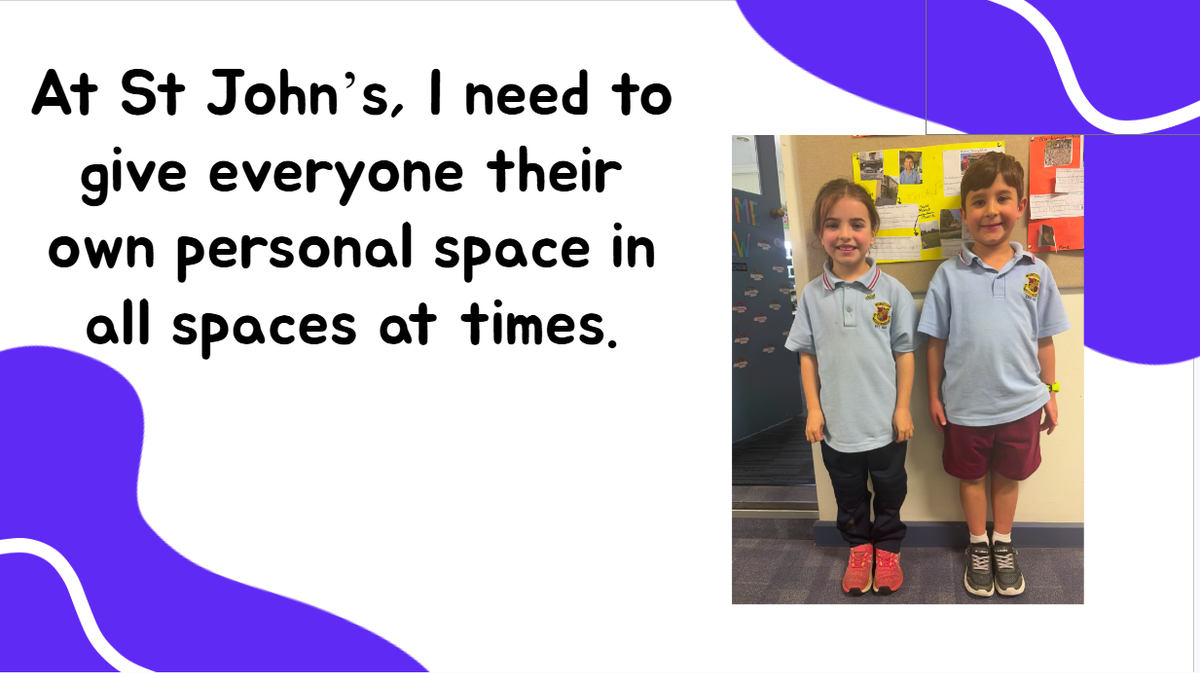
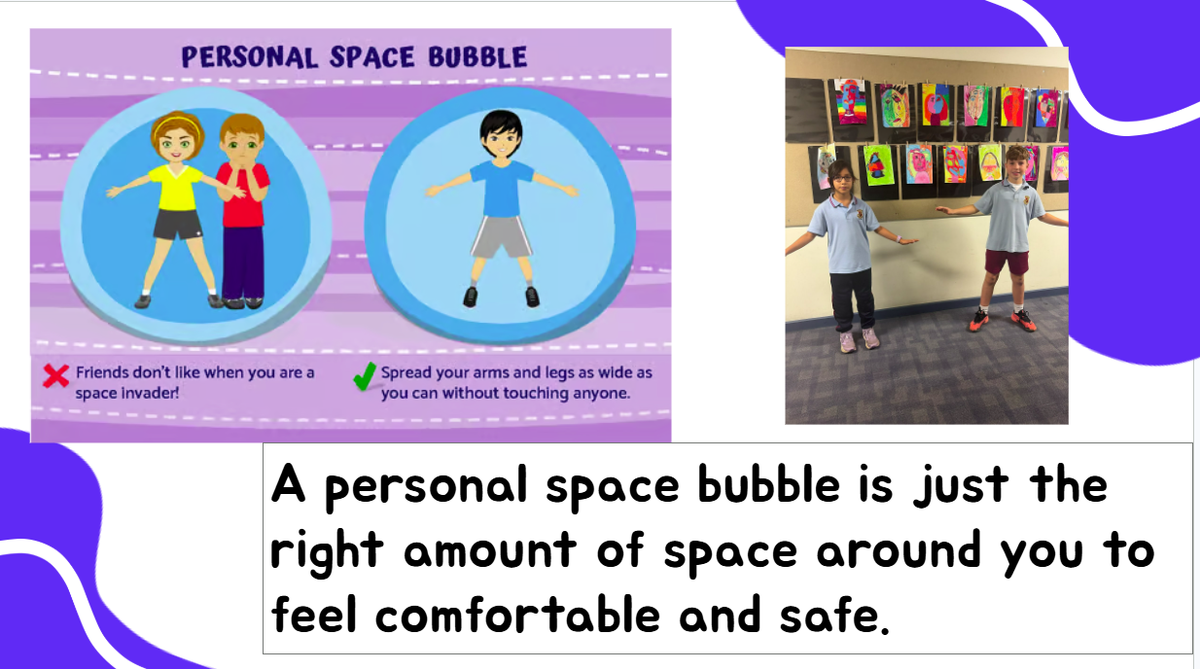
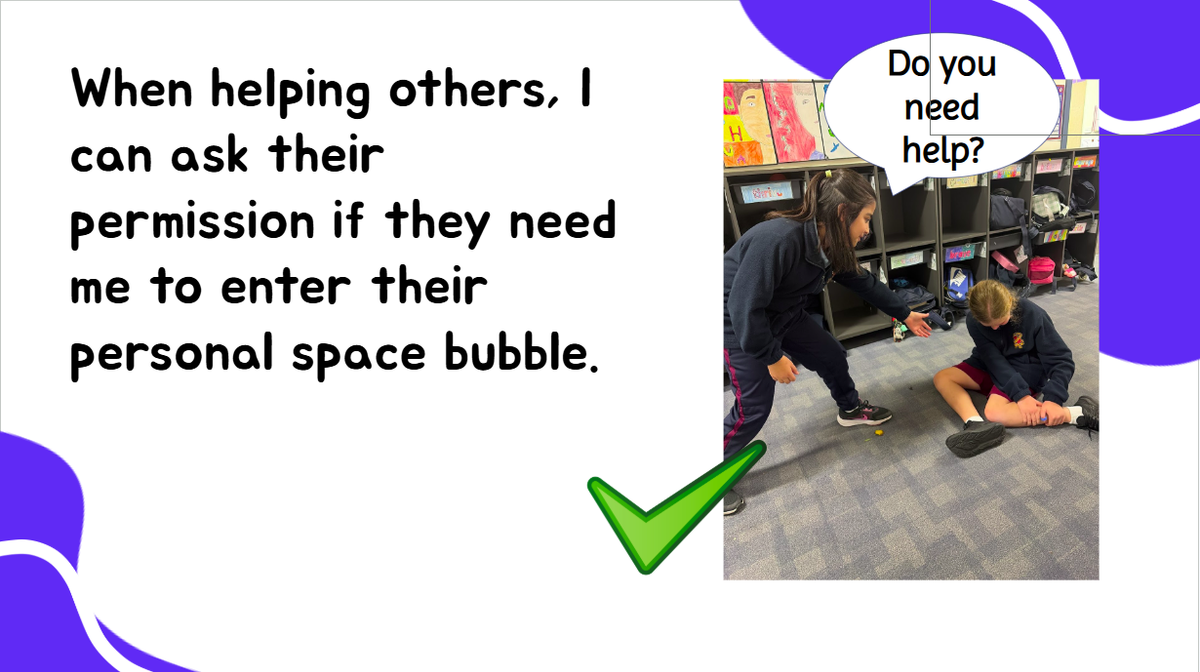
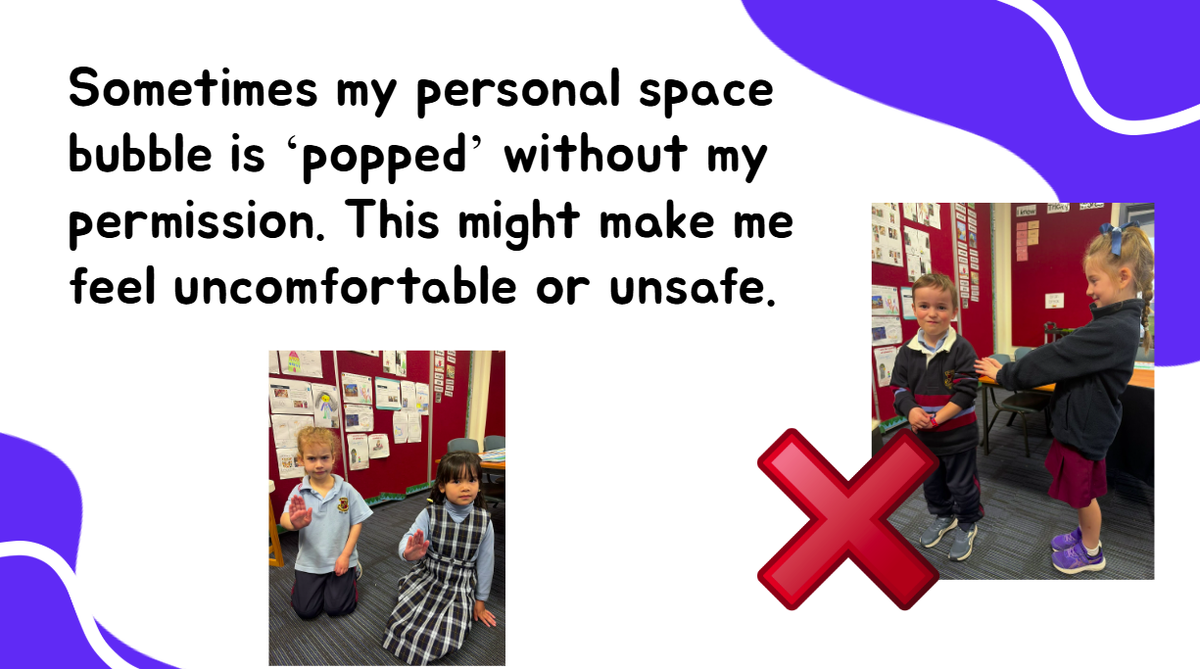
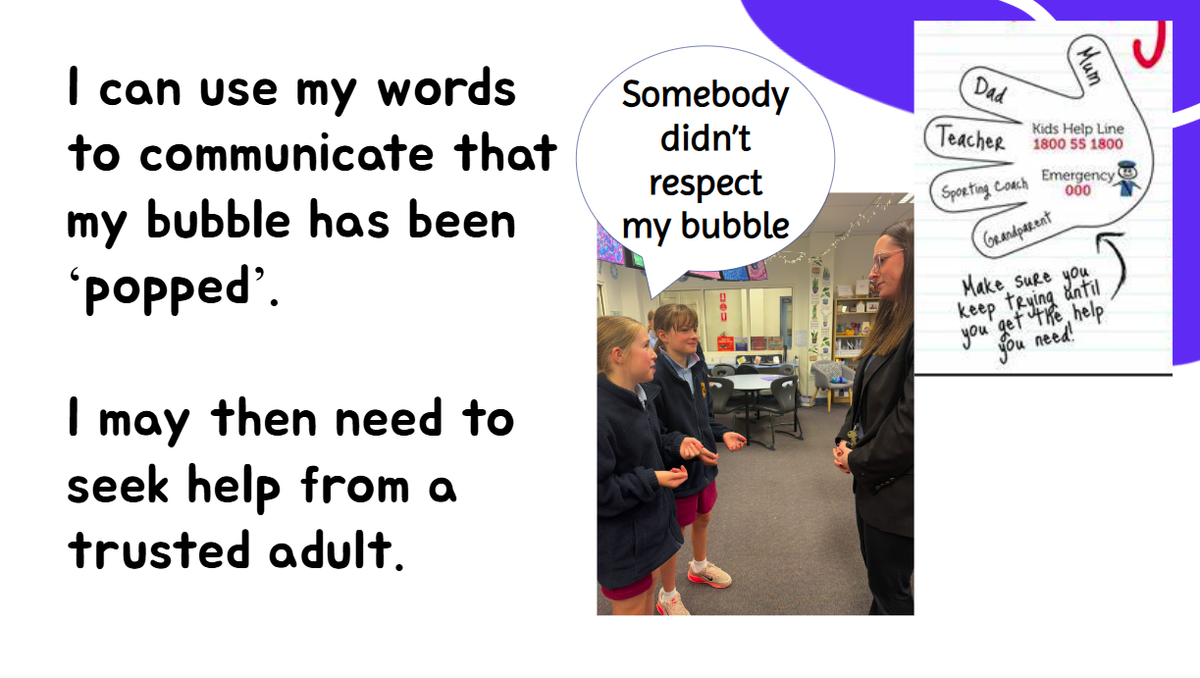
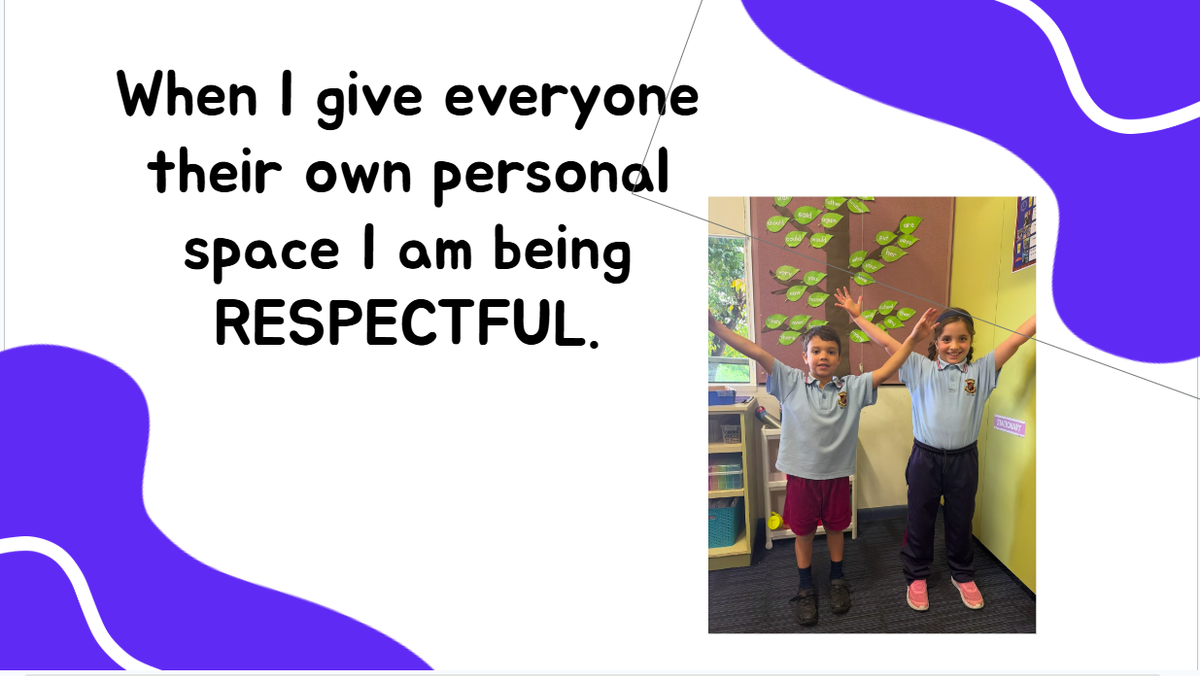
As part of this work, our active PBL expectation focus for the next two weeks is: "I give everyone their own personal space." This is teaching the students to understand and respect personal boundaries are essential for building a safe, supportive and inclusive learning environment, where every student feels comfortable and ready to learn.
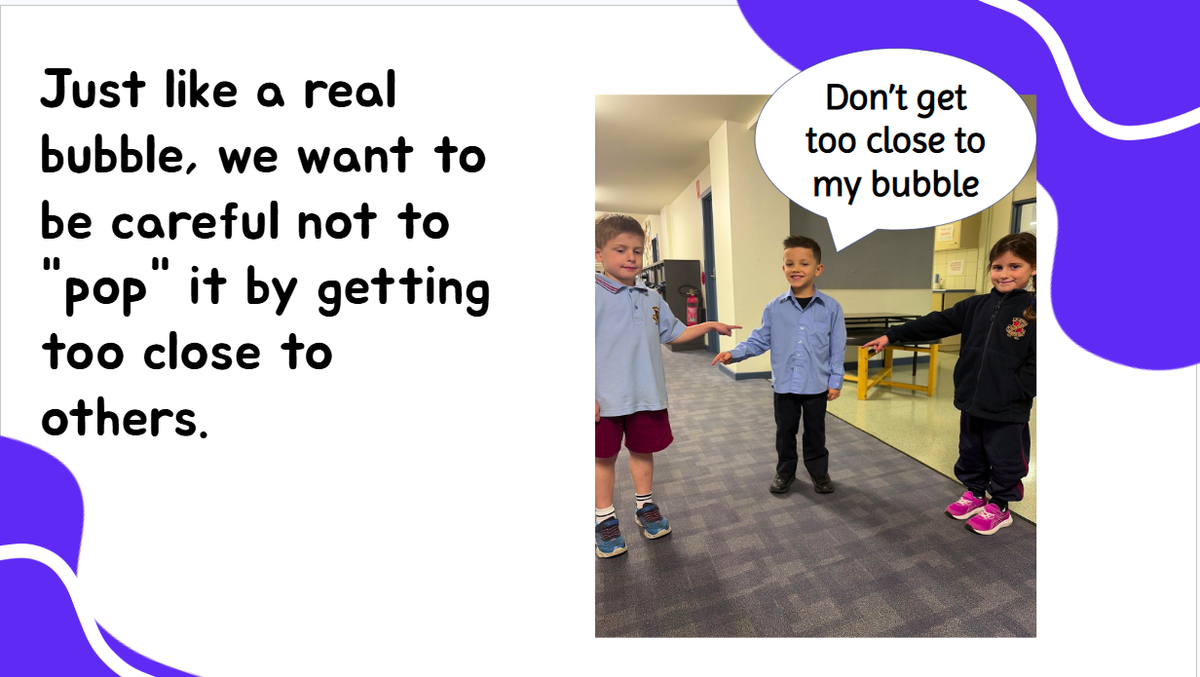
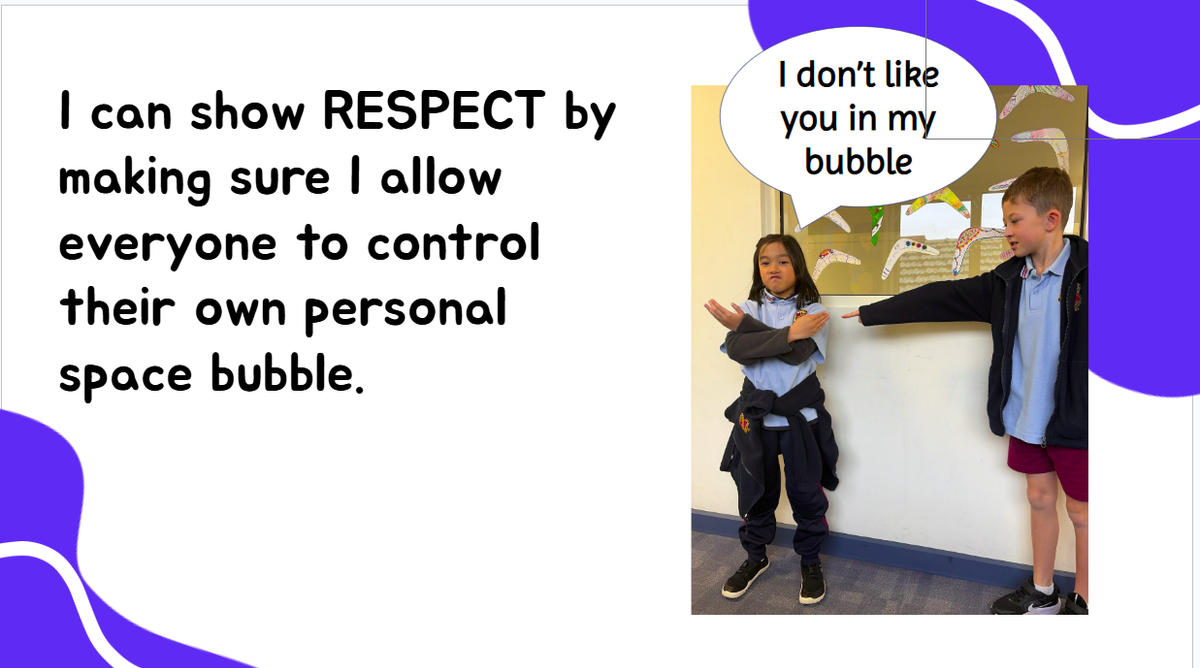
Personal space means keeping our hands, feet and objects to ourselves, as well as recognising that everyone has an invisible "bubble" around them that helps them feel secure. By learning to notice social cues and ask for permission before entering someone's space, whether in the classroom, on the playground or in line. We are working for our students to build self-awareness, empathy and strong interpersonal skills that foster respectful relationships across our entire school community.
Examples | Non-examples |
|
|
The P-2 students have been learning what boundaries are through our The Boundaries Song. You may wish to sing it at home!
The 3-6 students played The Space Invaders Game.
This game teaches students to recognize the "Uh-Oh" feeling when someone enters their space and how to use their voice to set a boundary.