
Deputy News
Building Our Knowledge of Words
Deputy News
Building Our Knowledge of Words
Last week staff from Sacred Heart attended a Professional development day at Bentleigh West. Our teachers participated in Lexicons for Life, an engaging workshop led by respected literacy expert Lyn Stone.
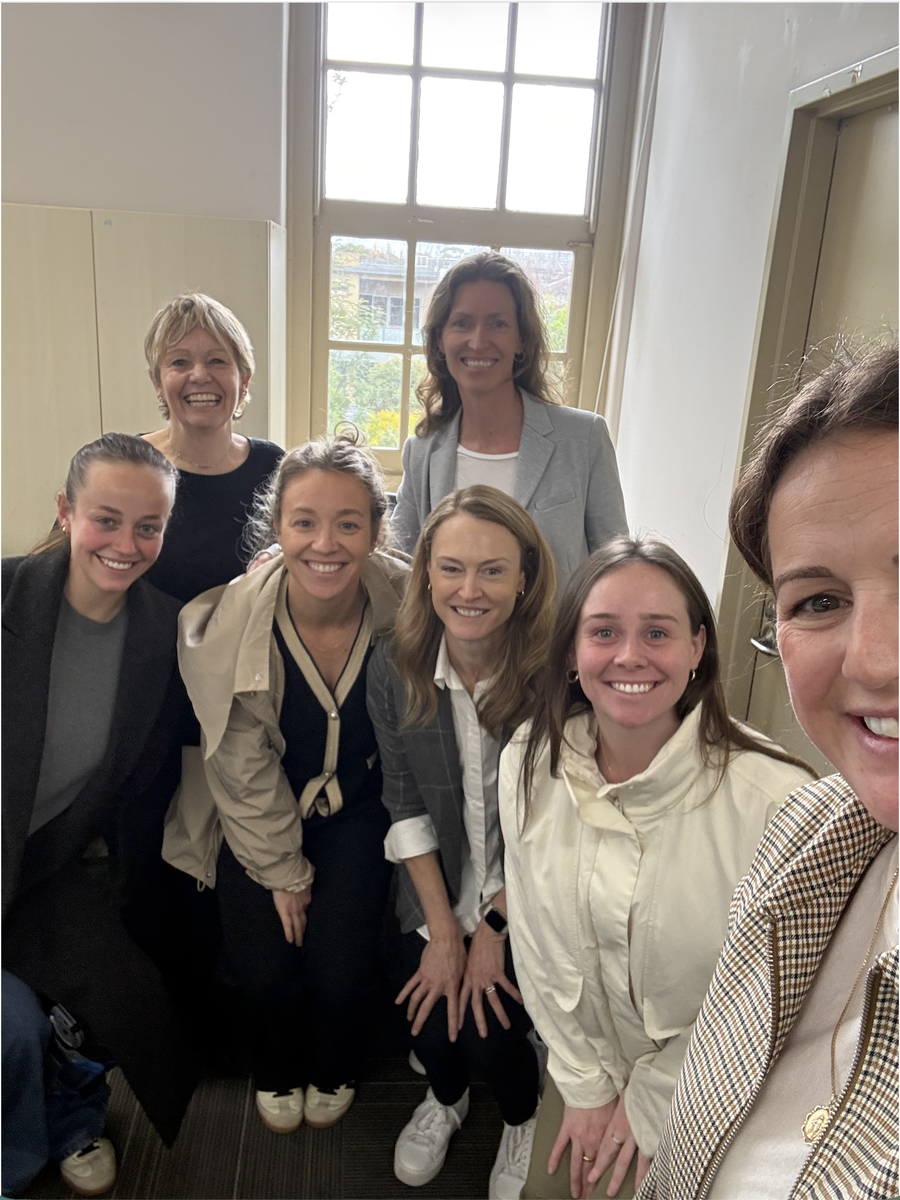
The day strengthened staffs’ knowledge of how words are built, understood and remembered. Staff explored practical classroom routines for teaching spelling, reading, writing and vocabulary, with a particular focus on:
Teachers had opportunities to examine challenging words, rehearse teaching routines and consider how this learning could be applied with students across different year levels.
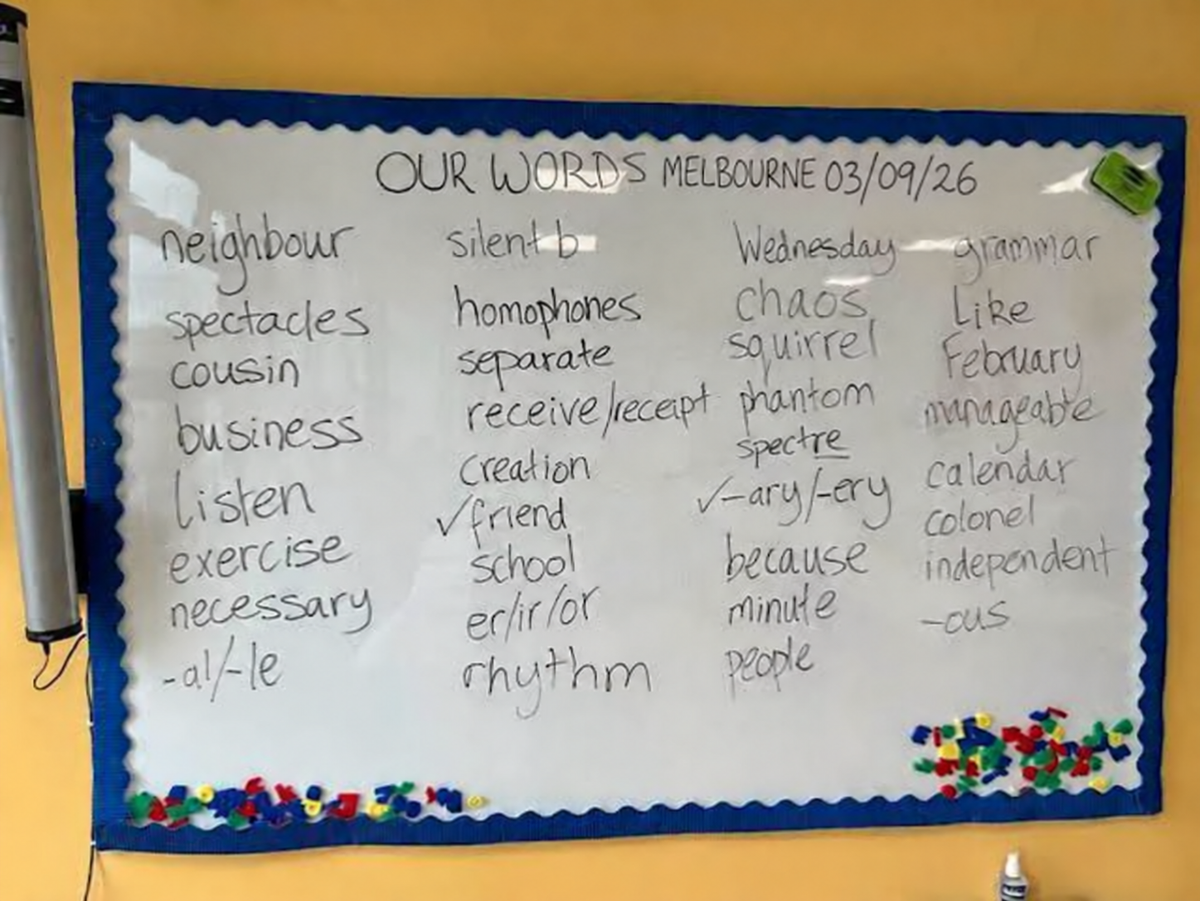
This professional learning builds upon our school’s structured literacy approach and will help teachers support students to become more confident and capable readers, writers and spellers.
The words that students (and often adults) find difficult to read and spell are remarkably similar. We compiled a list of words that educators frequently see students struggling with, some of which you may also find tricky.
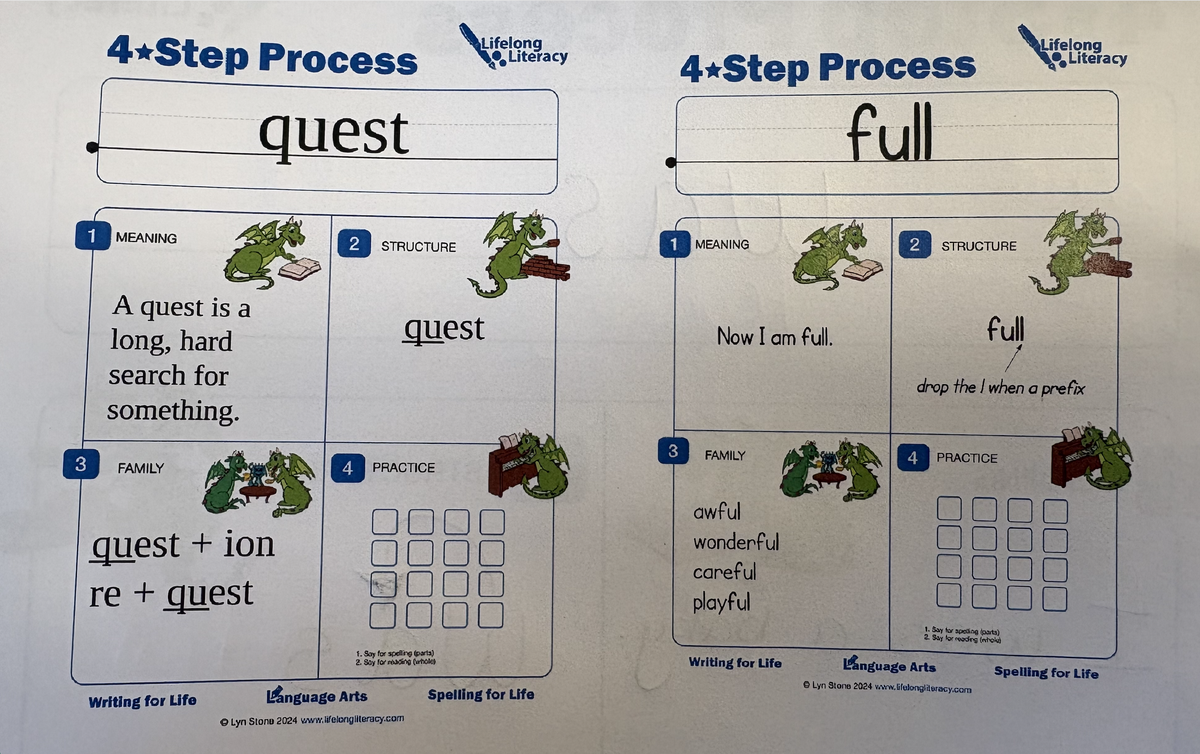
Believe it or not, English spelling is not random. Its orthography is highly structured and shaped by:
Spelling conventions: established patterns that guide spelling, such as changing y to i in happy + ness → happiness, or doubling the final consonant in run + ing → running.
Understanding these influences helps us explain spelling rather than relying solely on memorisation.
Kate and Sarah