We are inquirers...

 Lockleys North Primary School
HASS
Geography
HASS focusses on the study of Humanities and Social Sciences. It includes History and Geography using the Inquiry approach to learning activities.
For Semester 2, we will begin our Geography Inquiry Unit of What is a place?
This unit investigates the features of places and the places that are special and meaningful to us.
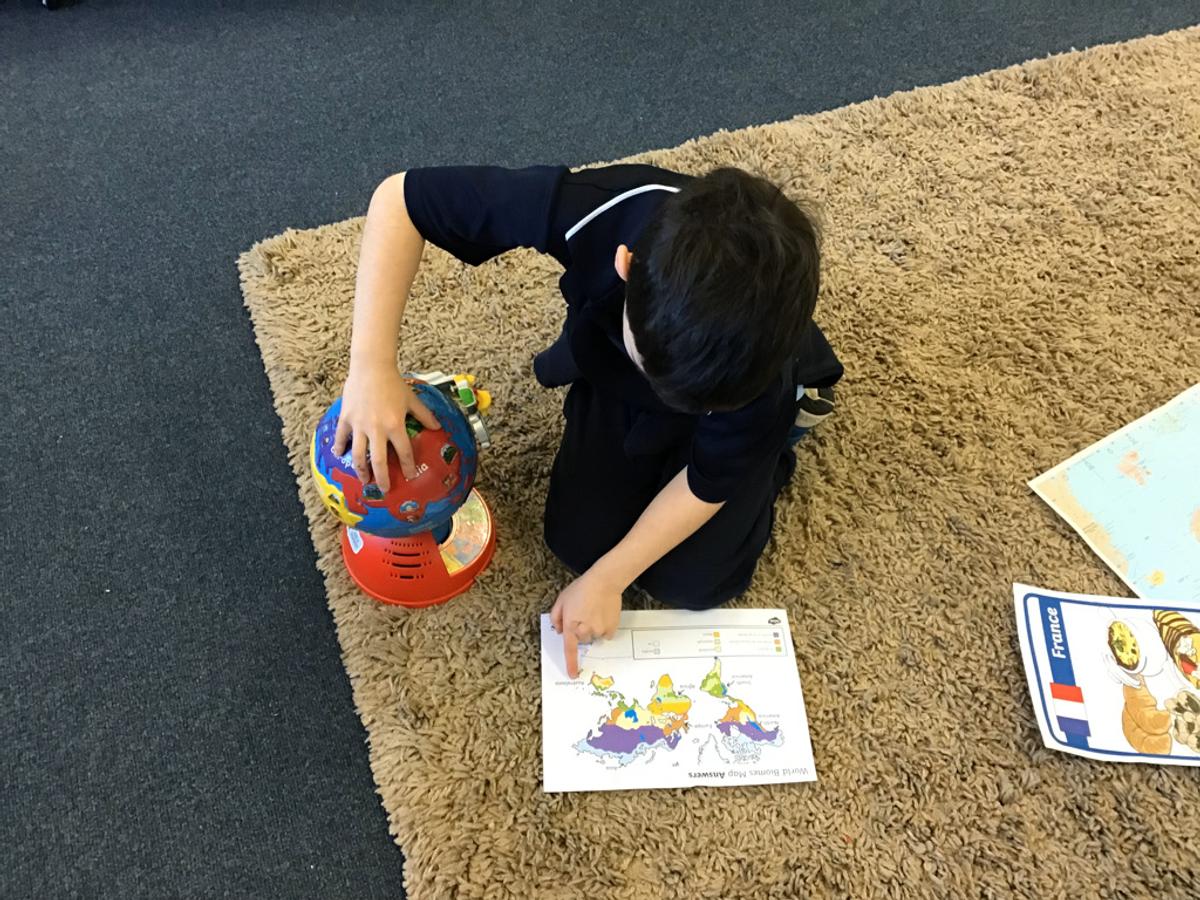
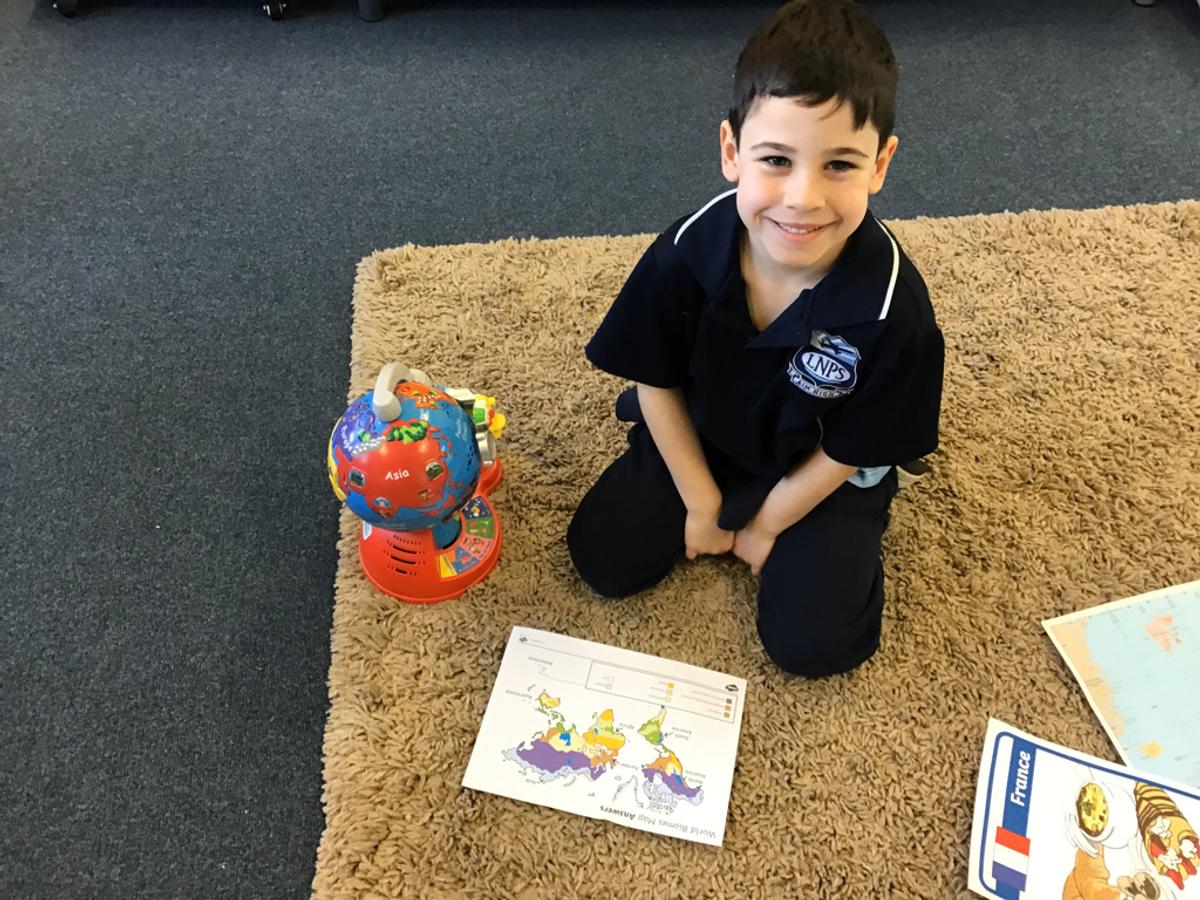
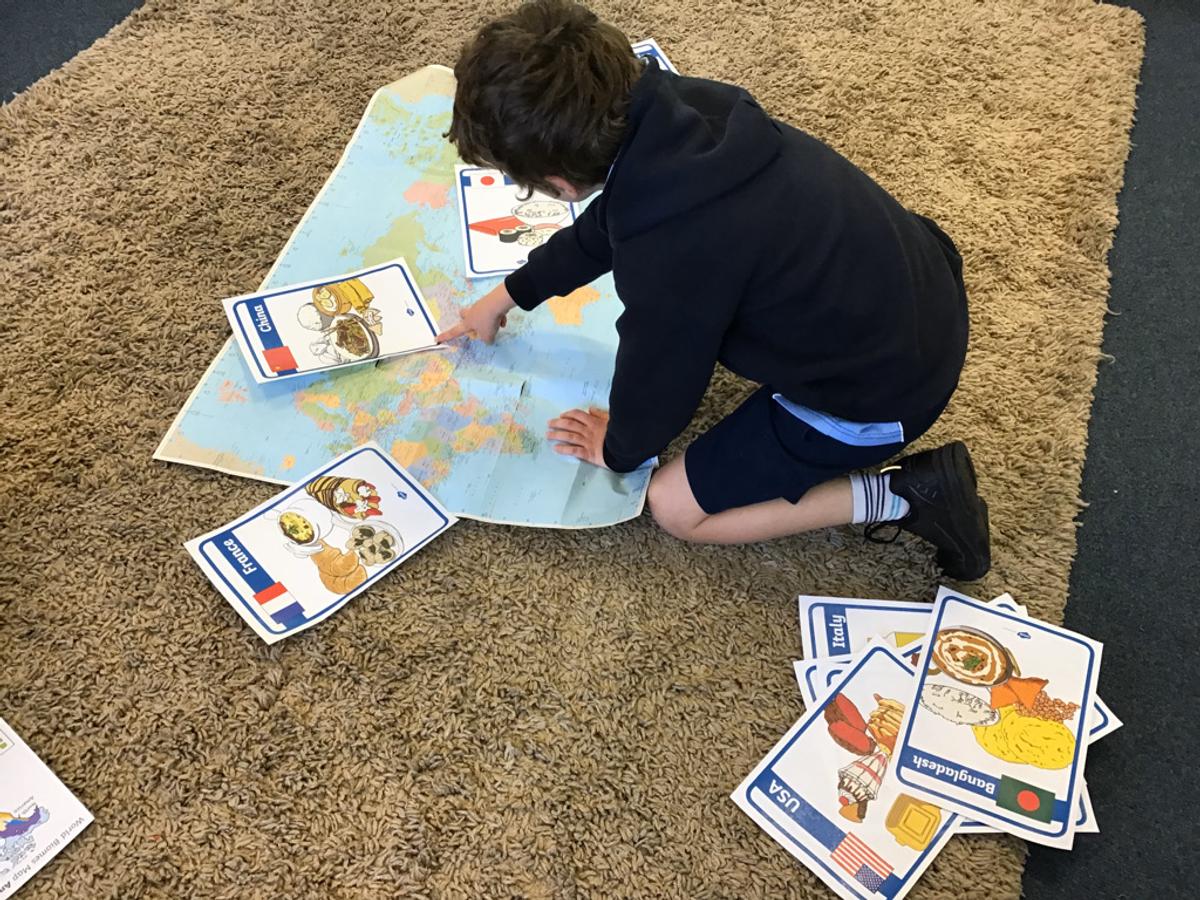
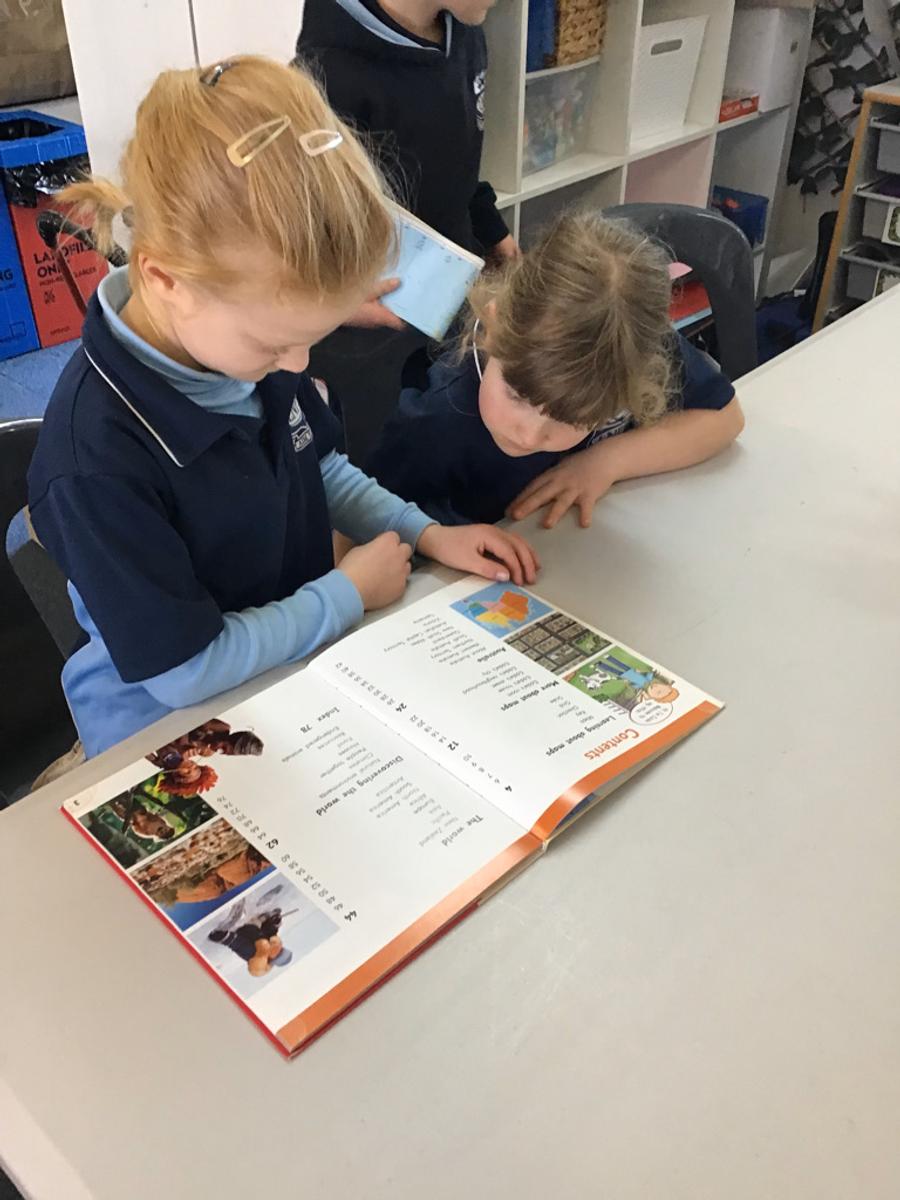
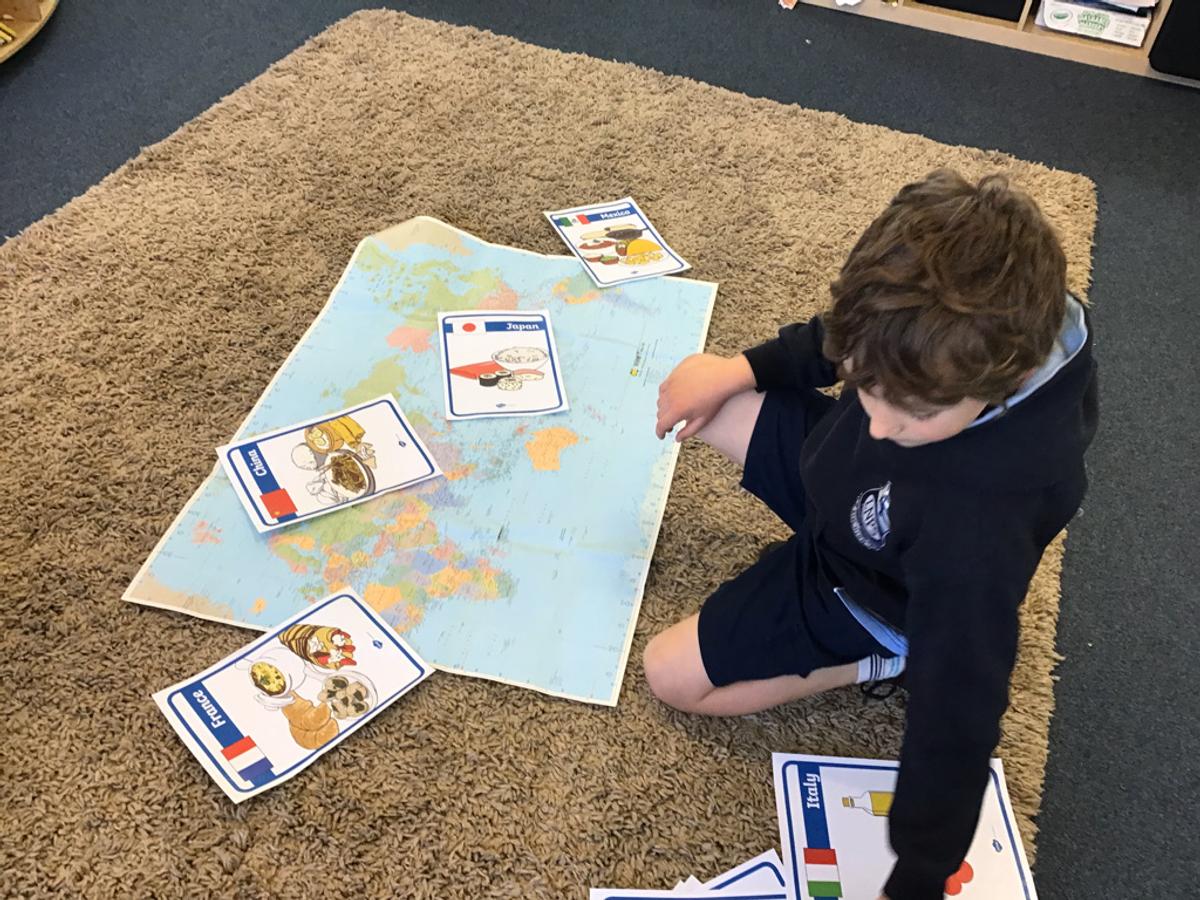
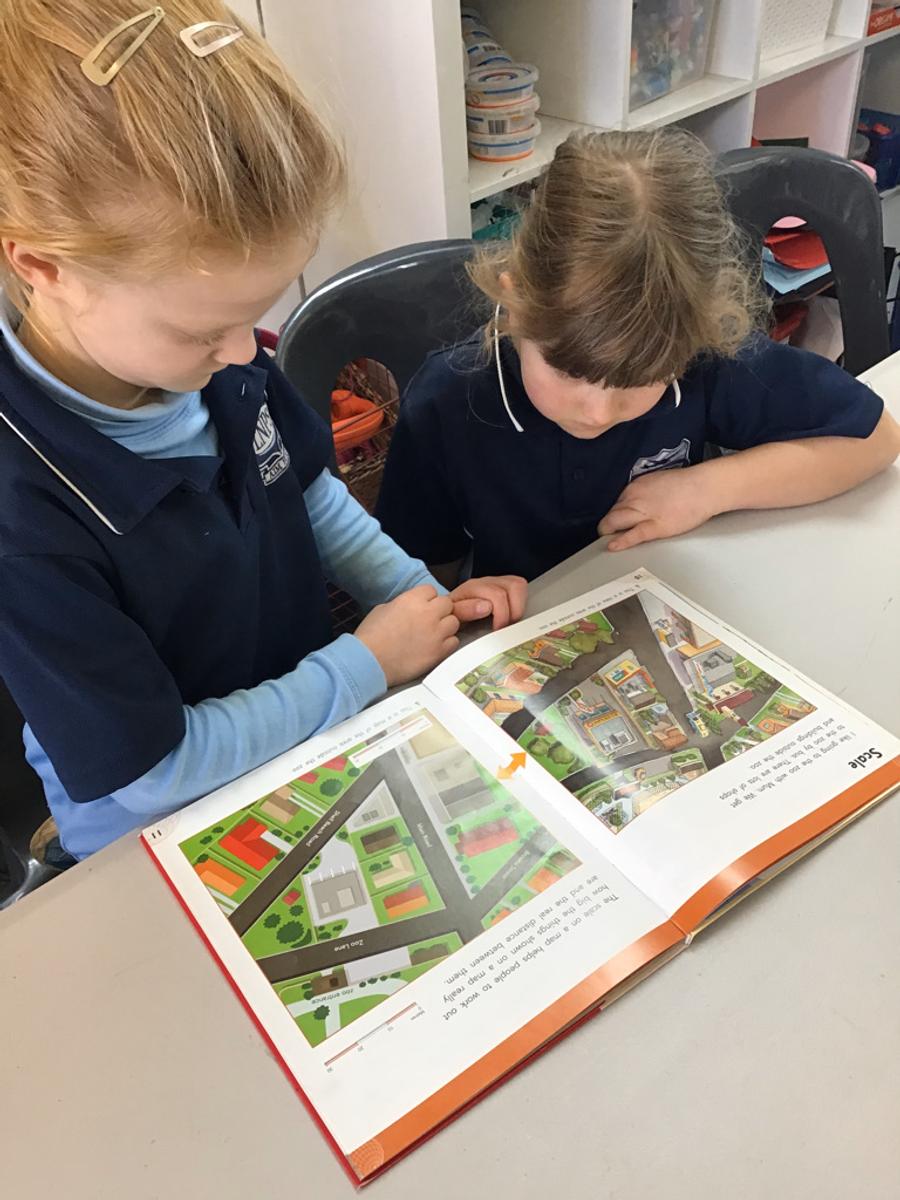
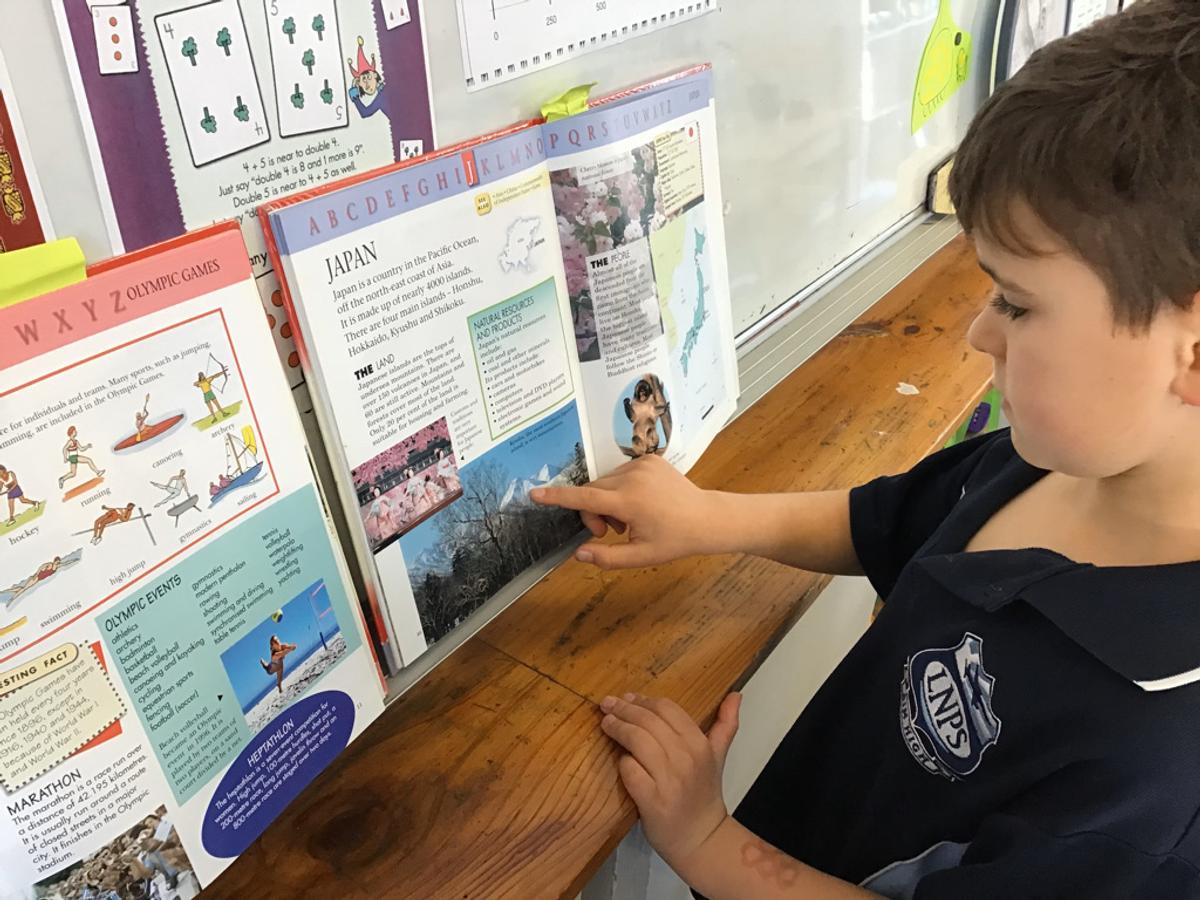
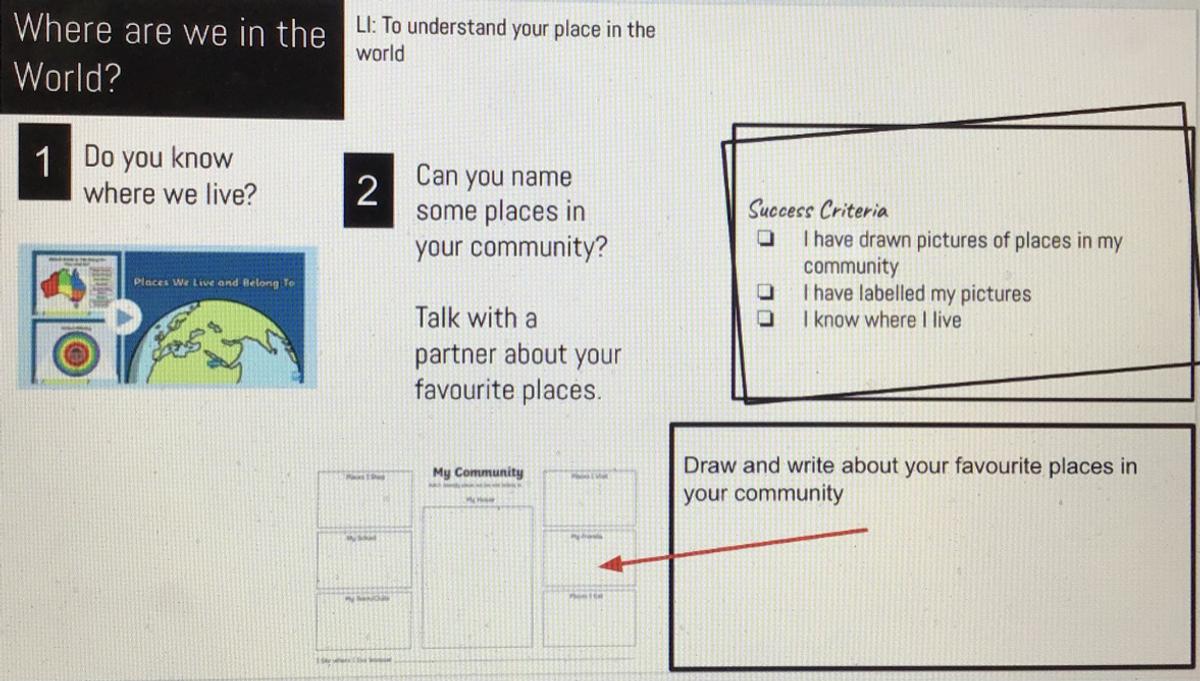
The following questions will guide our inquiry and learning experiences:
- What is a place?
- What are the features of places?
- Where are we in the world?
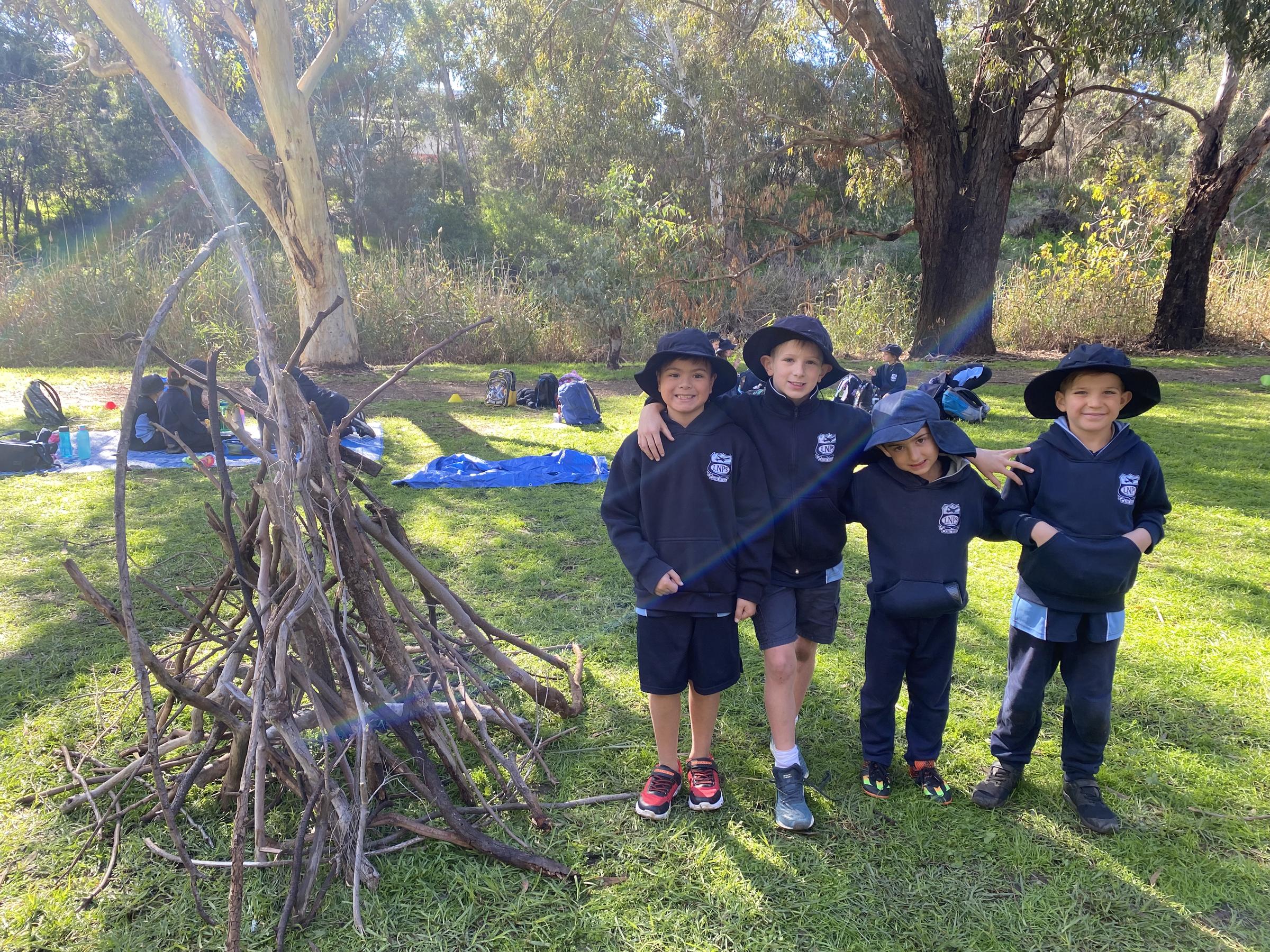
Students will learn about where we live and about places in our school and local community that are significant to us. Students will investigate the difference between natural, man-made and managed areas. They will also learn to locate features on the map and use simple maps. Students will learn about the geographical divisions and investigate factors that may influence their lives.
In Geography, students will work on developing skills and learn to
pose questions about places
interpret information through observations
make connections between their knowledge and places
describe and compare places.
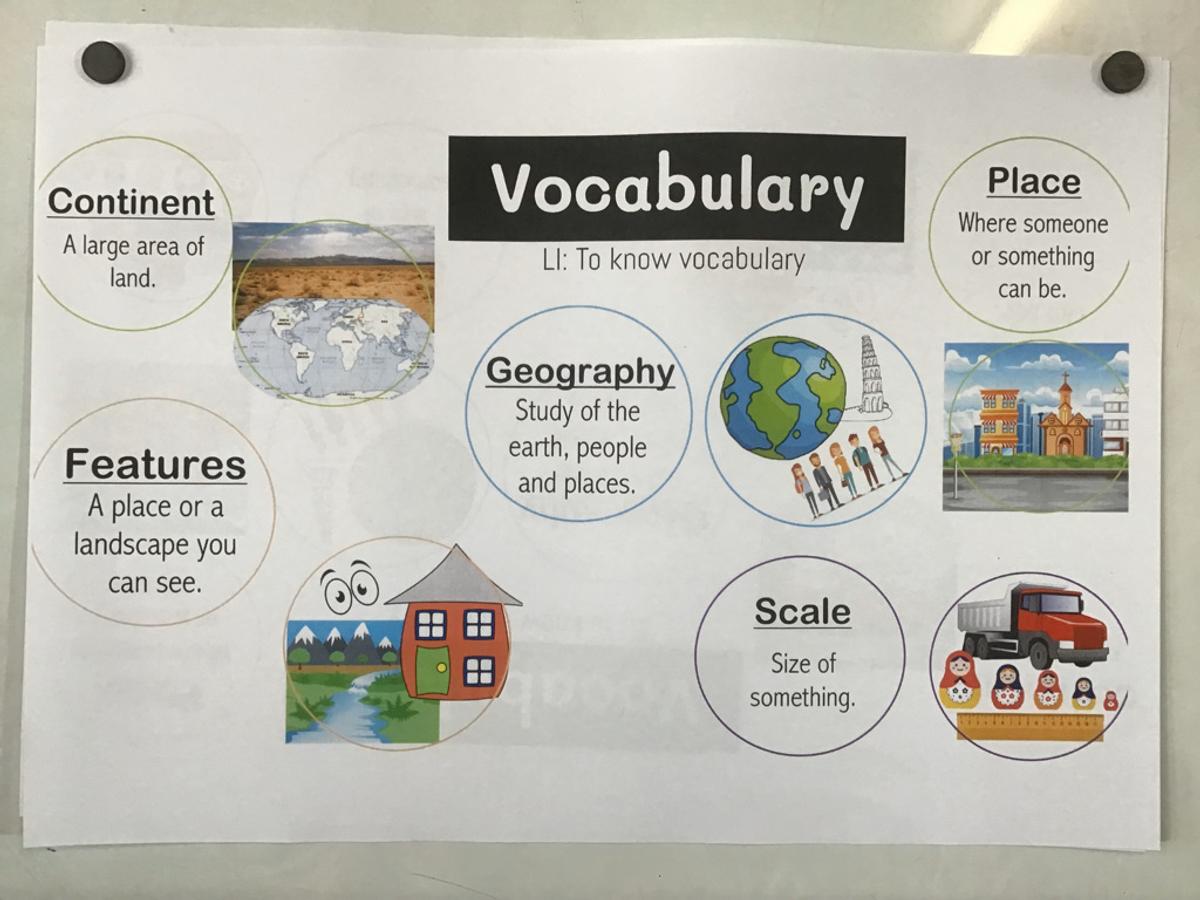
Vocabulary
5 words have been introduced to the students, learning these word meanings will assist them to use them in written and spoken activities.
These words include geography, features, place, continent and scale.

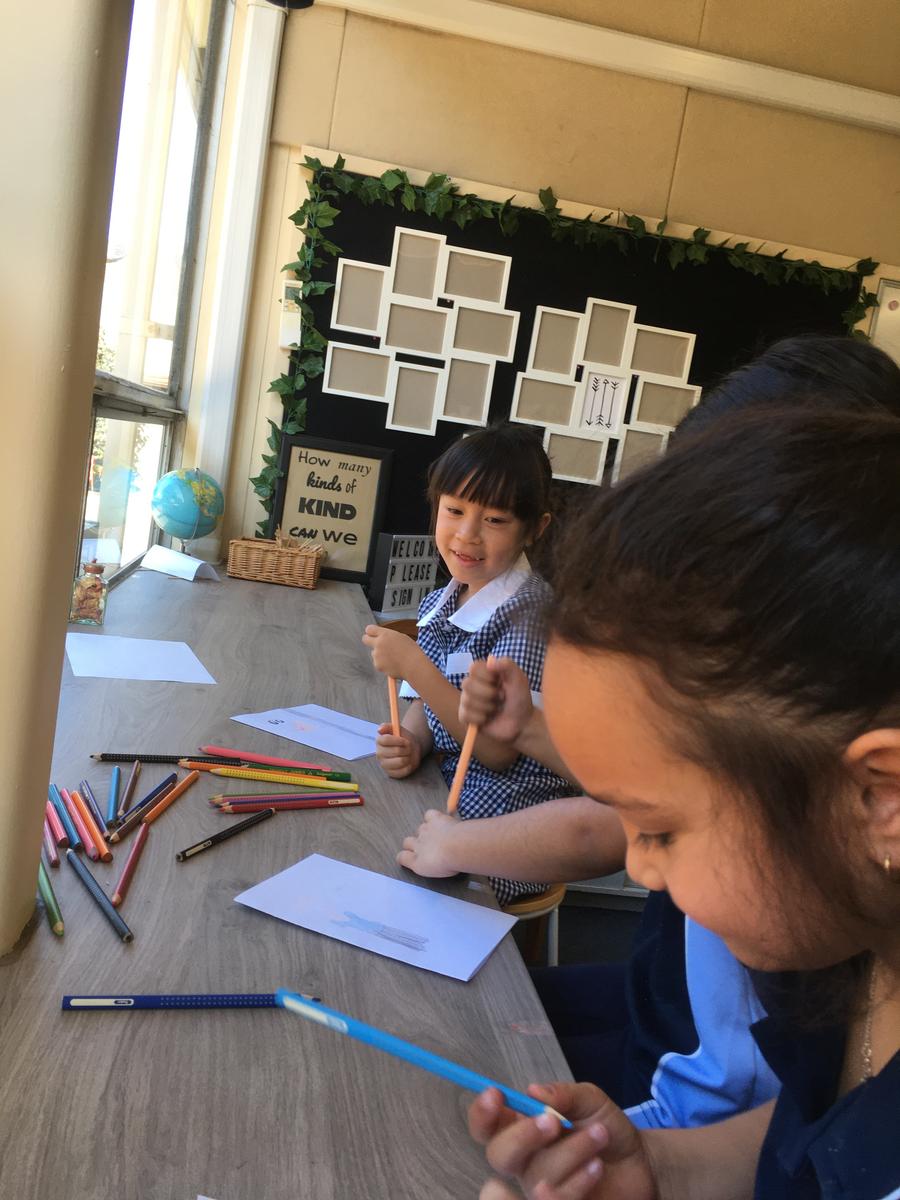
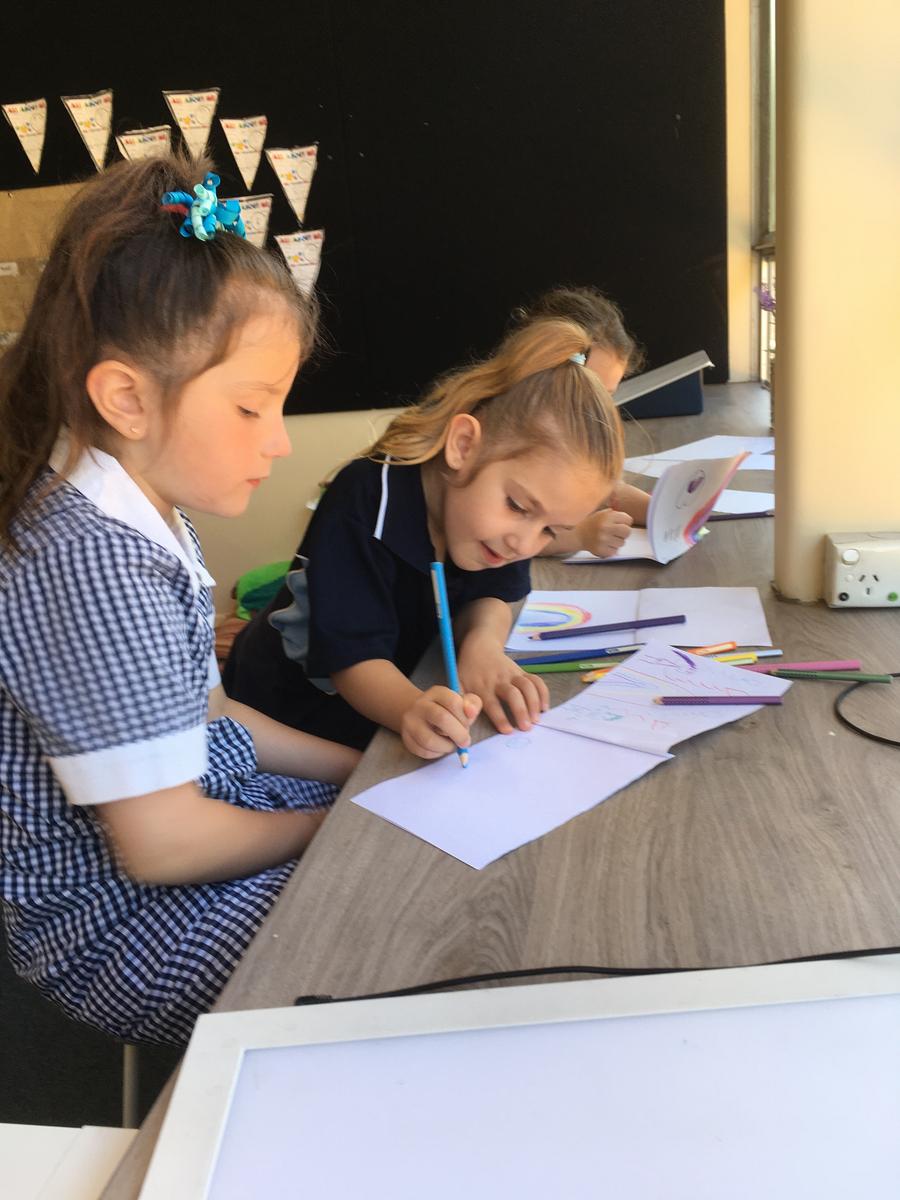
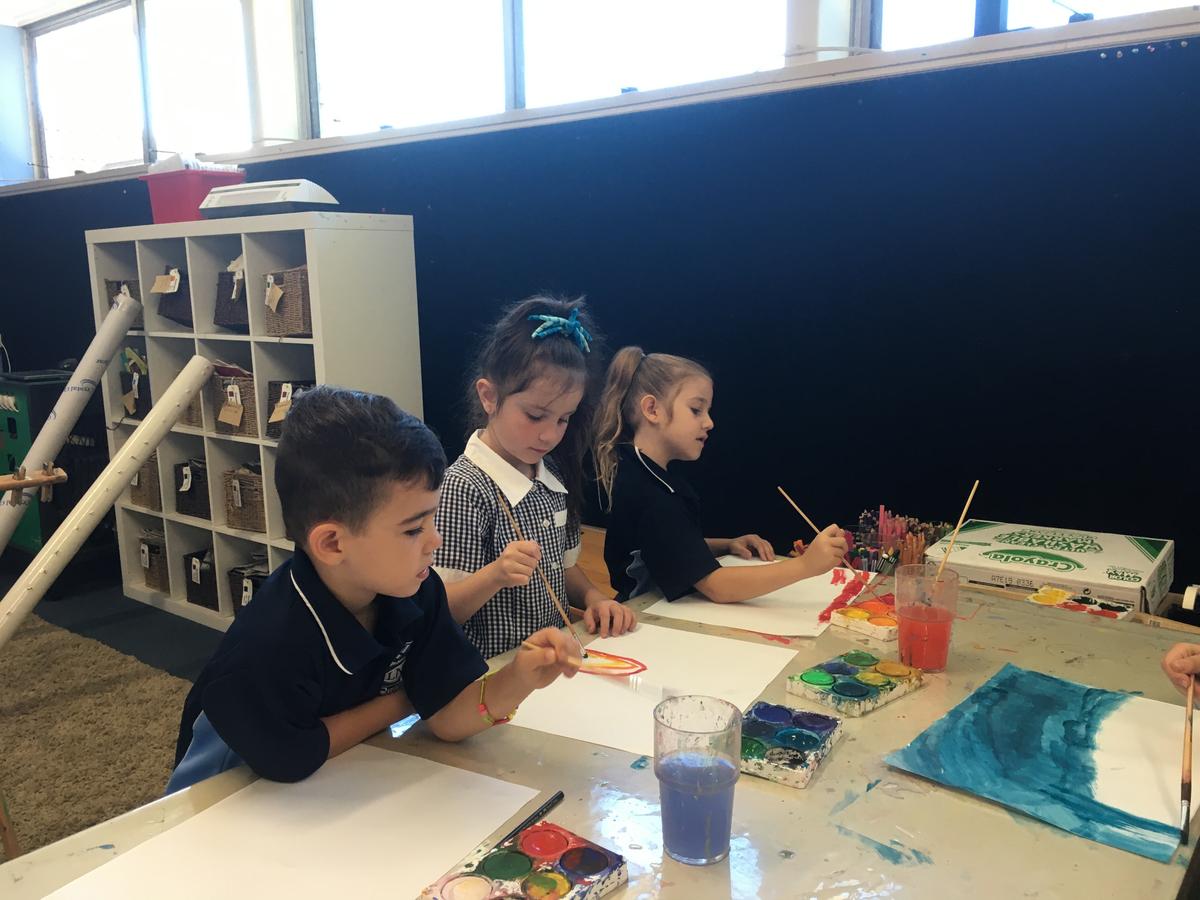
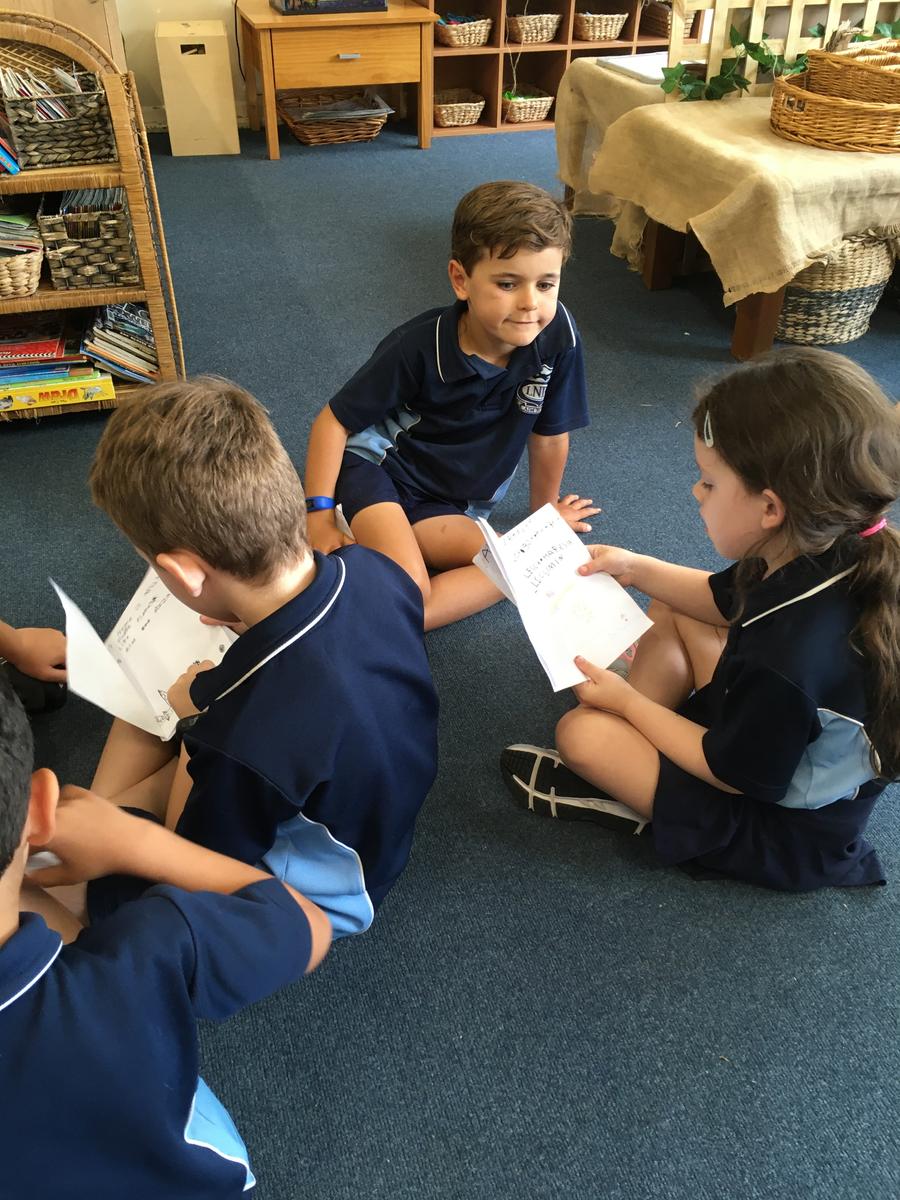

Inquiry
What is inquiry? – The Characteristics.
Inquiry based learning is a form of active learning where students pose questions, discuss problems that actively involve the over arching inquiry question. The overall goal is for students to make meaning. The teacher's role is to support students by helping them to refine their thinking and work out what they need to do next. The teacher also provides a wide range of resources that students can independently choose and use in their learning.
Inquiry learning is not restricted to a specific subject area, with students being encouraged to initiate their own topics or areas that they are interested in learning more about by posing wonderings or questions they have about a topic. Because students have chosen an aspect they are interested in, they are highly motivated to find out about it.
The poster below shows the 6 stage Inquiry cycle that students go through when investigating their own Inquiry.

Inquiry learning:
Recognises the importance of substantial knowledge
Promotes the ability to ask higher order questions
Contributes to the development of creative and effective problem solvers
Increases the motivation and engagement of students
Encourages cooperative group work as well as independent learning
Requires students to become information literate
Cultivates habits of mind such as critical and creative thinking
Develops in students a sense of social responsibility and personal values
Increases an understanding of the student’s own cognitive processes
Shifts from teacher-centred activity to student-centred learning
Science
The term started by finishing off our study of chemical science and how everyday materials can be physically changed.
The focus for Term 3 is on the external features of a selection of living things, their needs and habitats. We will also examine how they grow and change. Linking with the Australian Curriculum strand of Biological Sciences, students will be given the opportunity to predict, explore, investigate, identify and evaluate outcomes.
We will also celebrate Science Week later in the term. The theme is food. Students will have the opportunity to sample a variety of corn products, noting appearance, texture and taste. We will be working on flow charts and
In Term 4, we will be exploring earth and space sciences where students are encouraged to inquire into the world around them and beyond. The term will start by looking into weather patterns and why we have seasons. Students will investigate their local environment and the earth’s resources and their use in our everyday lives.
All Mellor classes have a double lesson of Science per week.
Richard Barwa
richard.barwa911@schools.sa.edu.au