We are powerful learners ...

 Lockleys North Primary School
English
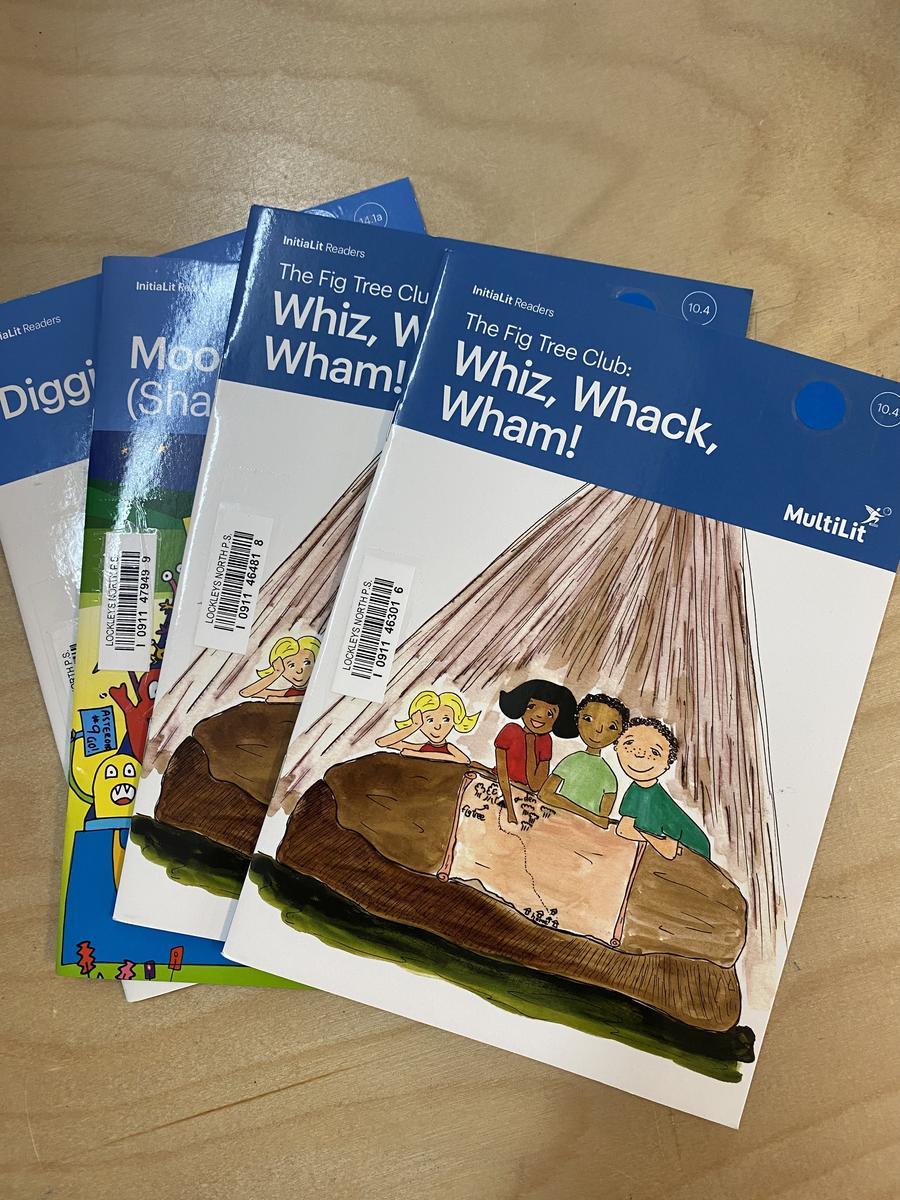
InitiaLit
Students are continuing with the InitiaLit literacy programme. For this, the Year 1s and the Year 2s work separately from each other with their own literacy teacher, who may not be their class teacher. Kathy Kite, Maddy Hicks, Amy Loprete and Sarah Kroemer run the Year 1 InitiaLit groups and Lauren McCulloch, Voula Pagonis, Mandy Jones and Richard Barwa run the Year 2 groups. These happen every morning from 9:00 am until recess.
During InitiaLit, students learn to break words up into sounds, how to group letters and what sounds they make and when to use which spelling choice (e.g ow and ou), how to read and spell tricky words, to develop vocabulary to talk about words (such as digraphs and trigraphs), grammar (nouns, verbs, adjectives, adverbs, etc.), reading comprehension skills, how to read fluently and learn new vocabulary. There are regular assessments to check what children understand and which skills need extra practice.
InitiaLit-1 (Year 1)
This term, the year 1s will learn many things in InitiaLit, including past tense and adding the suffix ed, adverbs and adding the suffix ly, contractions (can't, won't, etc.), the aw and au digraphs, the trigraphs ear, eer, air and are and when to use double f, l, s and ck at the end of words. We will also read the books Max, Harry by the Sea, The Story about Ping, some poems from Now We Are Six and the Day the Crayons Quit and learn new vocabulary from these books.
InitiaLit-2 (Year 2)
This term the year 2s will learn about compound words, the prefix re, soft c and g and silent letters k and b, inferring and finding the main idea, among other things. They will also listen to storybooks including Zoo, The True Story of the Three Little Pigs and You and Me Murrawee and learn vocabulary from them.
Ongoing progress monitoring using curriculum-based assessments are regularly used to identify and respond to the needs of children throughout the term.
Bookmaking
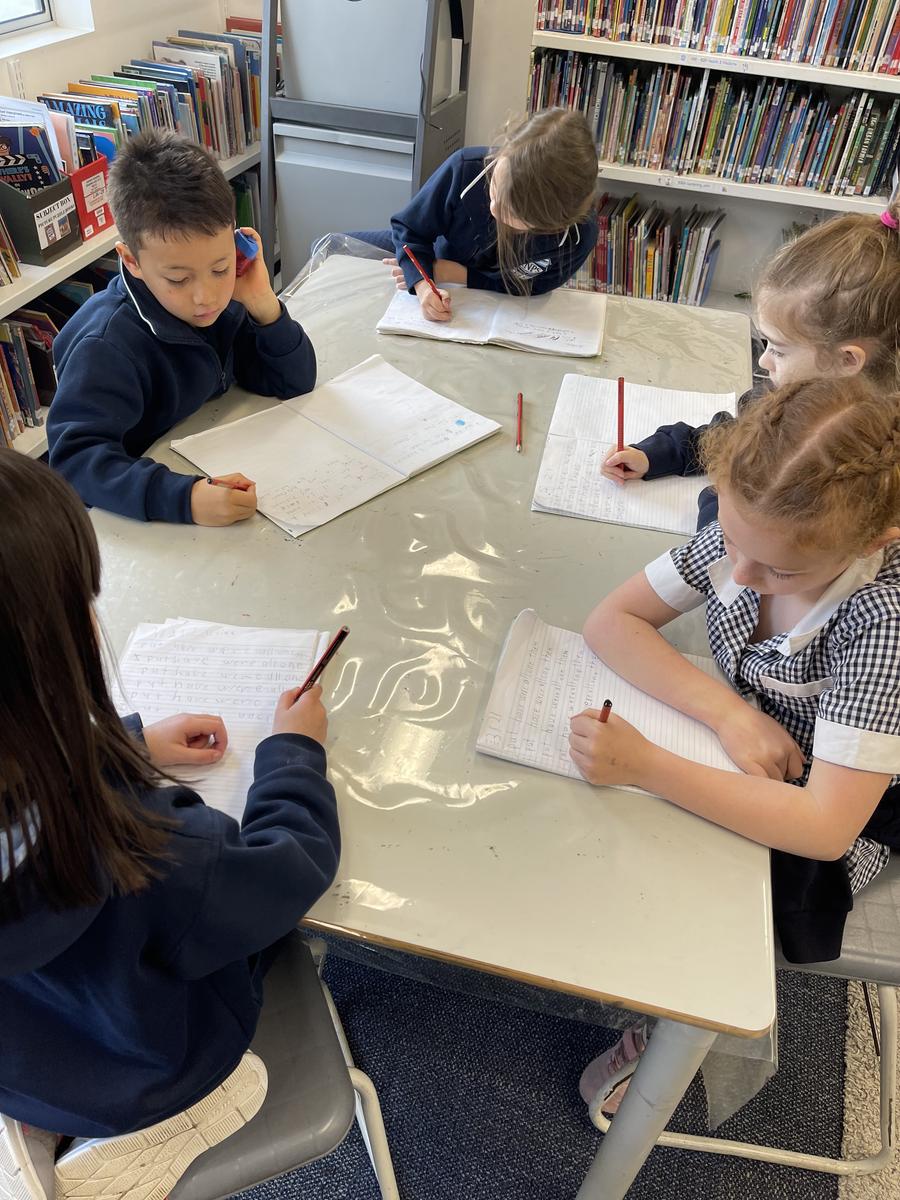
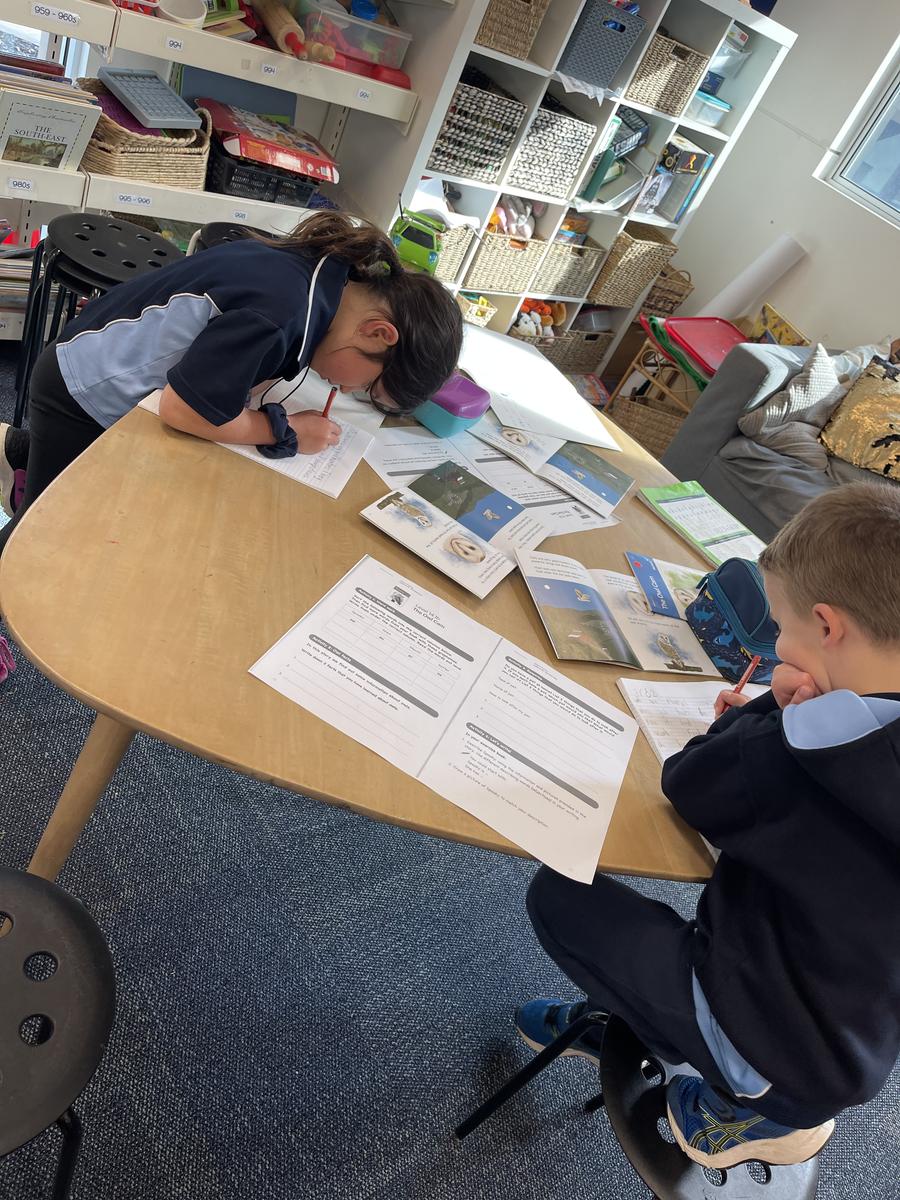
Students also participate in bookmaking each week. In bookmaking, students are able to create their own books and write about topics of their choice. Students are given particular learning intentions and success criteria for each session, focussing on ideas, voice, sentence fluency, organisation, vocabulary, conventions (grammar and punctuation) and presentation. This helps them to improve their writing. Students share their successful writing with other students to help them see ways to achieve the learning intention.
Learning Intentions and Success Criteria
In each lesson, students are informed about the learning intention and the success criteria. The Learning Intention (LI) describes the desired learning outcome from the lesson and the success criteria tell students what to do to be successful.
Text types
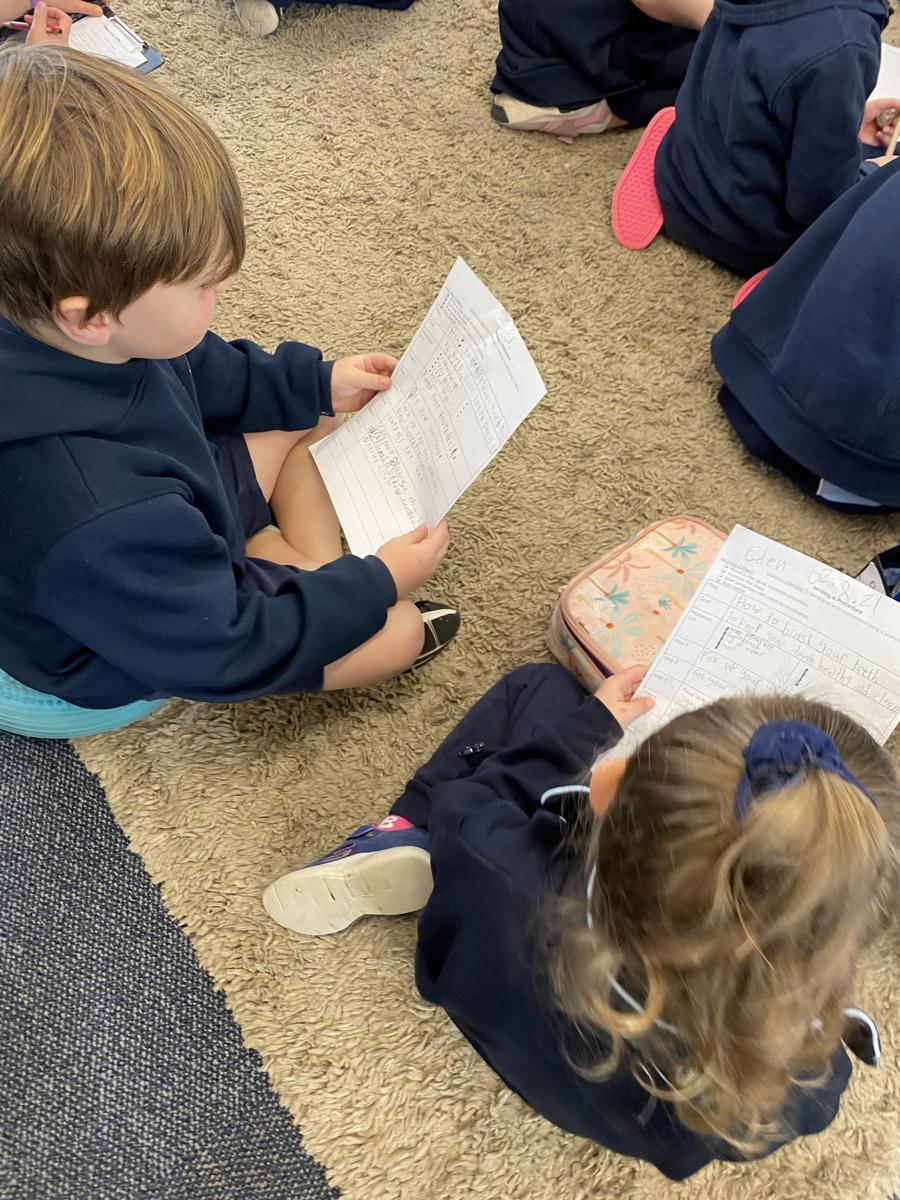
As well as completing the InitiaLit programme, students will also participate in lessons teaching them how to write particular text types. Year 1s will be learning about procedures in Term 3 and Year 2s will be learning about explanations. In Term 4, both Year 1s and 2s will be learning to write information reports.
Reading
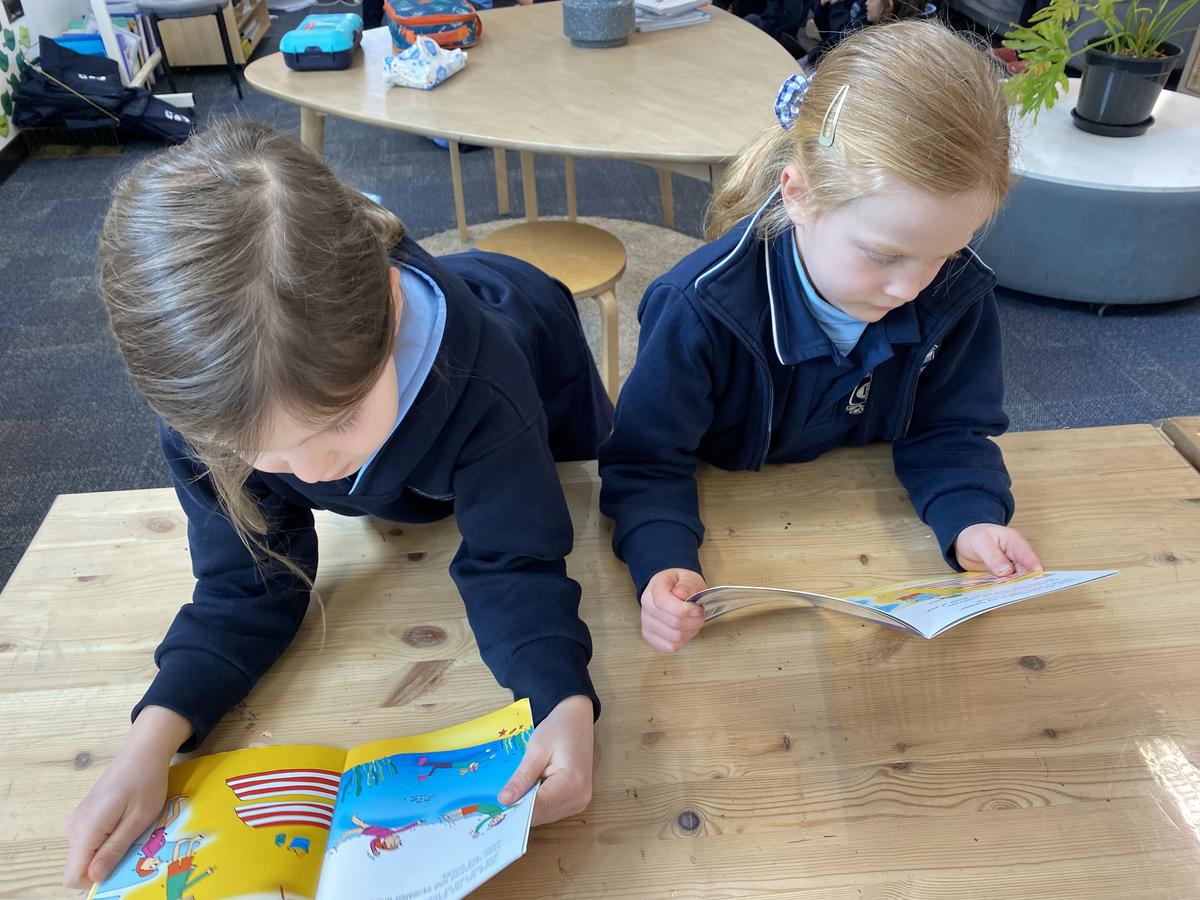
Students have received a Term 3 reading diary. It is very important that students read as many days of the week as possible (at least 4) and record their reading in their reading diary.
Premier's Reading Challenge
Books that are read can also be recorded on the Premier's Reading Challenge sheet. The Premier's Reading Challenge must be completed by the 3rd of September. Students need to read 8 books from the Premier's Reading Challenge booklist (these books have PRC stickers on them if they are in the school library) and 4 books of their choice, record the title and author on the sheet and get an adult to sign to verify that the books have been read before handing in their sheet. The awards come out in late November.
Maths
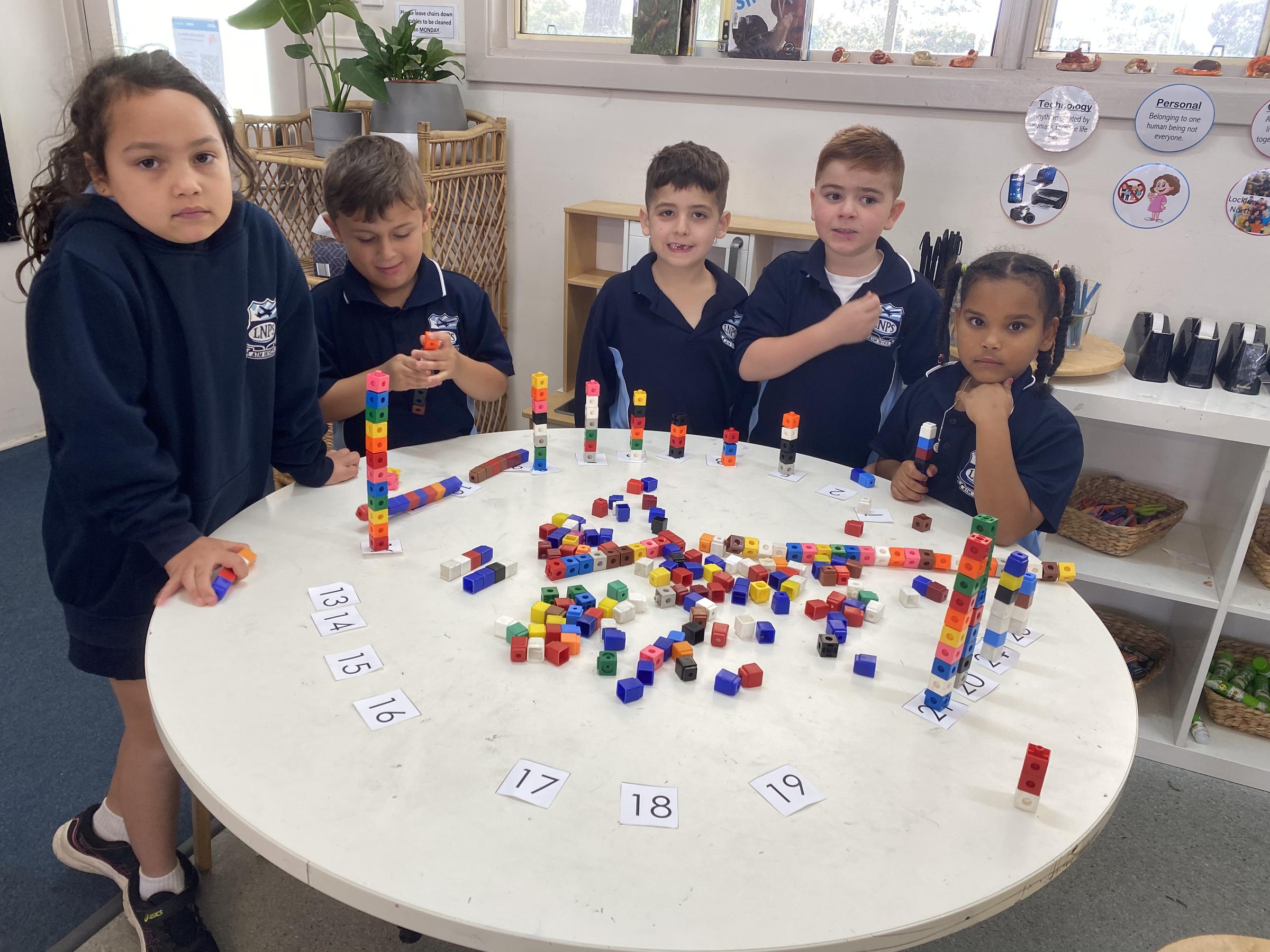
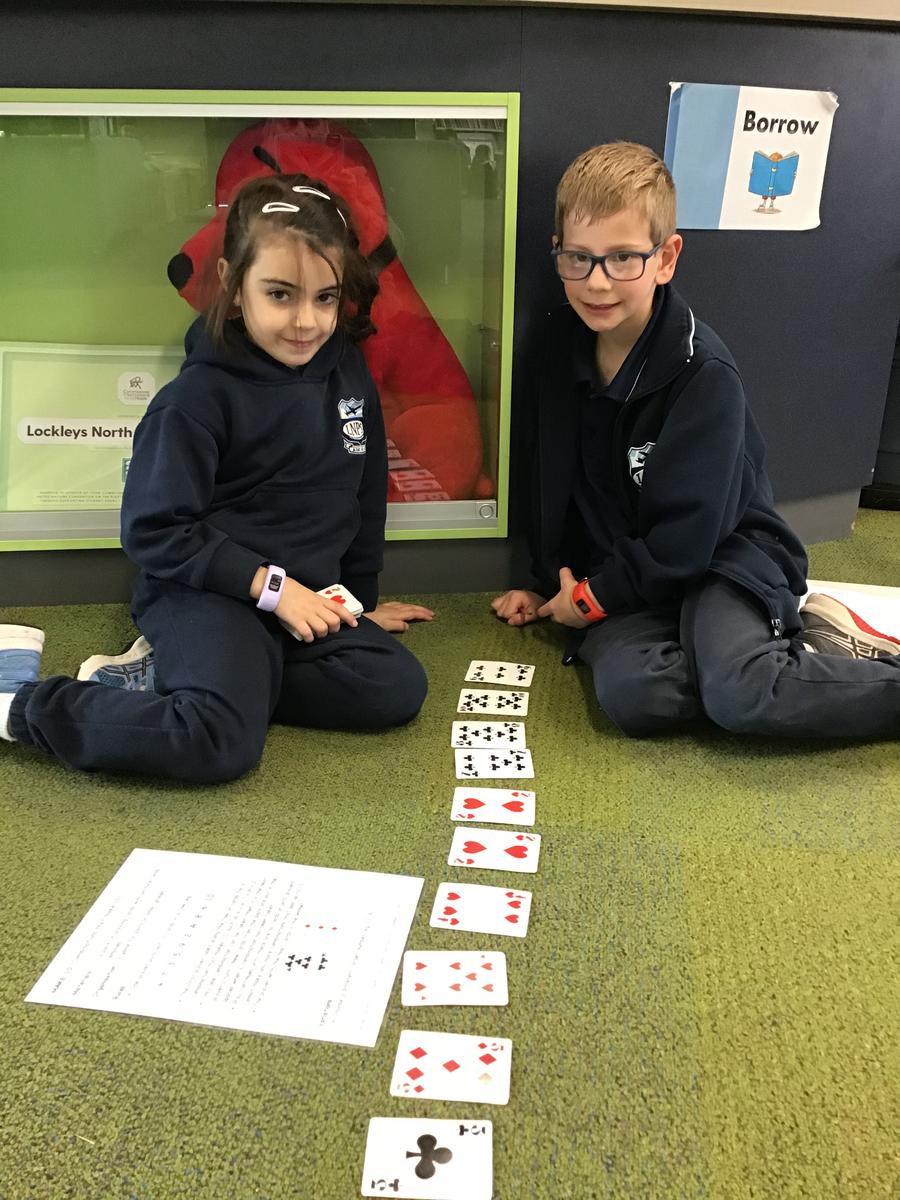
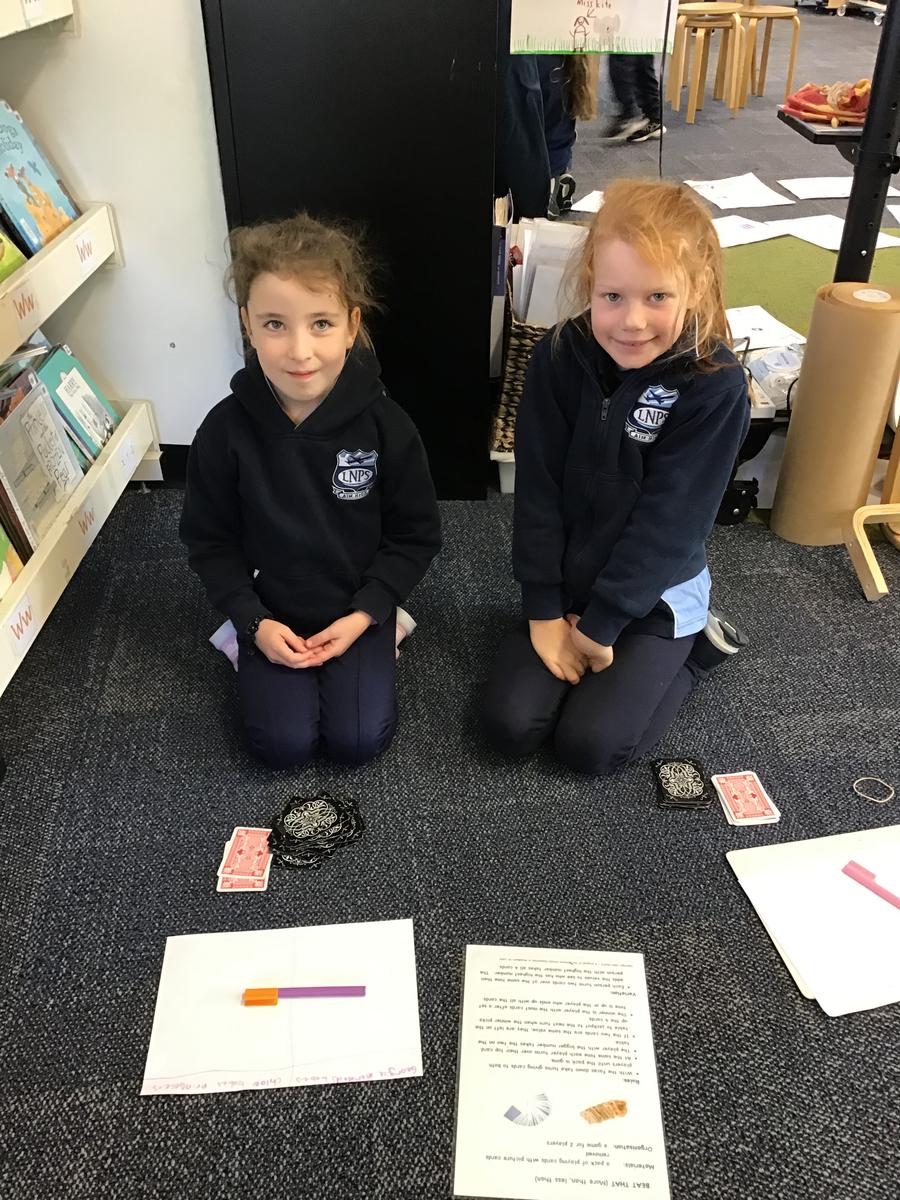
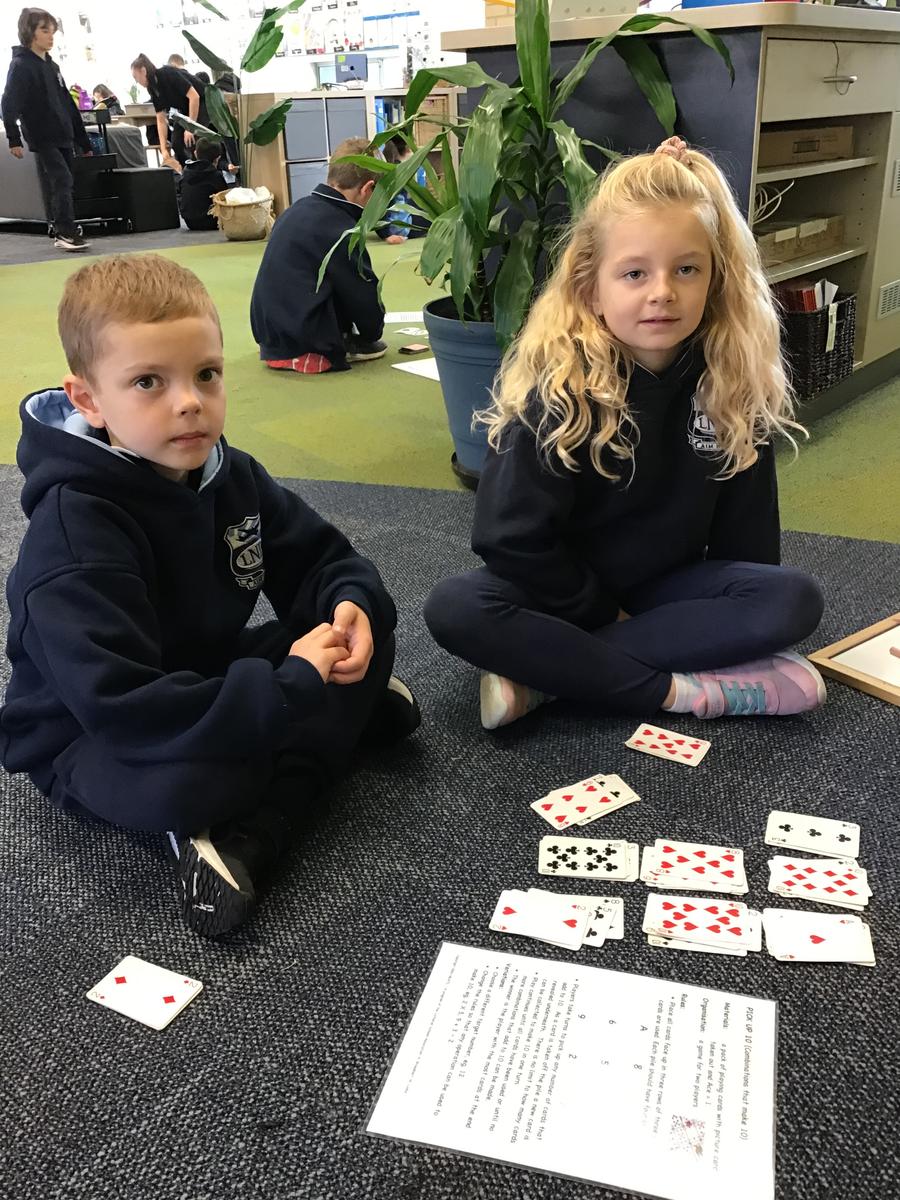
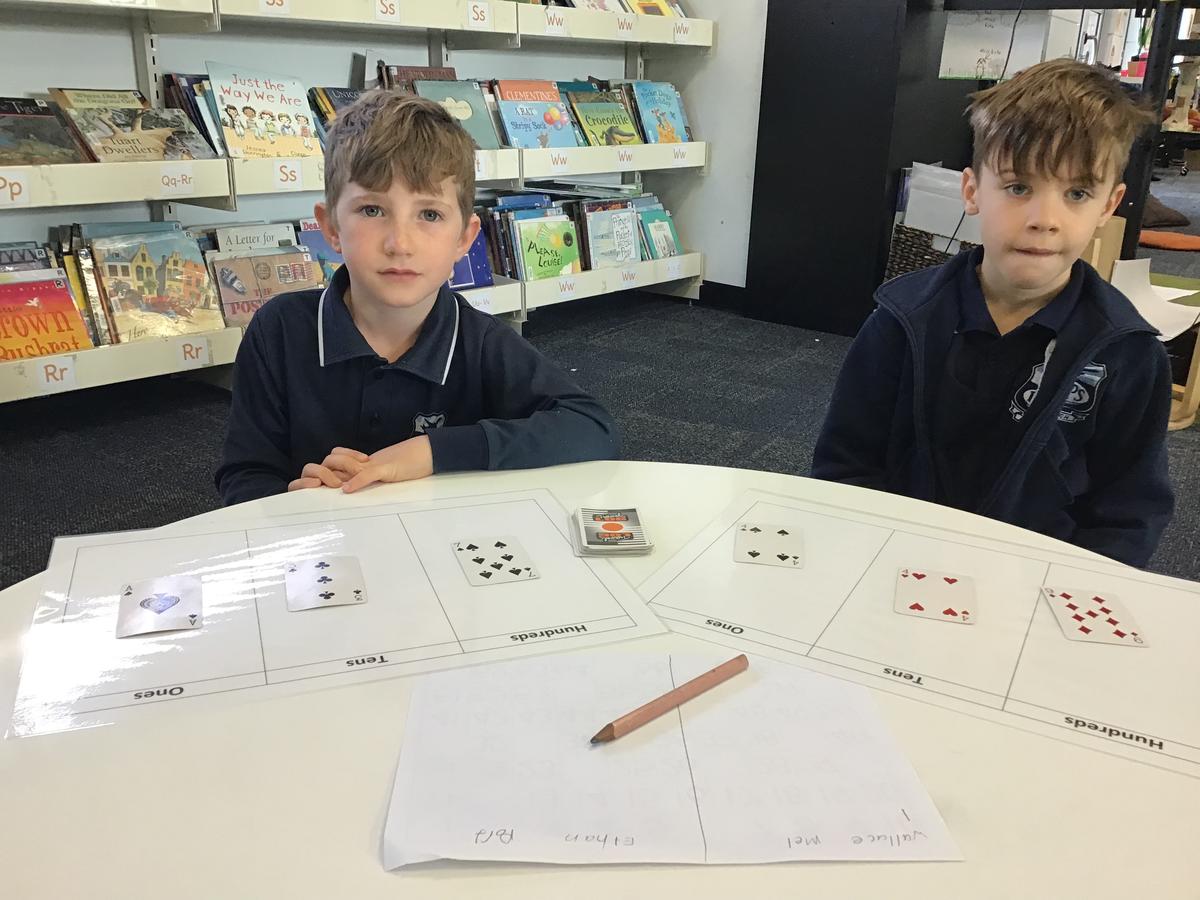
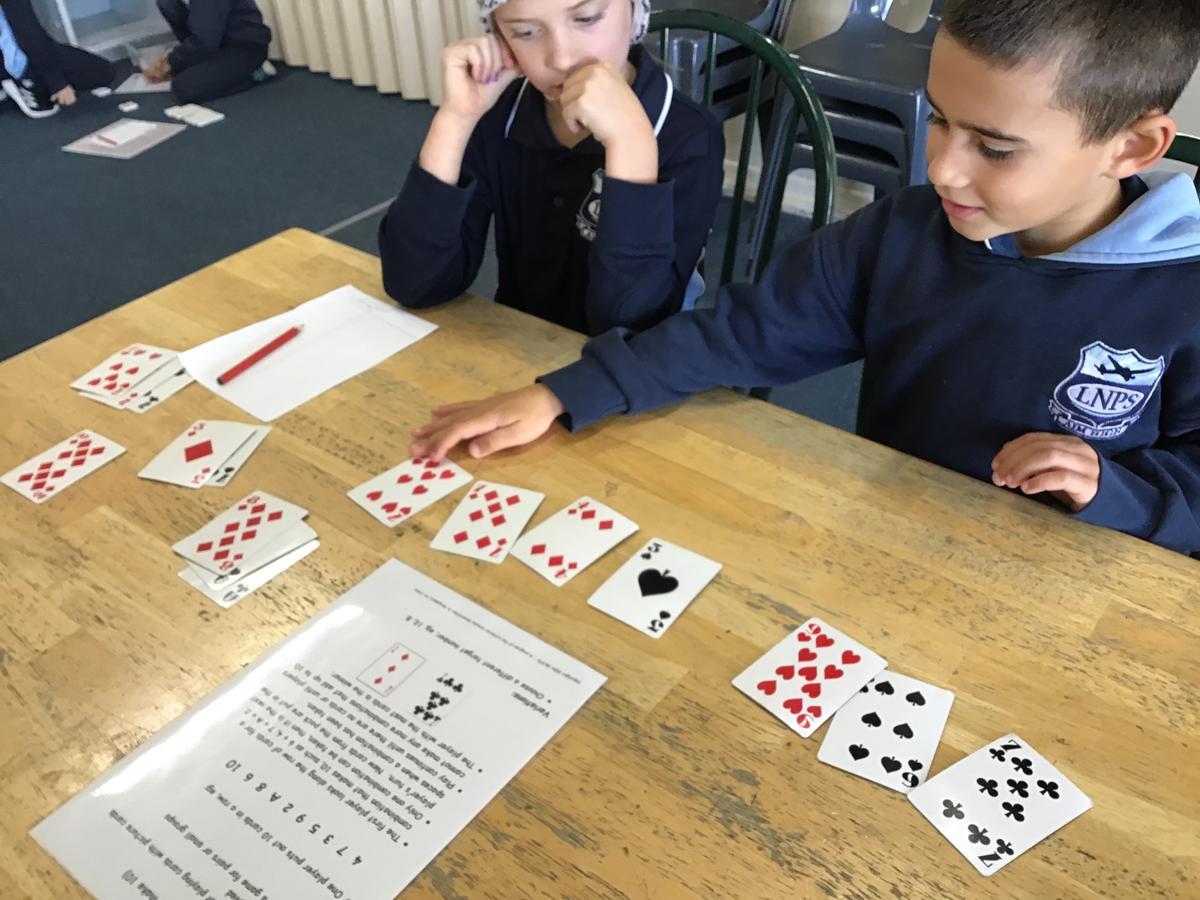
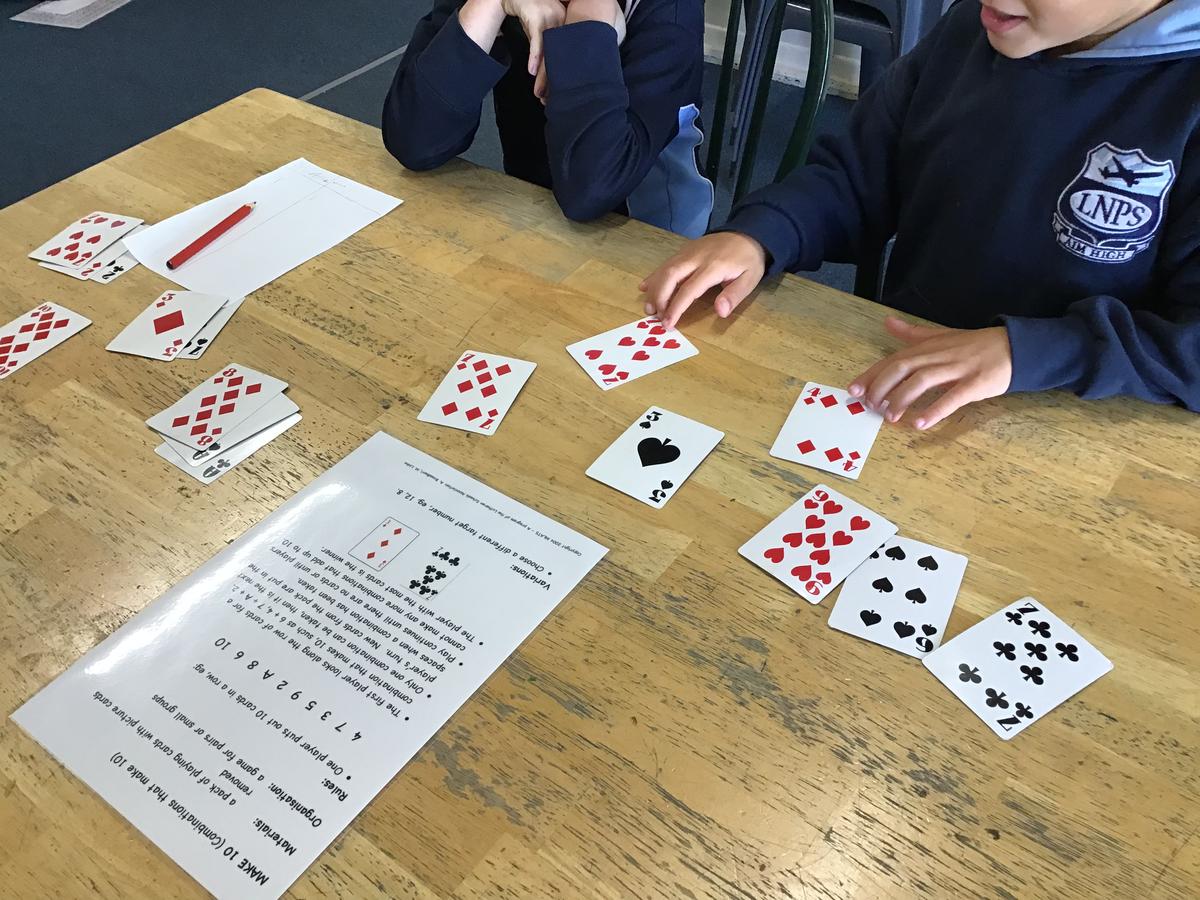
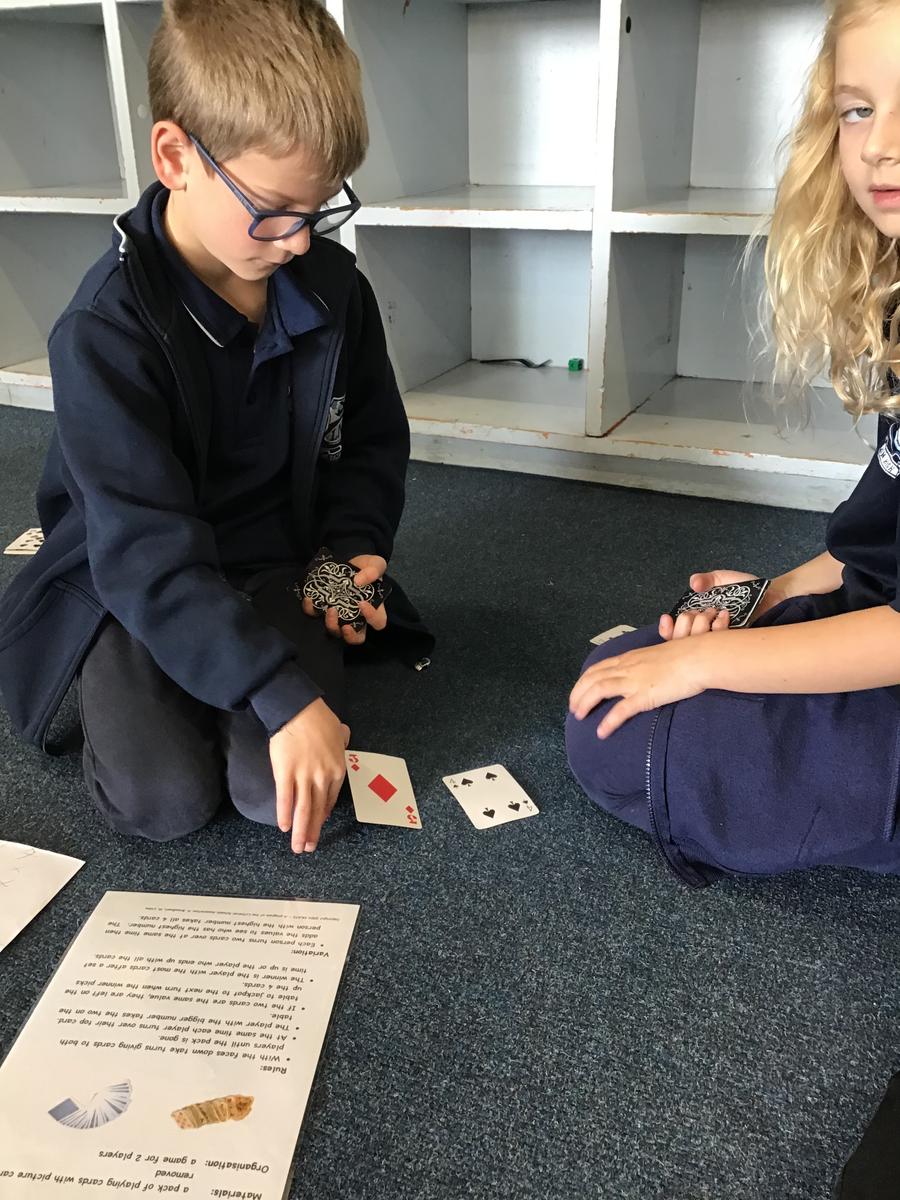
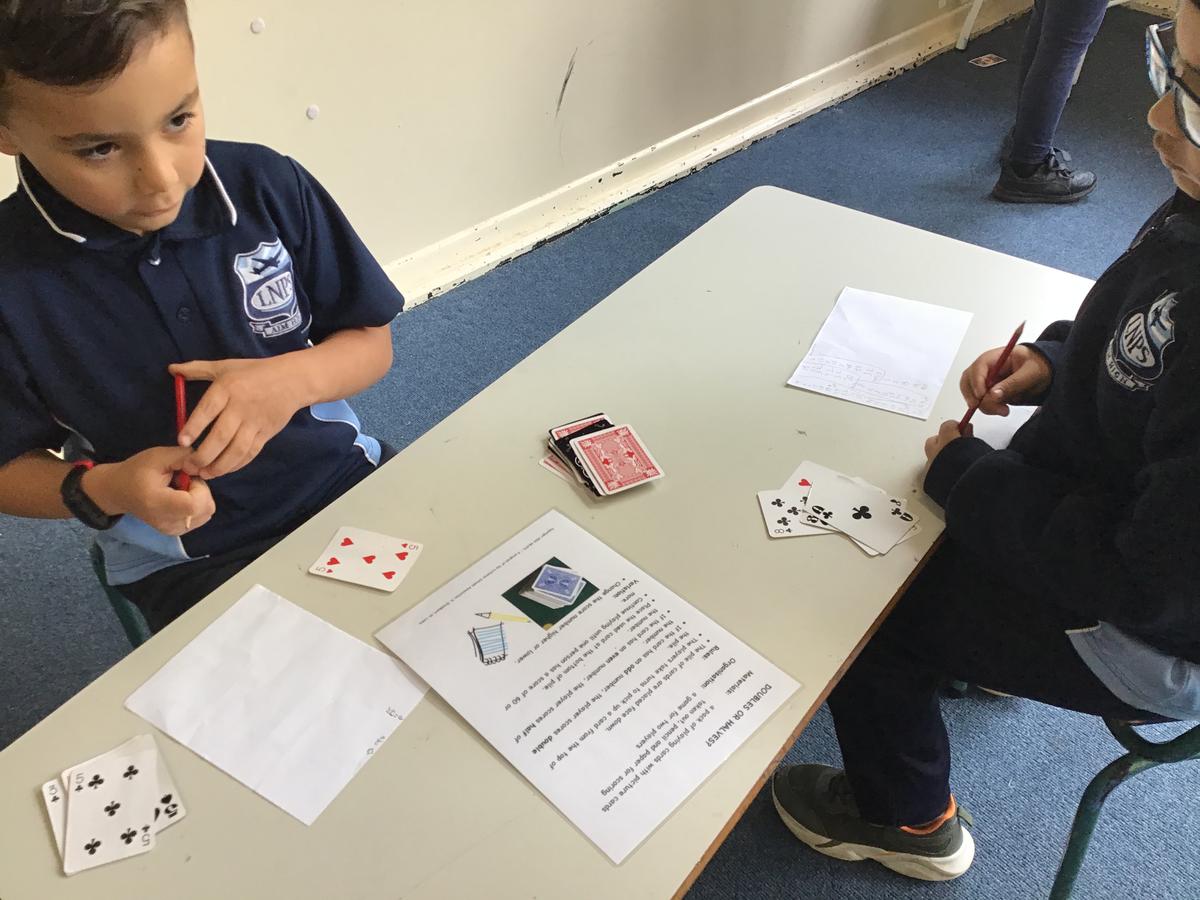
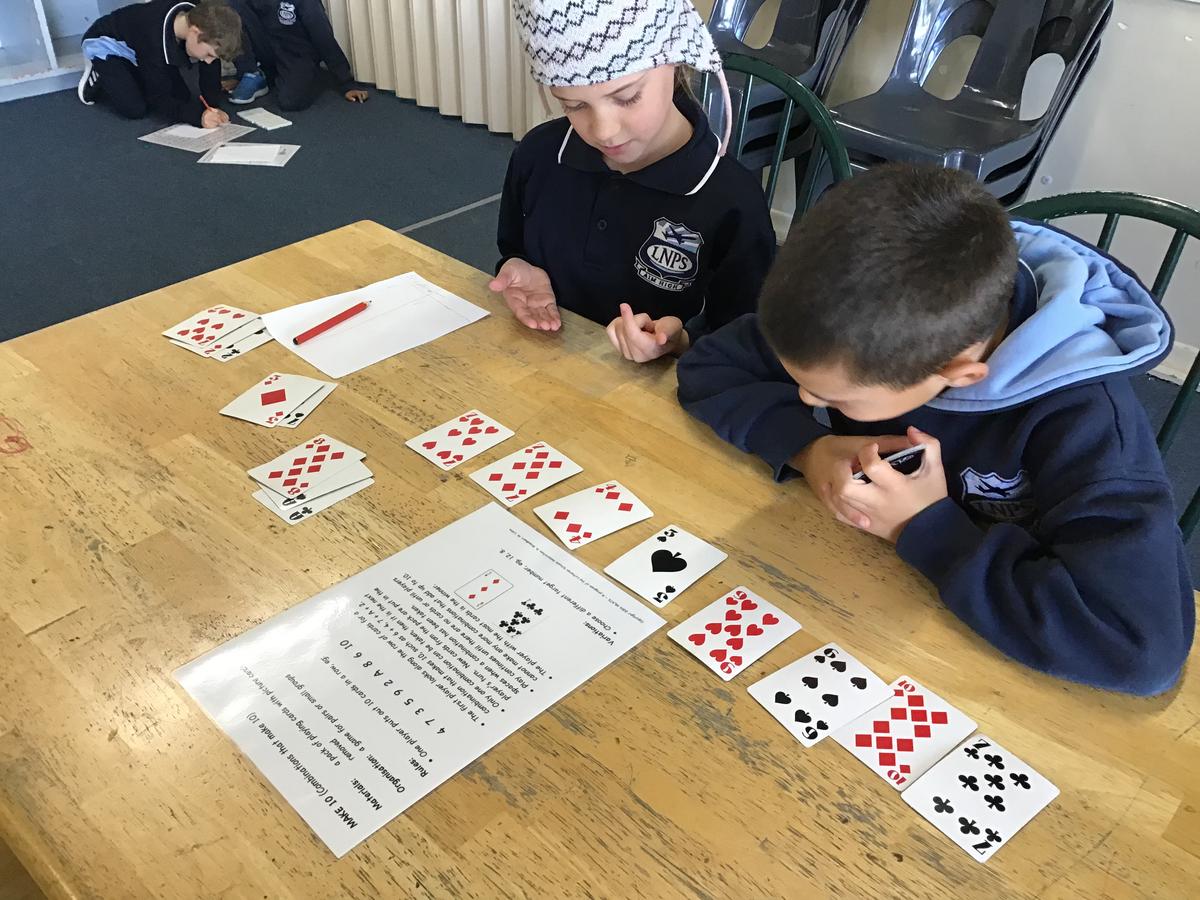
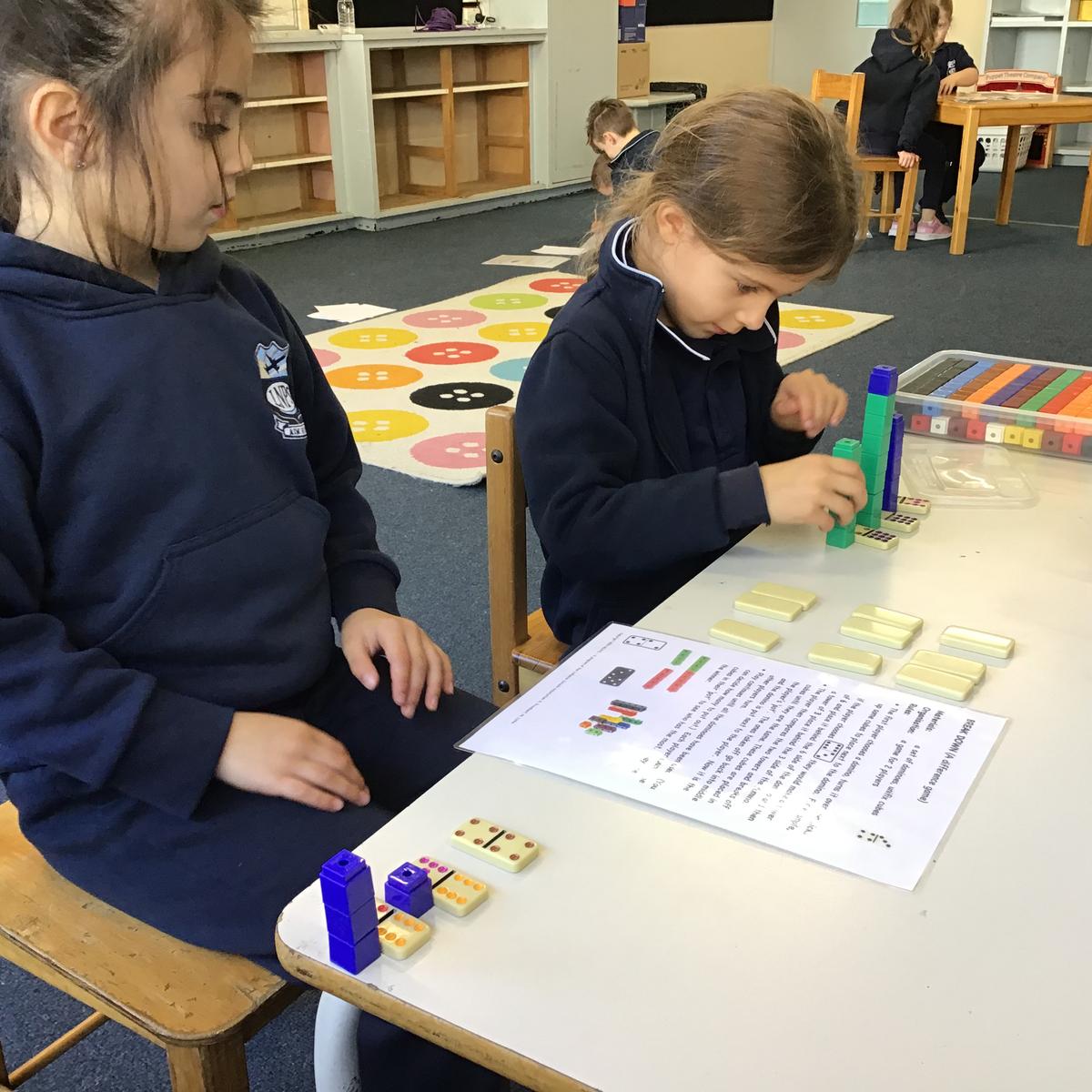
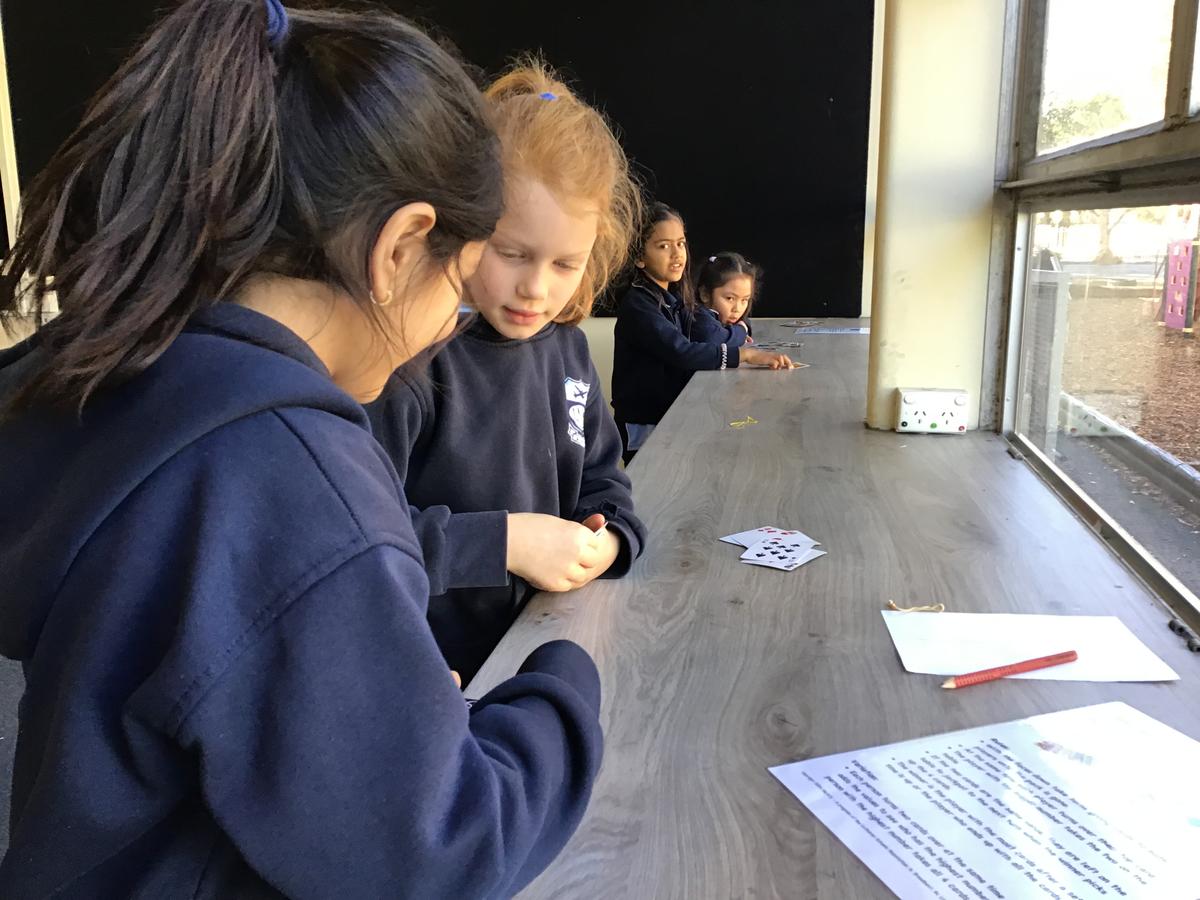
In Semester 2, we will continue to focus on developing students' number sense so students can count fluently, break numbers into parts and add and subtract efficiently. Students will also be introduced to multiplication and division.
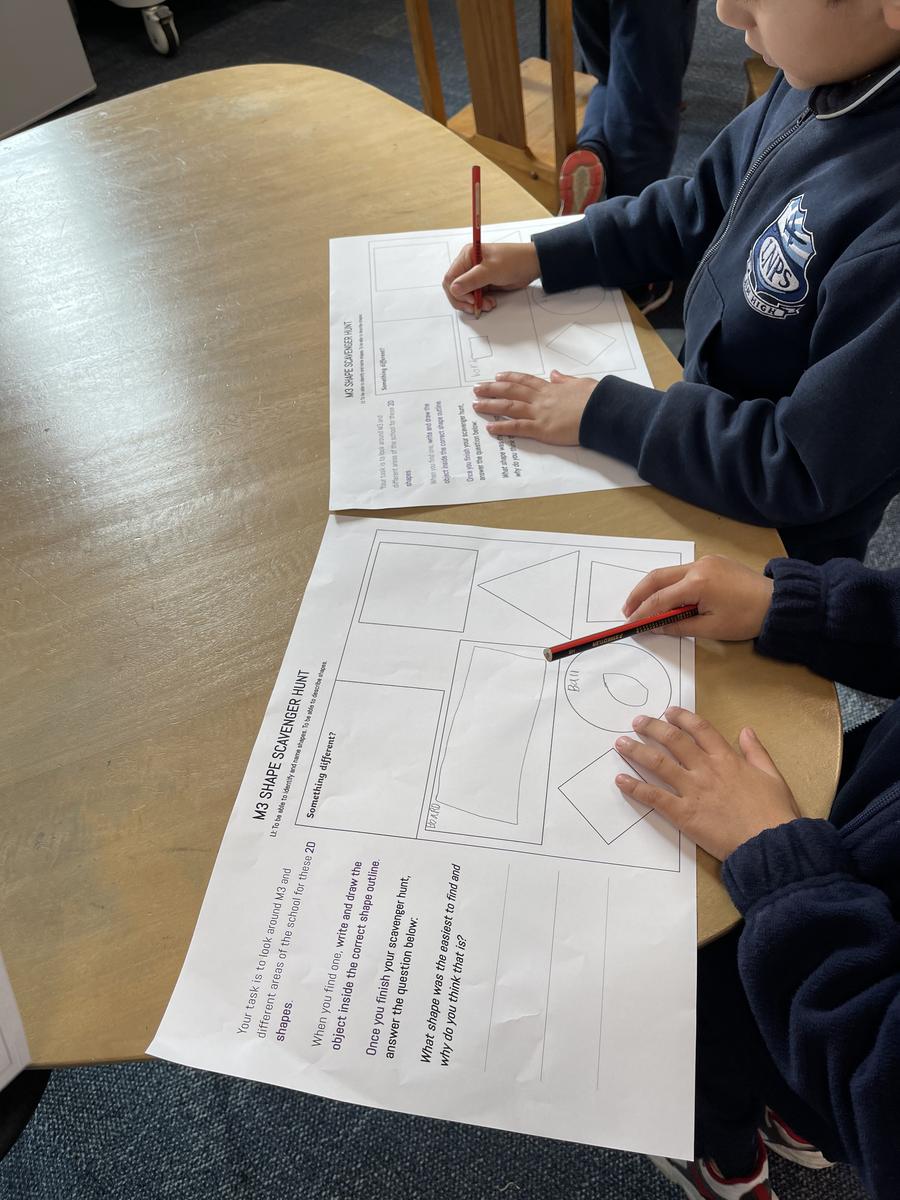
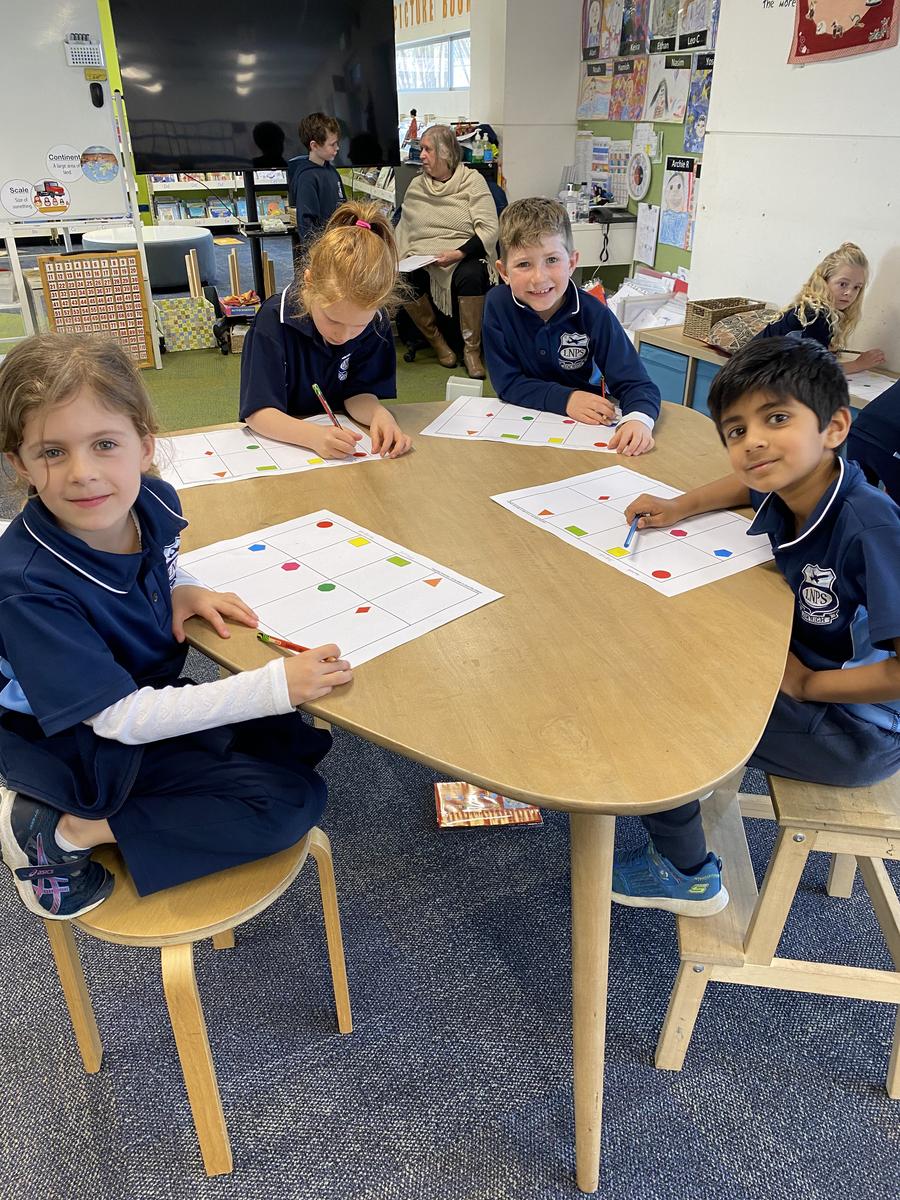
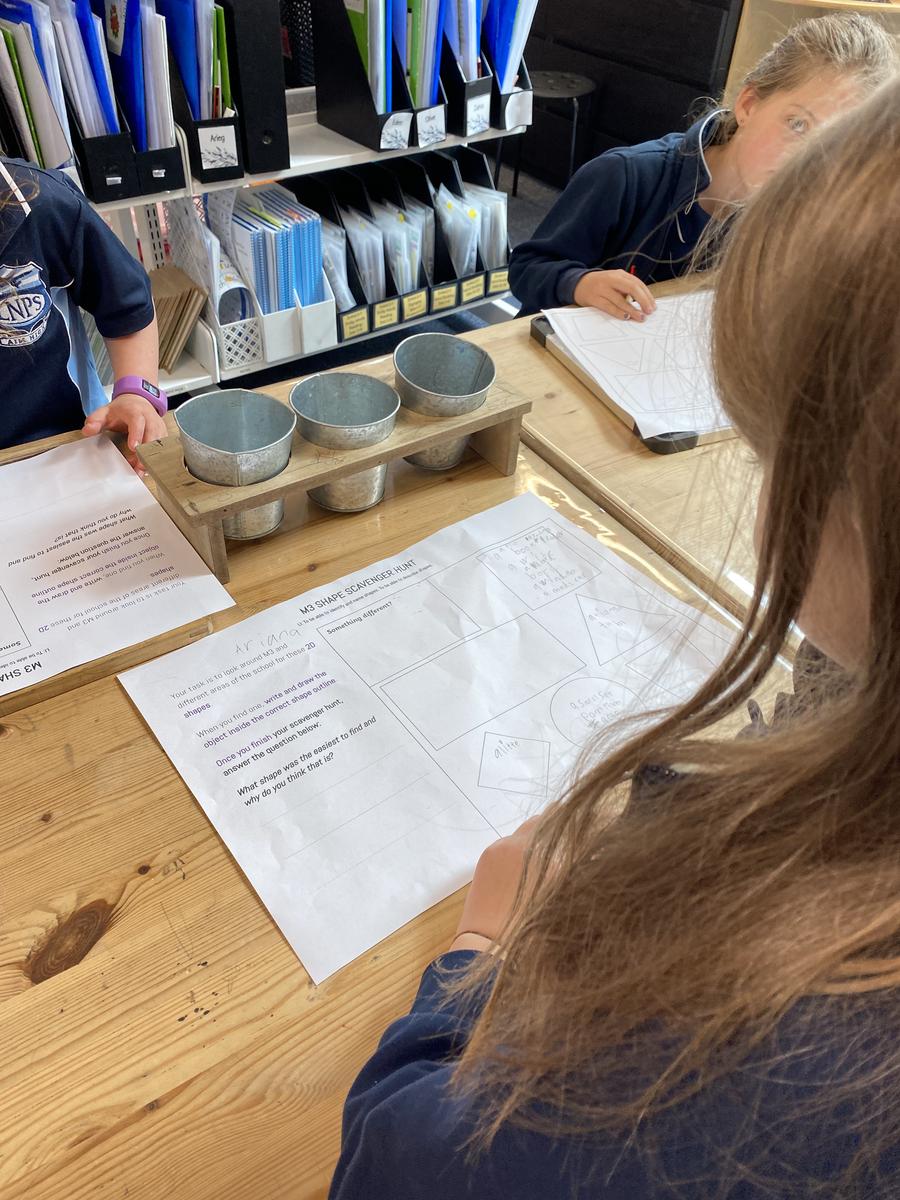
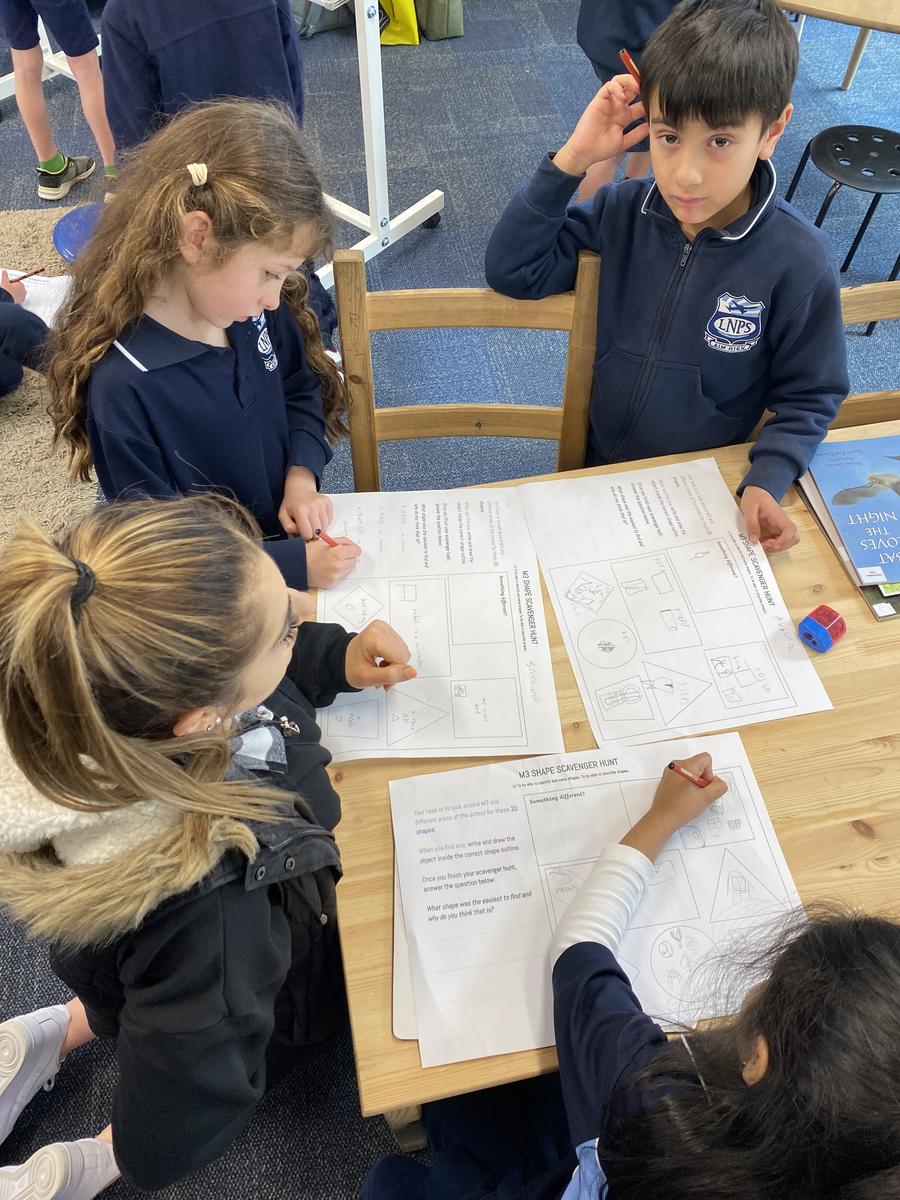
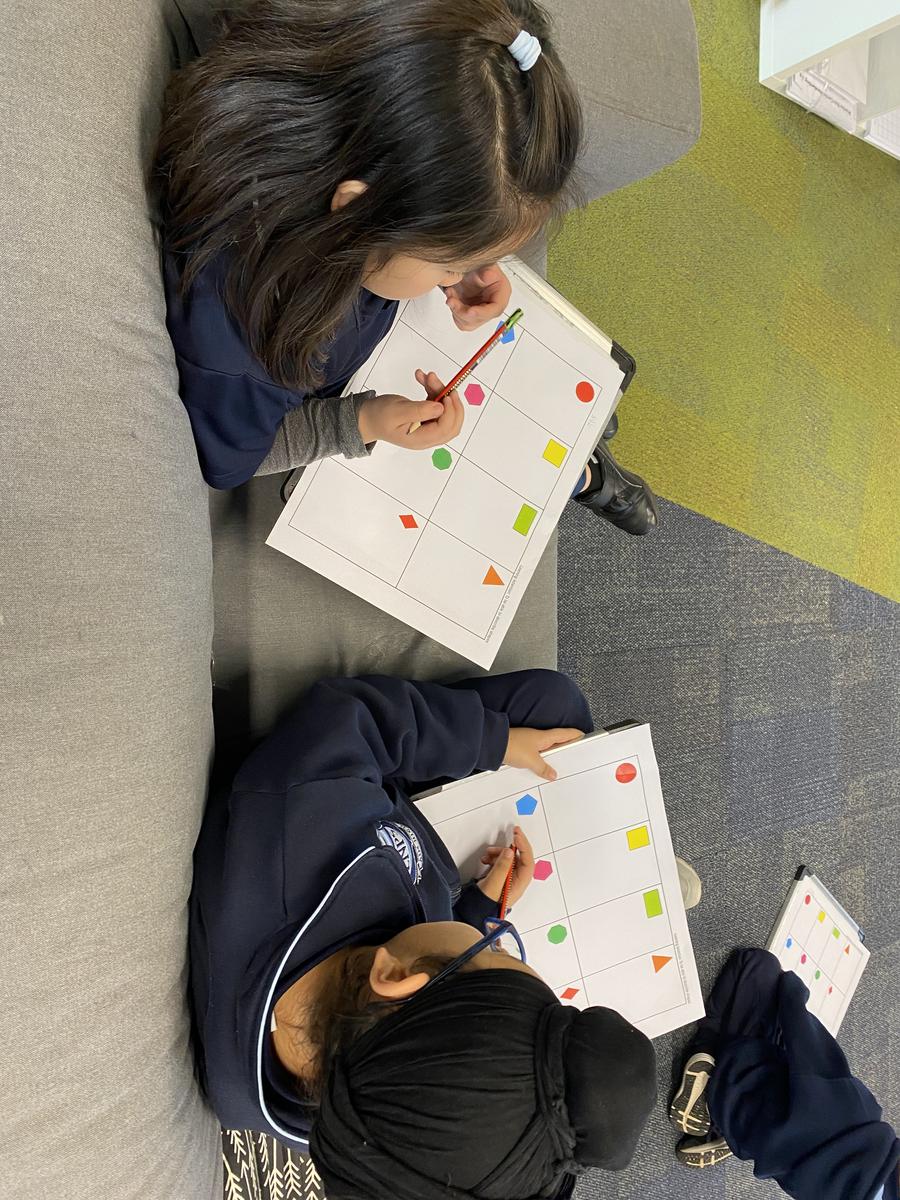
Students will also learn to draw and describe 2D shapes and 3D objects, using vocabulary such as corners, vertices, edges and faces. They will learn how to interpret maps, how to collect and display data and to describe what could happen and how likely it is. They will recognise, order and count Australian coins and compare and order objects based on their mass and capacity.
ICT
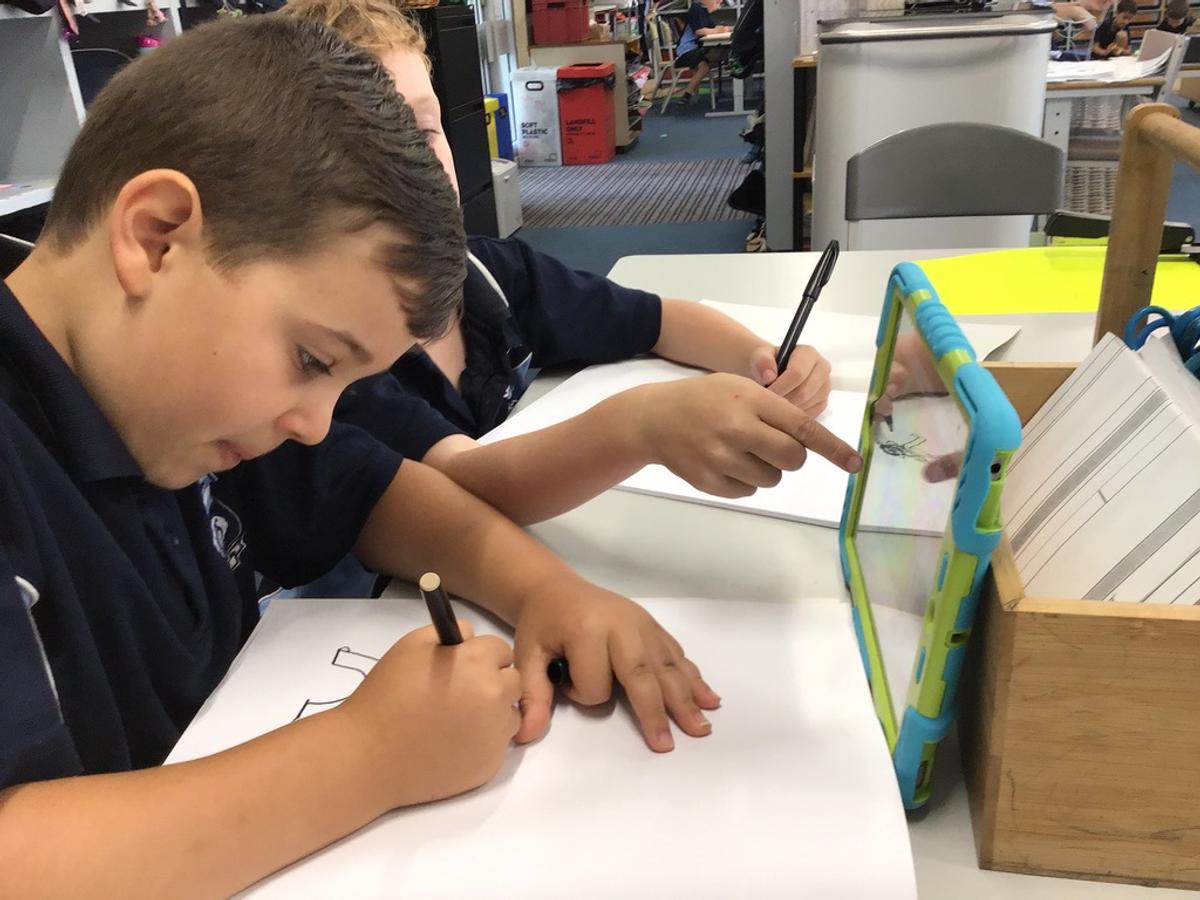
It was fantastic to see students and parents using the Google Classroom and to have students participating in Google Meets during the lockdown. We appreciate the effort parents put in to help their children with this. Now that students are back at school, we encourage continued use of the Google Classroom. The Homework Grid is displayed on there as well as many useful links. Students will be continuing to increase their skills in accessing Chromebooks and ipads at school.
All students will also be given a login so that they can access a Code.org account, where they can learn to code, giving instructions to make creatures move and create simple animations and games. Students who have learnt how to use this will also be able to access it at home.