Wellbeing
Amanda Wilson | Assistant Principal
Jess Norder | Mental Health and Wellbeing Leader




 Hampton Primary School
Wellbeing
Amanda Wilson | Assistant Principal
Jess Norder | Mental Health and Wellbeing Leader
By Isla. F and Oscar. M
What is Dyslexia?
To explain Dyslexia you have to explain neurodiversity. Neurodiversity is how our brains work differently. Every brain is special and unique but they have been sorted into many groups. ADHD, Autism, Dyscalculia, Dyslexia and Anxiety are examples yet there are many more. But being dyslexic does not mean you are the same as every other dyslexic person, everyone experiences it differently, same with all types of neurodiverse people. Also if you have Dyslexia you might be neurodiverse in other ways. It is common to have multiple neurodiverse diagnoses. Dyslexia is basically a reading/writing disability that can often affect spelling too. It means having trouble reading, writing, spelling and having correct grammar. If you search up ‘what is dyslexia?’ it will often come up with ‘disability’ and ‘lifelong’. But I (personally) think being neurodiverse is more of a superpower.
Why do we celebrate the month?
We celebrate the month because even though there is all this amazing support and these brilliant resources, we still have dyslexics who feel unseen and weird and some still want to hide that they have Dyslexia. This month is about making everyone feel seen and heard. There is nothing wrong about being dyslexic and some people just don't know it yet.
How can you help?
Easy.
Spread the message.
Many people still do not know about Dyslexia. It is our job to teach them and help them learn about it so they can support too. You can help raise the profile of Dysilexia by sharing messages of famous people with Dyslexia such as Tom Cruise, Albert Einstein, Steve Jobs, Leonardo Da Vinci, George Washington, Pablo Picasso and Abraham Lincon.
Raise some money for charities.
You can do things in your own back yard such as run a lemonade stand or a garage sale. Or you can organise a school bake sale or a non-school-uniform day with a gold coin donation. Even $10 will make a difference.
Inform Teachers.
If you have any role in design making you might want to organise a teacher information session where you can inform teachers what Dyslexia is and how they can support their dyslexic students. This will help the students a lot.
Make extra support available.
If you try teaching dyslexic or neurodiverse students the same way as everyone else it might not work. Different students, different learning strategies. But ask them if they want the help too, you can't force them into it.
Bring up conversations about it in the classroom.
Talking about Dyslexia and neurodiversity in class will make it feel more normal (even though it already is). You might want to let your students know that your classroom is a neurodiverse-positive classroom.
Dav Pilkey - author of Dog Man
Dav is living proof that you can have Dyslexia and ADHD and still have an amazing life filled with success, fame and pure brilliance. His graphic novels/comics bring laughs to anyone and everyone.
Liz Pichon - author of Tom Gates
Liz went through school not knowing of her Dyslexia but later realised when her son was diagnosed. She still went on writing a best-selling series.
Lewis Carrol - author of Alice In Wonderland
Lewis struggled with literacy as a kid which pushed him to mathematics. But his creative pull and strong imagination dragged him into story telling. He is now the author of ‘Alice in Wonderland’ and ‘The Jabberwocky’.
Thank you for all your support and continue celebrating and spreading news about neurodiversity and Dyslexia.
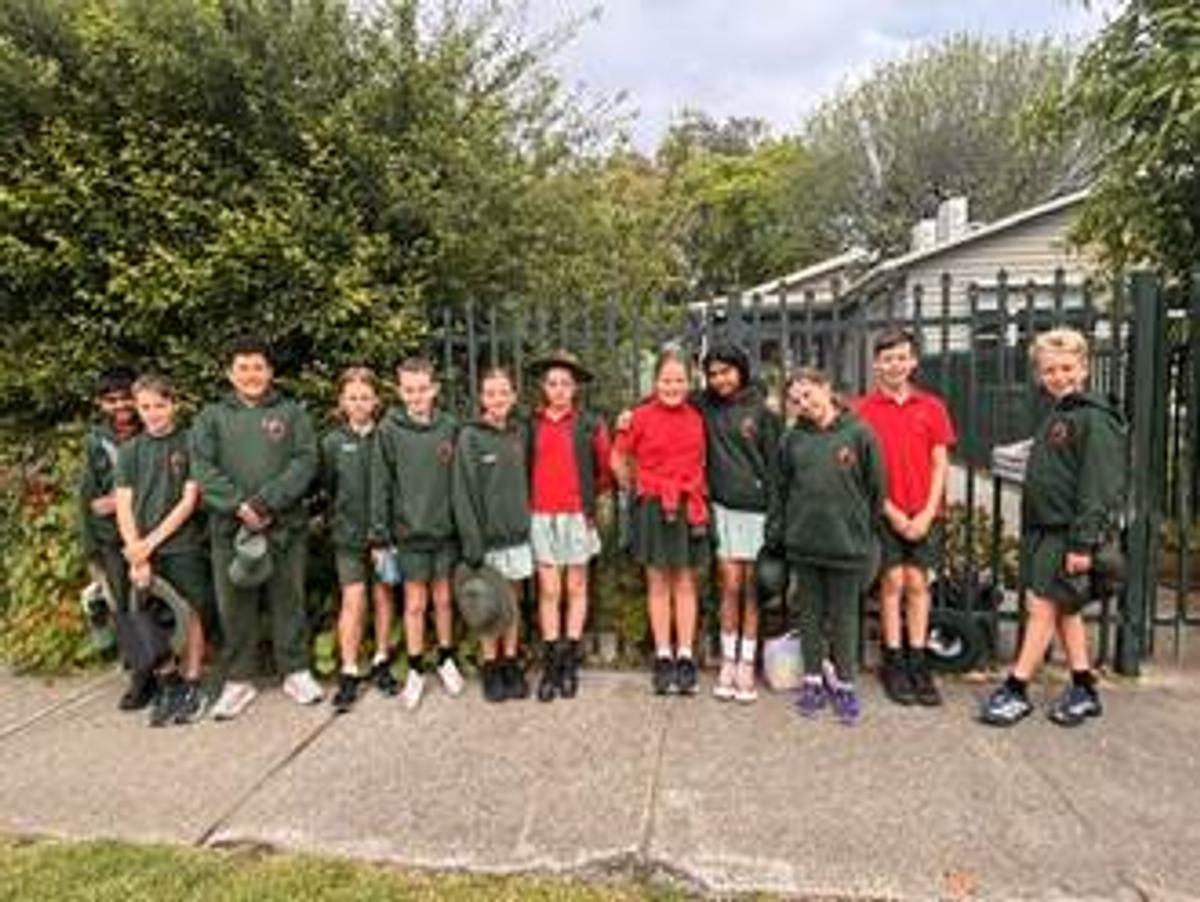
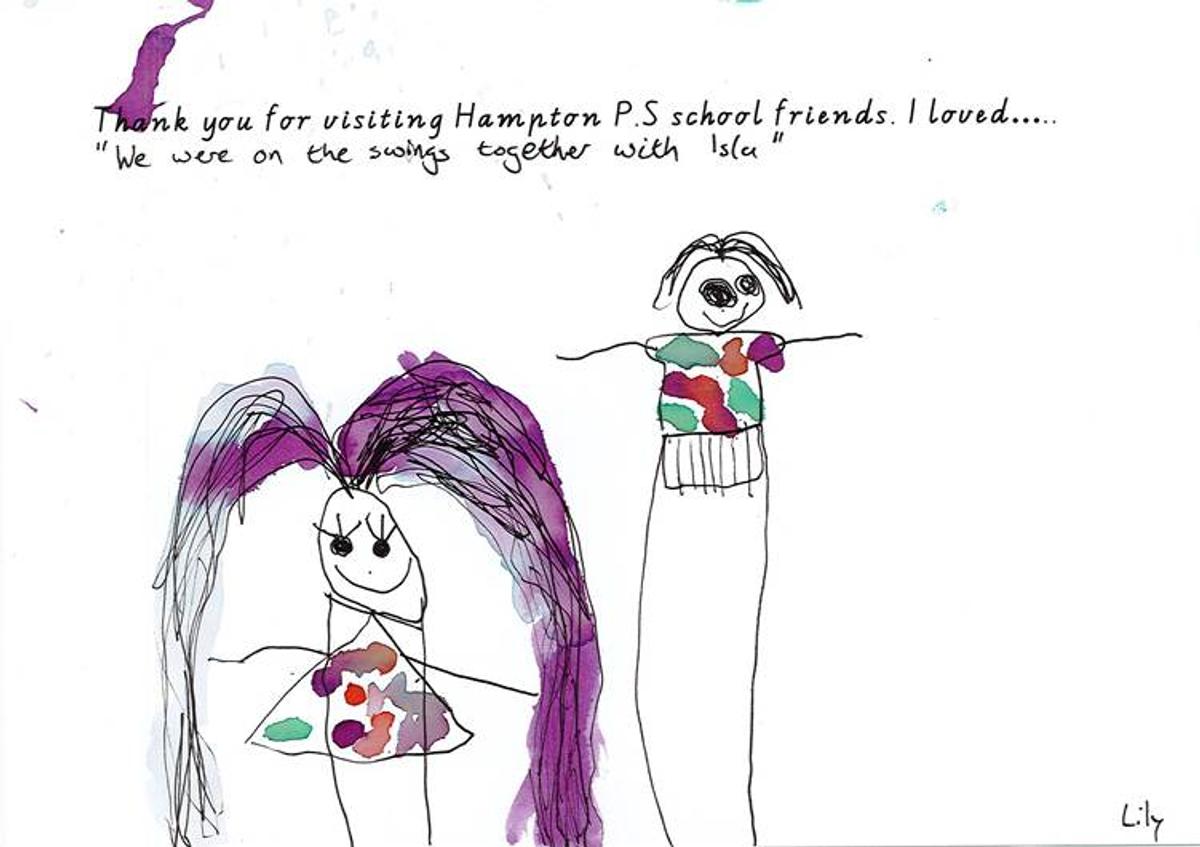
On Thursday the 22nd of October, the Peacemakers went and visited the Emu group at Helen Paul Kindergarten. We played with the kinder kids for about an hour. It was so much fun playing with the Emus! This was the first visit out of 3. The Peacemakers get to go back on the 29th of October and the 5th of November!!
But the kindergarten visit wasn't only fun for us. As soon as we walked through the door we could feel the buzz from the Emus. They welcomed us immediately, letting us into their latest projects and beloved teddies. The group was full of excitement. Just what we had hoped for. We wanted to share with Helen Paul Emus how primary school works and a little bit about ourselves.
The day started with us meeting the Emus (and the turtles, Snapper and Speedy). We played inside for a bit before singing a few songs. After that we went outside for some fresh air and a snack. Sadly, that was when we had to leave the Emus and head back to school.
The trip taught us that even as kinder kids you can make creations, build on friendships and discover new ones. These skills are equally important in kindergarten and grade 6.
Visiting the Emus was so much fun, a great excursion and an awesome experience. We can’t wait to see them again!!
By Isla Fox and Leo Wright-Duncan
We then visited the Emu group on Thursday the 29th of October and the 5th of November. In summary, the kindergarten visit was very fun with lots of great activities such asdigging in the sand pit and looking for treasure, playing tag, playing pirate ships, collecting snails and playing spies. And those were just the things that we did outside. Inside we did things like watching the turtles, (Speedy and Snapper), doing puzzles, painting, reading to them and building cubby houses. We wish we could go back and play with them a bit more. Overall we had a great time with the kids and they really enjoyed it as well.
Thank you to Jess Norder for taking the time out of her day to take us down to the kindergarten.
By Jack O’Donnell and Oscar Sharland
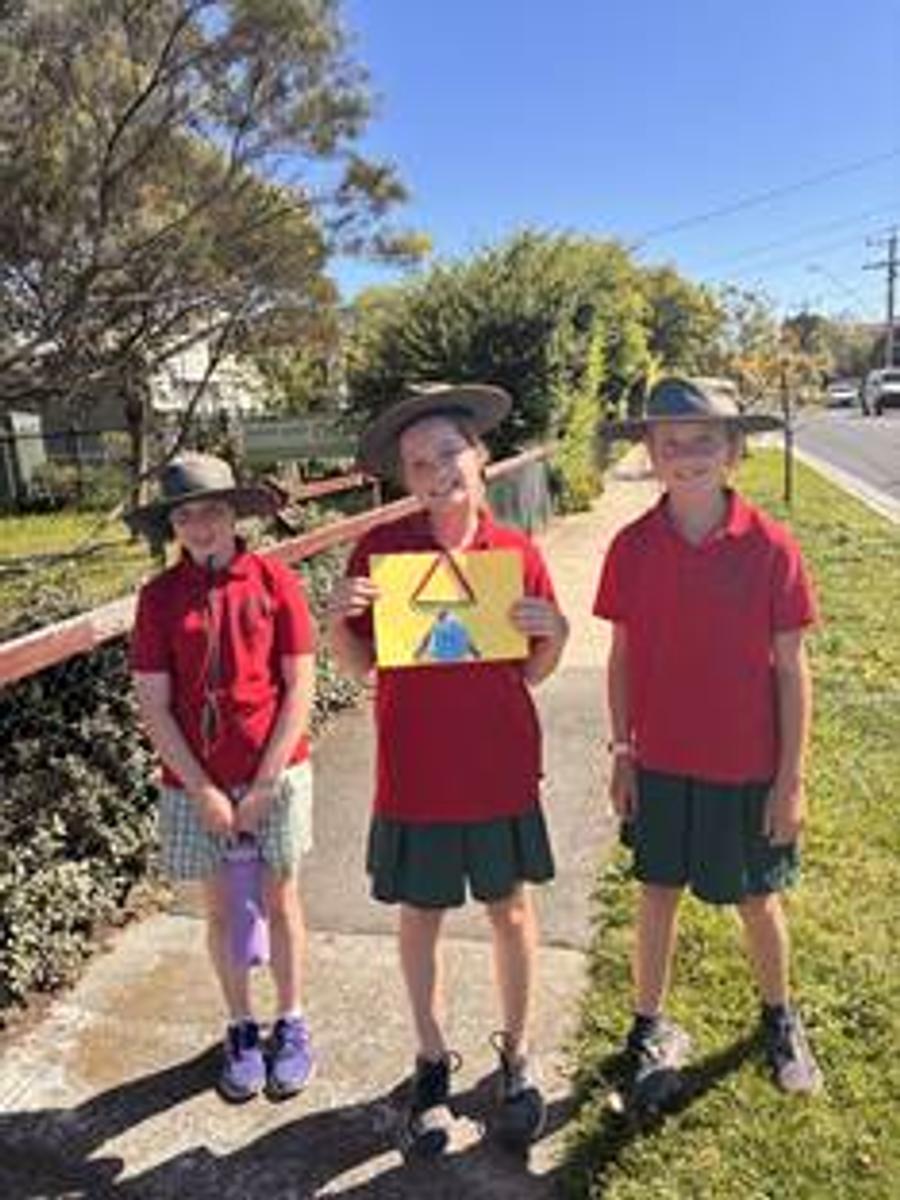
On October 20th, the Grade 5 Upstanders went to Beaumaris Secondary School to practise a song, dance and skit that we had been working on with Sarah Bowers. We joined Upstanders from Sandringham, Beaumaris and Brighton Beach Primary Schools, who had also been working on their own songs, dances and skits.
The skits demonstrated examples and non-examples of empathy, while the songs and dances shared messages about empathy and being yourself.
Later that evening, we performed for our family and friends. It was an enjoyable and memorable experience for all the Upstanders!
By Macy and Genie