Executive function is like air traffic control
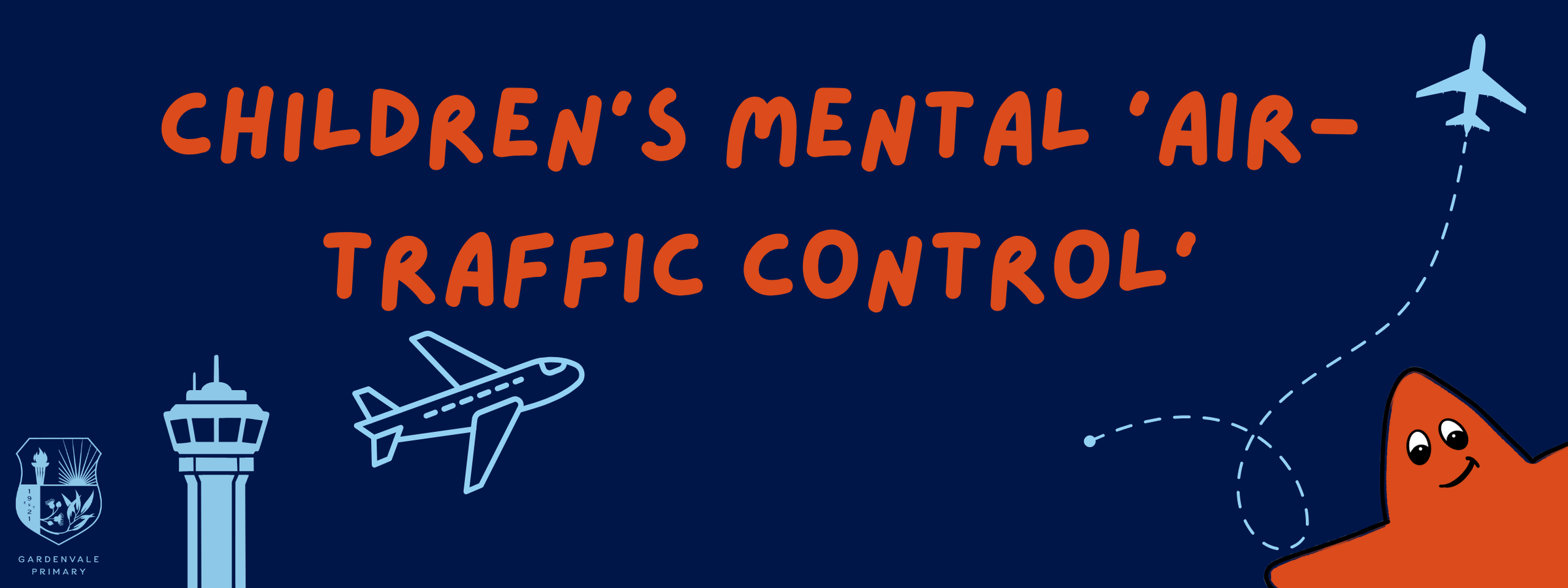
Executive function is the set of mental skills that let a child plan, focus their attention, remember instructions and juggle competing demands. A useful way to picture it: imagine your child's brain as a control tower at a busy airport. Planes are landing and taking off, the ground crews need directing, and it all has to happen without a crash. That is what your child's brain is doing when they hold a plan in mind, manage their attention and resist the urge to react on impulse.
Underneath the metaphor sit three skills that work together. Working memory lets a child hold and use information over short stretches, like remembering the second half of an instruction while doing the first. Mental flexibility lets them shift gears when the situation changes, or apply a different rule in a different setting. Self-control lets them pause, manage a big feeling and resist the impulsive response. When these are strong, learning, friendships and coping with stress all come more easily.
The good news is that none of this is fixed at birth. These skills are built through childhood and adolescence, and keep developing into the mid-twenties. The everyday things you do at home genuinely shape them.
For younger children, the best builder is play with a bit of structure. Games with simple rules they have to pay attention to and follow, like Simon Says, memory and matching games, or turn-taking games, give the control tower a real workout. Imaginative play helps too, because holding a story and its characters in mind stretches working memory and self-control at once.
For older children, hand over more of the controls. Let them plan an outing, sort out a problem, or work through a disagreement with a sibling while you support rather than step in and solve it. It can be tempting to smooth the path, but the struggle is the skill being built. Your job is to stay alongside, not to clear the runway for them.
Across all ages, the quiet foundations matter most. Predictable routines mean a child spends less mental effort working out what happens next. Calm modelling, letting them see how you handle your own frustration, teaches more than any instruction. And a reliable, warm relationship gives them the steady base they need to take risks and try hard things. Children build these skills best when they feel supported rather than pressured, so patience on the tough days is doing more than it looks.
Insert this link if possible: https://youtu.be/LmVWOe1ky8s?si=KOPHr-bySpO0iALs
Adapted from the Alberta Family Wellness Initiative.