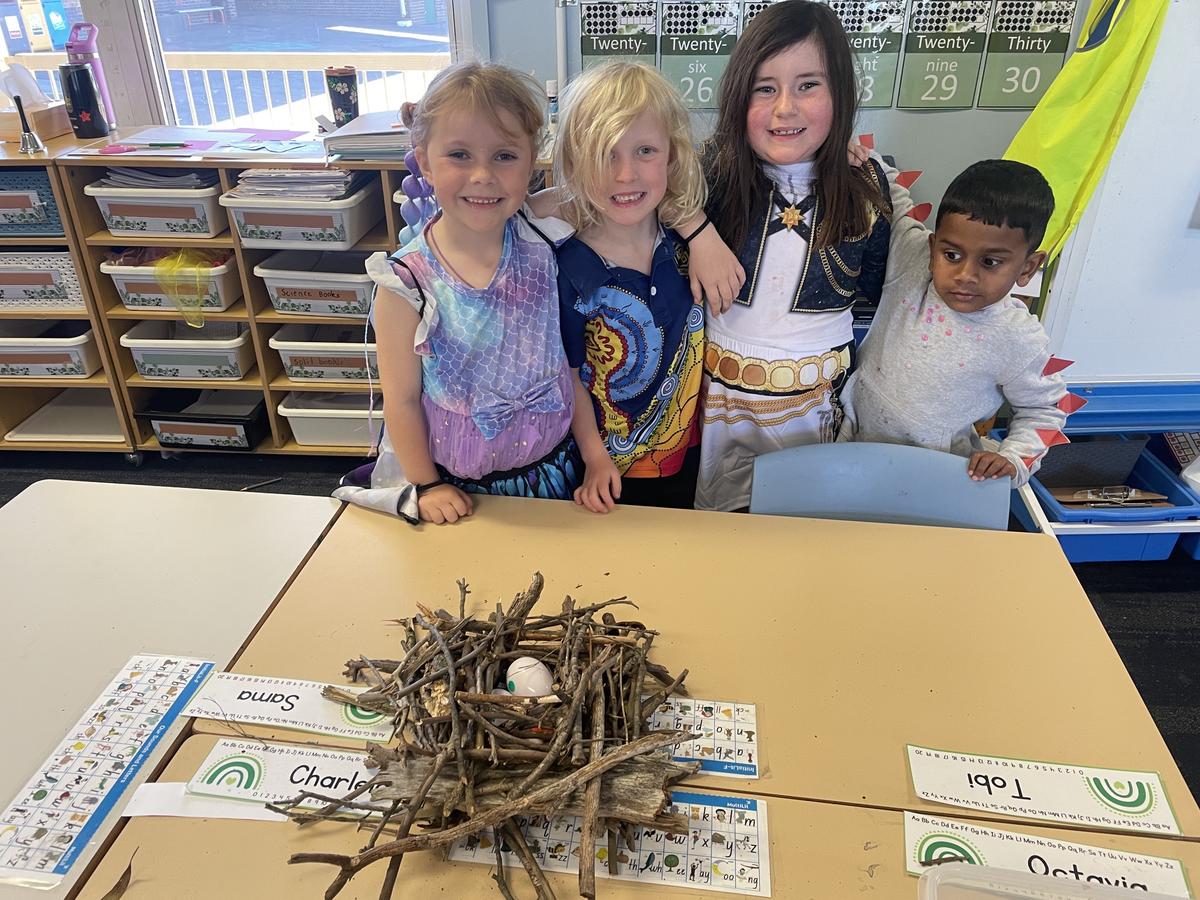
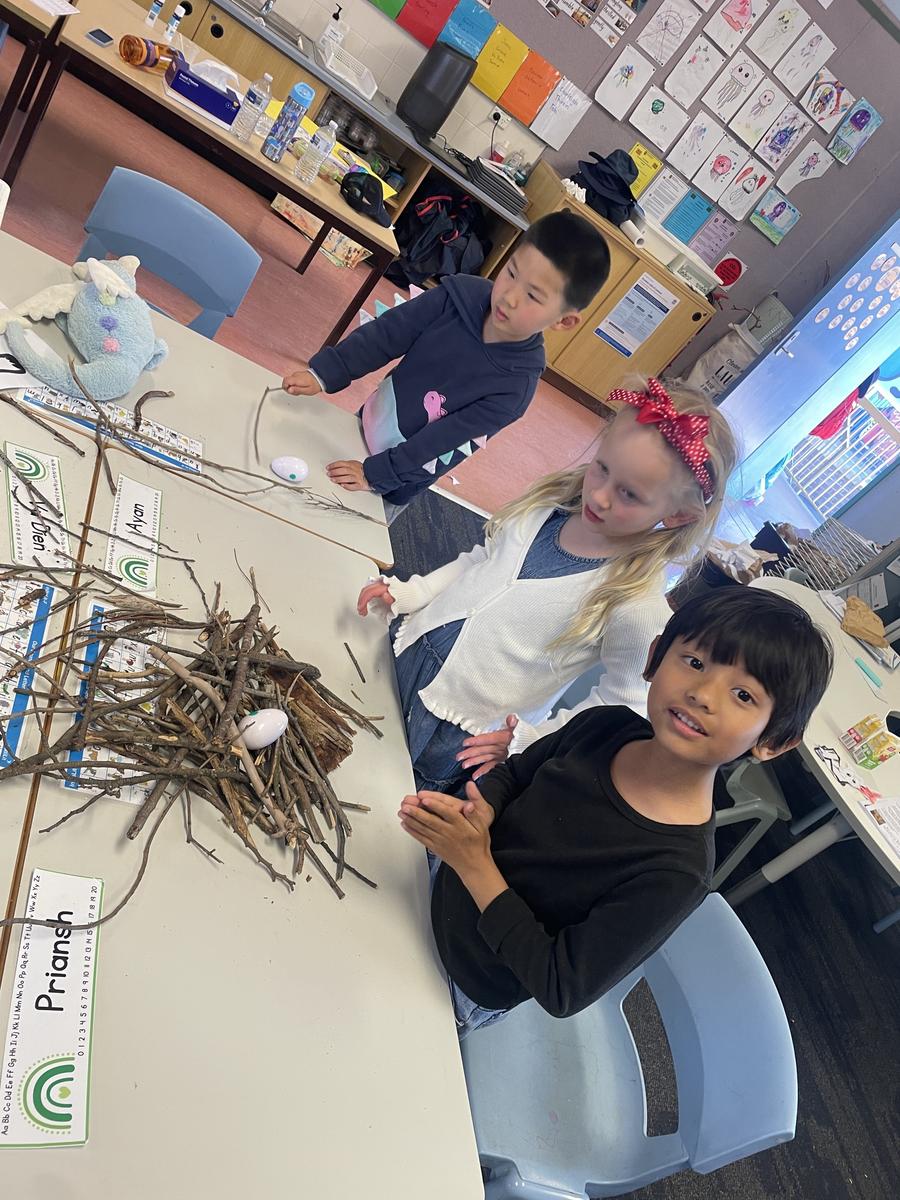
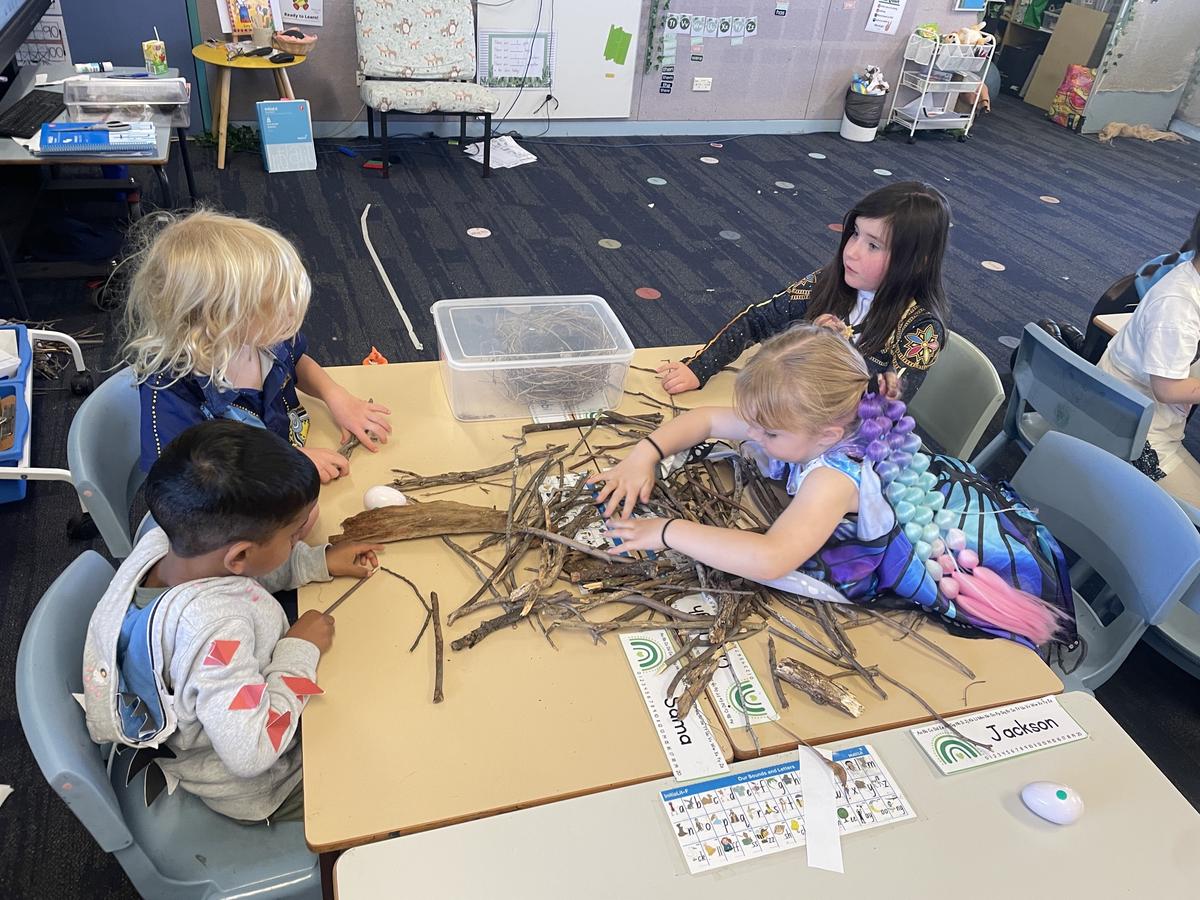
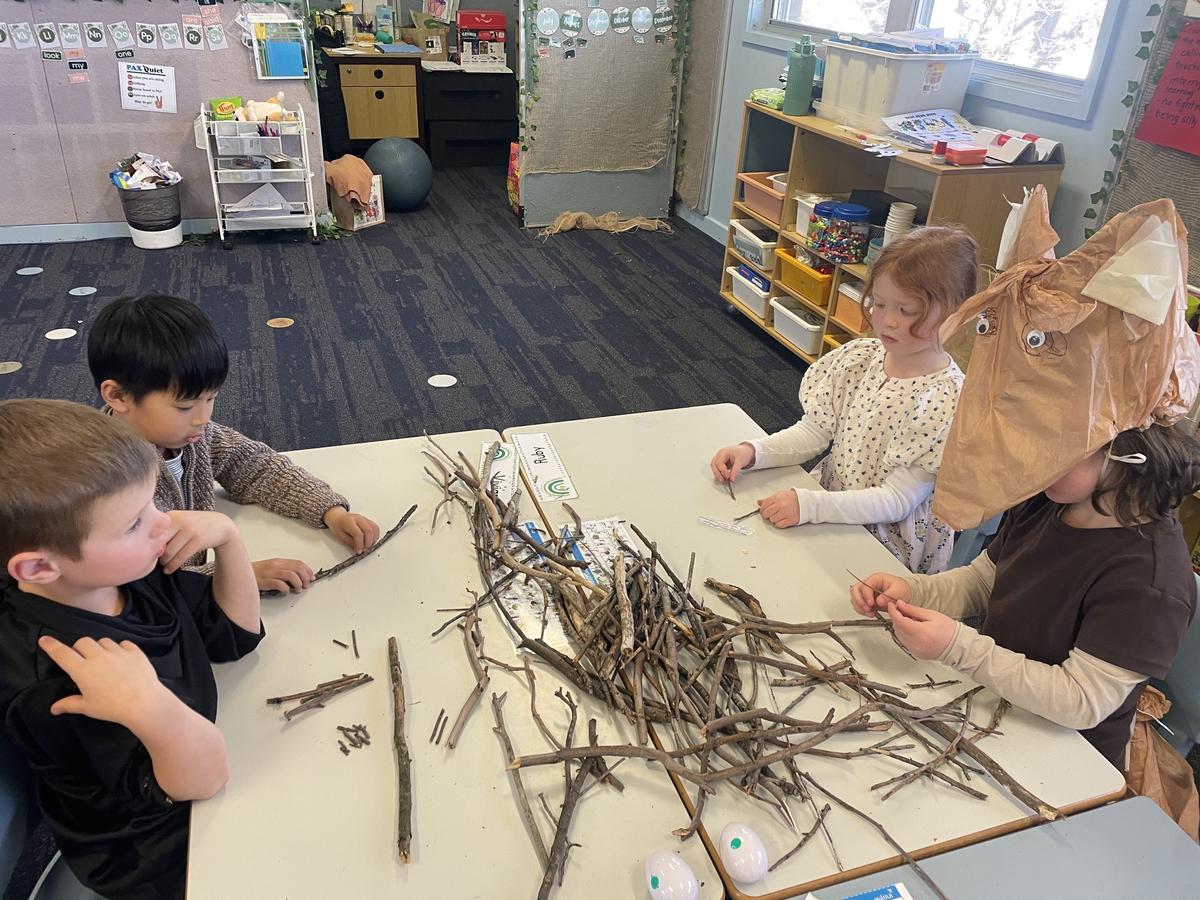
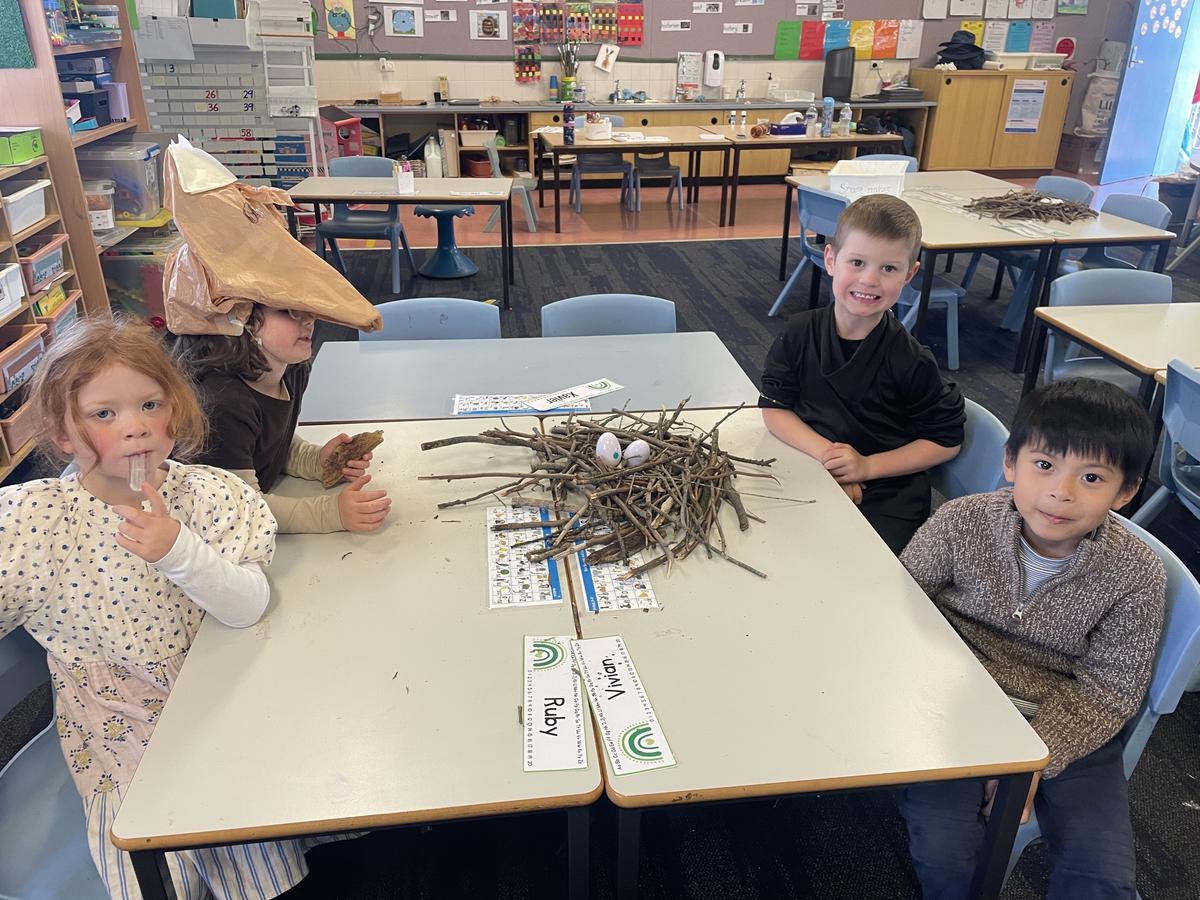
It has been a busy term in the Kindergarten classrooms!
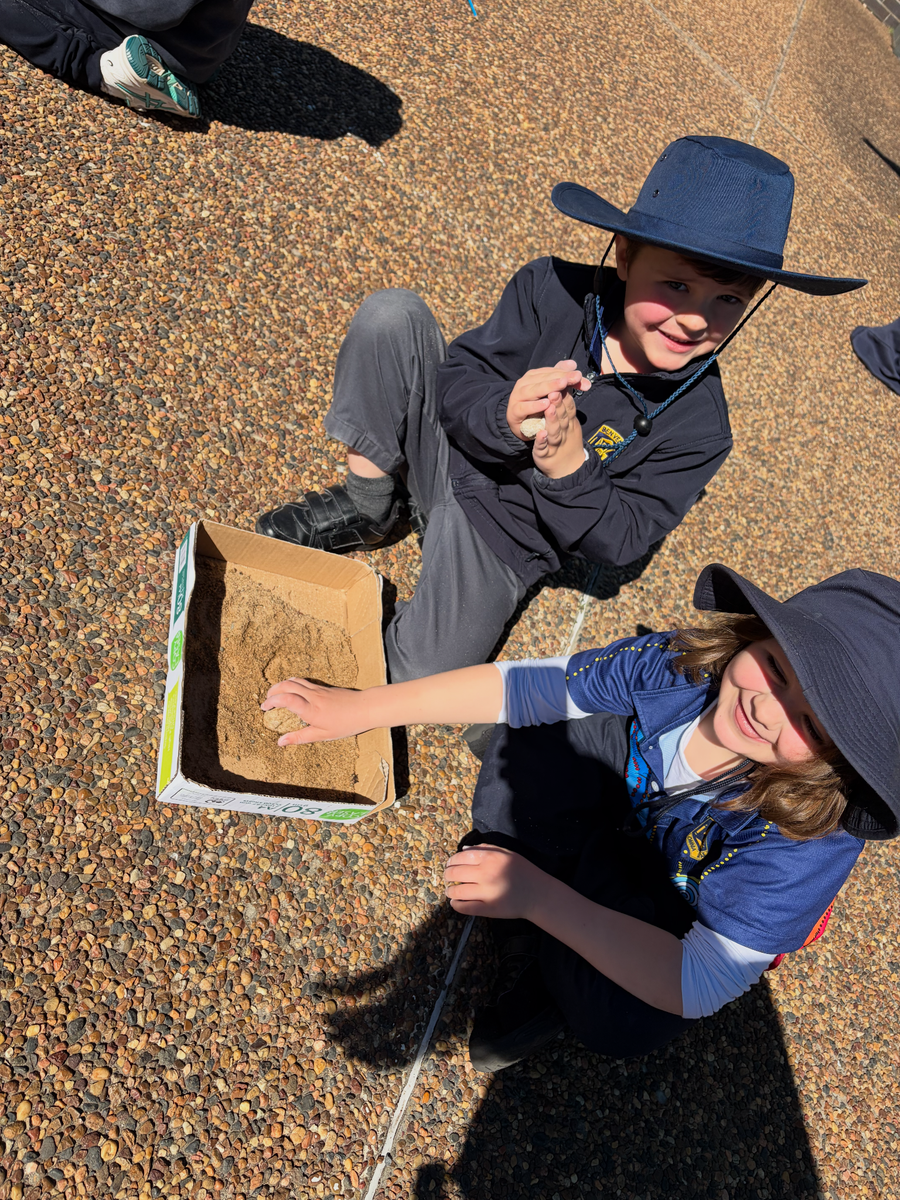
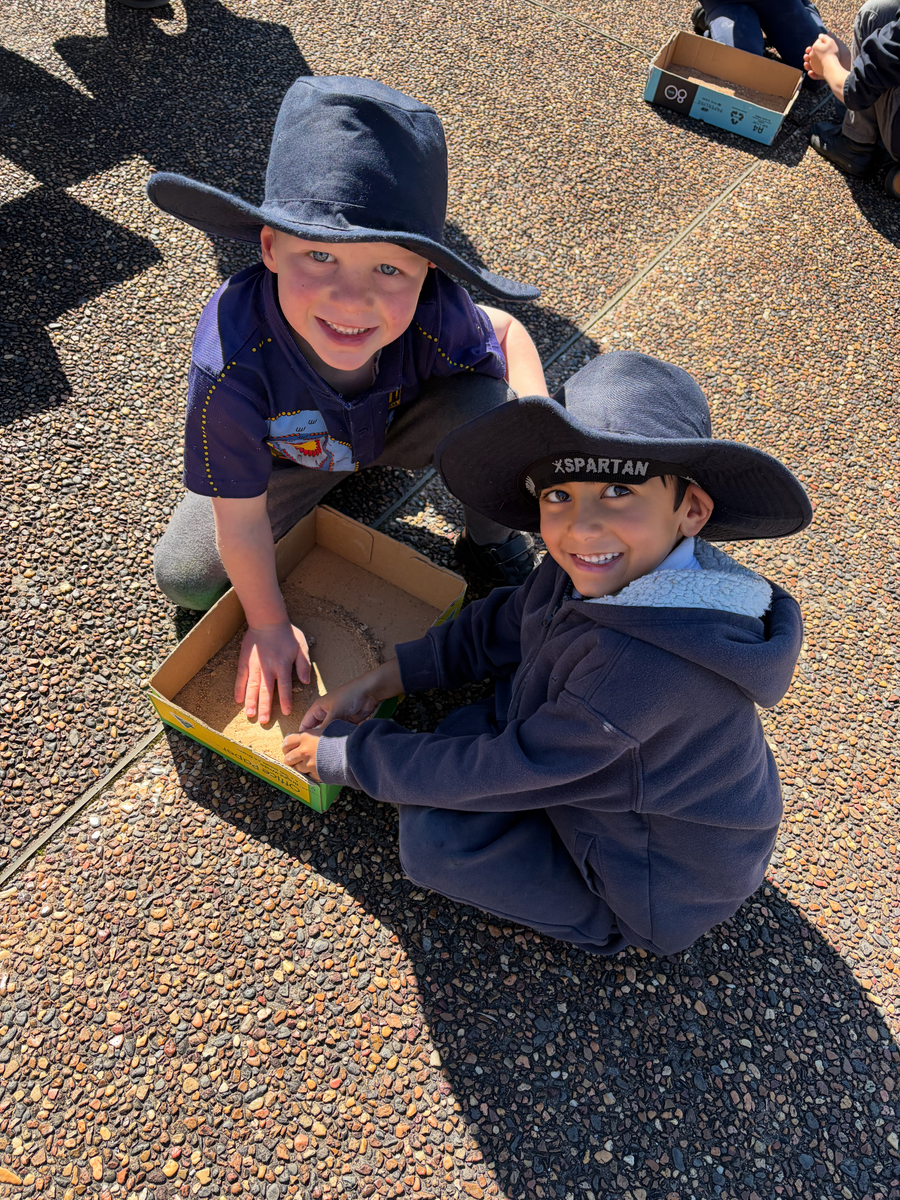
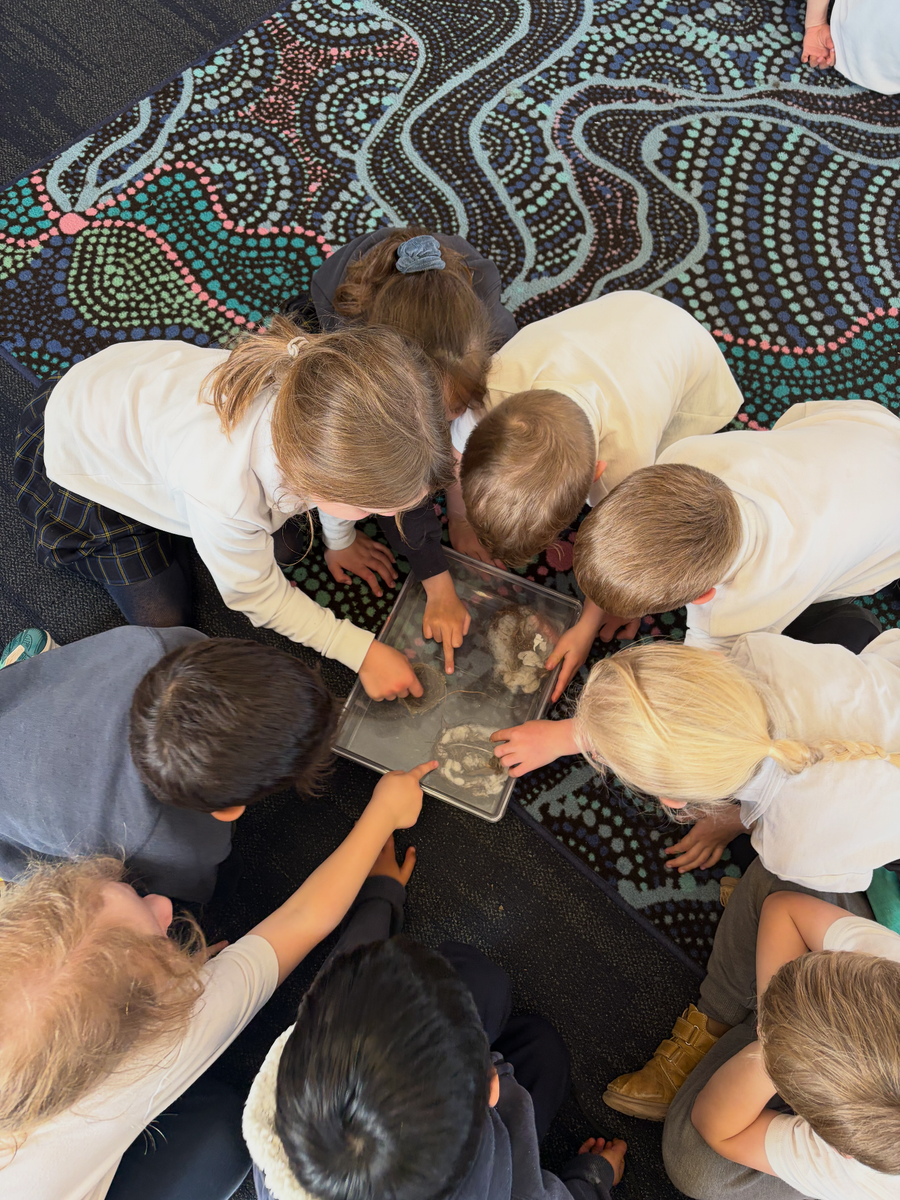
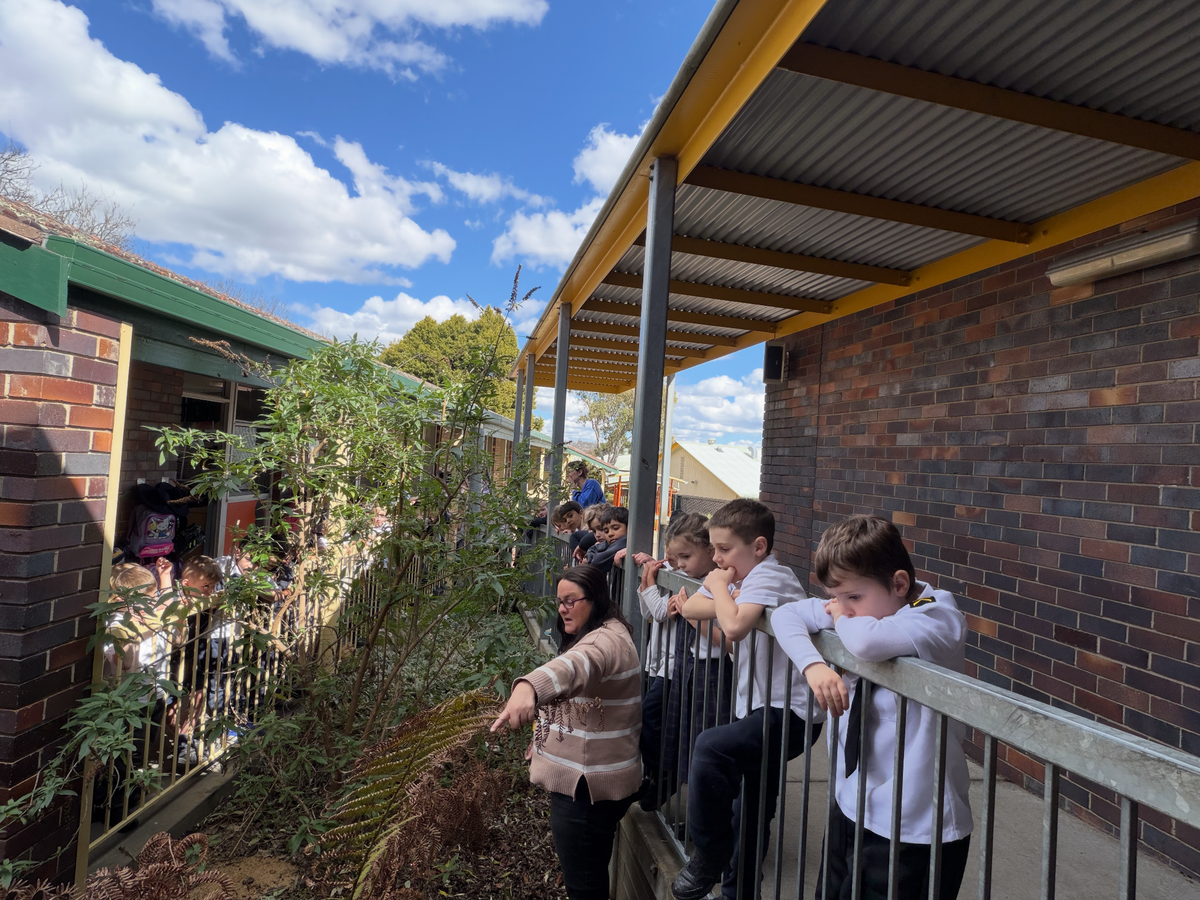
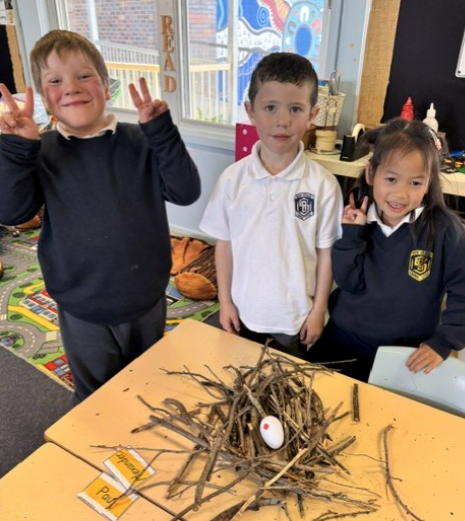
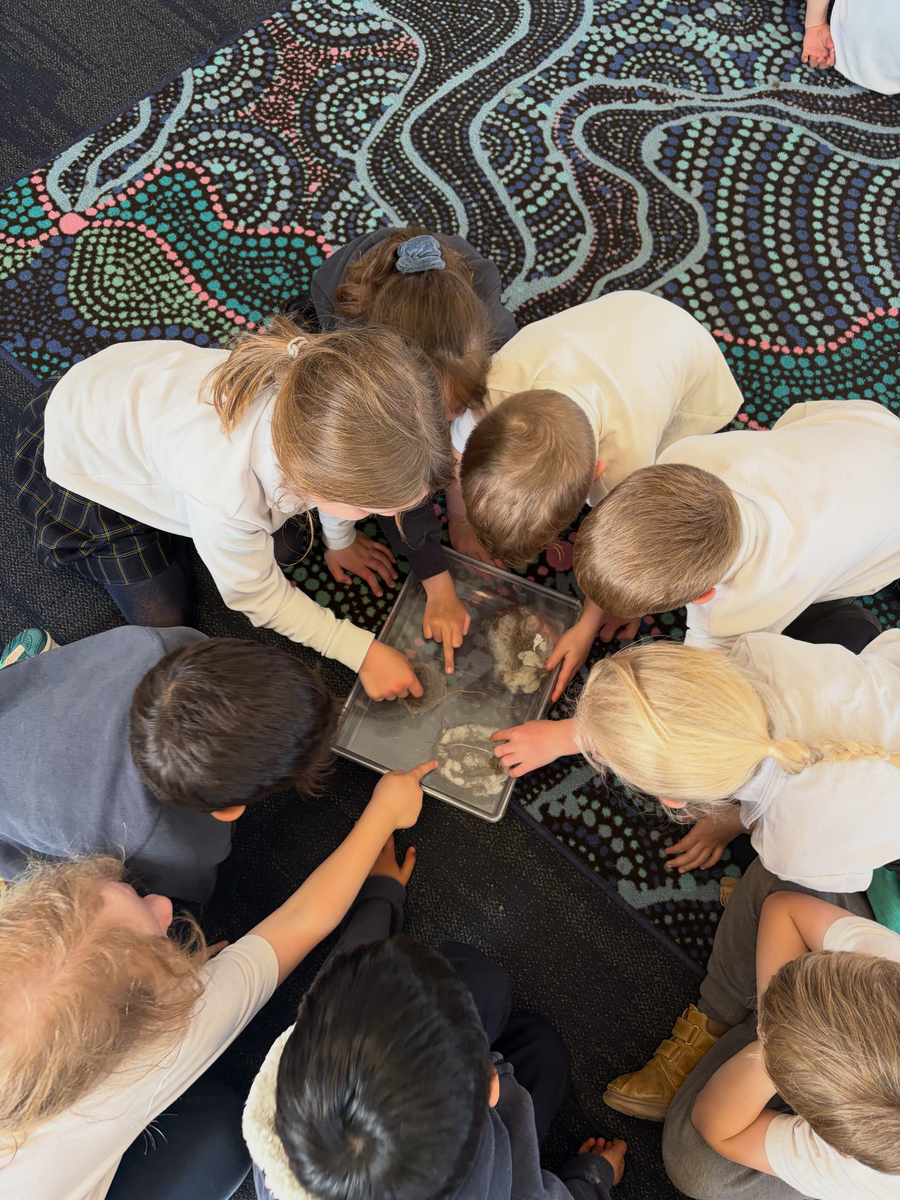
This term in Science, our Kindergarten students have embarked on an exciting journey into the fascinating world of animal structures. They've been discovering how the unique designs of animals help them thrive in their environments. From marvelling at the intricate patterns of spider webs to exploring the delicate craftsmanship of bee and bird nests, our young scientists have been fully immersed in hands-on learning.
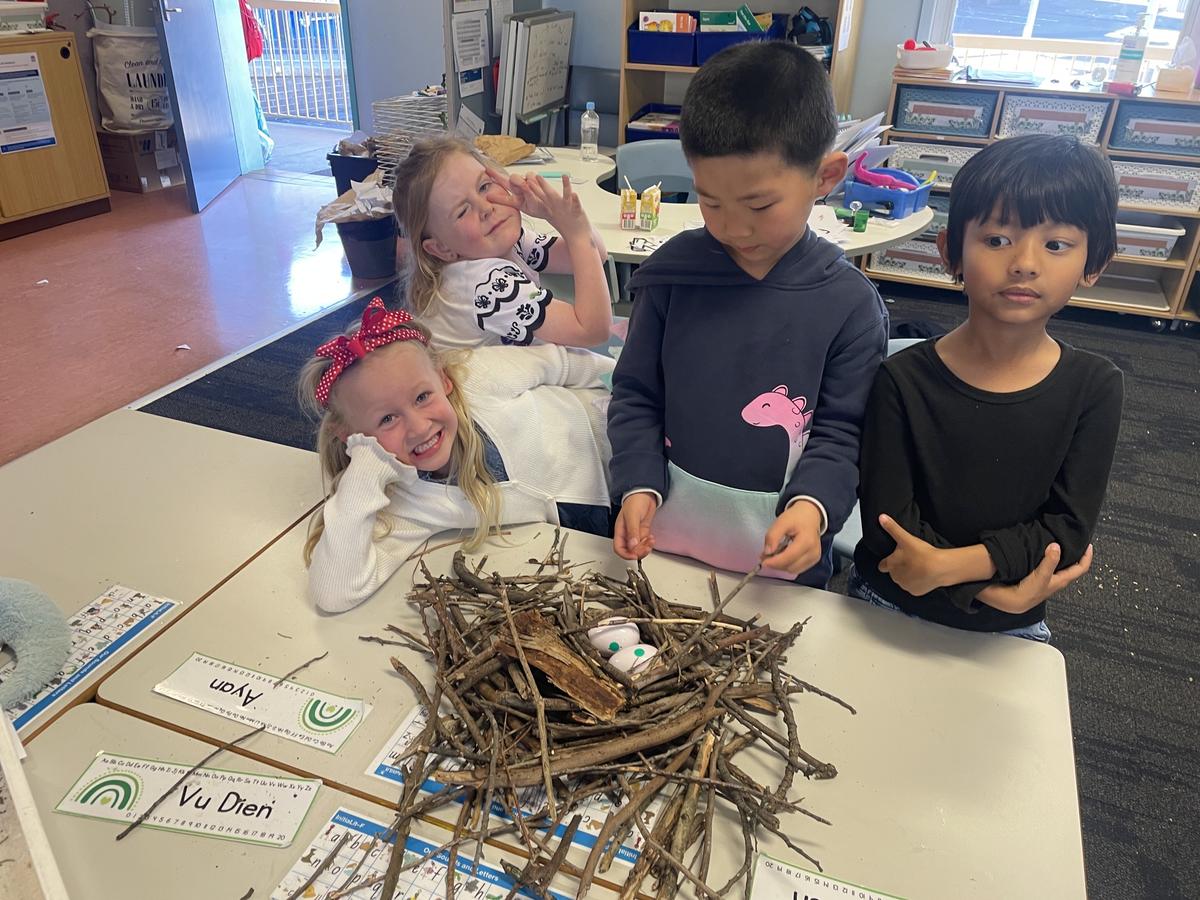
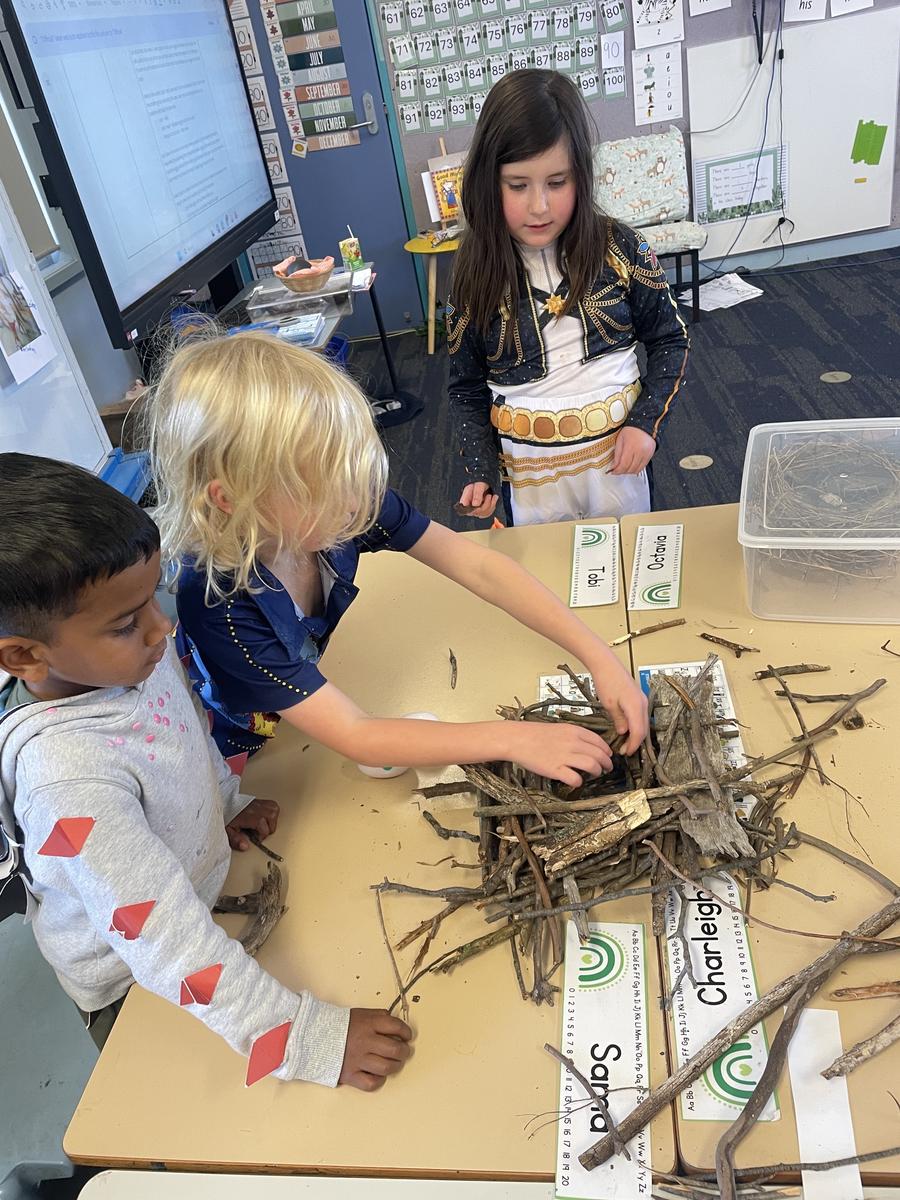
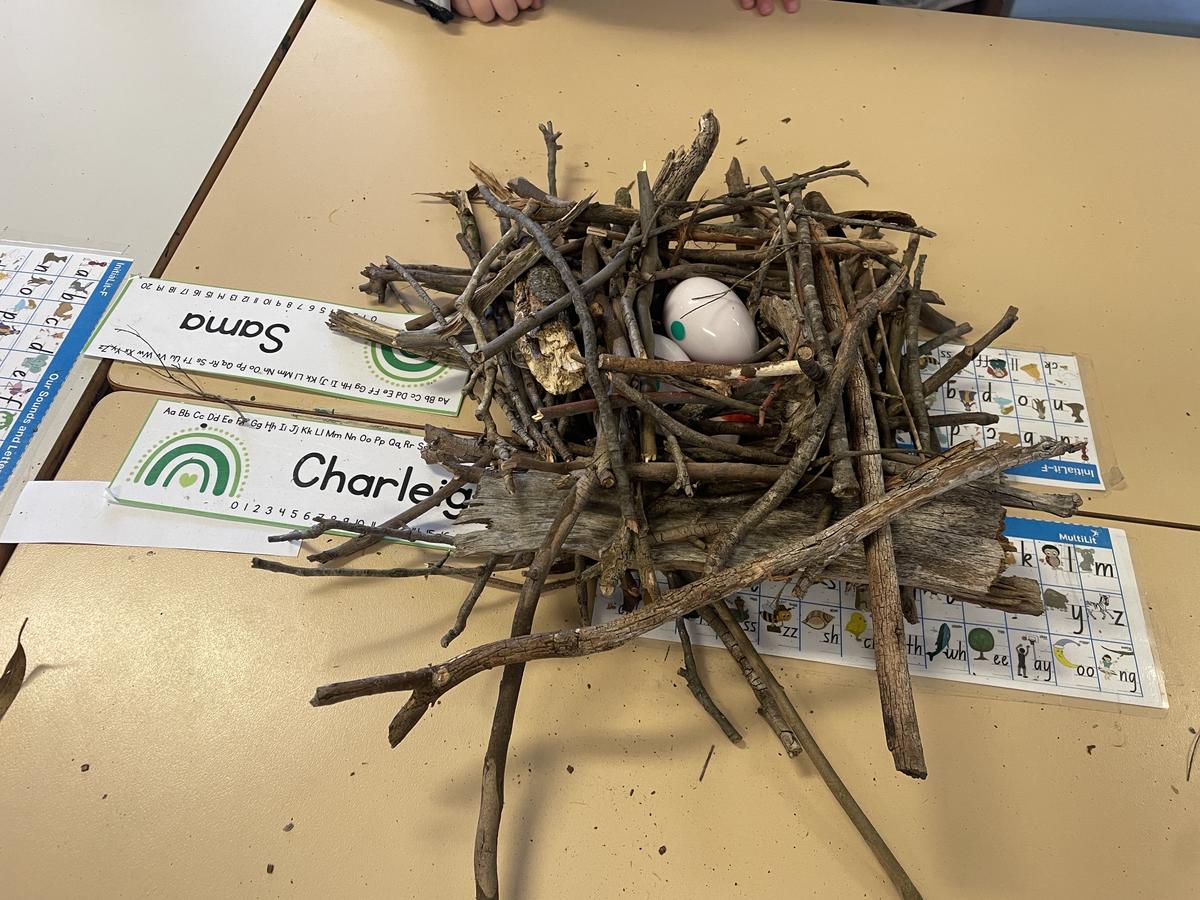
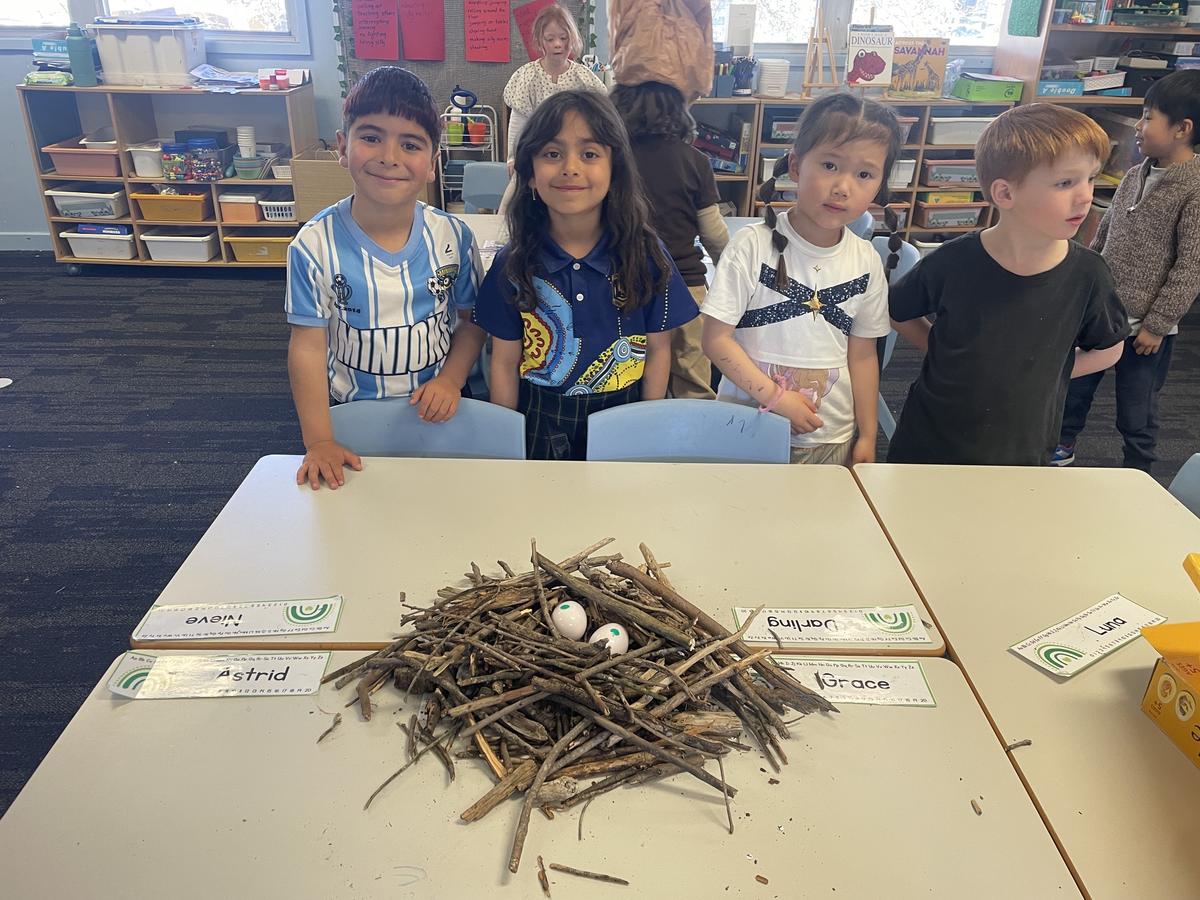
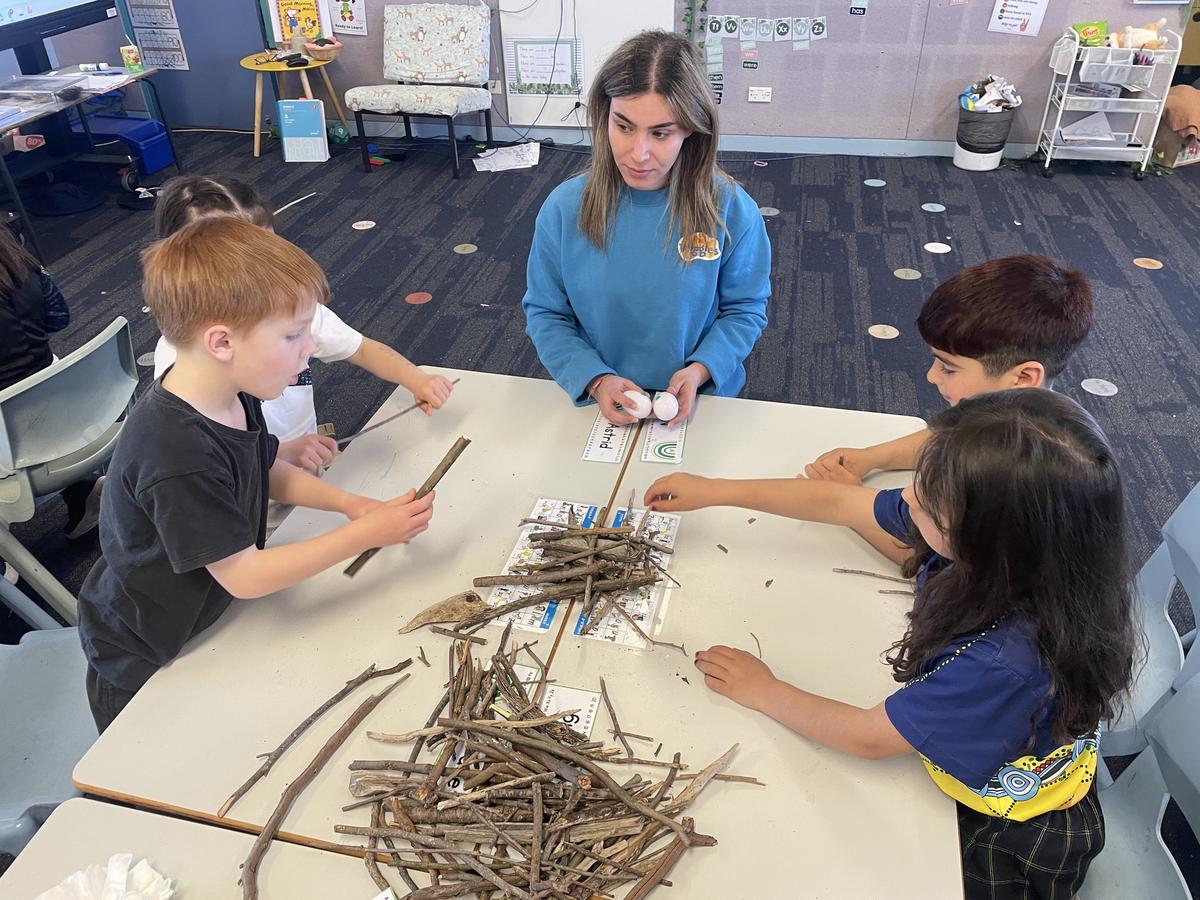
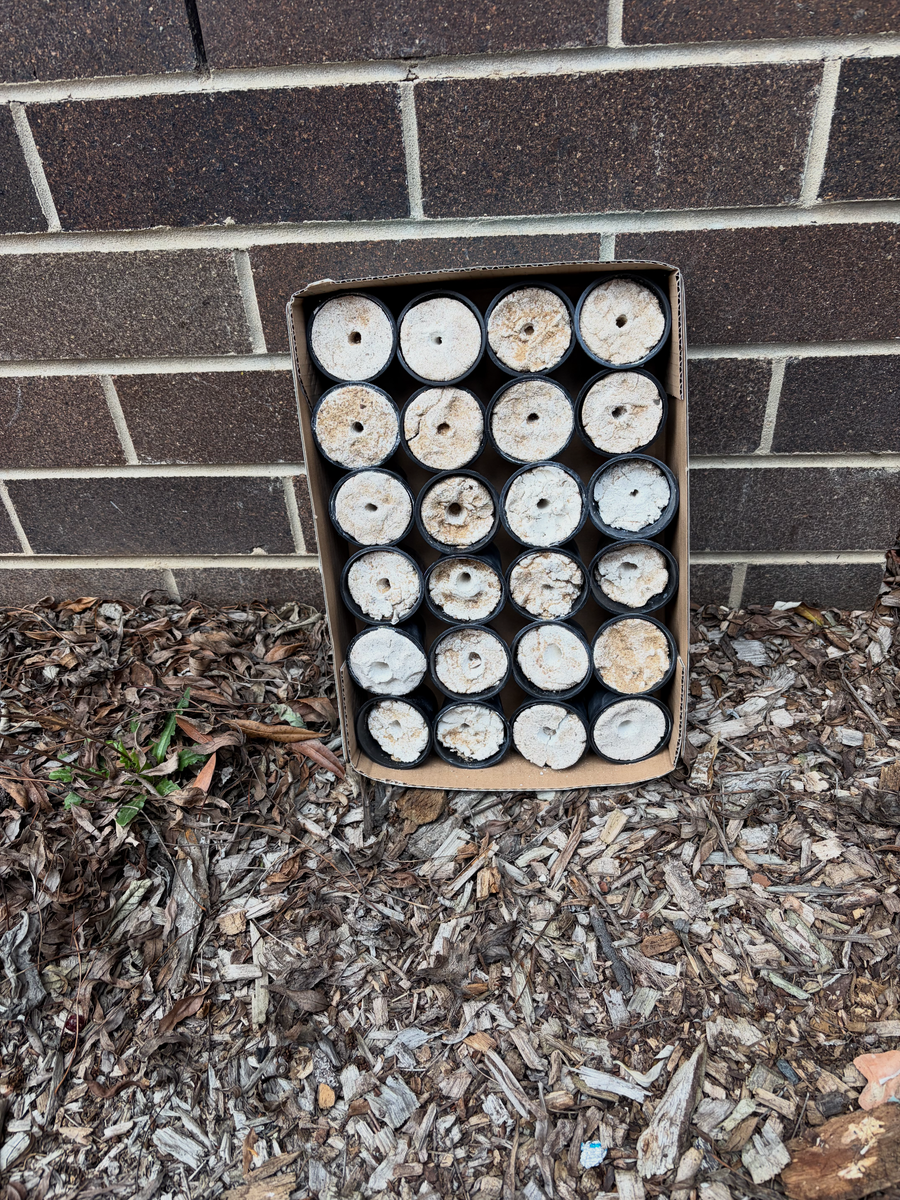
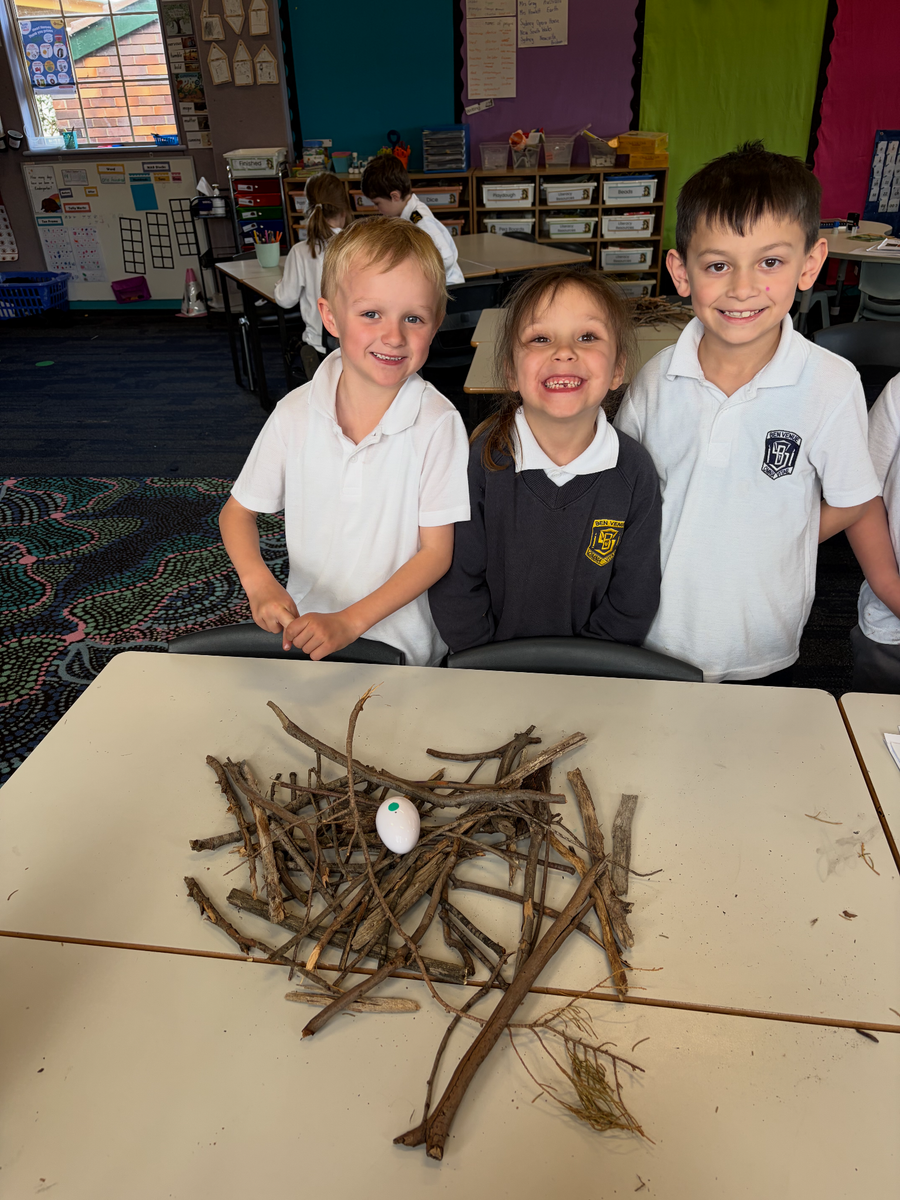
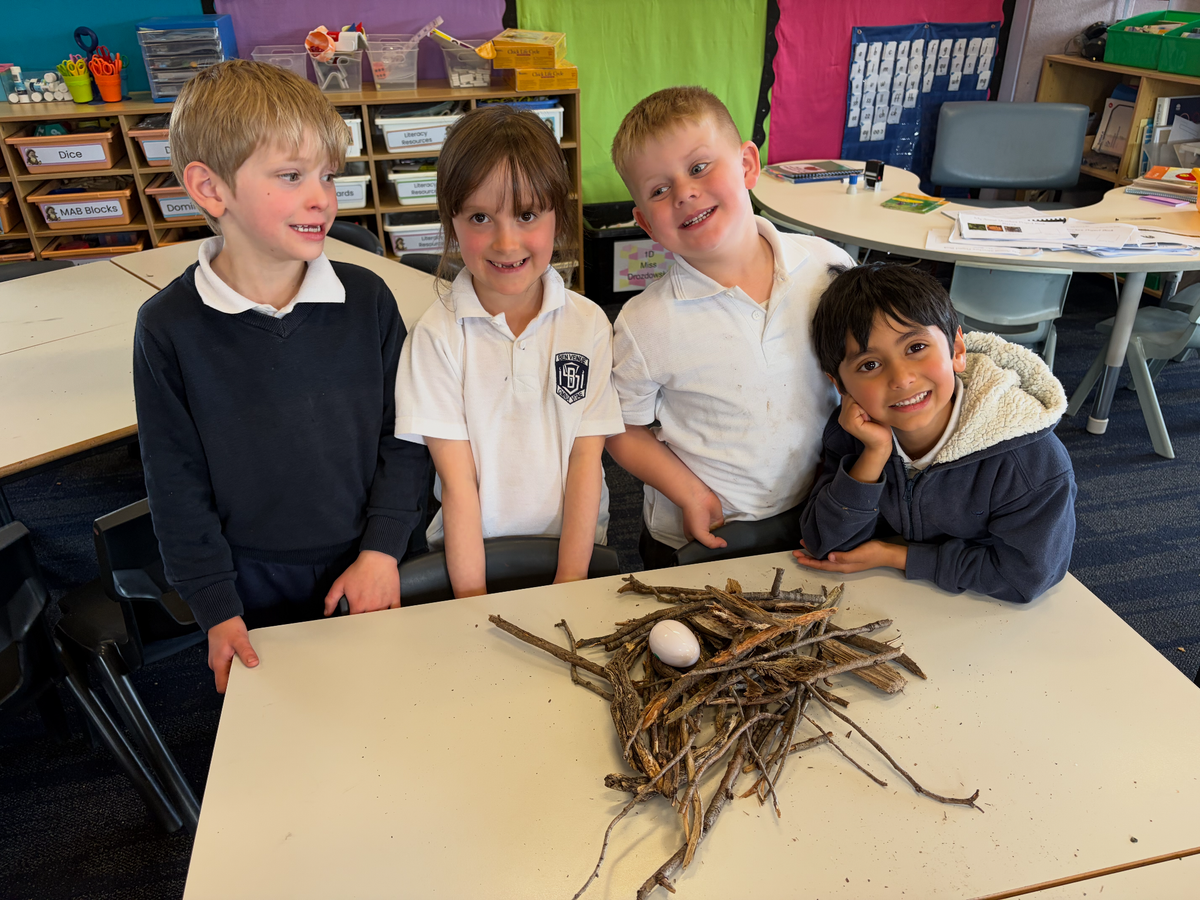
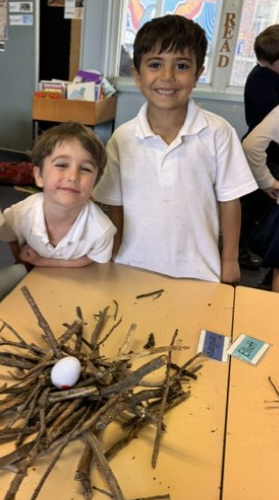
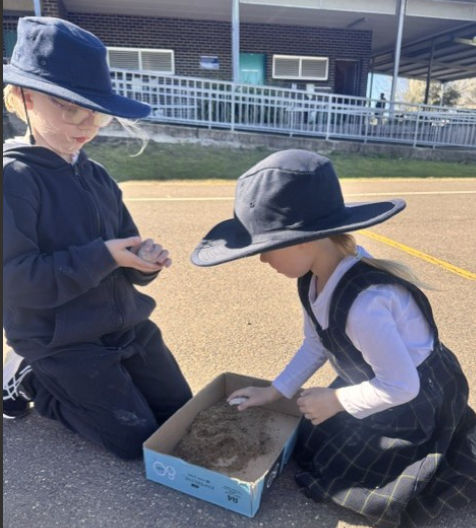
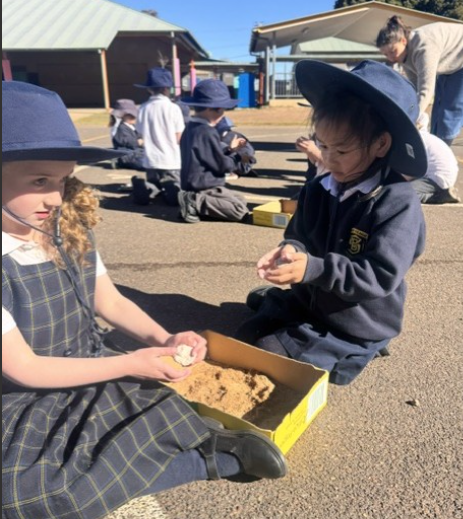
A highlight of their adventures has been creating their very own bee hotel, a special habitat built to support busy bees right in our school grounds. This project not only sparks creativity but also fosters a deep appreciation for pollinators and their crucial role in nature. The students also took on the challenge of building bird nests using sticks and twigs, gaining first-hand insight into the resourcefulness of birds.
Our Kindergarten classes have truly embraced curiosity and discovery this term, cultivating both knowledge and a love for the natural world around them!
English
We are learning to:
- hear and say the sounds /kw/, /ee/, /z/, /ch/, /v/, /x/, /y/, /th/ and /w/
- recognise that two letters making one sound are called digraphs:
- ‘qu’ makes the sound /kw/
- ‘ee’ makes the sound /ee/ as in ‘seen’
- ‘zz’ makes the sound /z/
- ‘ch’ makes the sound ‘ch’ as in ‘chips’
- ‘th’ makes the sound /th/ as in ‘Thursday’
- ‘wh’ makes the sound /w/ as in ‘whale’
- read tricky words: put, as, do, like, very, what, where, want
- understand that adjectives are words used to describe nouns
- write simple sentences containing an adjective, subject and verb
- identify the adjective, subject and verb in simple sentences.
Mathematics
We are learning to:
- take away a smaller number from the larger number to model subtraction
- use different strategies we have learnt to solve addition and subtraction word problems
- recognise 2D shapes in a range of contexts
- describe, name and make circles, squares, triangles and rectangles
- sort shapes in accordance to their features
- manipulate 2D shapes for different purposes.
History
We are learning to:
- use stories, images and objects to recall events from the past
- identify that stories, images and objects are used to show changes over time.
Science and Technology
We are learning to:
- understand that animals design structures to meet their needs
- identify that we use plants and animals to meet our needs.
Personal Development and Health (PDH)
We are learning to:
- understand what the word ‘private’ means and identify private body parts
- use the ‘No-Go-Tell’ safety strategy to help keep us safe
- respectfully ask for permission and that everyone has the right to say ‘yes’ or ‘no’
- seek help from a trusted adult in situations that make them feel unsafe
- understand that information we share online, like photos or messages, can be seen by other people.
Visual Arts
We are learning to:
- use shapes to draw a farm scene
- use skills of tracing, drawing, colouring, cutting, glueing, painting and techniques of making texture
- explore painting and printmaking materials and techniques, experimenting with tools to create effects
- explore ways to use materials and tools, developing fine motor skills
- express ideas or feelings about one's own and others' artworks.
How can you help your child at home (game based):
Garbage card game - focuses on using counting sequences and knowledge of number relationships such as before, after and between.
You will need playing cards A–10.
Instructions:
- Shuffle the cards and place the pile face down in the middle of both players. Each player draws 10 cards each.
- Players organise their 10 cards in a row in front of them face down.
- Player 1 draws a card from the middle pile. Player 1 places this card in the matching position in their row of 10.
- Player 1 then picks up the card in its place. For example, if a 4 is drawn, Player 1 places the card in the fourth position and picks up the card in that position.
Player 1 looks at the card and decides whether it can also be placed in their row.
Player 1's turn is over when they can no longer place a card in their row. This card is thrown away as 'garbage'!
Player 2 draws a card to begin their turn and follows the same steps as player 1.
The first player to complete their entire row of cards is the winner!
Other ways to play
Use a picture card that a player can use to represent any number.
If a player puts their unwanted card in the garbage pile and the other player needs it, it can be picked up to use.
A king can be played to turn back over another player's card.
Cards can be positioned in a backwards sequence.
Watch this clip if you would like a better understanding of the Garbage game
Save the date!
- K-2 Athletics Carnival, Friday 18 September. More information will be sent out via School Bytes.
Deb McIntyre, Heidi Gray and Eliza Tanner
Early Stage 1 Teachers