Science News




 Glen Eira College
Science Beyond the Classroom
The Ghost Particles Passing Through You
With preparations underway for our proposed 2027 USA STEM Tour, which includes a visit to NASA's Kennedy Space Centre in Florida, an announcement about this year's Nobel Prize in Physics recently caught my attention. It concerned something that I suspect many of us know very little about, despite it happening around us all the time.
Did you know that trillions of tiny particles pass through your body every second without you even noticing?
These particles are called neutrinos, sometimes referred to as the 'ghost particles' of the universe. They are produced in enormous numbers by the Sun and during some of the most energetic events in space, including exploding stars and activity surrounding black holes.
What makes neutrinos particularly interesting is that they rarely interact with ordinary matter. They can travel through the Earth, buildings and even our bodies almost completely undisturbed. This makes them extremely difficult to detect, but also valuable to scientists trying to understand the universe.
An Observatory Beneath the Antarctic Ice
The 2026 Nobel Prize in Physics recognised Professor Francis Halzen for his pioneering work on the IceCube Neutrino Observatory at the South Pole.
Rather than using a conventional telescope, scientists have turned an enormous volume of Antarctic ice into a particle detector. More than 5,000 sensitive instruments buried deep beneath the ice detect tiny flashes of light produced when a neutrino occasionally interacts with matter.
This has given scientists another way of studying the universe, allowing them to gather information from particles that have travelled enormous distances through space.
What I find particularly remarkable is the idea itself. Who would have thought that Antarctic ice could be used to investigate and detect particle from outer space?
Encouraging Scientific Curiosity
One of the things I enjoy about teaching science is seeing how an apparently simple question can lead to something quite unexpected. The idea of using Antarctic ice as a giant particle detector is a wonderful example of this.
This is also one of the reasons we are looking forward to the proposed USA STEM Tour. Opportunities to visit places such as Kennedy Space Centre can help students appreciate how scientific ideas are developed and applied beyond the classroom.
Perhaps the next great scientific discovery will come from someone currently sitting in a classroom at Glen Eira College.
Sources and further reading
- NASA – You're Always Surrounded by Neutrinos!
- NASA – Sensing the Universe
- IceCube Neutrino Observatory – 2026 Nobel Prize in Physics
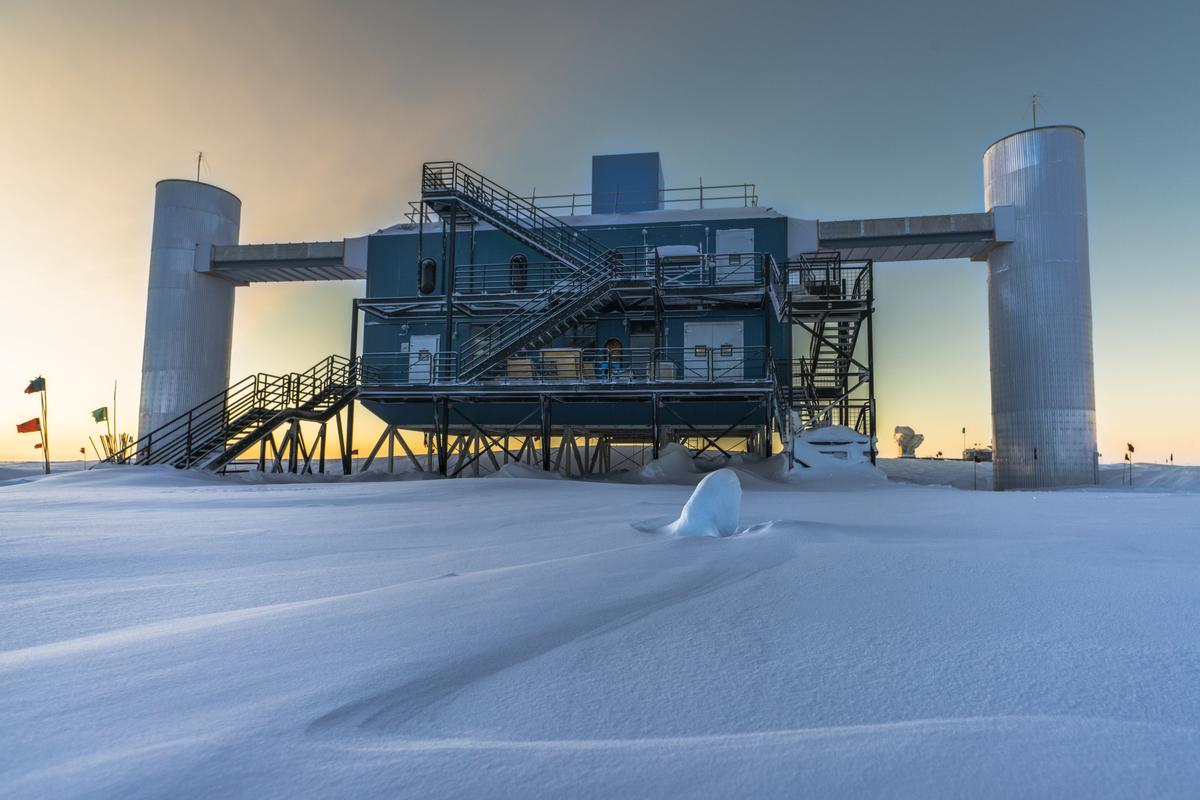
Image credit: IceCube Collaboration
Image credit: IceCube Collaboration
The IceCube Laboratory at the South Pole in Antarctica. Although the laboratory is located on the surface, the observatory's thousands of detectors are buried deep beneath the ice. Image credit: IceCube Collaboration
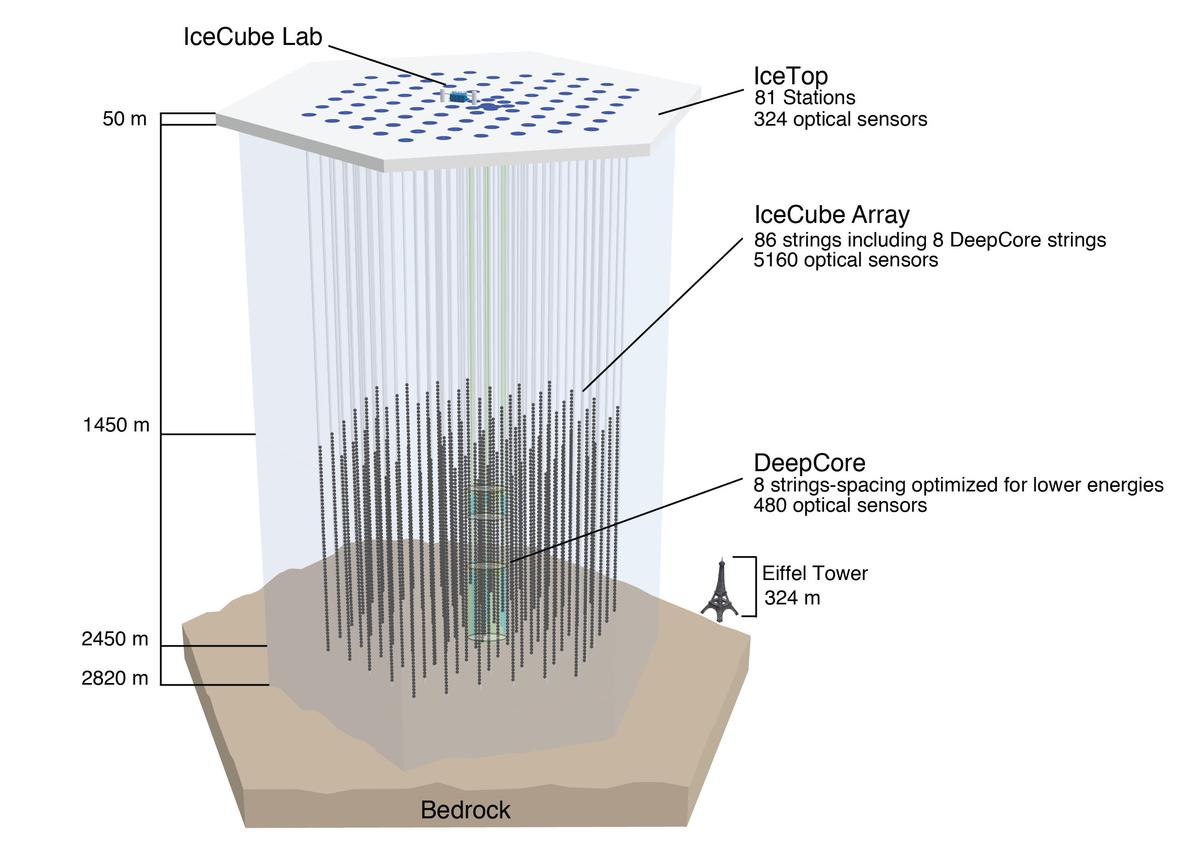
A diagram showing the enormous scale of the IceCube Neutrino Observatory. More than 5,000 optical sensors are arranged along cables extending deep into the Antarctic ice, reaching depths of approximately 2,450 metres. Image credit: IceCube Collaboration.
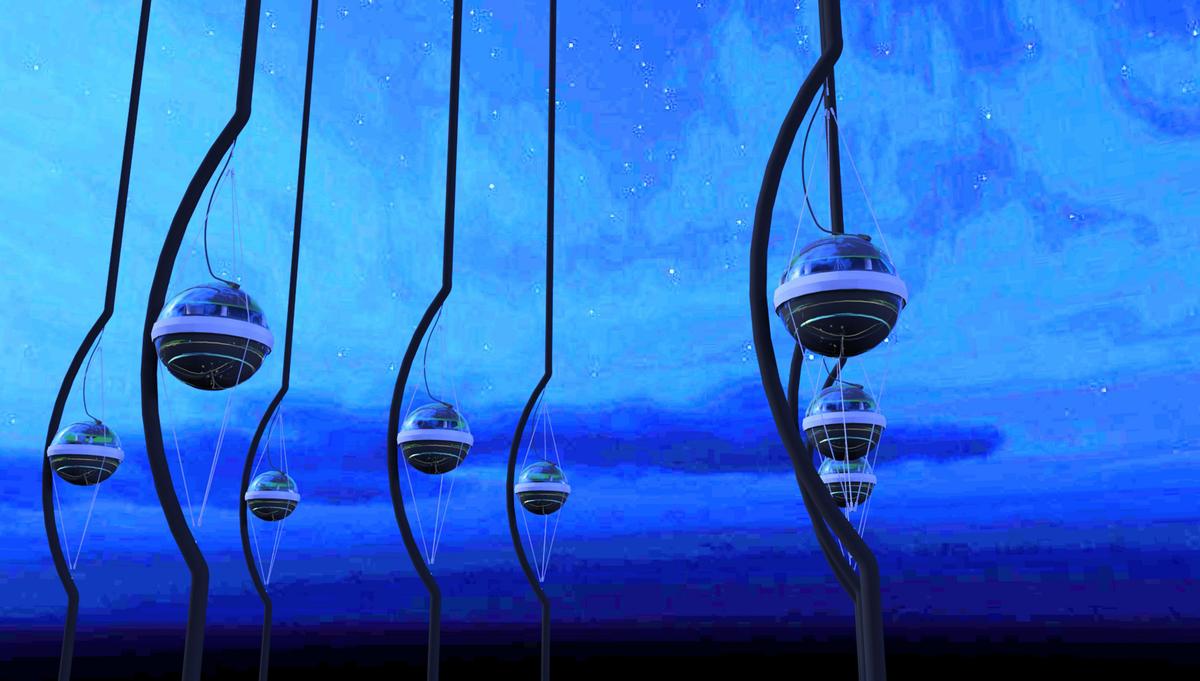
Image credit: IceCube Collaboration.
Image credit: IceCube Collaboration.
An artist's impression of IceCube's light-sensitive detectors suspended deep beneath the Antarctic ice. These instruments detect faint flashes of light produced when neutrinos interact with matter.
Erik Van Weeghel
Science Learning Area Leader
Immersion Science
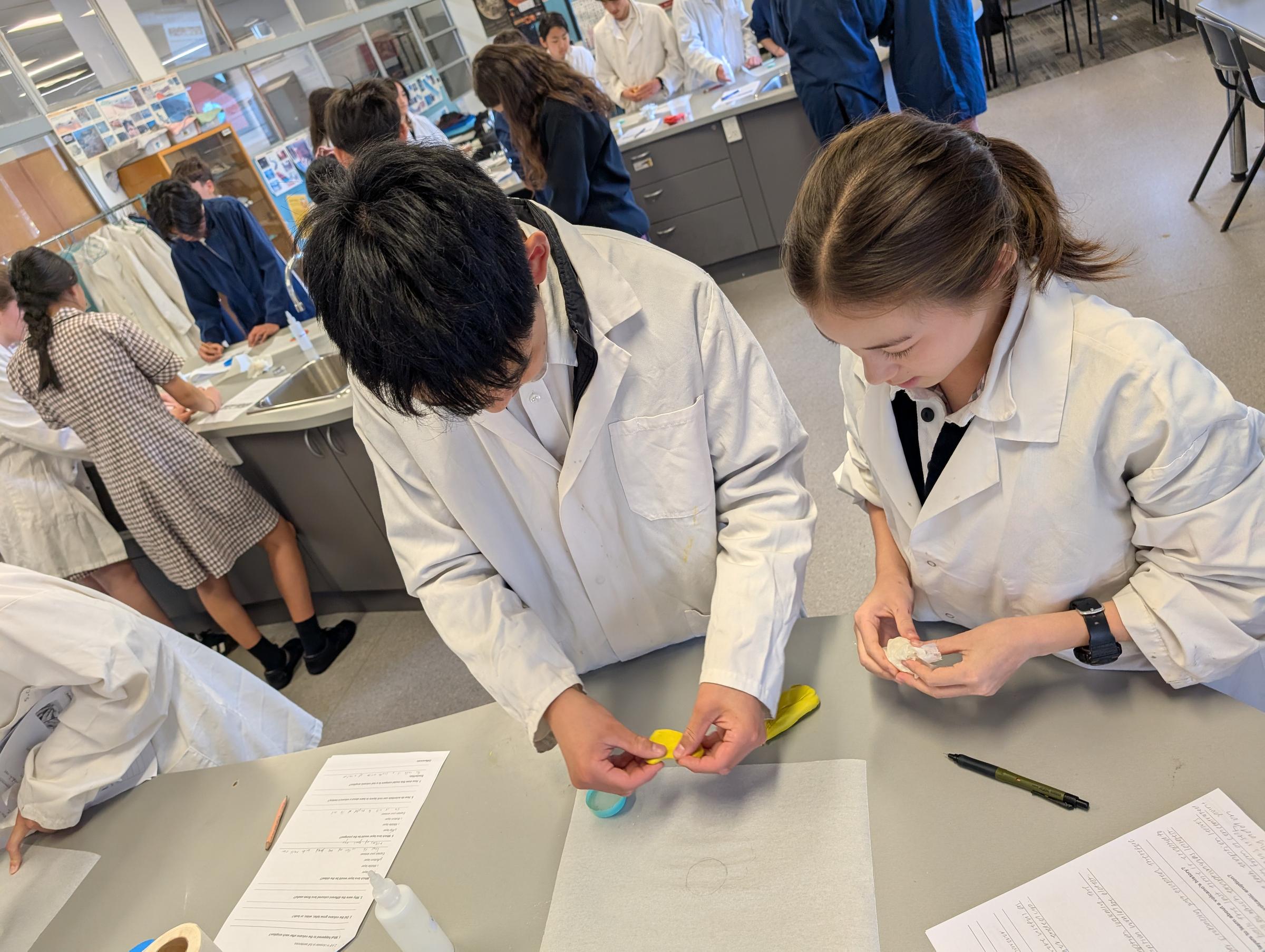
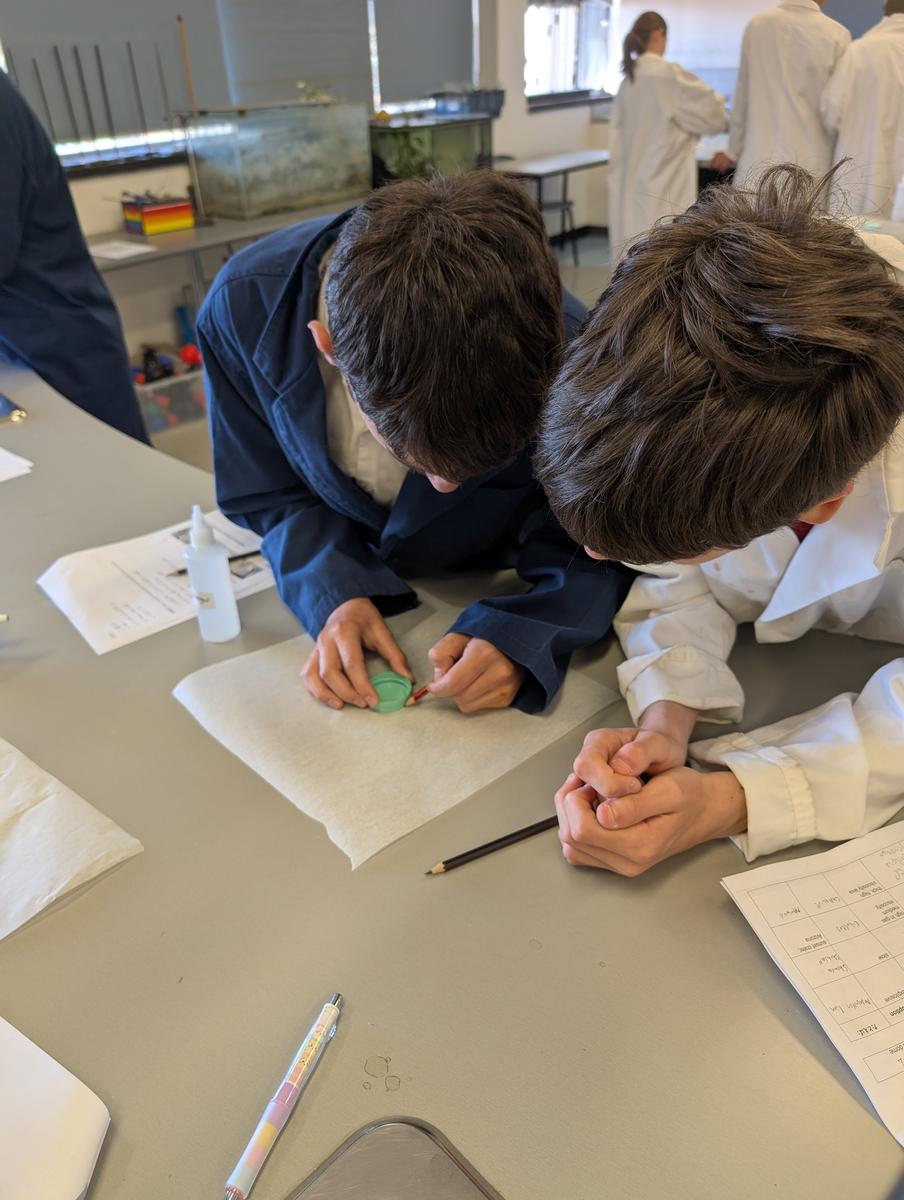
8E have been learning about how volcanoes are made of layers of volcanic ash after by "erupting" baking soda and vinegar and building layers of volcano.
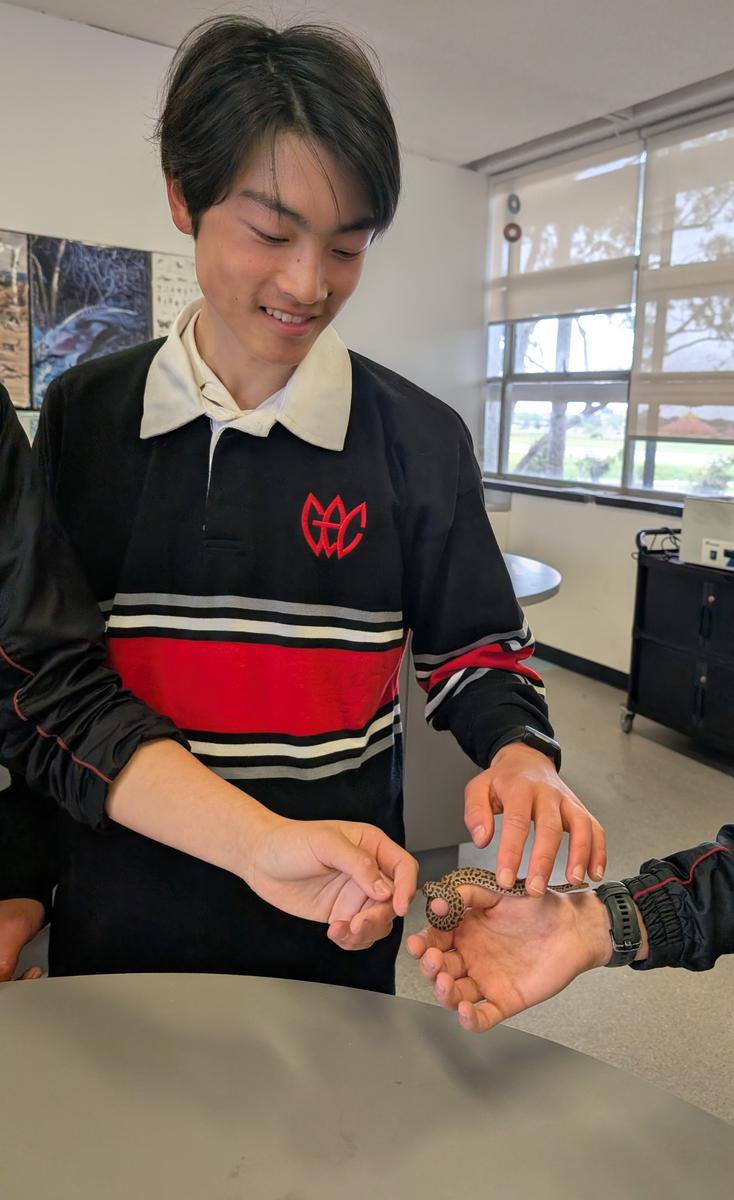
We had a special guest come in to visit 8E in science class.
Spots is a baby Stimson python and he can grow up to 90cms as an adult!
Spots is very easy going and friendly, the office staff and 8E have really enjoyed meeting Spots!
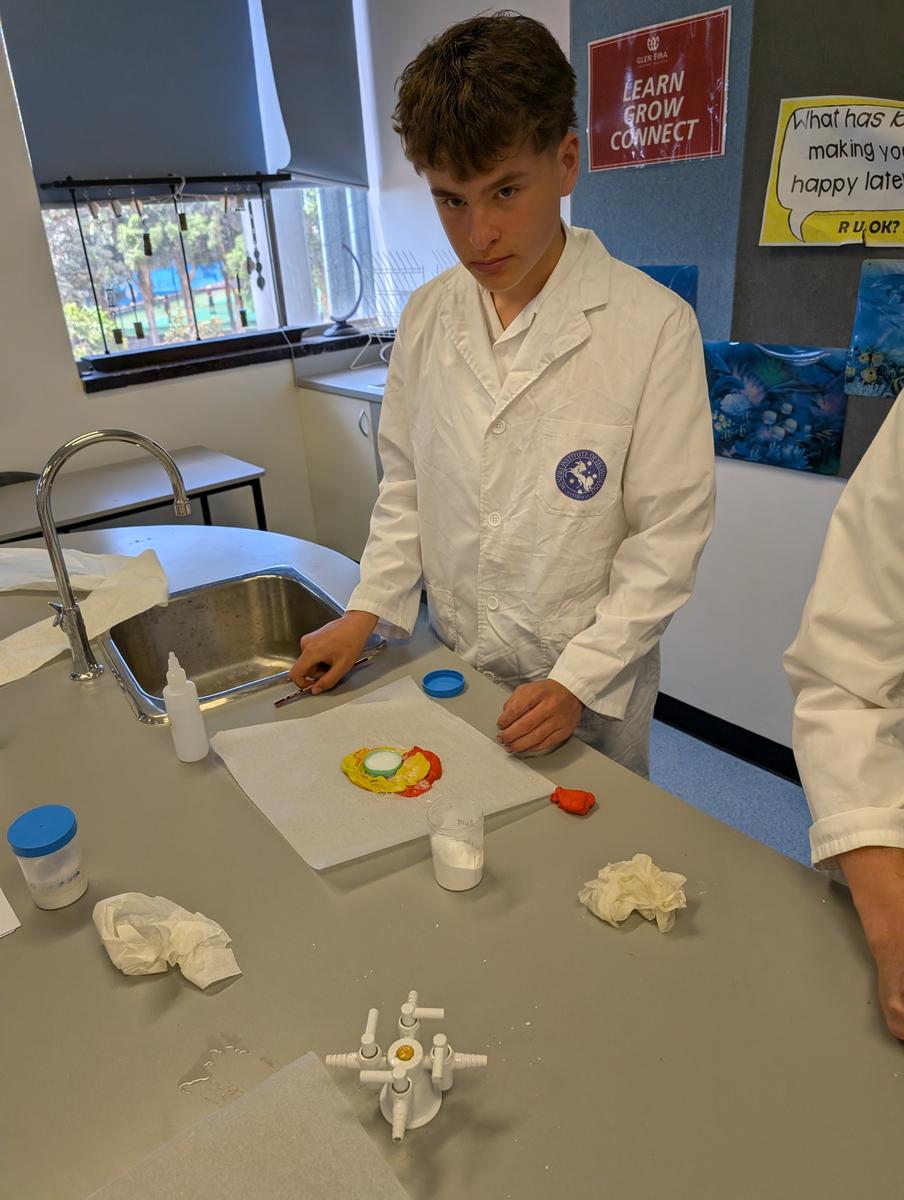
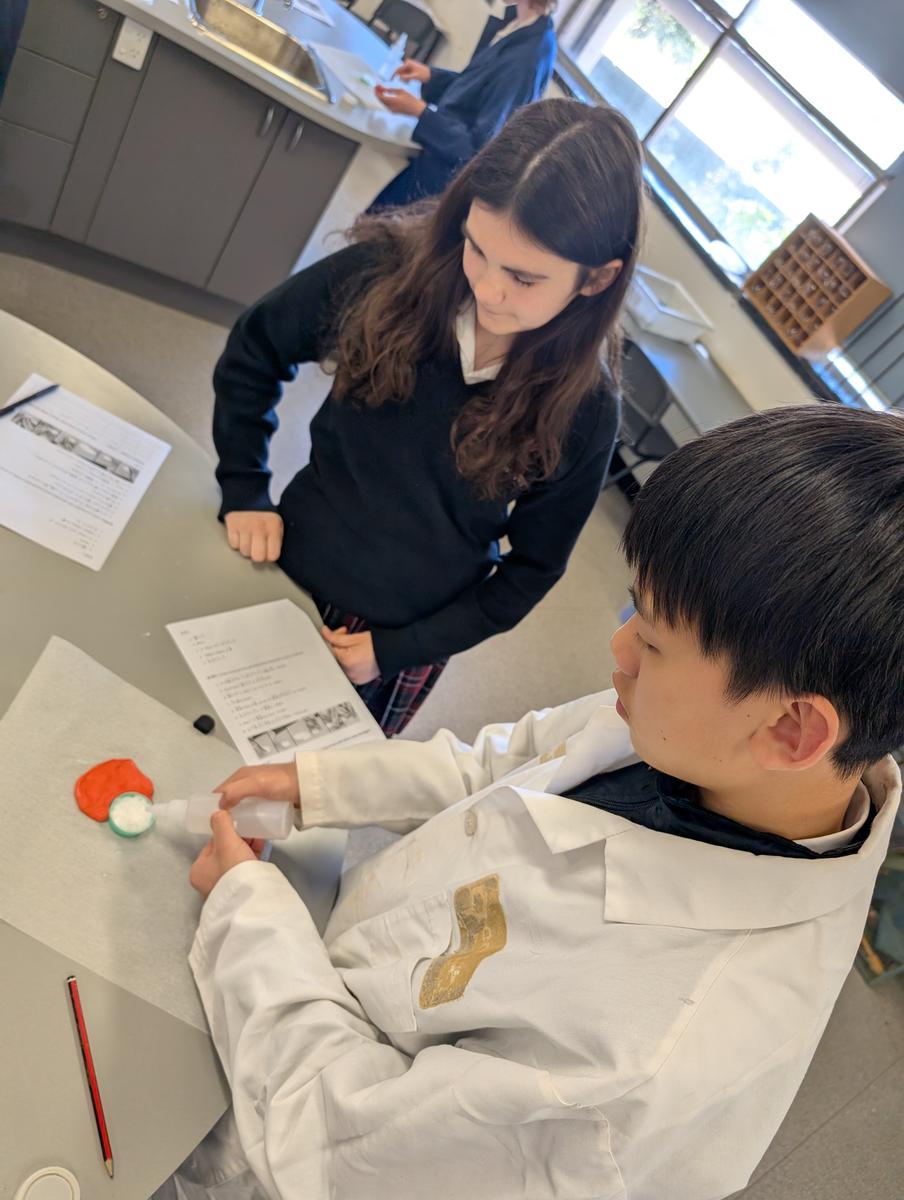
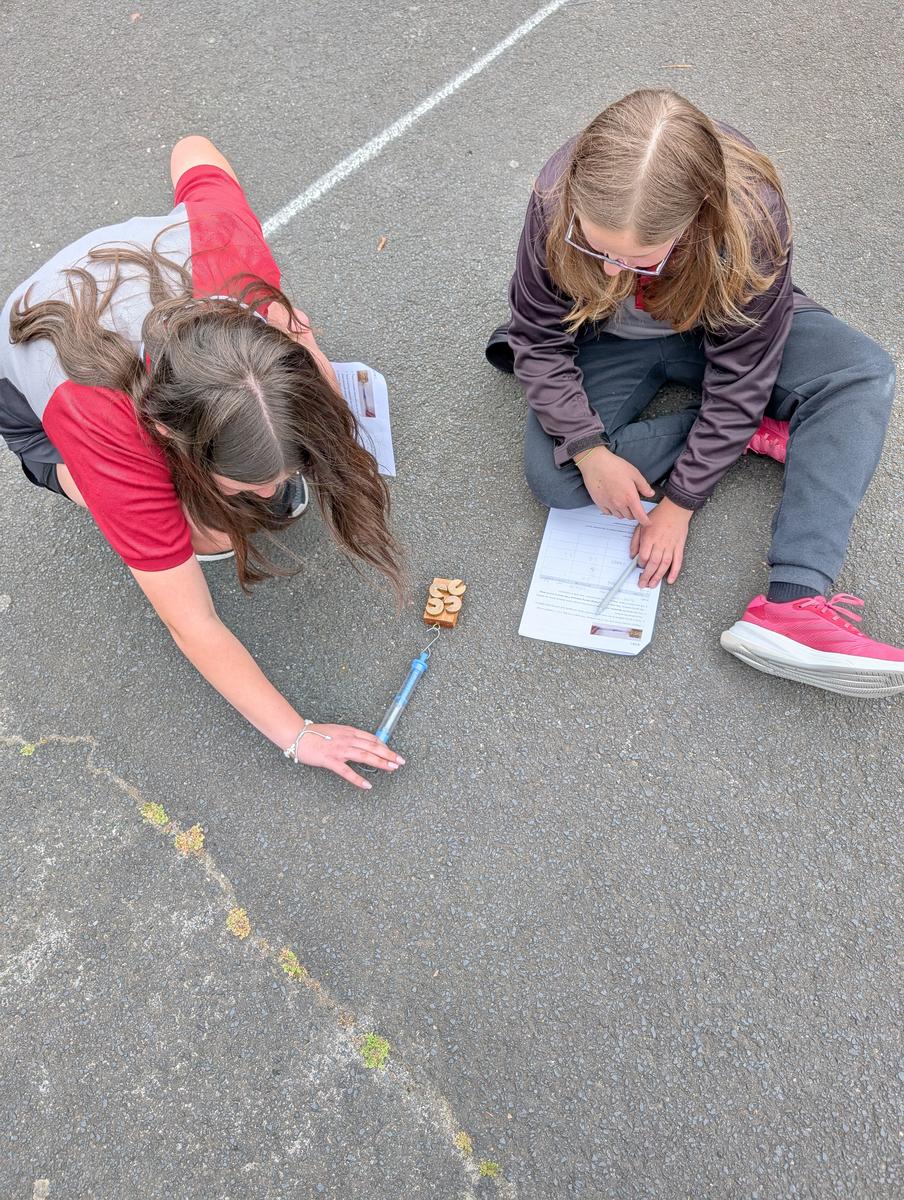
7E have been learning about friction and testing the friction on various surfaces at school.
Karen Muramatsu
Science Teacher