Naidoc Day
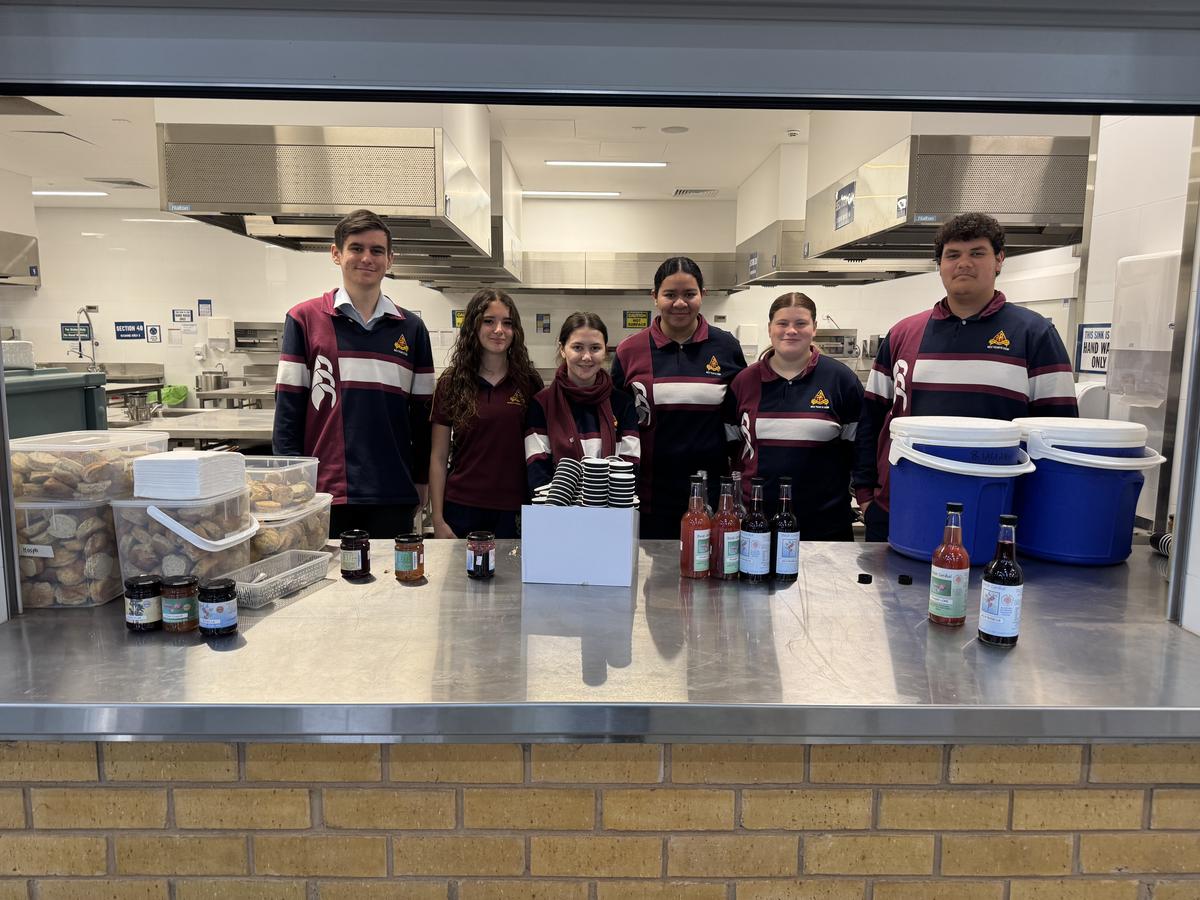
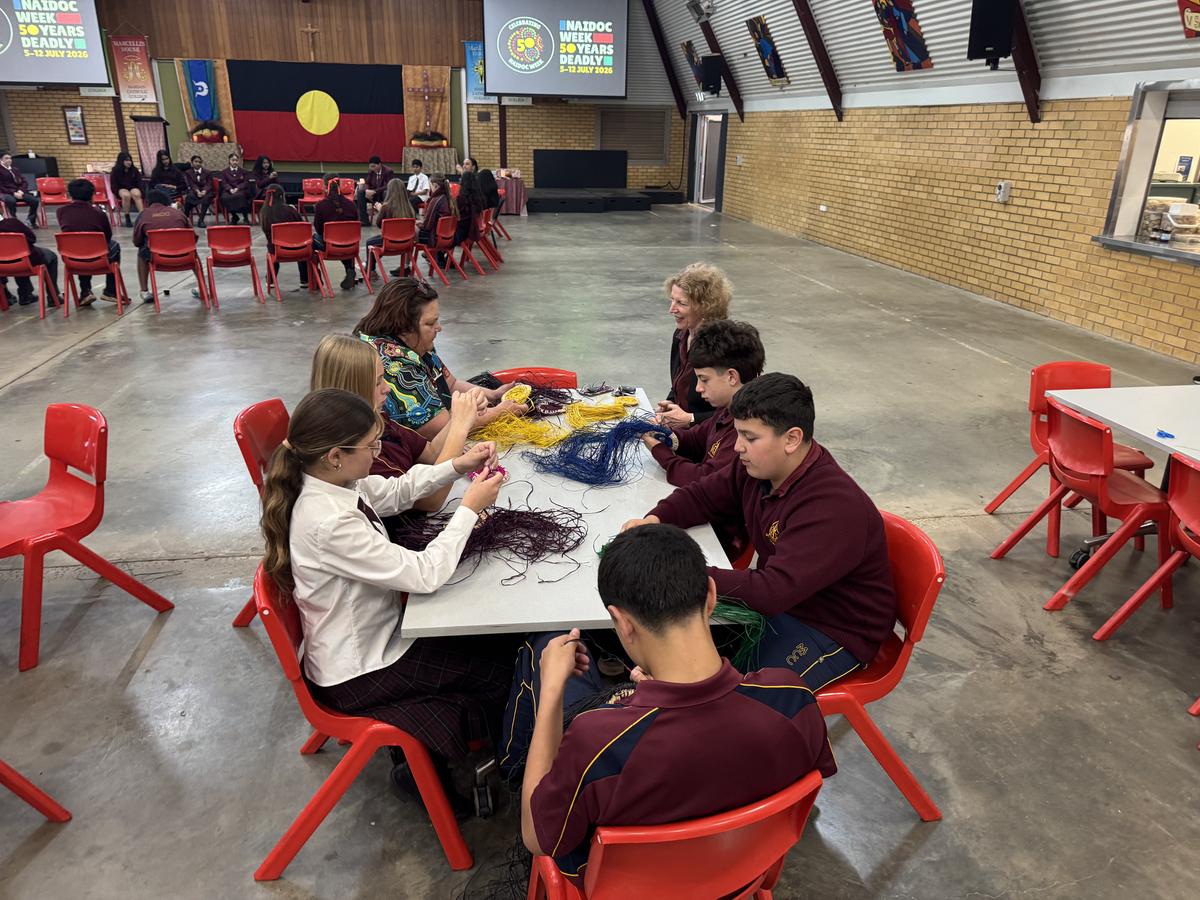
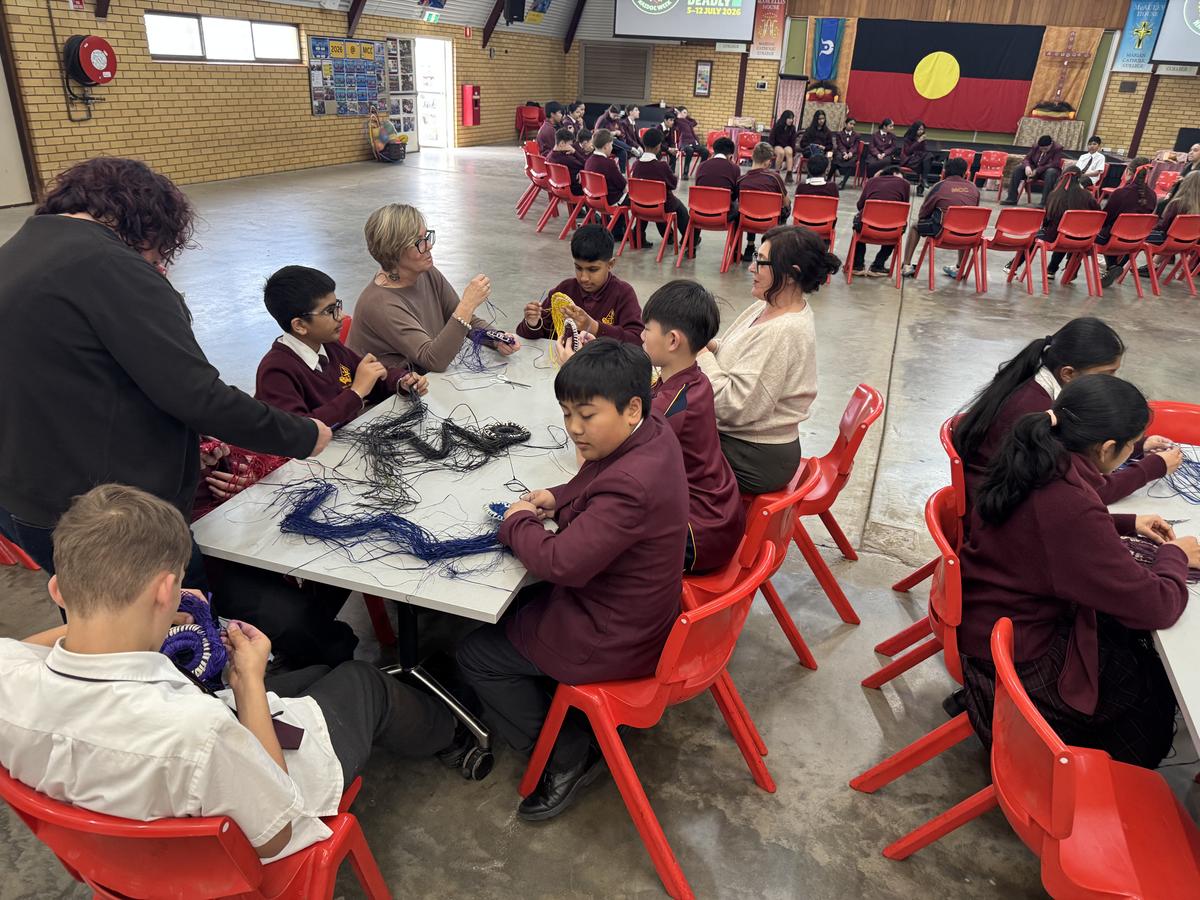
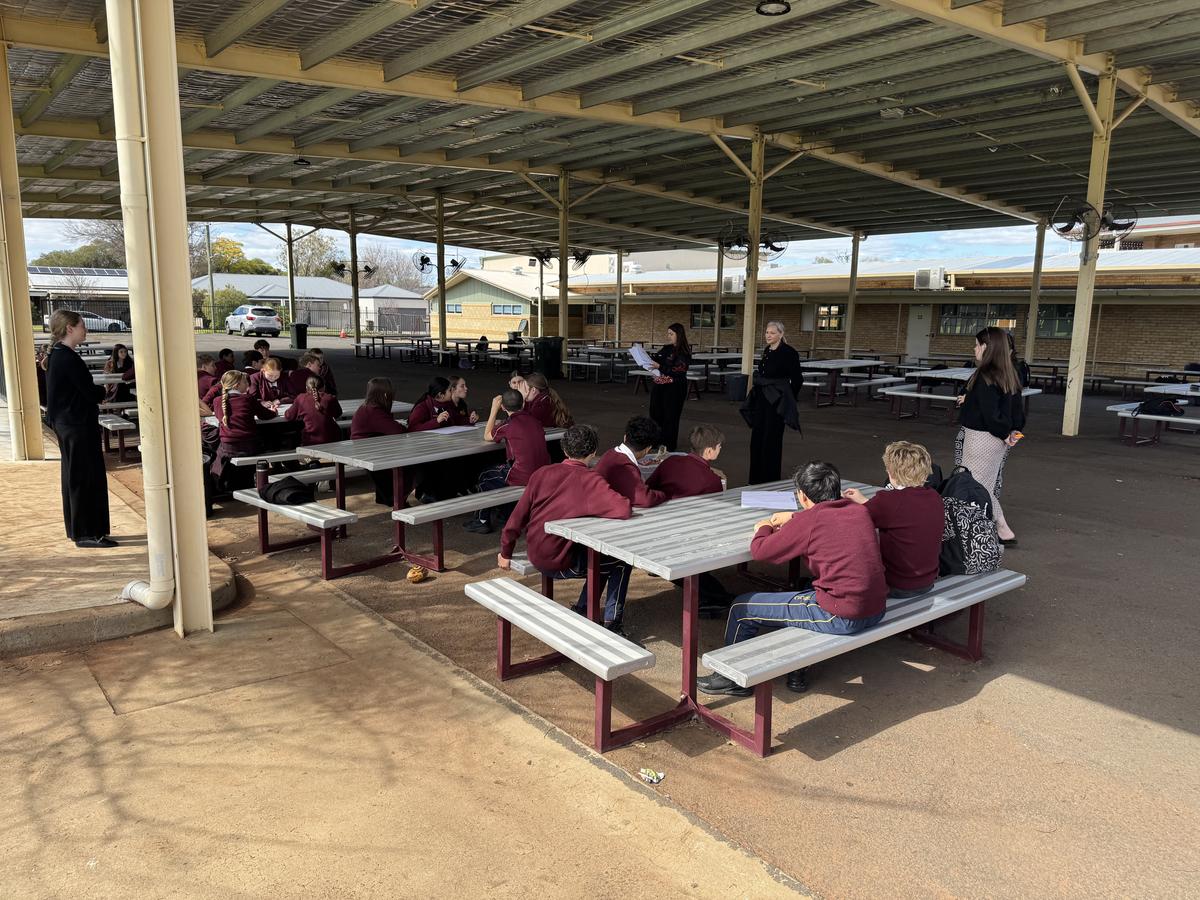
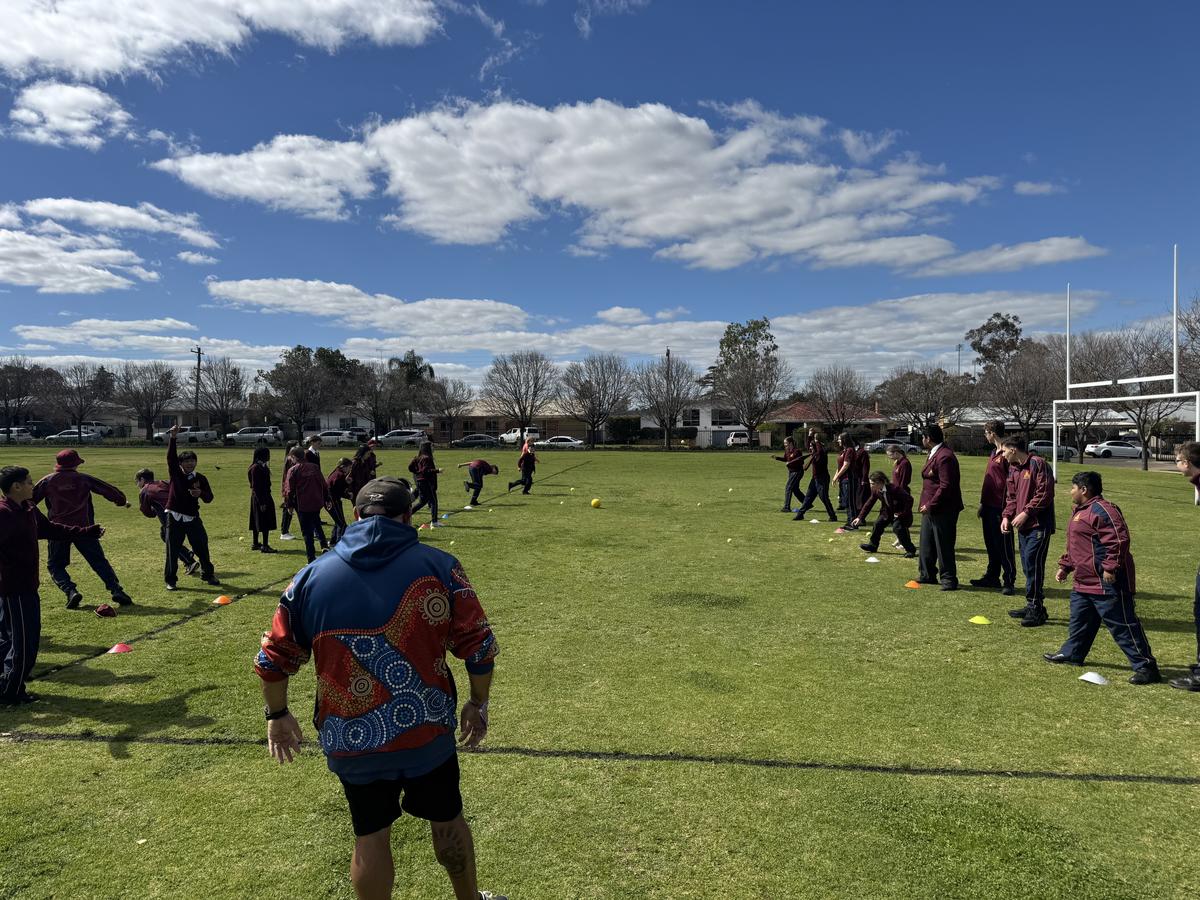
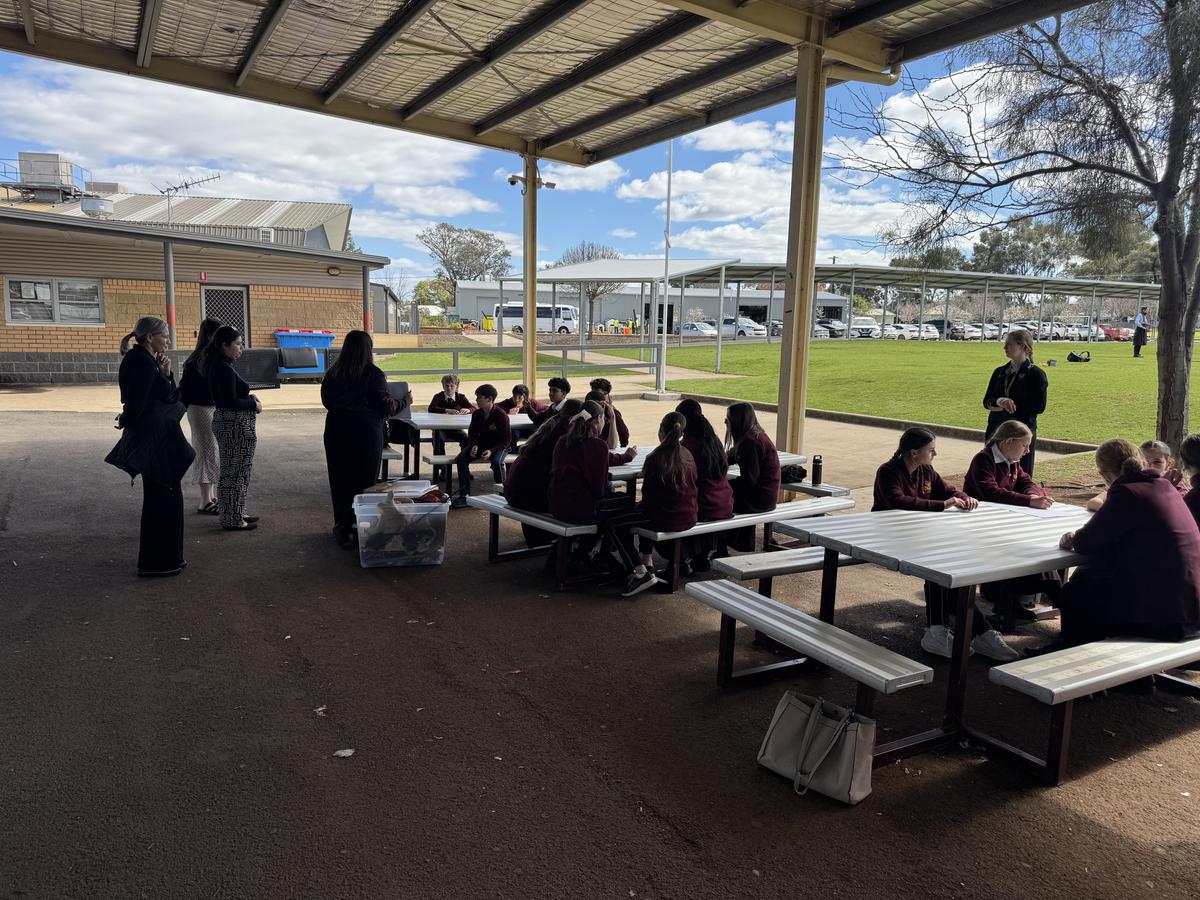
50 YEARS OF DEADLY
When I heard this year's NAIDOC theme, 50 Years of Deadly, I started thinking about what "deadly" actually means.
For Aboriginal people, deadly doesn't mean something bad.
It means amazing, strong, proud, powerful and good.
So I started thinking...
You know what's deadly?
Aboriginal people.
You know why we’re deadly?
We're still here.
For more than 65,000 years, our people have lived on this land, caring for the Country, passing down culture, language, stories and knowledge from generation to generation.
Then colonisation happened.
Our land was taken.
Our families were disrupted.
Governments introduced laws and policies that tried to control Aboriginal people and change the way we lived.
There were protection policies, where governments could control where Aboriginal people lived, where they worked, their money, their relationships and even their children.
Then came assimilation.
The idea was that Aboriginal people should eventually give up their culture and become part of white Australian society.
Our languages were discouraged.
Our culture was discouraged.
And children were taken from their families.
The goal was to make Aboriginal people become something we weren't.
But...
You know what's deadly?
It didn't work.
You know why that’s deadly?
We're still here.
Our culture is still here.
Our stories are still here.
Our connection to country is still here.
And I know that because it's in my own family.
I'm a proud Ngiyampaa and Barkindji girl, with family connections to places including Menindee, Murrin Bridge, Euabalong West, Ivanhoe and Griffith.
And one of the strongest stories in my family is my great-grandmother's story.
She was part of the Stolen Generations.
As a young girl, she was taken away from her family and sent to the Cootamundra Girls Home.
Her sister was taken too, but she was sent all the way to Melville island in the Northern Territory.
Two sisters.
Taken from their family. Removed from their country.
Separated from each other.
At just 14 years old, my great-grandmother escaped from Coota girls home.
She wanted to get back to her mum in Menindee.
While she was making her way home, she was stopped by a police officer.
He asked her where she was going.
She said:
"I'm going home. I'm going back to my mum in Menindee."
He actually put her on a train back to Menindee.
She was lucky. She made it home.
Her sister Aunty Isobelle, who is Shamia Williams' great grandmother, wasn’t so lucky. She didn’t make it home to see her mother until she was 33 years of age and had her own kids.
That is what the Stolen Generations means to my family.
But you know what's deadly?
My great-grandmother knew who she was.
They tried to take her away from her family.
But they couldn't take away her determination to get home.
They couldn't take away that connection.
And they couldn't stop our family from continuing.
That's resilience.
There's another story in my family that shows just how strong our people have been.
My great-great-great-grandfather Cobar Bill Williams fought for Australia in World War One.
He became a prisoner of war by the Germans in a prisoner of war camp just at the tail end of the war but on the 11th hour of the 11th month the guns fell silent and he was free to come home.
When he returned to Australia, his fellow soldiers were given support to rebuild their lives — including things like 6 acres of land each, housing and money.
But when Cobar Bill came home, he was given rations and a rabbit trap, and sent on his way.
And even though he had fought for Australia, he still wasn't allowed to simply walk into the local shops or pub and have a beer with his mates.
He had fought alongside them.
He had risked his life.
But he still wasn't treated as an equal because he was Aboriginal. Aboriginal soldiers were not commemorated for their service and weren’t formally recognised by the RSL until 2006.
But you know what's deadly?
He still came home.
He still lived his life.
And his story is still being told generations later.
That's resilience.
That's strength.
Young Aboriginal people.
People like me.
We can stand here proudly and say who we are.
We can learn our culture.
We can learn our history.
We can listen to our Elders.
We can go to school, go to university, become leaders, start businesses, become teachers, doctors, lawyers, artists and anything else we want to be.
We don't have to choose between being Aboriginal and having a future.
We get to have both.
I'm 16 years old.
And when I think about my great-grandmother running home at 14, I think about how different our lives are.
She was fighting to get back to her family.
Today, I get to stand here and proudly talk about that family.
I get to carry her story.
I get to carry my ancestors' stories.
And I get to help carry our culture into the future.
So, when I think about 50 Years of Deadly, I don't just think about 50 years of NAIDOC.
I think about thousands of generations of culture.
I think about our Elders.
I think about our families.
I think about our resilience.
I think about everything our people have overcome.
And I think about the fact that after everything that was done to us...
We're still here.
Still proud.
Still connected.
Still strong.
Still carrying our culture.
Still telling our stories.
And still...
Deadly.
Thank you.
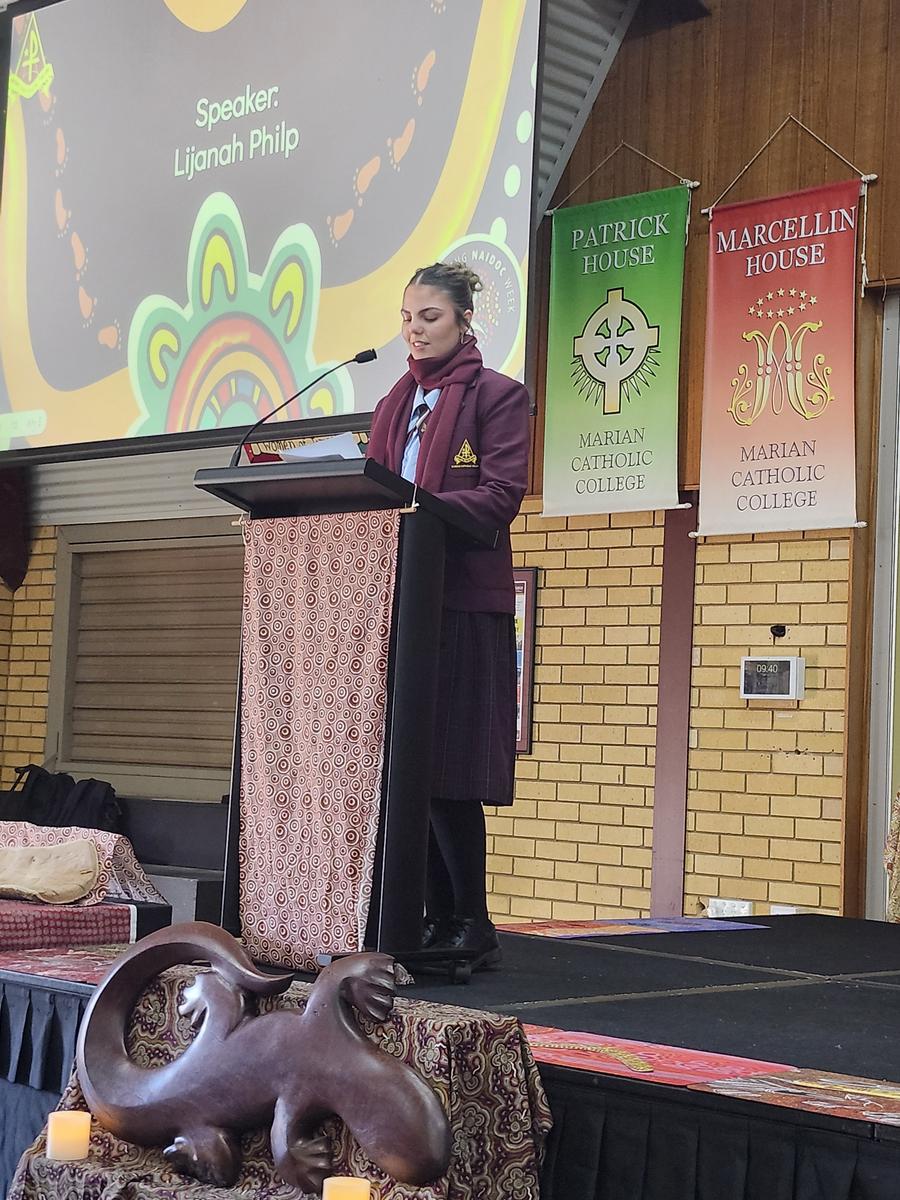
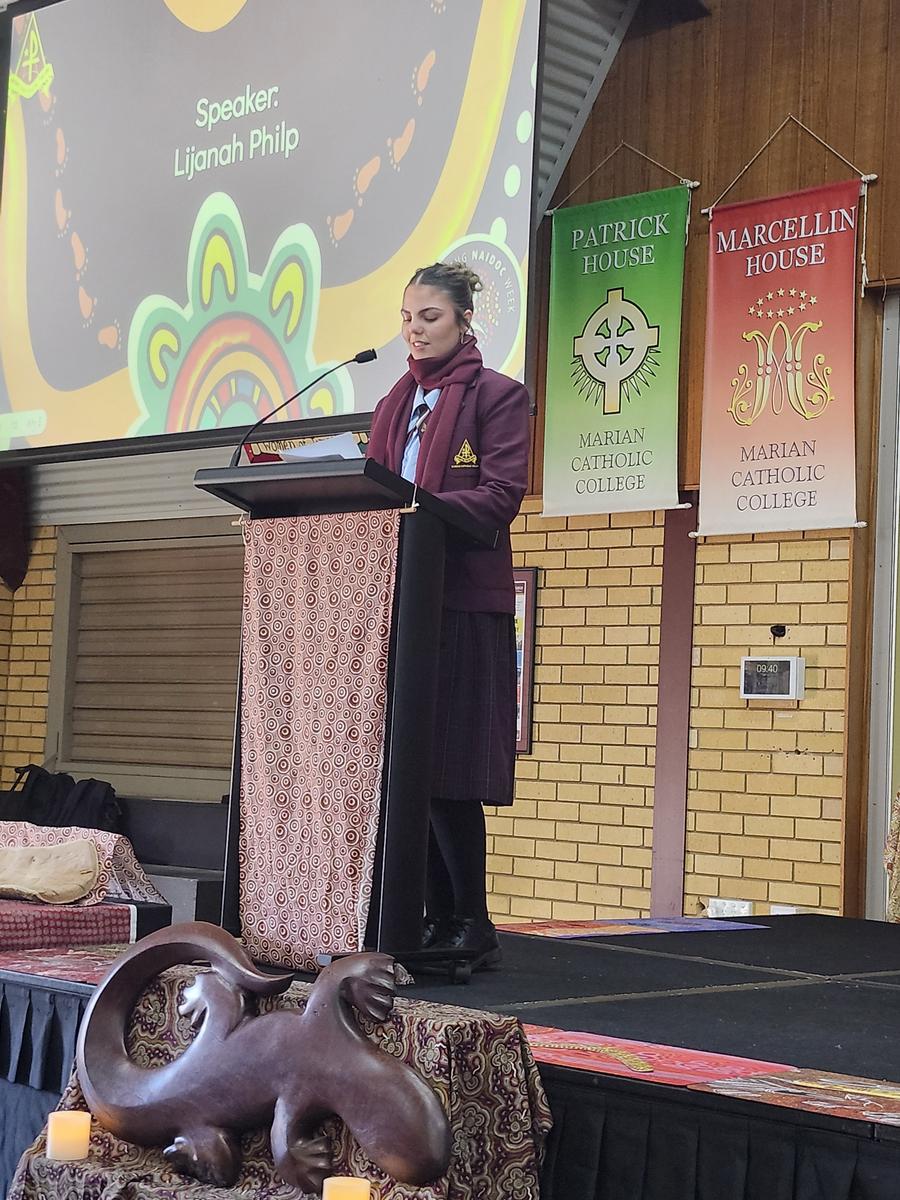
Lijanah Philp
Year 11 Student