Wellbeing
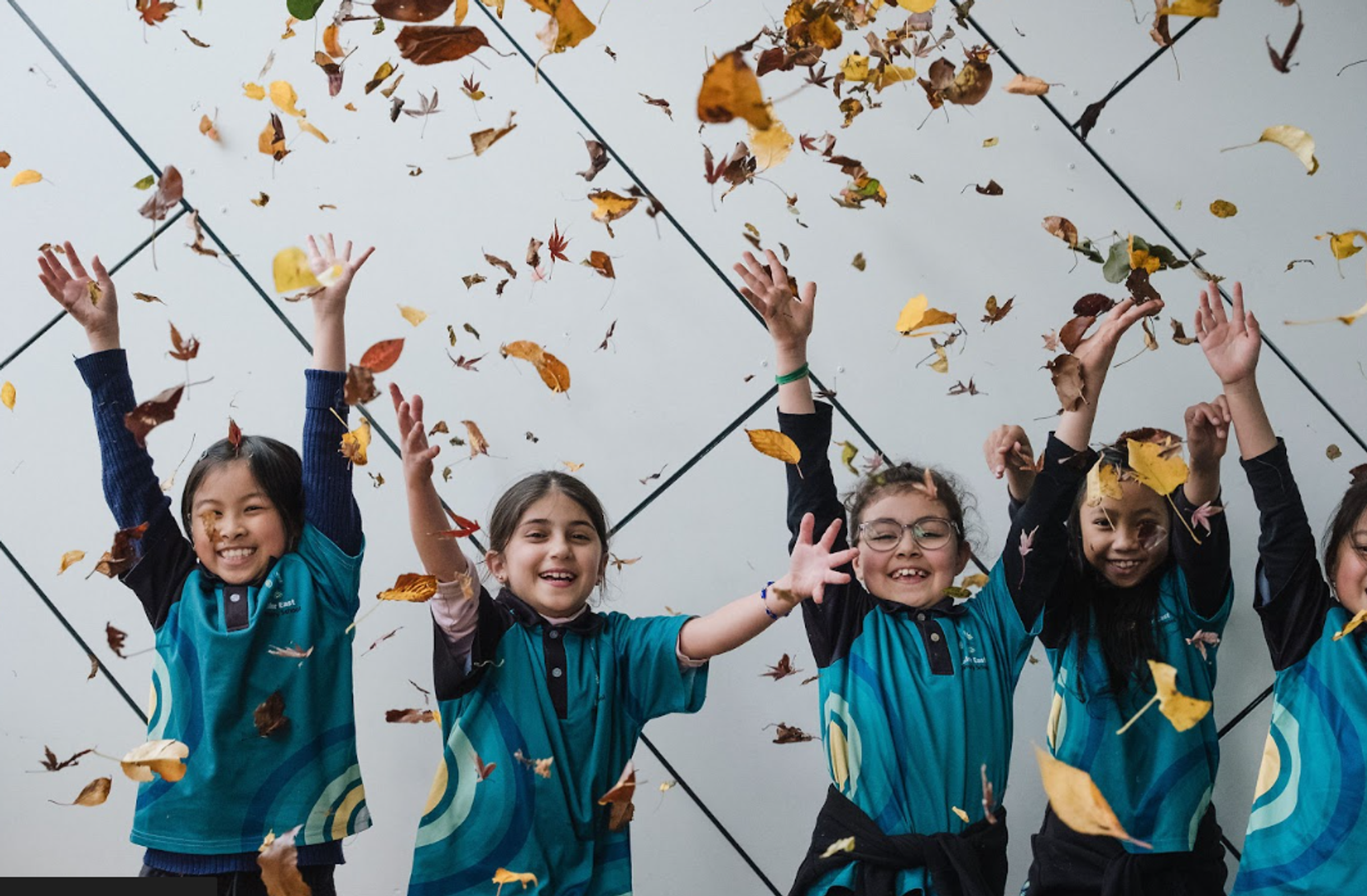
SWPBS NEW INDIVIDUAL Expected Behaviours Charts - around the school
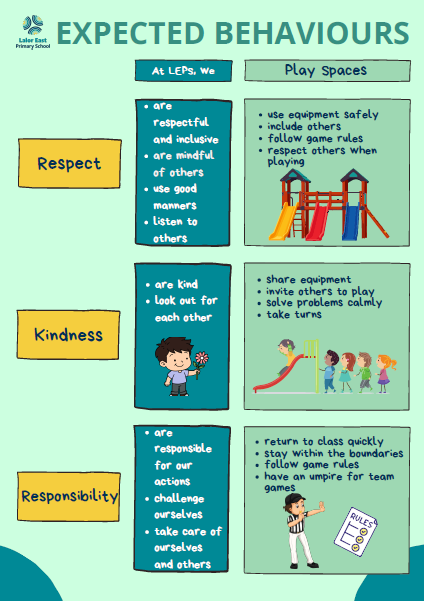
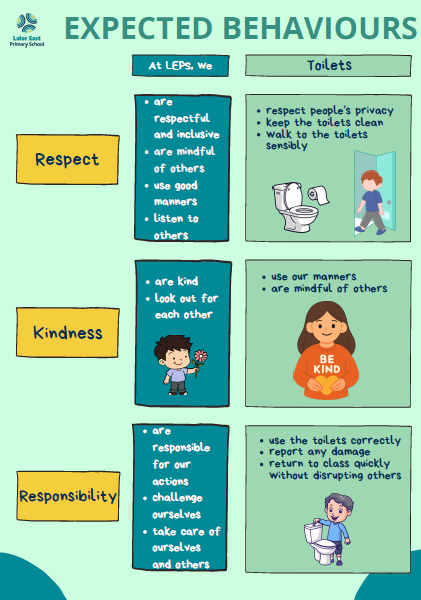
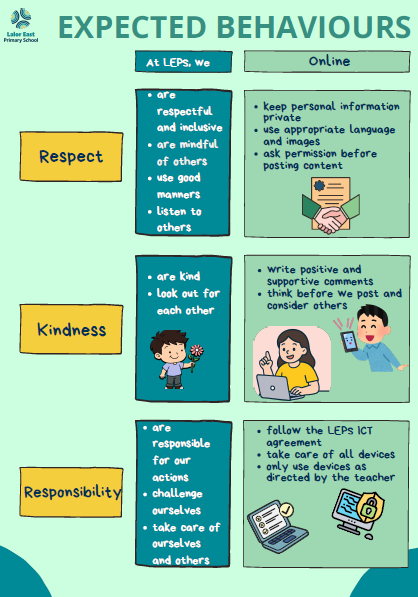
Following the introduction of our new Expected Behaviours Chart, we are continuing to strengthen our School-Wide Positive Behaviour Support (SWPBS) program by displaying the expectations in a more targeted way around our school.
The chart has now been divided into individual categories, with each section displayed in the area where those expectations are most relevant. Over the coming weeks, families will notice these displays positioned throughout the school, including around the exterior of buildings and within student toilet areas.
Placing the expectations in the environments where students use them every day provides timely reminders and helps reinforce the positive behaviours we want to see. This approach supports consistency, encourages positive choices and assists students in understanding what respectful, responsible and safe behaviour looks like in different settings.
We encourage families to continue discussing these expectations at home. When students receive the same positive messages from both school and home, it strengthens their understanding and helps build lifelong habits of respect, responsibility and kindness.
Thank you for your ongoing support of our SWPBS program as we continue to foster a positive, safe and inclusive learning environment for all students.

Fidget Tools as a Learning Support
At Lalor East Primary School, we believe every child has the right to learn in an environment that is supportive, inclusive and responsive to their individual needs. For some students, one strategy that can support learning is the use of a fidget tool.
It is important to remember that fidgets are learning tools, not toys. When used appropriately, they can help some students meet their sensory needs by keeping their hands occupied while allowing their brains to focus on listening, thinking and learning. Research shows that, for some students, access to an appropriate sensory tool can improve attention, reduce restlessness and support emotional regulation during learning tasks.
We are committed to providing high-quality regulation supports for students who need them. Students who benefit from using a fidget tool are explicitly taught how to use it appropriately. This includes understanding that:
Fidget tools are used to support learning, not for play.
Hands can be busy while eyes, ears and brains remain focused on the teacher or learning task.
Fidget tools should never distract the user or others.
Different regulation strategies work for different people. If a fidget tool is not supporting a student's learning, teachers will work with them to identify a more effective strategy.
Over recent weeks, we have noticed an increase in students bringing fidget toys from home. While some students genuinely benefit from using these tools, for many others they become a source of distraction and can reduce engagement with learning.
To ensure our classrooms remain calm and focused learning environments, students are no longer permitted to bring fidget tools from home for use during classroom learning time, unless this has been agreed upon as part of an individual support plan developed in consultation with the family and school.
Students are still welcome to bring fidget toys from home to enjoy during recess and lunchtime. These items should remain in their school bags during all classroom learning sessions.
Students who require access to a fidget tool during learning will have an individual support plan developed in consultation with their family, key school staff and, where appropriate, allied health professionals such as psychologists or occupational therapists. In addition, every classroom has a range of school-provided fidget tools that teachers can provide to students when they are likely to support learning.
We appreciate your support in helping us maintain calm, focused and inclusive learning environments for all students. If you have any questions or would like to discuss your child's regulation supports, please don't hesitate to contact your child's classroom teacher.

The Orange Door
Our school cares about the safety and wellbeing of our students and their families.
Sometimes things at home or in a relationship are not OK or families can be worried about the wellbeing of their children or young people.
The Orange Door can help you to get the support you need, quickly and easily. It’s free and you don’t need a referral.
The Orange Door can help families. They provide support for concerns with parenting, relationships, and family violence.
The Orange Door is a free intake and assessment service for:
families requiring support for their child or young person’s wellbeing or development
families needing parenting support
young, isolated, or unsupported families
individuals and families experiencing family violence
adults using family violence
young people using violence in the home.
If you contact The Orange Door, they can help by:
working with you to identify the help and support you need
supporting you with the wellbeing and development of your child or young person
helping you make a safety plan if someone is making you feel unsafe
connecting you to services that can help like counselling, accommodation, mental health and drug and alcohol services, parenting support groups, services for children, financial help, or legal assistance
supporting you to access funding for basic living expenses and some other costs
supporting you to change abusive or controlling behaviour.
Each Orange Door location across Victoria has their own phone number and email. Students and their families can also visit their local Orange Door in person for support, Monday to Friday, 9am - 5pm for support. No appointment is needed.
To find your local service, see: The Orange Door – Support near you.
Respectful Relationships
This term, students will be participating in Unit 7 of the Resilience, Rights and Respectful Relationships (RRRR) program, which focuses on Gender and Identity. Through age-appropriate discussions and engaging learning activities, students will explore the importance of respecting differences, recognising stereotypes, and appreciating the unique qualities that make each person who they are. Families are encouraged to continue these conversations at home by celebrating diversity and discussing the importance of treating everyone with kindness, fairness and respect.