
Wellbeing
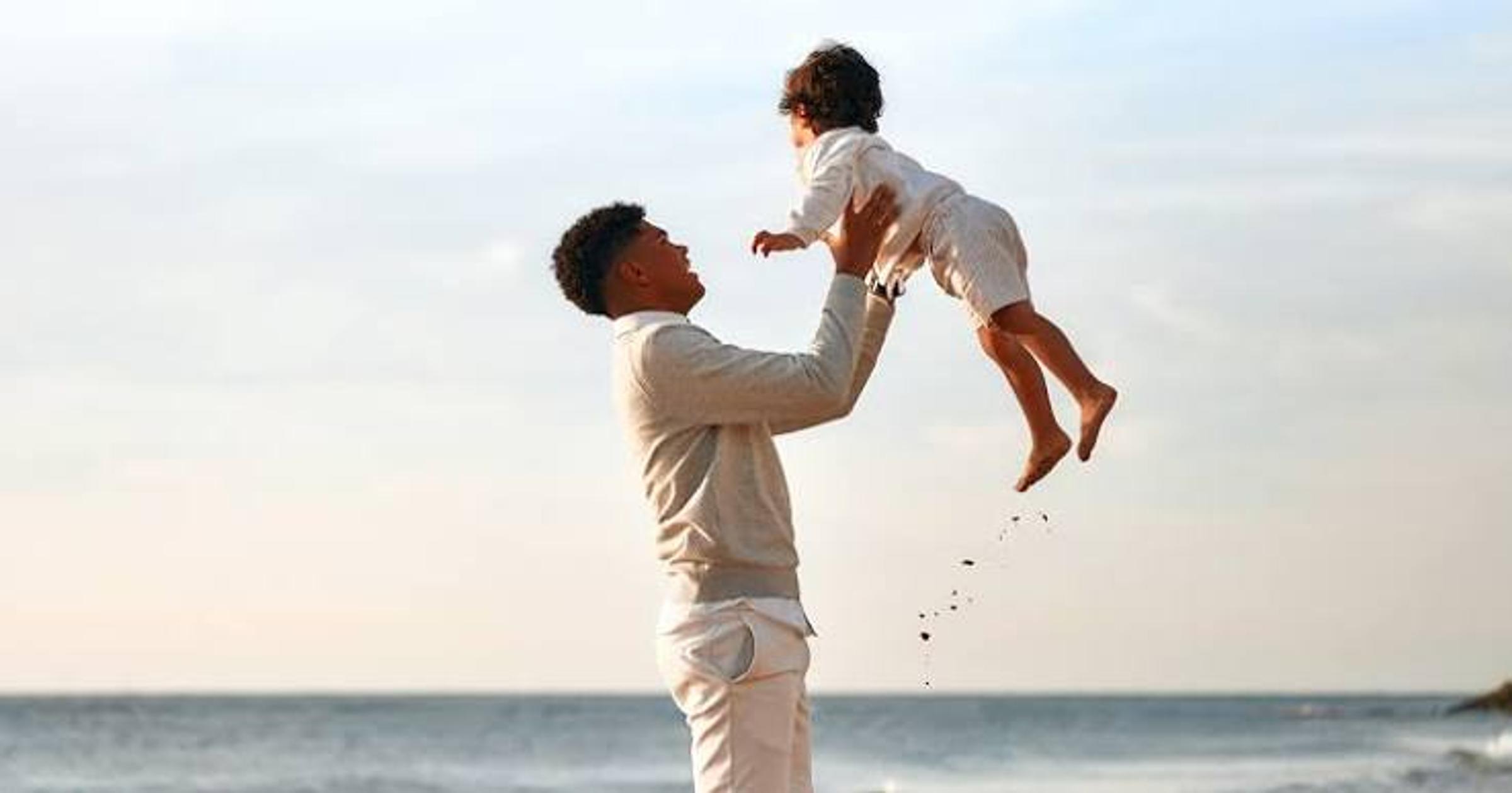
Celebrating Fathers
Father’s Day is a wonderful opportunity to pause and celebrate the fathers, grandfathers, stepfathers and father figures who make a lasting difference in the lives of children and families.
The origins of Father’s Day can be traced back to 1908, when a special church service was held in Fairmont, West Virginia, to honour fathers who had died in the Monongah mining disaster. The idea gained greater momentum the following year when Sonora Smart Dodd, inspired by a Mother’s Day sermon, proposed a day to honour fathers. The first recognised Father’s Day was celebrated in Spokane, Washington, on 19 June 1910. Despite some early resistance, the tradition gradually spread, reaching Australia in 1936 and becoming officially recognised in 1958.
While Father’s Day has evolved over time, its purpose remains beautifully simple: to recognise the important contribution fathers make to family life.
A father’s influence can be seen in countless everyday moments. His words can encourage and inspire; his hugs can bring comfort; his smile can create joy and confidence; and his guidance can provide direction and a strong foundation. Time spent together—whether through play, conversation, adventure or simply being present—creates memories and strengthens relationships.
Research highlights the positive impact of warm, engaged and appropriately structured parenting. Children benefit when fathers combine sensitivity and encouragement with clear expectations, boundaries and guidance. A strong relationship with a father can support children’s emotional wellbeing, social development, resilience and ability to manage challenges. Even something as simple as playing together can help children develop self-control, problem-solving and self-regulation skills.
Small Moments, Lasting Impact
Often, it is the small, everyday moments that create the greatest momentum in family life.
Spiritually, fathers can provide foundation and direction through prayer, faith and conversations about what matters most.
Emotionally, they can model openness and resilience by listening carefully, acknowledging feelings and helping children understand their emotions.
Mentally, encouraging words and positive affirmations can build confidence and help children develop healthy and constructive ways of thinking.
Relationally, gentle love, service and presence teach children about kindness, humility, respect and steadfastness.
Physically, play, activity, affection and shared adventures can create connection, joy and opportunities for children to grow in confidence and independence.
Ultimately, a father’s greatest gifts are often found in the things that cannot be measured: his time, his presence, his encouragement, his guidance and his love. These seemingly ordinary moments become the building blocks of a child’s relationships, character, beliefs and sense of belonging.
This Father’s Day, we give thanks for all the dads and father figures who nurture, encourage, challenge, guide and love the children in their lives.
Thank you for all that you do. Wishing all our dads a very happy and blessed Father’s Day this Sunday!
Juliette Hancke
Wellbeing Leader