Therapy News
Supporting our students' communication with AAC

Therapy News
Supporting our students' communication with AAC
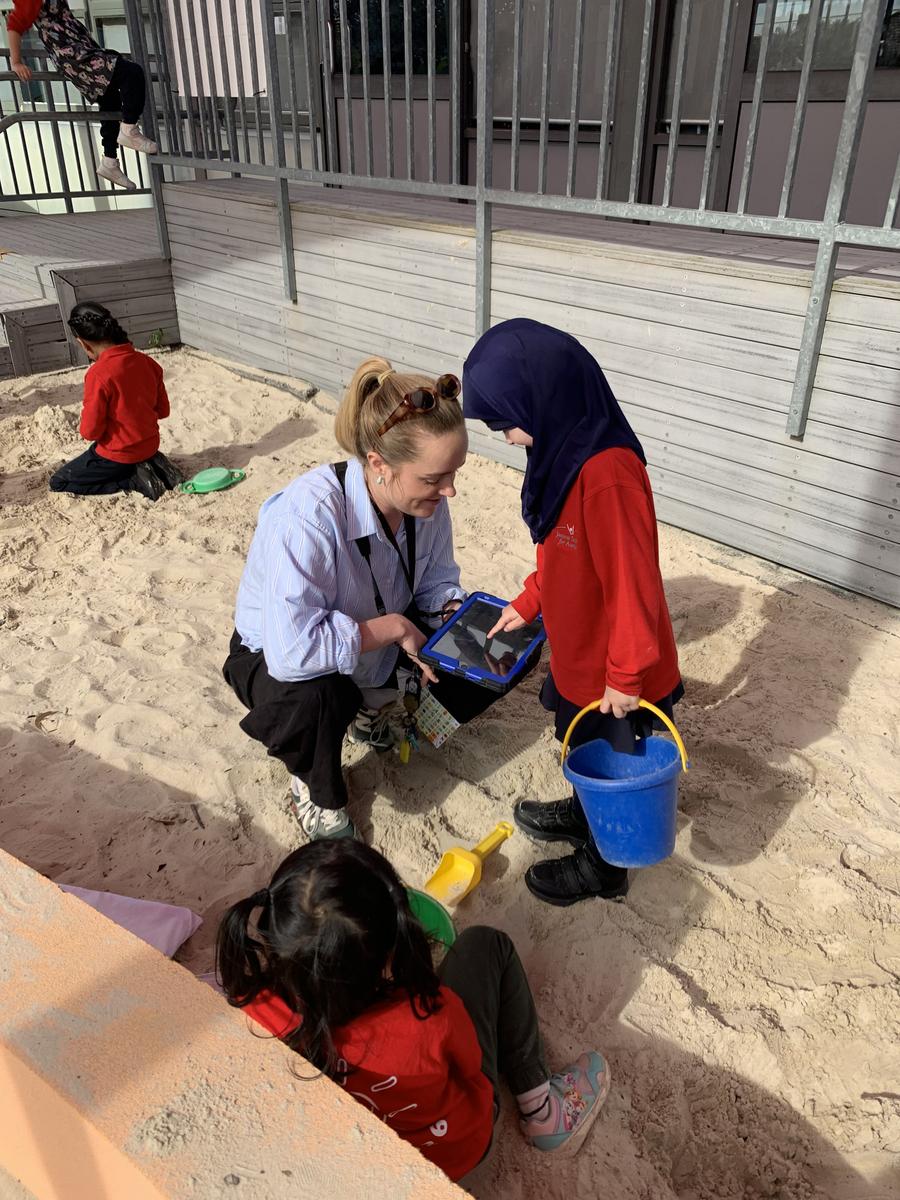
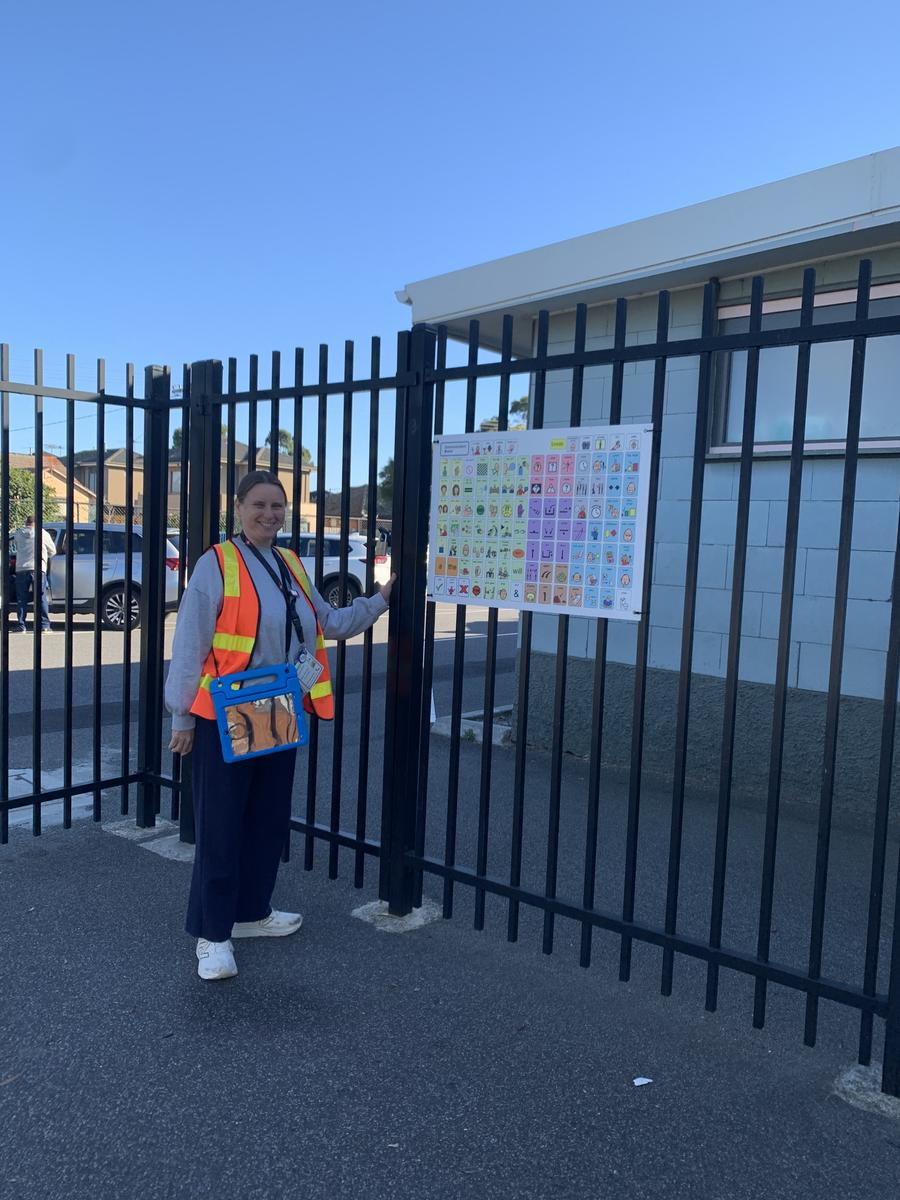
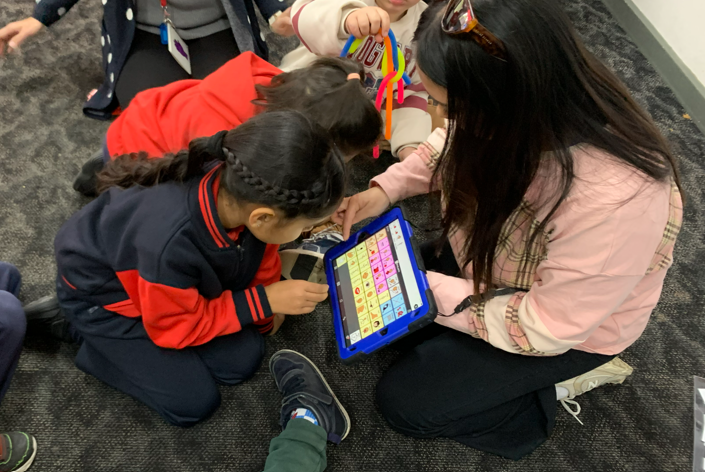
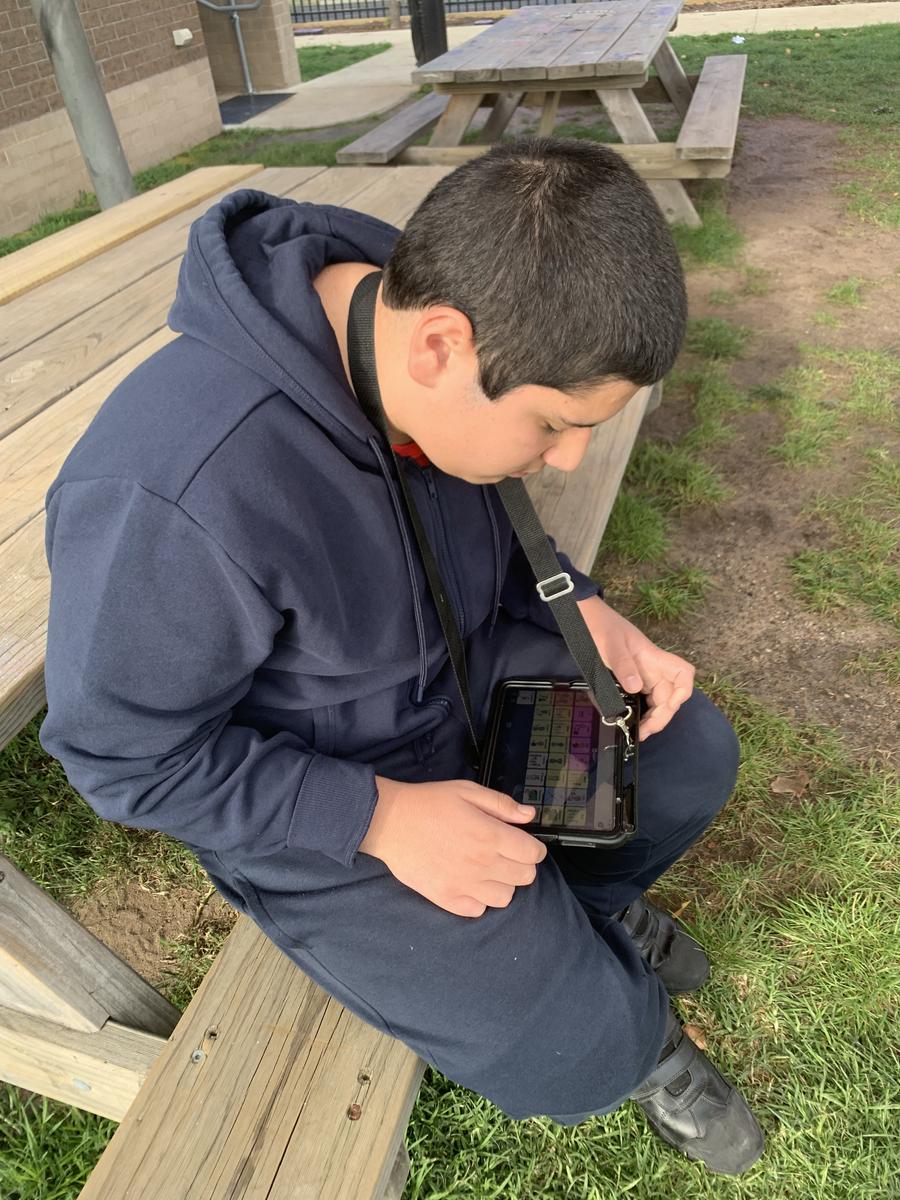
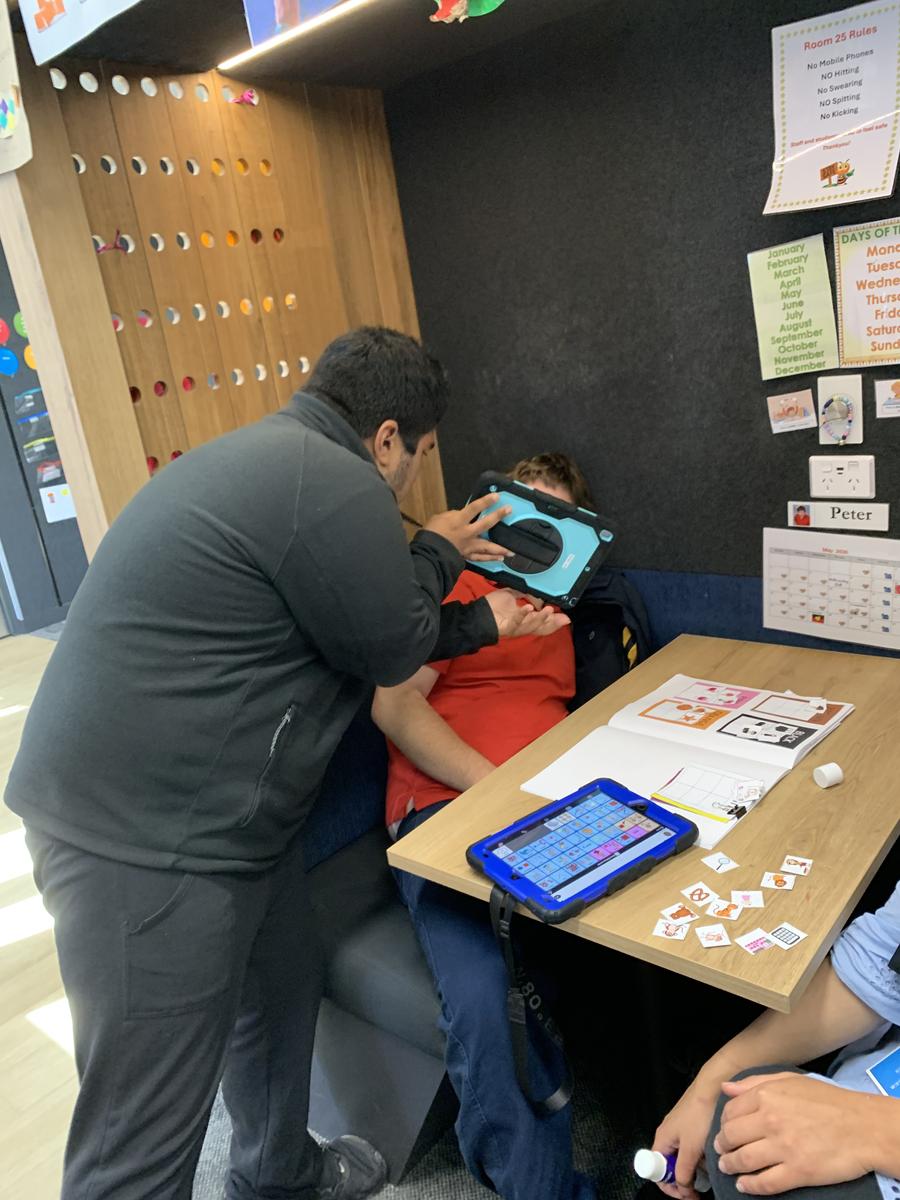
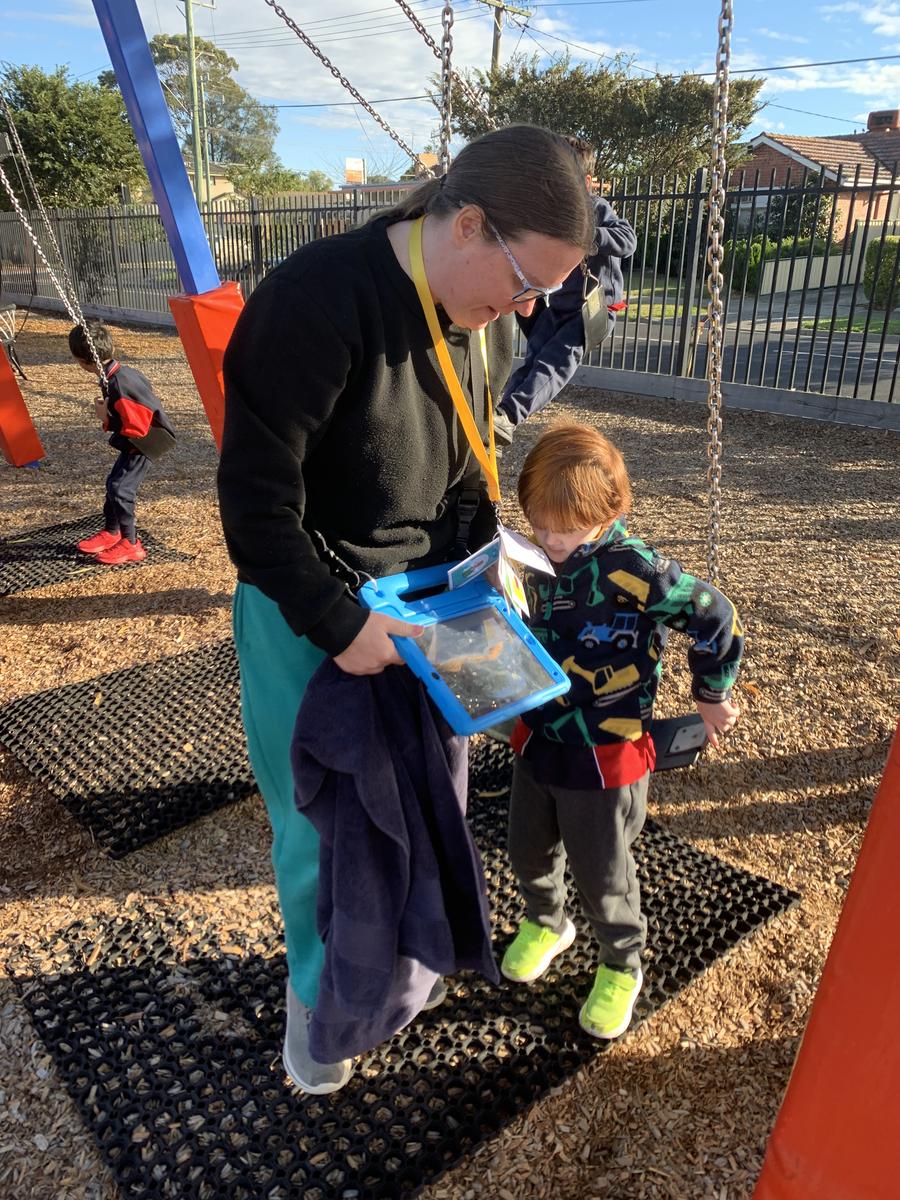
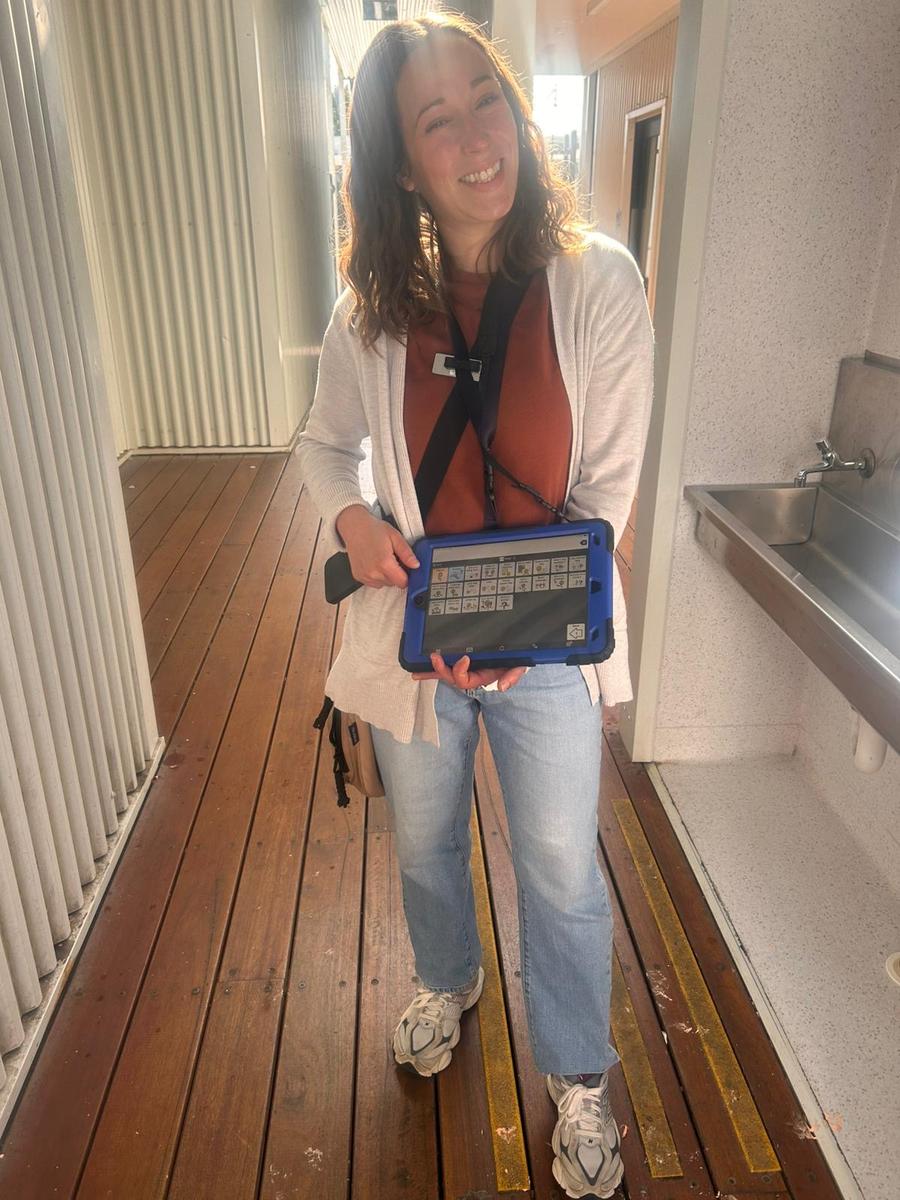
Augmentative and Alternative Communication (AAC) refers to any additional tools that support an individual’s communication. Visuals, key word signs and communication devices are examples of different types of AAC. When individuals are learning to use AAC to support their communication, they require the people around them to also use these tools. This shows and teaches the individuals how they can use these tools to communicate. This is similar to how babies learn how to talk. They are exposed to millions of words before they can speak. This is called modelling. It is important that we model communication to individuals through both spoken language as well as their AAC tools.
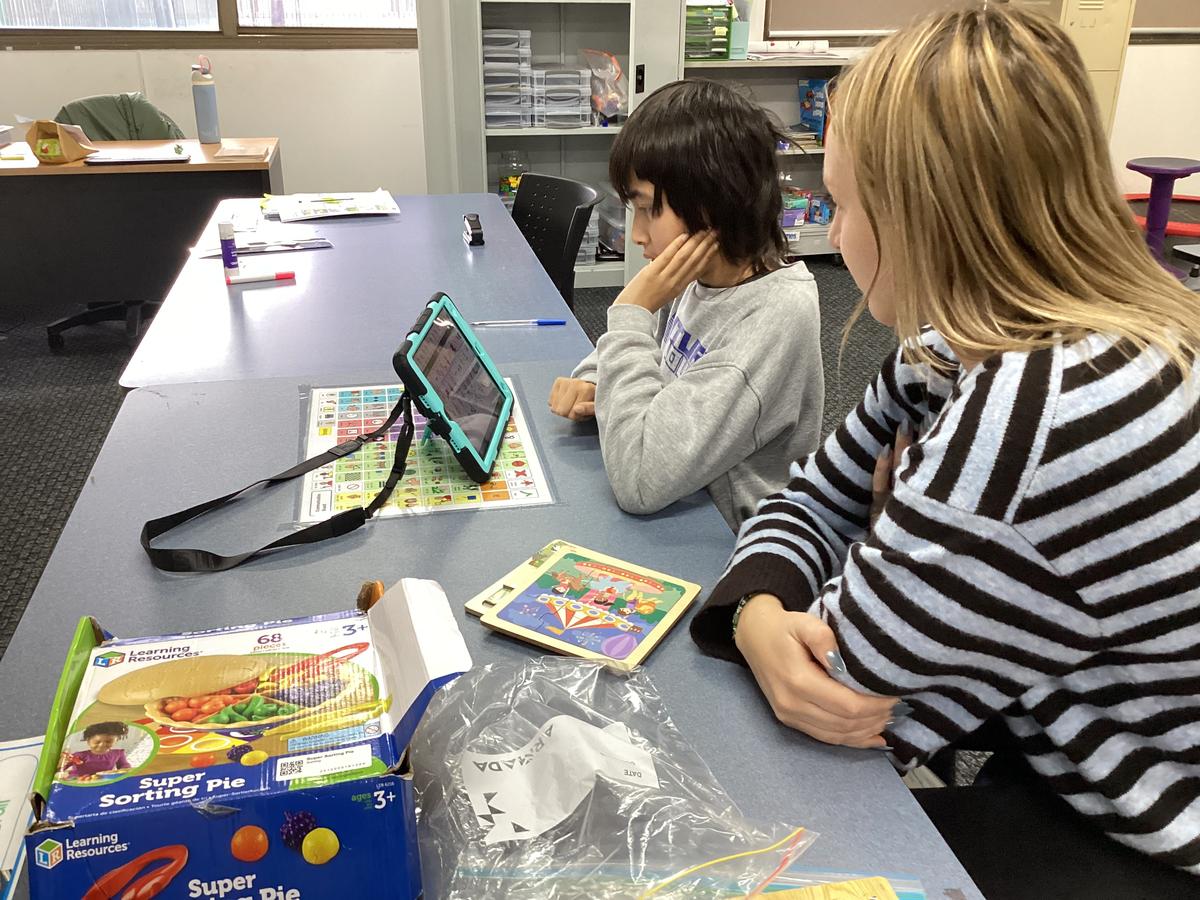
Modelling in AAC is a technique that is supported by research and clinical experience. When modelling, the adult will use AAC to communicate to the child. Individuals learning to use AAC need lots of modelling before they can be expected to produce similar messages.
A few examples of how you could model:
Your student brings you a cup. You can say “I see you want a drink”. Model the words in bold using their AAC system.
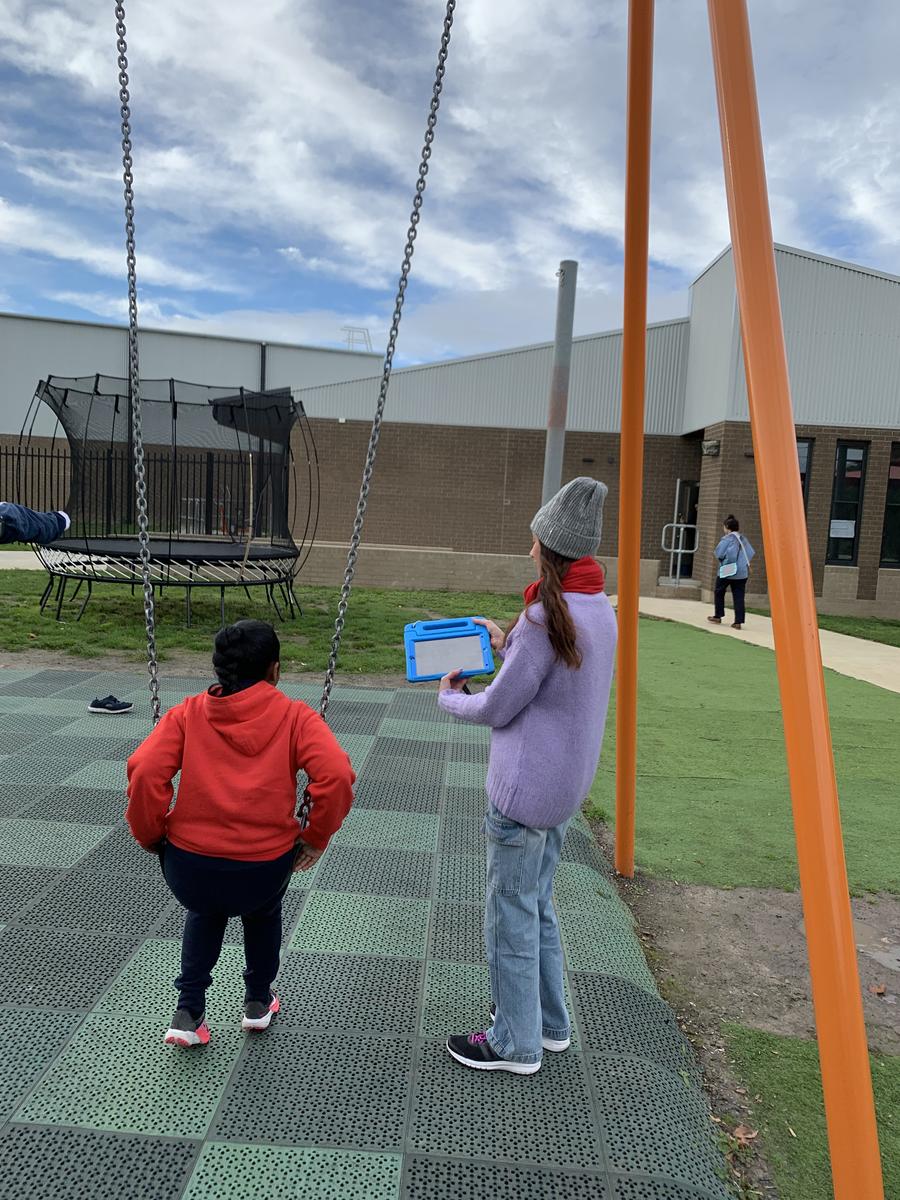
Your student wants to be pushed on the swing. You can say ‘Ready, set, go”. Model the word in bold using their AAC system.
Your child hands you a packet of chips. You can say “I think you want help”. Model the words in bold using their AAC system.
Please stay tuned for upcoming AAC sessions run by the Speech Pathology team throughout Terms 3 & 4. If you have any questions about AAC, please submit a Therapy Referral or call the Speech Pathology extension on 123.
All classroom communication iPads must be locked into Guided Access at all times (so that students cannot exit from the communication app). Further information on how to enable and lock an iPad onto Guided Access can be found here: https://support.apple.com/en-au/111795
Thank you to all staff who have been actively wearing, modelling and providing access to communication devices!
-------------------------------------------------------------------------------------------------------------------
Curriculum Cupboard Resources
The curriculum cupboard will be open every Monday (2:00pm – 2:30pm) and Thursday (8:15am – 8:45am) for staff to borrow classroom resources. Please contact the Therapy Team if you need access to resources outside of these times.
Climbing Gym & OT Rooms 1 & 2
Please follow the protocols before entering the OT Rooms and Climbing Gym. There is a “Stop” sign with the rules on the door of each space. These spaces are to be used as proactive regulation spaces, rather than as a breakout space for a student who is already heightened.
Any staff who supports students in these spaces must complete a short induction with a Therapy Team Member. Please submit a Therapy Referral if you have not completed this training and would like to book one of these spaces.
Please only use these spaces at the times that you have booked via SharePoint (Resource Booking).
SPOTBites Weekly Activities
Please look out for an email from our Allied Health Assistant, Angela Psiroukis, regarding the Therapy Team's SPOTBites activities for students. Activity packs will be released three times per term, in the main Staff Room in the Admin building.
Therapy Referral System
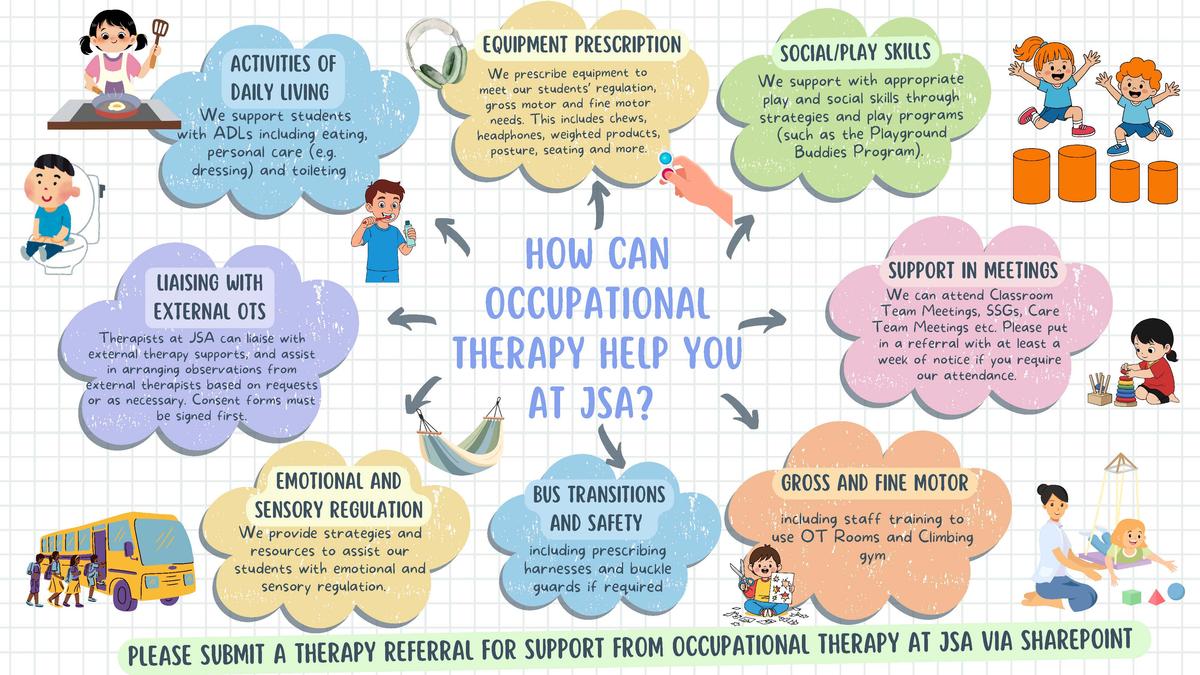
Please submit any requests for support from a therapist via the Therapy Referral Tab on SharePoint. Our team triages new referrals every Monday morning and allocates a therapist and priority to these new referrals. This ensures that the most urgent referrals are addressed in a timely manner. You can submit referrals for SP and OT support, including requesting for us to attend classroom team meetings, care team meetings, SSGs etc. Please note that due to limited capacity, we may not be able to attend every meeting request, but we will prioritise any urgent requests.