Wellbeing
Amanda Wilson | Assistant Principal
Jess Norder | Mental Health and Wellbeing Leader






 Hampton Primary School
Wellbeing
Amanda Wilson | Assistant Principal
Jess Norder | Mental Health and Wellbeing Leader
When was the last time your child ran through the grass, climbed a tree, splashed in a puddle, collected a handful of interesting rocks or simply lay on the ground looking up at the clouds?
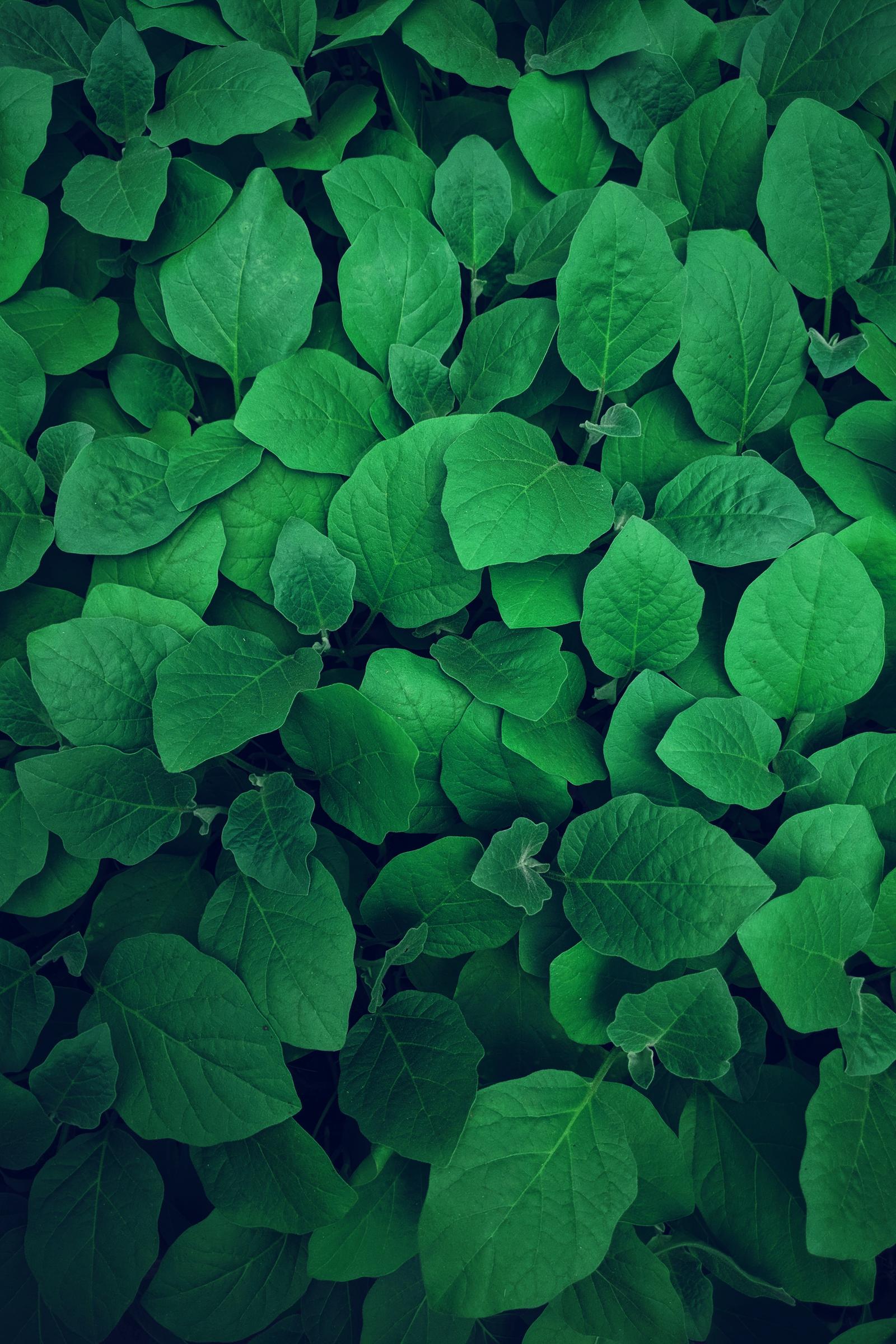
In our busy, screen-filled lives, it can be easy to forget just how good being outside can make us feel. The Happy Families article Nature is Food for the Soul highlights the powerful connection between spending time in nature and our wellbeing. For children, nature provides something that screens and structured activities simply can't replicate – space to explore, imagine, move, wonder and just be.
And the great thing about nature? It doesn't have to be spectacular.
A backyard can become an adventure. A walk around the neighbourhood can turn into a search for birds, interesting leaves or tiny insects. A visit to the local park can provide hours of imaginative play. Even stopping to watch the sunset or noticing the changing colours of the trees can help us slow down and be present.
Time outdoors gives children a break from the busyness of everyday life. They can move their bodies, use their senses and follow their curiosity without needing an end goal. Nature can also provide a calming space when children are feeling overwhelmed or simply need some time to reset.
Perhaps we could think of nature as a natural wellbeing break – one that is free, readily available and doesn't require an appointment.
As we head into our four-day weekend, why not take the opportunity to get outside and give it a try?
You could:
The goal isn't to create another activity to squeeze into a busy weekend. It's simply to make some space for nature.
So, over the long weekend, perhaps put the phones down, step outside and see what you discover together.
You might be surprised by how much a little bit of nature can feed the soul.
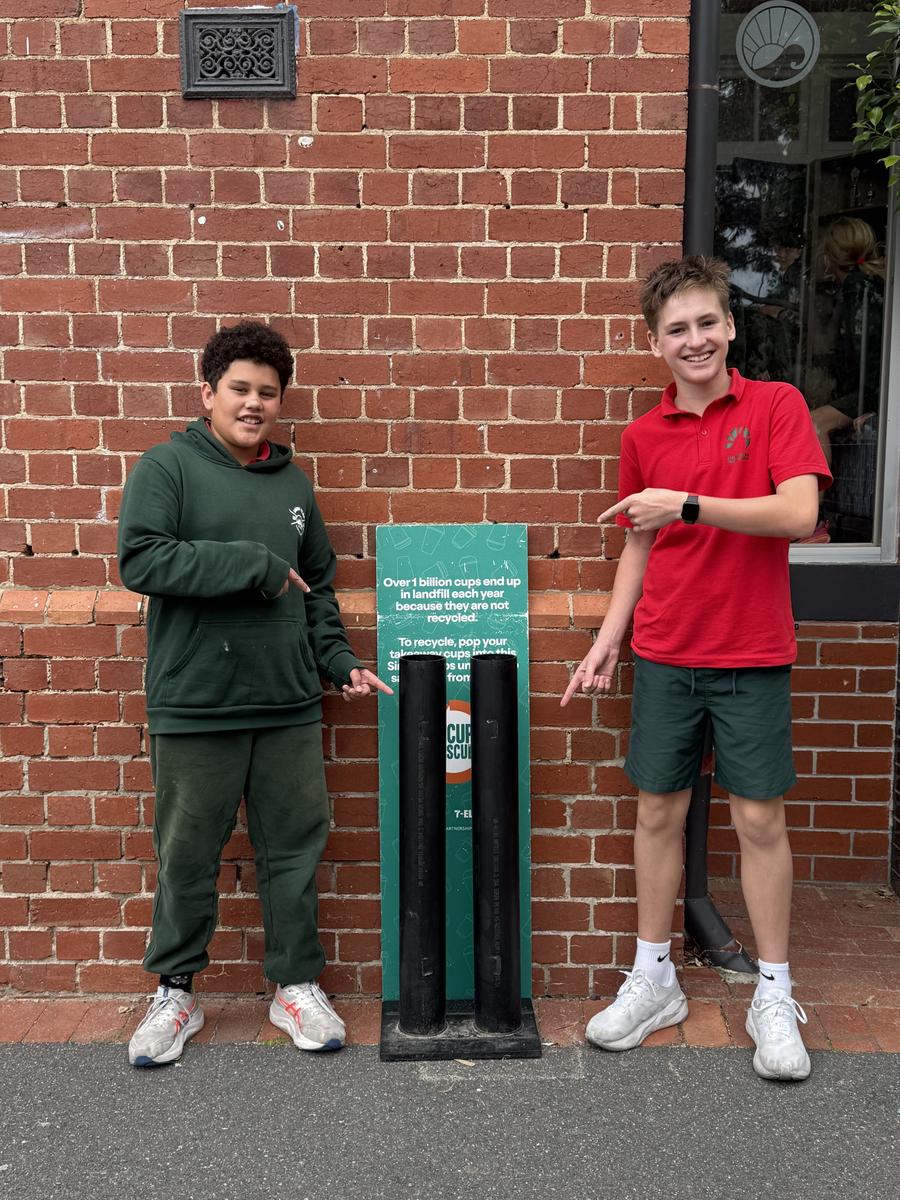
Our Environmental Captains, Mason and Alex, are passionate about making a positive difference to our school and the world around us. Mason is keen to help make the world a cleaner place by picking up rubbish around the school and reducing pollution, while Alex is passionate about preserving nature and protecting Australia’s beautiful natural environment. Both students are leading by example, encouraging others to make small, meaningful changes to care for our planet. Their initiatives include emptying recyclable coffee cups and lids each Wednesday, exploring ways to reduce water usage through an incursion, and promoting energy-conscious choices, such as using fans instead of air conditioning where appropriate. Through their leadership, Mason and Alex are reminding us that every small action counts when it comes to protecting our environment.
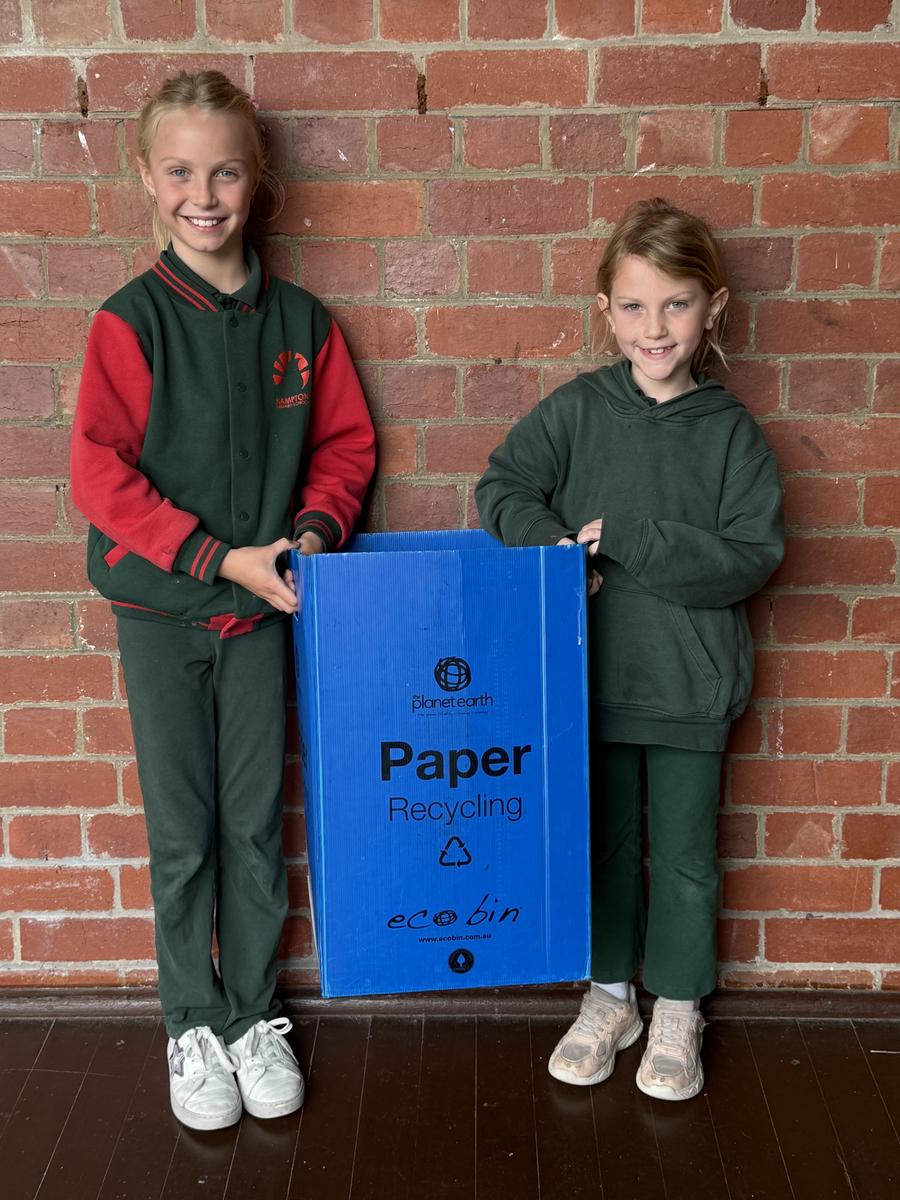
Abby (2D) and Poppy (2C) are two of our enthusiastic Green Warriors who are passionate about protecting the environment. Abby wanted to become a Green Warrior to help the environment by picking up rubbish, while Poppy was motivated by a desire to protect animals from becoming tangled in discarded rubbish. They put their commitment into action by collecting rubbish during recess and lunch, taking classroom recycling to the recycling bins each Friday and collecting eligible 10-cent bottles to raise money for the school. During Green Warrior meetings, they discuss practical ways to reduce our environmental impact, including turning off lights and computers when not in use, turning off taps to save water and reducing waste through nude food lunches. They also put these ideas into practice at home by recycling rubbish and eating leftovers the next day rather than throwing food away. Through their actions at school and at home, Abby and Poppy demonstrate how small, everyday choices can make a positive difference to our environment.
https://childrens-choice.com.au/why-outdoor-play-is-important-for-healthy-childhood-development/
https://raisingchildren.net.au/toddlers/play-learning/outdoor-play/outdoor-play
https://www.rch.org.au/kidsinfo/fact_sheets/Play/
https://emergingminds.com.au/resources/nature-nurtures-practitioner-guide/