Curriculum
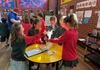
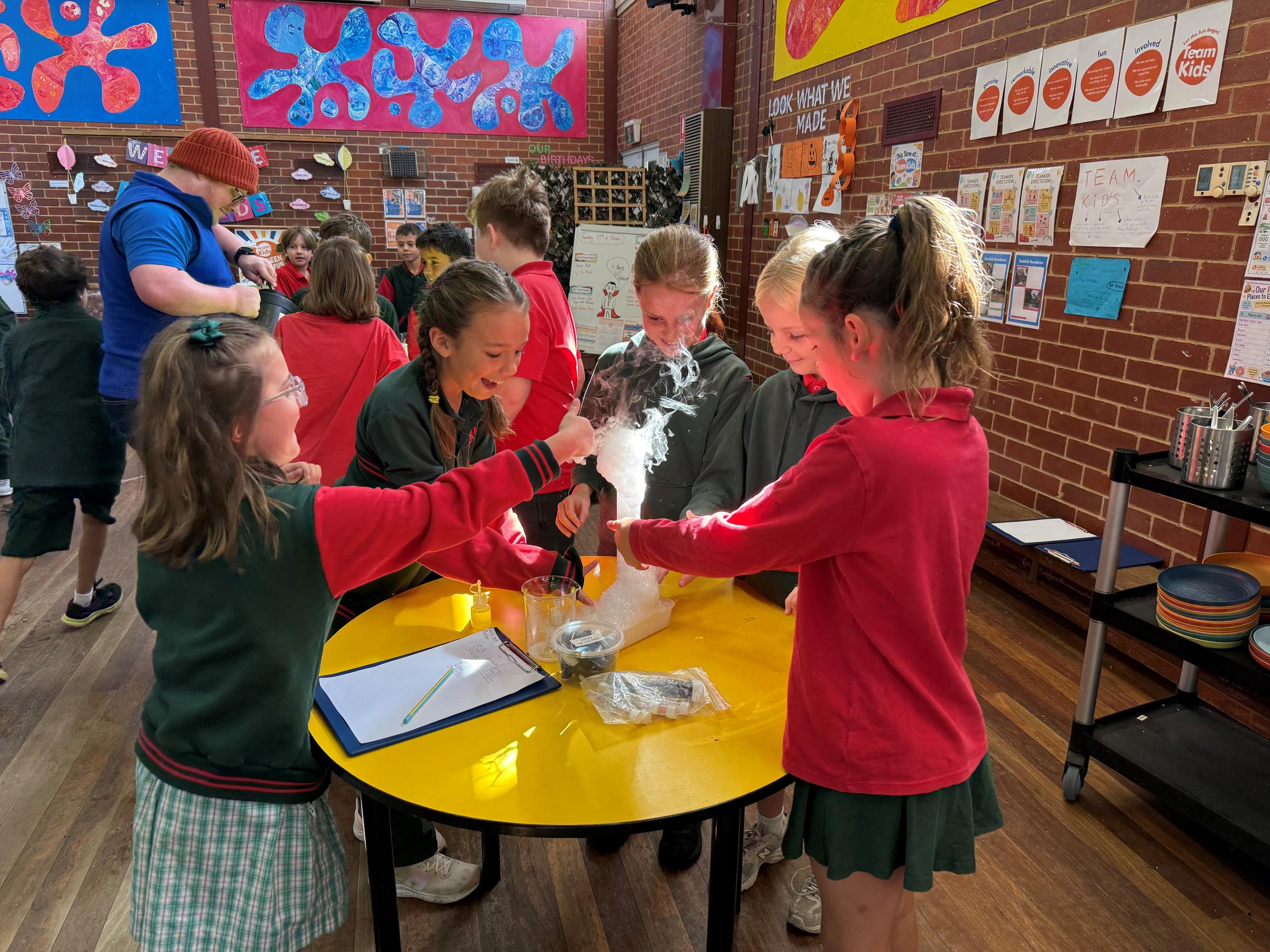
Cameron Azer | Assistant Principal Image: Grade 3 Science Incursion





 Hampton Primary School
Curriculum
Cameron Azer | Assistant Principal Image: Grade 3 Science Incursion
Have you ever tried to learn a new skill all at once, such as driving a car, playing a musical instrument, or following a complicated recipe? Most people find it overwhelming. Learning works best when new information is presented in small, structured steps that build upon each other over time. Our brains have a limited capacity to process new information at any one moment. When too much information is introduced too quickly, students can become overloaded and important learning may be missed. By breaking learning into smaller chunks, teachers help students focus on the most important concepts, develop understanding, and build confidence before moving on to more complex tasks.
In our classrooms, teachers use explicit instruction to support and consolidate students learning. This typically involves:
You may have heard this referred to as the "I Do, We Do, You Do" approach. Students first watch and learn from expert modelling, then practise with support, before demonstrating their understanding independently.
Why this works!
When students are taught in carefully sequenced steps, they are more likely to:
Importantly, breaking learning into smaller steps does not mean lowering expectations. In fact, it is often how students successfully master complex and challenging concepts. Small steps help ensure that every student has the opportunity to experience success on the journey toward high achievement.
Support at Home:
You can reinforce this approach by:
By explicitly teaching new concepts and carefully building learning step by step, we help students develop strong foundations, confidence, and the knowledge they need to succeed both now and into the future.
Reports will be published on Wednesday 16th December. If you are aware that your child/children are leaving the school in 2027, please be aware that you will have access to the report and previous reports up until Friday 18th December.