
Junior School News
From the Head of Junior School
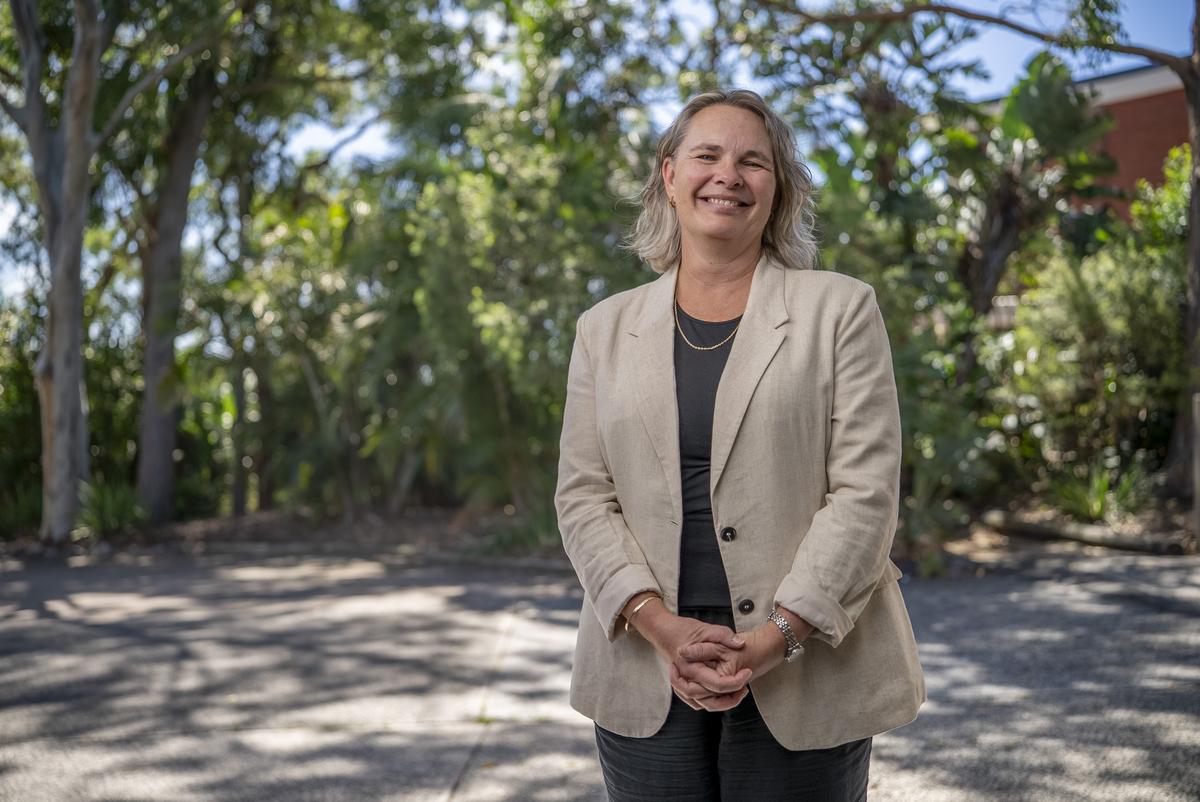
Mrs Ainslie Breckenridge
Mrs Ainslie Breckenridge
If you have ever found yourself saying, “Put the iPad down, please!” while simultaneously checking your own phone… you are certainly not alone!
A few weeks ago, I attended a conference and had the opportunity to hear Dr Mark Williams speak, and his presentation got me thinking about the fascinating and sometimes tricky relationship our children have with technology.
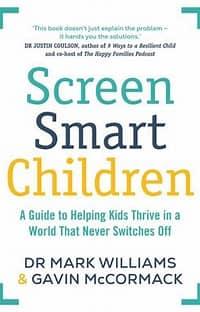
Dr Williams is one of Australia’s most sought-after keynote speakers on the neuroscience of human performance, and his work explores what it really takes for our brains to perform at their best. I was so intrigued by his insights that I picked up his book Screen Smart Children, written with award-winning educator Gavin McCormack, and found it to be an incredibly worthwhile read. What I particularly loved was that it wasn’t another “screens are ruining everything!” message. Instead, it was practical, reassuring and refreshingly realistic. Screens are here to stay, and the challenge for families isn’t necessarily to eliminate them, but to understand what they are doing to developing brains and find a healthy balance. The book offers practical, science-backed strategies to reduce the risks of too much screen exposure while supporting children’s focus, mental health, wellbeing and, most importantly, their connection with the people and world around them.
We talk a lot in schools about the importance of 21st-century skills of communication, collaboration, leadership, emotional intelligence, empathy, creativity and critical thinking. And yes, our children absolutely need these skills for the future. But Dr Williams reminded us that there is one skill that perhaps doesn’t get nearly enough attention: brain health! As he says, “Keeping our students’ brains in working order is the secret sauce.” I loved this because, when you think about it, you can’t have wonderful ideas, show empathy, solve problems or give a dazzling presentation if your brain is running on empty! The glow of a screen can be incredibly enticing, and notifications, messages and likes can certainly compete for our attention. But the human brain is also nourished by something much simpler; eye contact, conversation, laughter, facial expressions, tone of voice and the feeling of being truly seen and heard.
Dr Williams challenged us as adults to consider what our children see when we talk to them while holding, checking or glancing at our phones. Children are wonderfully perceptive; they notice everything, and these tiny moments of connection help shape their emotional security and their understanding of relationships. So, while I am certainly not suggesting we all throw our devices into the nearest river, I do think it is worth asking ourselves where we can create a little more space for face-to-face connection. I would highly recommend this book to families. It doesn’t ask us to choose between technology and childhood, rather, it helps us find a balance where technology has its place, while conversation, connection, curiosity and simply being present can continue to flourish.
Celebrating Our High Potential Learners
Last week, our high-potential learners had two wonderful opportunities to extend their thinking, creativity and problem-solving skills.
Students from Years 2–6 took part in the GATEWAYS program, tackling a range of engaging STEM challenges that encouraged creative thinking, collaboration and problem-solving. It was fantastic to see students embracing the challenges and extending their thinking!
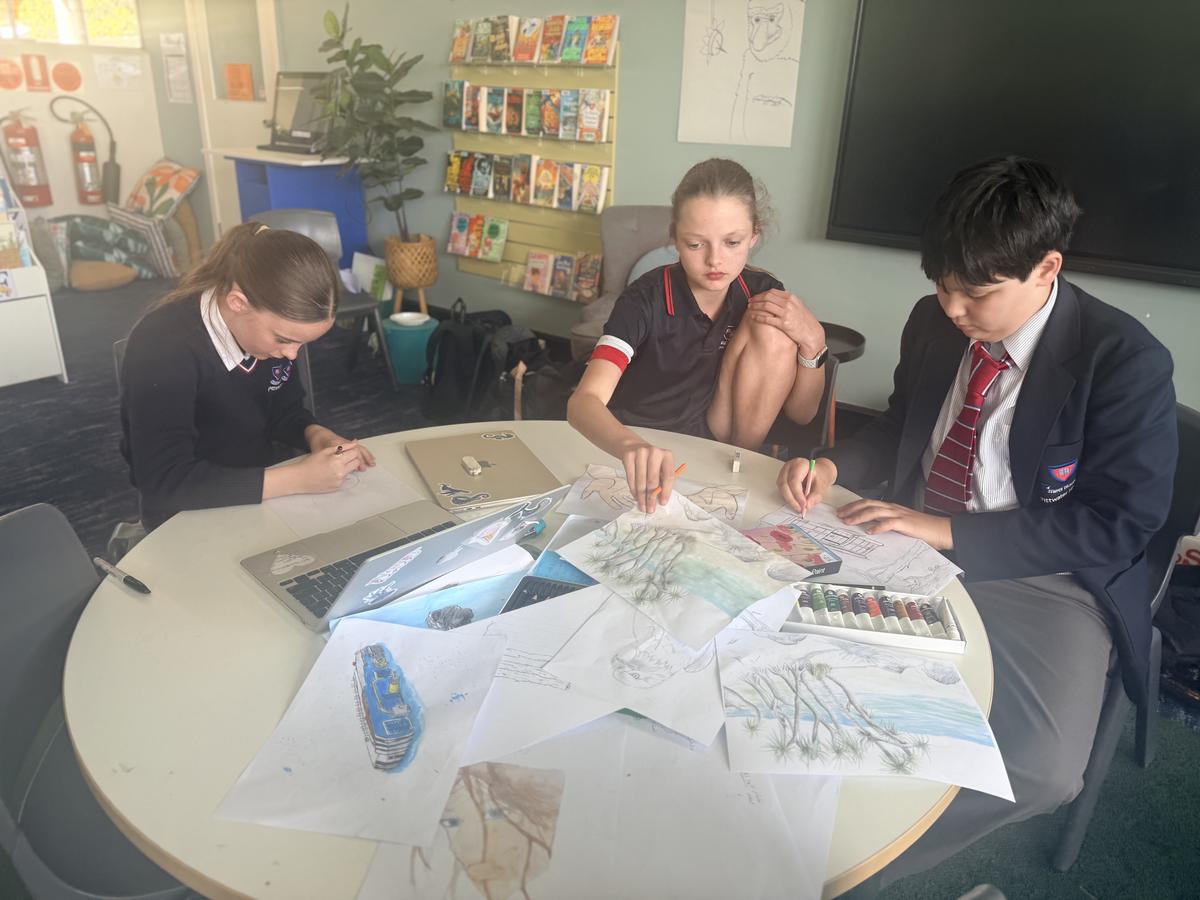
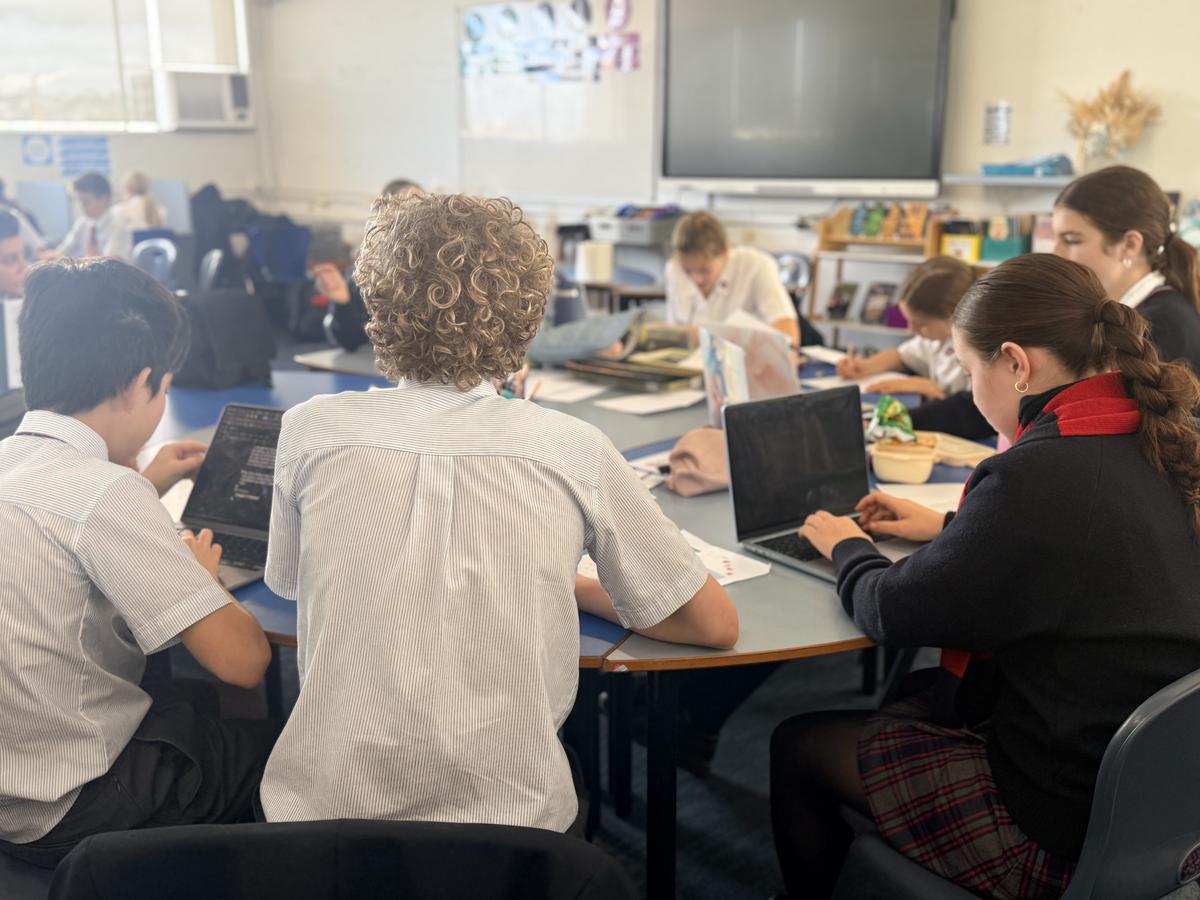
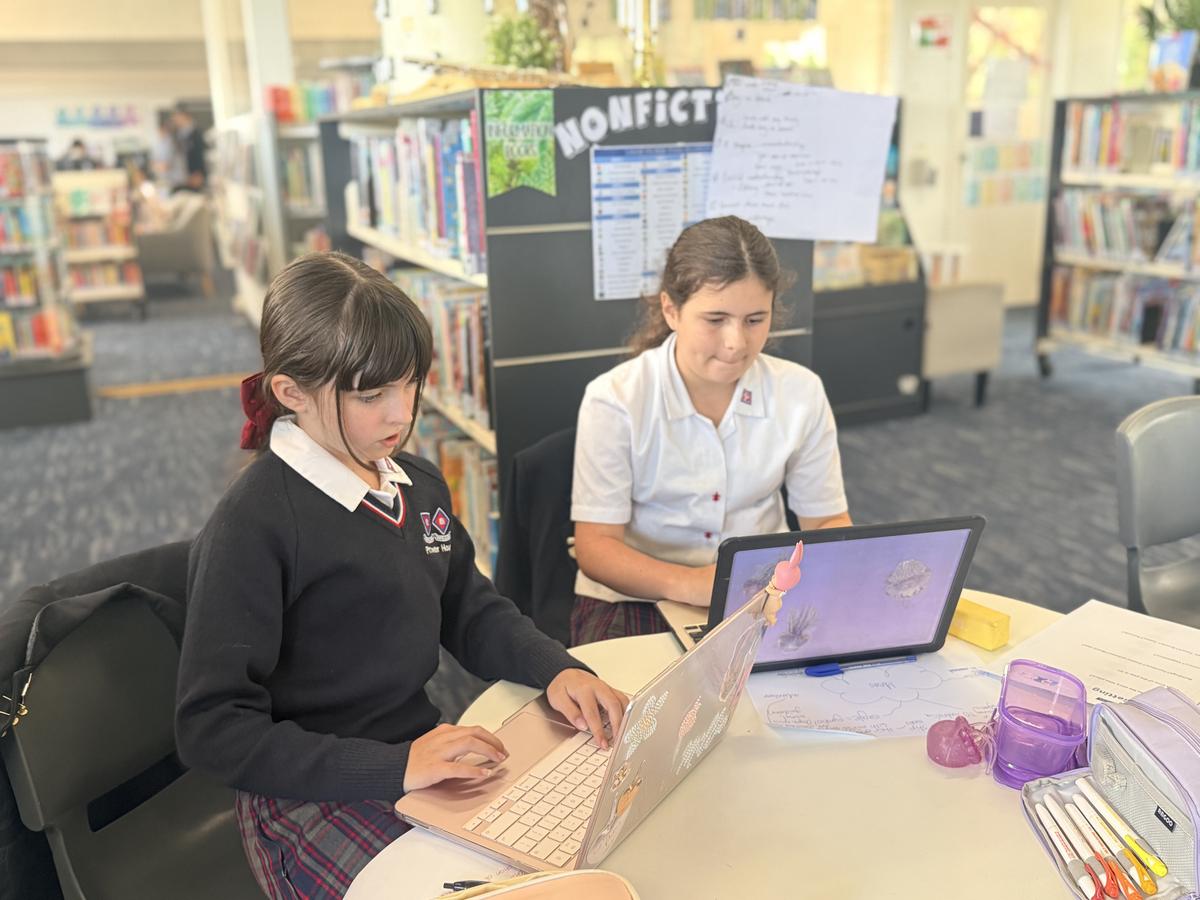
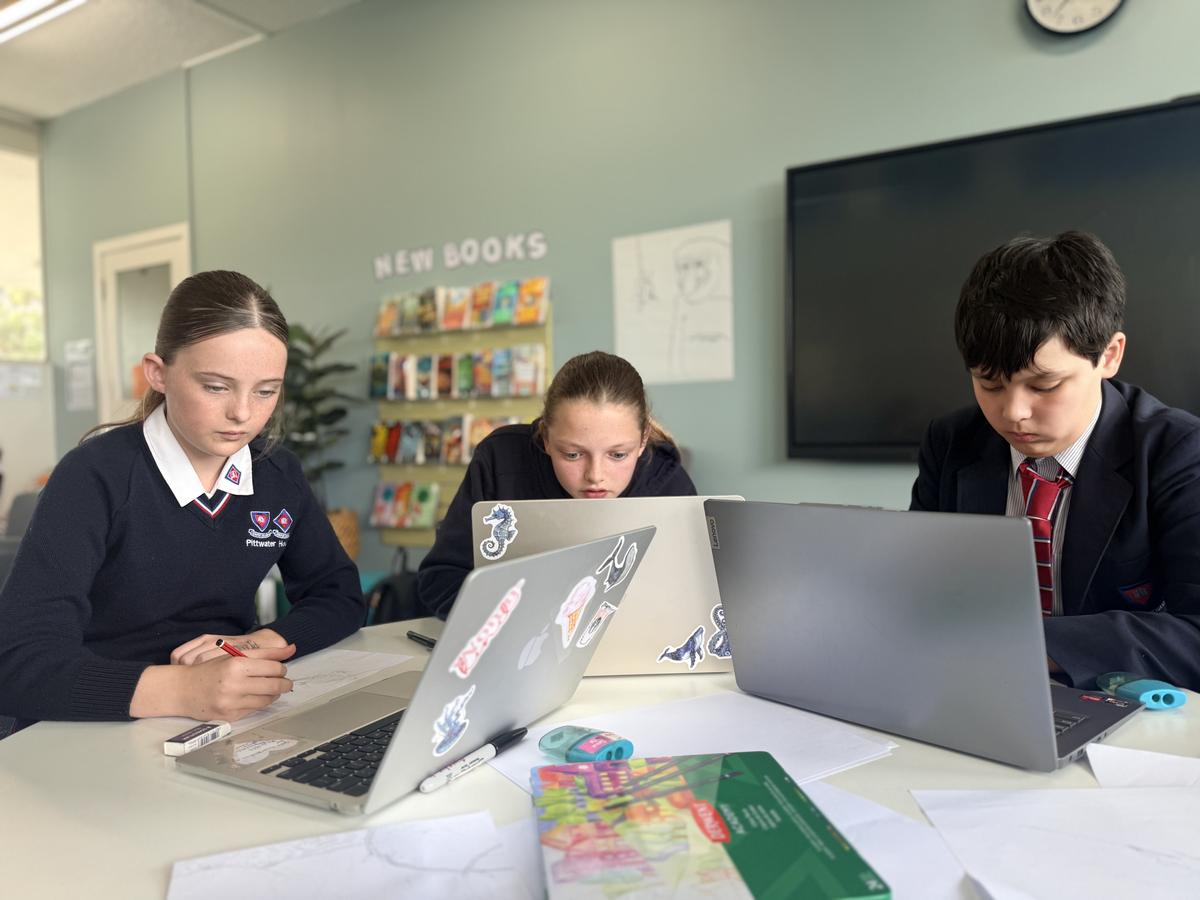
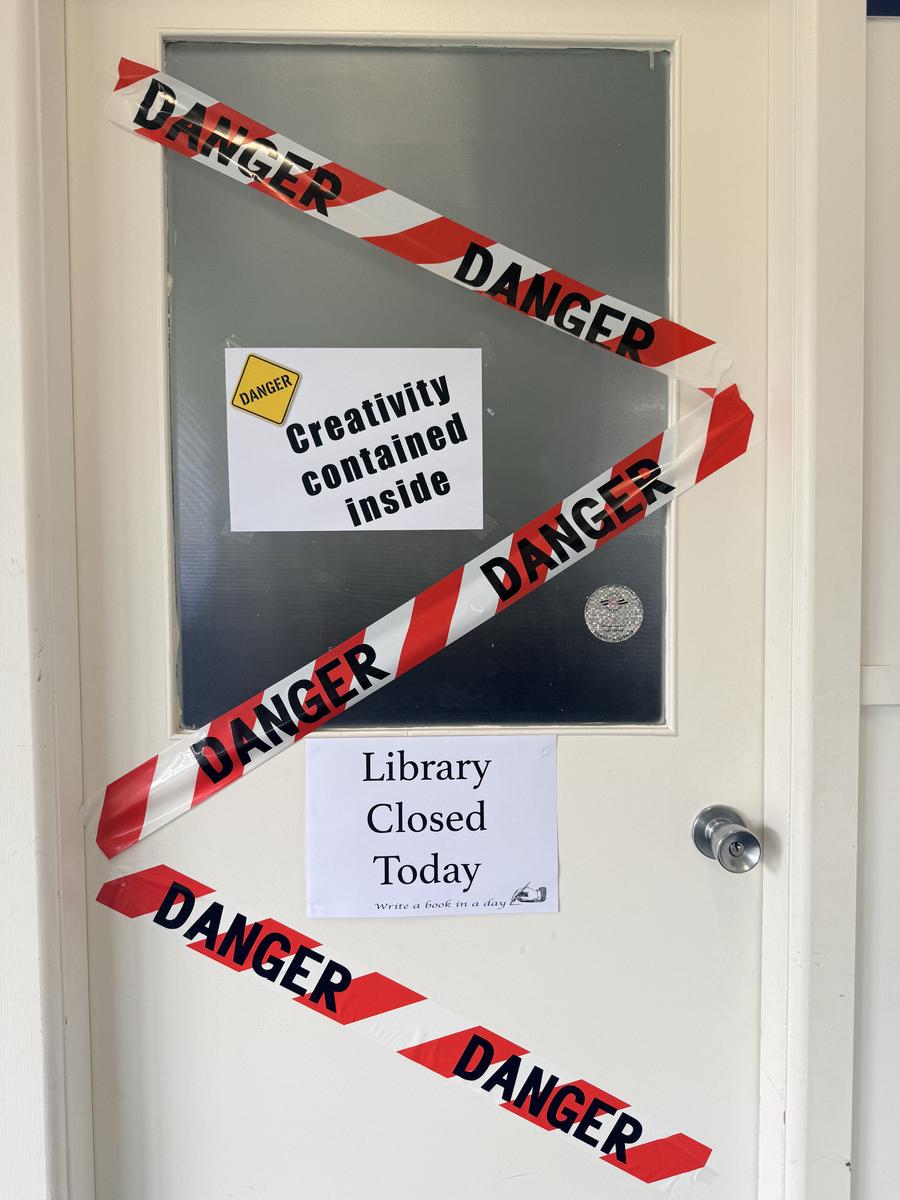
We also had a group of Years 5 and 6 students participate in the annual WABIAD (Write a Book in a Day) project alongside Senior students, under the guidance of Mrs Crowley and Mrs Garrad. Working as a team, students took on roles as authors and illustrators and worked together to create a book in just one day. The finished product was truly extraordinary!
Write a Book in a Day
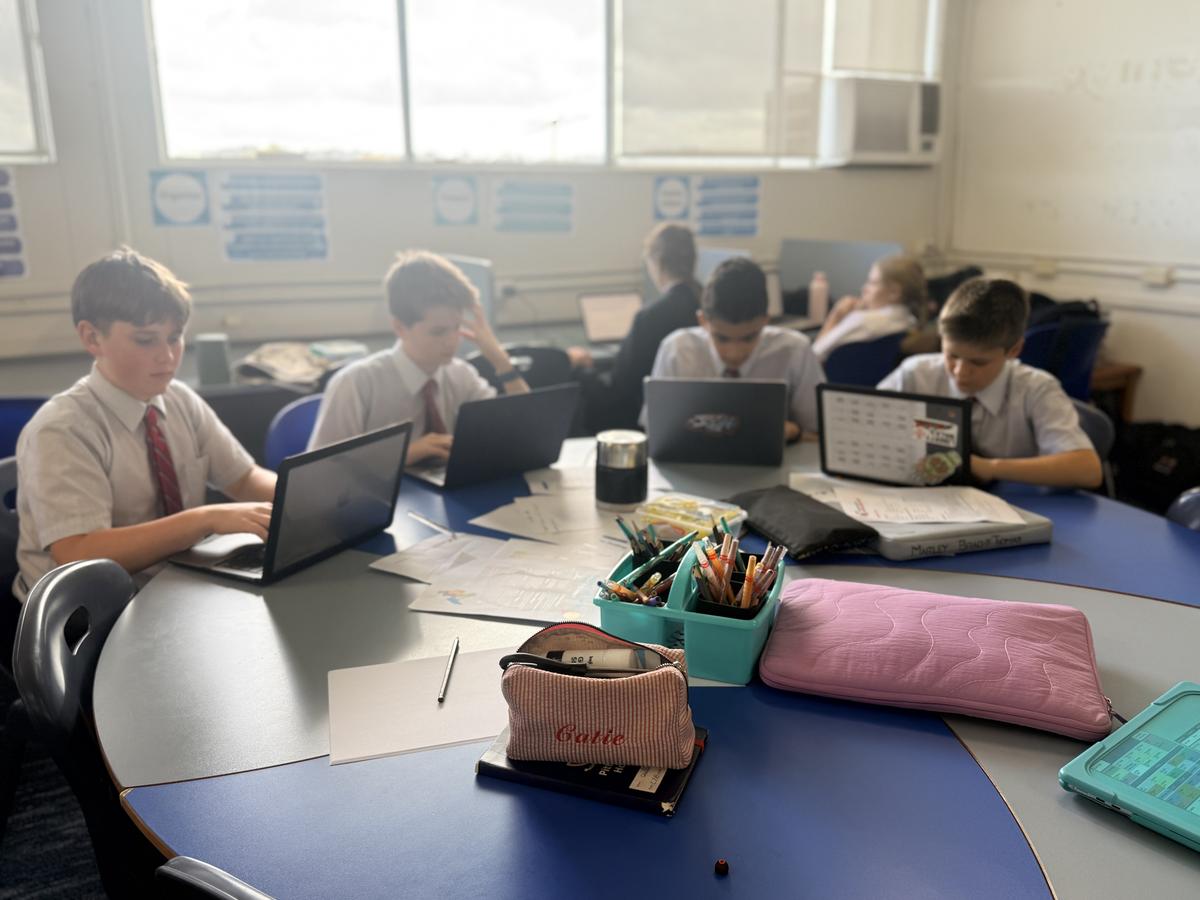
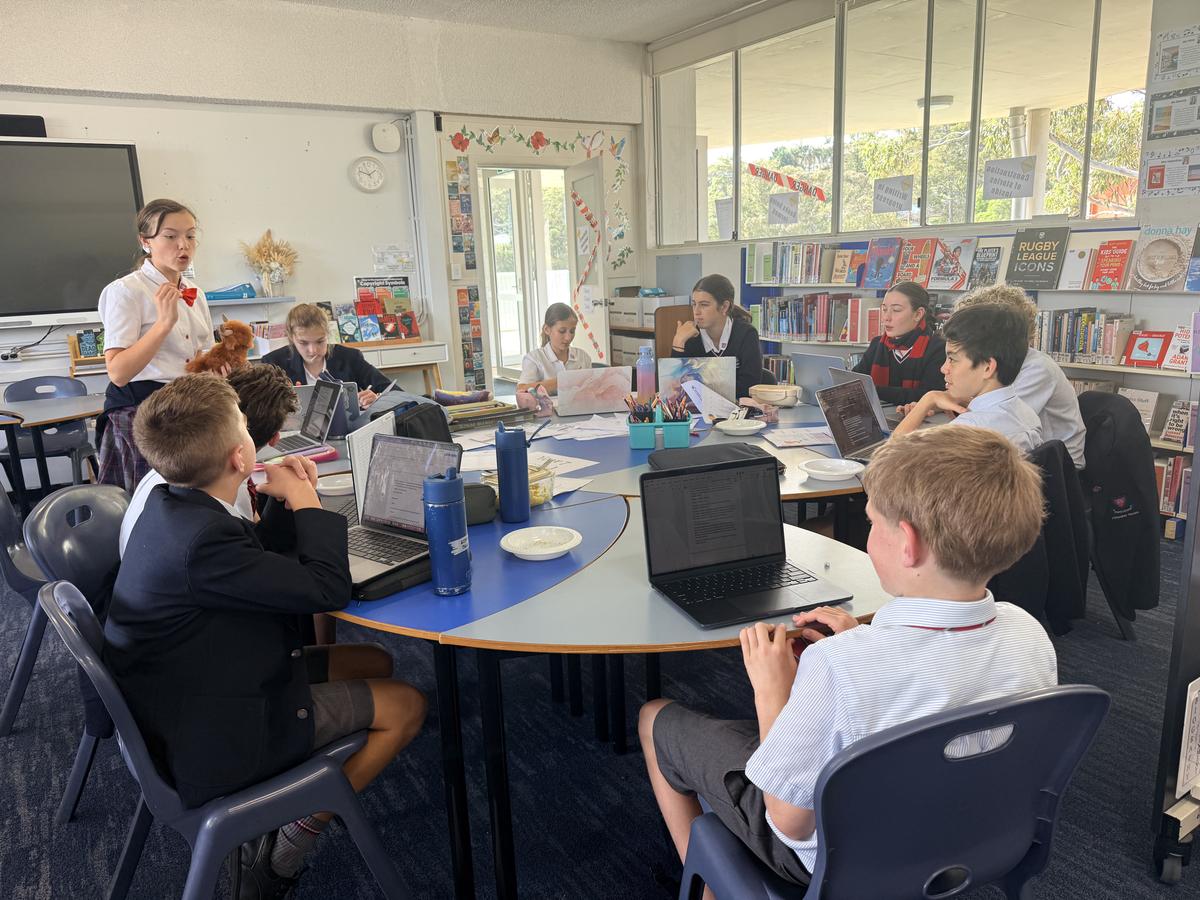
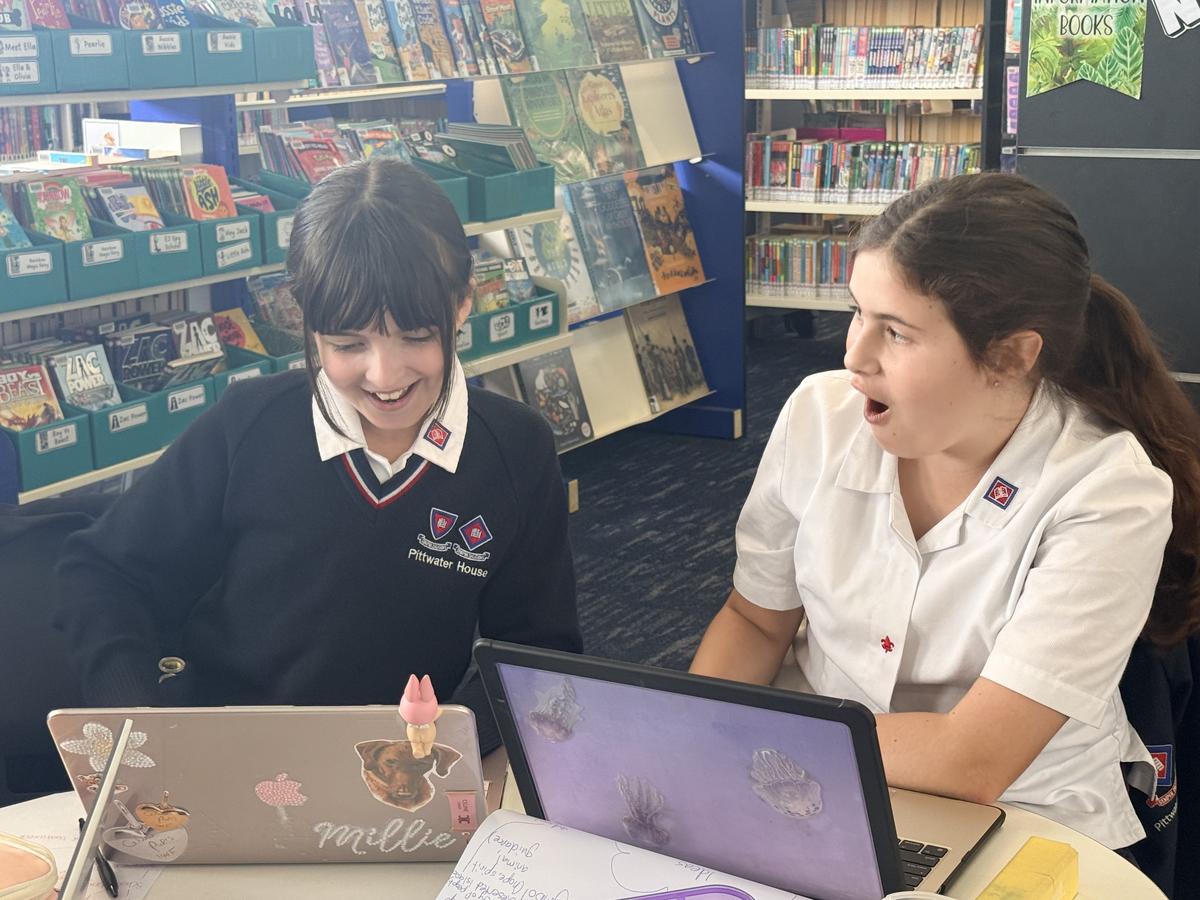
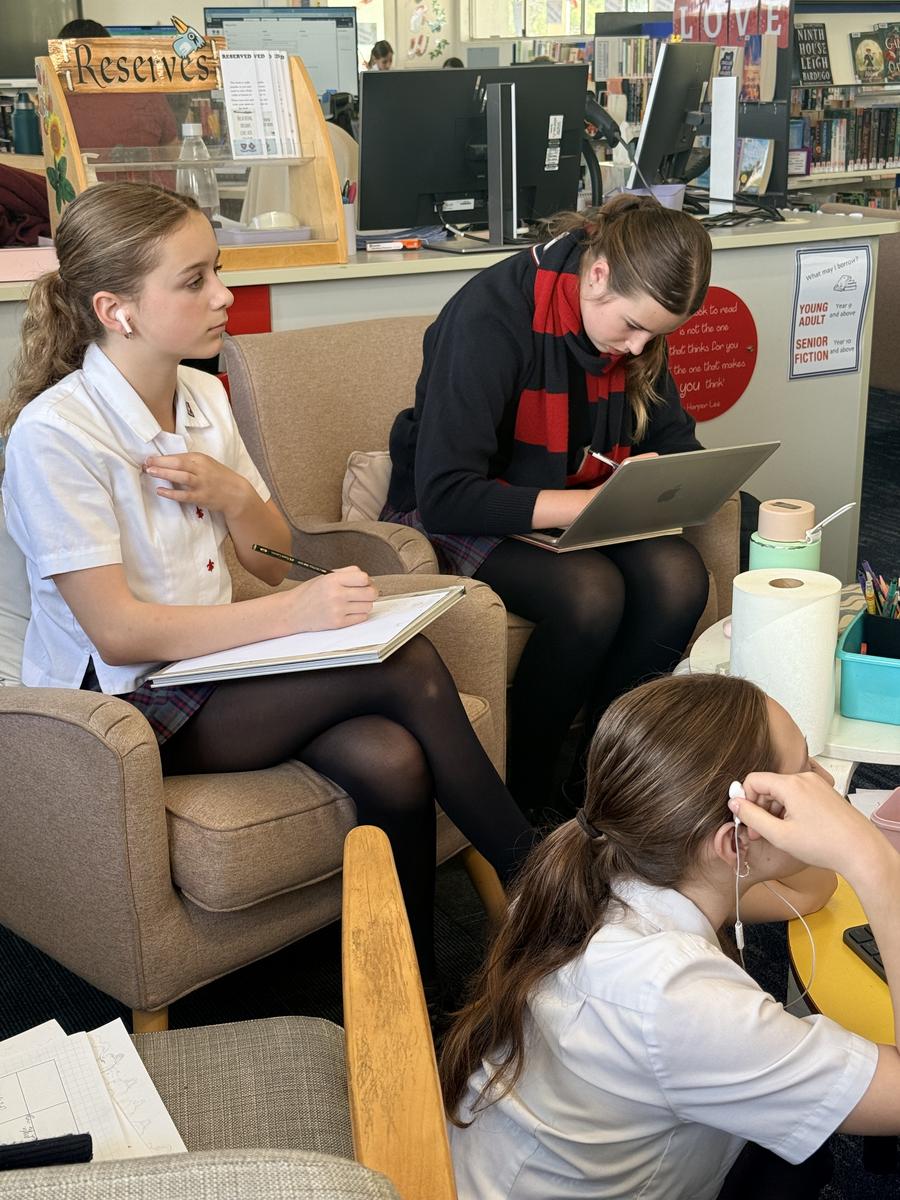
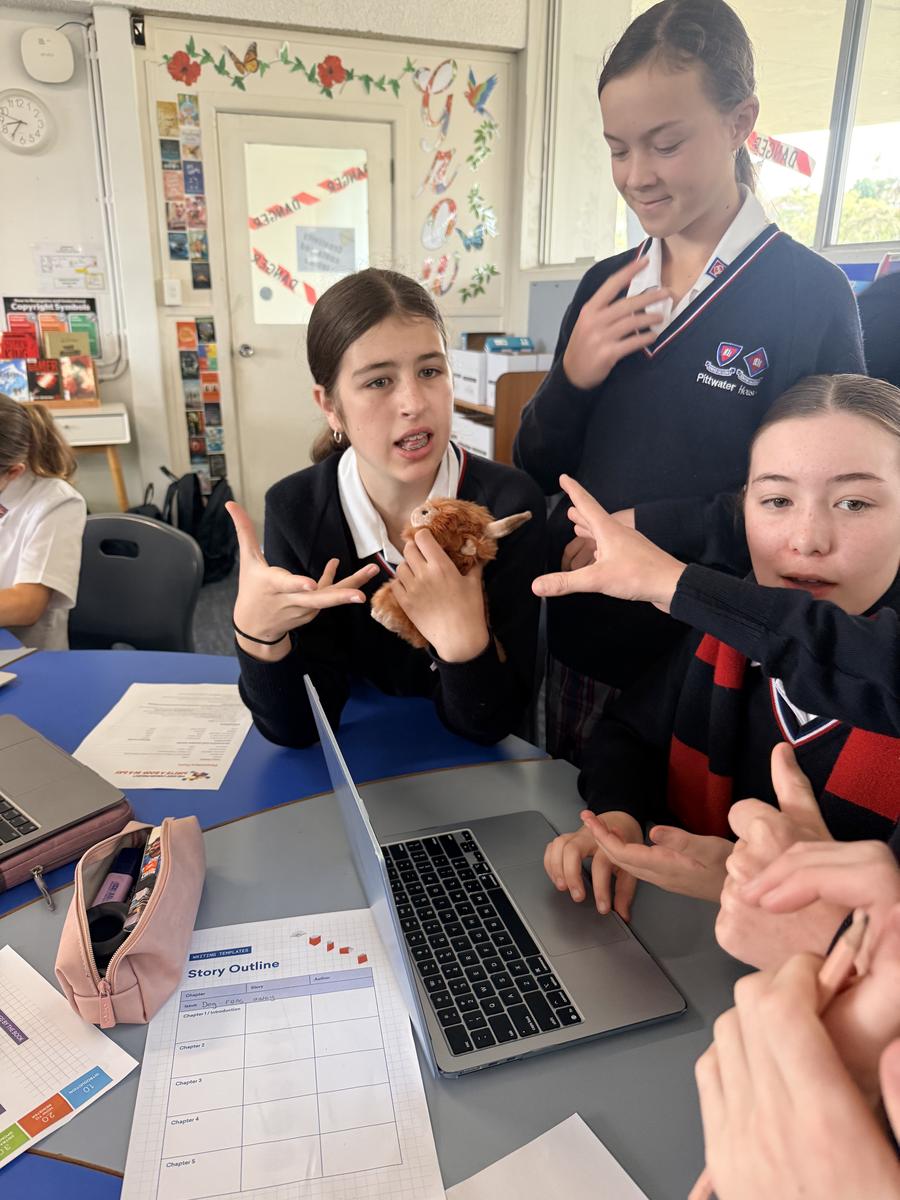
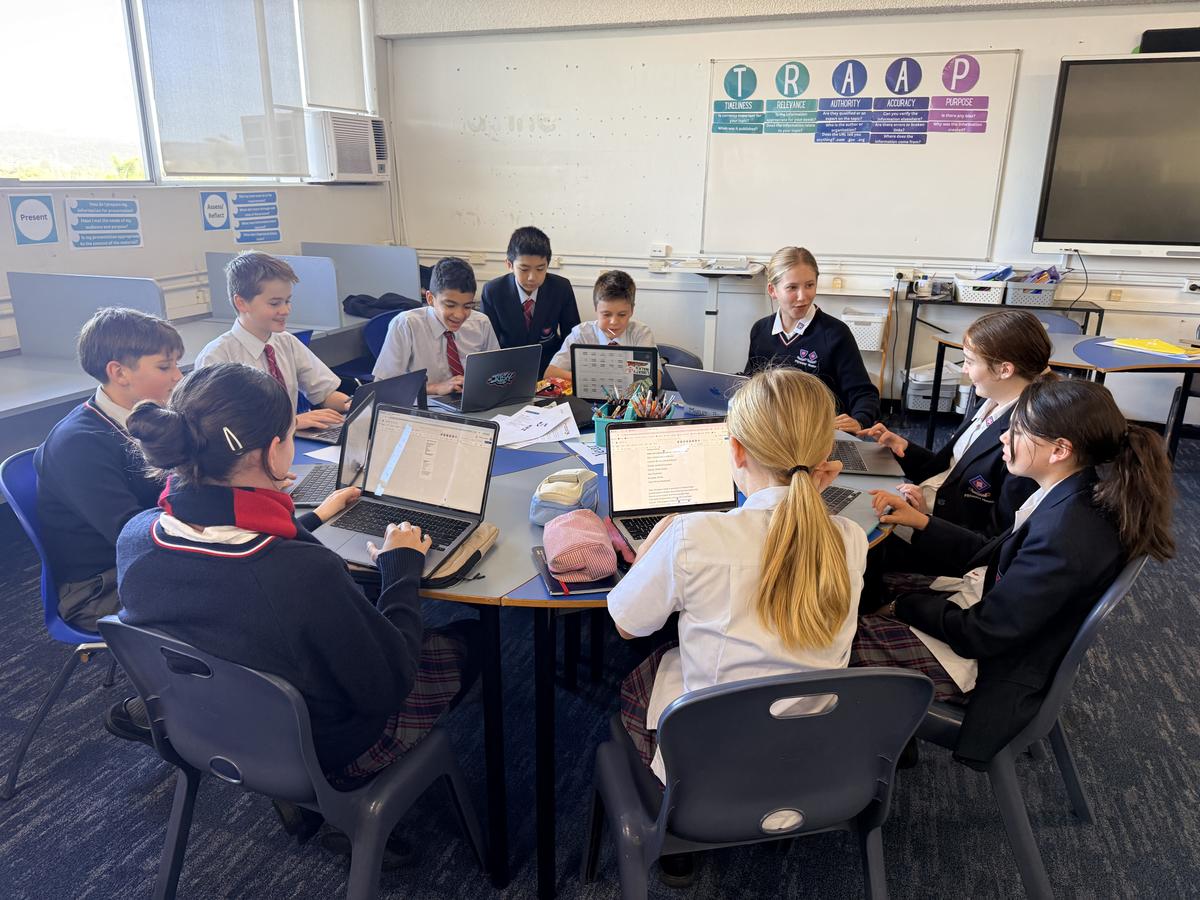
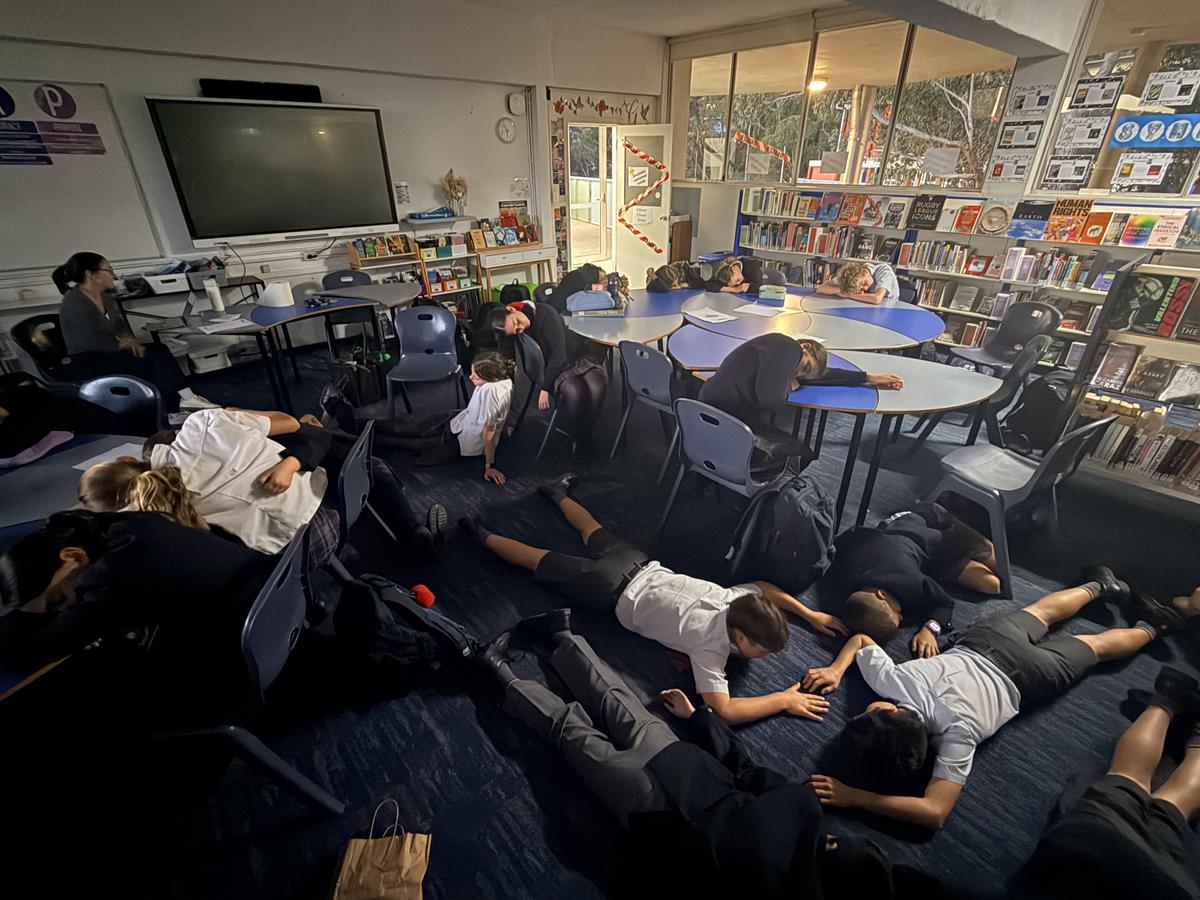
Write a Book in a Day
Both experiences showcased our students’ creativity, leadership, teamwork and love of learning, while providing meaningful opportunities to challenge themselves and develop their strengths. We are proud to offer a range of experiences that encourage our high-potential learners to stretch their thinking and discover what they can achieve.
Well done to Millie-Belle, Eliza, Amelie and Siena (J6); Leonardo, Roman, Lloyd, Toby and Timothy (P6).
From the Junior School Wellbeing Co-ordinator

Mr Marcial Nunura
Mr Marcial Nunura
One of the highlights of Term 3 has been the ongoing impact of our morning Form Time. These sessions have given us the opportunity to develop a shared language of friendship, kindness and respectful relationships across the Junior School. From Kindergarten through to Year 6, our students have been learning, practicing and applying the same language and skills; helping to create greater consistency in the way we talk about friendships, emotions, boundaries, respect and looking out for one another.
We have high expectations of all our students, and it has been wonderful to see so many of them stepping up to meet those expectations. This has been evident not only in our classrooms, but also across the playground, where students are increasingly demonstrating greater independence, responsibility and care for those around them.
The improvement in behaviour across the Junior School this year has been outstanding. While we know that by the end of Term 3 our students (and staff!) are certainly feeling tired, it has been particularly pleasing to see so many students continuing to use their manners, make positive choices and look out for one another. These small moments of kindness and respect are exactly what help create the safe, supportive and positive culture we want for every student.
We have also been proud to see so many students wearing their school uniform with pride. The way we present ourselves is an important part of belonging to our school community, and it has been fantastic to see students taking increasing ownership of this. Mrs Maloney does a great job of conducting the ‘Ground Up’ at Huddle every morning to provide the space for peers to encourage each other with their presentation.
Our Service Learning Program continues to grow and develop. Our Year 6 students have formed some wonderful connections with the elderly residents at the War Vets in Collaroy, and it has been incredibly rewarding to watch genuine relationships and bonds develop between our students and the residents. These experiences provide our students with opportunities to contribute to the wider community while developing empathy, confidence and a deeper understanding of what it means to serve others.
We have had a short break from our Fisher Road Service-Learning Program this term while our friends there have been participating in gymnastics, but we are very excited to return next term. We will also be announcing an exciting new initiative with One Meal in Term 4, providing all our students with another meaningful opportunity to contribute to our local and wider community.
I cannot wait for Term 4! With the days getting warmer, our Year 5 and 6 students will be heading down to the beach for sport, while the rest of the Junior School will enjoy gymnastics or jiu jitsu. There is plenty to look forward to.
Thank you to our students, staff, and families for making Term 3 such a positive and successful term. We have much to be proud of, and I am incredibly excited to see what Term 4 brings.
Have a wonderful break and see you in Term 4!
From the Junior School PDHPE Co-ordinator

Mrs Amy Maloney
Mrs Amy Maloney
Continuing a Rugby Tradition
A team of Year 5 and 6 boys recently travelled to Mosman Prep’s Terrey Hills campus to continue a rugby tradition between Pittwater House and Mosman Prep that stretches back more than 60 years.
The fixture is believed to have begun around 1965, when Pittwater House had grown to the point where there were enough boys enrolled to field a Rugby team. What began in the early years of our School has continued as a valued sporting tradition between the two schools.
In preparation for this year’s game, the boys trained together on Thursday afternoons. While all had some experience playing club rugby, many do not currently play regularly. They faced a Mosman Prep side made up entirely of Year 6 students who had played together throughout the winter season.
From the opening whistle, the Pittwater House boys competed with determination and represented the School beautifully. One of the most pleasing aspects of the game was their willingness to keep working for one another. Even when a Mosman player broke into open space, our boys continued to chase right to the try line, demonstrating the effort, persistence and commitment we hope to see when students represent Pittwater House.
The occasion was also about much more than the result. At the conclusion of the game, the boys formed a tunnel for their opponents before shaking hands, reflecting the respect and sportsmanship that sit at the heart of school sport. Mosman Prep then generously hosted the teams for afternoon tea.
The fixture provided a wonderful connection between the School’s Origins and the students representing Pittwater House today, while also demonstrating the HEROIC values of Excellence, Respect and Care and Community.
Congratulations to all of the boys involved for the way they prepared, competed and represented Pittwater House.
Out and About in our Classrooms
Mrs Afshan Valani on behalf of Mrs Ciara Loughland
With Mrs Loughland on maternity leave, Mrs Valani will be sharing what is happening in the Junior School curriculum space. Each week she will be sharing different class stories.
Enjoy!
Mrs Afshan Valani
Mrs Afshan Valani
Buddy Reading: Building Connections Across the School
There is something special about seeing students of different ages come together through a shared love of reading.
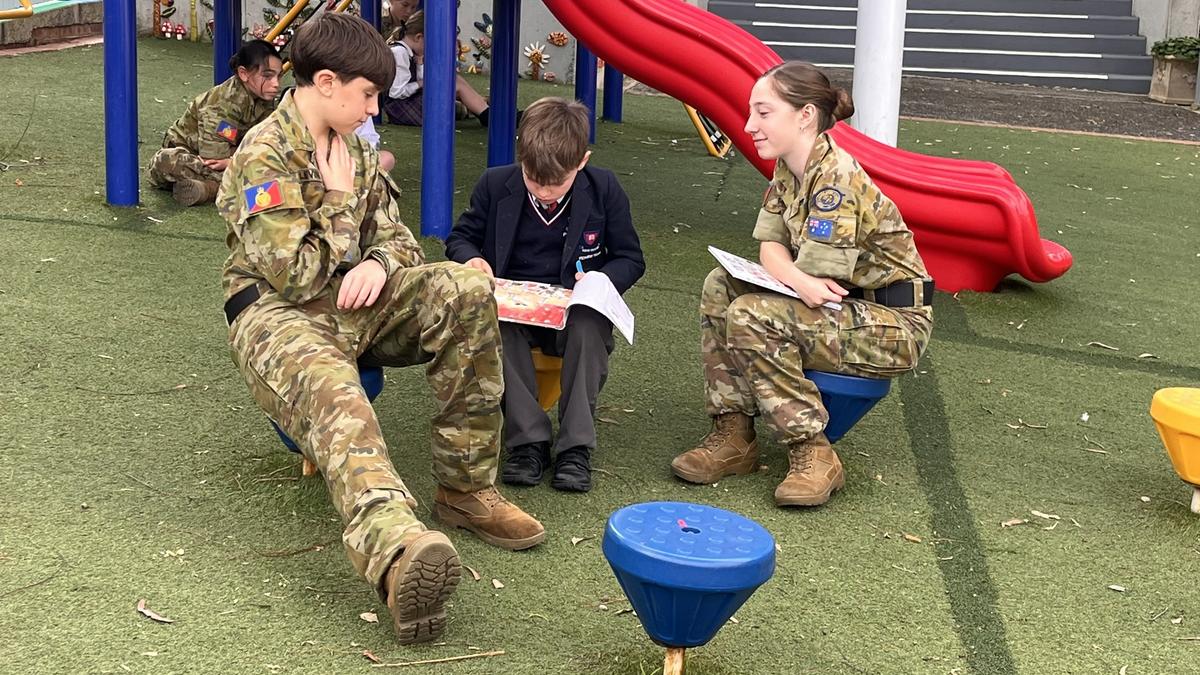
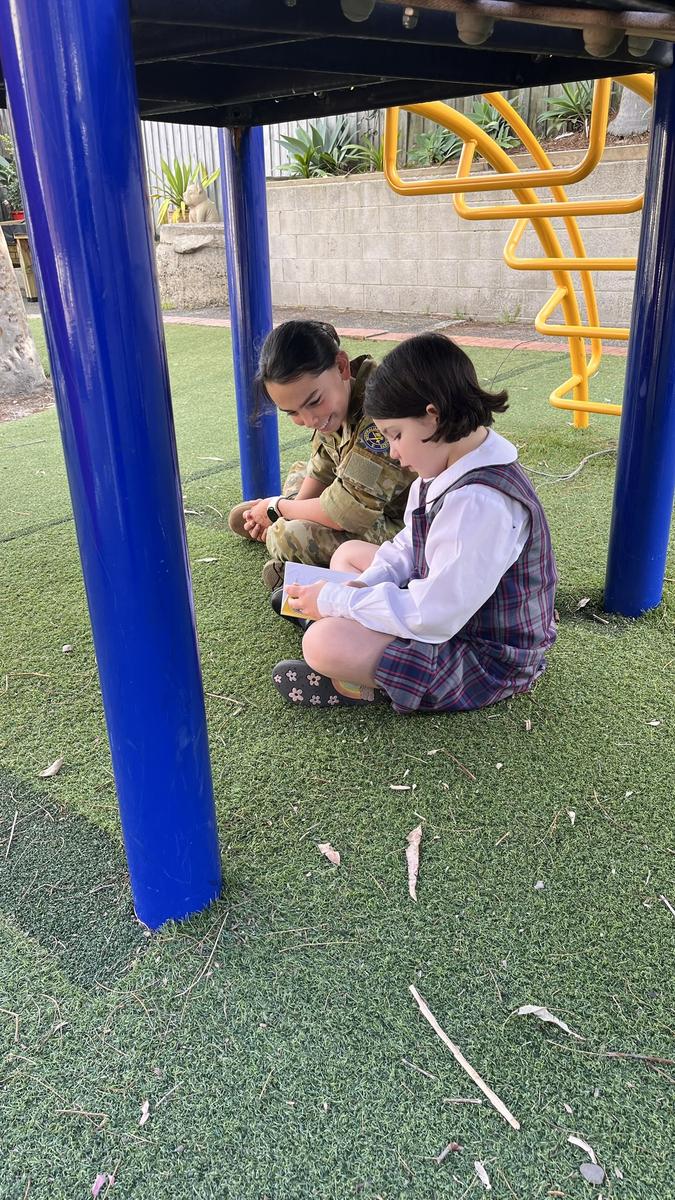
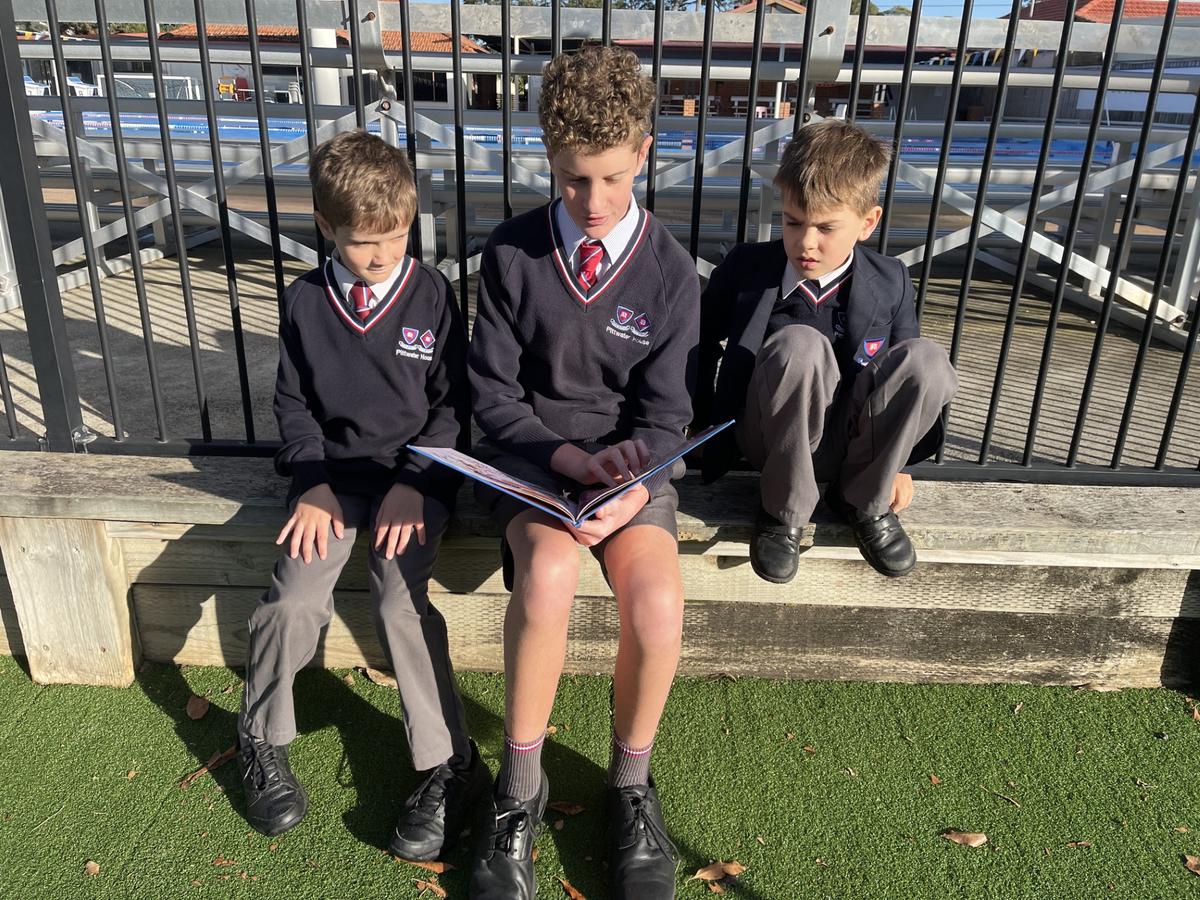
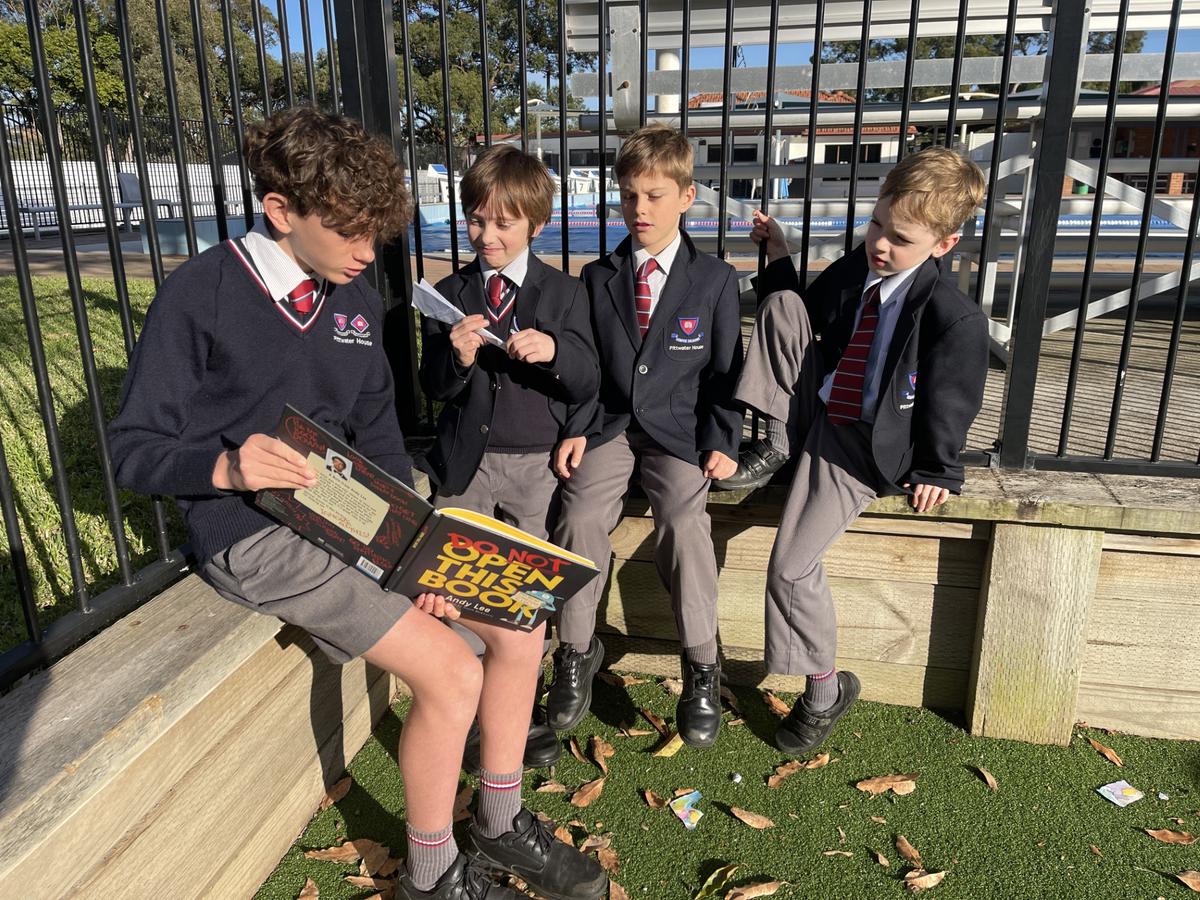
Every fortnight, our K–2 students come together with students from Years 7–8 for Buddy Reading, creating a wonderful opportunity to build relationships, confidence and a love of reading across Pittwater House.
These regular sessions give our younger students the chance to share stories with an older buddy, practise their reading and talk about books in a relaxed and encouraging environment. For our Years 7–8 students, Buddy Reading provides an authentic opportunity to develop leadership, patience and communication as they support and encourage their younger peers.
Over time, these fortnightly sessions have become about much more than reading. Familiar faces are greeted with excitement, conversations flow more easily and genuine connections continue to grow across year groups.
Buddy Reading is a simple but powerful example of learning at Pittwater House - where literacy, leadership and belonging come together, one story at a time.
P5 – When English Meets Science
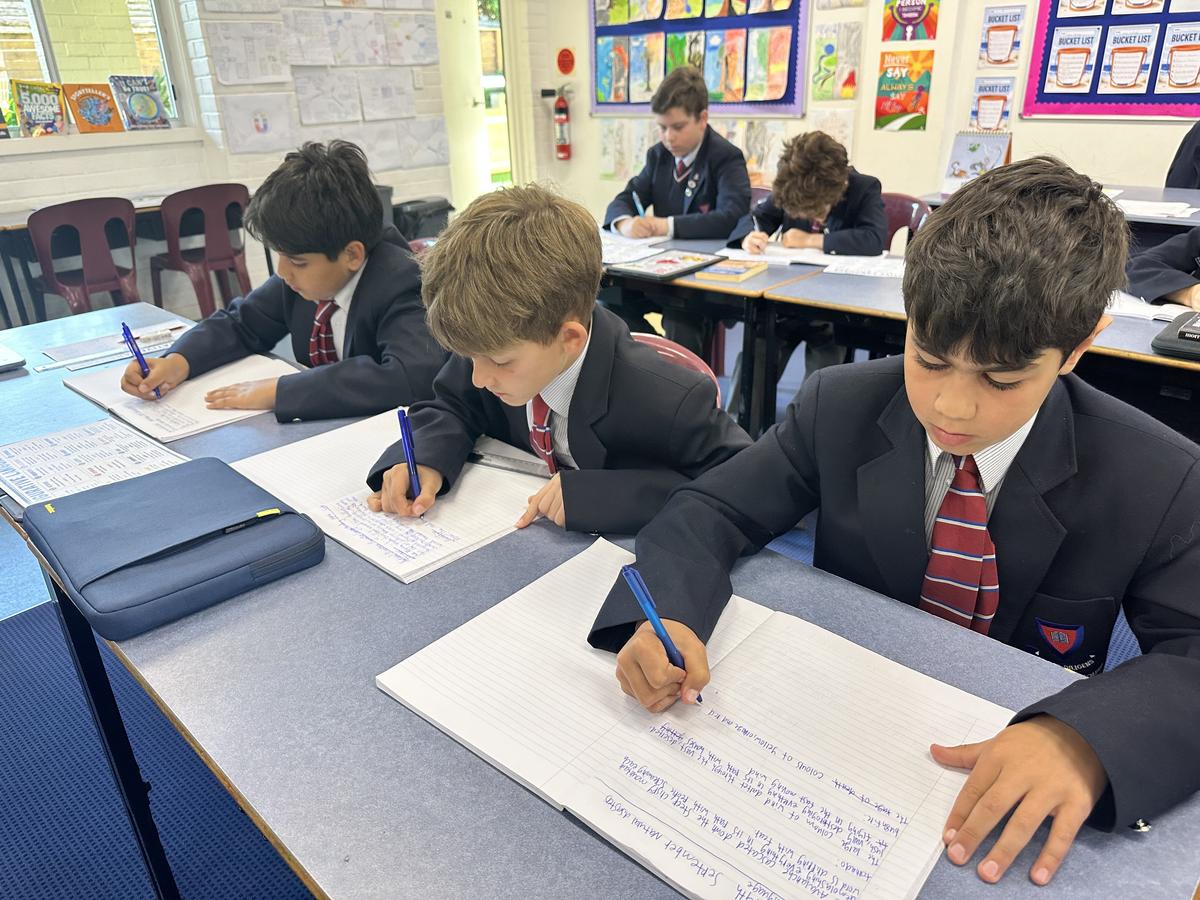
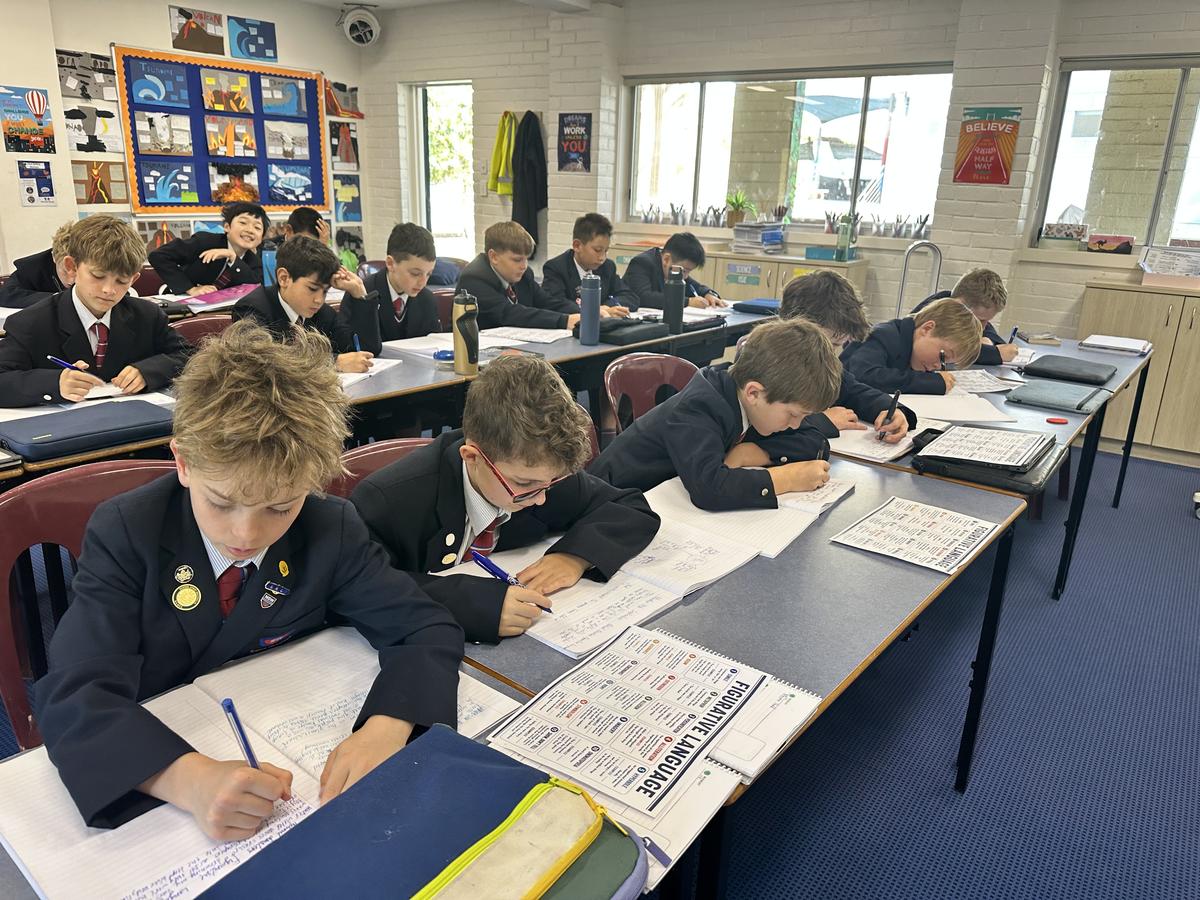
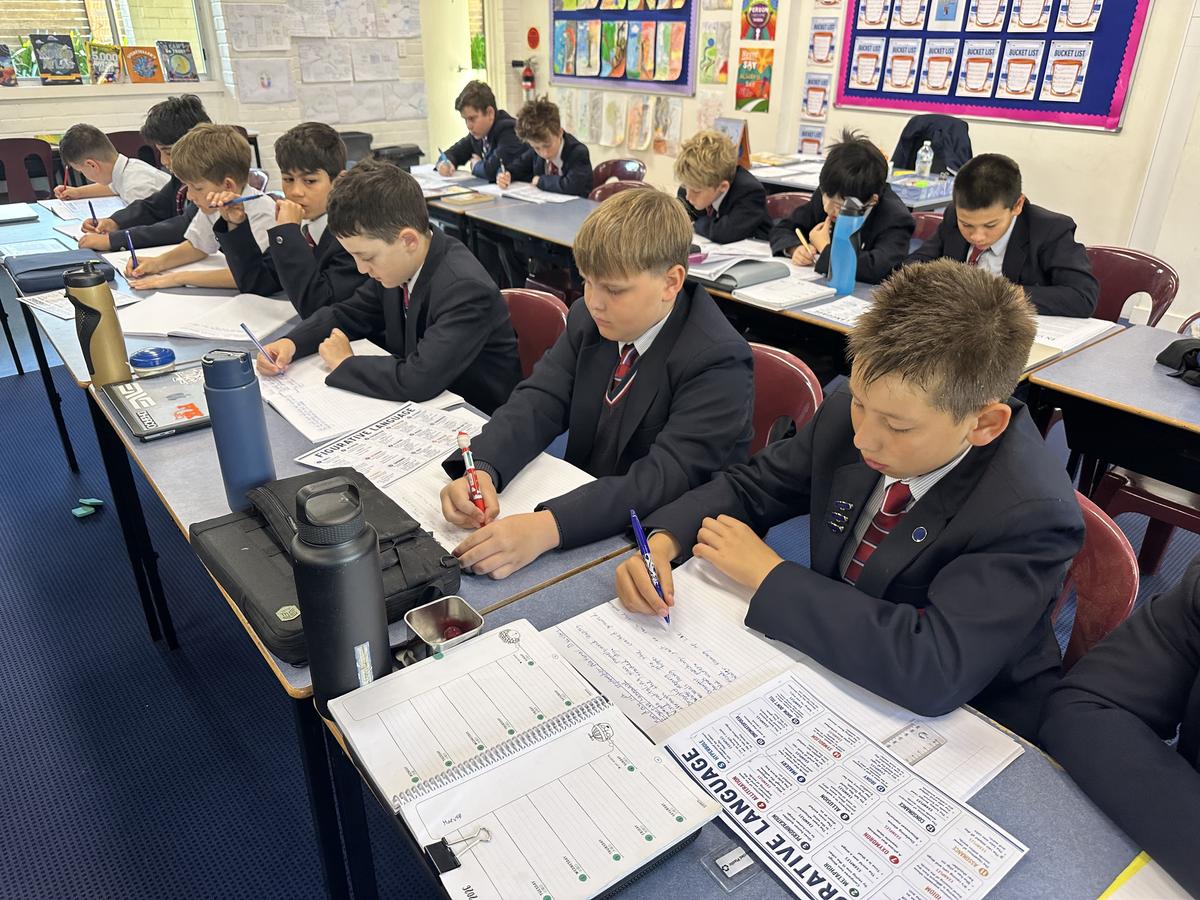
The P5 boys have been putting their creativity and scientific knowledge to work through a series of short writes exploring natural disasters.
Drawing on their learning in Science, the boys have been challenged to bring events such as bushfires, floods, cyclones, tornadoes and tsunamis to life through figurative language. From powerful personification to vivid similes and metaphors, they have experimented with how carefully chosen language can help a reader see, hear and almost feel the force of nature.
These short, focused writing opportunities have allowed the boys to practise important English skills while strengthening their understanding of concepts explored in Science.
The result has been some brilliant writing – imaginative, descriptive and packed with personality – and a wonderful example of cross-curricular learning in action.
Here is a snapshot of some of the boys’ writing:
Tornado by Julian: Funnels of sprinting storms slammed society. The surrounding fields were the perfect stage for destruction. The silent slammer struck, leaving only bittersweet memories where it had passed.
Tsunami by Elliot: Water whirled, waves crashed, drowning my ears in deafening silence. The wave towered over skyscrapers as if it were nothing but a toy set. Houses submerged into the void of aqua like a splash of paint on a blank canvas, sending ripples across the page.
Bushfire by Jack: Roar! The red ocean obliterated the once lush land. Heroes sprinting into the colossal oven, heat spreading like butter on a fresh slice of bread.
Cyclone by Kaimo: The storm swirled through my eyes, creating a knot in my stomach the size of Jupiter. The smell of Earth’s crust burnt through the dirt as it angrily stole the light of the golden sun.
These pieces showcase not only the boys’ understanding of natural disasters, but their willingness to play with language, take creative risks and find their own writer’s voice. When subjects connect, learning becomes richer – and P5 have certainly shown what can happen when Science provides the knowledge and English gives students the power to bring it to life.
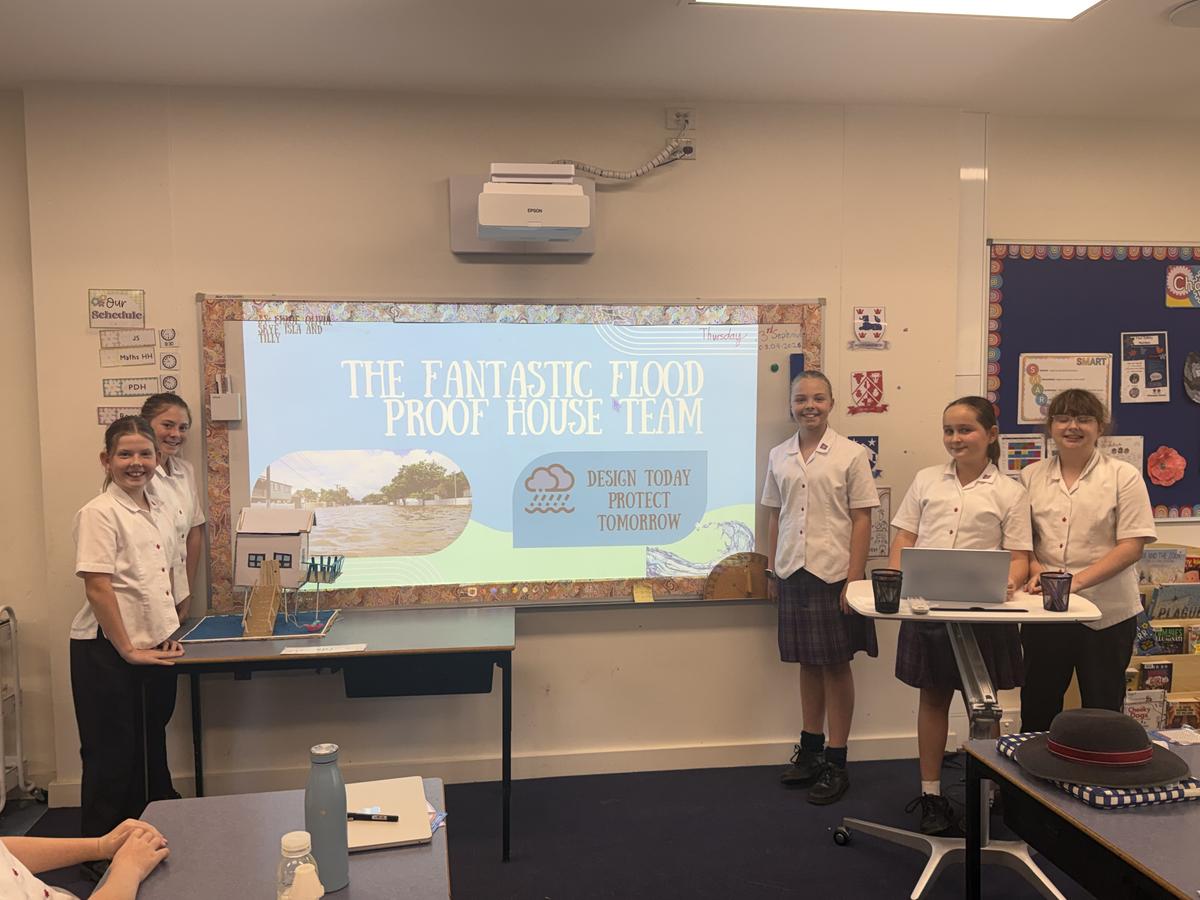
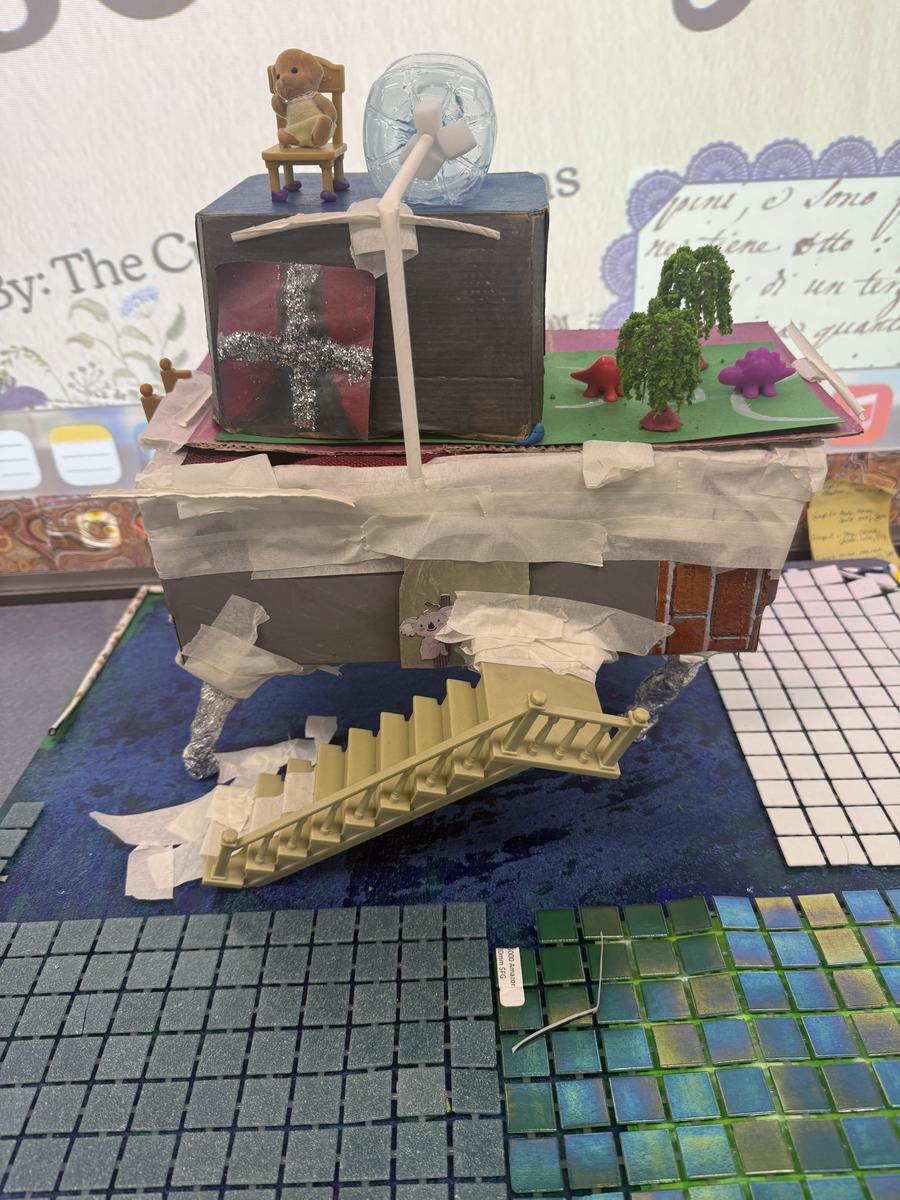
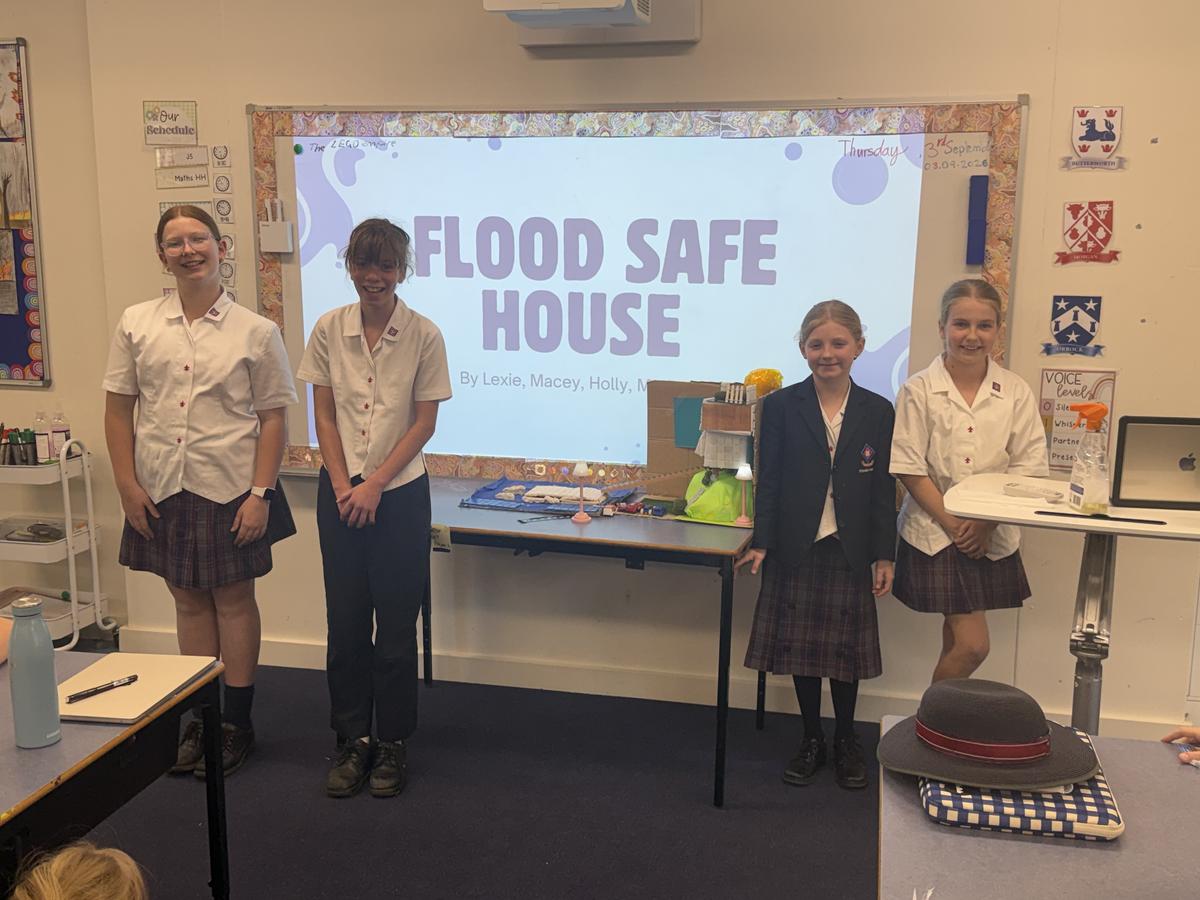
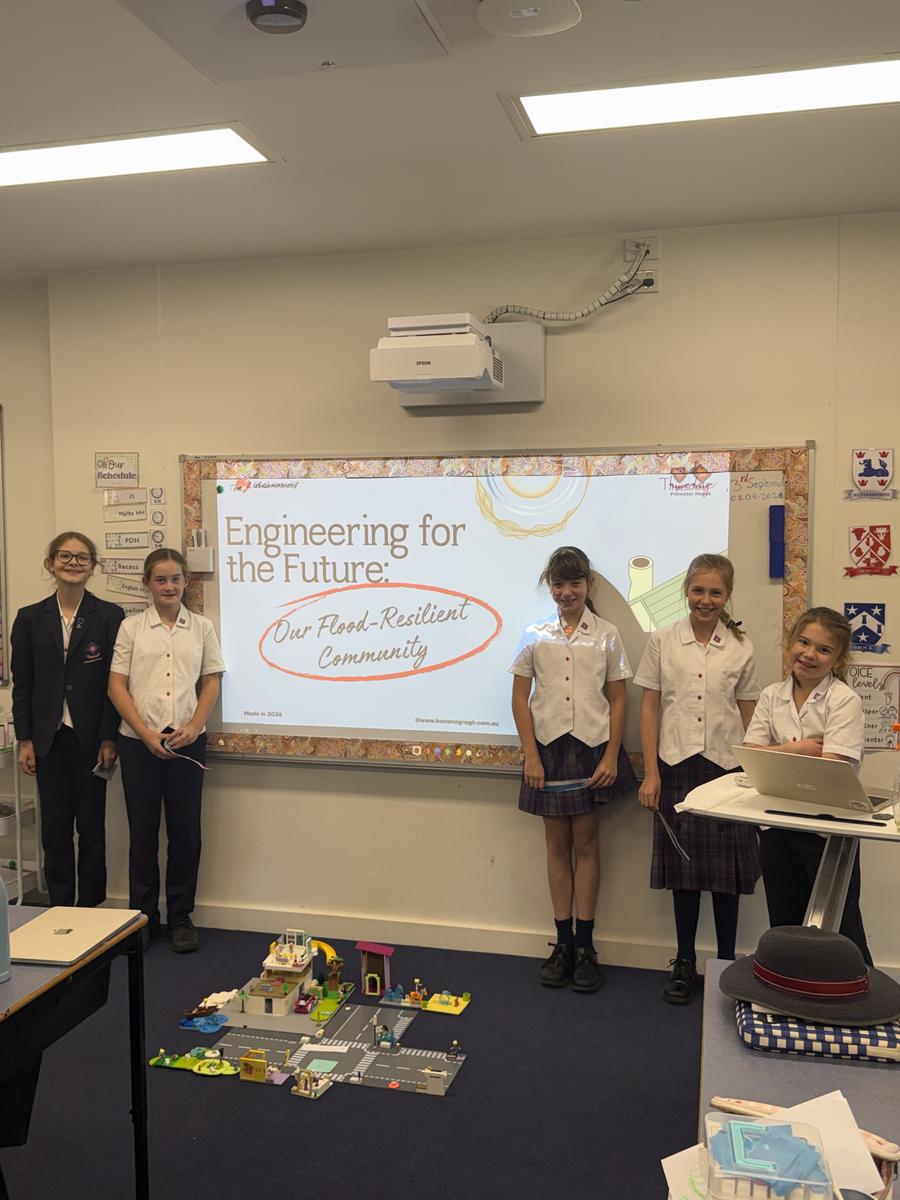
J5 – The Flood-Proof Challenge
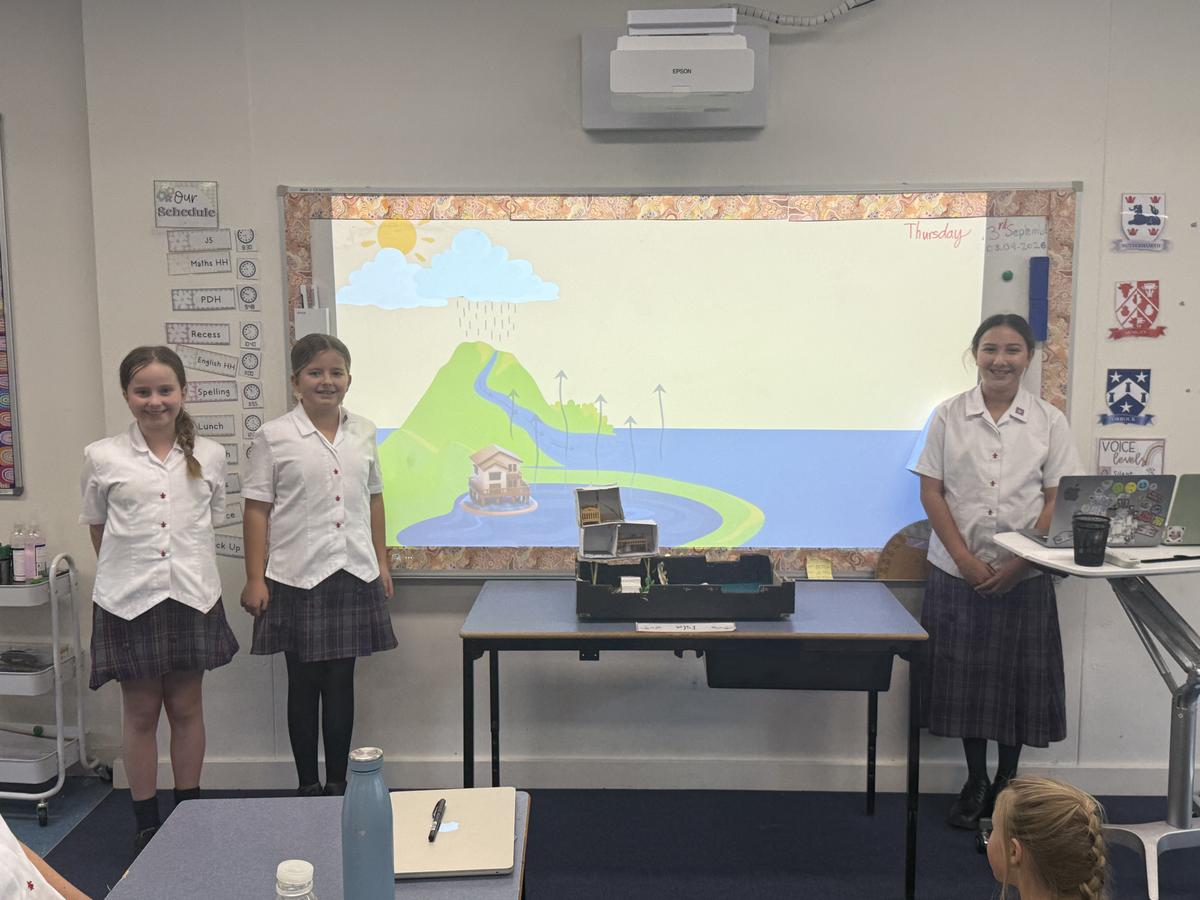
Could you design a house that could withstand a flood? That was the challenge put to the J5 girls!
Bringing their Science learning to life, the girls worked in teams to design and construct their own flood-resistant houses. They had to think like scientists and engineers – considering materials, structure, stability and how their designs could reduce the impact of rising water.
The challenge encouraged plenty of problem-solving, creativity, collaboration and critical thinking. Ideas were tested, designs were adapted and, when something didn’t work, it was back to the drawing board!
Hands-on experiences like this give students the opportunity to move beyond simply learning about scientific concepts to questioning, designing, testing and improving.
There was excitement, teamwork, a little trial and error – and some very clever engineering from J5!
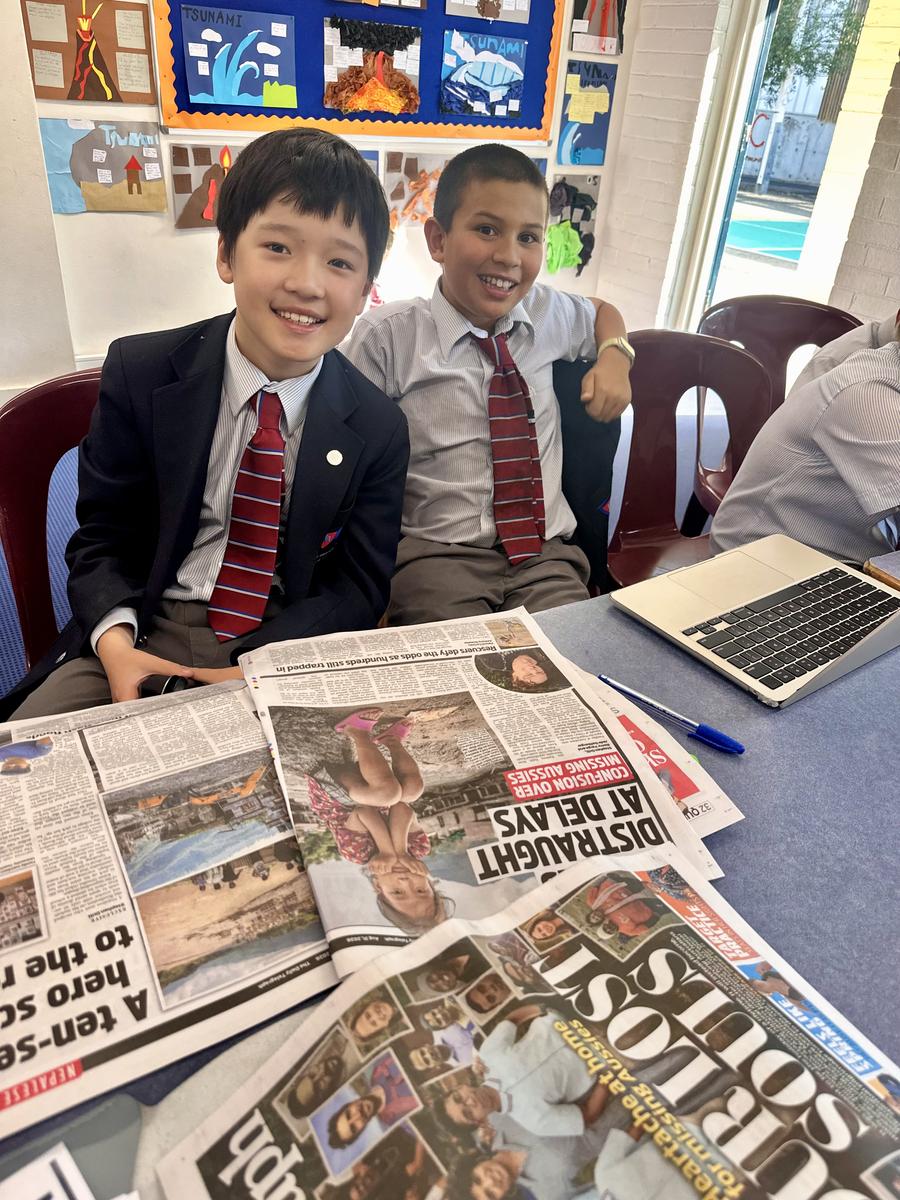
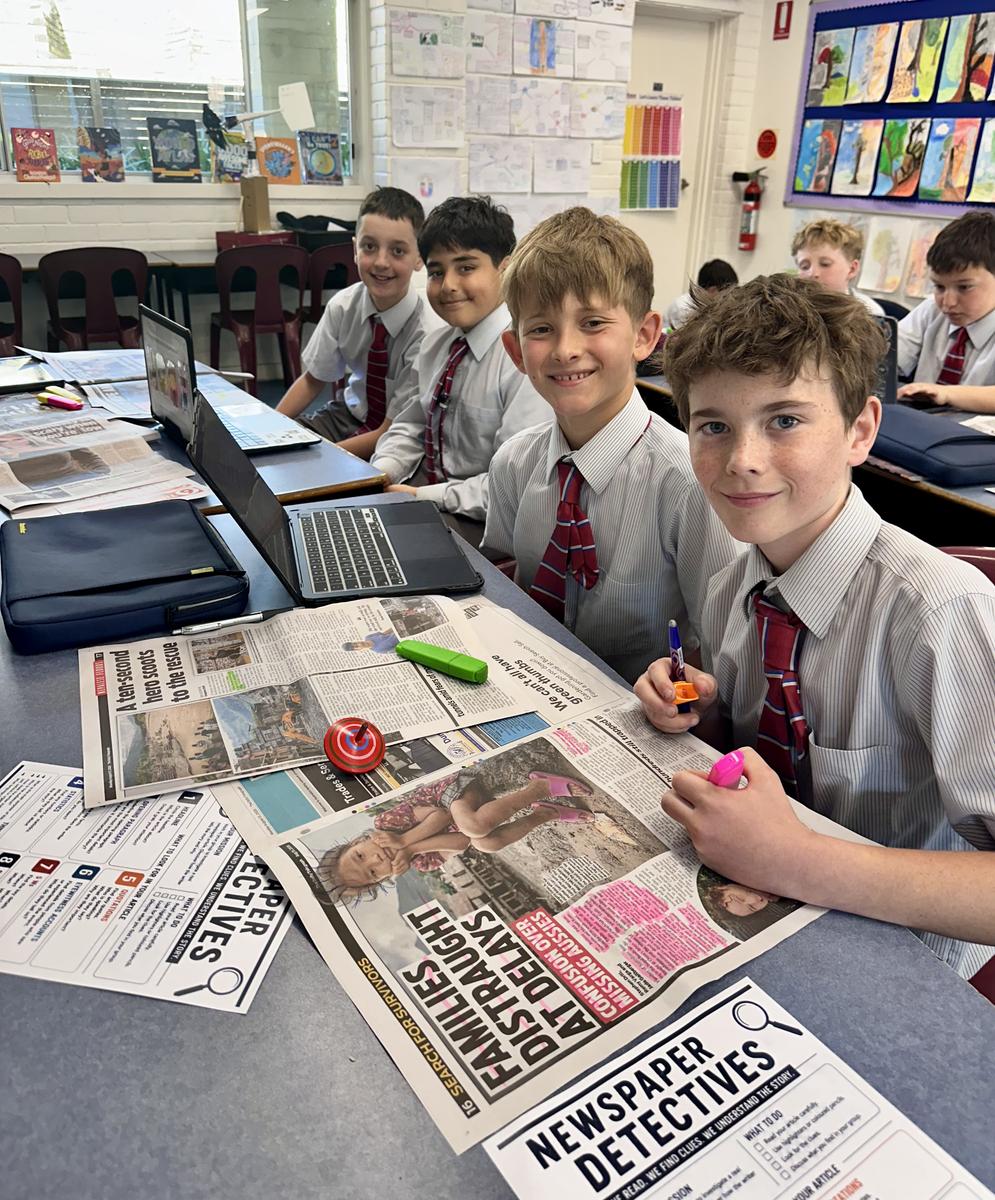
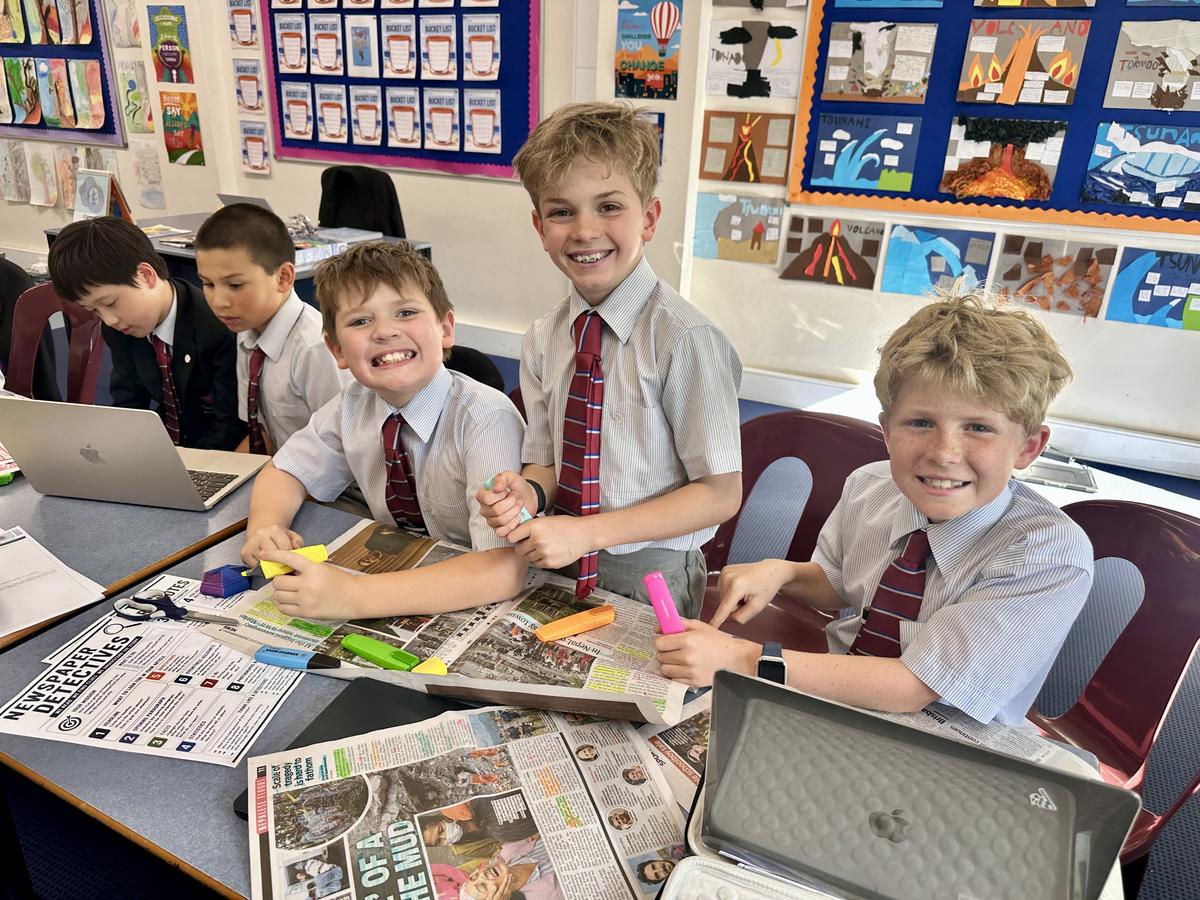
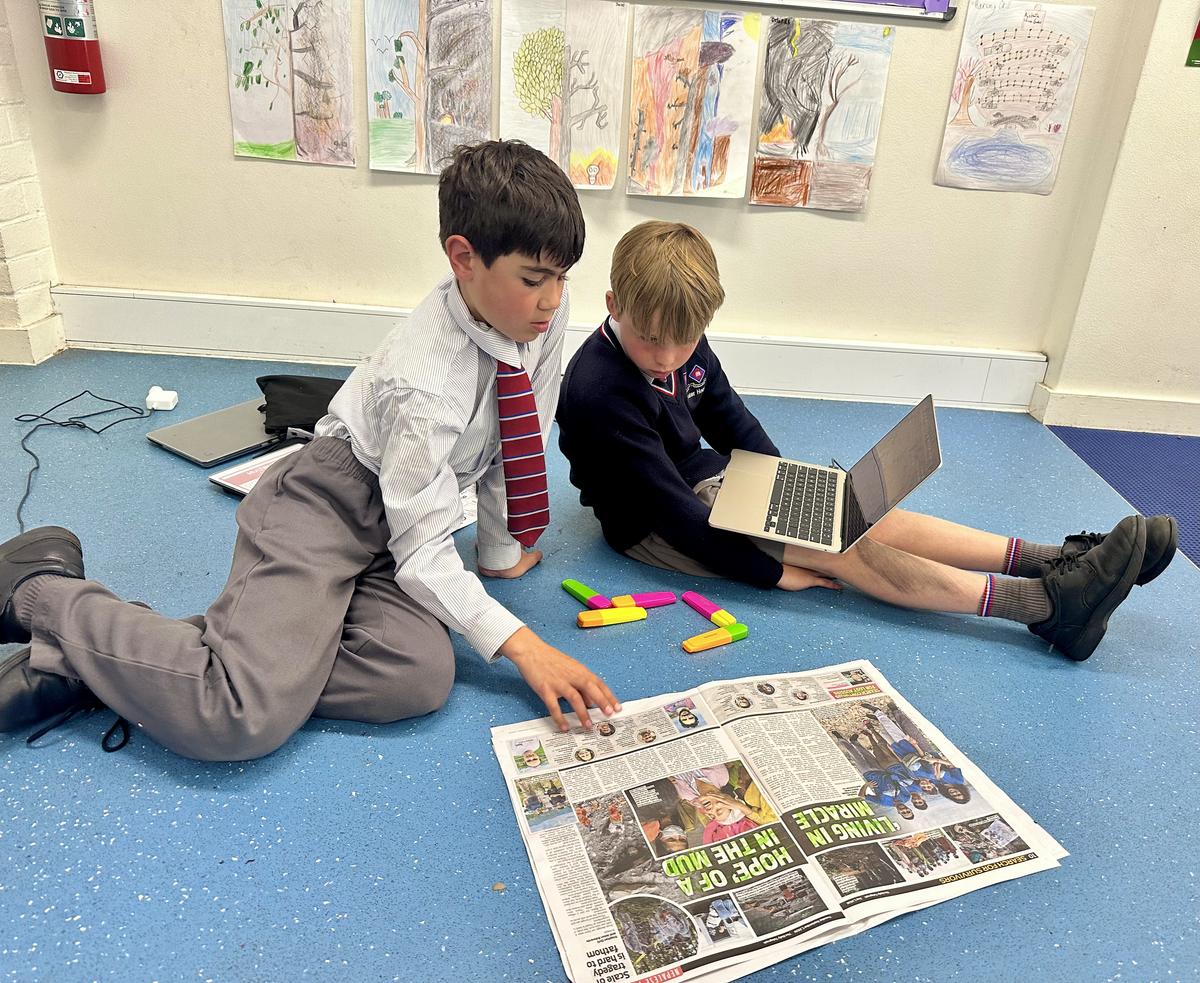
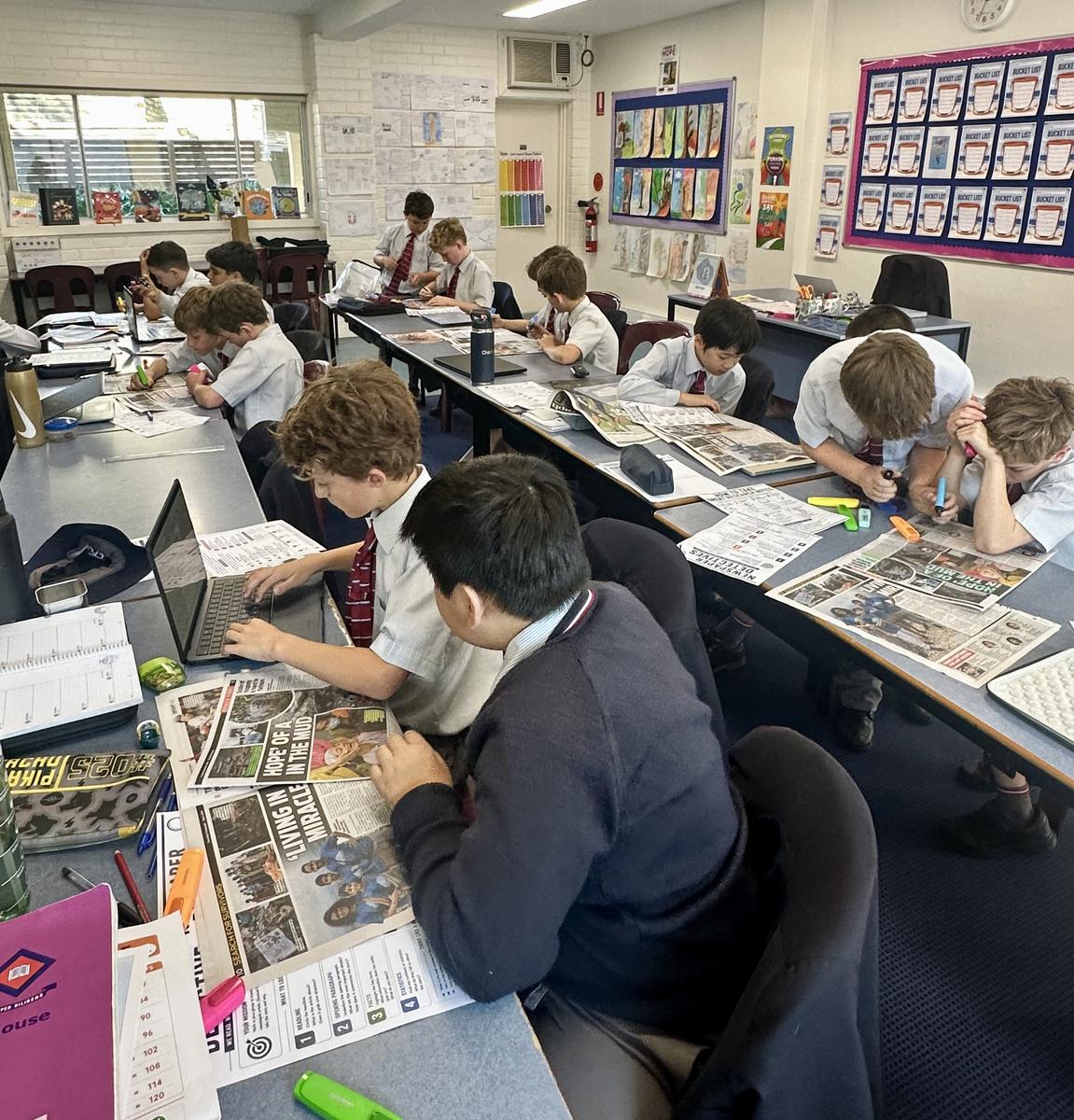
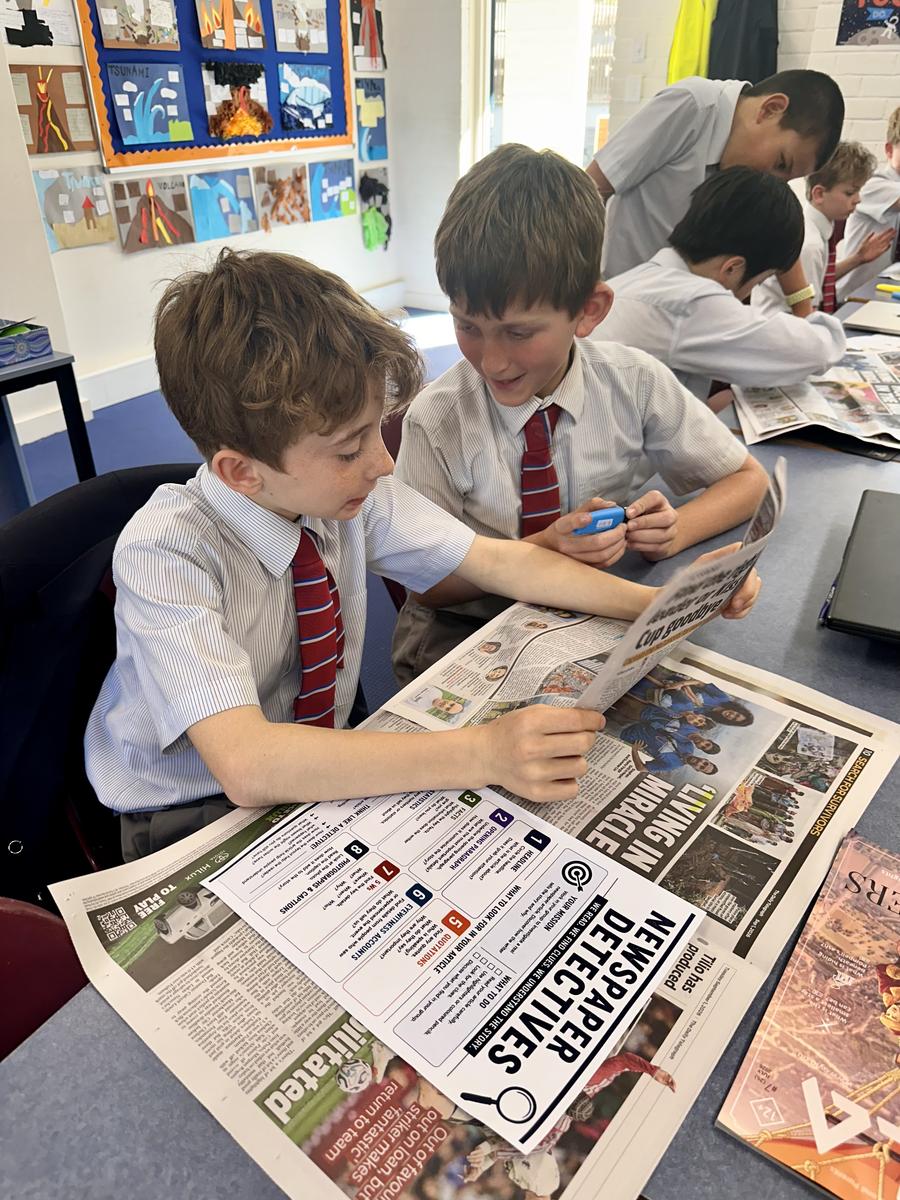
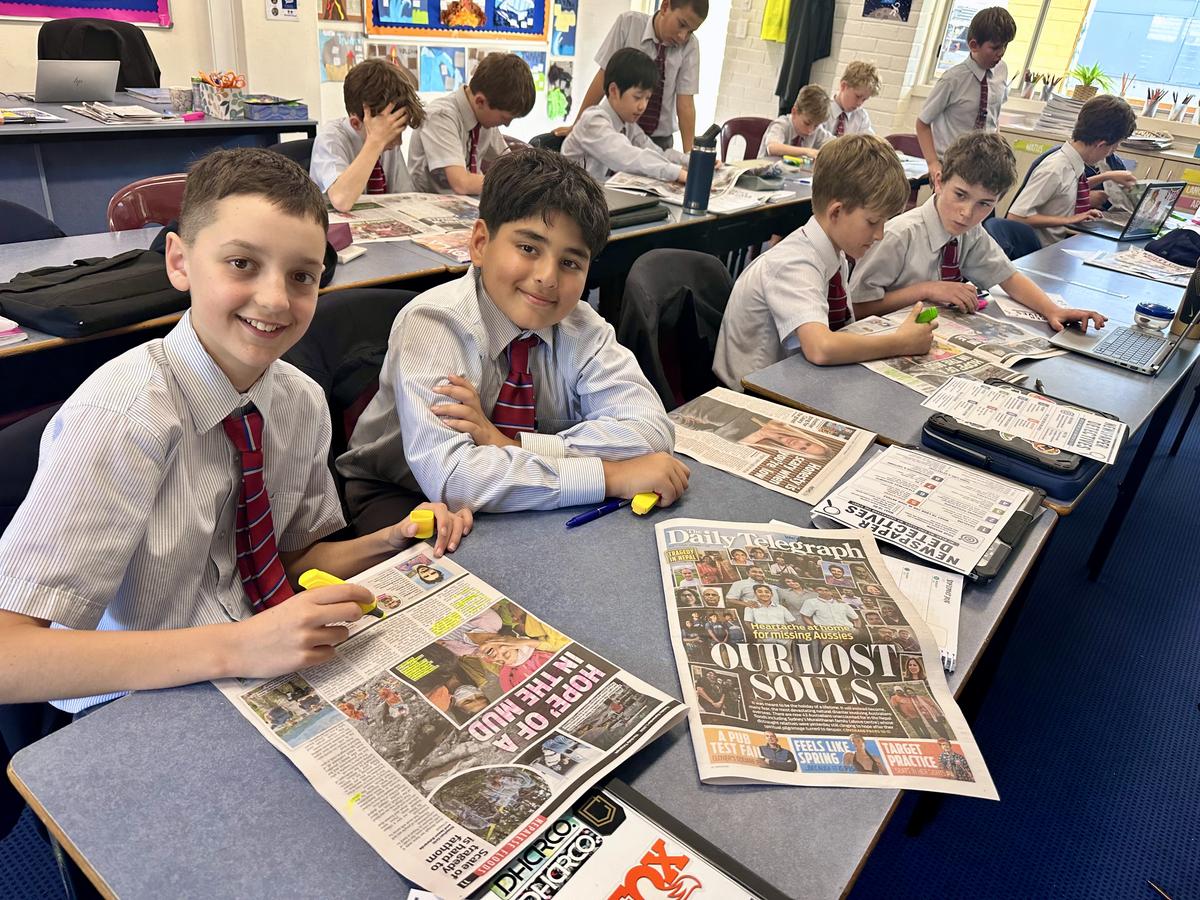
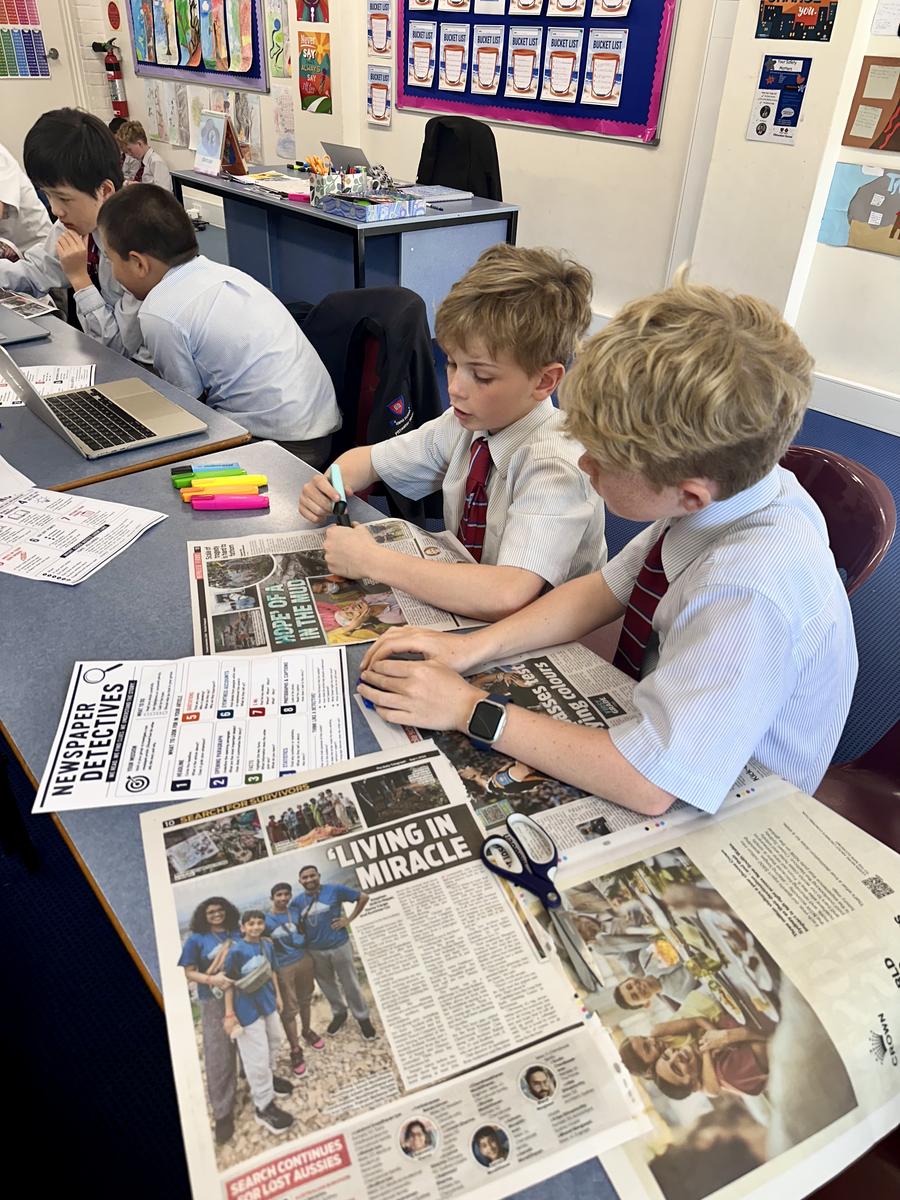
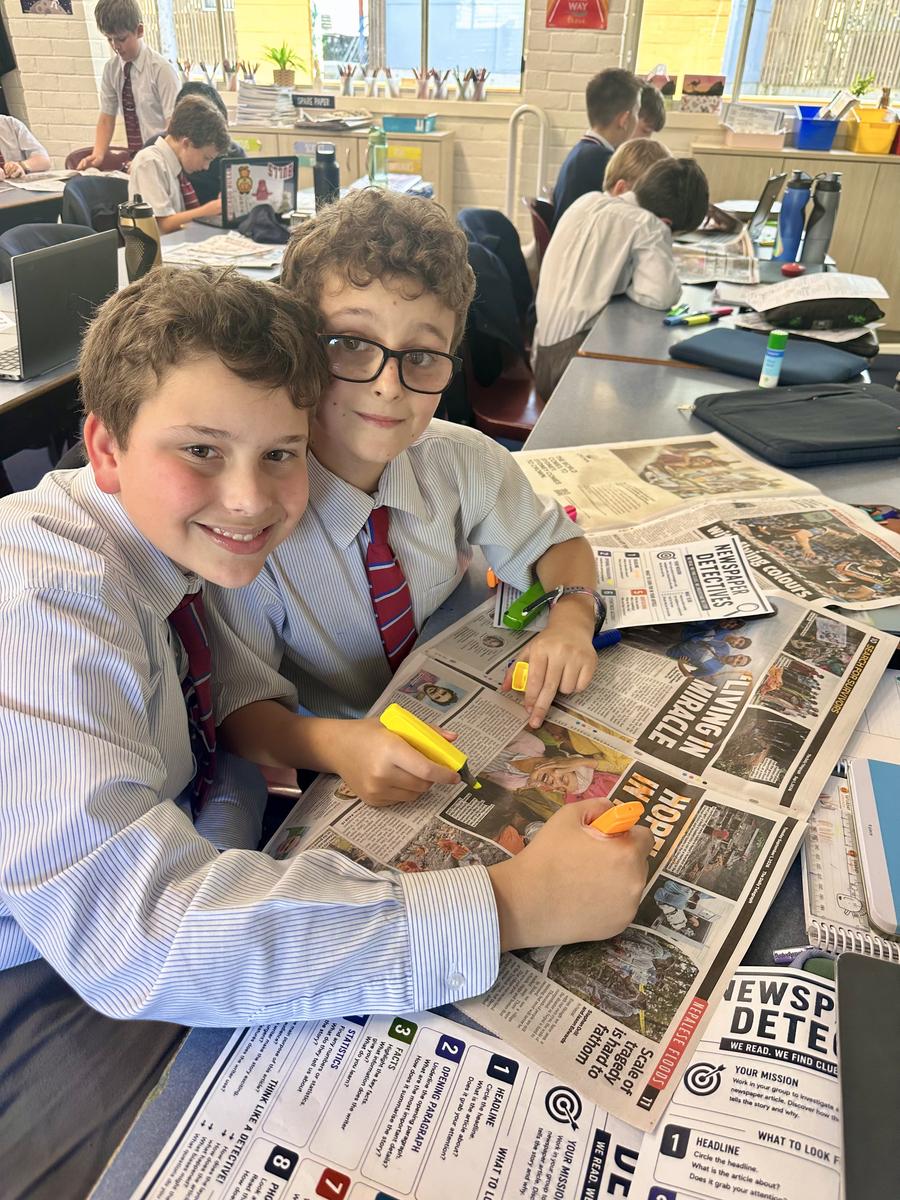
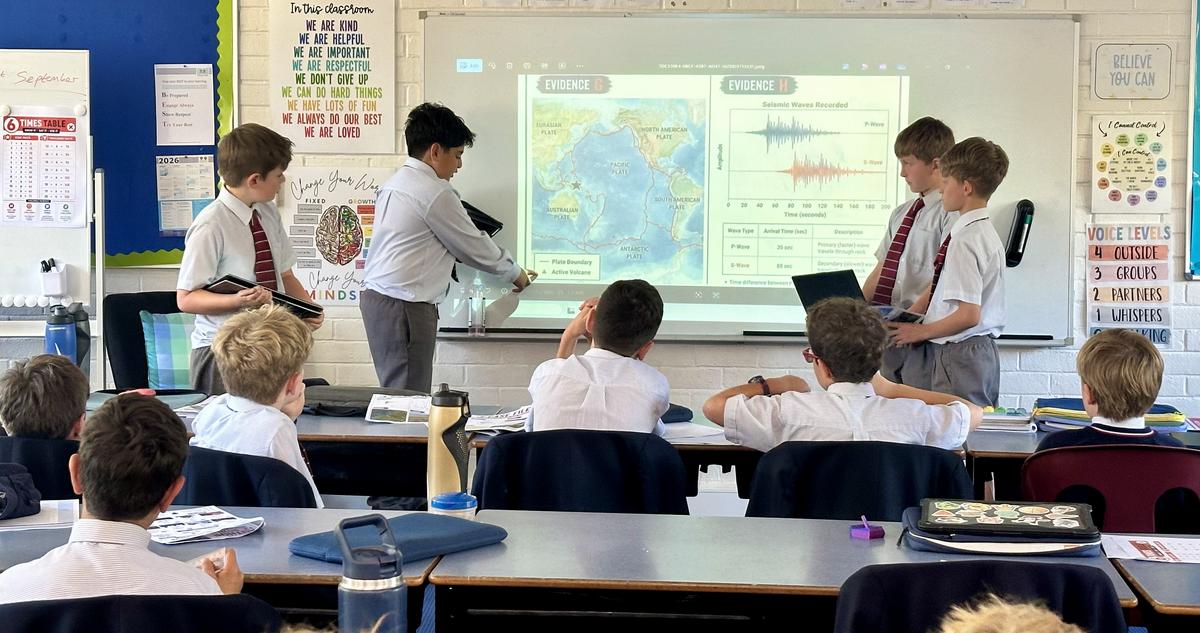
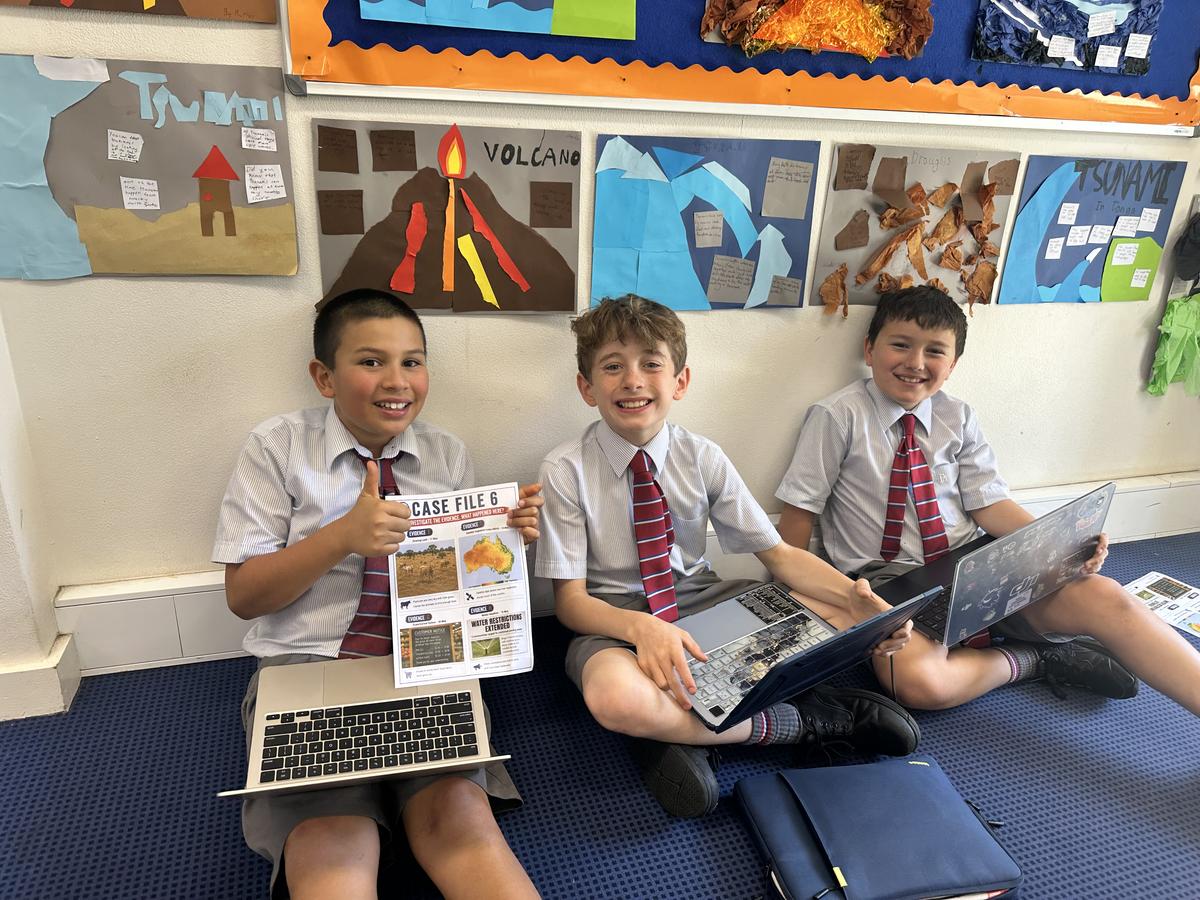
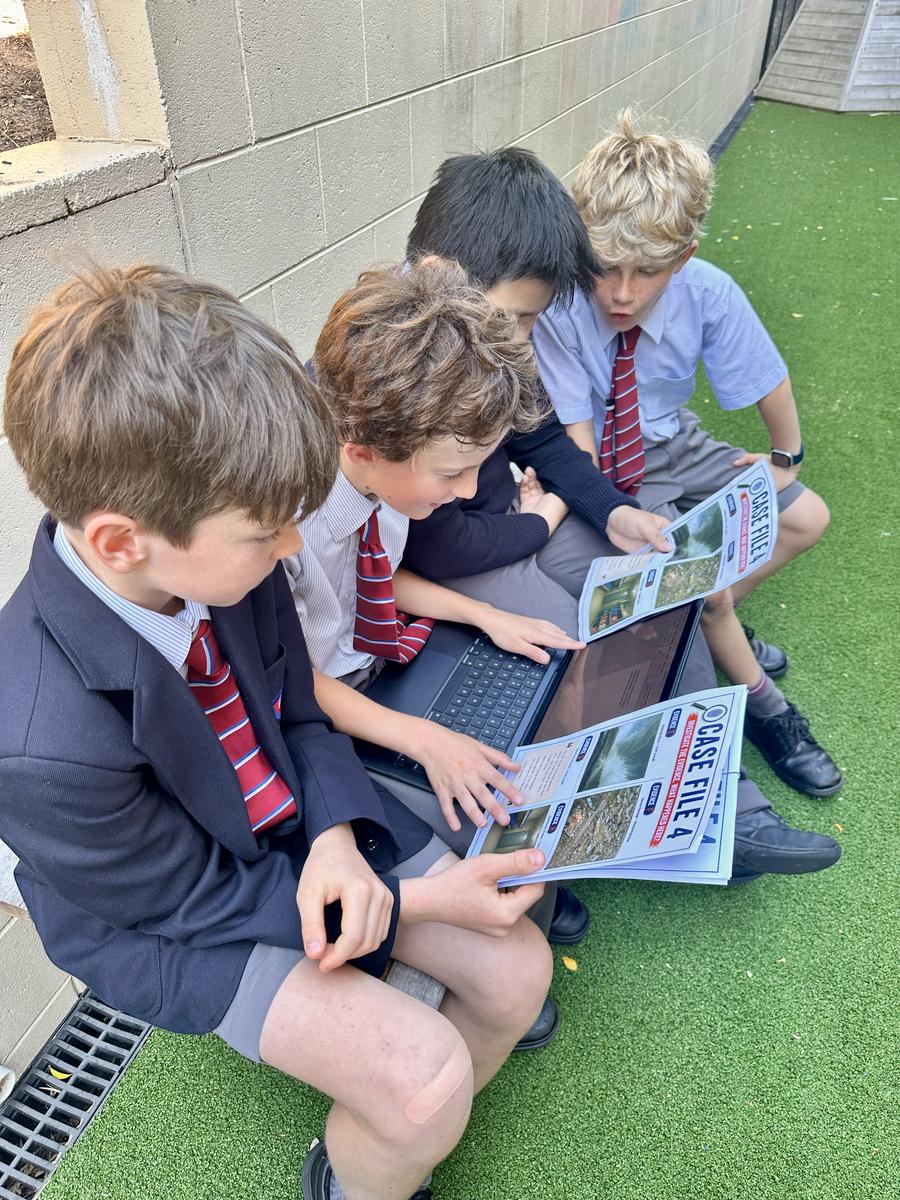
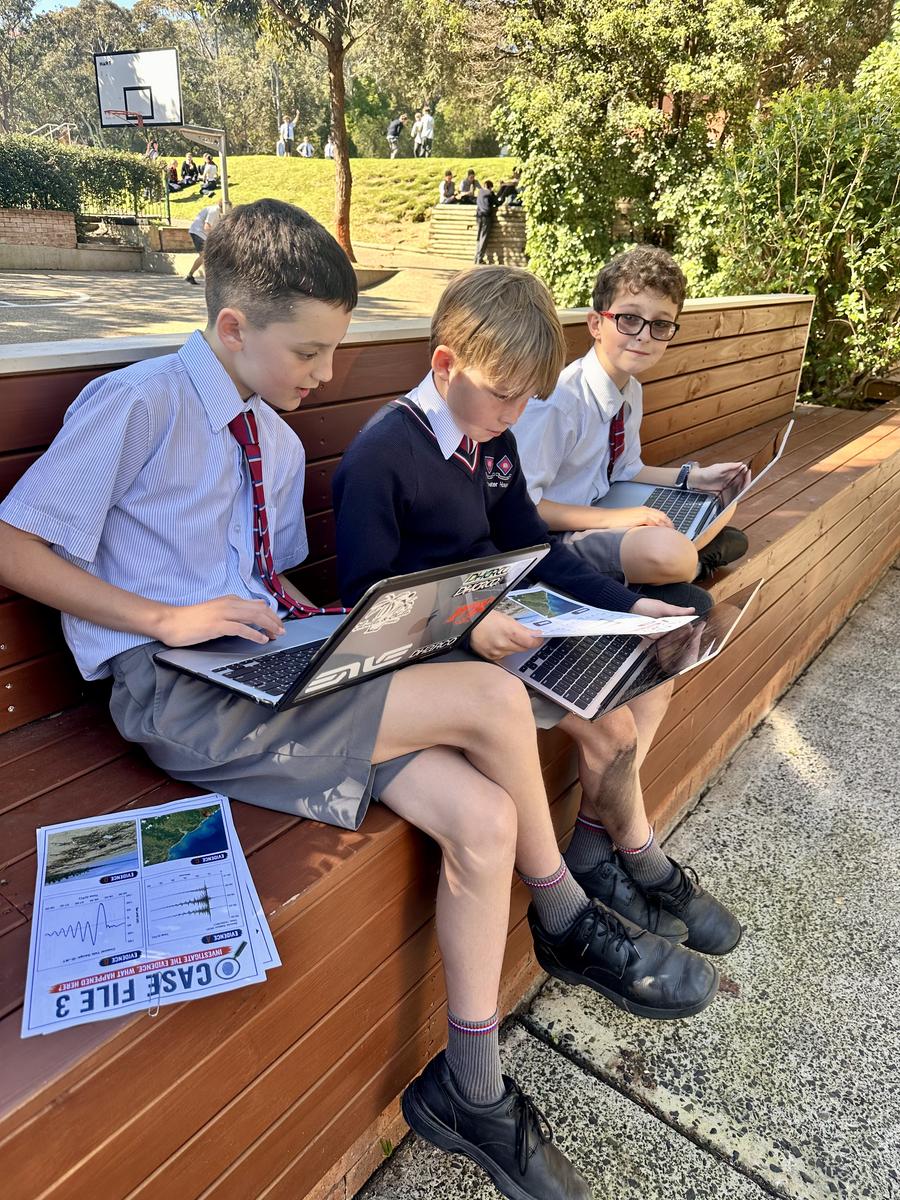
Newspaper Detectives - Ms James, P5 Class Teacher
The P5 boys have been putting their creativity and scientific knowledge to work through a series of short writes exploring natural disasters.
Drawing on their learning in Science, the boys have been challenged to bring events such as bushfires, floods, cyclones and earthquakes to life through figurative language. From powerful personification to vivid similes and metaphors, they have experimented with how carefully chosen language can help a reader see, hear and almost feel the force of nature.
These short, focused writing opportunities have allowed the boys to practise important English skills while strengthening their understanding of concepts explored in Science.
The result has been some brilliant writing – imaginative, descriptive and packed with personality – and a wonderful example of cross-curricular learning in action.
Save the Dates:
TERM 3 - KEY DATES | ||
| Week 9 | Friday 18 September | 8.30am - Junior School Assembly and Last Day of Term |
TERM 4 - KEY DATES | ||
| Week 1 | Monday 12 October | Student Free Day |
| Week 1 | Tuesday 13 October | Students return for First Day of Term 4 |
| Week 6 | Friday 20 November | Pre K to Year 6 Grandparents Morning |
| Week 7 | Friday 27 November | End of Year Sports Assembly and Awards |
| Week 8 | Tuesday 8 December | End of Year Prizegiving Assembly Last Day of School for Junior School Students |