Page 0 Banner Photo
Cover Page
Celebrations and Acclamations  Banner Photo
Celebrations and Acclamations 
Semester 2 IEPs Banner Photo
Semester 2 IEPs Semester 2 IEPs
2026 School Theme AIP Targets Banner Photo
2026 School Theme AIP Targets
Daily Organiser Banner Photo
Daily Organiser
Staffing Updates  Banner Photo
Staffing Updates  SSG Full time ES Minute Taking
2027 Class Lists Banner Photo
2027 Class Lists
VGSA - In Negotiations Banner Photo
VGSA - In Negotiations
Health & Safety Representatives (HSRs) Banner Photo
Health & Safety Representatives (HSRs) WHAT AN HSR DOES
Occupational Health & Safety Banner Photo
Occupational Health & Safety OH&S Meetings, NEXT OHS MEETING IS WED 2nd SEP 2026!, Classroom Student Supervision Reference , We strongly encourage staff to make use of these services when needed — seeking support early can make a meaningful difference to your wellbeing and help you feel supported both personally and professionally., Employee Wellbeing Support Services (Converge International): 1300 291 071, Early Intervention Program – Cogent Thinking: 1300 090 924, Both services provide confidential support, and staff are encouraged to reach out early if they feel they would benefit from assistance., STAFF IMMUNISATIONS, Special thanks to all staff for ensuring they are using the maintenance log!
Mental Health for Staff Banner Photo
Mental Health for Staff Employee Wellbeing Support Services
Managing Racism at School Banner Photo
Managing Racism at School
Student Attendance Banner Photo
Student Attendance
Term 3 Event Banner Photo
Term 3 Event
Early Intervention Program  Banner Photo
Early Intervention Program 
Disability Inclusion  Banner Photo
Disability Inclusion 
Environment, Facilities and Grounds  Banner Photo
Environment, Facilities and Grounds  PLEASE ADD ALL MAINTENANCE ISSUES TO THE LOG!!, When requesting infrastructure, please complete the following two forms., Infrastructure Request Form, Risk Assessment Template, Classroom Incidents
Sub School Updates Banner Photo
Sub School Updates Important Reminders, Recurring notices, Primary Sub School - Zoe Pirotta,  Middle Sub School - Stefania Mantinioti,  Secondary and Senior Secondary Sub School (Amelia Frantz & Sean Procko) 
Missed Non Face to Face Update Banner Photo
Missed Non Face to Face Update
Student Wellbeing Banner Photo
Student Wellbeing
Student Voice & Agency Banner Photo
Student Voice & Agency
JSA Whole School Curriculum Banner Photo
JSA Whole School Curriculum 2026 Whole School Curriculum Scope and Sequence
Curriculum Teams   Banner Photo
Curriculum Teams 2026 Curriculum Teams
Autism Practices Banner Photo
Autism Practices                                              Play skills
Therapy News Banner Photo
Therapy News
Wellbeing Team Banner Photo
Wellbeing Team How Do We Support Distressed Students? , The Three R's:, Available Support Services
Staff Association Banner Photo
Staff Association
JSA FUNDRAISING 2026 Banner Photo
JSA FUNDRAISING 2026 Fundraising Coordinator , Fundraising Meetings:, Fundraising Events:
Banner Photo

Autism Practices

Learning Specialists & Leading Teachers

                                             Play skills

Gallery Image


Building Play Skills: Nurturing Growth through Play

Play is a fundamental part of childhood. It is how children explore the world, express themselves, and learn essential social, emotional, and cognitive skills. For autistic individuals, however, play can be a different experience and may require a more structured approach. By understanding the unique ways children with autism experience play and by supporting their play skills, we can foster their growth in a meaningful, joyful, and impactful way.

Why play is essential for all children

Play is more than just fun—it is an important learning experience. Through play, children practise communication, learn to interact with others, and develop creativity and problem-solving skills. Play also helps children regulate emotions, understand routines, and build motor skills.

For autistic children, the benefits of play are equally valuable, though the path to achieving them may vary. Many autistic children prefer solitary play or engage in repetitive activities, which can make playtime seem different from that of their peers. However, with the right approach, play can be a way for them to build essential life skills and connect with others.


Understanding Play Differences in Autism

Autistic individuals may have unique ways of engaging in play:

  • Repetitive play: Many autistic children are drawn to repetitive activities, such as lining up toys, spinning objects, or repeating certain actions. This may serve as a calming or focusing activity for them.
  • Preference for solitary play: Some children may prefer playing alone or may find social play overwhelming or challenging.
  • Difficulty with imaginative play: Pretend play, such as pretending a block is a car or playing house, may not come naturally and may require guidance and support.

These differences do not mean that autistic children cannot enjoy or benefit from play; rather, they may need specific strategies and understanding from parents/carers, teachers, and peers.


How to Support Play Skills:

  1. Follow the Child’s Lead: Start by observing what interests the child. If they enjoy cars, for example, join them by pushing a car alongside theirs or by taking turns. Building on their interests can create a bridge to new types of play.
  2. Encourage Parallel Play: Parallel play, where children play alongside each other without directly interacting, can be a gentle introduction to social play. Sitting nearby, mirroring their actions, and gradually introducing small interactions can help a child become comfortable with others in their play space.
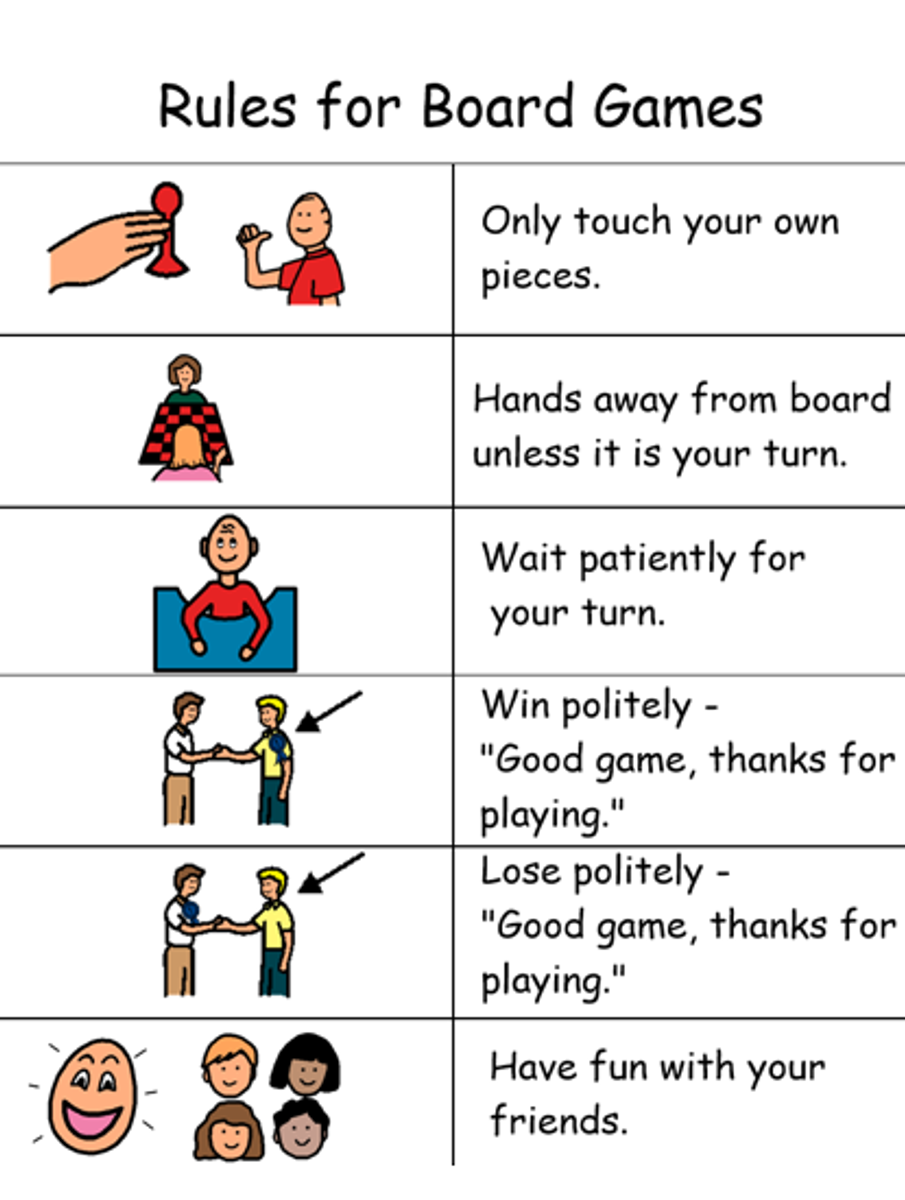
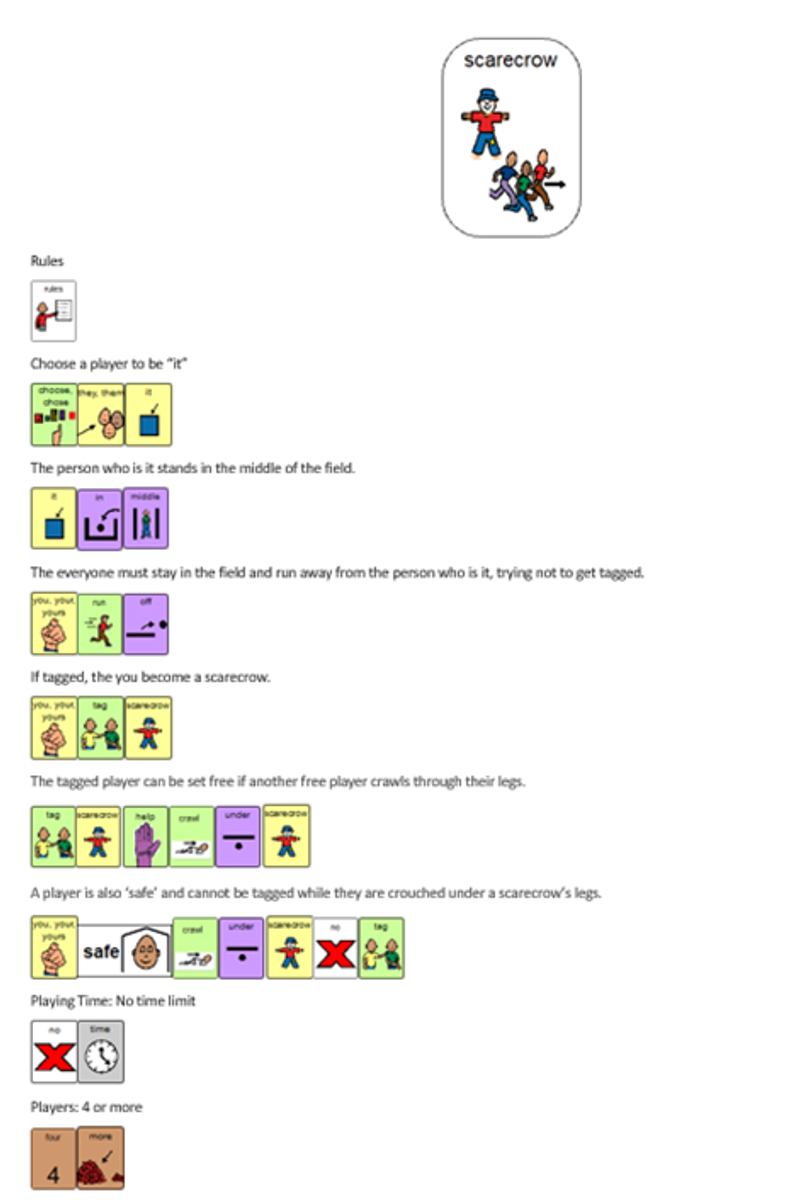
  3. Introduce Structured Play: Many autistic individuals thrive on structure and routines, so structured play activities can help create a predictable environment where they feel safe to explore. Structured games, such as simple board games or activities with clear rules, can provide a foundation for more complex play.
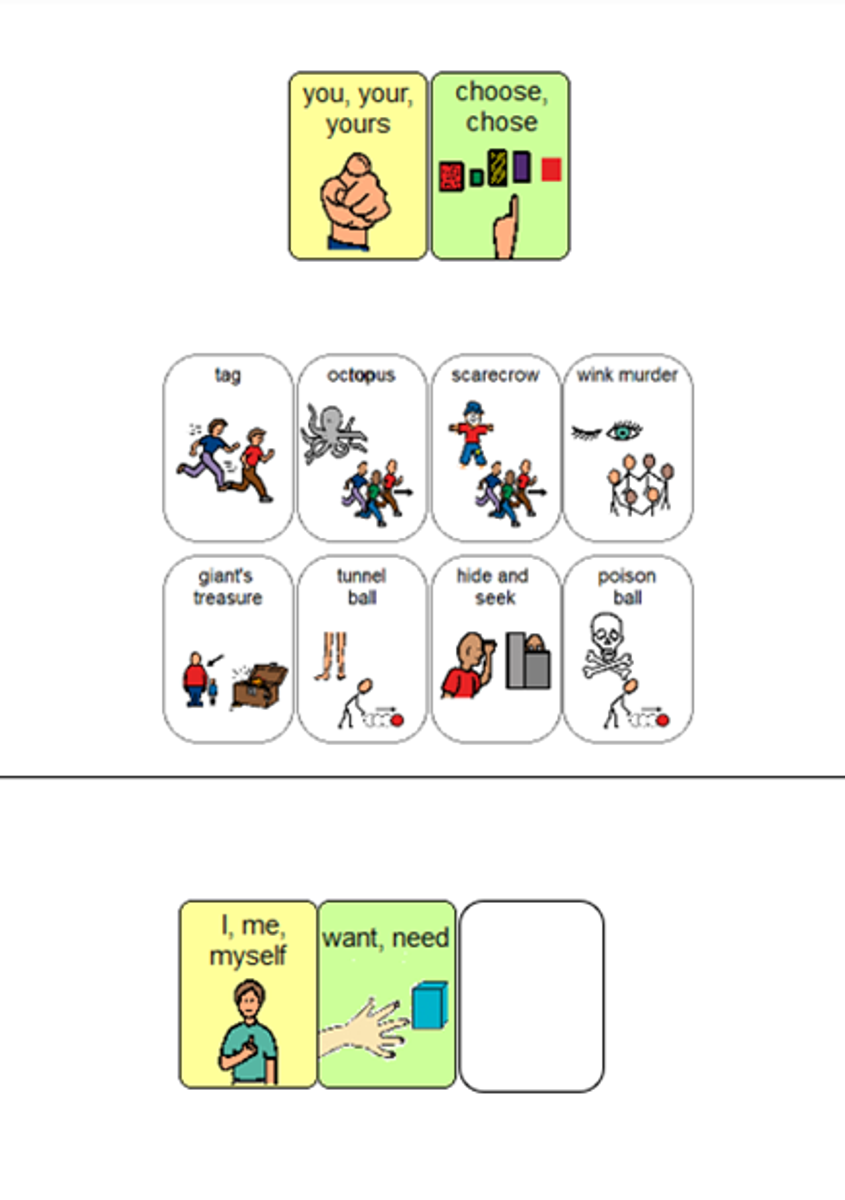
  4. Use Visual Supports: Visual cues, such as pictures or charts, can guide children in understanding different steps or choices in play activities. For instance, a visual schedule that shows steps to build a puzzle can help a child understand the process in a clear and supportive way.
  5. Practice Turn-Taking: Games that involve turn-taking, such as “Simon Says” or rolling a ball back and forth, can teach patience, anticipation, and shared attention. For many children, these games are fun and naturally encourage waiting for their turn while also enjoying interaction.
  6. Encourage Imitative Play: Imitation is a valuable skill that builds the foundation for social learning. Encourage children to imitate actions, sounds, or facial expressions during play. Singing songs with hand motions, such as “Itsy Bitsy Spider,” is a playful way to build imitation skills.
  7. Foster Pretend Play: For older children, encourage simple pretend play, such as pretending to cook or building a house with blocks. You can model this by narrating actions, like “Let’s pretend to make a pizza!” Over time, children may feel more comfortable engaging in imaginative play.

Celebrating Small Successes

When supporting play skills in autistic individuals, patience and positive reinforcement are key. Celebrate small milestones, like when a child takes turns, shares a toy, or joins a game with a peer. These moments build confidence and create positive associations with play.

Building Connections through Play

With gentle guidance, they can gain the benefits of play while building connections with peers, siblings, and adults. By adapting play environments and respecting each child’s unique approach to play, we open doors to meaningful experiences that support their development and happiness.

Play is truly for everyone, and with a little creativity and understanding, we can help make play a joyful part of every child’s life.
Gallery Image
Gallery Image
Gallery Image