Prep















Dear Prep families,
welcome to the Term 4 week 6 newsletter edition.
Reading
This week in reading we have been looking at non-fiction text features. We've had a focus on identifying and using the contents page as well as looking at titles, headings, labels and captions. as these provide additional imformation to the reader.
Some things you can do at home to support your child:
Read non-fiction books, magazines or information websites together.
Encourage your child to find headings, photographs, labels, captions, diagrams, contents pages and bold words.
Ask questions such as, “What does this heading tell us?” or “What can we learn from this photograph?”
Ask your child to explain how each feature helps us learn more about the topic.
Encourage your child to point out non-fiction features when you come across them in everyday reading.
Talk about how non-fiction texts are different from storybooks and how their features help us find information.
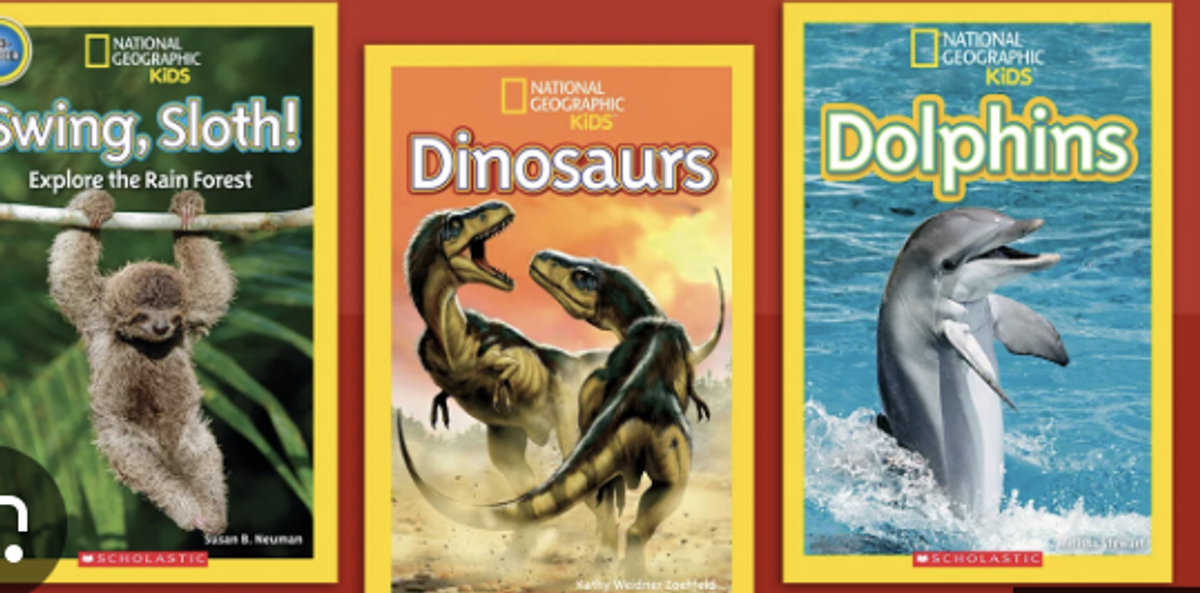
We have also been continuing to look at high frequency words in texts. Students have been encouraged to find these familiar words in their books and read them automatically, helping to build their reading fluency and confidence.
Writing
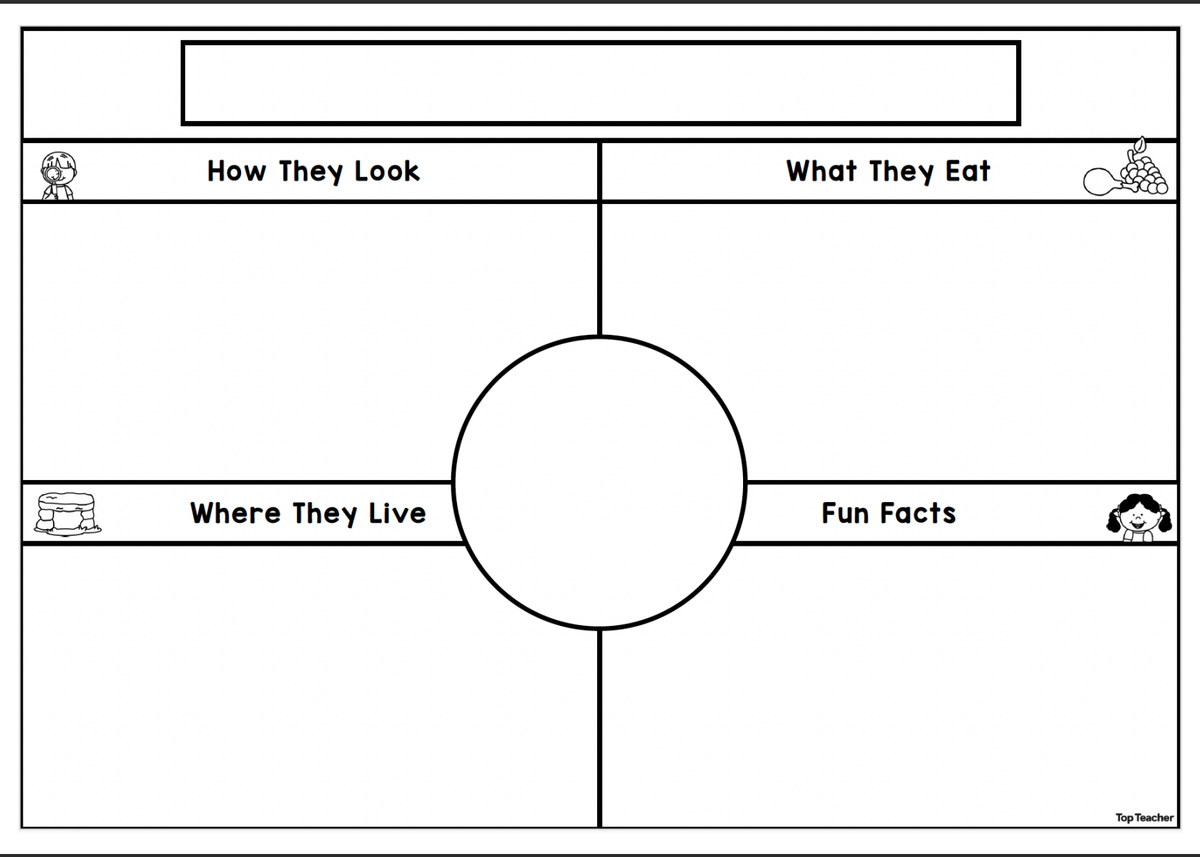
In Prep, we have been learning about information reports and how they are used to share facts and information. We have been practising writing our own information reports about ourselves, including interesting facts such as our favourite things, hobbies, family and what makes us unique. We have been learning to use factual information and organise our ideas so that others can learn more about us. We have included information such as what we look like, what we eat, where we live and facts about ourselves.
Maths
In Prep, we have been learning about part-part-whole in Maths while exploring number bonds to 10. We have been learning that a whole number can be made up of two smaller parts. We have used hands-on materials, drawings and number sentences to explore different ways to make 10, such as 6 and 4 make 10. This has helped us develop our understanding of numbers and the different ways they can be combined to make a whole.
At home you could try the following:
Practise making 10 using everyday objects, such as toys, blocks or pieces of fruit.
Ask, “If we have 6, how many more do we need to make 10?”
Encourage your child to find different ways to make 10, such as 5 + 5, 7 + 3 or 8 + 2.
Use your fingers to show part-part-whole combinations and ask your child to work out the missing part.
Play simple games where you roll a dice and work out how many more are needed to make 10.
Encourage your child to say the number sentence aloud, for example, “7 and 3 make 10.”
Look for opportunities to practise number bonds during everyday activities, such as setting the table or sharing toys.
Inquiry
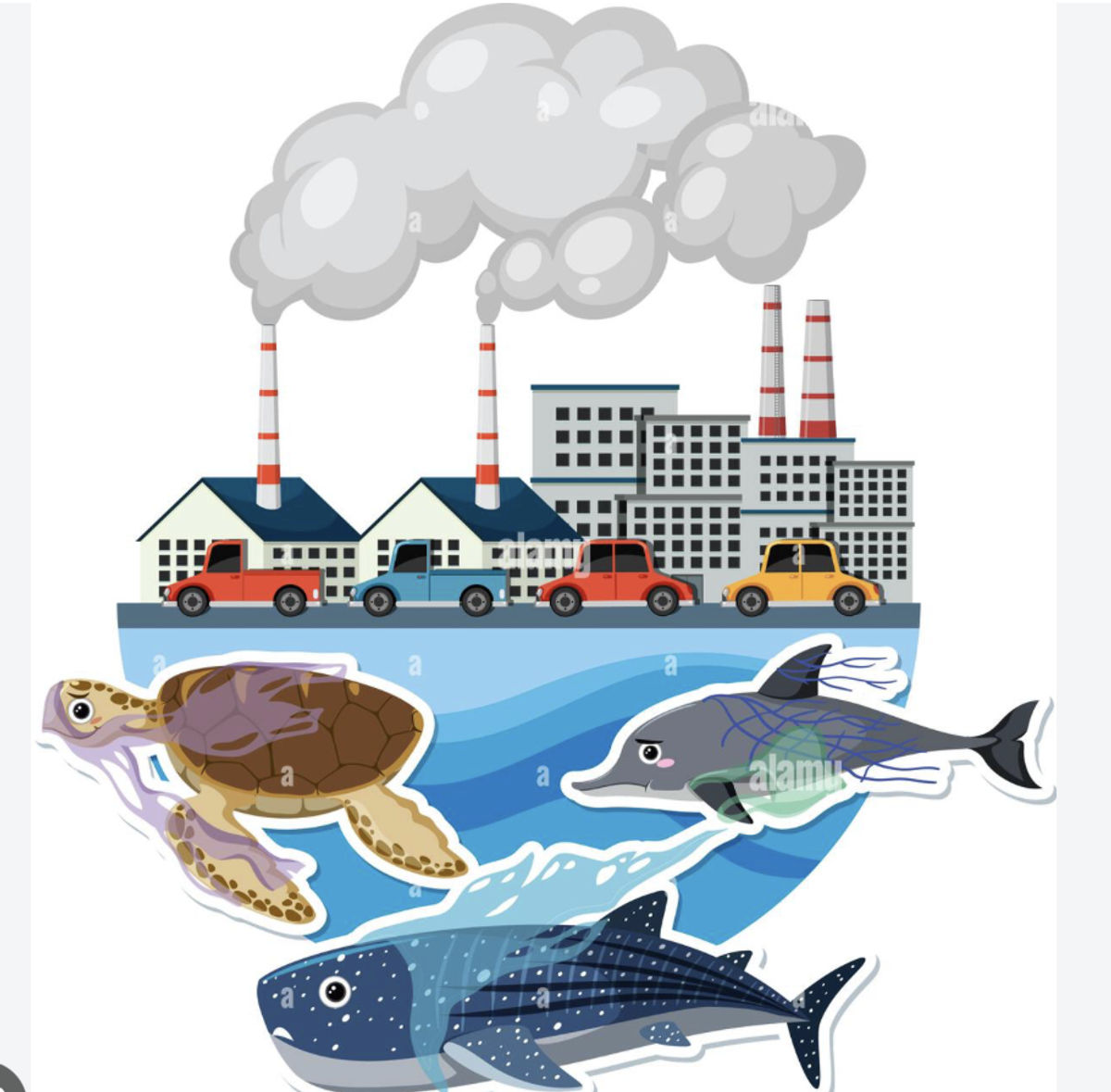
In Inquiry, linking to our central idea of Living things need resources to survive in their environment, we have been learning about pollution and how it can impact our environment. We have explored how pollution can affect animals, plants and their habitats, and discussed the different types of pollution we might see around us. We have also been thinking about what we can do to help protect our planet, including reducing waste, recycling, using less plastic and keeping our environment clean. Through our learning, we have been developing an understanding of how our actions can make a positive difference to the world around us.
Reminders
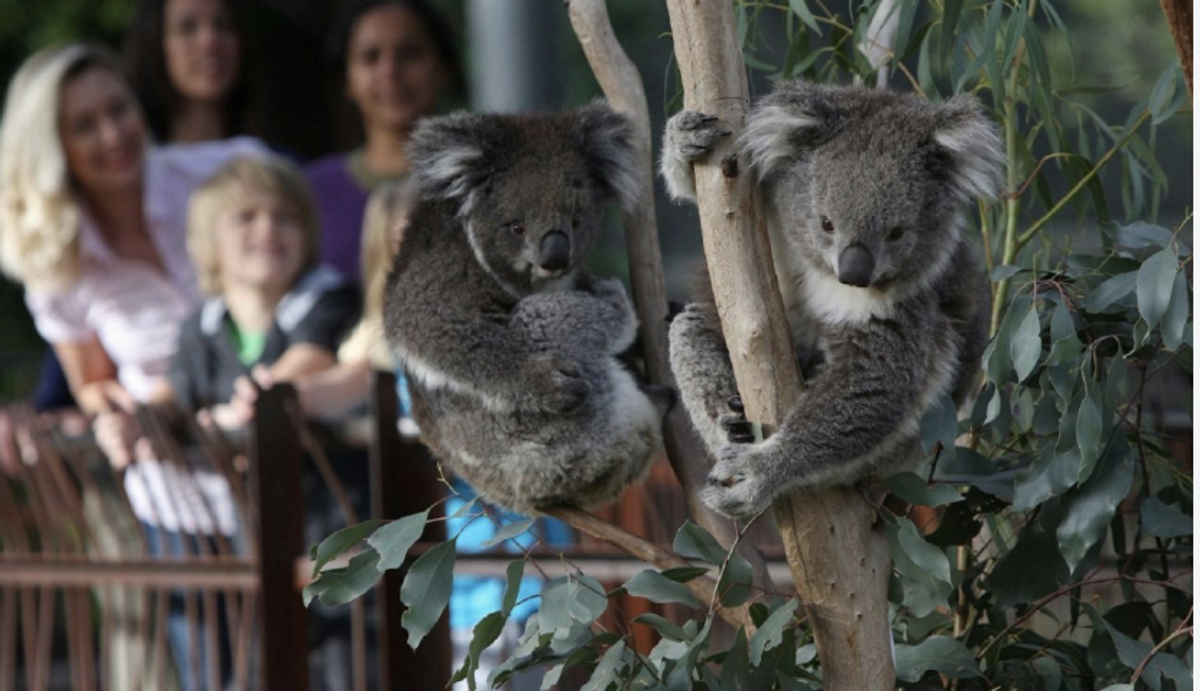
Zoo Excursion - we will be going on our Melbourne Zoo excursion on Wednesday 18th November. We will be leaving school at 8.30am. Please ensure your child is at school on time. They will need to bring these labelled items:
Small back pack
Packed lunch
snack
water bottle
hat
Please ensure your child brings a hat to school everyday
Students are expected to bring their satchel to school EVERY DAY.
Please remember to pack a spare change of clothes for your child. Sometimes, little children can have toileting accidents and spills at school.
Thank you.