Curriculum News
Mrs Leanna Langlands - Instructional Specialist
Curriculum News
Mrs Leanna Langlands - Instructional Specialist
I’d like to wish all our families a wonderful and well‑earned holiday break. May the next two weeks be filled with laughter, calm moments and the kind of simple joys that make this time of year feel extra special.
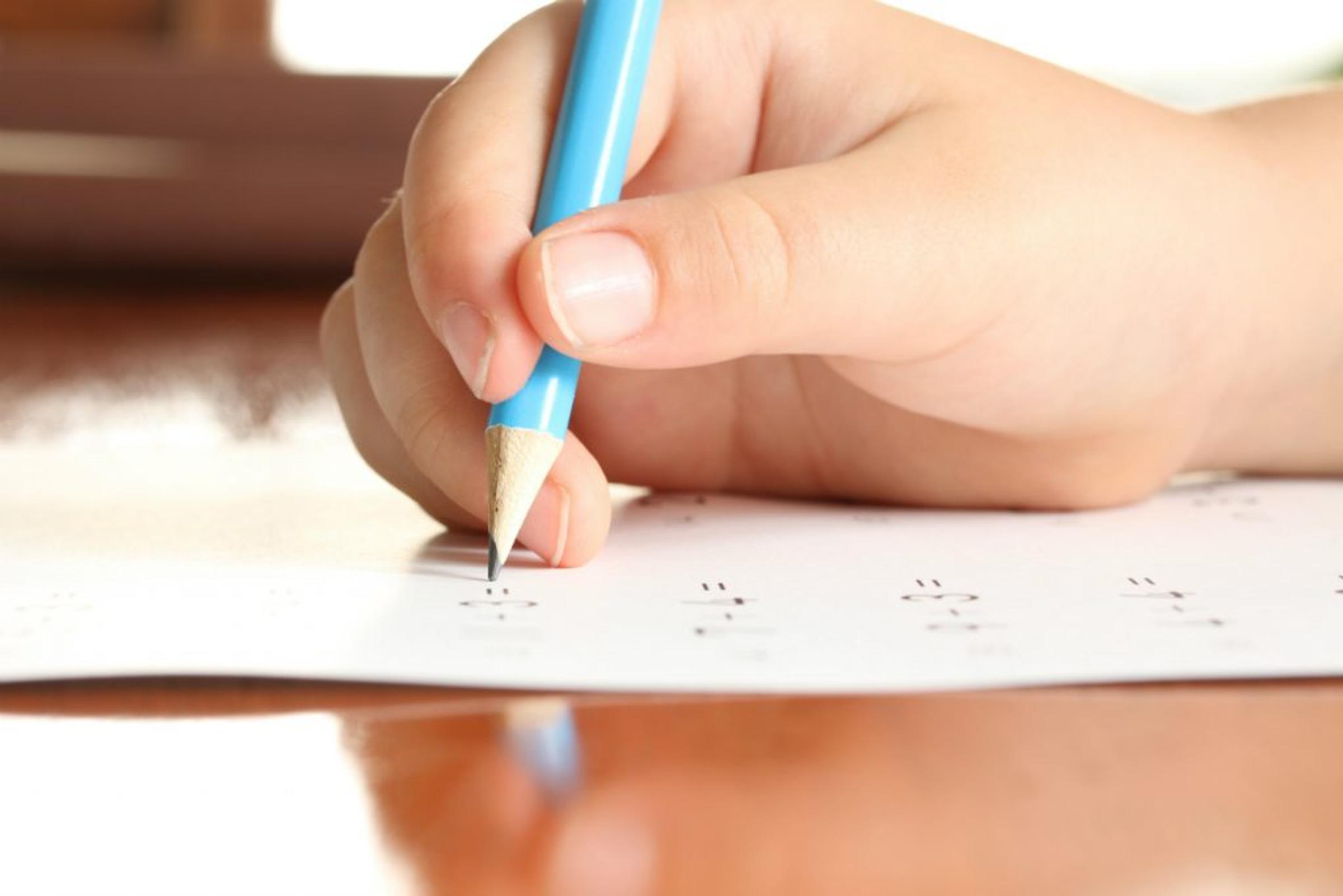
Handwriting might seem like a simple skill, but in the primary years it plays a powerful role in shaping how children learn. According to the NSW K–6 English syllabus, handwriting is not just about neatness — it is a key part of how students develop fluency, confidence and independence as writers. In a world filled with screens and keyboards, handwriting continues to offer benefits that digital tools simply can’t replace.
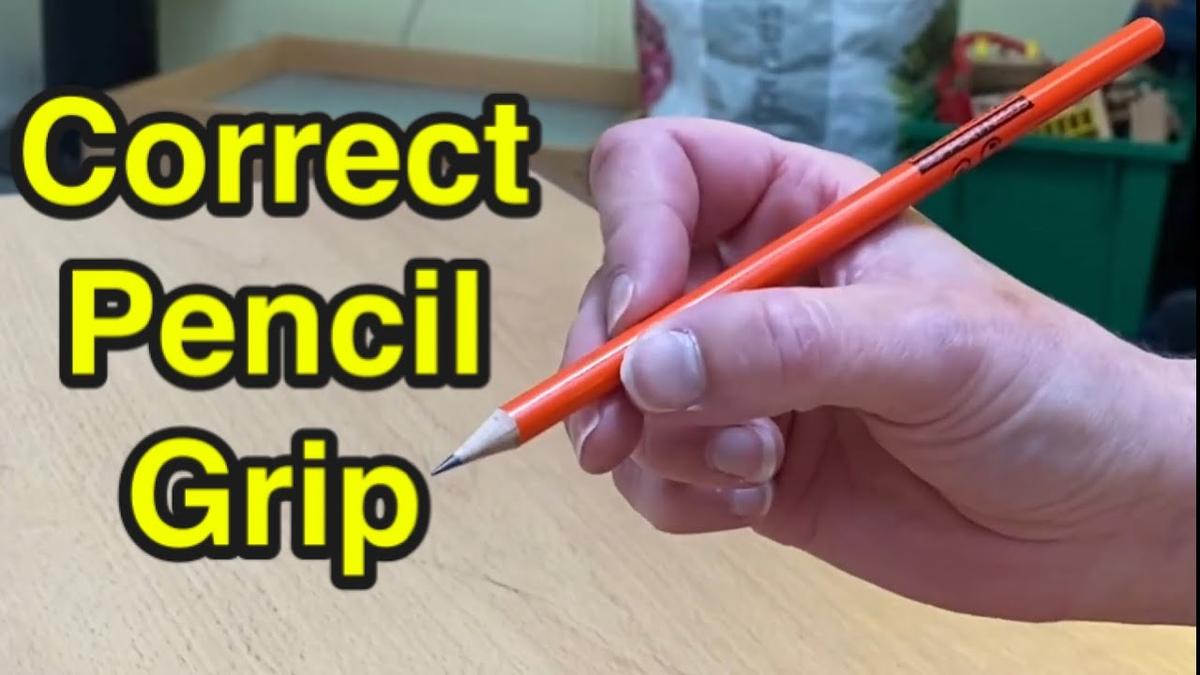
The syllabus places handwriting within the broader strand of Understanding and Creating Texts, highlighting that students must learn to:
Transition to joined writing as they progress through primary school
These expectations grow from Kindergarten to Year 6, supporting students as they move from early mark‑making to confident, connected cursive writing.
Research consistently shows that handwriting strengthens learning in ways typing does not. The syllabus reflects this by embedding handwriting as a core literacy skill.
Handwriting is not just a physical act — it is a thinking process.
The NSW syllabus emphasises explicit teaching, guided practice and regular opportunities to write. This includes:
When students develop automatic, fluent handwriting, they free up cognitive space to focus on vocabulary, sentence structure and creativity.
At school, we are committed to supporting every child to become a confident and capable writer. Families can help by encouraging:
Together, we can help students build the strong handwriting foundations that support lifelong learning.
In support of strengthening our students’ learning habits, we have decided to make Wednesdays a device free day across the school. Current research continues to highlight the importance of pen and paper learning in developing deep thinking, memory and strong foundational skills.
Please note that students in Years 3 to Year 6 will still bring their Amadeus instrument and music book on this day so they can continue their ensemble and lesson commitments.
Thank you for your support as we continue to create balanced, purposeful learning experiences for all our students.