
Assistant Principal
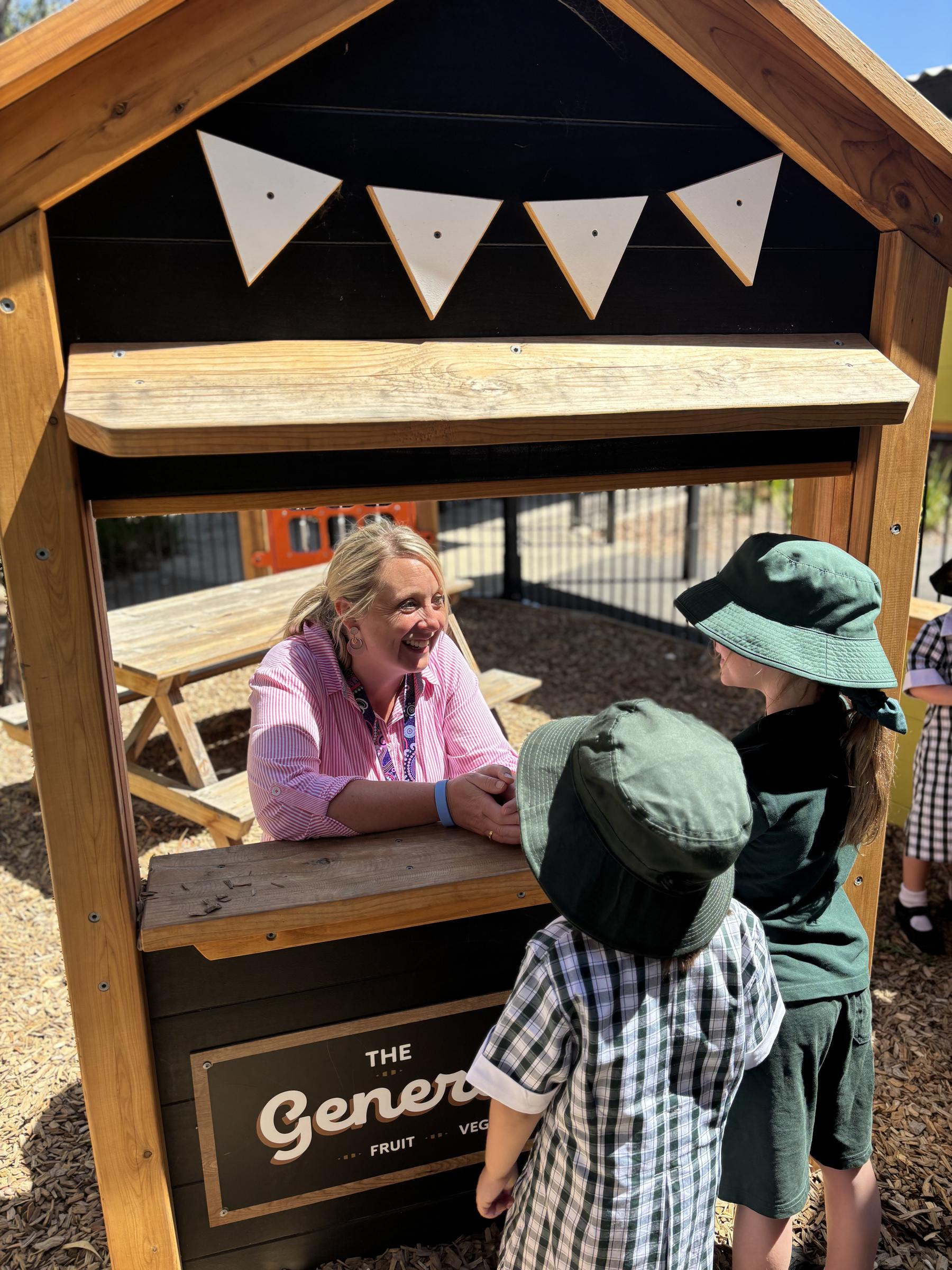
Bullying or "Mean on Purpose"?
At Mitcham Primary School, we want every child to feel safe, included and supported. As children grow and learn, they will sometimes have friendship disagreements or experience someone making an unkind choice. While these situations can be upsetting, it's important that we use the right language to describe them.
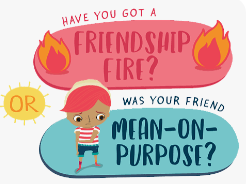
As part of our Friendology curriculum, we teach students to use the term "mean on purpose" when someone deliberately does or says something unkind as a one-off incident. This might include leaving someone out of a game, saying something hurtful or making an unkind choice. These behaviours are never okay, and our staff work with students to repair the situation, learn from it and make better choices next time.
Bullying is different. Bullying is deliberate, repeated over time and involves an imbalance of power. It isn't a single disagreement or one-off act of unkindness. When bullying does occur, we take it very seriously and put supports in place to ensure every child feels safe.
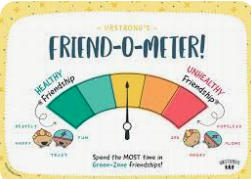
Using the term "mean on purpose" helps children better understand what has happened and gives adults the opportunity to teach important friendship skills. If every conflict or disagreement is called bullying, it can become harder for children to recognise what bullying really is and can take away from the seriousness of genuine bullying behaviours.
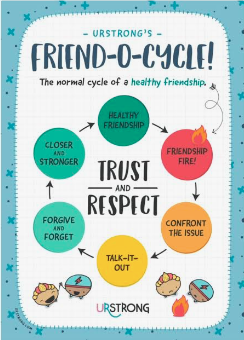
Throughout the year, our Friendology lessons help students build positive friendships, solve problems respectfully, include others, repair relationships and know when to ask for help. We'd love your support in using the same language at home.
Bron Steele