Community News



 Footscray West Primary School

Protecting against mosquito-borne diseases
Mosquitoes pose a risk of mosquito-borne diseases over spring and summer. Mosquitoes can carry diseases that may be passed on to people through mosquito bites.
Recent testing has found mosquitoes carrying mosquito-borne diseases in your area. The Department of Health advises there may be an increased risk of serious illnesses from mosquito bites in the local community.
The best way to prevent mosquito-borne diseases is to avoid mosquito bites.
In line with community health advice, families can protect against mosquito bites by:
- making mosquito protection part of getting ready to go outside, just like sunscreen and a hat.
- using an insect repellent that contains picaridin or DEET on all exposed skin when outdoors. Always choose a product suitable for your child's age, following the instructions. Keep repellent away from children's hands, eyes and mouth. Reapply as needed, including after swimming or showering.
- dressing children in long, loose-fitting, light-coloured clothing when outdoors. Cover exposed skin as much as possible.
- encouraging children to apply insect repellent to exposed skin when mosquitoes are active. Students may continue wearing their regular summer uniforms, including polos and shorts.
limiting outdoor activities at dawn and dusk, when mosquitoes are often most active.
Families with health concerns should see their doctor or phone Nurse-on-Call: 1300 606 024 (available 24 hours).
Japanese Encephalitis Vaccine
Japanese encephalitis virus is spread to humans through bites from infected mosquitoes and can cause a rare but potentially serious infection of the brain.
A free vaccine is available for eligible people at higher risk.
The Department of Health encourages people who may be eligible to speak to their doctor or immunisation provider.
For more information, including eligibility for a free vaccine, refer to the Department of Health’s Japanese encephalitis webpage.
Find out more
For more information on protecting against mosquito-borne diseases, families can refer to the following Better Health Channel pages:
- Mosquitoes can carry diseases.
- Protect yourself from mosquito-borne disease, including a handy checklist to help reduce mosquito breeding sites at home and resources translated into other languages.
- Japanese encephalitis virus.
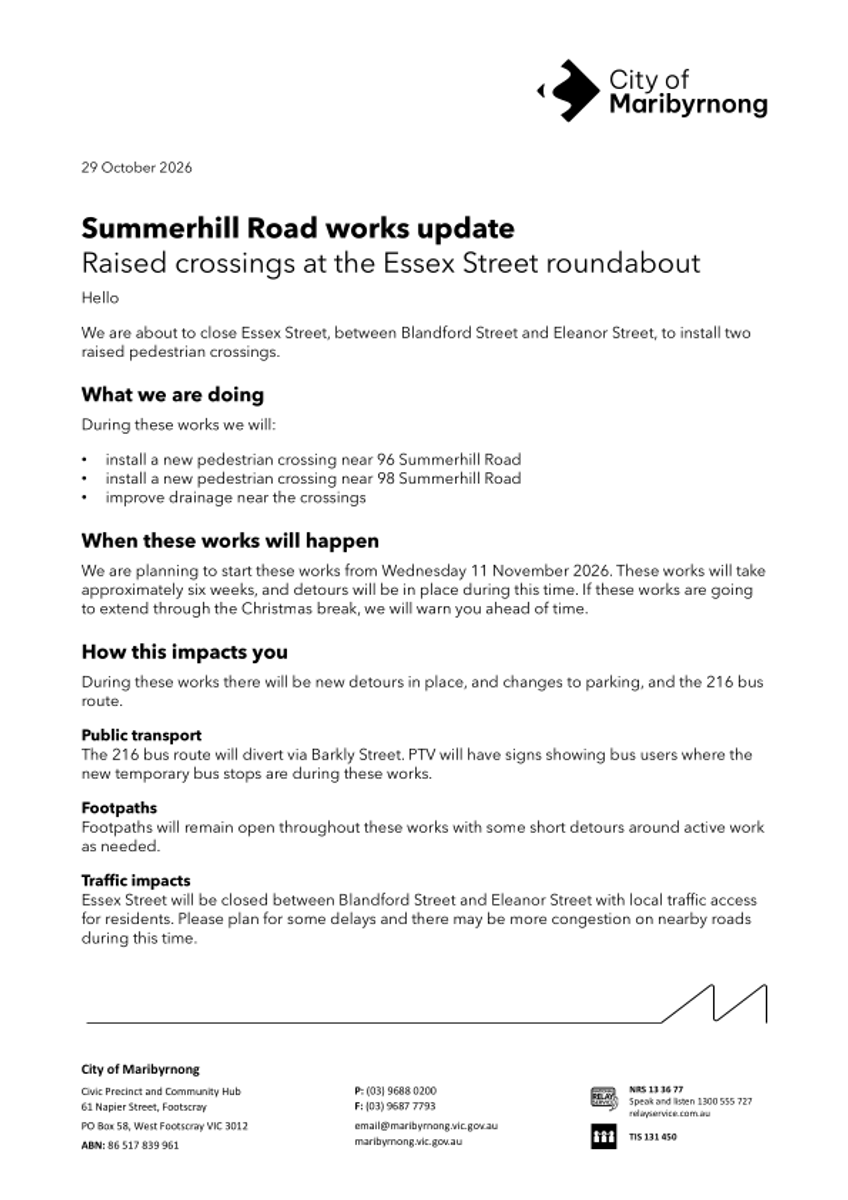
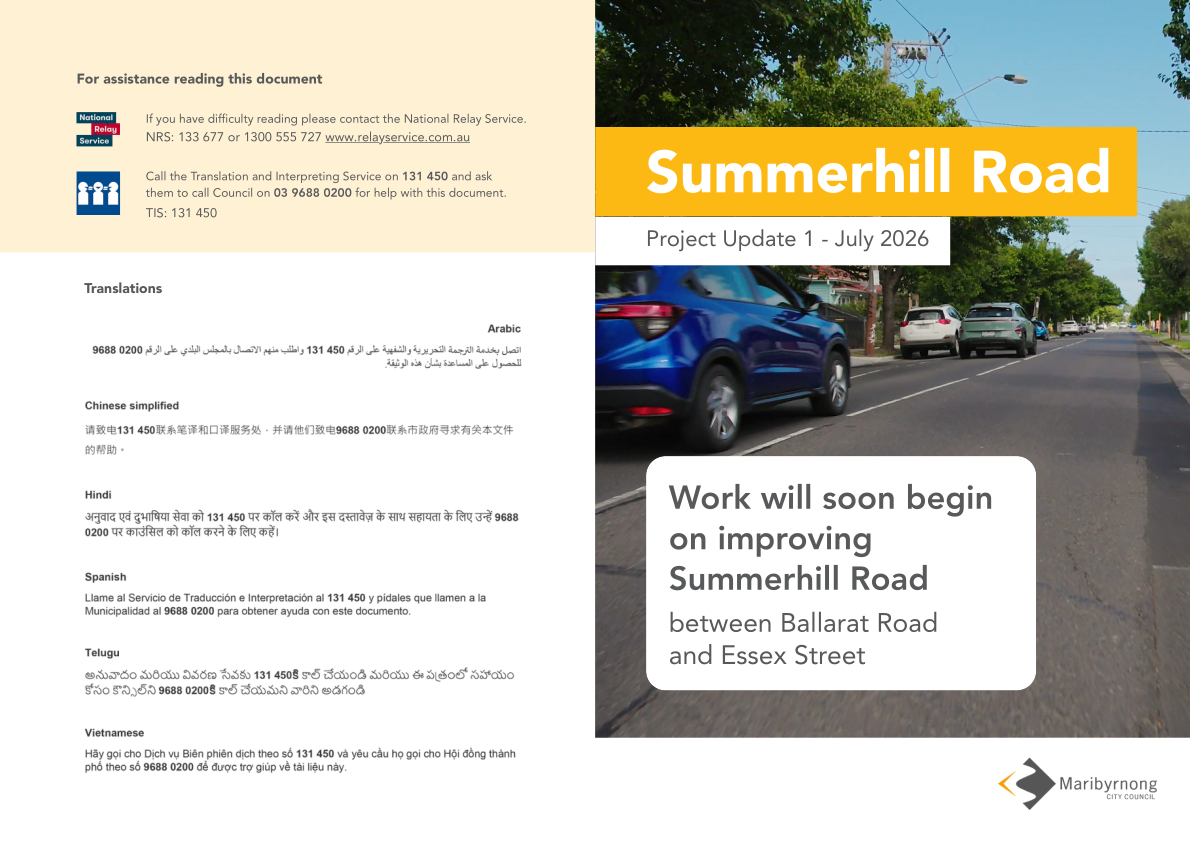
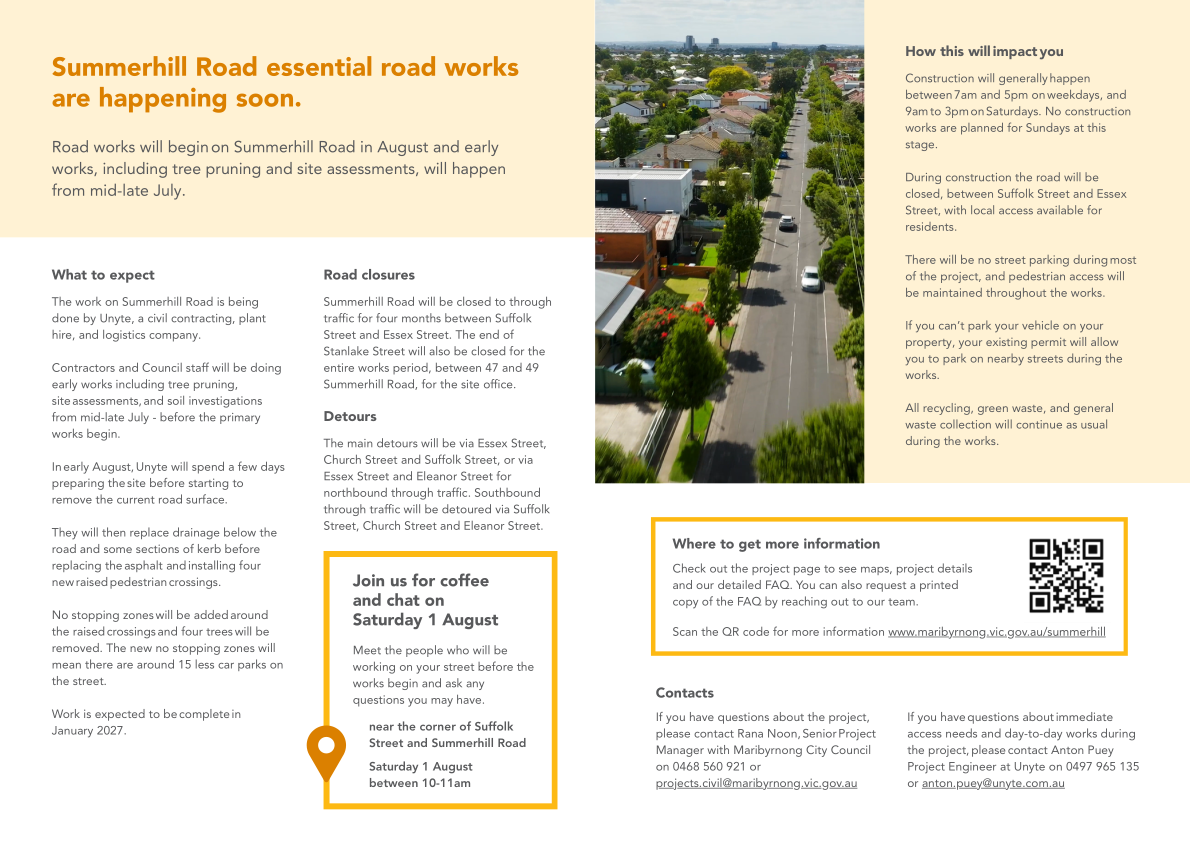
Summerhill Road Works Update - City of Maribyrnong
Maribyrnong Children's Network, City of Maribyrnong

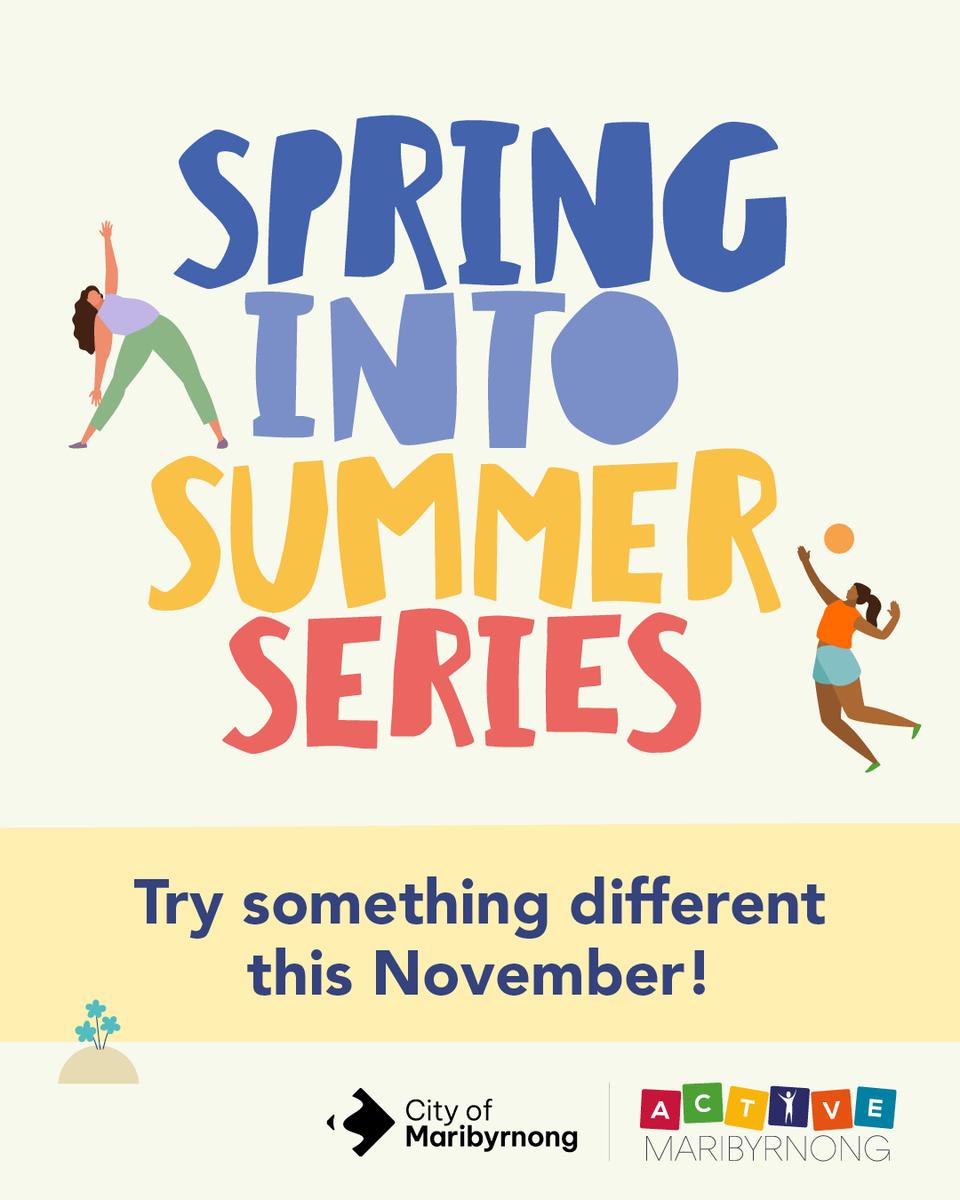
Spring into Summer - City of Maribyrnong
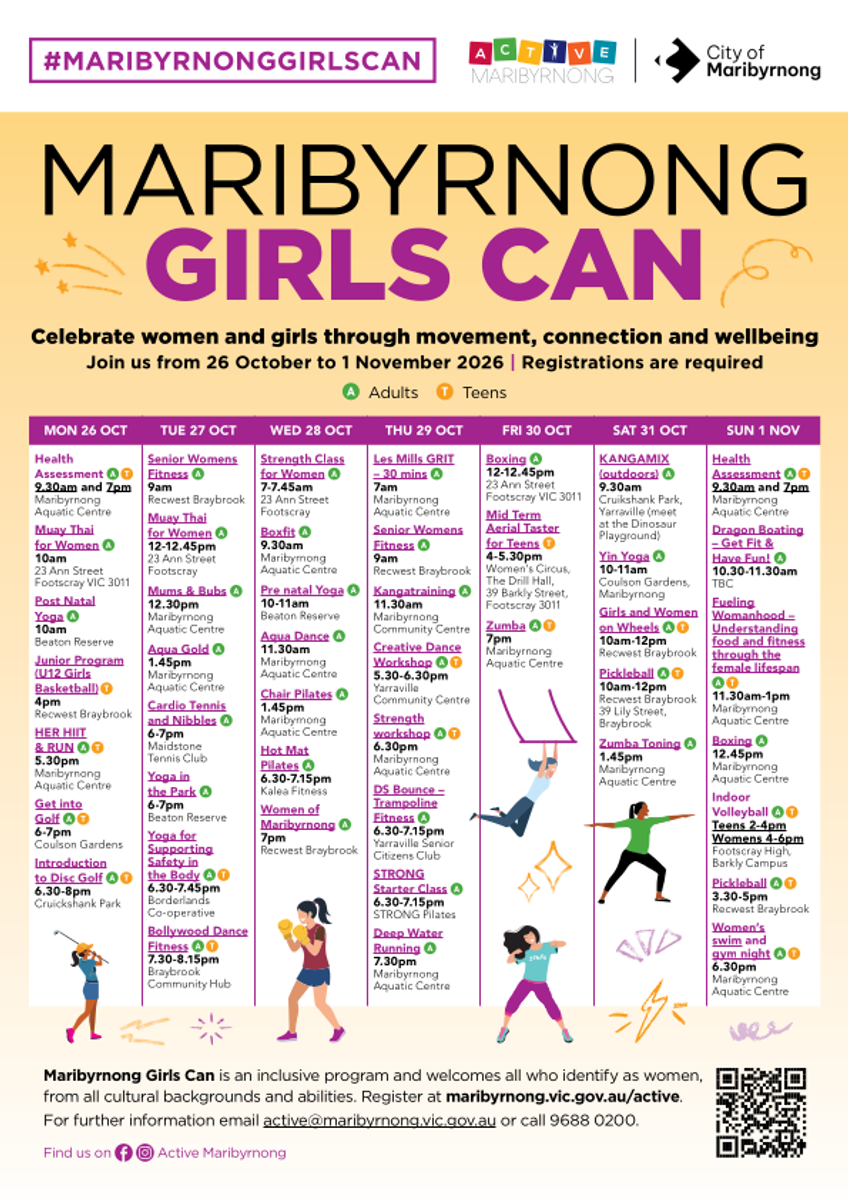
Maribyrnong Girls Can - City of Maribyrnong
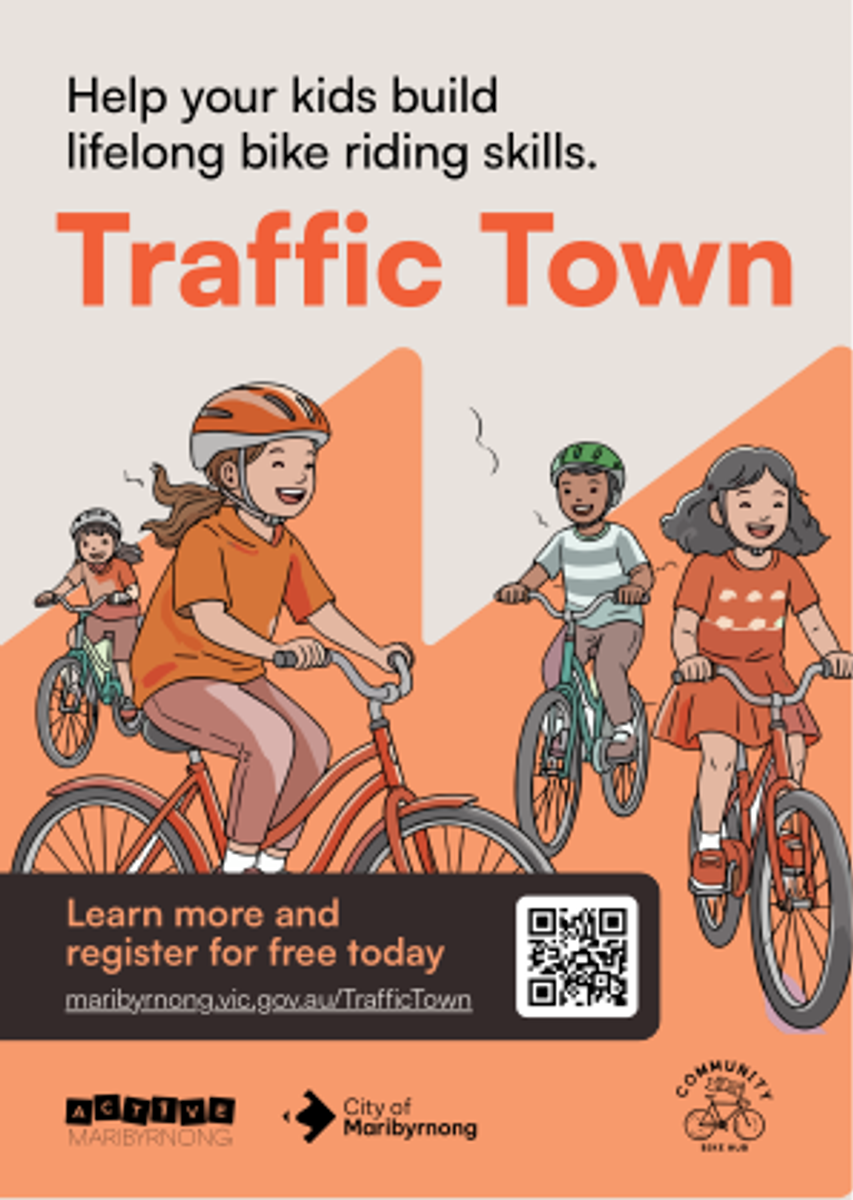
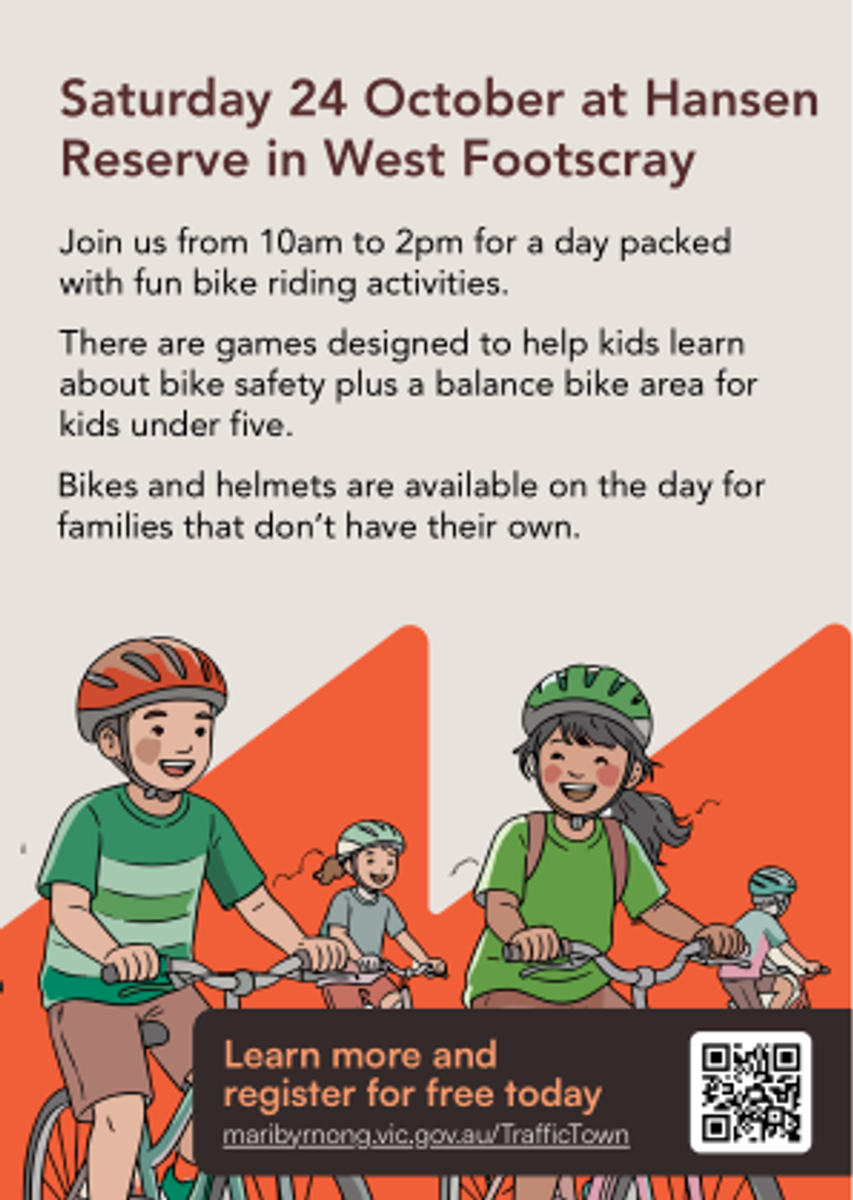
Traffic Town - City of Maribyrnong
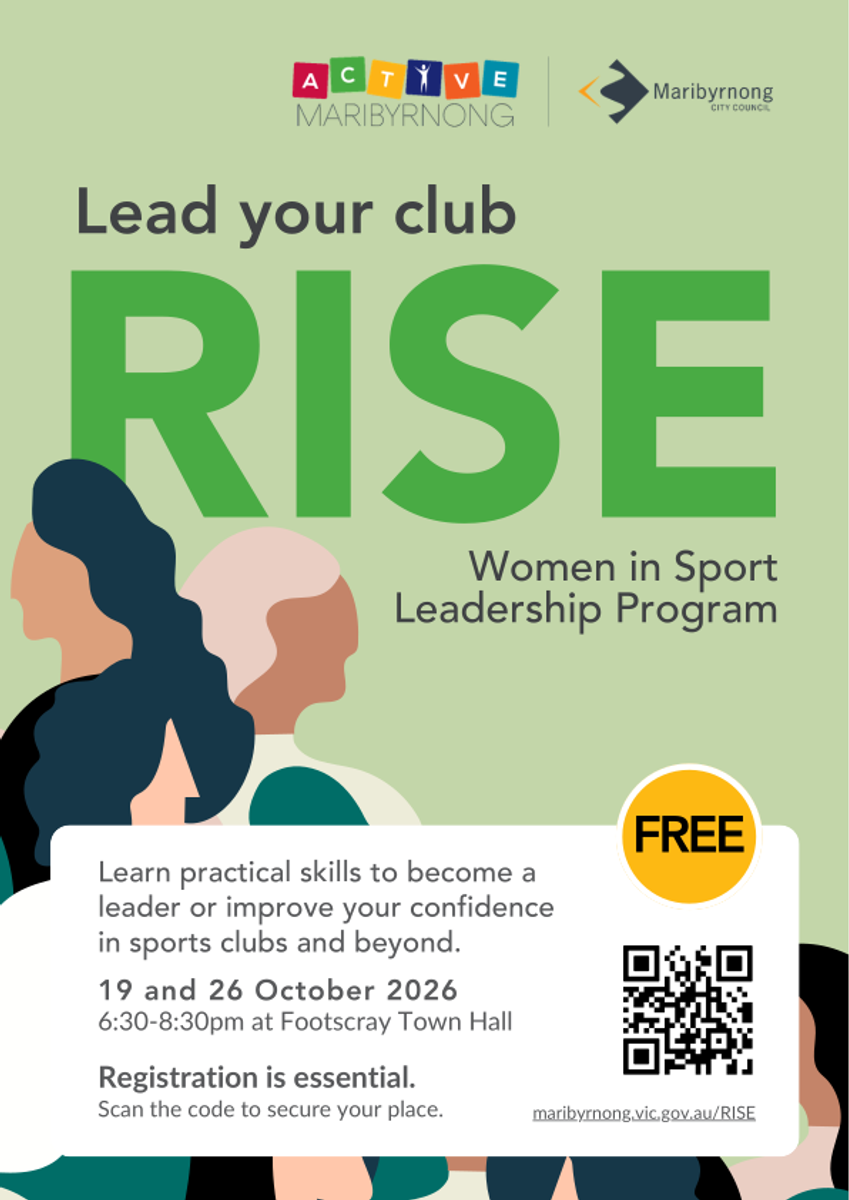
RISE - Maribyrnong City Council
Druids Junior Blasters

Summerhill Road Works - Maribyrnong City Council
Lithium-ion Battery Fire Prevention - Fire Rescue Victoria
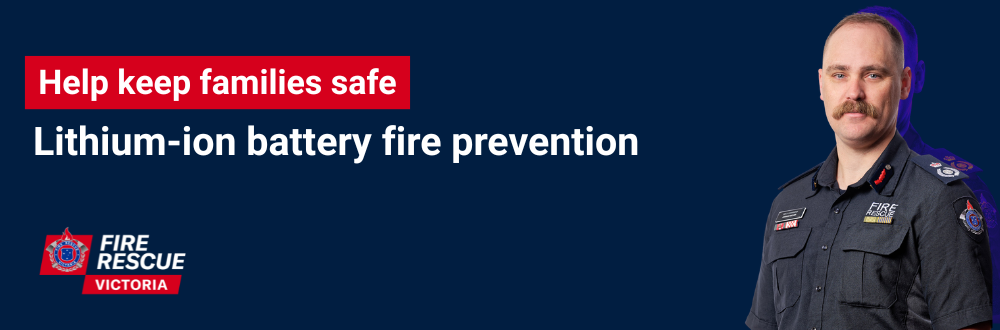
I’m writing from Fire Rescue Victoria (FRV) to invite your school to share an important safety message with your community.
We have developed a short video and newsletter content focused on lithium-ion battery safety. As many students and families use devices such as laptops, phones, e‑bikes and e‑scooters, it is important they understand how to safely charge and maintain them.
Incorrect charging, battery damage, or leaving devices unattended can lead to rapidly developing fires. Sharing this message can help reduce preventable incidents and support the safety of your school community.
We would greatly appreciate your support in sharing this message via your school newsletter, social media, or other communication channels. Suggested content for social media and a newsletter can be accessed via the link below, and we are happy to adapt it to suit your needs.
If you can share this message, we’d love to hear from you as it helps inform our broader safety campaigns.
We also invite your school to participate in our curriculum-aligned Fire Ed programs, where students in Foundation or Upper Primary learn essential fire safety education through practical, age-appropriate activities. These programs empower young people to better understand fire risks and make safe, informed decisions both at school and at home. For more information, please visit Schools | Fire Rescue Victoria.
If you have any questions, please contact CommResAdmin@frv.vic.gov.au.
Thank you for your continued commitment to community safety.
Joshua Fischer Deputy Commissioner Community Safety and Operational Training Fire Rescue Victoria
FRV Lithium-ion Battery Safety - Schools Stakeholder Kit | frv.vic.gov.au
|
The Migration Project - Starting Primary School - TAC


Information for Schools and their Students using Public Transport

