Student/Class News








5/6MM
Our Current Learnings!
Mathematics:
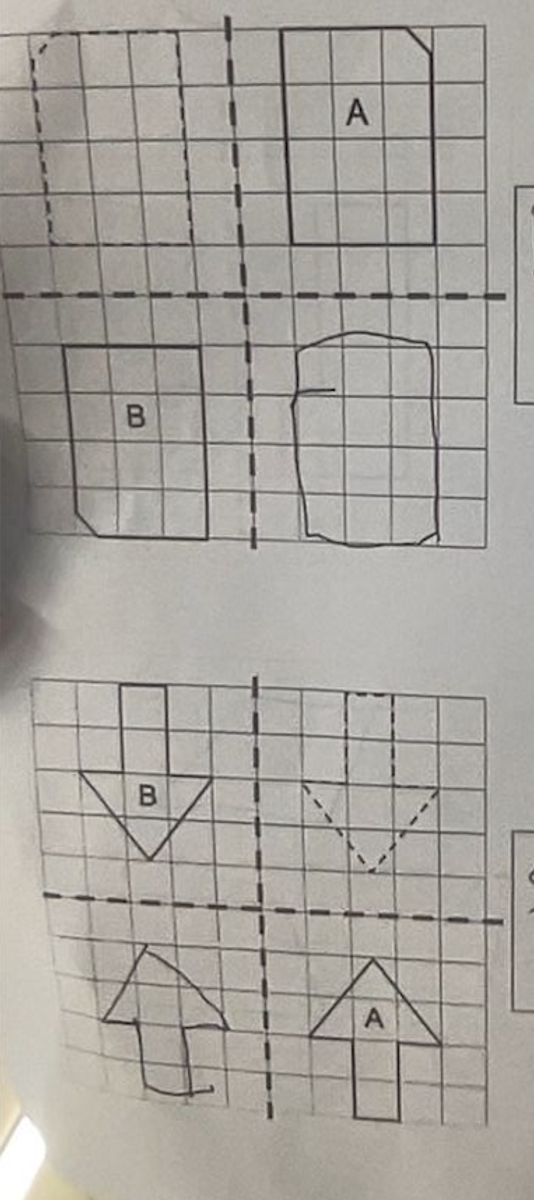
Senior students are learning how shapes move and change position on a grid (the Cartesian plane) using x and y coordinates. This includes three main types of movement: translating
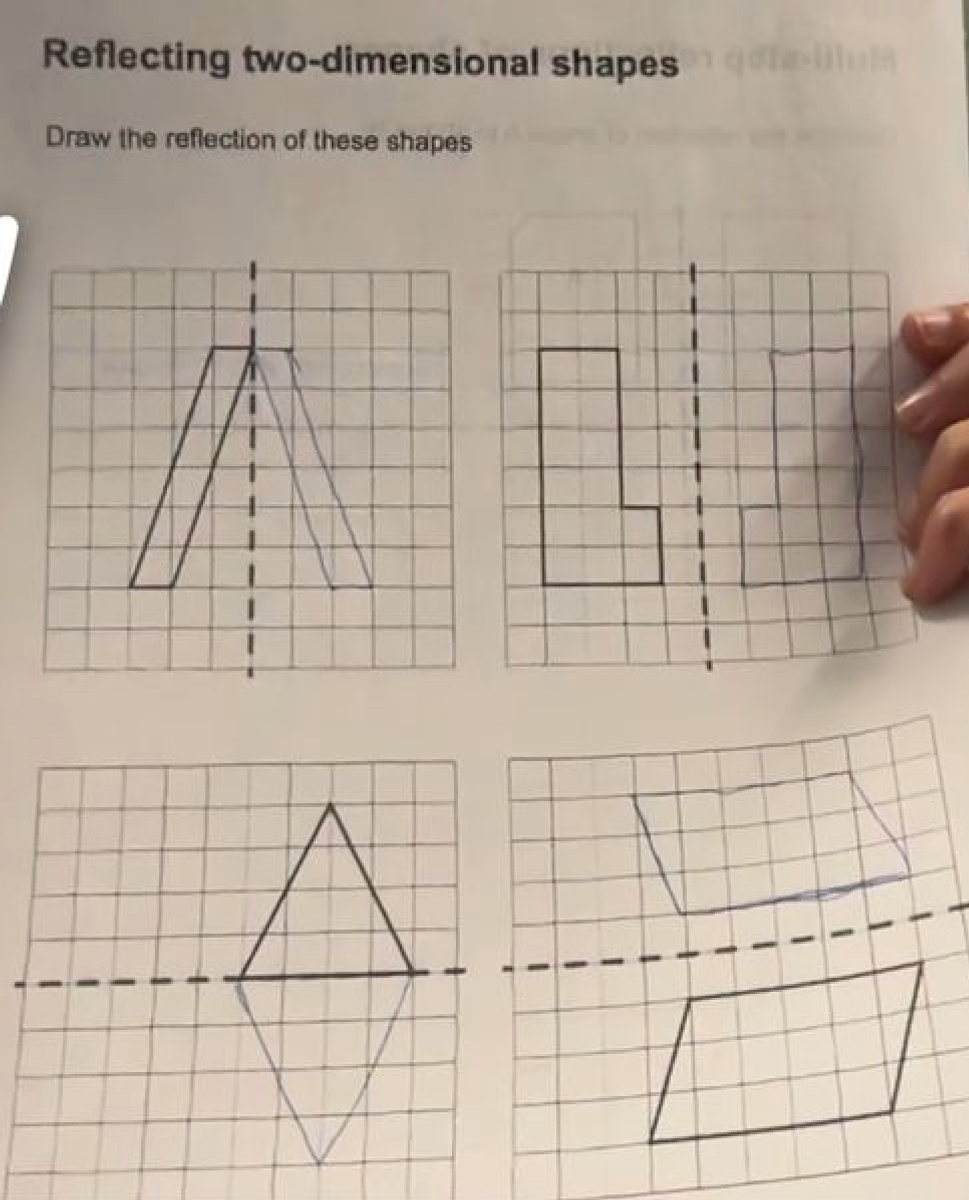
(sliding a shape left, right, up or down), reflecting (flipping a shape like a mirror image across a line), and rotating (turning a shape around a fixed point by a certain angle, like 90° or 180°). Students practise plotting points accurately, including with negative numbers, and use these to figure out distances between points and the midpoint between two points.
They are also learning to describe these movements mathematically — so instead of just drawing a flip or turn, they can explain it using coordinate rules (for example, how the numbers in a coordinate pair change during a reflection). A big part of this topic is combining transformations, working out what single move would have the same effect as a
few smaller ones done in sequence. This connects visual thinking (what the shape looks like on paper) with more abstract, algebraic thinking (using numbers and rules to predict outcomes) — a skill that's foundational for later topics in geometry and algebra.
SEL:
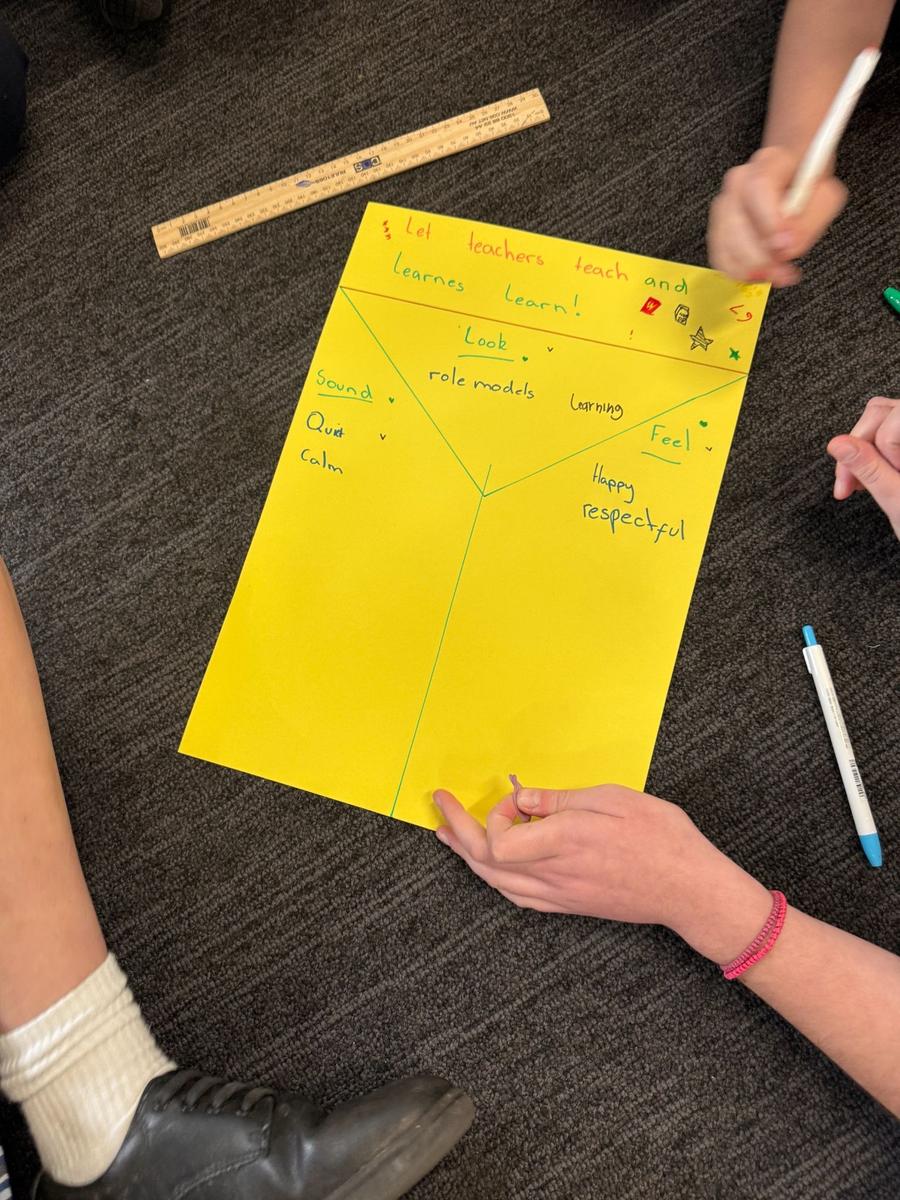
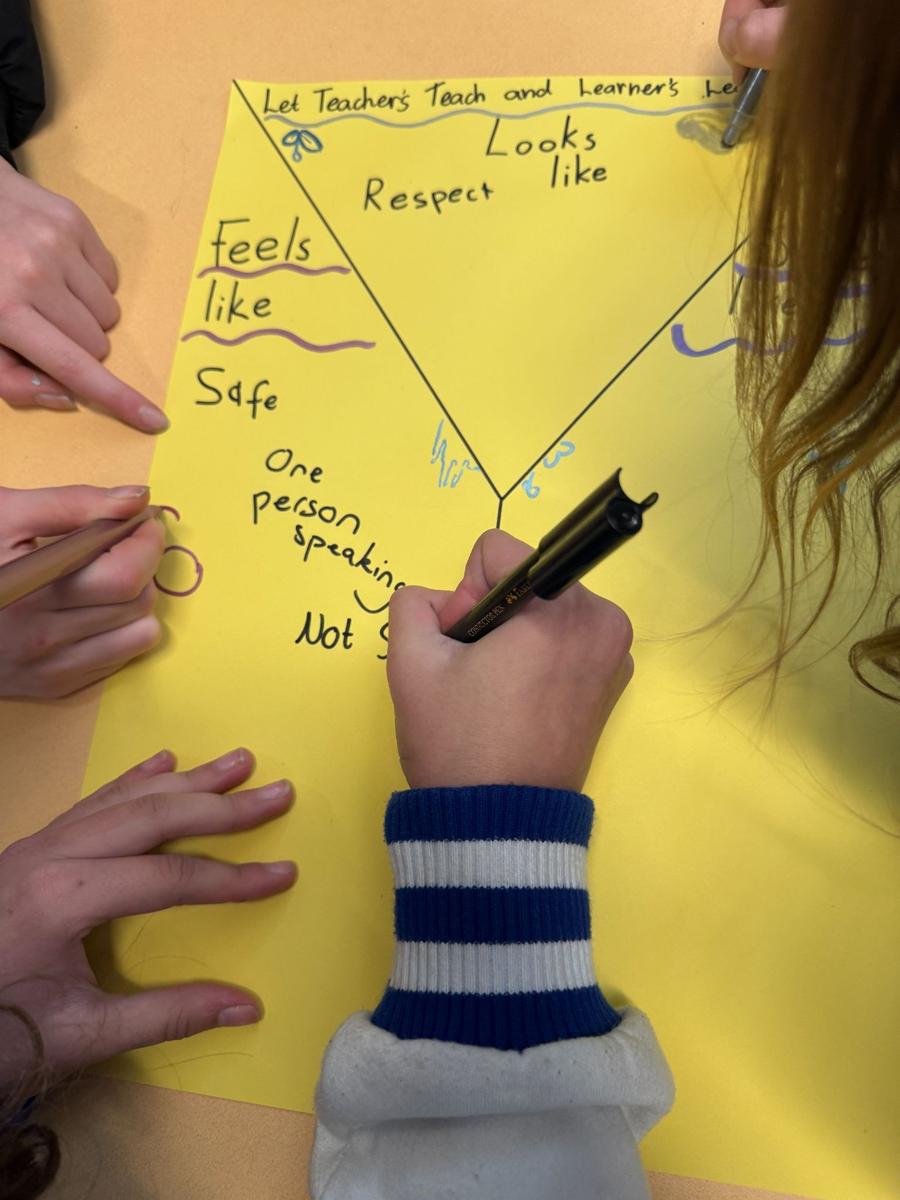
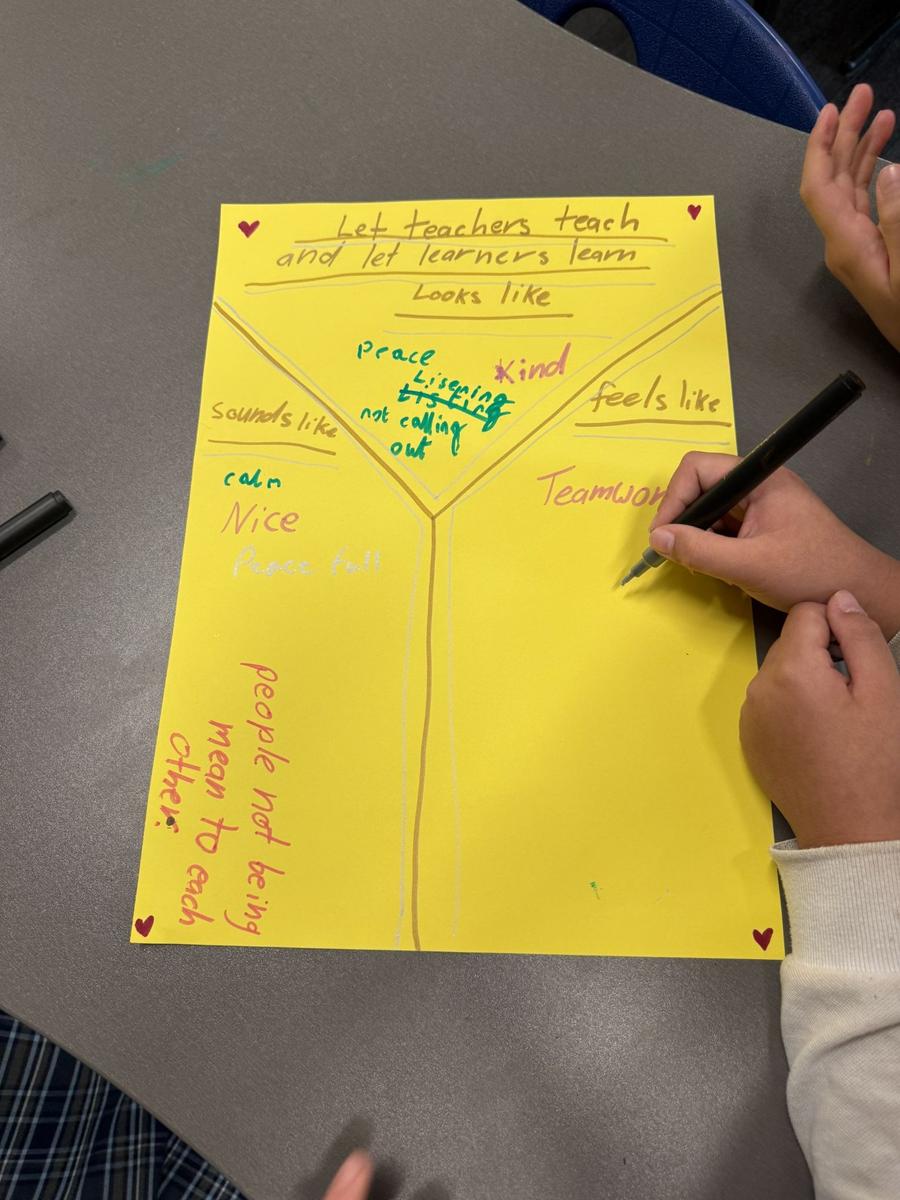
Over the past two weeks, students have been engaged in Positive Behaviour for Learning (PBL) with a focus on "Let Teachers Teach and Learners Learn" — a theme centred on students taking greater ownership of their learning while teachers guide and support the process.
Alongside this, their Resilience, Rights and Respectful Relationships (RRRR) lessons have focused on character strengths — helping students identify their own personal strengths (like courage, kindness, persistence or curiosity) and understand how to use them in everyday situations. Teachers have guided discussions and activities where students reflect on strengths they already have and ones they might want to grow, building self-awareness and confidence.
Students have also explored how recognising strengths in themselves and others can support stronger, more respectful relationships with classmates. This work ties closely into resilience-building, as understanding personal strengths gives students tools to draw on when facing challenges or setbacks.
Overall, the aim has been to help students not just learn about character strengths conceptually, but actually practise noticing and applying them in their daily interactions and learning.