Wellbeing News











📱 Support is available
Kids Helpline – Free, private counselling for young people as well as support to parents 📞 1800 55 1800 💻 Online: Kids Helpline
Lifeline – 24/7 crisis support 📞 13 11 14 💻 Lifeline
headspace – Mental health support for young people 💻 headspace
13YARN – Support for Aboriginal and Torres Strait Islander people 📞 13 92 76 💻 13YARN
Suicide Call Back Service – Support for people feeling suicidal or worried about someone 📞 1300 659 467 💻 Suicide Call Back Service
Parkville Youth Mental Health & Wellbeing Service (previously Orygen) – 24/7 triage service providing mental health support for young people
📞 1800 888 320
❤️ Remember:
If you are concerned about your child, please take them to see your GP or the RCH Emergency Department for a mental health assessment. If you are concerned that they are in immediate danger, call 000 or go to your nearest emergency department.
Looking After Physical And Emotional Wellbeing During Adolesence
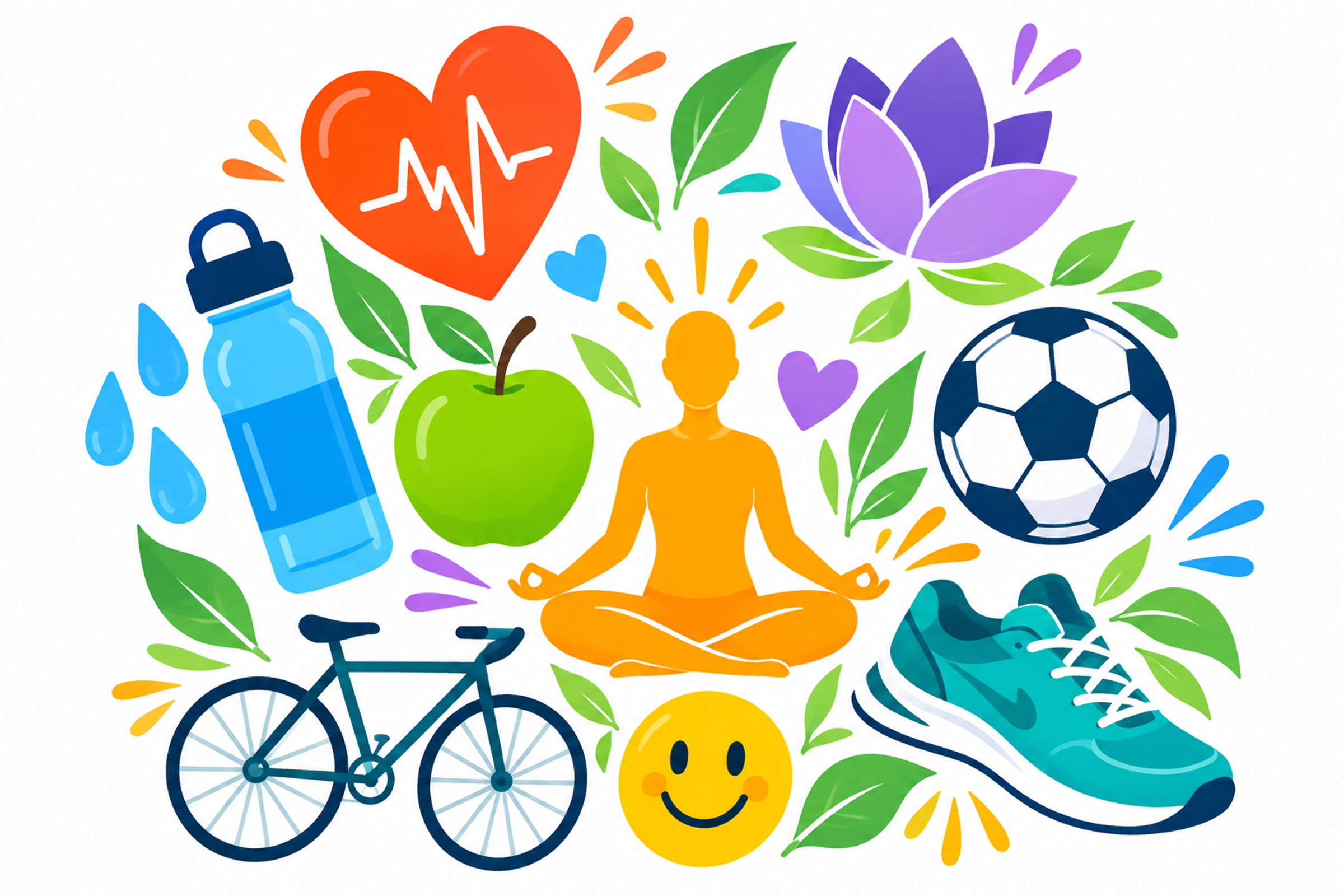
We know that adolescents experience rapid physical, emotional and cognitive growth, which means they need to develop healthy habits to support their wellbeing.
Food: Adolescents need a balanced diet that includes fruits, vegetables, whole grains, lean proteins and dairy foods. Regular meals and healthy snacks provide the energy and nutrients needed for growth, learning and physical activity. Adolescents should aim to eat a variety of foods and limit highly processed foods and sugary drinks.
Water: Staying hydrated is essential for concentration, physical performance and overall health. Most adolescents should aim to drink 6–8 glasses of water each day, with more needed during hot weather or when participating in sport and exercise.
Exercise: Adolescents should participate in physical activity every day. Exercise helps strengthen muscles and bones, improves fitness, reduces stress and supports positive mental health.
Sleep: Sleep is essential for growth, memory, learning and emotional regulation. Adolescents should aim for 8–10 hours of sleep each night. Establishing a regular sleep routine and limiting screen time before bed can help improve sleep quality.
Developing healthy habits during adolescence can have a positive impact on physical health, academic achievement and overall wellbeing.