
Premier’s Spirit of Anzac Award

The Premier's Spirit of Anzac Prize is a scholarship-style award that gives twelve students a fully funded overseas study tour, usually to Turkey and Europe, although safety concerns have also seen it travel to Vietnam.
After receiving word of my successful application, the Premier’s Spirit of Anzac Prize began with online briefings before the official presentation ceremony at the Parliament of Victoria with the Minister for Veterans, Natalie Suleyman.
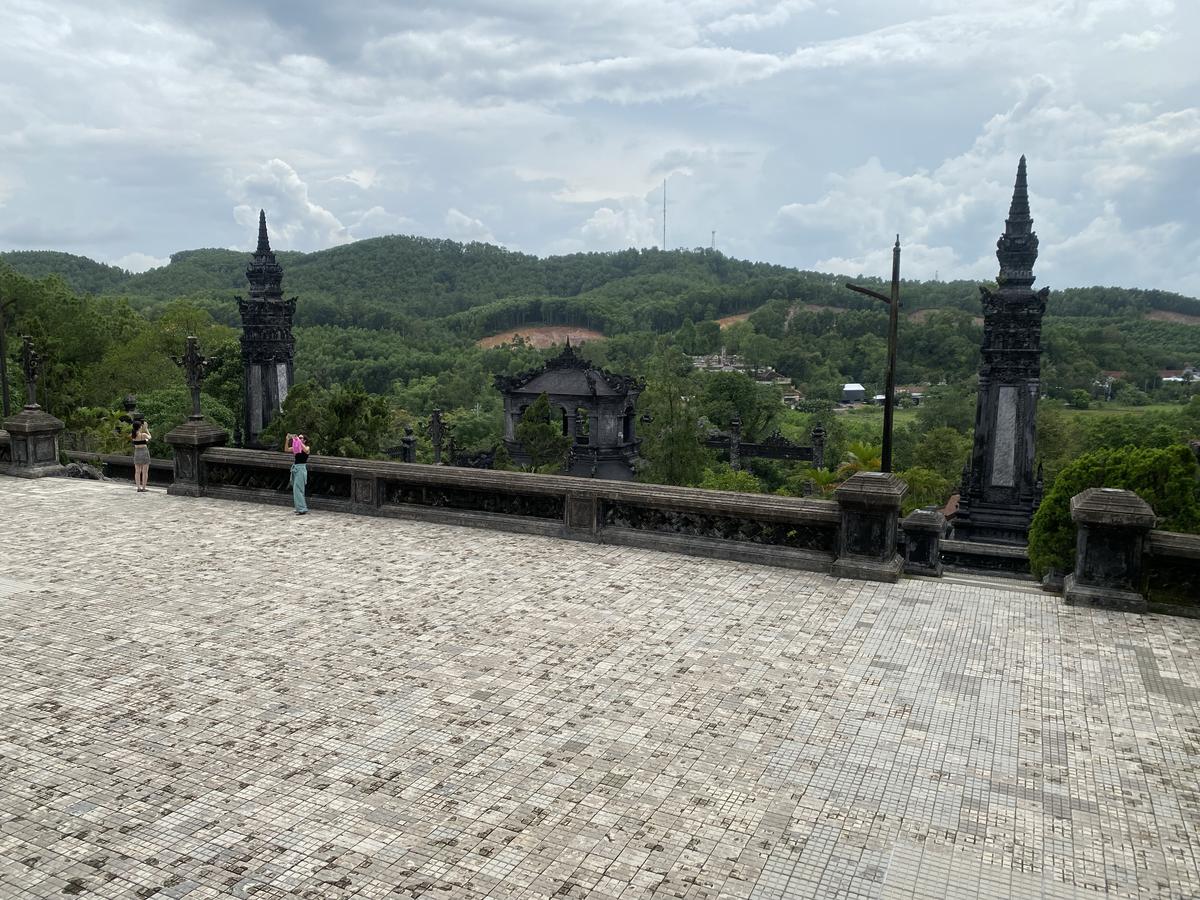
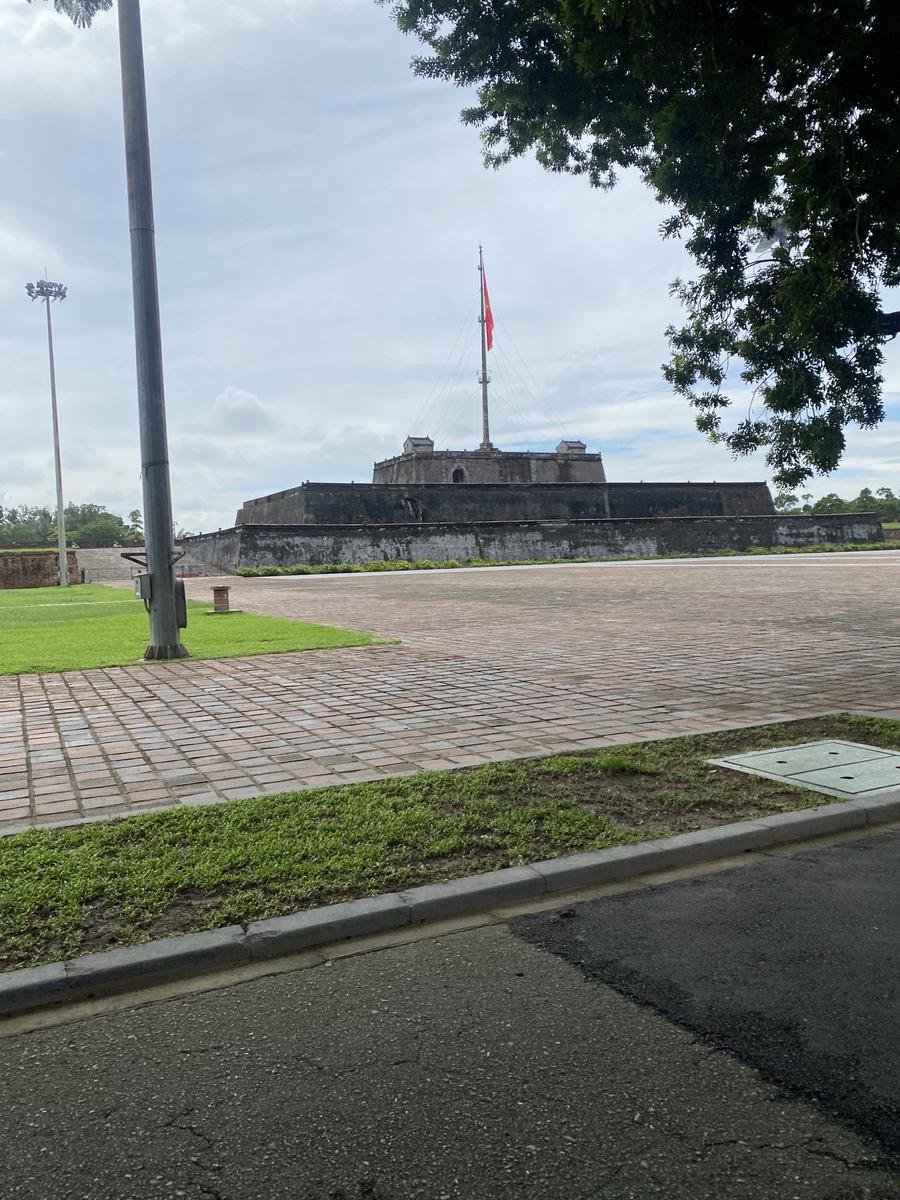
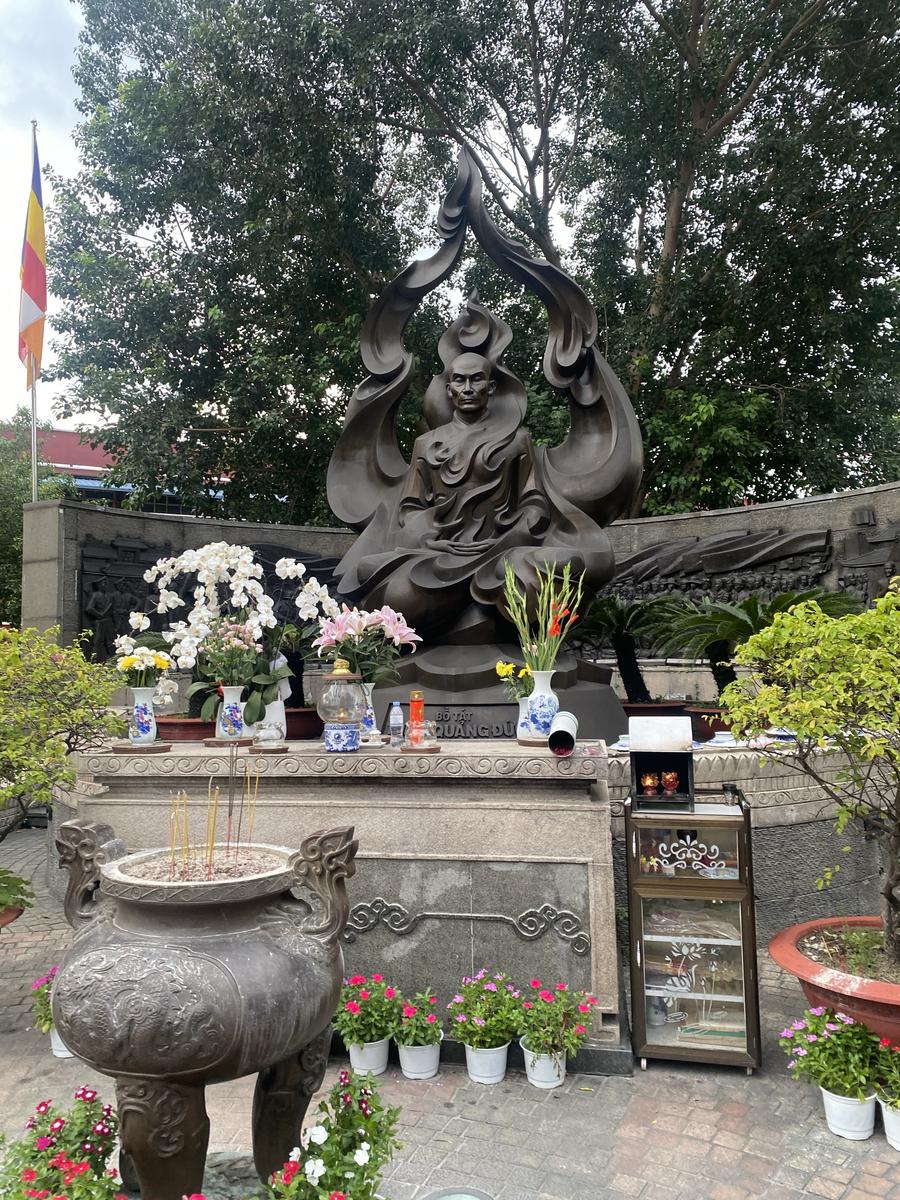
Throughout the trip, visiting war memorials, historical and cultural sites gave me invaluable insight into the nation of Vietnam and the role it played in the Vietnam war. Growing close to our local guides Nick and Martin not only helped me to learn and understand the past but also how they live their lives and about Vietnam in the present.
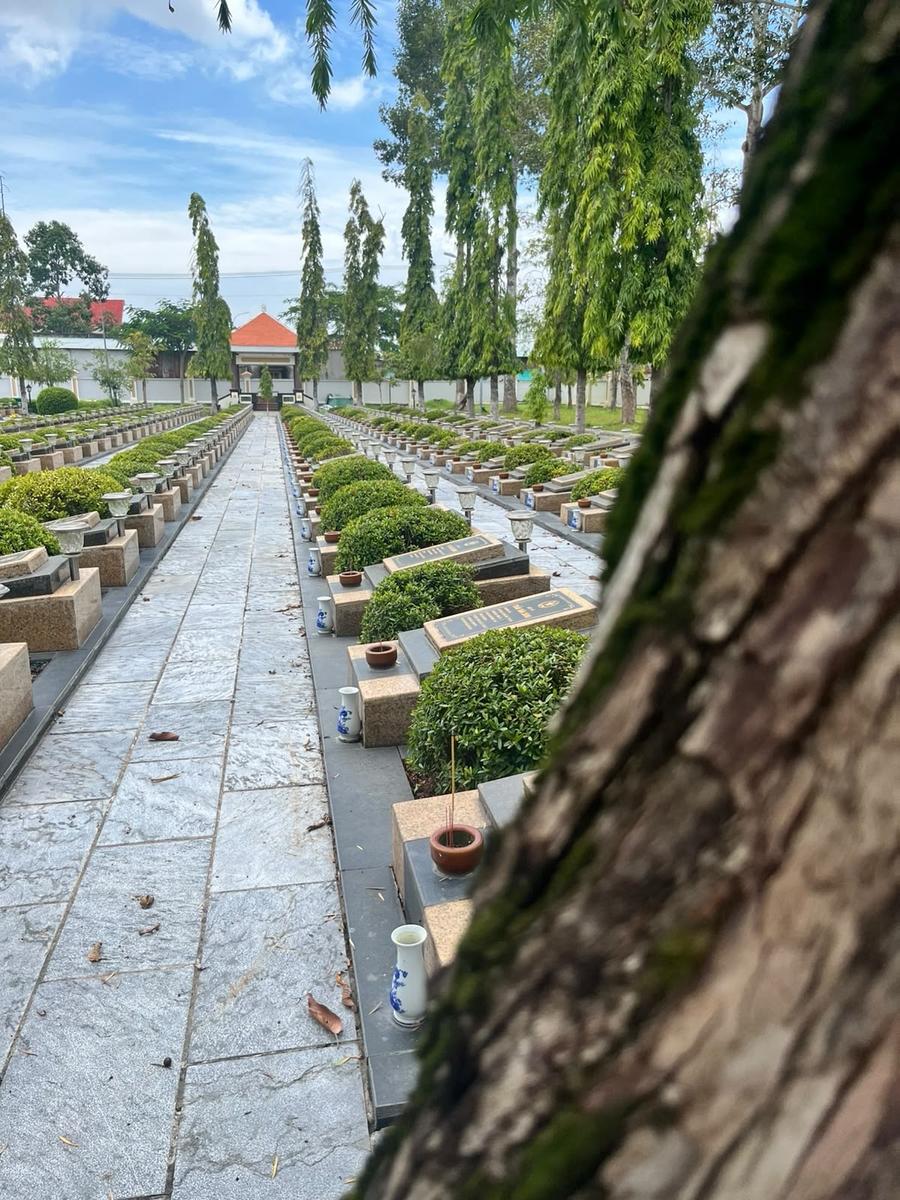
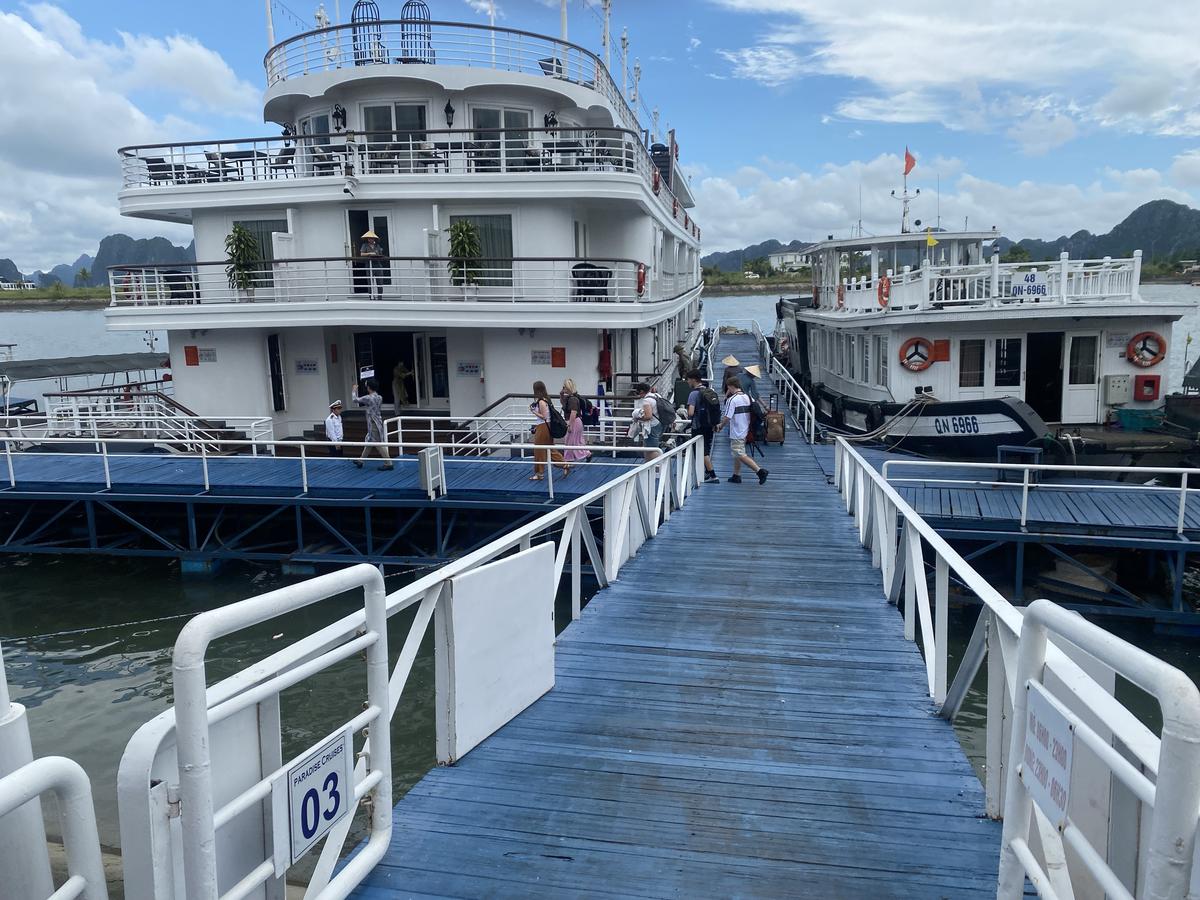
Some of the most memorable places the group went were the Cu Chi tunnels, Long Tan Cross memorial, an overnight cruise on Halong Bay, the famous Hanoi train, and the Water Puppet Show.
The Cu Chi tunnels are known for being a sophisticated underground network of tunnels that the Vietcong and other North Vietnamese soldiers used. They had caves for meeting rooms, cooking, sleeping, wells, and even hidden air vents. Being able to go into these tunnels was a fascinating but cramped experience, despite many of the tunnels being widened for tourists. Many Northern soldiers lived in these tunnels for years, suffering underground in dark, poorly ventilated tunnels while they fought using guerrilla tactics. To avoid detection while staying alive deep underground air vents were necessary, typically made using hollowed bamboo going up to the surface, hiding near bushes or rocks, near invisible. The easiest way to detect these tunnels through the vents was with the use of dogs to sniff out the smoke or smell from underground, however this was combated with pepper or other spices sprinkled nearby to prevent the smelling capability of the dogs.
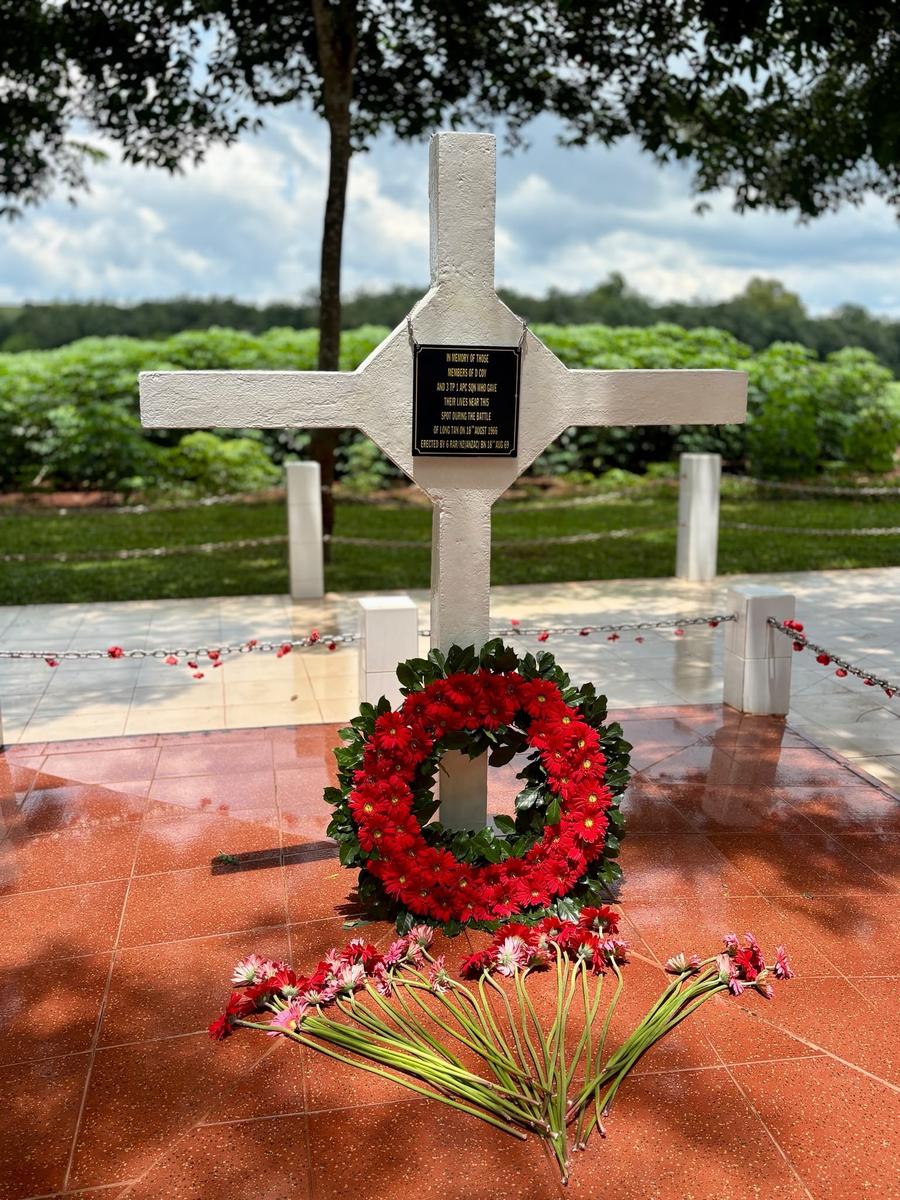
The Long Tan cross is a significant memorial site, marking the location where one of the most significant and Australia’s deadliest single battle in the Vietnam war with eighteen soldiers dead and twenty-four wounded, a stark and shocking comparison to the typical death rates on one every few days. I was honoured to lay a wreath at the cross and we played the last post and held a minute of silence. This stop was a solemn one, allowing us to further understand the significance of this battle by walking in the footsteps of fallen soldiers who died fighting for our country.
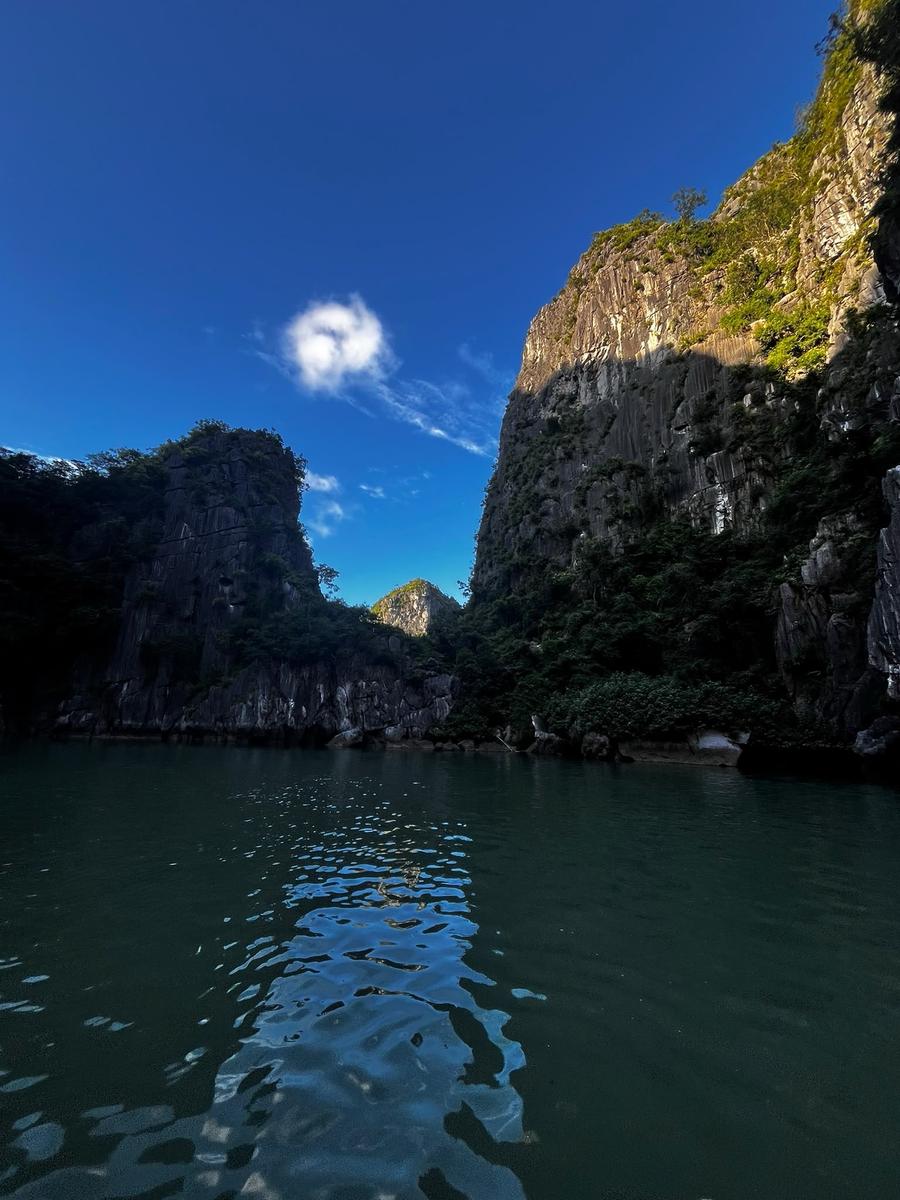
The Halong Bay cruise was an unforgettable experience, shaped by emerald, green waters, towering limestone cliffs and stalactite decorated caves. A beautiful UNESCO World Heritage Site located in northern Vietnam, Halong Bay translates to ‘descending dragon’ as according to a local legend that a dragon thrashed its tail to carve the bays islands.
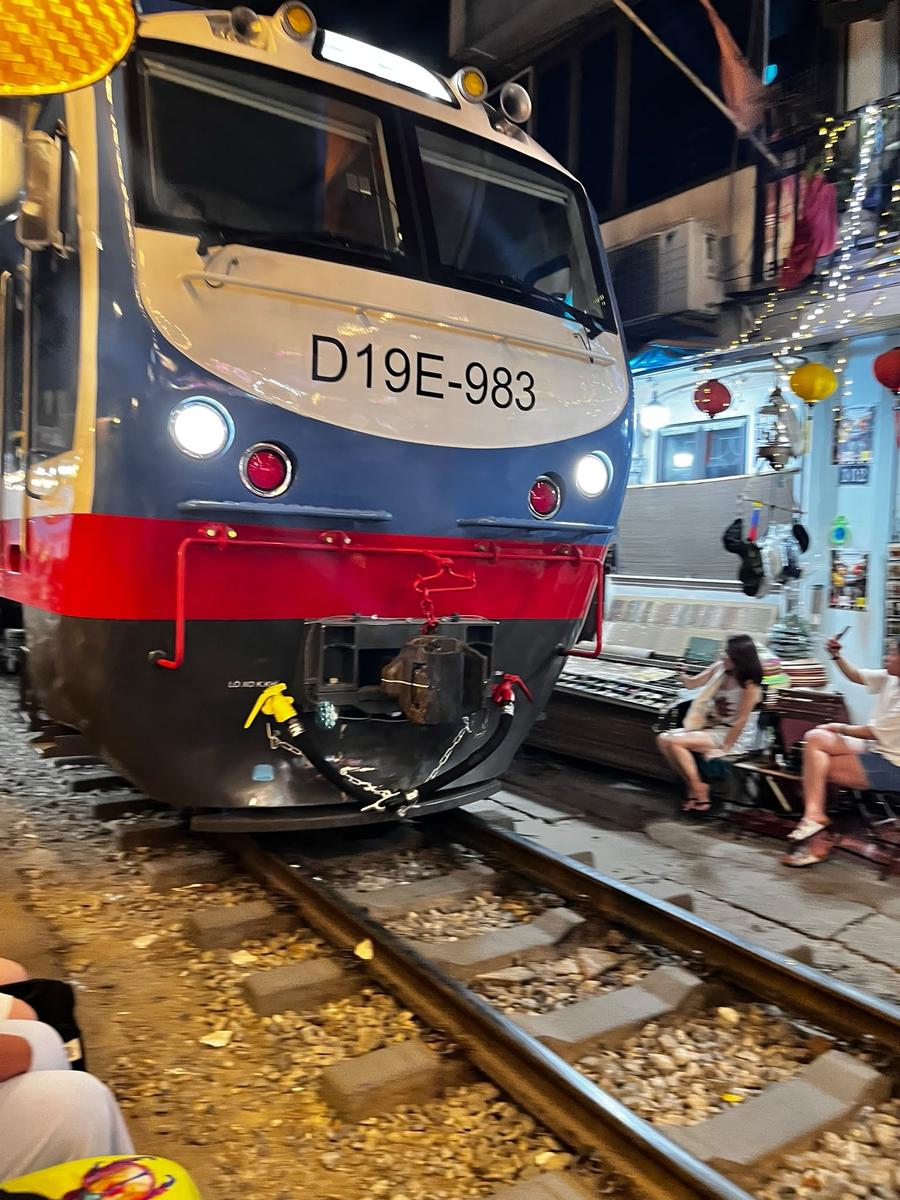
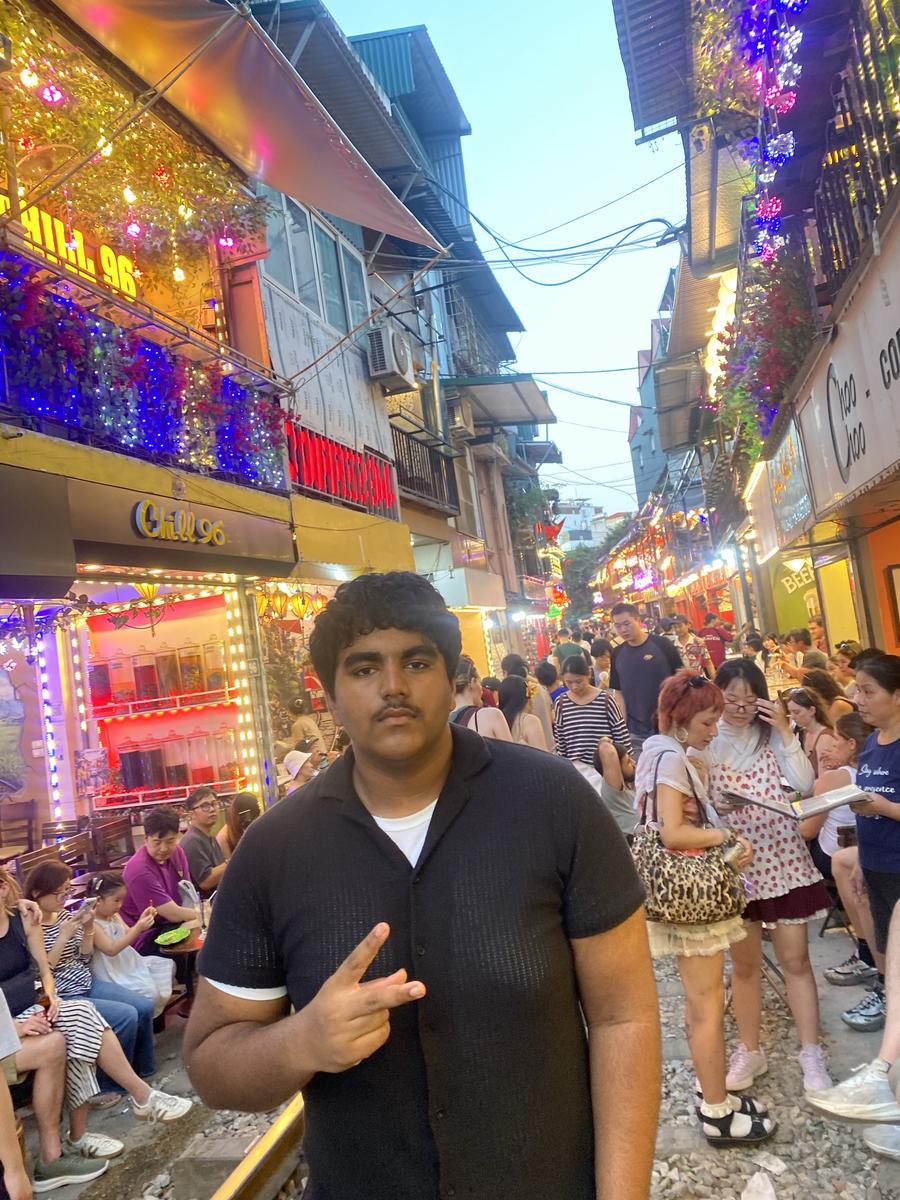
The Hanoi train is another popular experience where the iconic blue, red and white train hurtles past local cafes centimetres away as we sit near the tracks. Surrounded by tourists and locals, the tracks become a bustling alley full of activities and lights until a whistle signals the oncoming train and people scramble off the tracks.
The Thǎng Long Water Puppet show is renowned for its history and cultural significance in Vietnam. Originating in the rice paddy fields as a form of entertainment, the water puppet show is now a 365-day, world famous operation featuring traditional music and wooden puppets.
Across the trip I got to know the other participants, guides, historian and teacher chaperones. I’ve made many fond memories with the group and look forward to future memories. The trip was an invaluable learning experience, enabling me to grasp the history and culture of Vietnam and its involvement in the war.
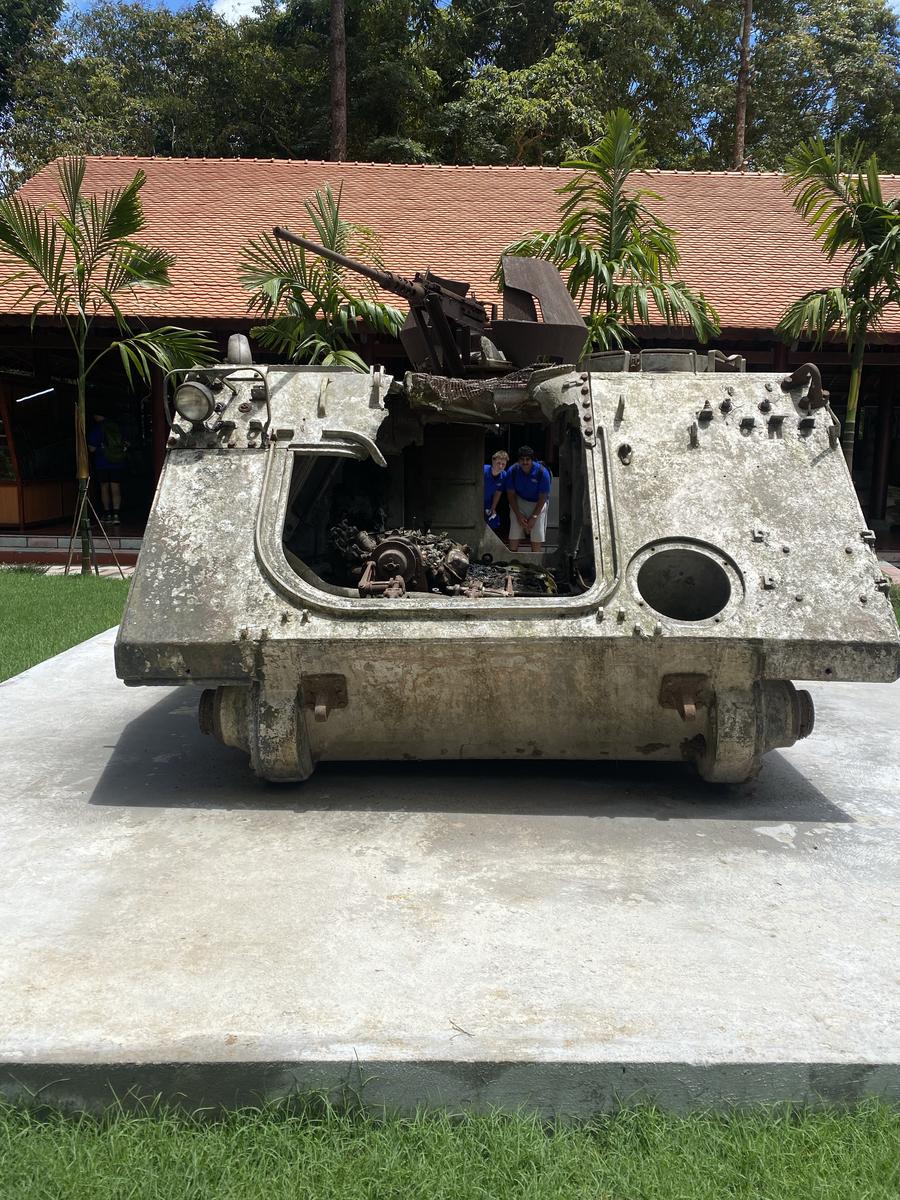
In reliving the past, walking in the footsteps of veterans, feeling the mud beneath my feet, hearing the native birdsong, smelling the rainforest and tasting the local cuisine I’ve grown as a person and a historian.
I hope to take this growth and experiences with me into the future and reflect on how it changed my perspective.
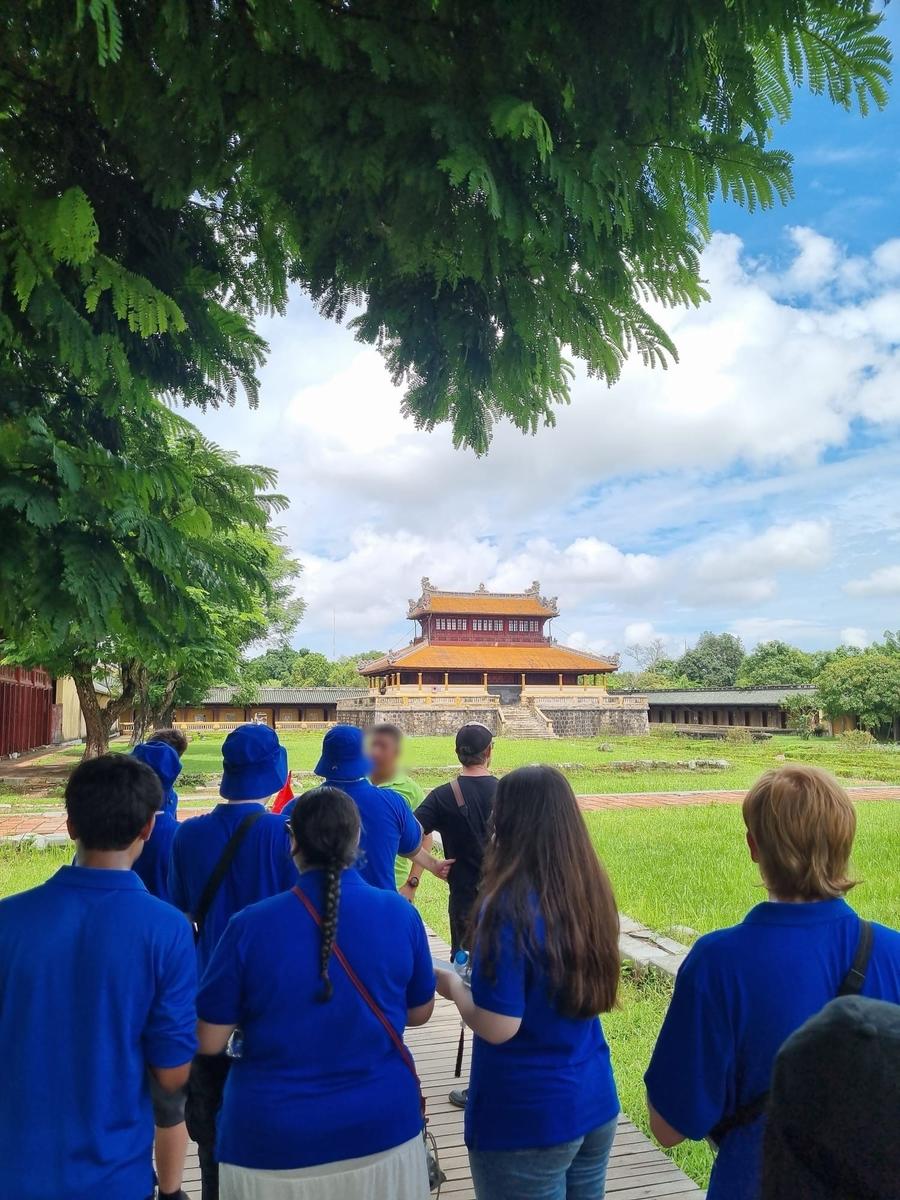
Throughout the trip, the Anzac values remained prevalent particularly mateship and humour through the time with other prize recipients and the many jokes said, courage to step out of my comfort zone, and sacrifice through servant-hearted leadership.
Shaileshwar Suresh – Year 11 Student