
Head of Early Learning Centre
Ms Sarah Bethune

Head of Early Learning Centre
Ms Sarah Bethune
Between the ages of three and five years, children are building the emotional and social foundations that will shape how they relate to others for the rest of their lives. In the Early Learning Centre (ELC), educators are uniquely placed to nurture human connection, wellbeing and courage through everyday moments, intentional relationships and a carefully designed environment.
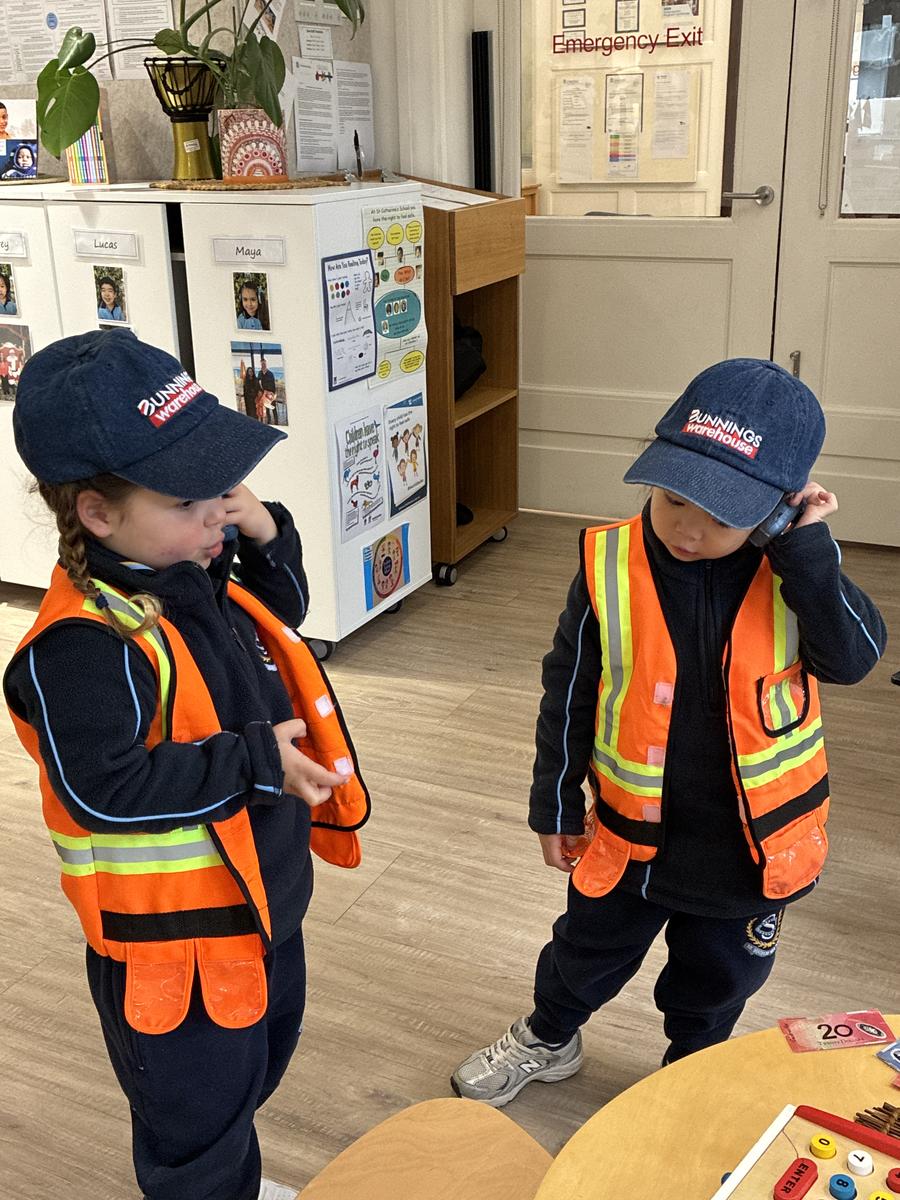
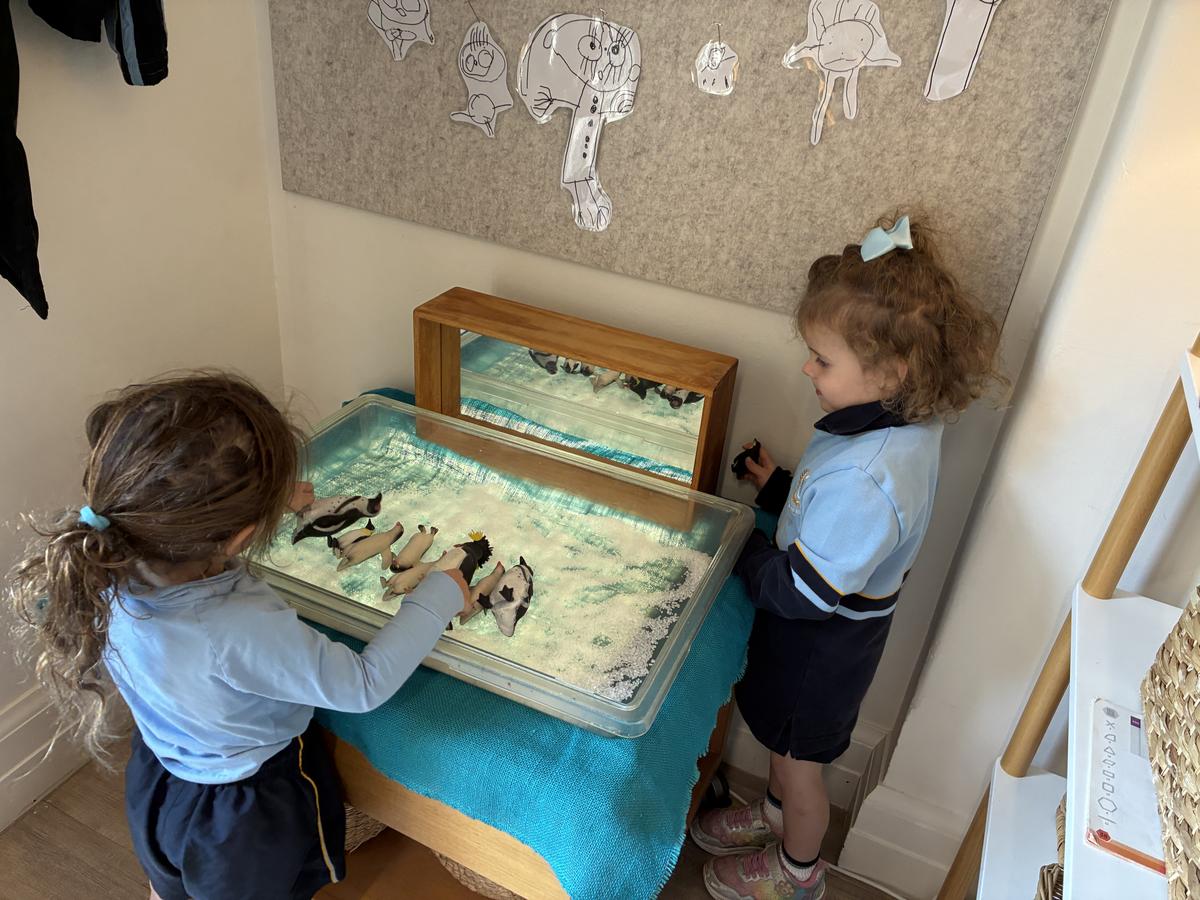
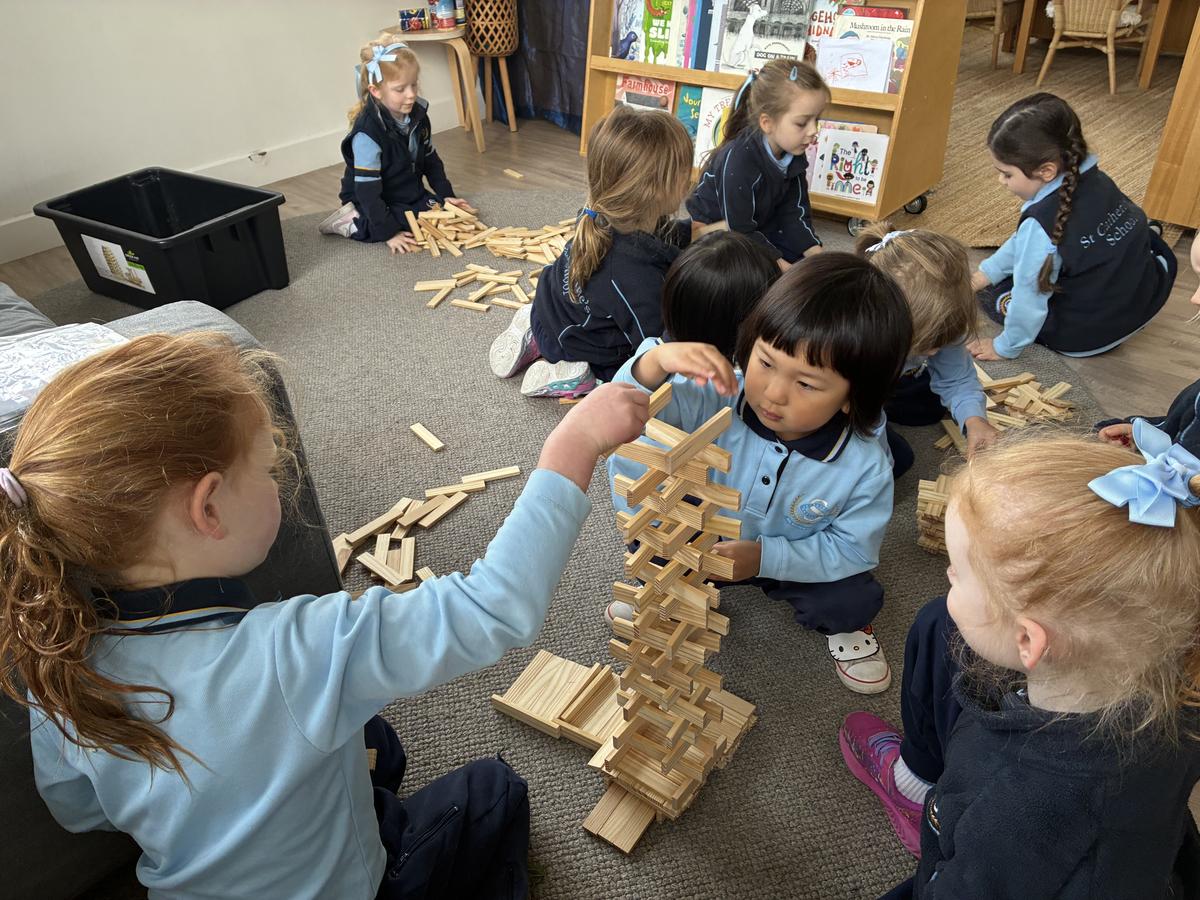
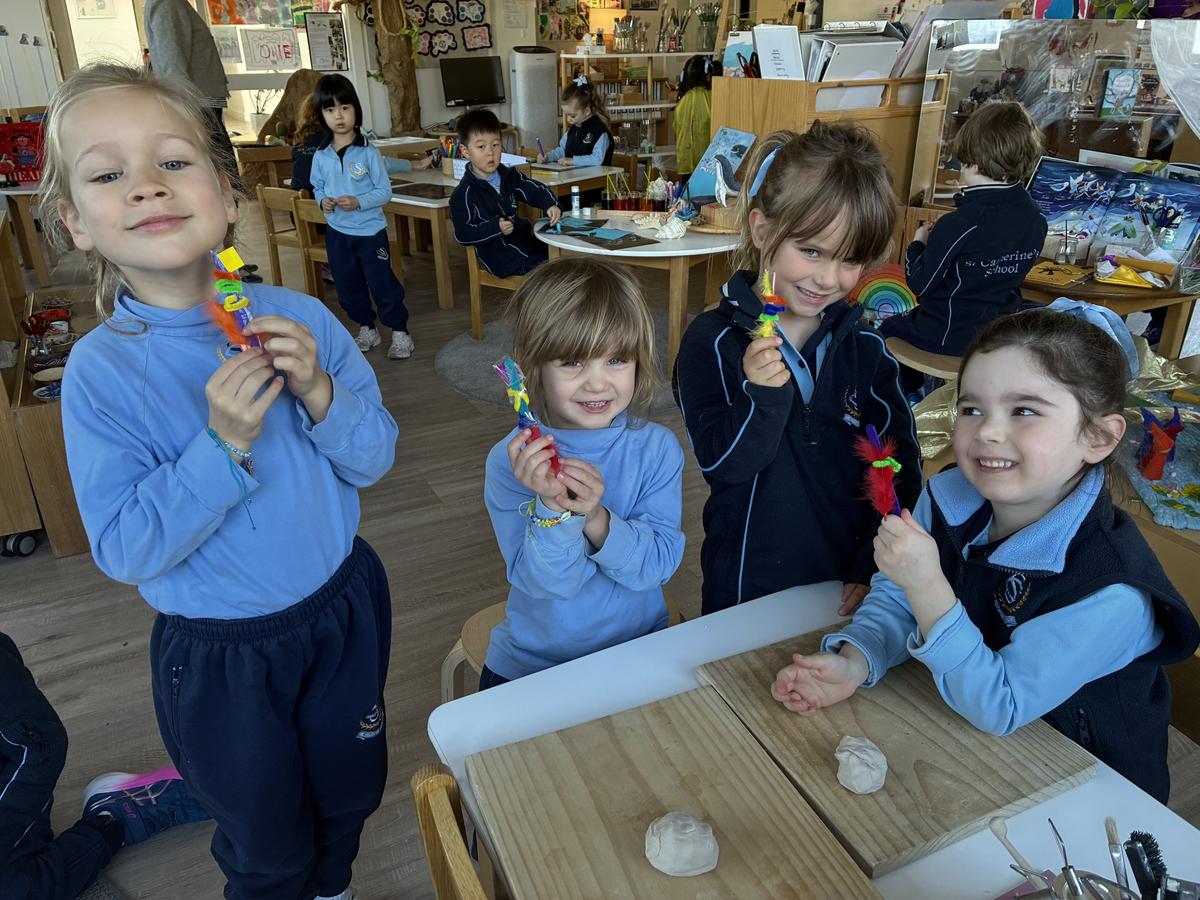
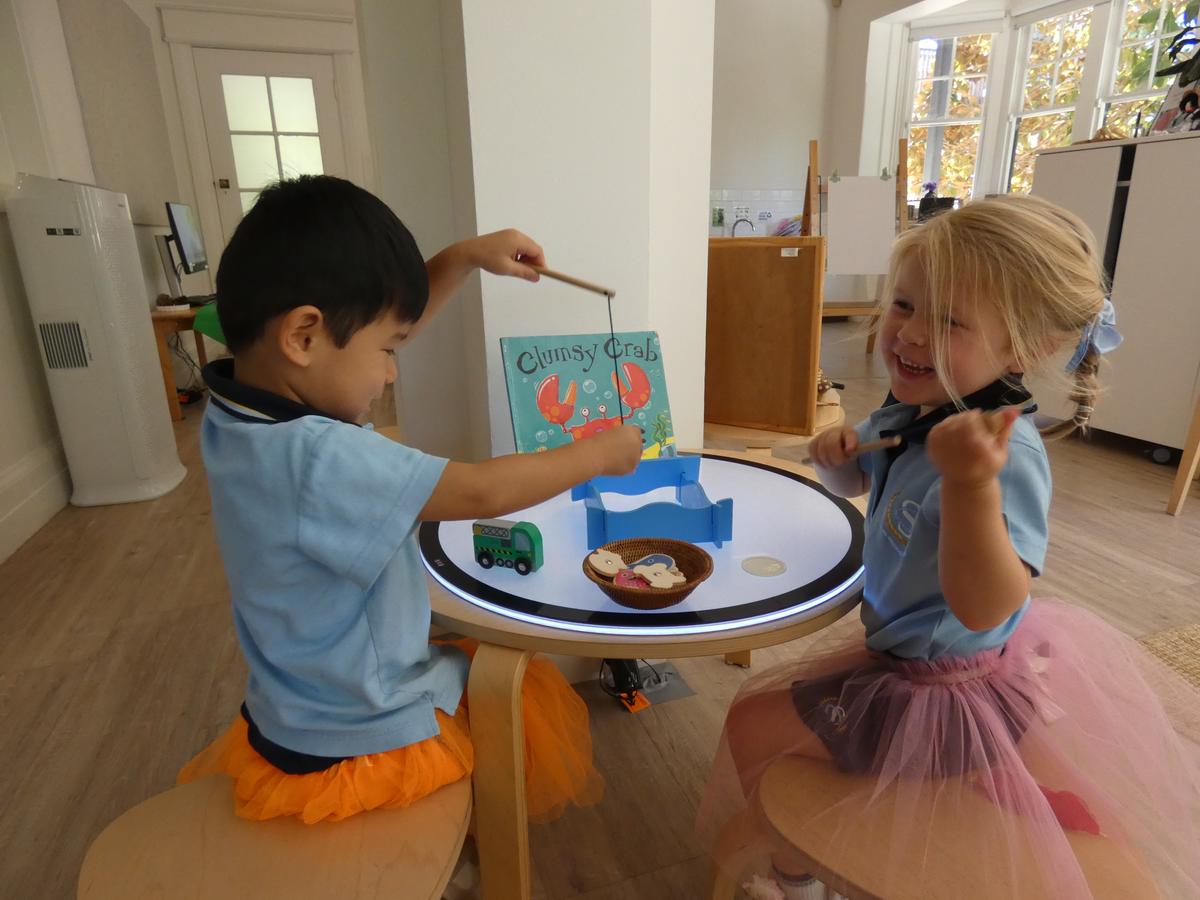
Connection begins with attunement. When educators greet each child by name, get down to their eye level, and respond warmly to their attempts for attention, children learn that relationships are safe and reliable. Small-group experiences — dramatic role play, cooking together, or collaborative block building — give children repeated practice in turn-taking, listening and reading social cues. Peer connection is just as important as adult connection; educators support this by assisting children to identify how they are feeling and gently coaching children through conflict rather than resolving it for them.
Wellbeing, in this age group, is closely tied to predictability and belonging. Consistent routines help children feel secure enough to explore, while flexible, child-led moments within that structure build a sense of agency. Emotional literacy is central: naming emotions, modelling calm regulation strategies (deep breaths, quiet corners, movement breaks), and validating big feelings without judgement all help children develop a healthy relationship with their inner world. Outdoor play, rest, and unstructured time also protect wellbeing by giving children space to simply be, rather than constantly perform or achieve.
Courage in early childhood looks different than it does in adults — it might mean trying a new food, joining an unfamiliar group of peers, attempting a challenging climbing structure, or speaking up in a group. Educators nurture courage not by removing all risk, but by offering "just right" challenges with a safety net of trusted adult presence nearby.
Acknowledging effort and process rather than only outcomes builds resilience and a growth mindset. Allowing children to experience manageable frustration — and coaching them through it rather than swooping in — teaches them that discomfort can often lead to mastery.
These three threads are deeply interwoven: a child who feels connected feels safe enough to be vulnerable; a child with strong wellbeing has the internal resources to take risks; and a child who practises courage strengthens their sense of self and belonging. In the ELC setting, small, consistent, relationship-rich moments — repeated daily — are what build this foundation over time.
Ms Sarah Bethune
Head of ELC