Icarus
Grade 3 Learning Community









 Aitken Hill Primary School
Icarus
Grade 3 Learning Community
Reading
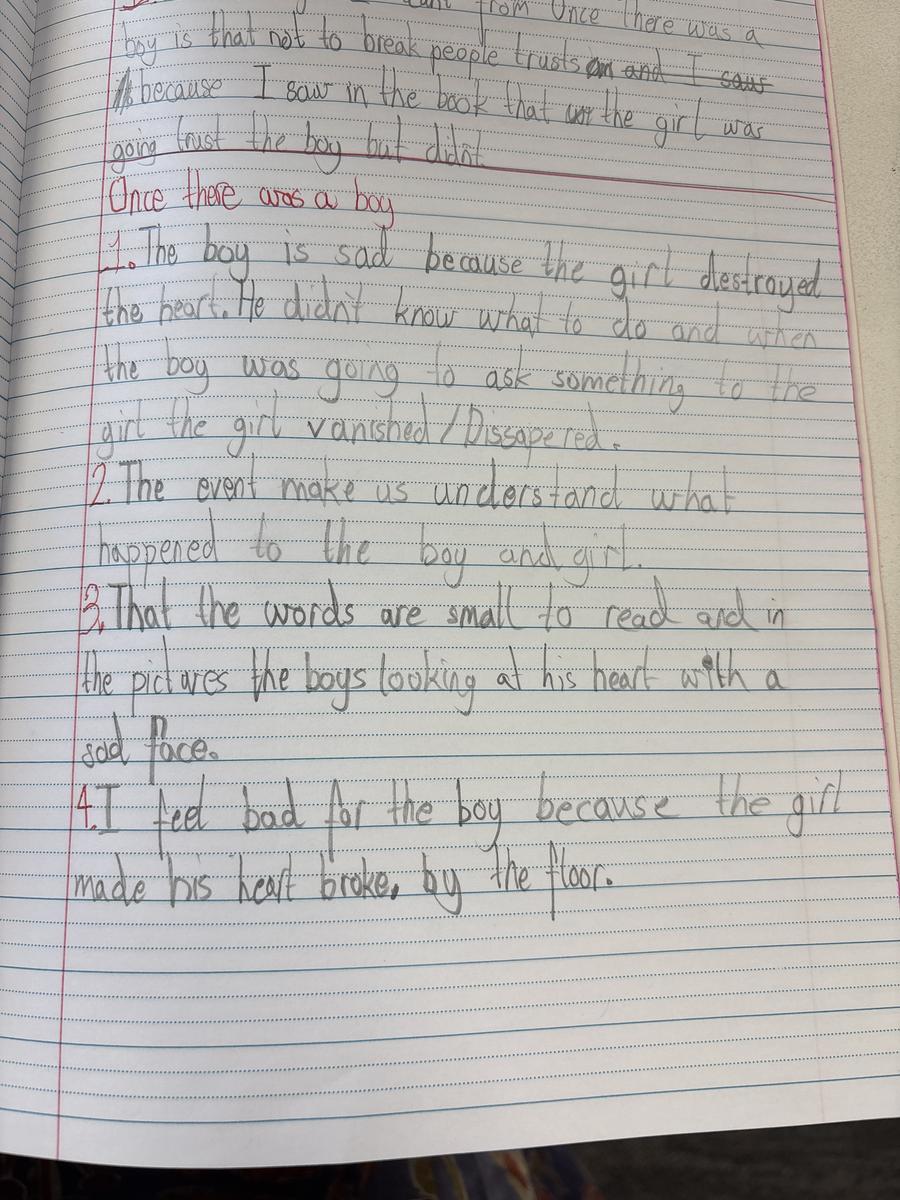
In reading, students analysed texts by exploring how words, illustrations, and ideas worked together to create meaning. They practised synthesising by combining new information with what they already knew and developed their vocabulary by learning and using topic-specific words. We explored The Lost Girl by Ambelin Kwaymullina and Leanne Tobin, The Unlikely Story of Bennelong and Phillip, Once There Was a Boy by Dub Leffler, and For 60,000 Years.
Writing
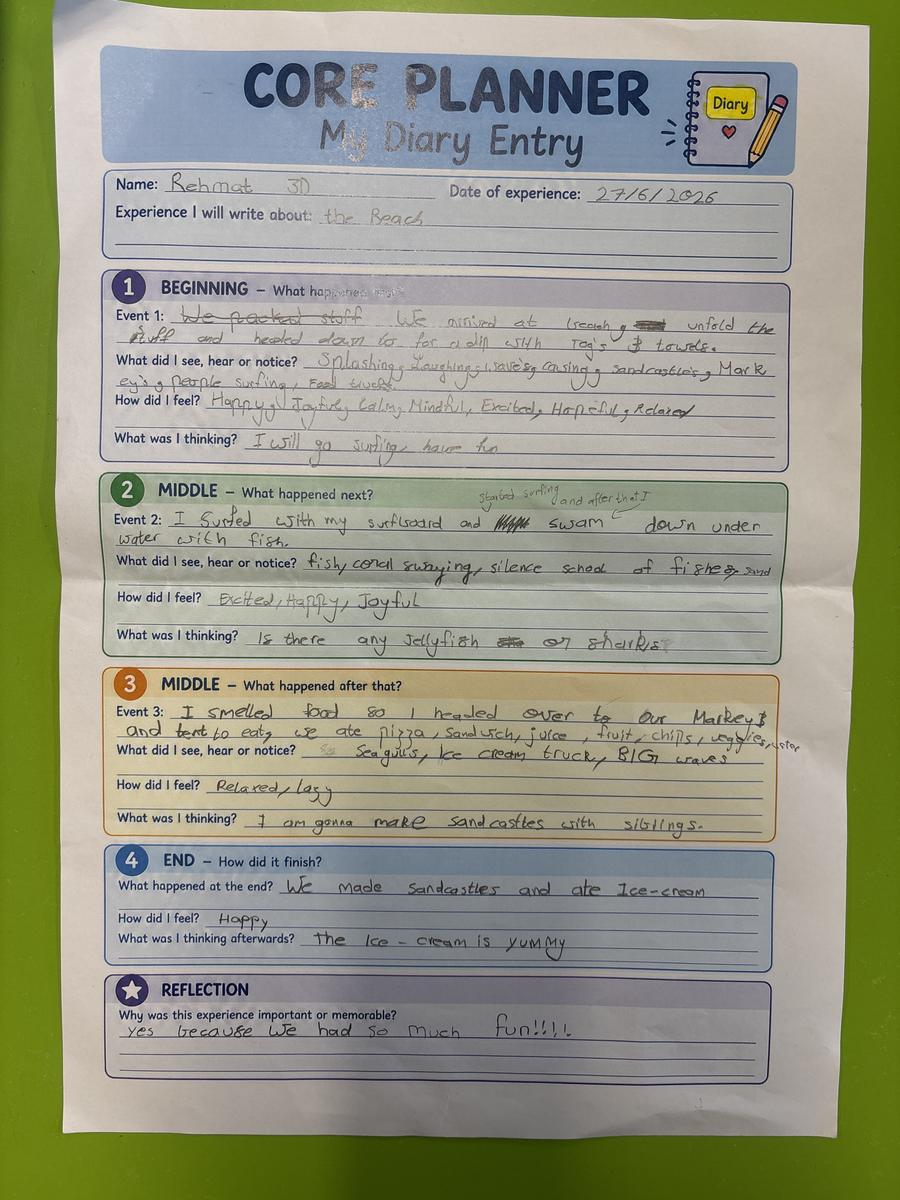
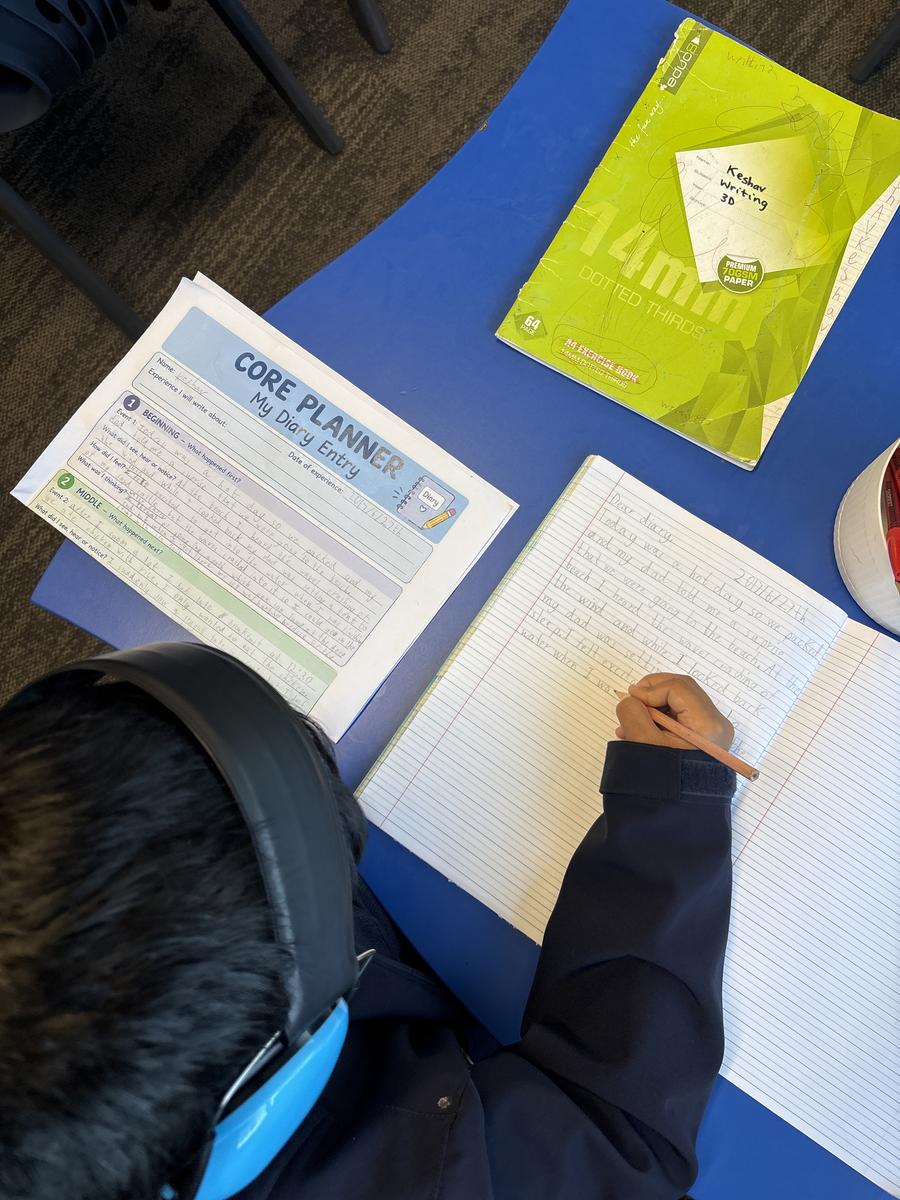
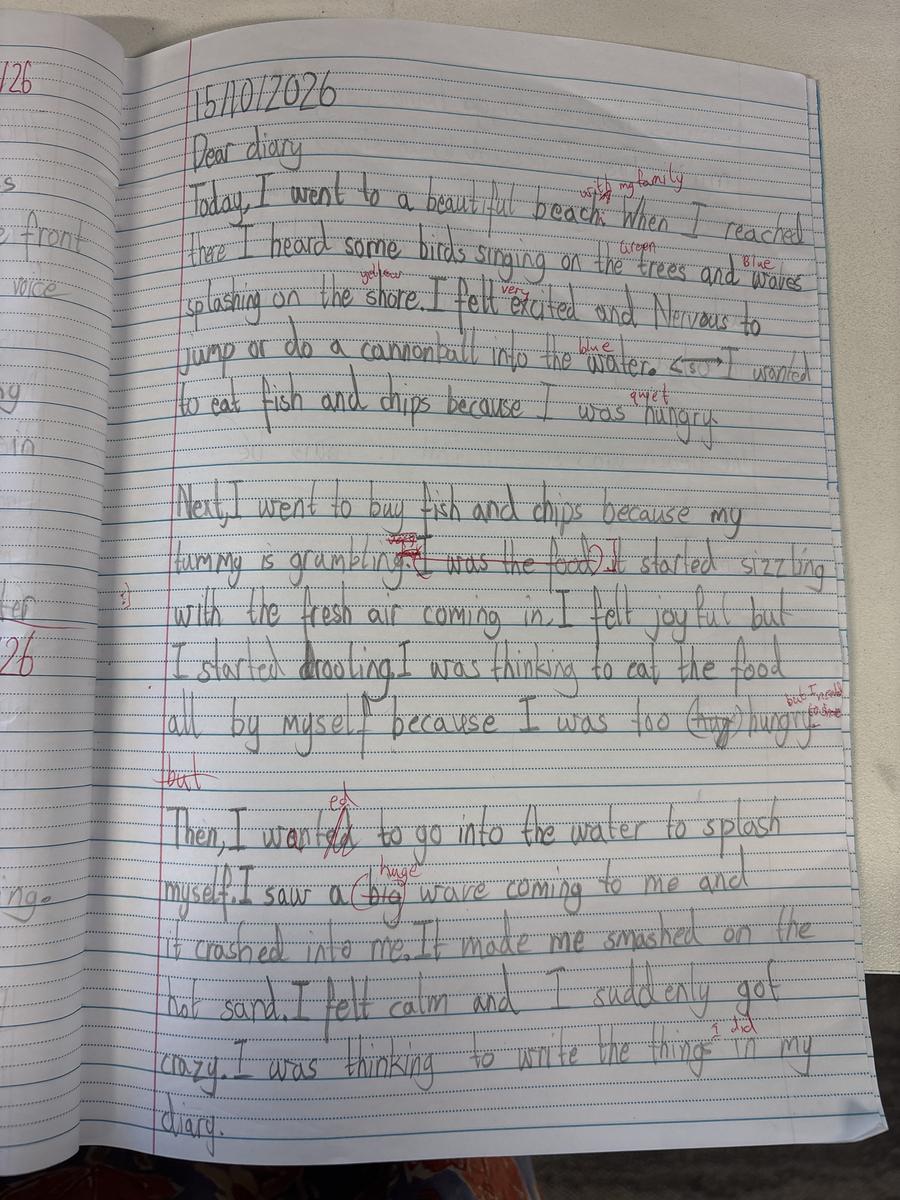
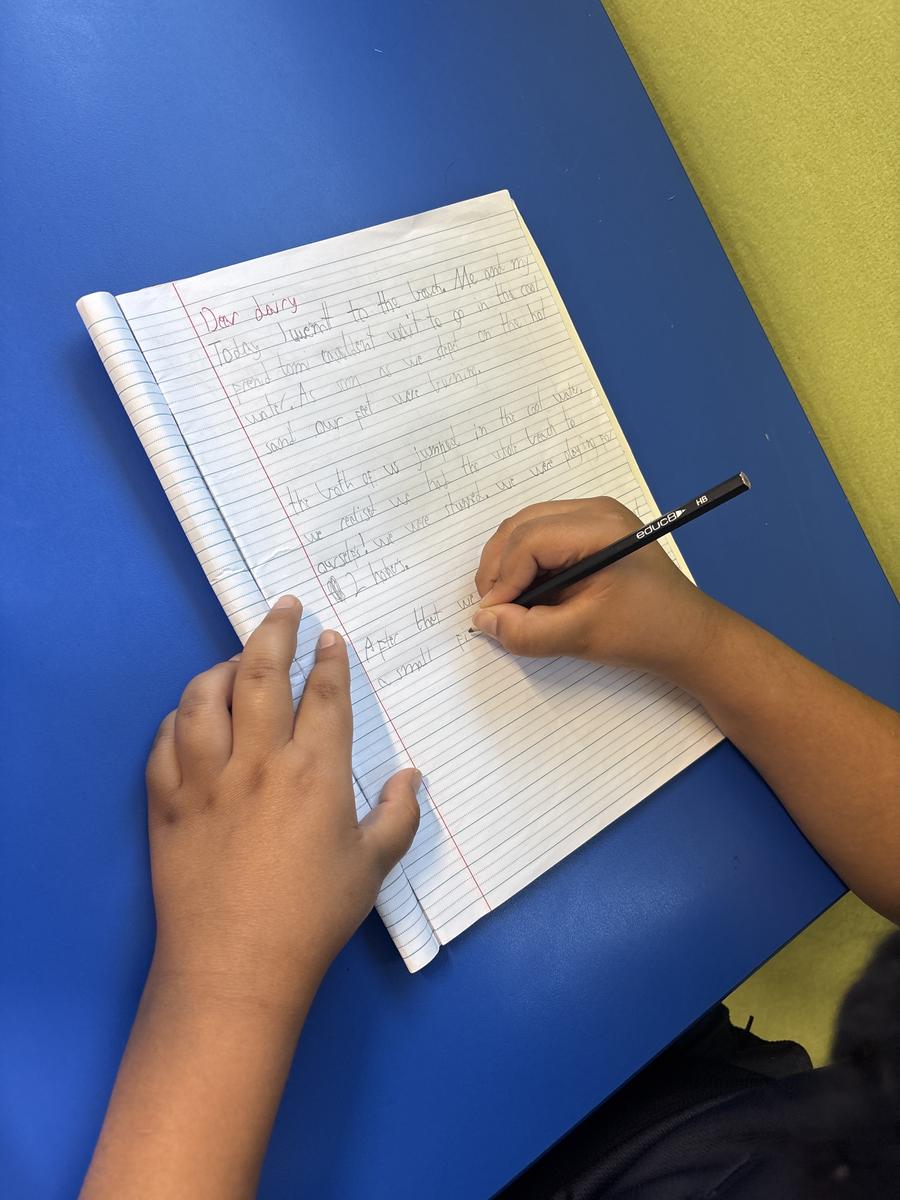
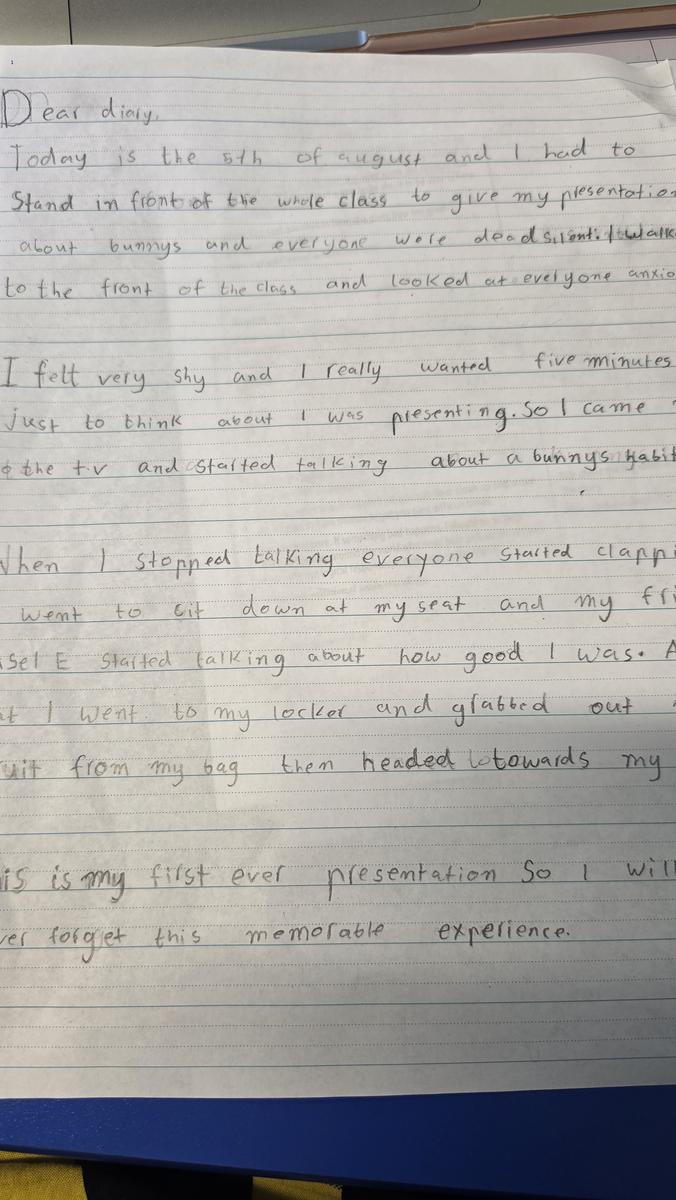
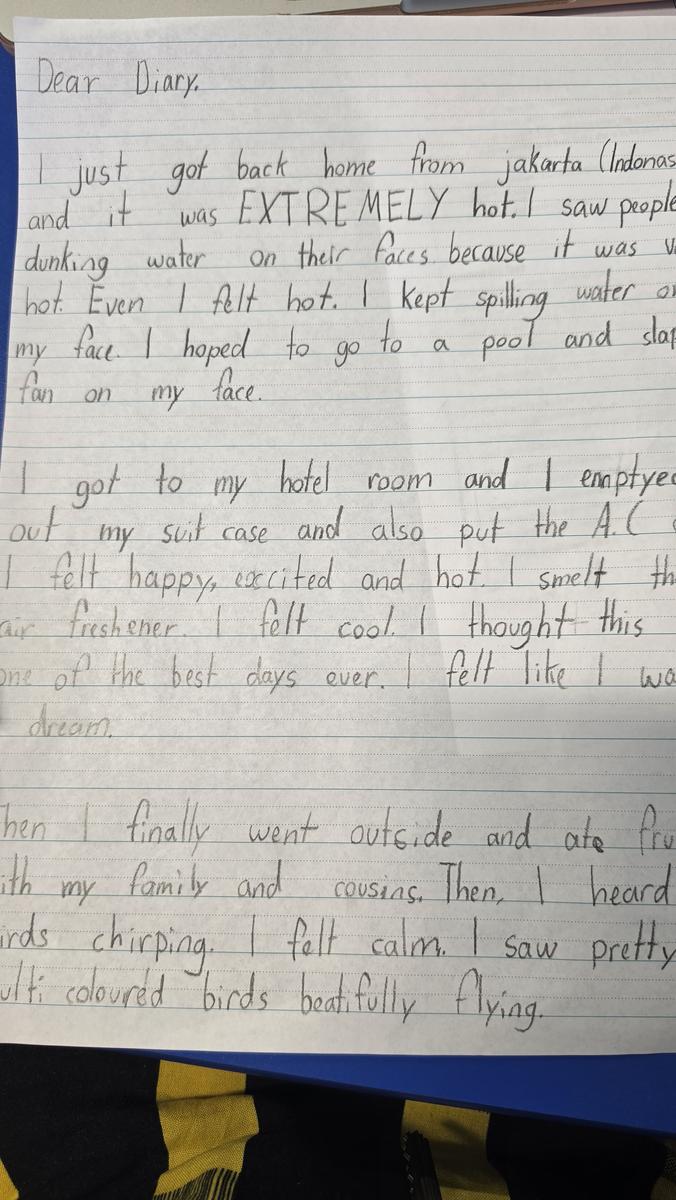
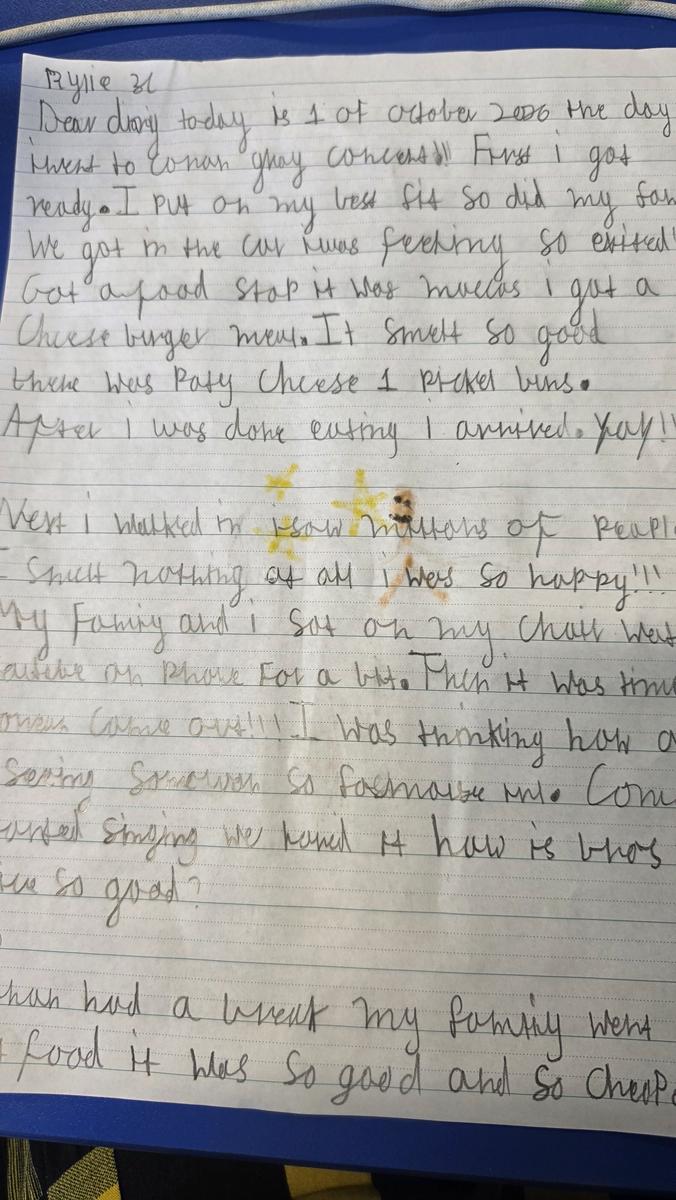
In writing, students explored first-person recounts by writing a personal diary entry about their experiences and imagining themselves in another person’s experiences. They practised sequencing events chronologically, maintaining a consistent first-person point of view, and using descriptive language to express thoughts, feelings, and reactions. Students also focused on including relevant details and using time connectives to link events smoothly, helping them create engaging diary entries that shared experiences and reflected on important moments
Math
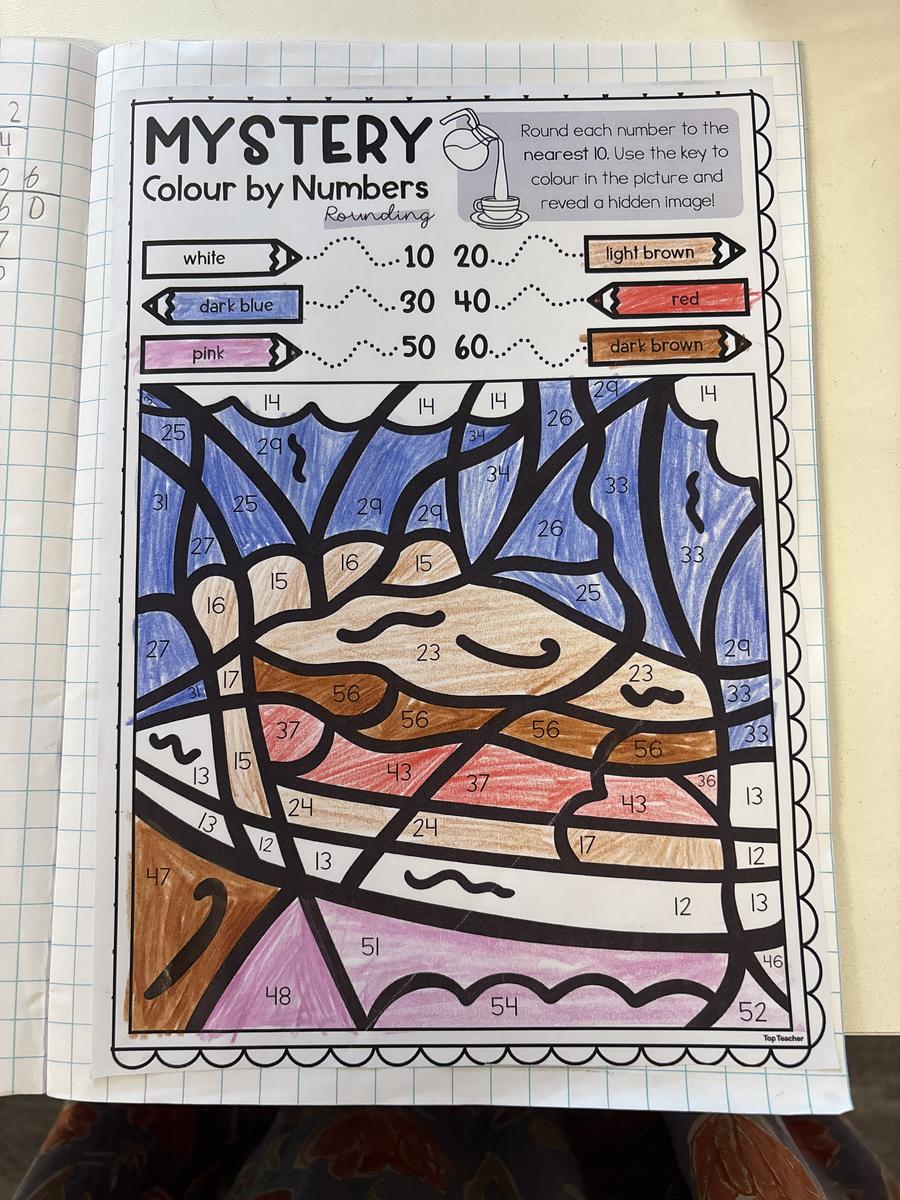
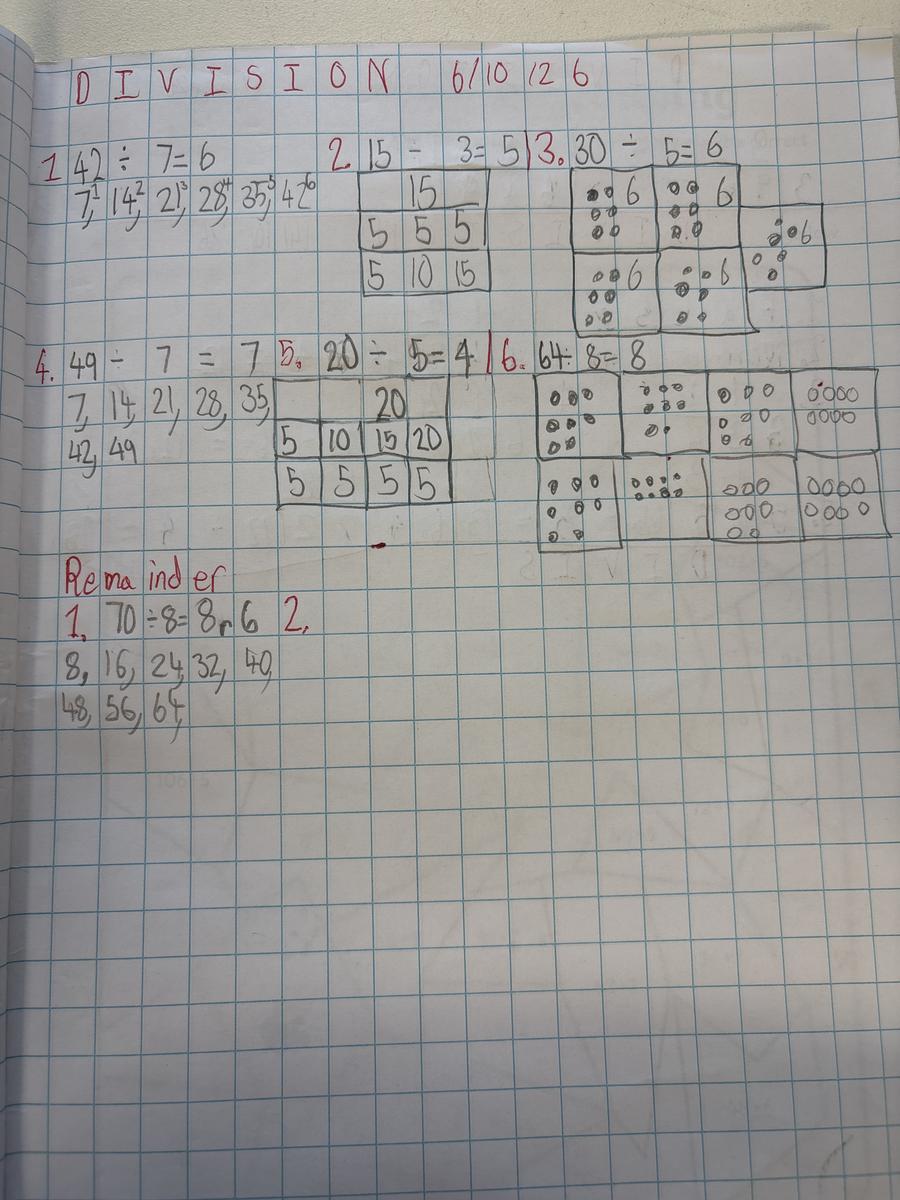
In Mathematics, students practised three-digit subtraction, with and without regrouping, and explored capacity through hands-on activities, including making their own potions and measuring liquids. They used estimation strategies to check whether their addition answers were reasonable. Students also strengthened their short division skills by breaking down worded problems, identifying key information, and solving problems involving equal sharing and grouping.
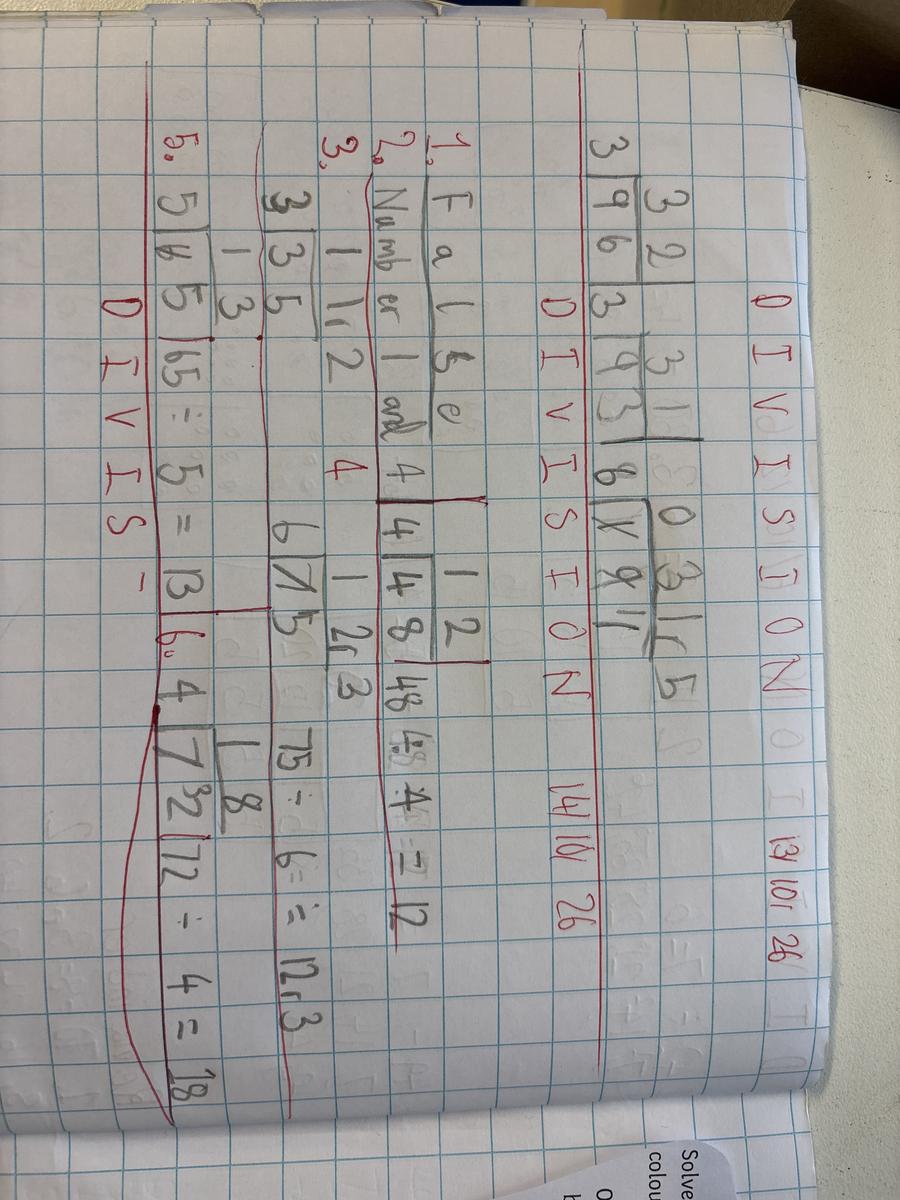
How can you help at home – Worded Problems
Encourage your child to break worded problems into smaller steps by reading the question carefully, identifying the important numbers and deciding whether to subtract or divide. For subtraction, ask, “How many are left?” or “What is the difference?” For division, ask, “How can we share equally?” or “How many groups can we make?” Encourage your child to underline key information, write a number sentence, use drawings or objects to help solve the problem, and check whether their answer makes sense
Inquiry
History
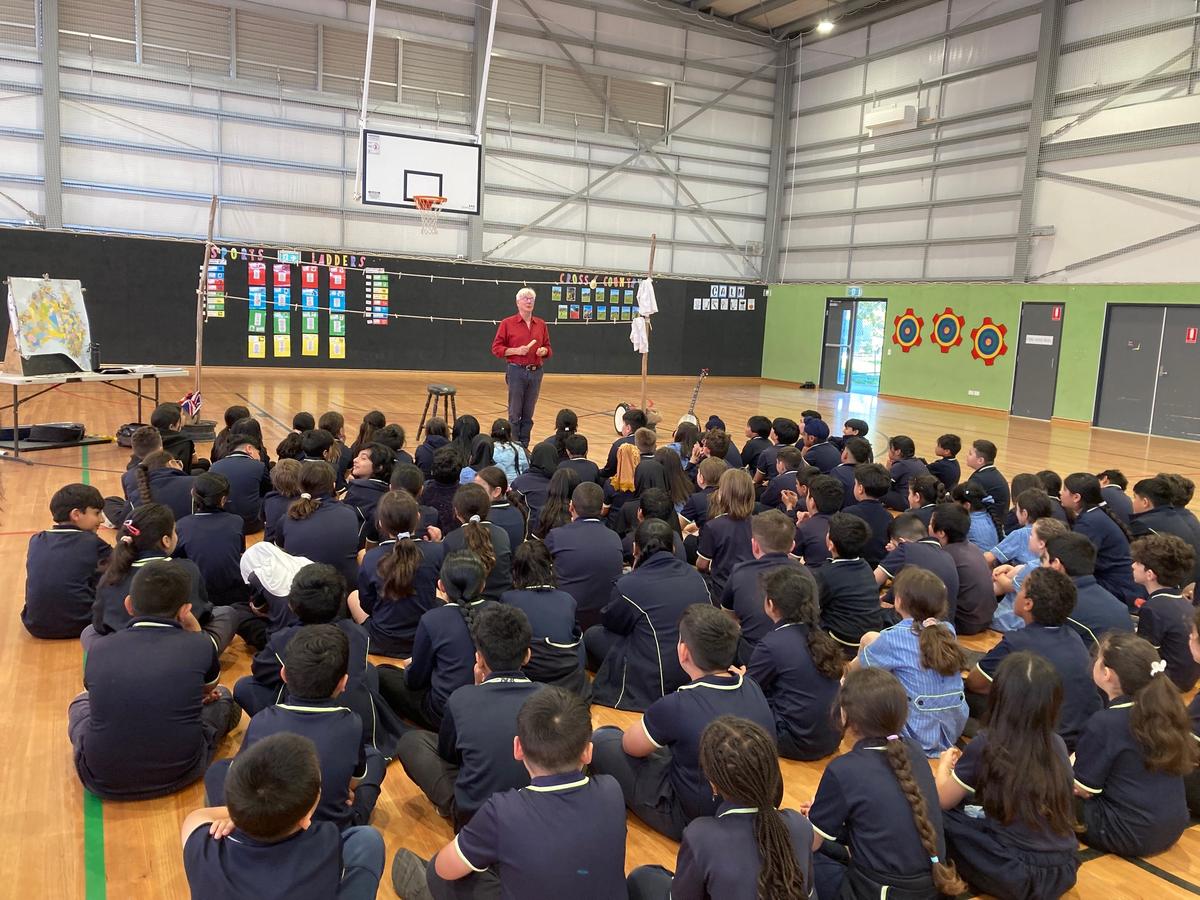
Students explored the arrival of the First Fleet in 1788 and the establishment of the first permanent British colony on Gadigal Country (Sydney). They investigated the diversity, cultures, and ways of life of Aboriginal and Torres Strait Islander Peoples before colonisation, and examined the reasons for British settlement and the experiences of convicts, settlers, and First Nations Peoples.
Science
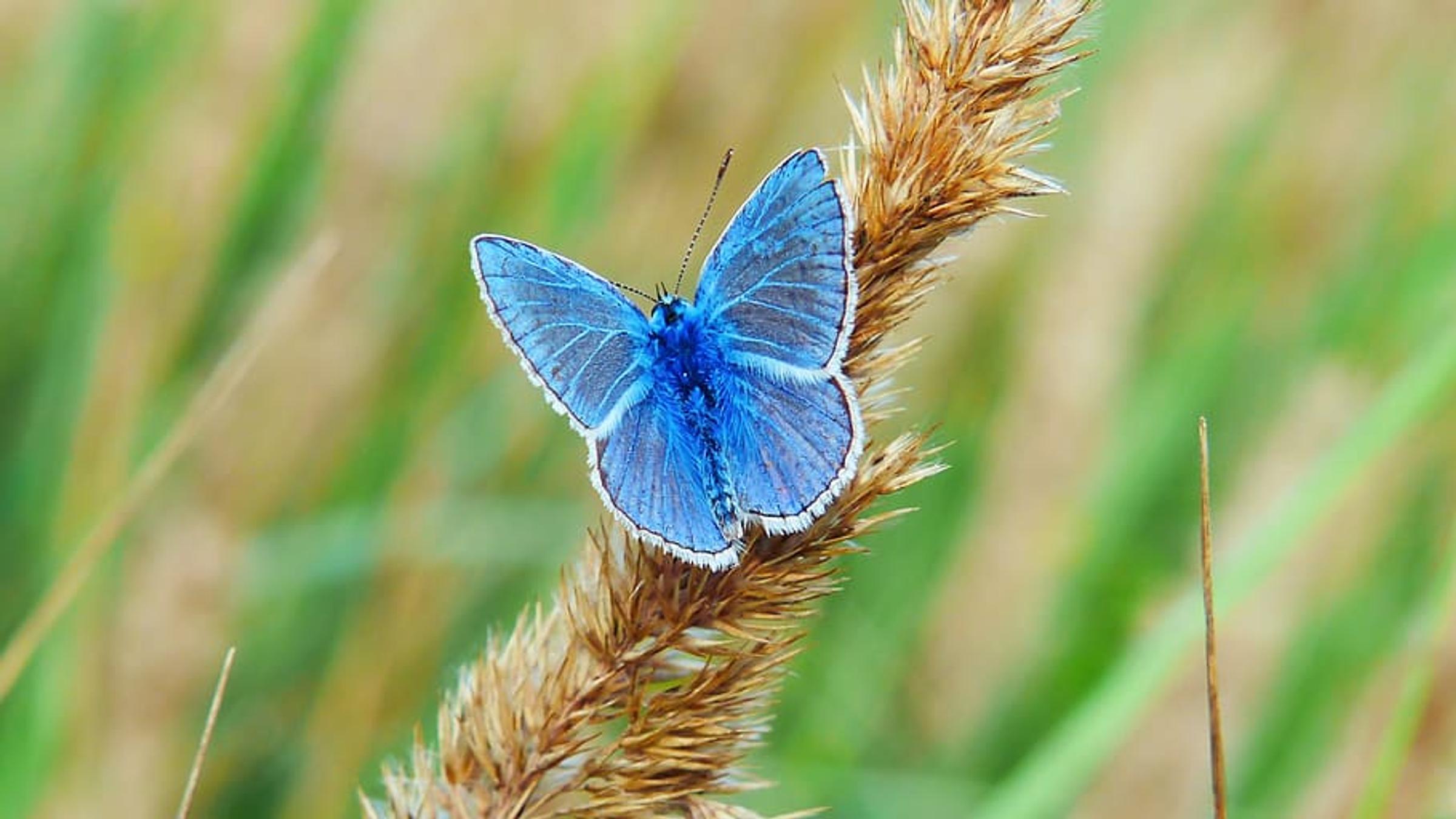
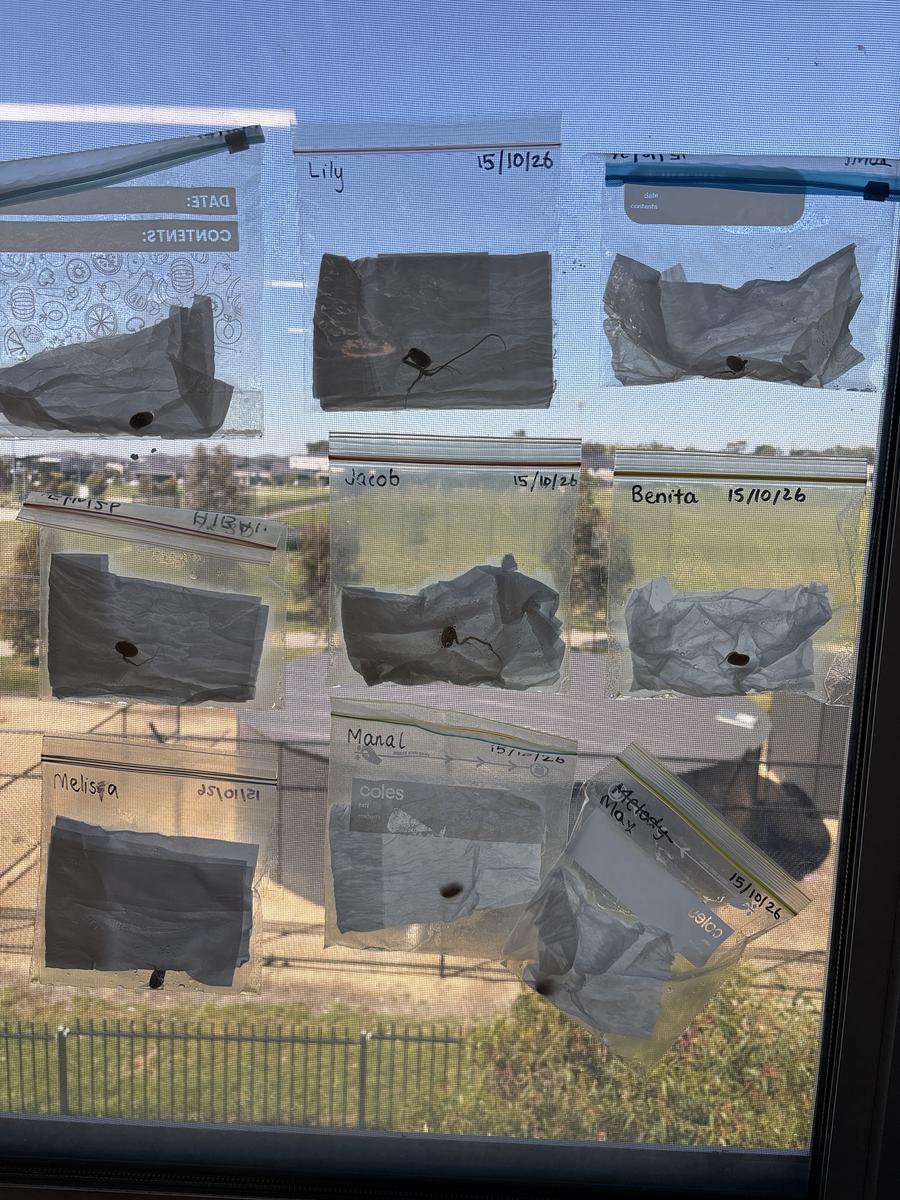
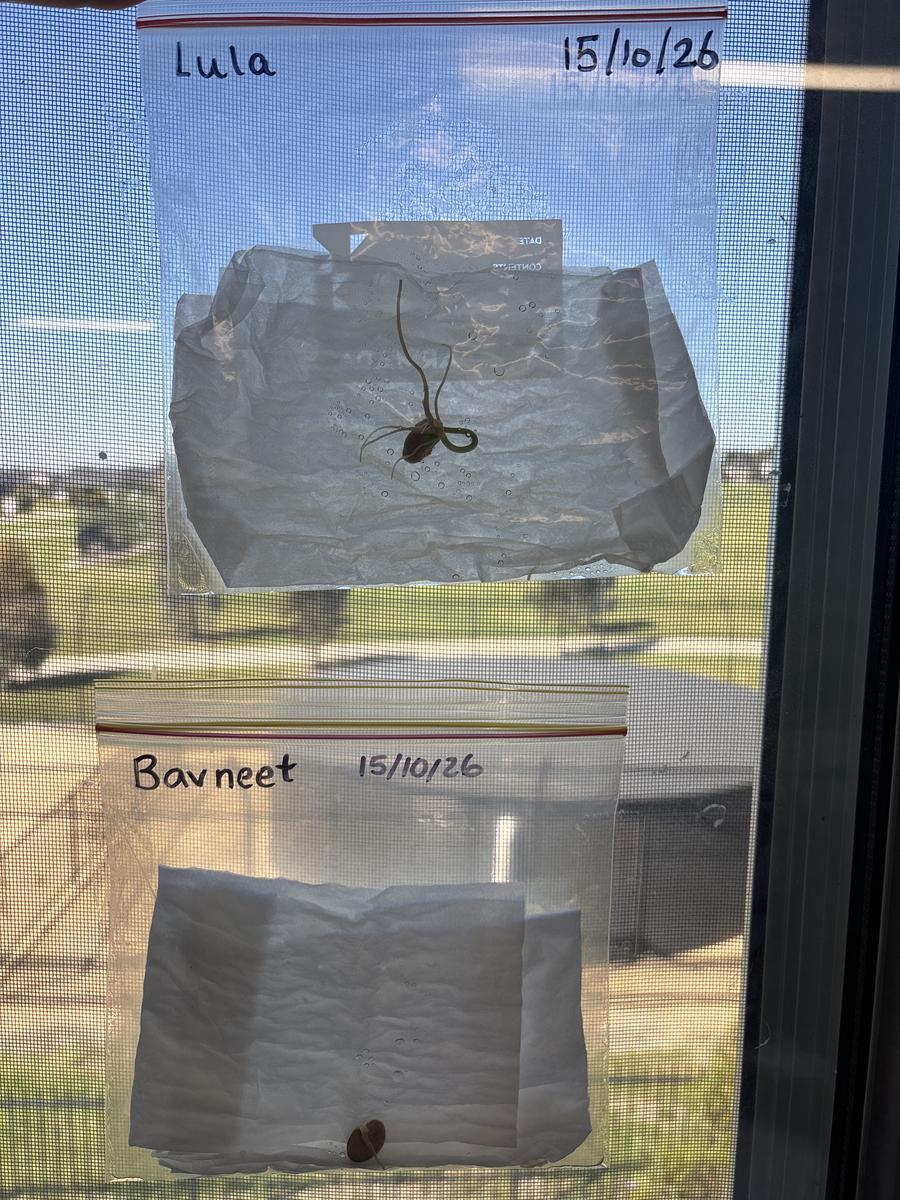
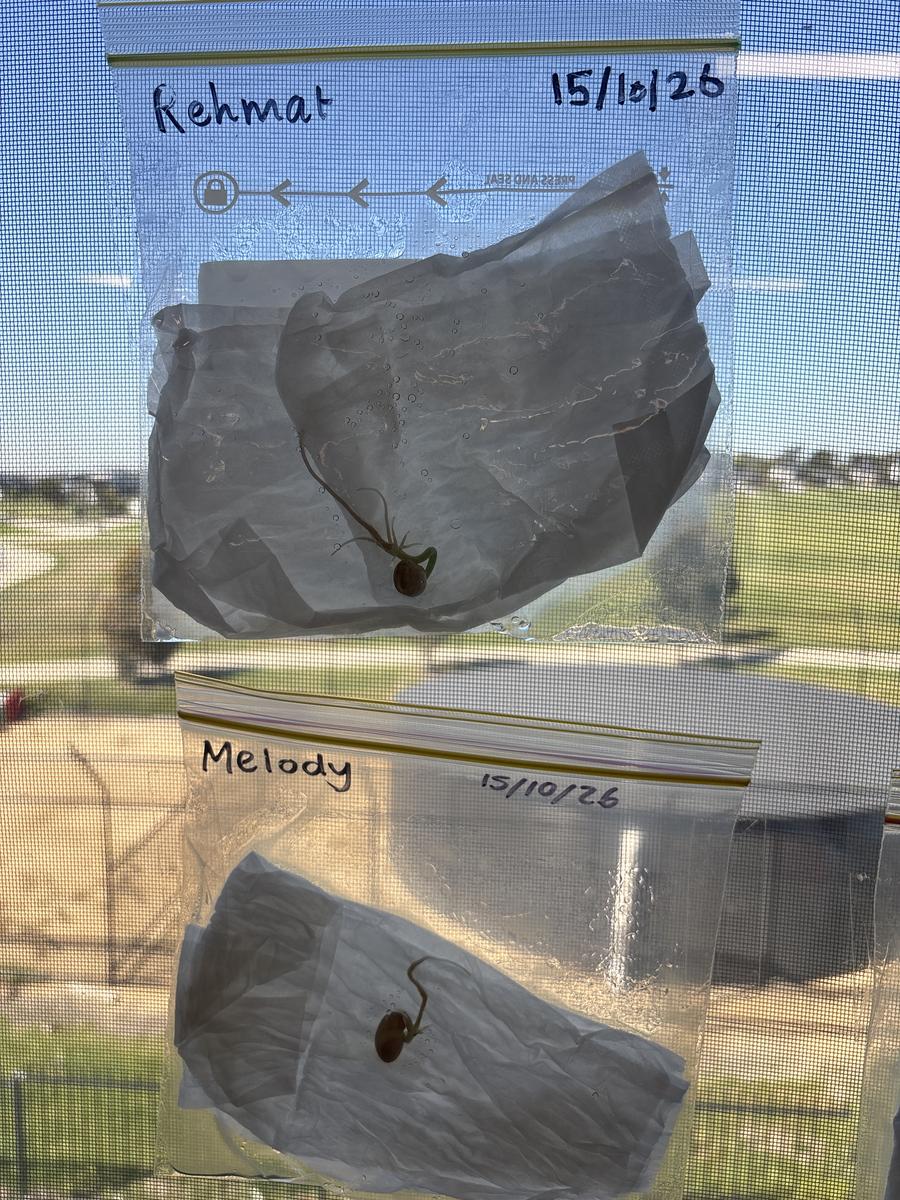
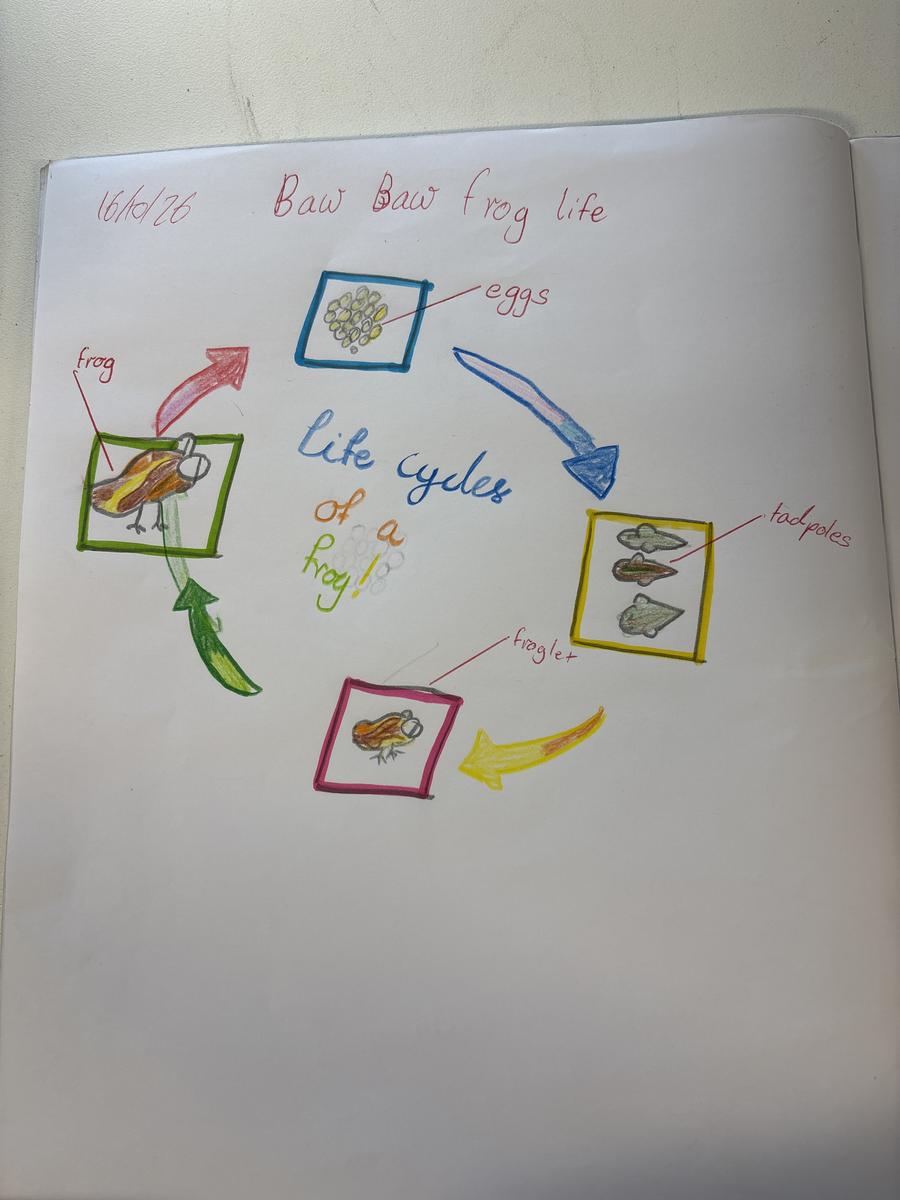
Students explored the characteristics of living, once living and non-living things, learning to classify objects and explain their reasoning. They also investigated how fossils form by creating fossil impressions using natural materials and modelling clay. Students explored plant and animal life cycles, comparing stages of growth and development, including metamorphic life cycles such as butterflies and frogs.
SEL
Students explored the importance of gratitude, empathy and kindness in building positive relationships and supportive communities. They learned to recognise and understand the emotions people may experience and identify ways to support others through friendship and care. Students also explored gender stereotypes and peer pressure, practising respectful ways to challenge them. Through discussions and activities, they developed an understanding of empathy and how small acts of kindness can help others feel safe, valued and connected. We encourage families to continue these conversations at home by celebrating kindness, gratitude and respect for everyone.