
Year 3/4 News!
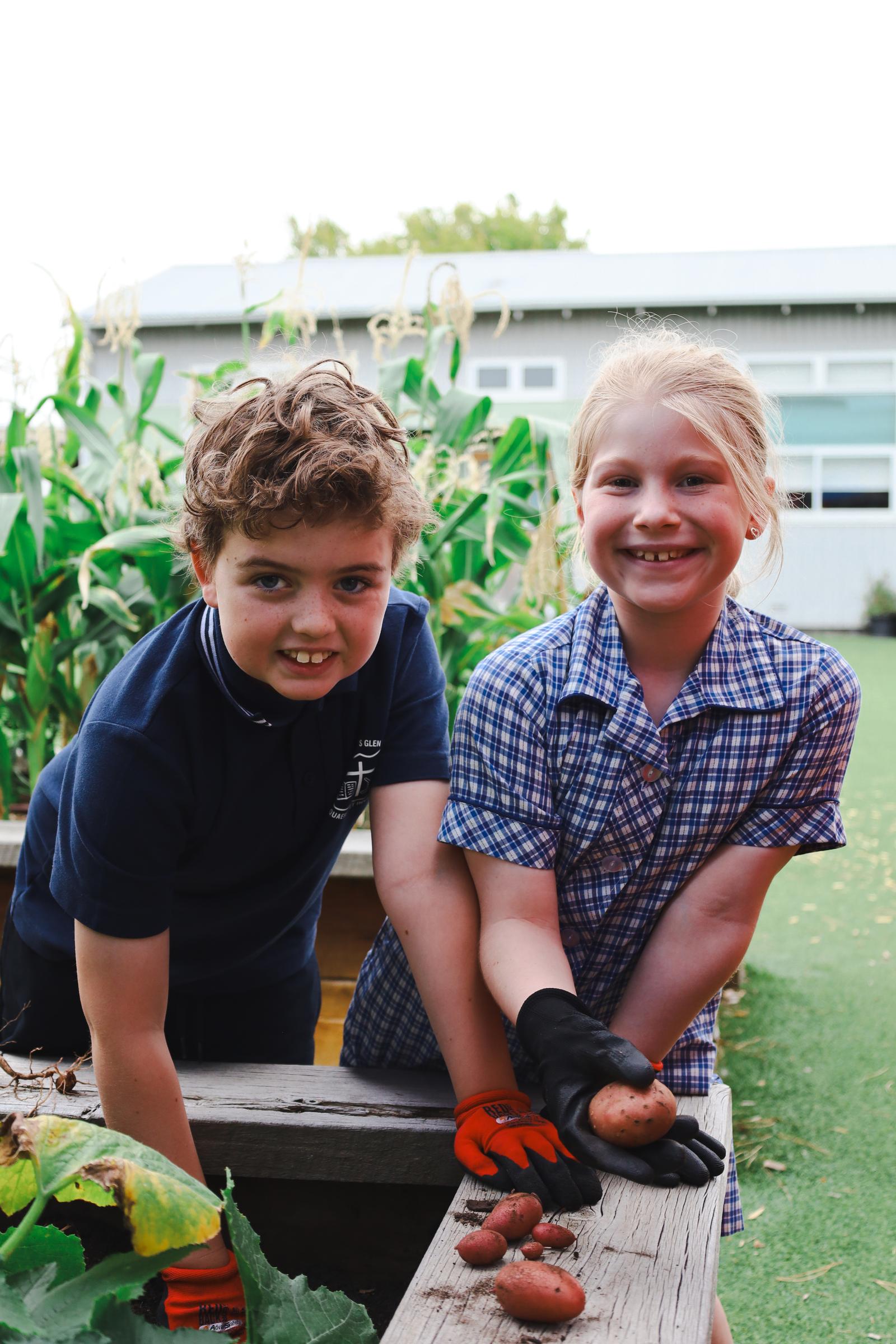
Welcome to 3/4 news! It has been a very busy start to the term for our students in Middle School, so please read on to see what they have been up to!
Stand Up, Yumi Chung!
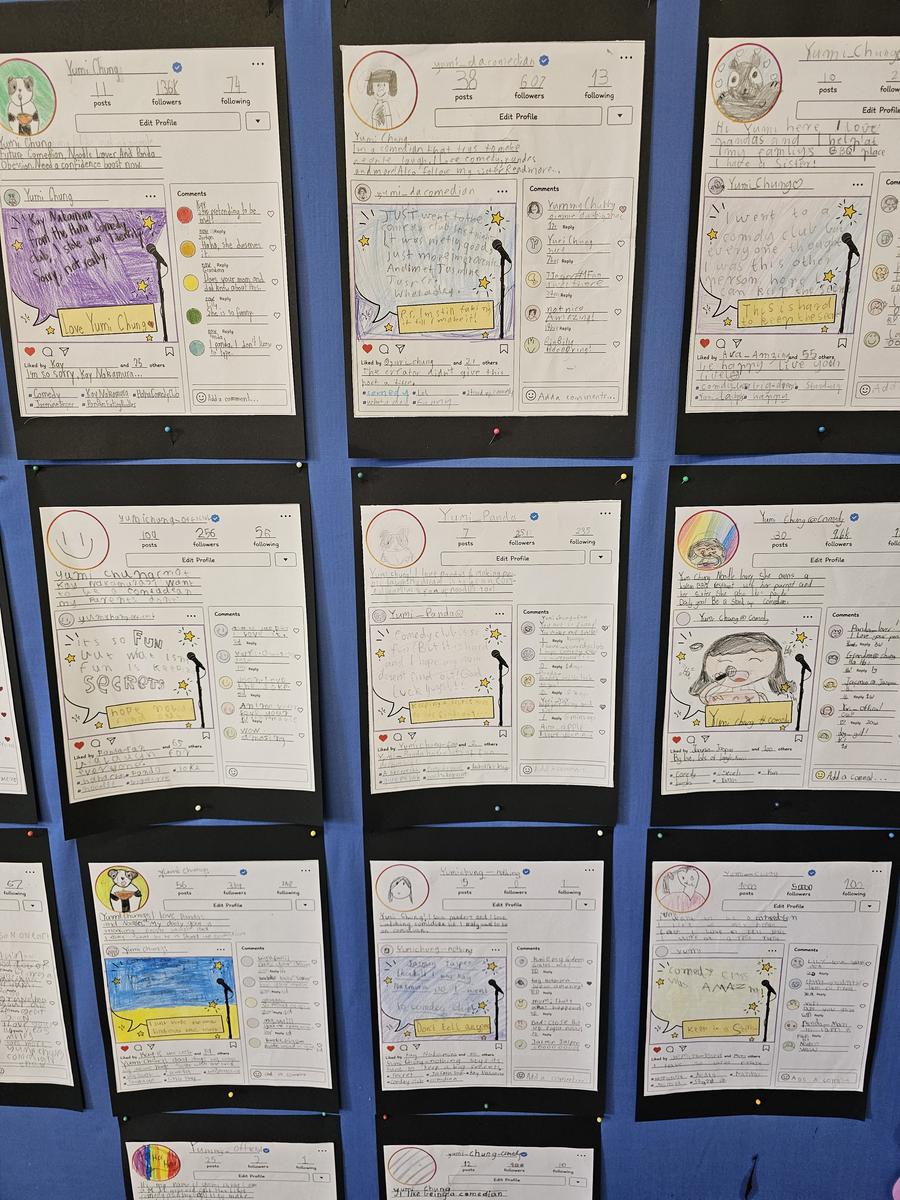
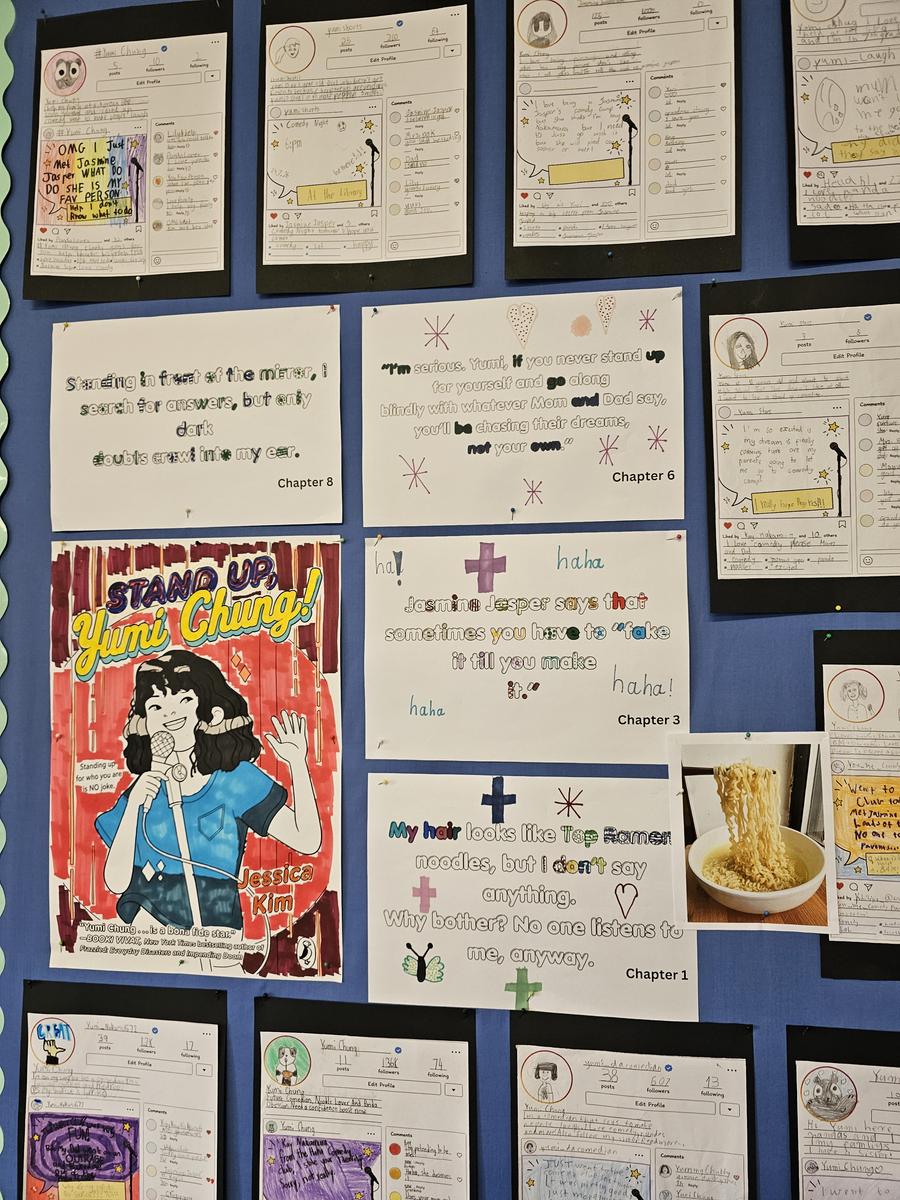
This term we have begun reading another class novel, Stand up, Yumi Chung! by Jessica Kim. We are loving it so far! Students are using the novel to unpack new vocabulary, make predictions about what may happen next and discussing the motivations and actions of different characters. This novel tells the story of 11 year old Yumi, who loves her family but doesn't feel very listened to by them! Yumi helps her family run their Korean restaurant, but she actually has a very different dream...to be a standup comedian!
When Yumi reports to her school holiday tutoring, she realises there is a comedy club next door running their own Summer Camp...the adventure goes from there! Please read an excerpt from the text below:
When I get to Mrs. Pak’s office the next day, it takes three attempts to muster the courage to knock on the door. “Come in,” her voice blares from inside. How can such a small human have such a big voice?
Mrs. Pak, her back ramrod straight in her chair, catches me gawking. “You can be on my Wall of Excellence, too, Yumi,” she says, “if you learn to apply yourself.” She folds her slender hands together under her chin. “Sit down.” She gestures to the chair next to me.
“You aren’t progressing enough,” she says bluntly. I flinch, but I’m not that surprised. Korean adults are all about talking without a filter. I can’t count how many times I’ve been told “You need to pinch your nose so it’s not so flat” or “Your sister is a genius. What happened to you?” My American side is offended, but my Korean side knows it’s not a big deal.
“Don’t despair.” Mrs. Pak puts on her bifocal half-glasses, the kind that sit low on her nose. “The good news is you’re a smart girl. Not a genius like your sister, but you know the material.”
“Look here.” She points to a geometry problem. “Your calculations are correct. You even bubbled in the correct answer initially.” She points out the erase marks. “But then you second-guessed yourself and ultimately went with the wrong answer.” I tense up all over. “You did that repeatedly.”
“S-sometimes I get a little nervous,” I mumble. Biggest understatement ever.
“Well, Yumi, sometimes you have to pretend you’re more confident than you are until you become that way.” A chill runs down my spine, like someone threw a glass of ice-cold water at my face. Fake it till you make it.
We can't wait to continue the book and see what happens next!
Poetry!
This term our writing unit has featured on Poetry, which we have absolutely loved launching into and practicing with!
Our students are developing their understanding of how this is quite a different text type to some of the others we have covered this year. With narratives or persuasive writing pieces for example, we often spend time in class unpacking the different parts of the text before completing an example.
Poetry is quite different! Because there are so many different types of poetry, and because they are often short, sharp and creative pieces, our students have learnt about the structure of different poetry styles and then jumped straight in to have a go! Please find some of the poetry styles we have unpacked in class complete with some examples from our brilliant students!
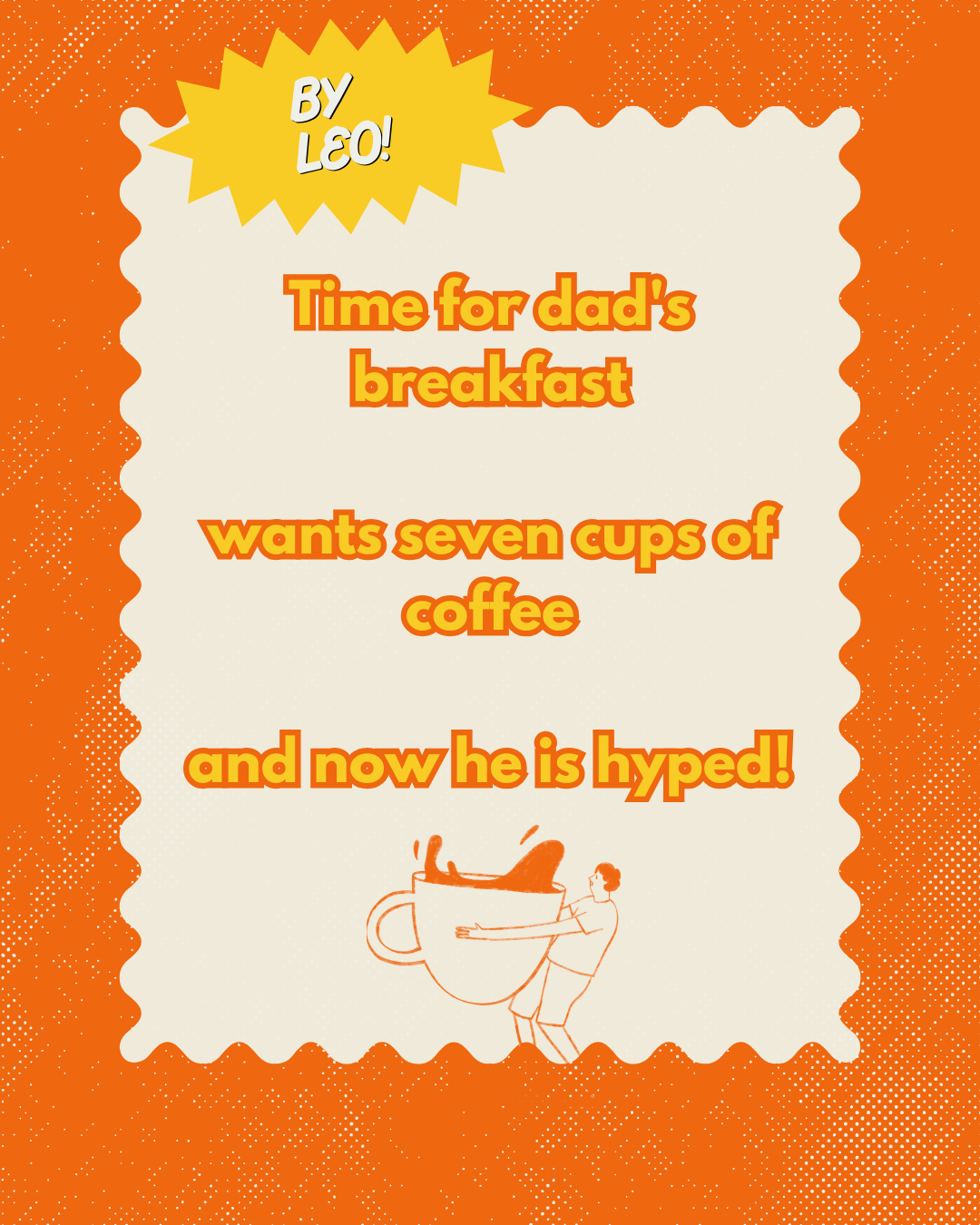
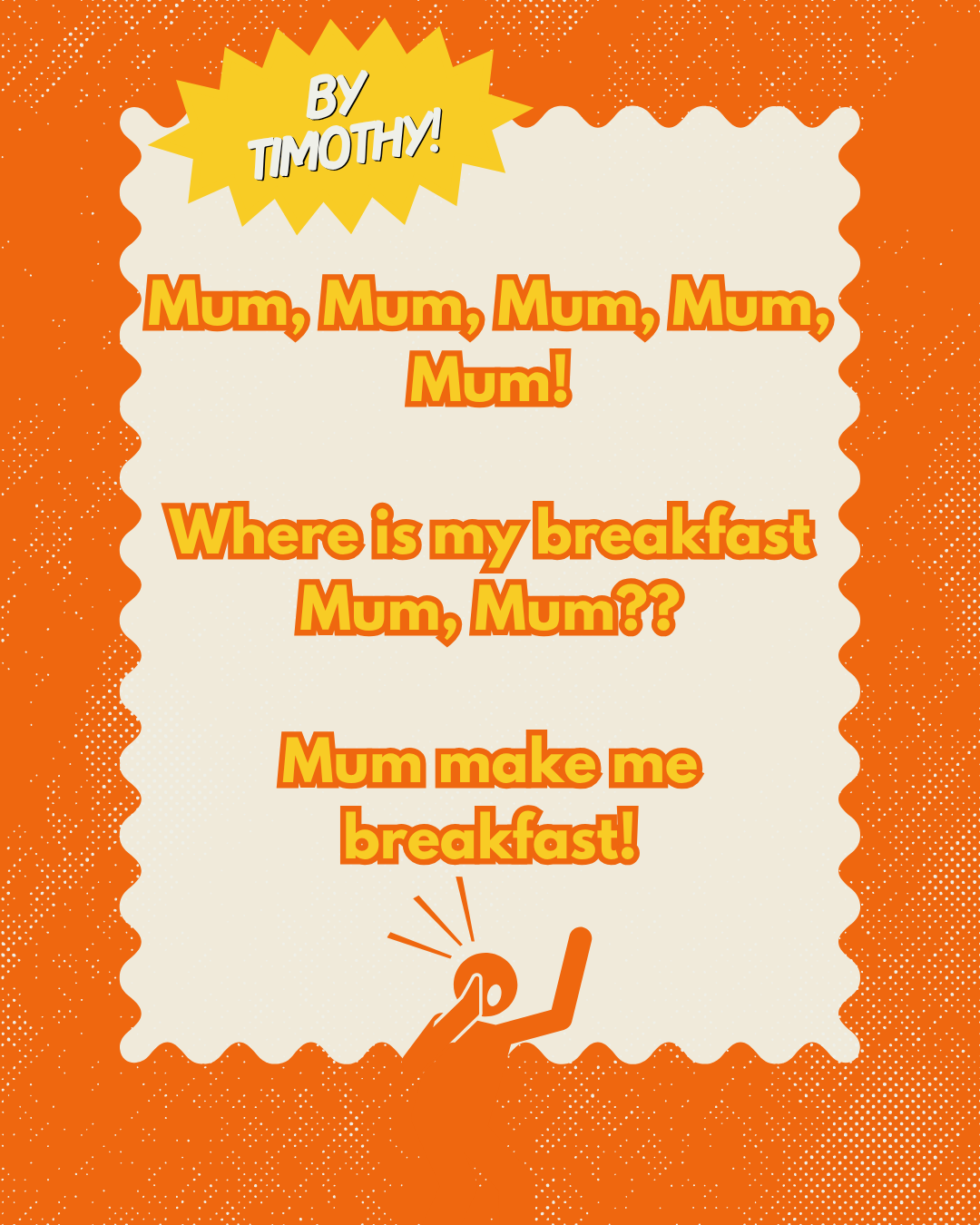
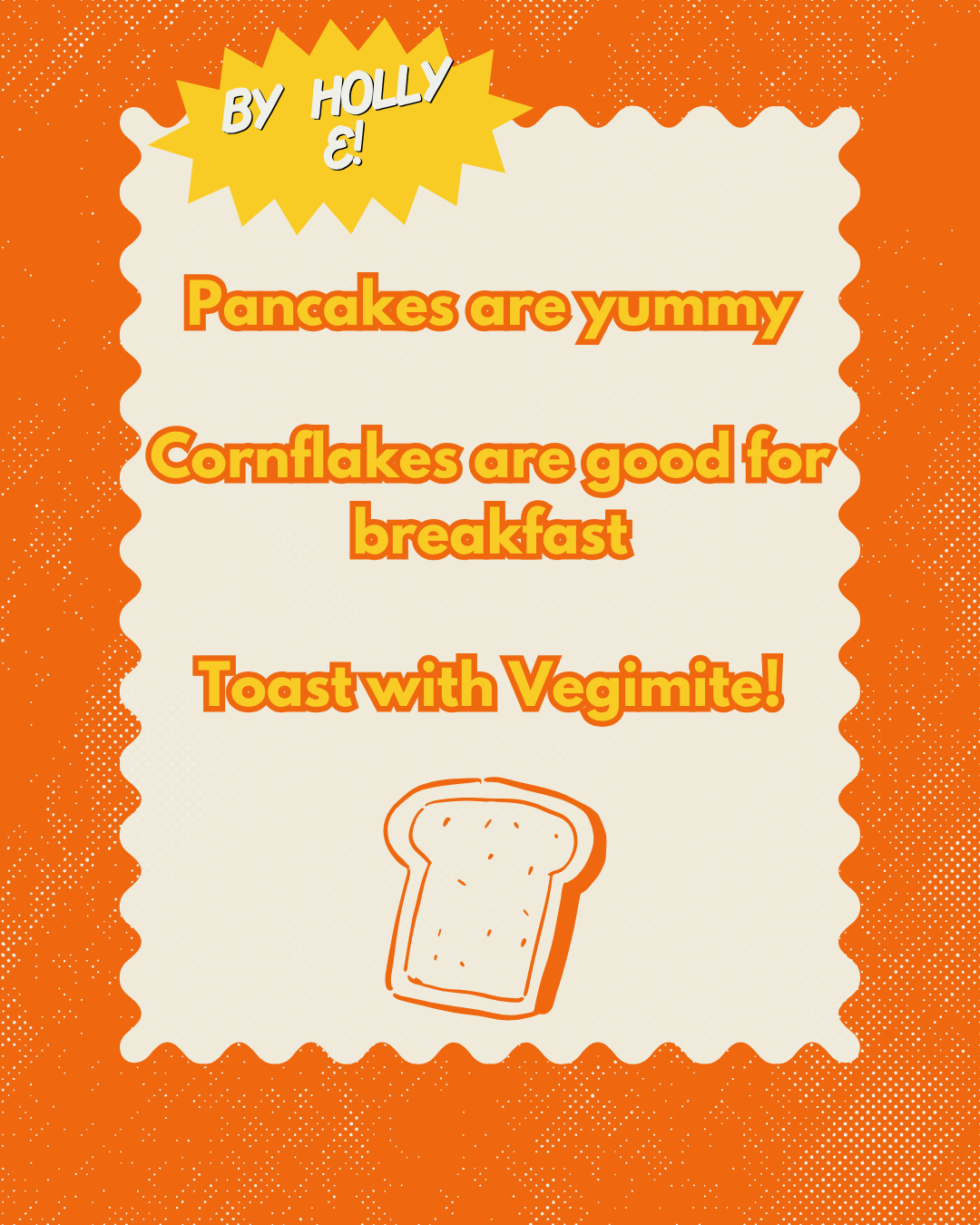
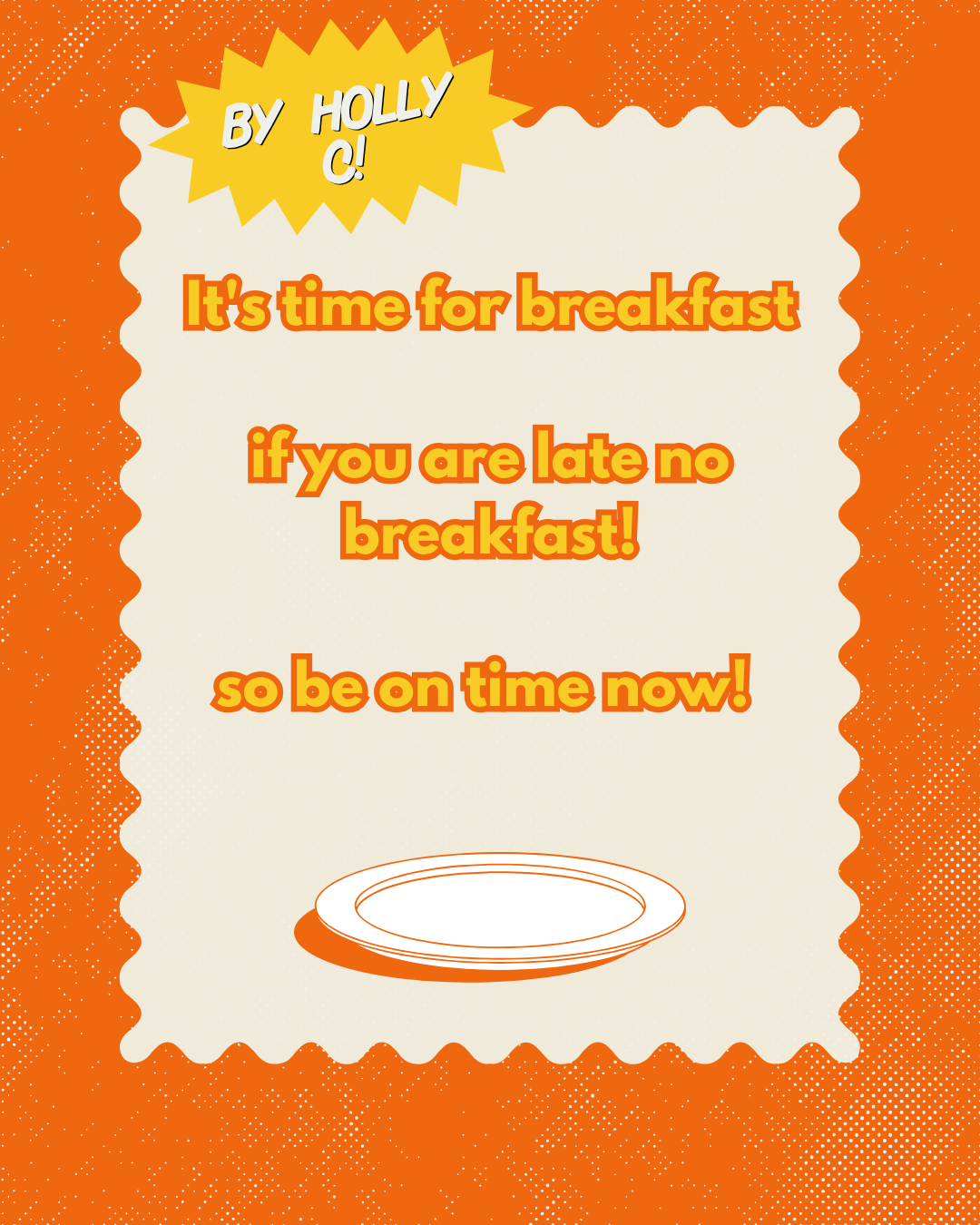
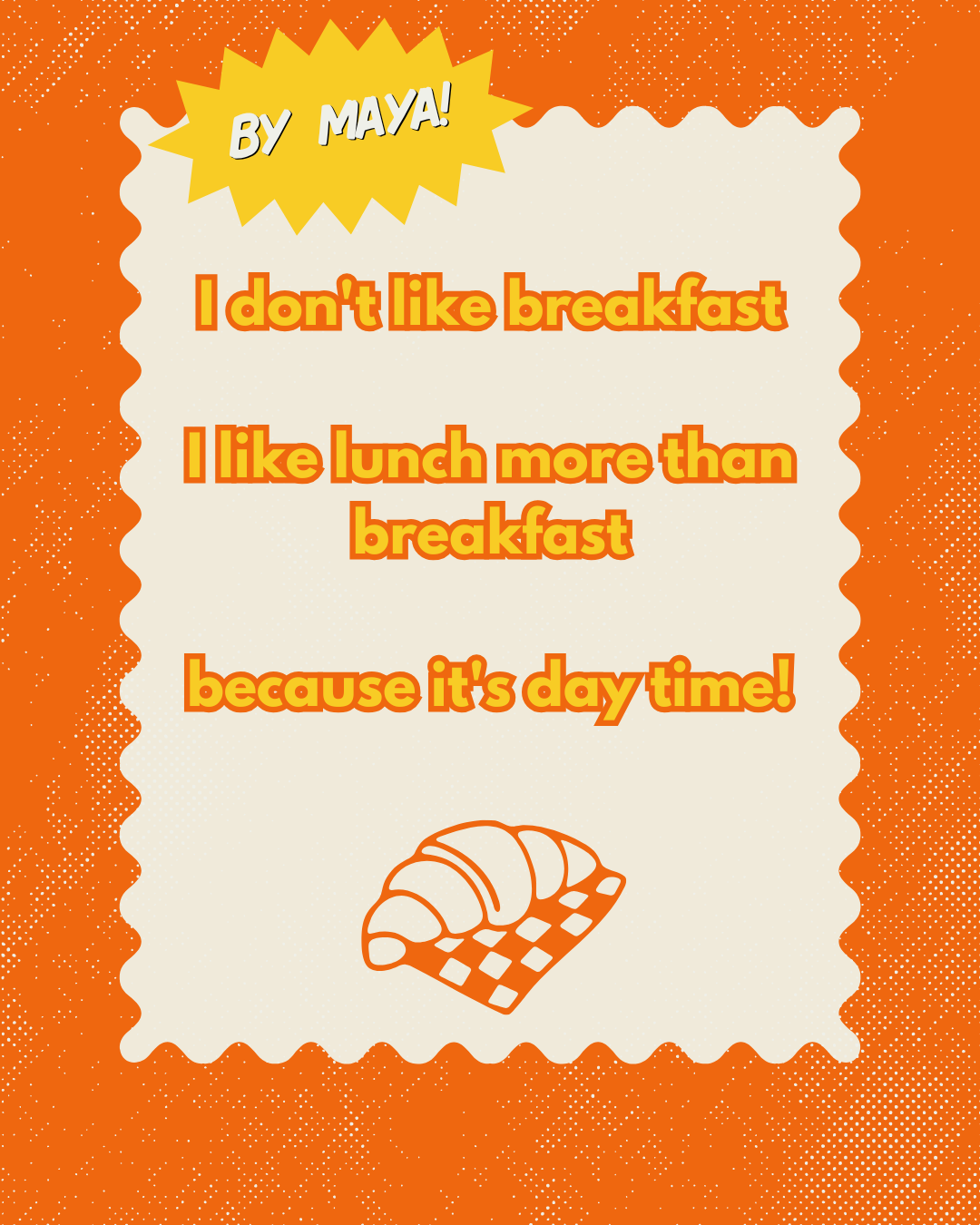
Haiku's
Originating in Japan, Haiku's are five line poems with a focus on syllables, or the parts of a spoken words. They follow a 5-7-5 patterns of syllables. Origional Haiku's were mostly about life and nature, but really you can write them about anything you like!
Limericks
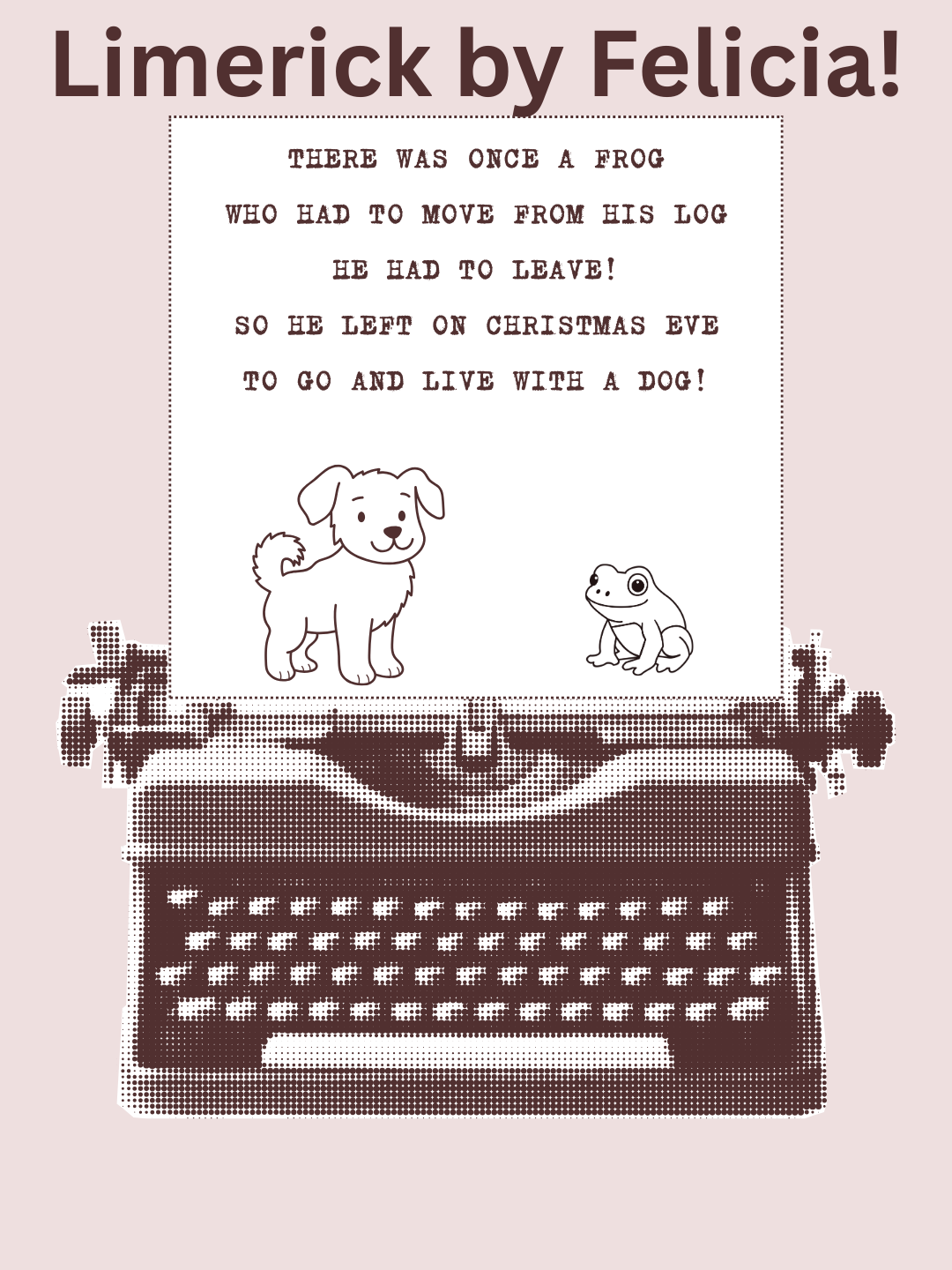
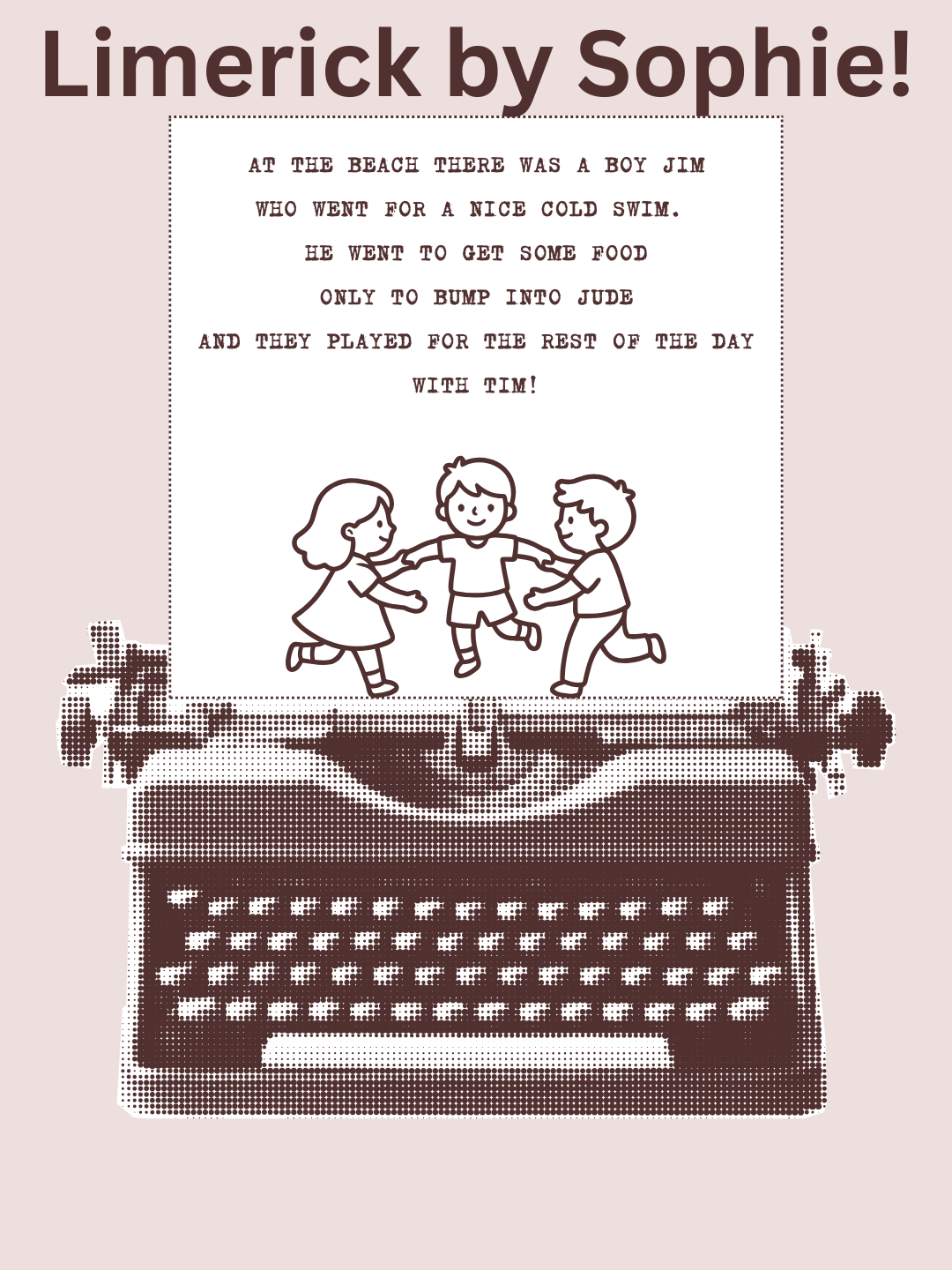
Originating in Ireland, Limericks focus on rhyming patterns! They are funny and silly poems that rhyme in a A-A-B-B-A pattern. Lots of laughter when we created these in class!
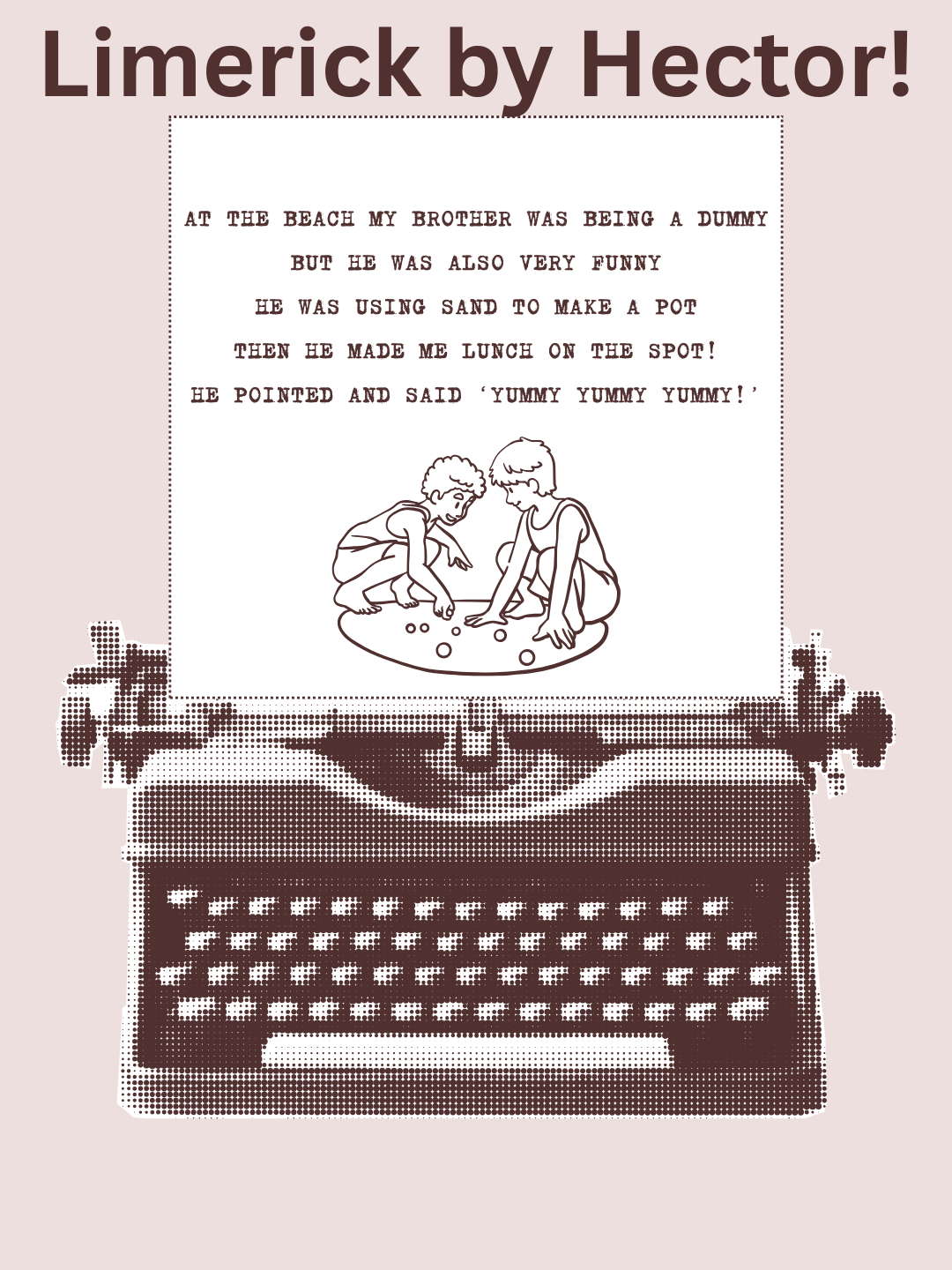
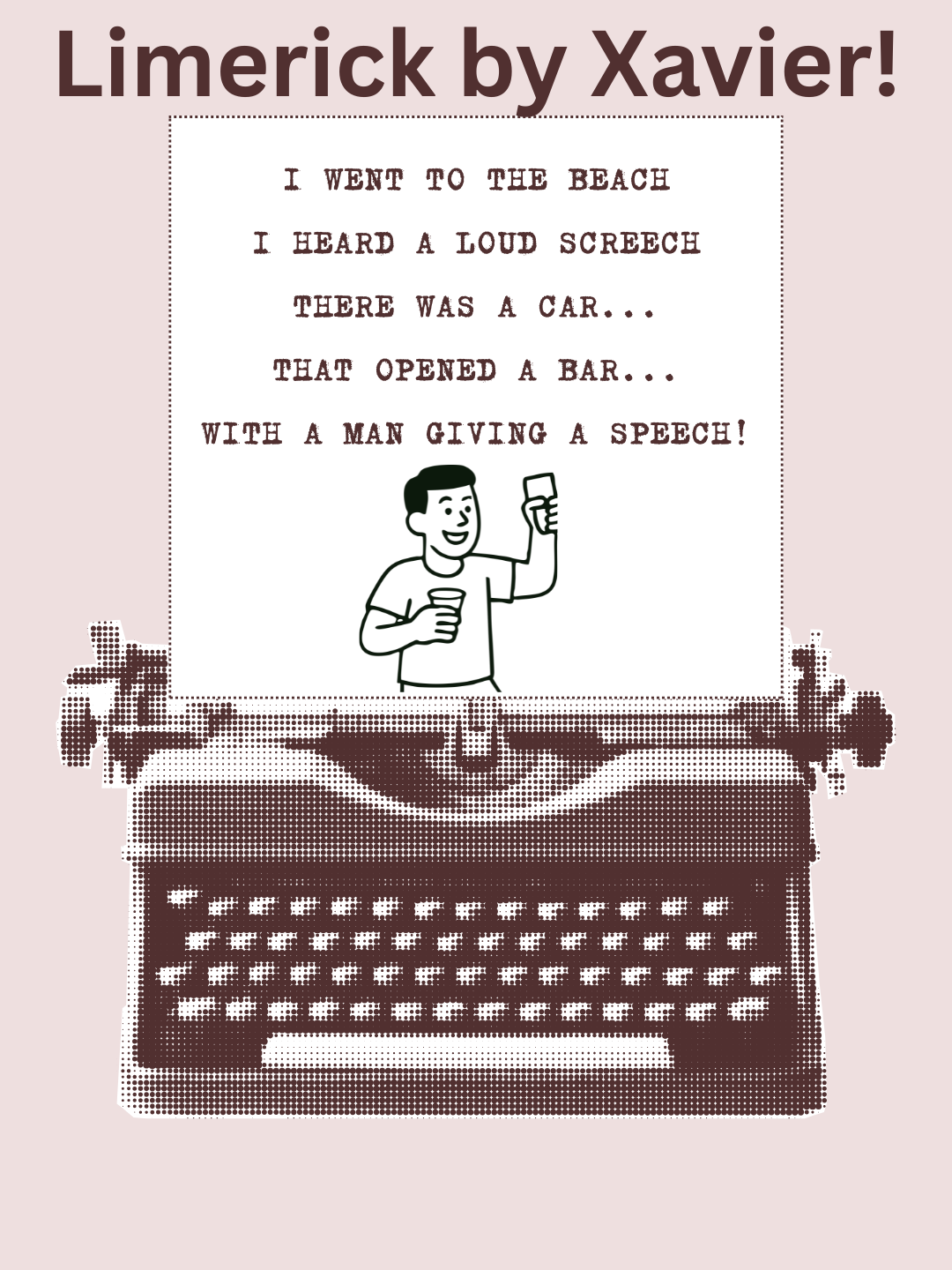
Shape Poetry
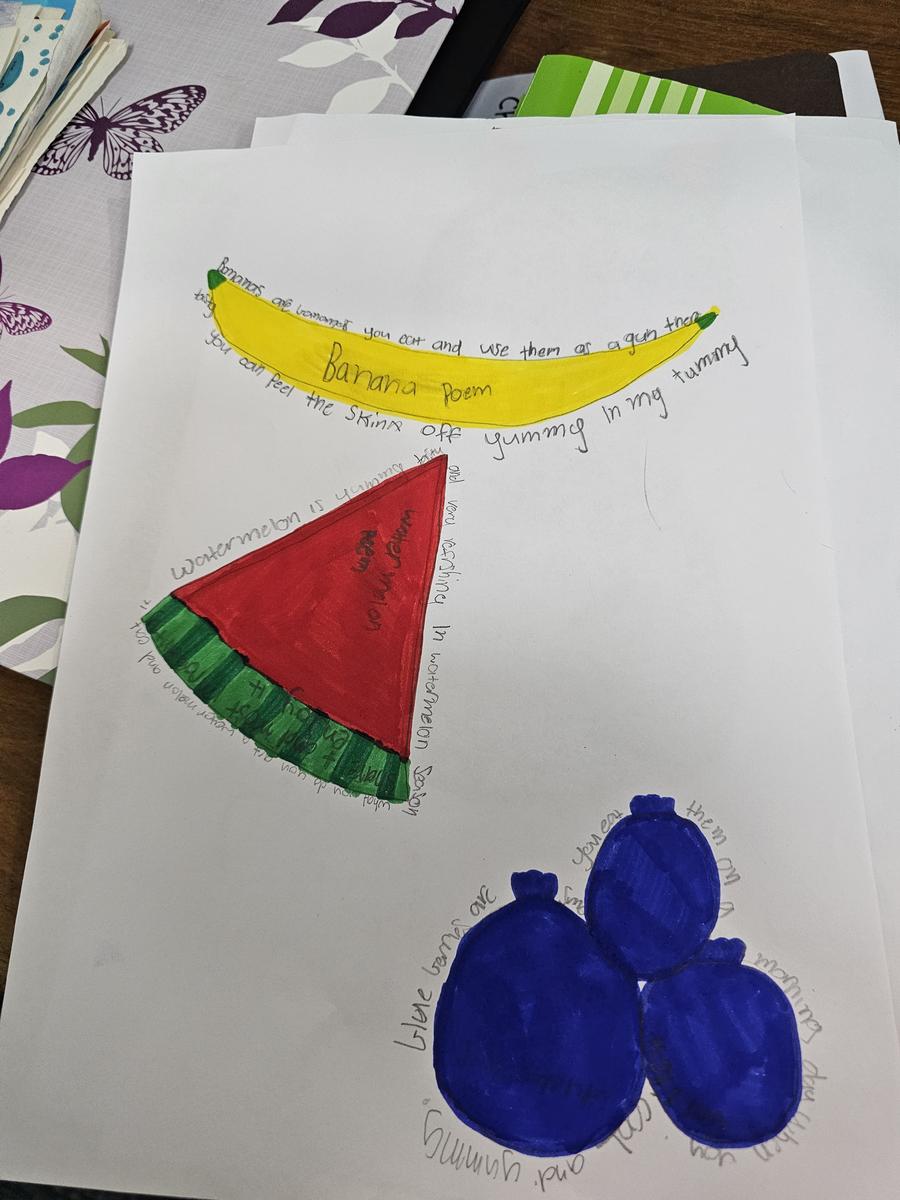
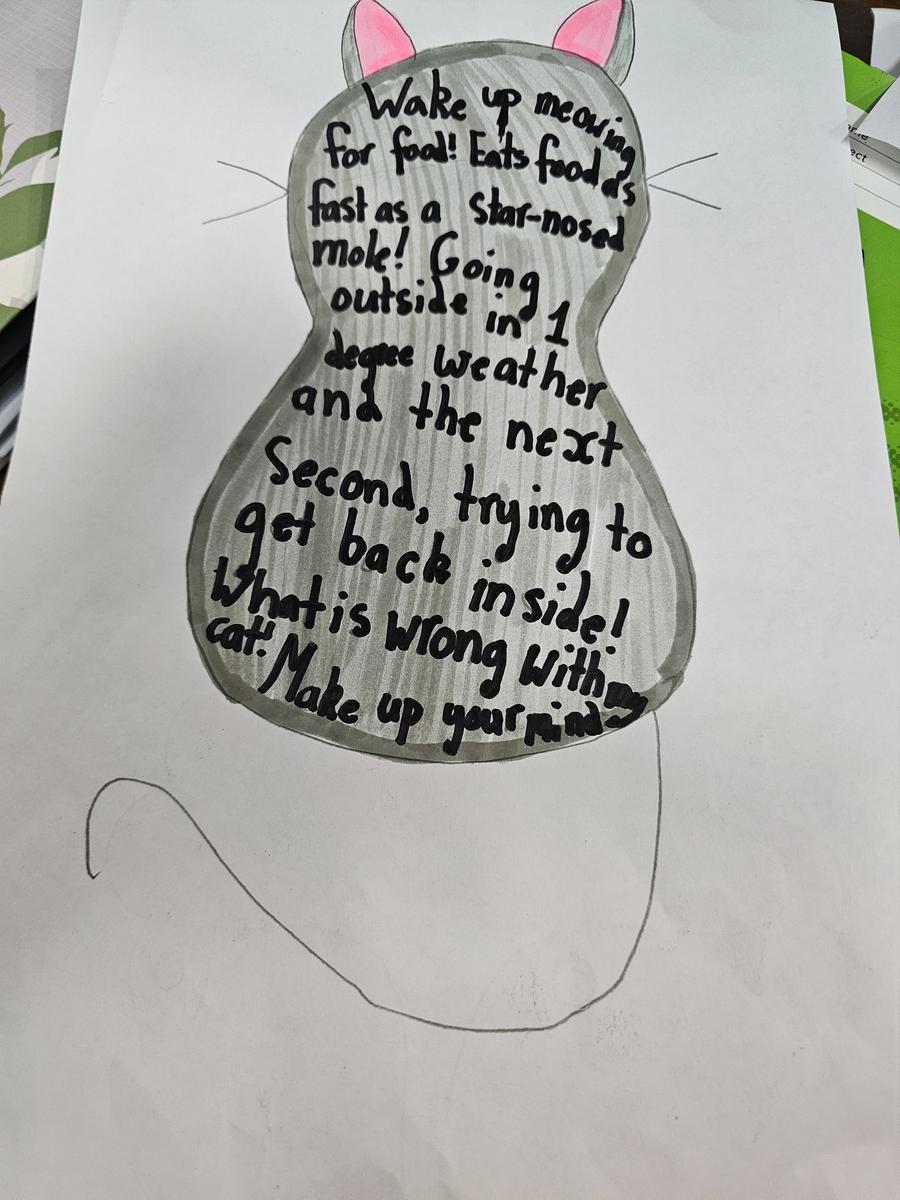
Sometimes called a Calligram, this style of poetry involves not only words but some artistic flair! When creating a shape poem students combine the words of their poem with drawings and shapes related to what the poem is about!
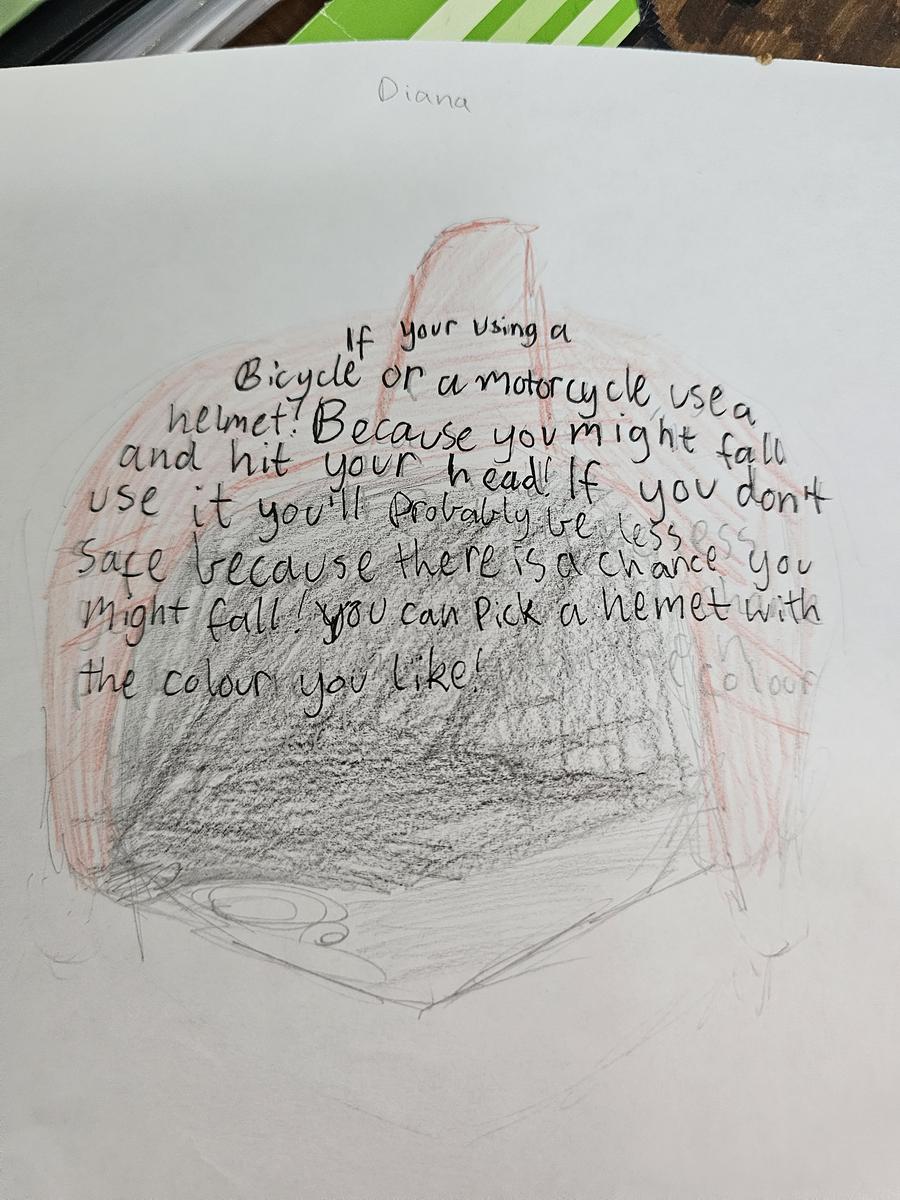
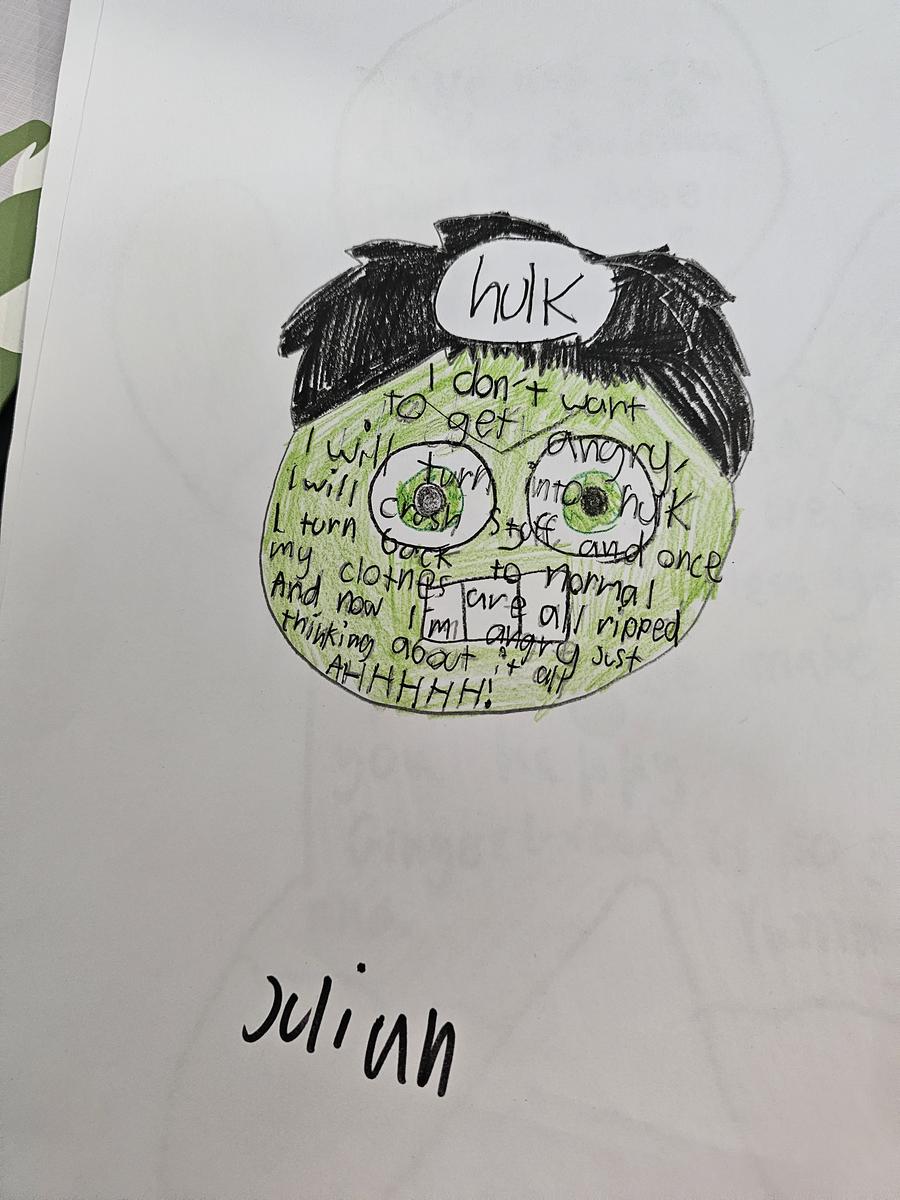
Black Out Poetry
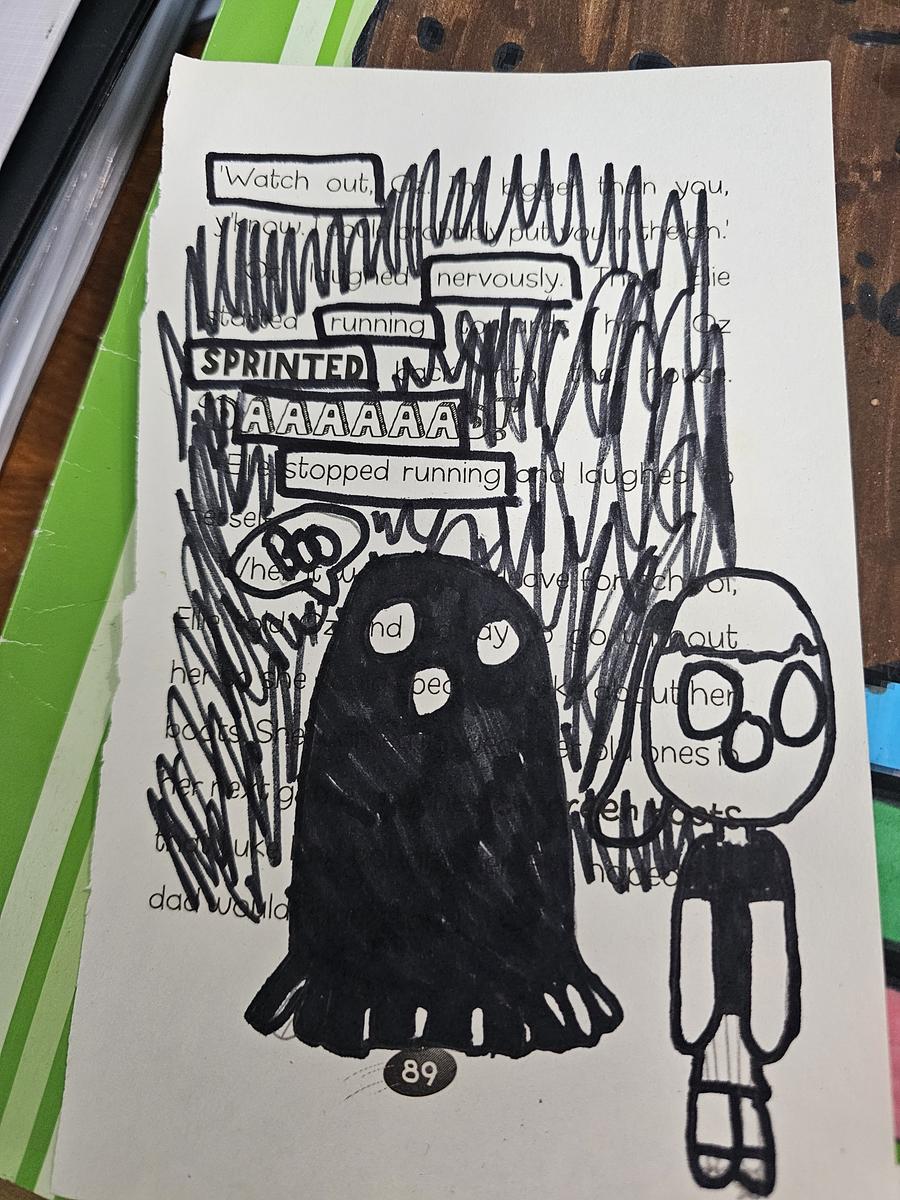
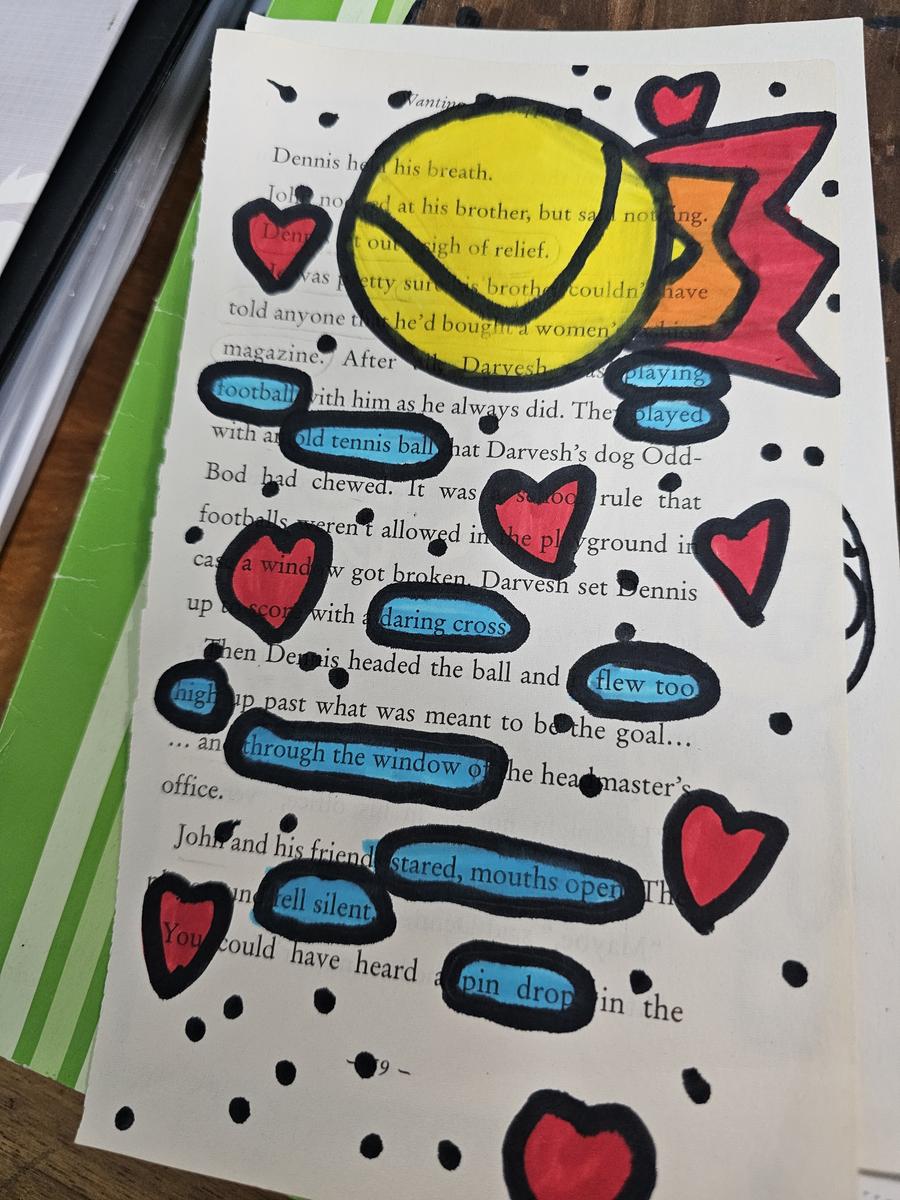
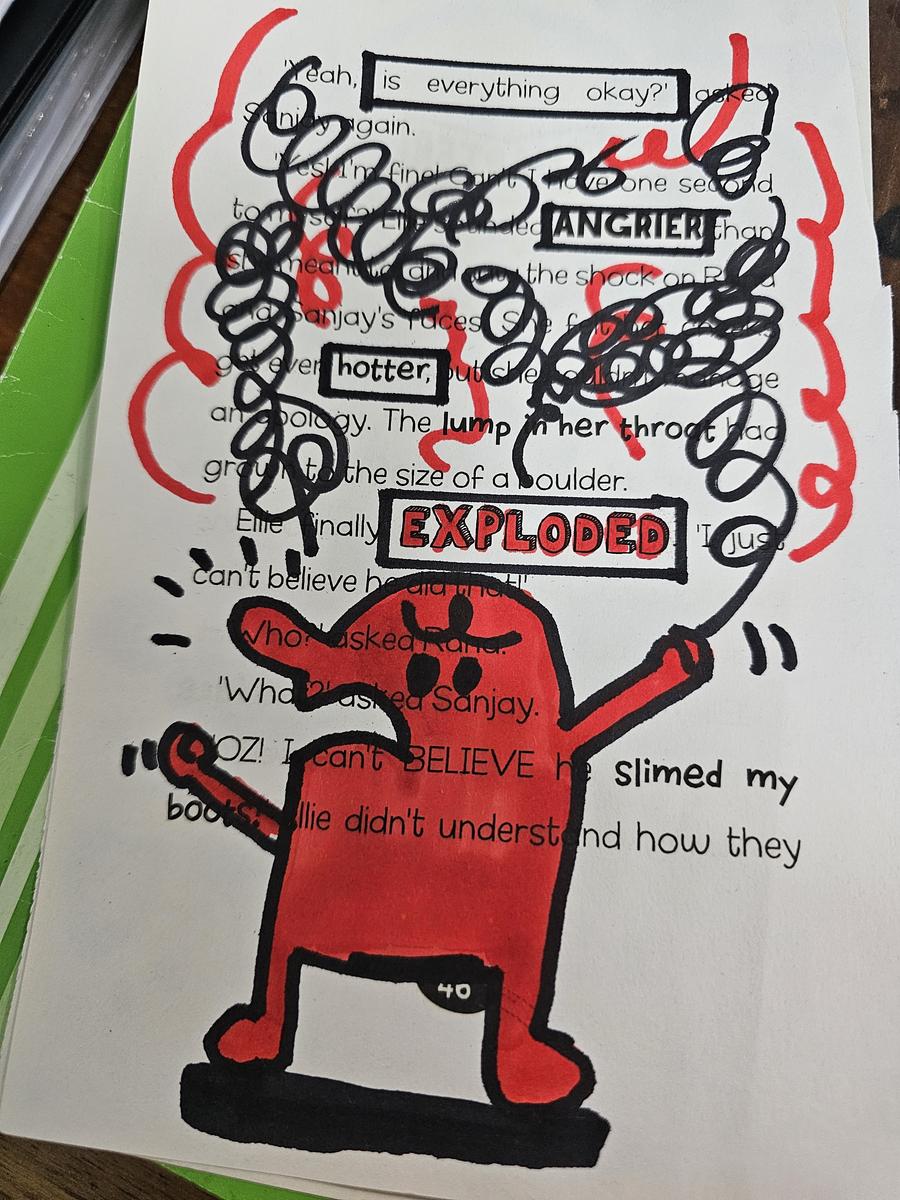
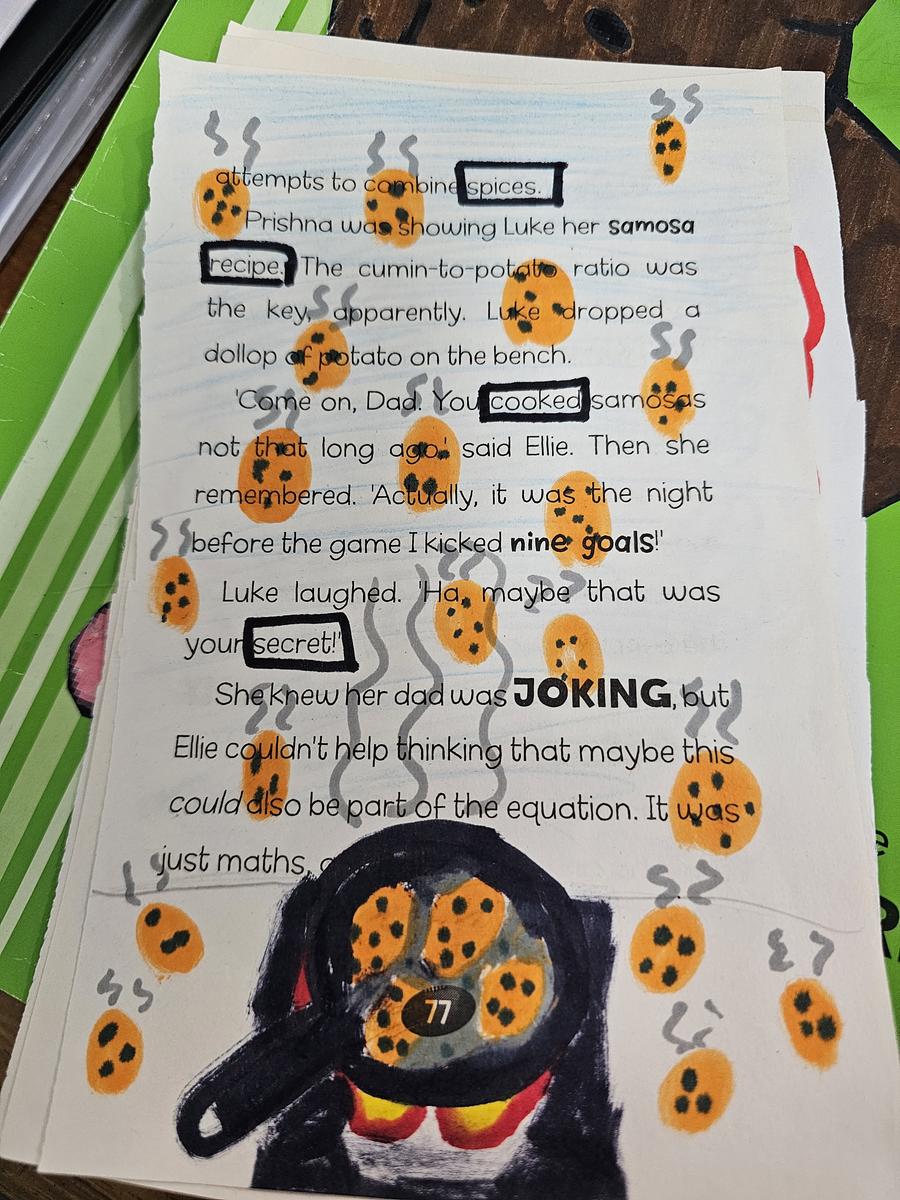
This style of poetry actually begins with someone else's writing! Students take a page from an existing text, and colour and decorate over the top, selecting words and phrases that stand out to them. Blackout poetry means even basic writing, like a recipe or instruction manual can be turned into a poem. The words and phrases selected either tell a little story or touch on an emotion or feeling.
Free Verse
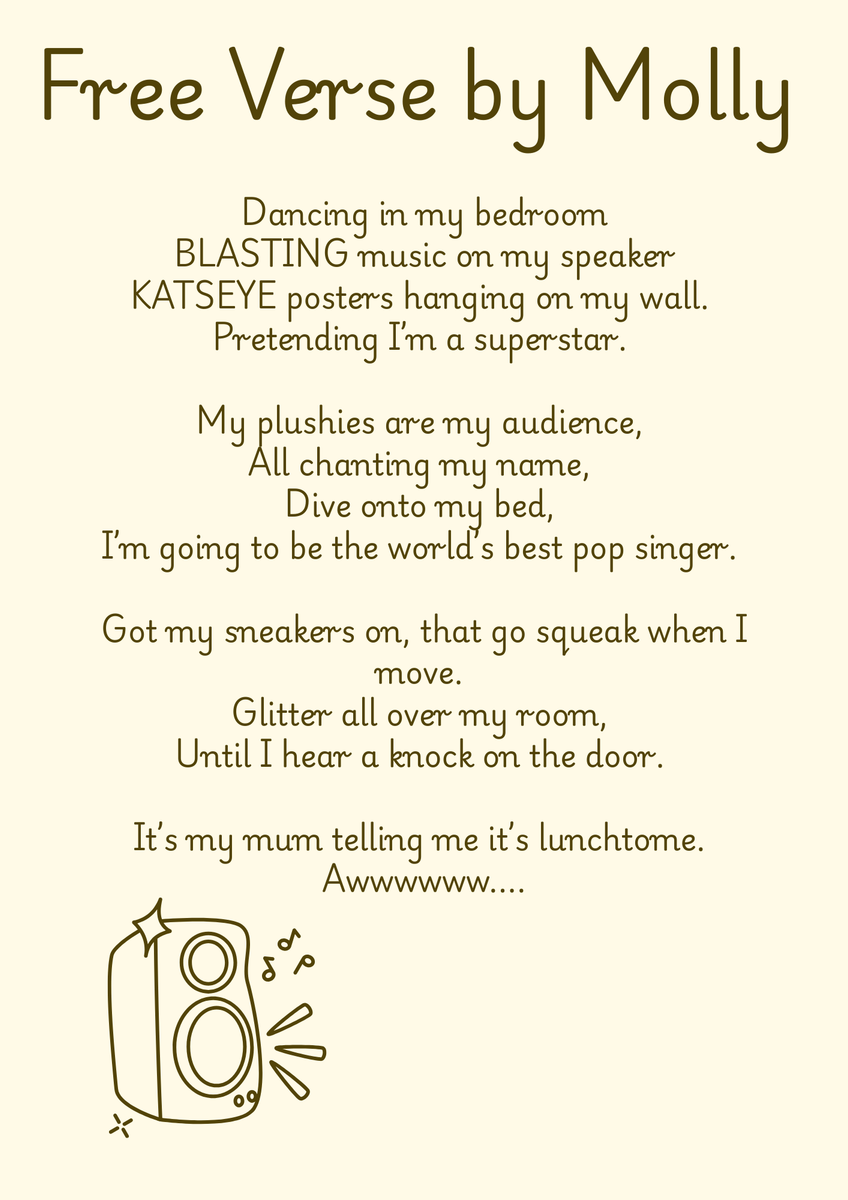
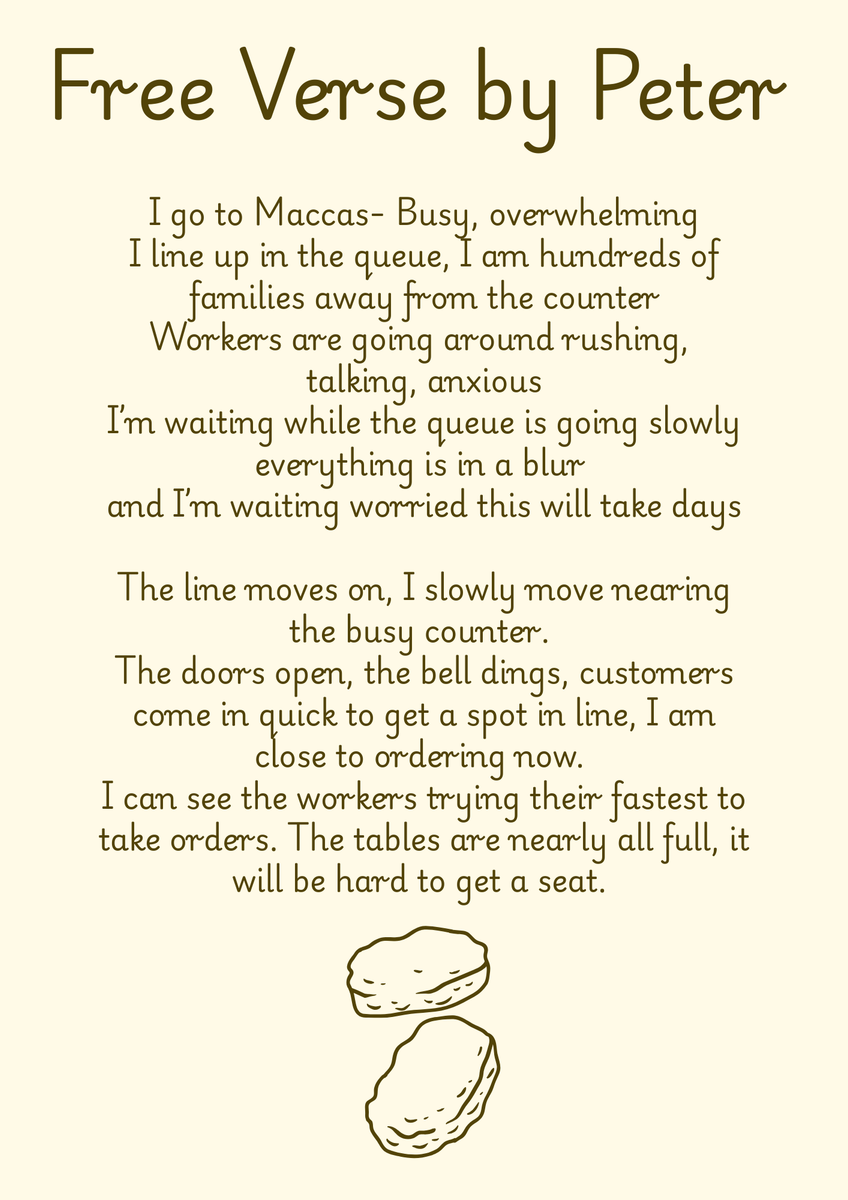
We finish with this style of poetry, which as the title suggests is free of rules! A free verse poem can be anything you would like it to be, your words jumping straight from your brain onto the page! The only expectation of a Free Verse poem is that it paints a vivid picture in the head of readers, using lots of fantastic descriptive language.
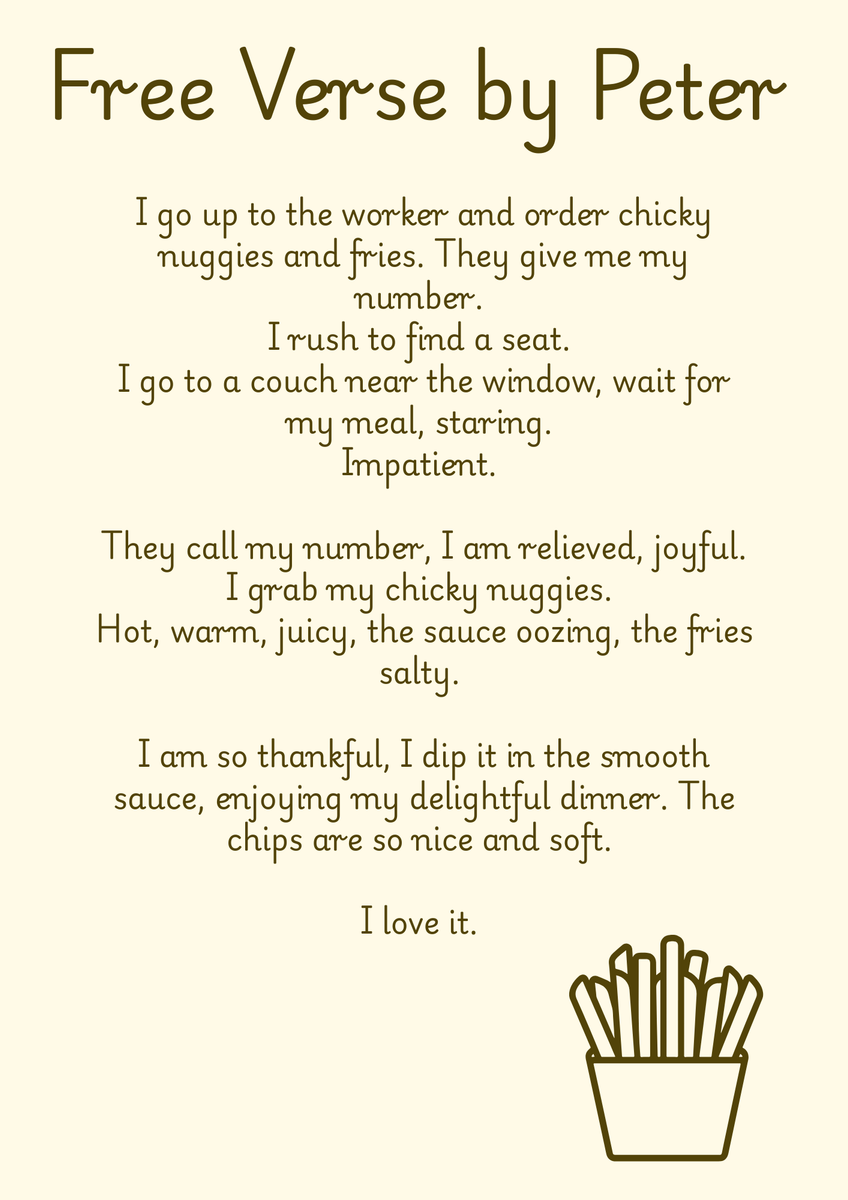
Haven't the kiddos done a wonderful job with all of this writing!!
Life in the Time of the Bible
As you will see in our Education in Faith page, many of our Year Four students will be completing their Sacrament of First Eucharist this coming weekend. In class we have been completing lots of fantastic learning on this Sacrament and all of our Year 3/4 students understand it really well!
We understand that the Sacrament can be traced back to the events of the Last Supper, as described in the Gospel, and our larger unit this term has seen us really unpack life in the time of the Bible. We understand that events described in the Gospels took place over 2000 years ago in a completely different part of the world!
Students have been unpacking the differences between life then and now, and as you can imagine there are many!
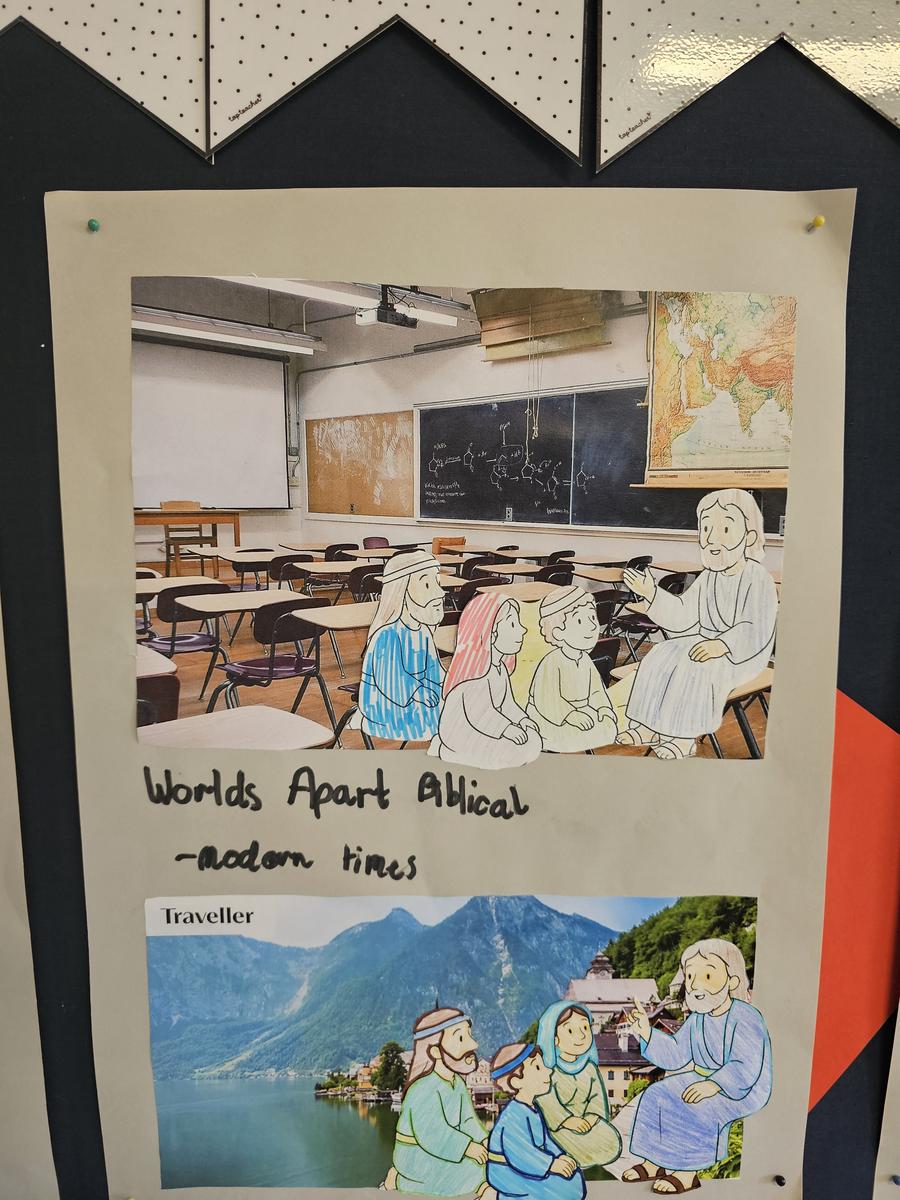
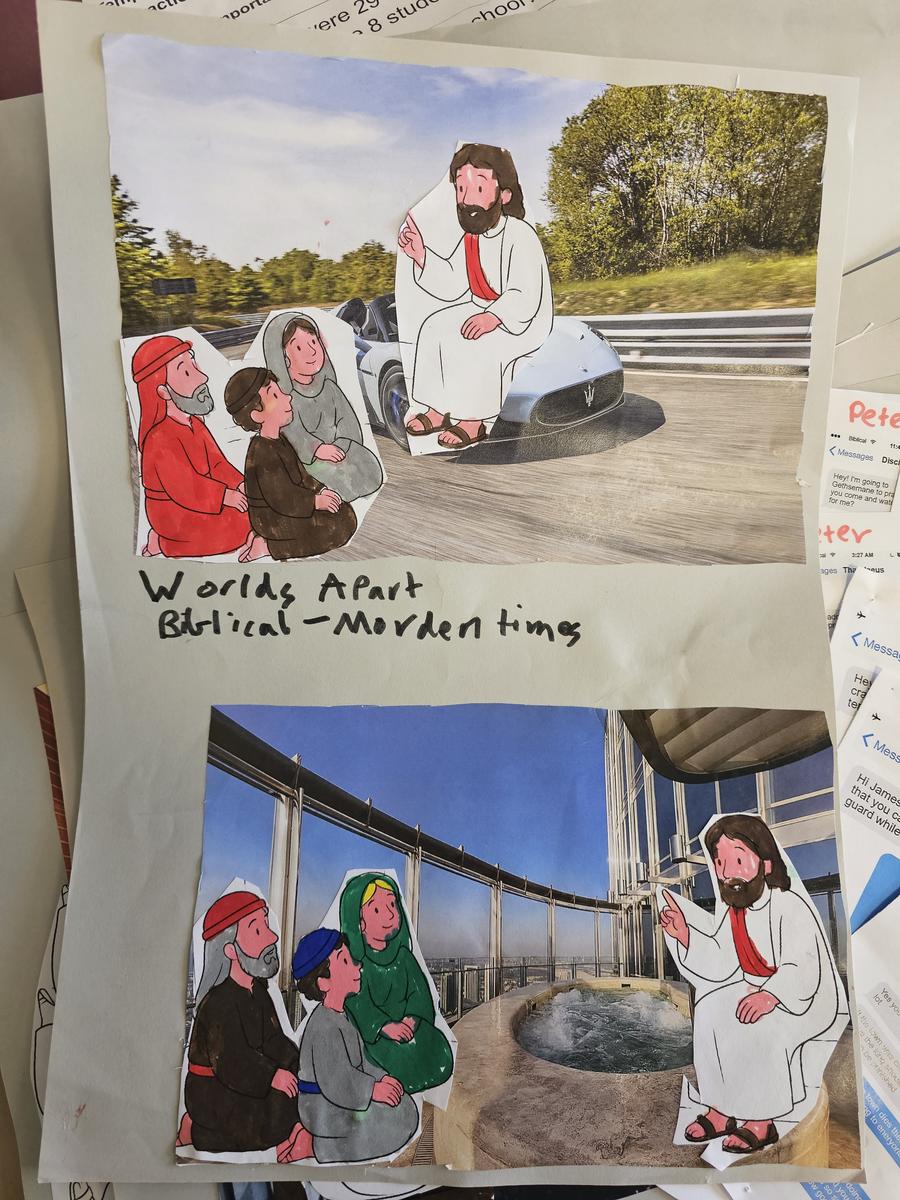
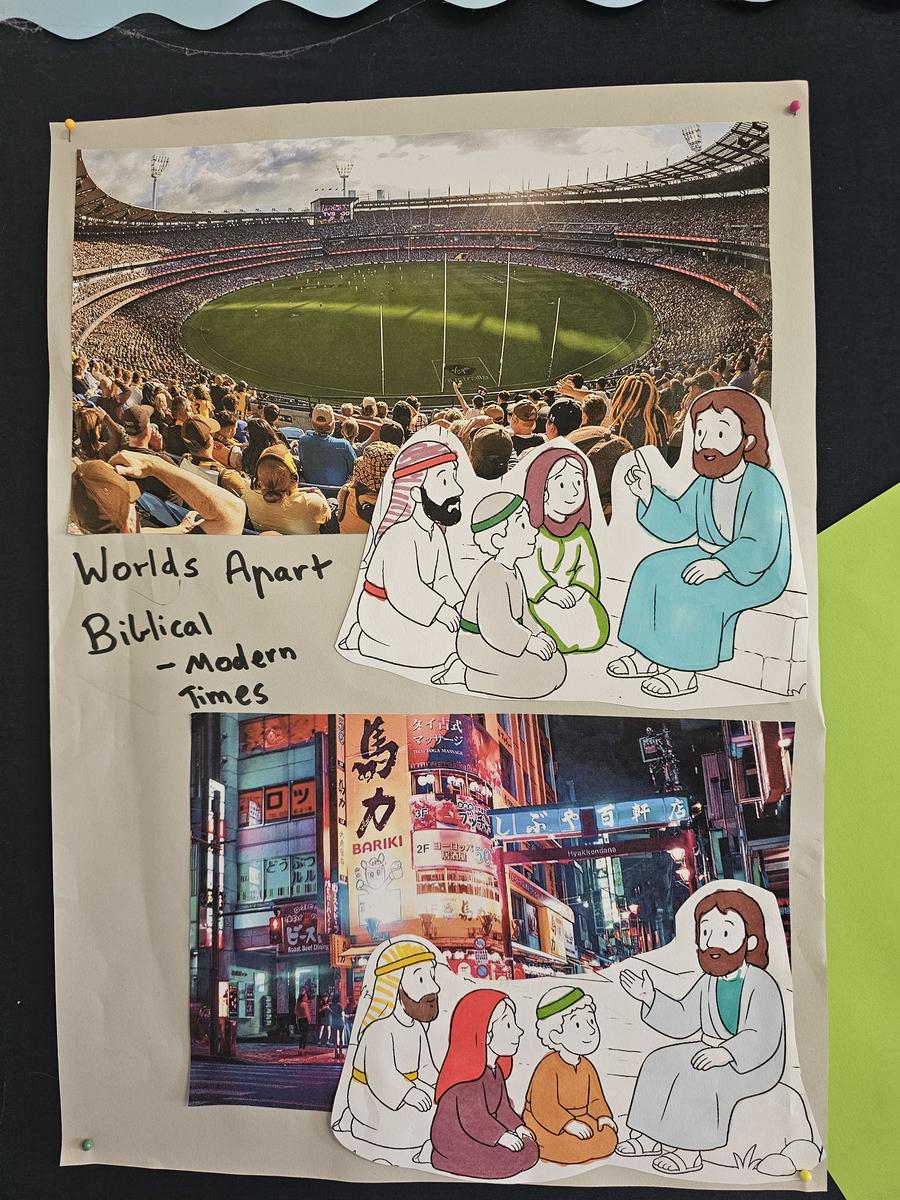
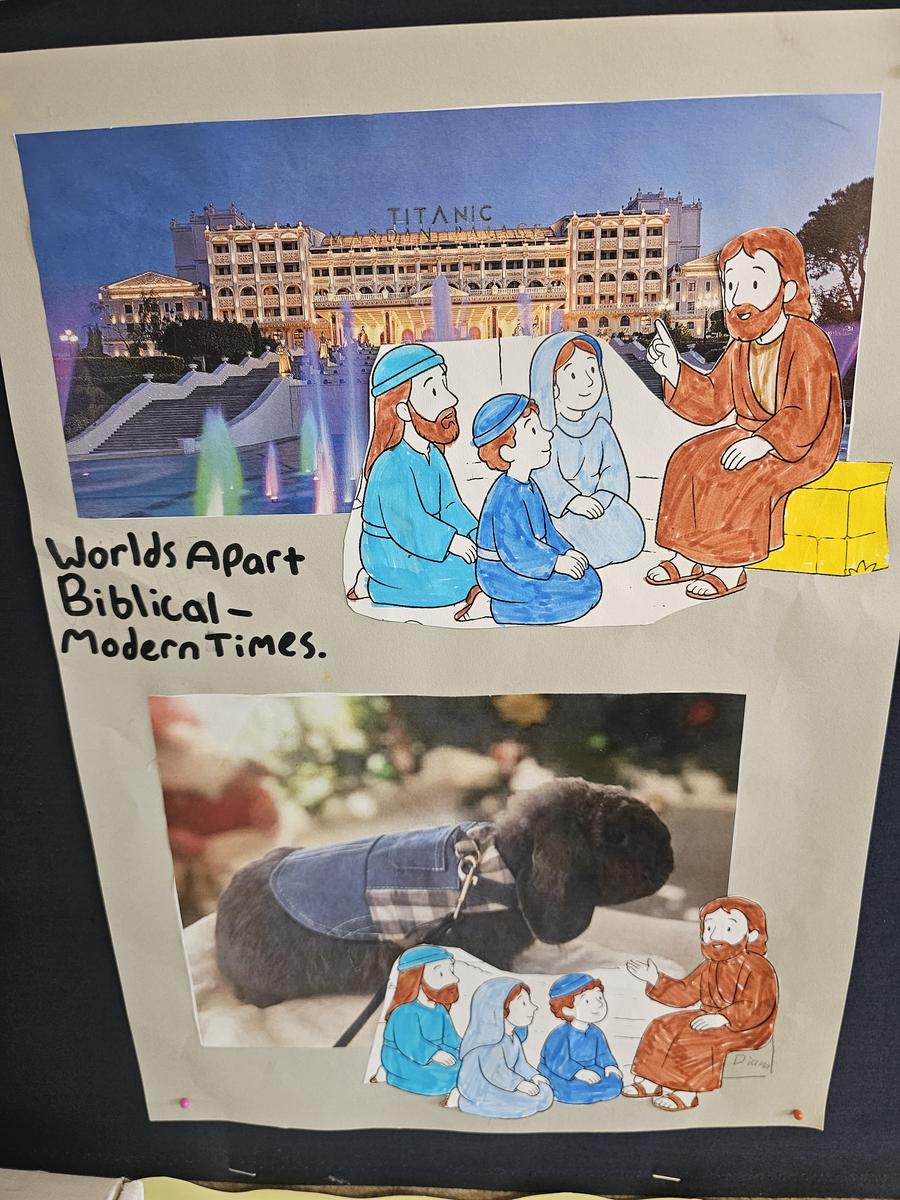
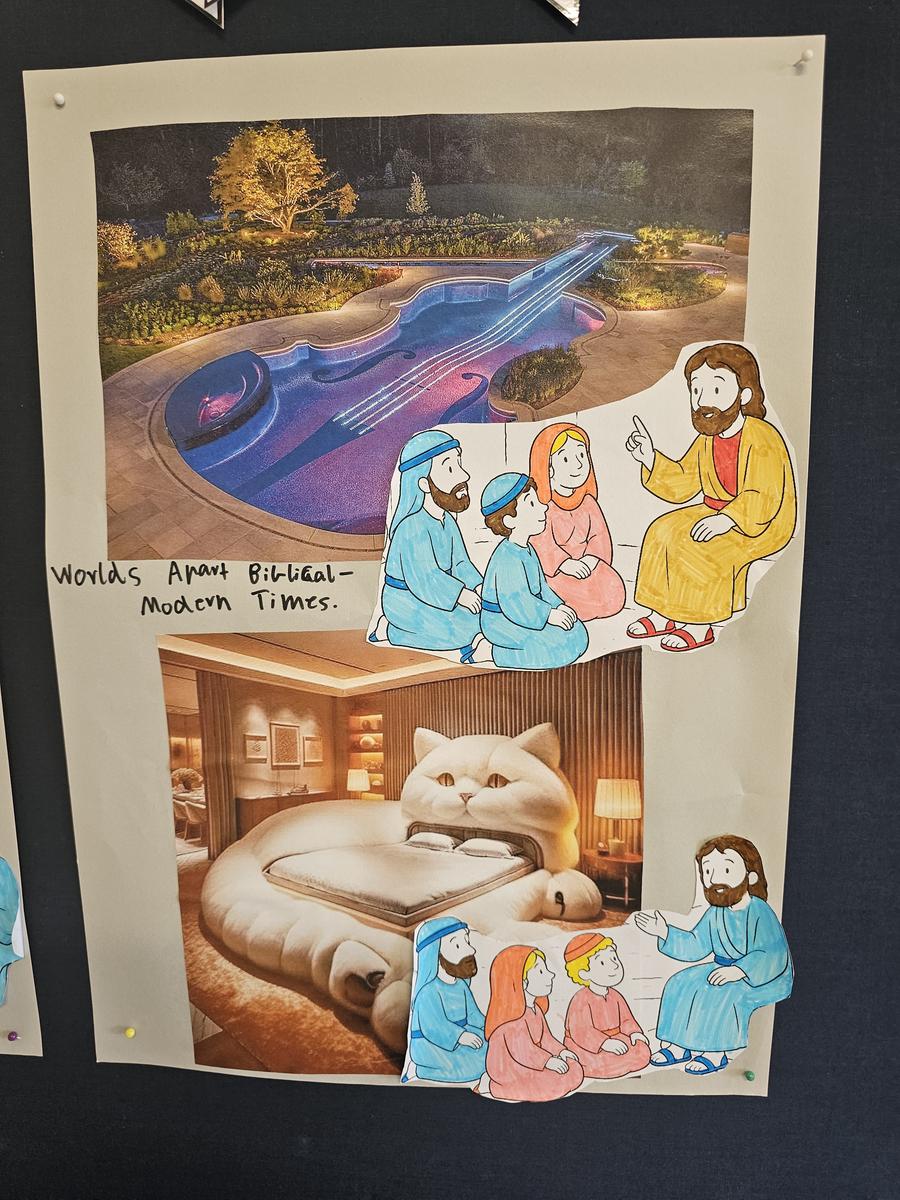
Understanding the historical context of the Bible helps our students better understand the life and actions of Jesus, as well as his Disciples. In a society that was very rule and expectation driven, sometimes Jesus would bump up against these rules in his pursuit of love and fairness for all.
Take for example the Holy Day of the Sabbath which is mentioned in up to seven different stories in the Gospel. In some of these stories Jesus would heal or speak to ill people on the Sabbath, which was purely meant to be a day of rest and prayer. Jesus didn't strive to break rules, but he also didn't mind sticking up for what he felt was more important than following a rule exactly to the letter!
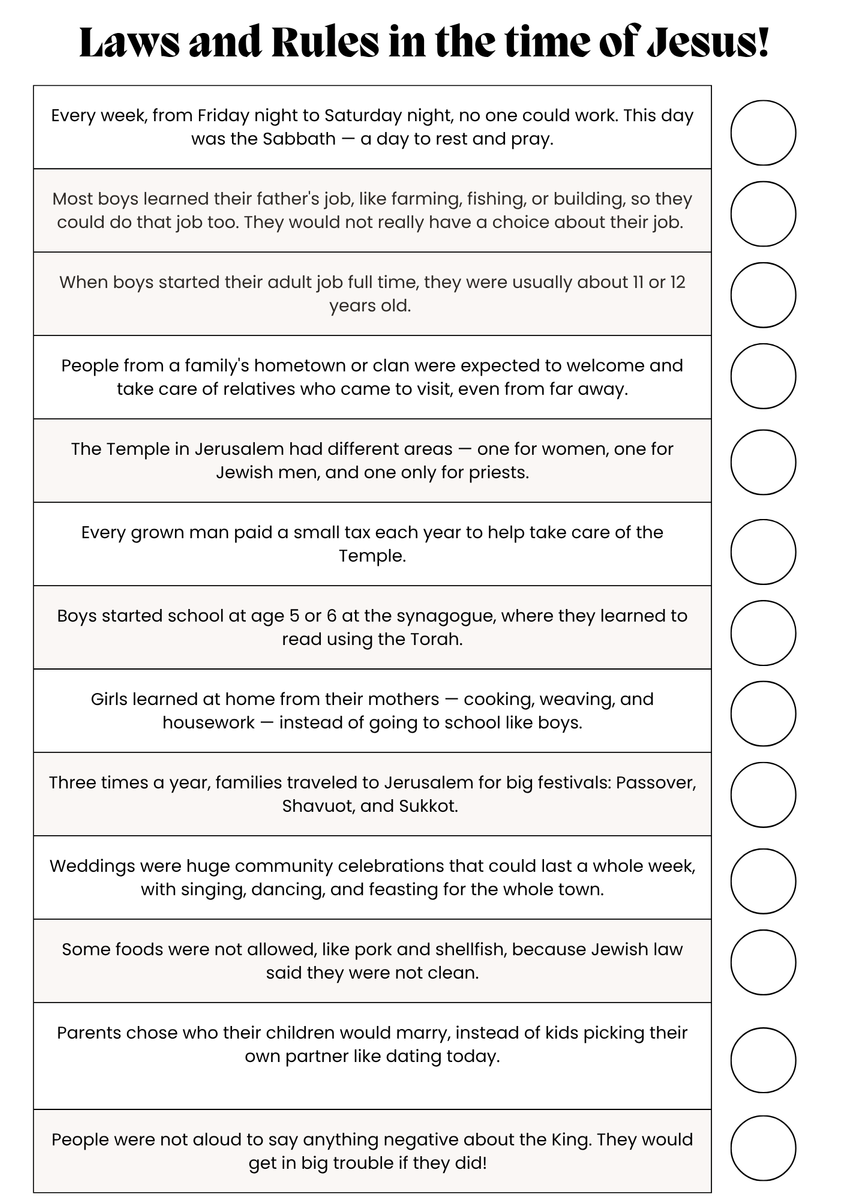
Year 3/4 students reviewed a list of laws and rules that were said to exist in the time Jesus lived. Have a look at them below, our students used a traffic light system to share their opinion on each one. Which rules get a green light from you as completely reasonable? Which ones get a red light for being quite different to what we see in modern day??
This is just a taste of what we have been up to! Students have been practicing multiplication and division in Mathematics, learning about Music, Drama and Dance in Integrated and continuing to reflect on our Behaviour Matrix. We hope you have enjoyed checking in on the Year 3/4s, we are looking forward to even more great work as the term winds on!
The Year 3/4 Team
Mr O'Mahoney
Mrs Georgiadis
Mrs Kirkham
Miss Luisa
Miss C
Mrs Simic
Classroom Teachers