School of Foundations
Week 9, Term 3, 2026
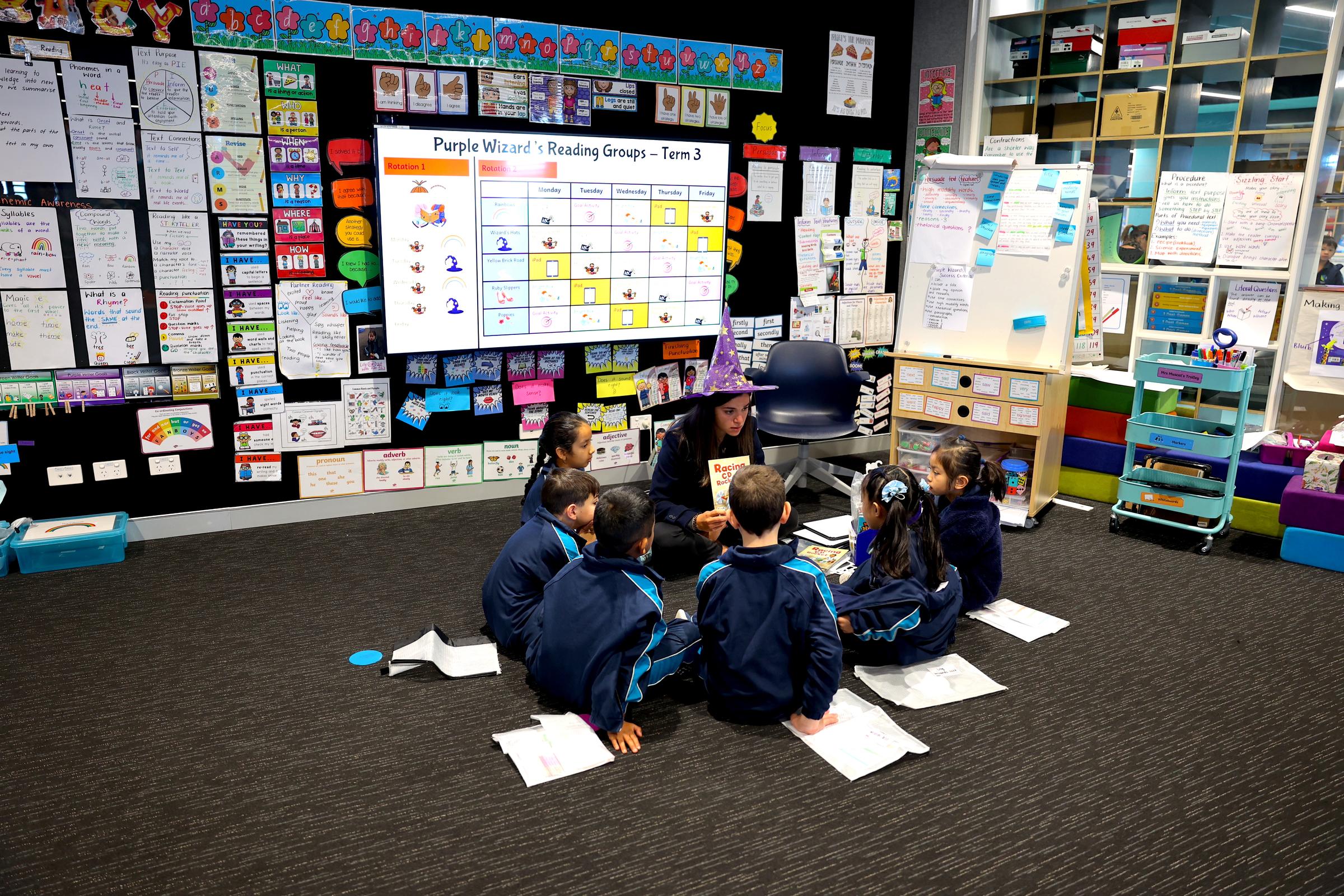
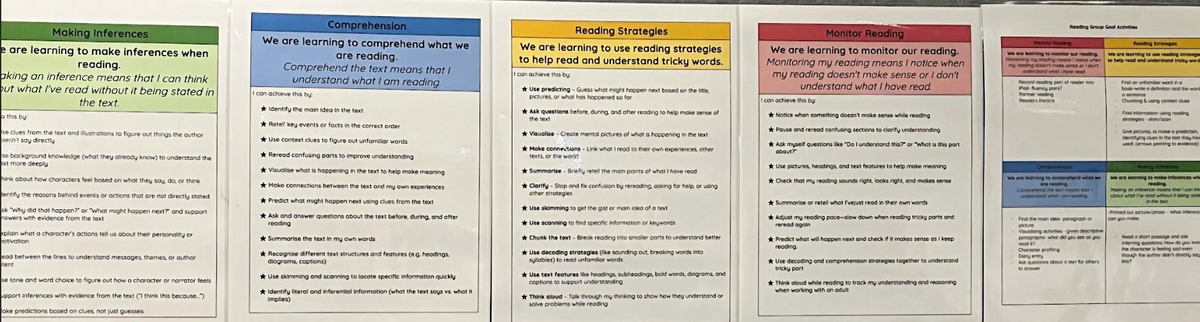
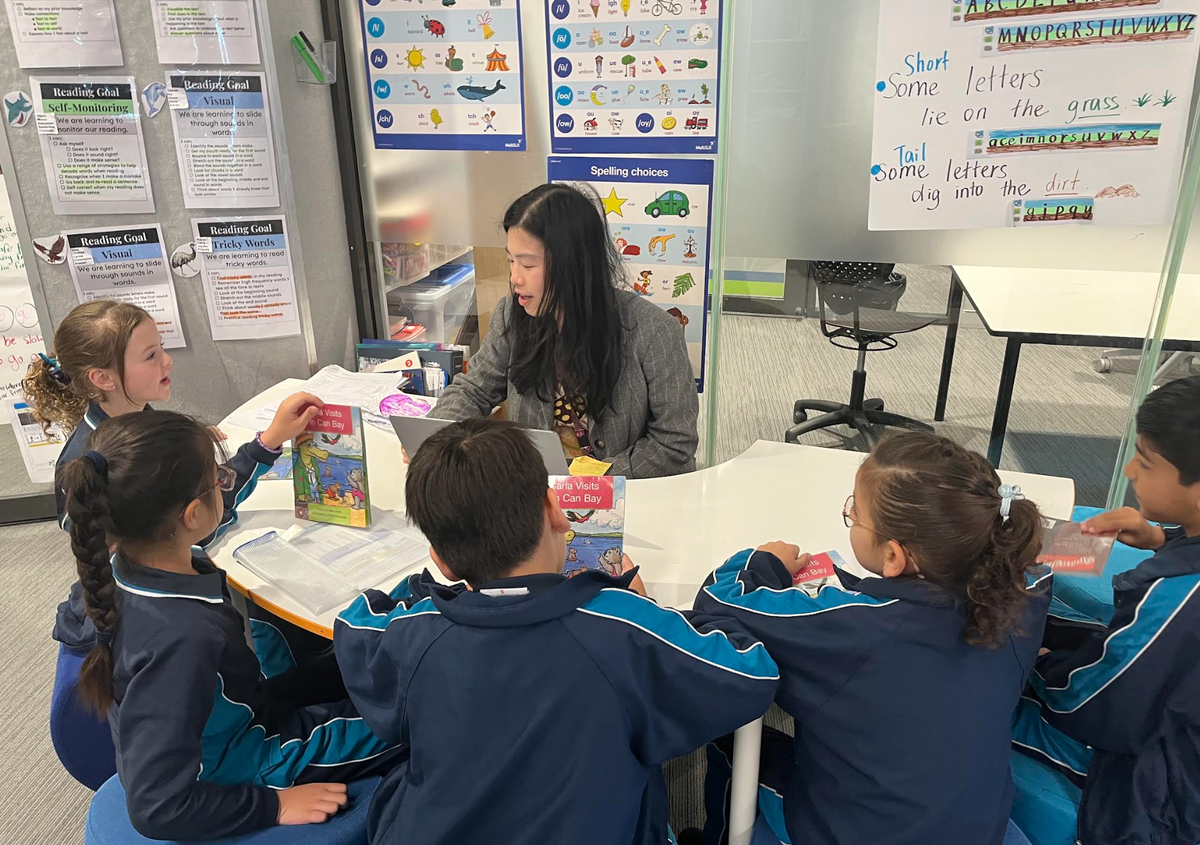
As we approach the end of Term 3, it is wonderful to reflect on the continued focus our K–4 learners and teachers have placed on reading throughout the year. In particular, our work has centred on strengthening the important skills of decoding and comprehension ~ supporting students not only to read words accurately and confidently, but also to think deeply about, understand and respond to what they read.
With the school holidays approaching, we encourage families to keep reading as an enjoyable part of everyday life. Reading together, listening to your child read, talking about characters and events, predicting what might happen next, or simply sharing a favourite story are all wonderful ways to continue building confidence and a love of reading.
There are plenty of opportunities to keep books within reach over the break. Our K-2 students can access the e-Library, while Stage 2 students can continue reading through Literacy Pro. Students might even like to explore their home libraries or make a visit to their local library.
Most importantly, encourage your child to read for enjoyment. Whether it is a novel, picture book, comic, magazine or an interesting information text, every opportunity to read helps strengthen fluency, vocabulary, comprehension and confidence.
Wishing all of our School of Foundations families a safe, restful and enjoyable Term 3 break, with hopefully a little time to curl up with a good book! 📚
Nicole Emerton
SOF Head of School (Acting)
A message from CSPD ~ Enrichment Review Parent & Family Consultation ~We are inviting parents and carers of students currently enrolled in Catholic Schools Parramatta Diocese (CSPD) to participate in a lunchtime consultation session as part of the CSPD Enrichment Review. The review is exploring how CSPD can continue to provide meaningful, accessible and sustainable enrichment opportunities for students across our schools, including CAPTIVATE, Sport and other enrichment programs. Your experience and perspective as a parent/carer are important to this work. The consultation will be facilitated by Deloitte Access Economics (DAE) and will provide an opportunity to share your views on:
Session detailsFormat: Online Teams consultationDate and timing: Tuesday 22 September at 12.00pmDuration: Approximately 45–60 minutesFacilitated by: Deloitte Access Economics (DAE) Your participation is completely voluntary, and we encourage parents and carers from a range of CSPD schools and different student experiences to take part. If you are interested in participating, please let Michelle Saad, msaad13@parra.catholic.edu.au know, and we will send you an invitation to the session. Thank you for considering contributing your perspective to this important review. Your feedback will help inform the future direction of enrichment opportunities for students across CSPD. Kind regards Liz Jackson Head of Enrichment |
Kindergarten
Term 3 Week 9
English
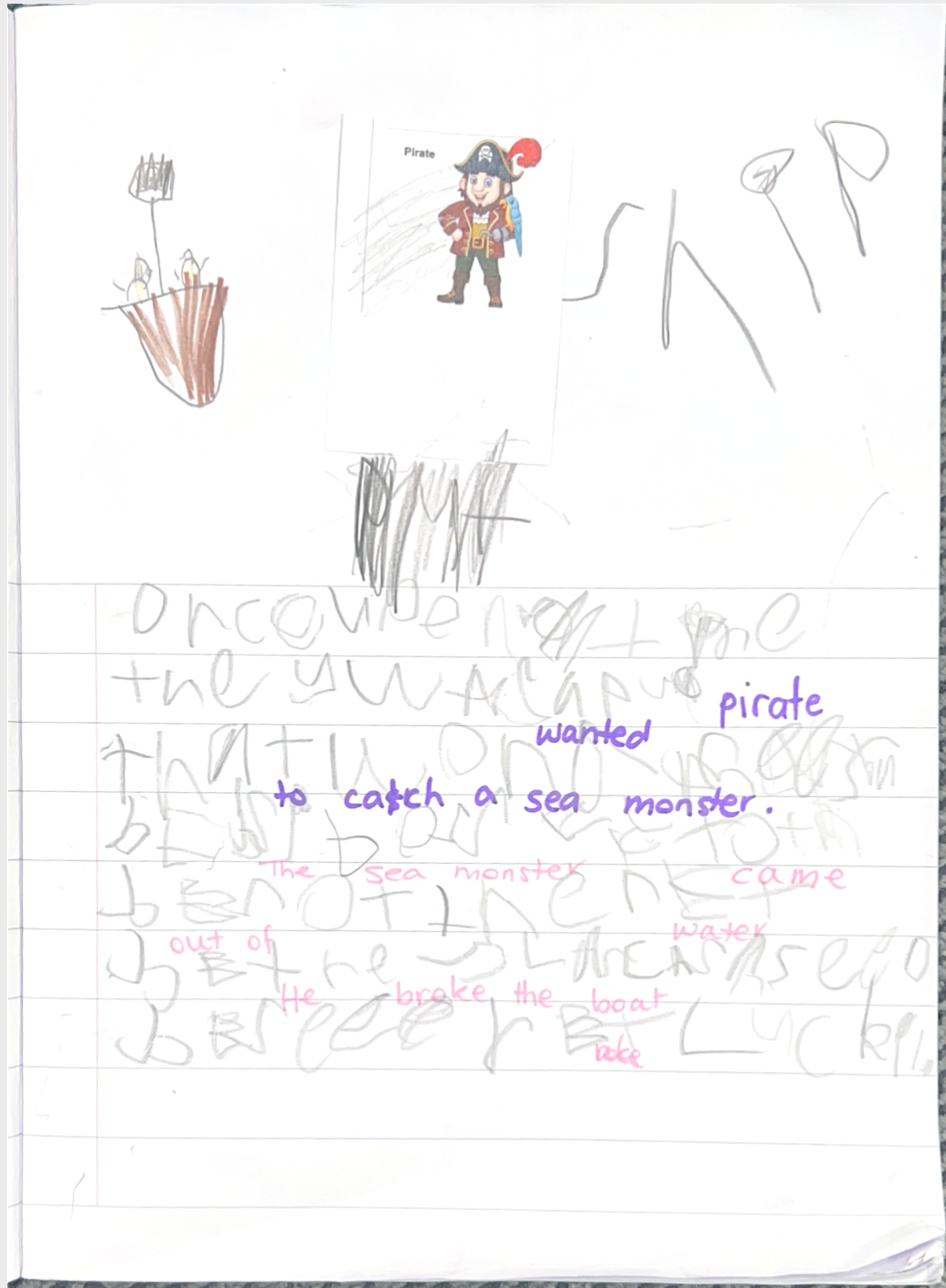
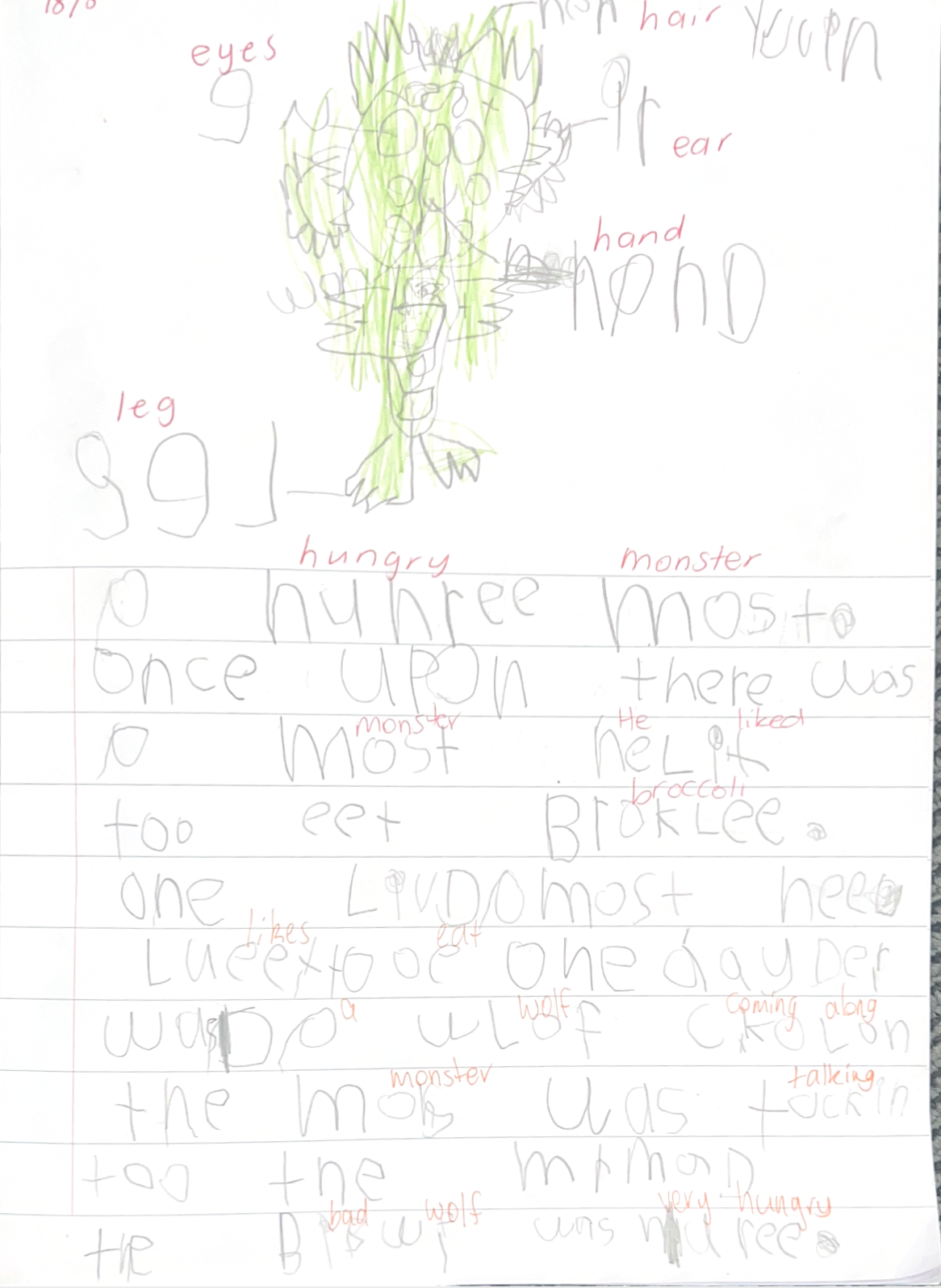
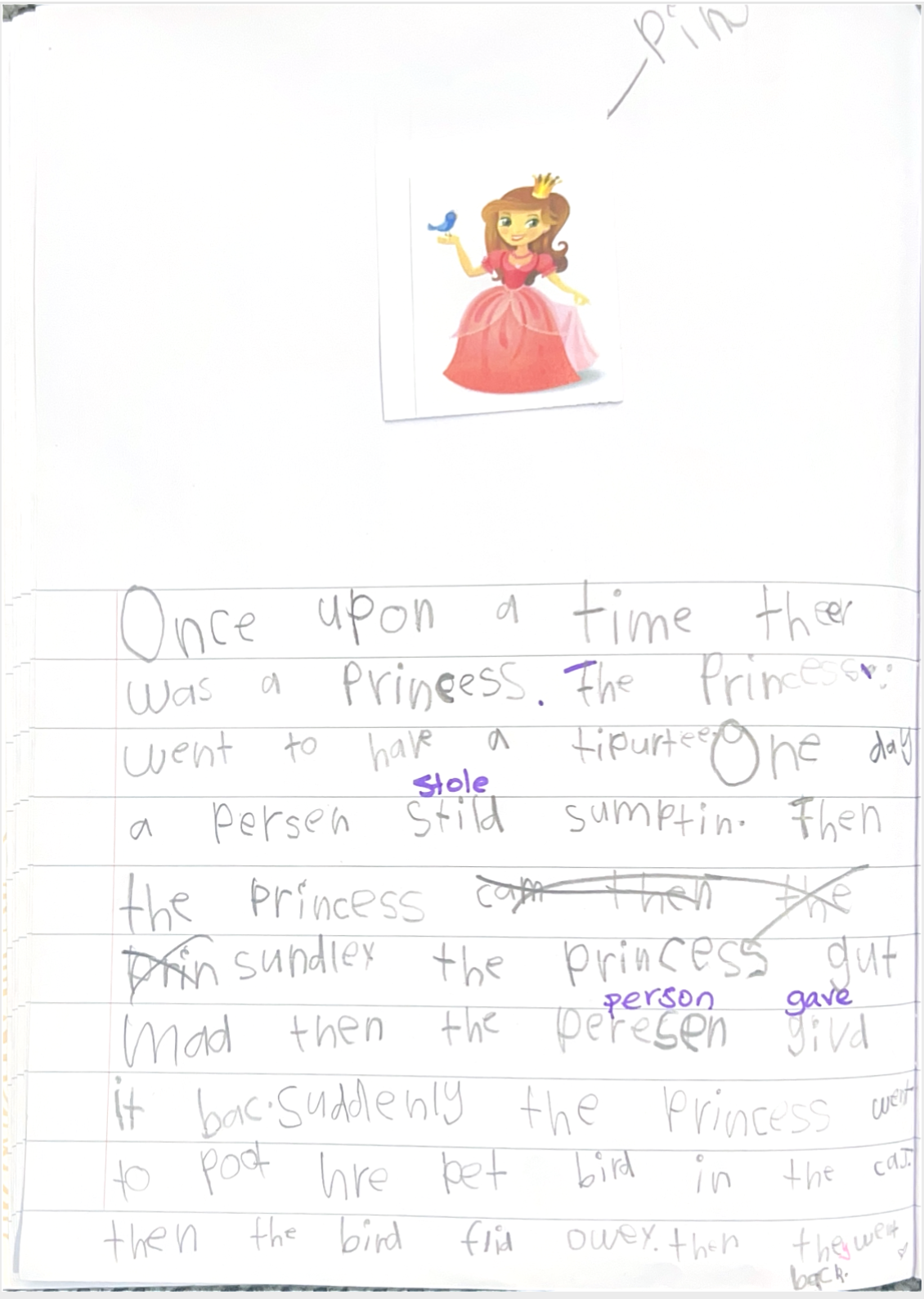
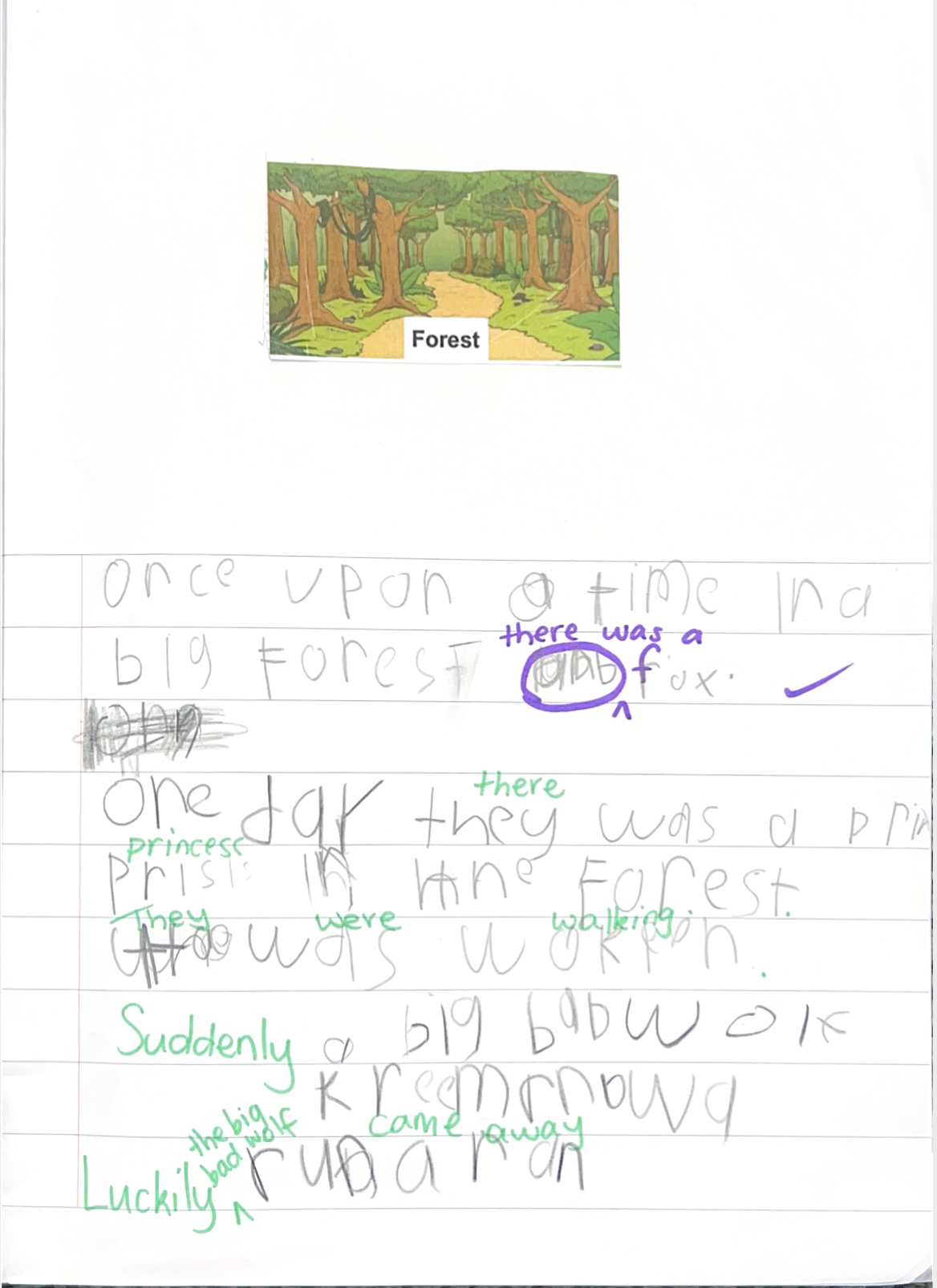
Kindergarten students have been learning about how to create and write narratives. We have been developing our ideas by thinking about characters, settings, problems and solutions. We have been using story starters, exciting vocabulary and sequencing words such as “Once upon a time,” “One day,” “Suddenly” and “Luckily” to make our stories interesting. Students have had fun learning to create our own stories, write simple sentences and share their stories with others.
Mathematics
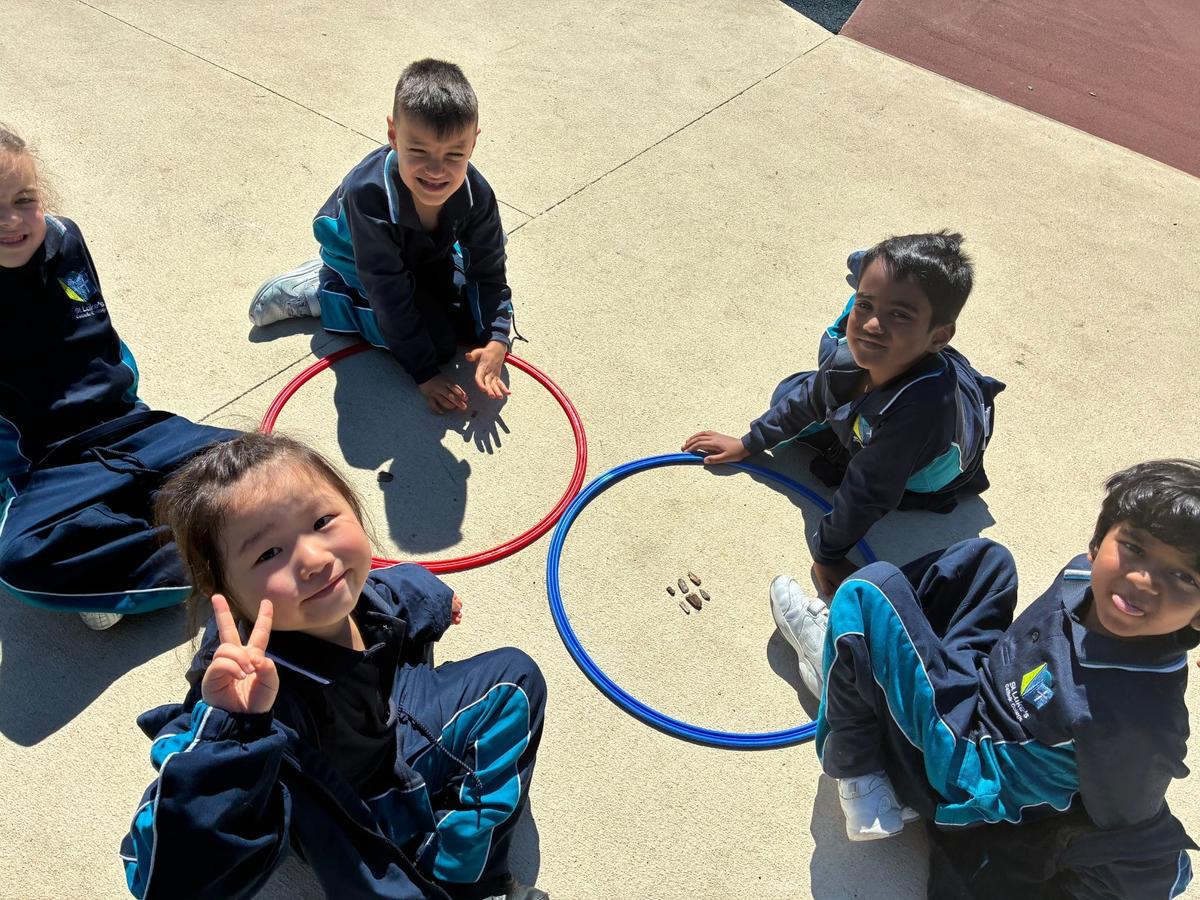
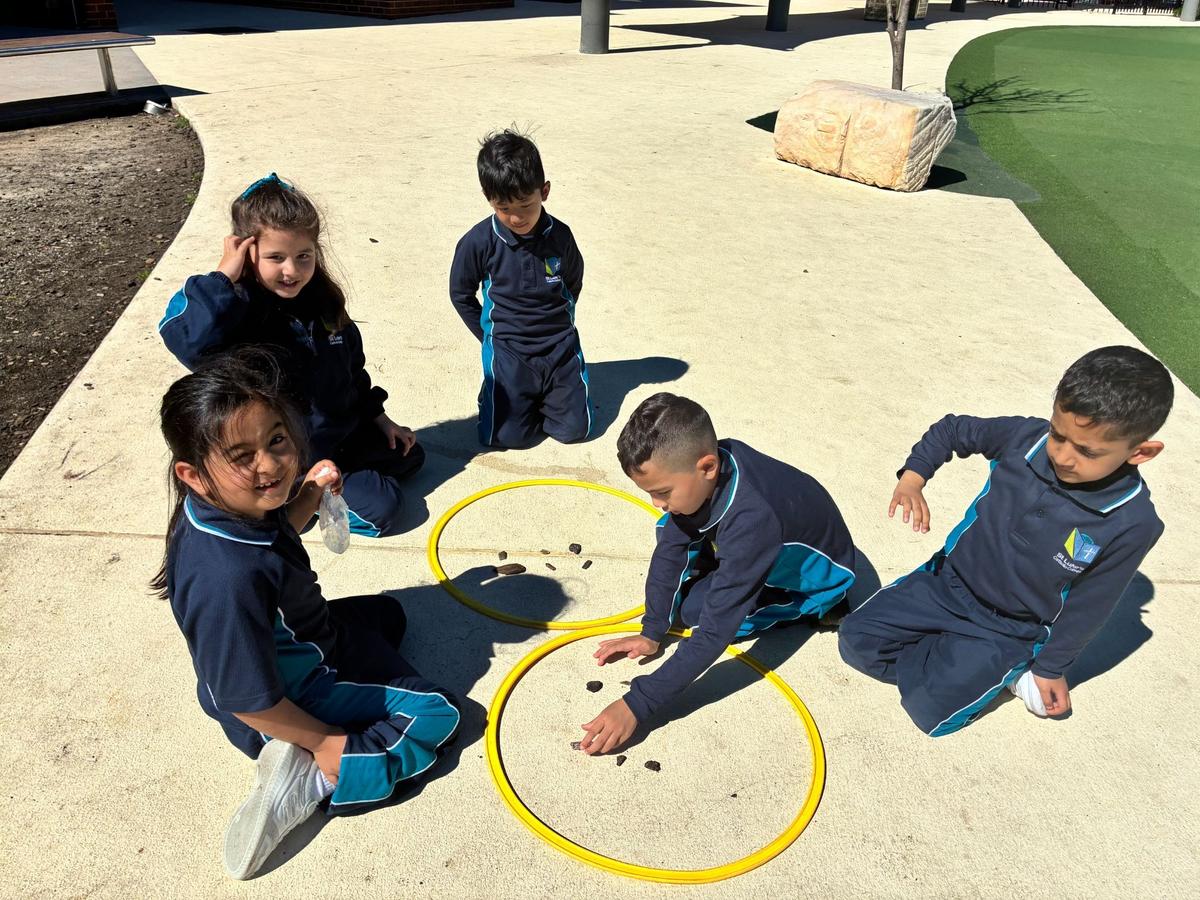
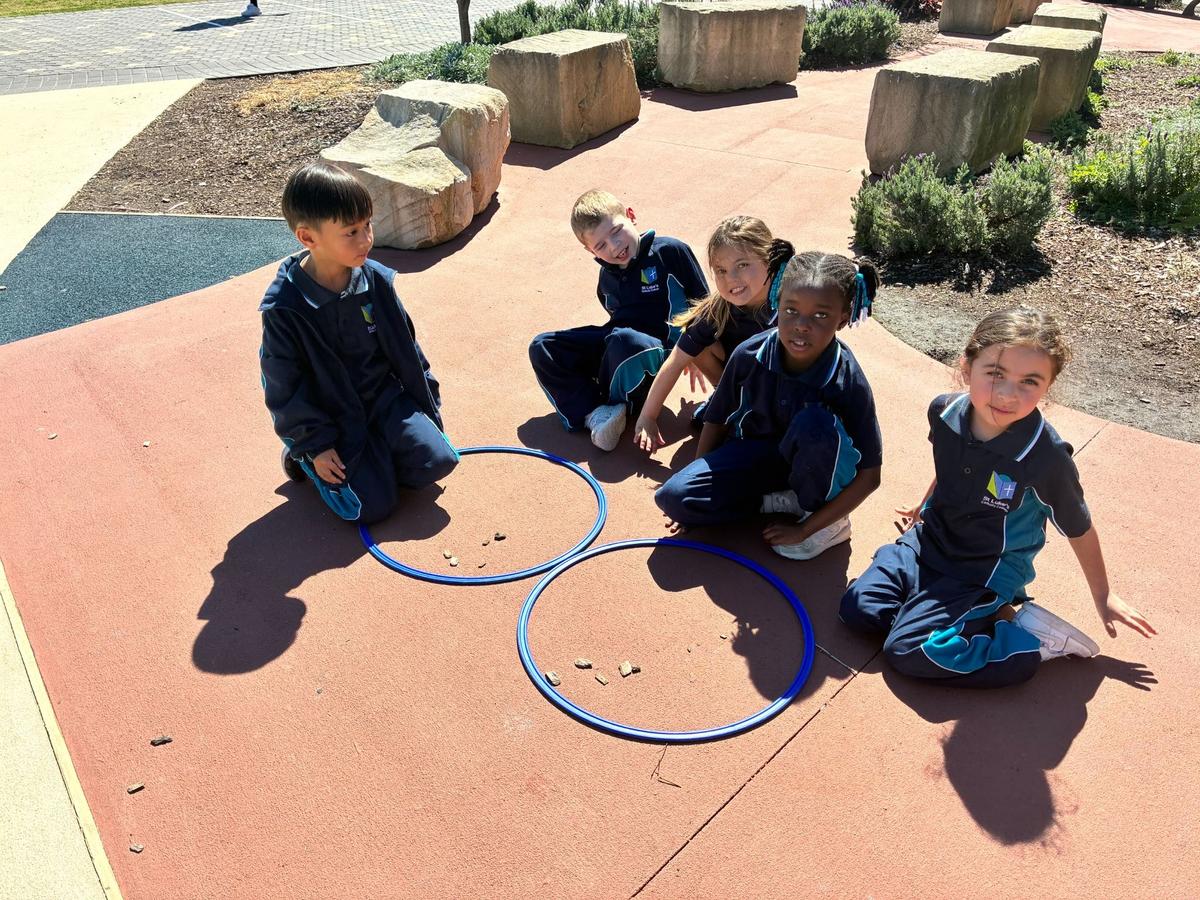
Kindergarten students have been busy becoming little mathematicians as they explored how to make equal groups. Through lots of hands-on games and activities, students have been sharing objects fairly, counting their collections and checking, “Does everyone have the same amount?” They have been learning to group objects one at a time, compare groups and decide whether they are equal or not. Students have also been showing their mathematical thinking by using concrete materials, drawings and numbers, as well as explaining how they created and shared their groups. We have had lots of fun sharing, counting and discovering equal groups!
Religion
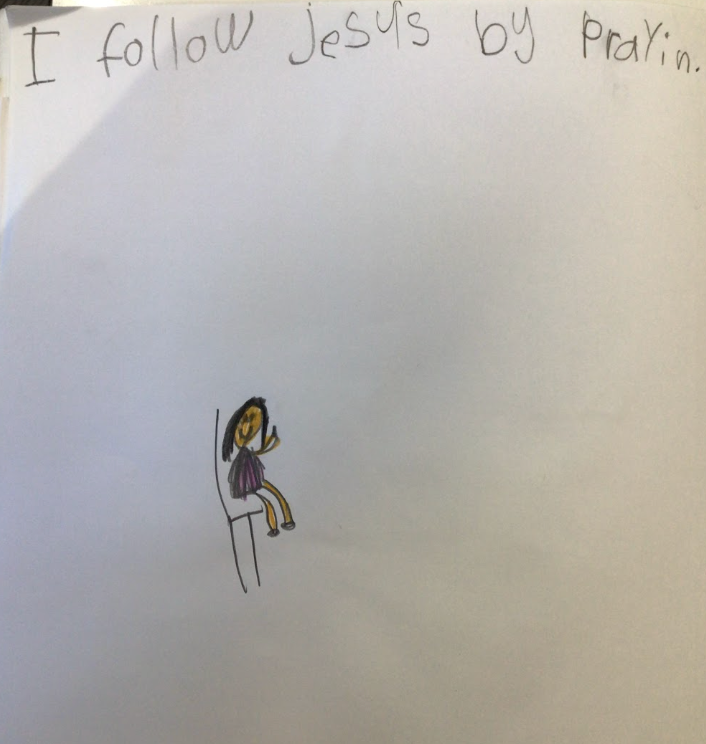
In Religion students have been learning about the difference between a mass and a liturgy. We have been reflecting on the different liturgies and mass experiences we have shared this year already. We have discussed the concepts of belonging, sharing, and loving within the Church community. As a Catholic community we encourage each other to follow Jesus. We do this within our church and school community. Students shared times they have been a follower of Jesus at school or in the community.
Other Kindy News - Science
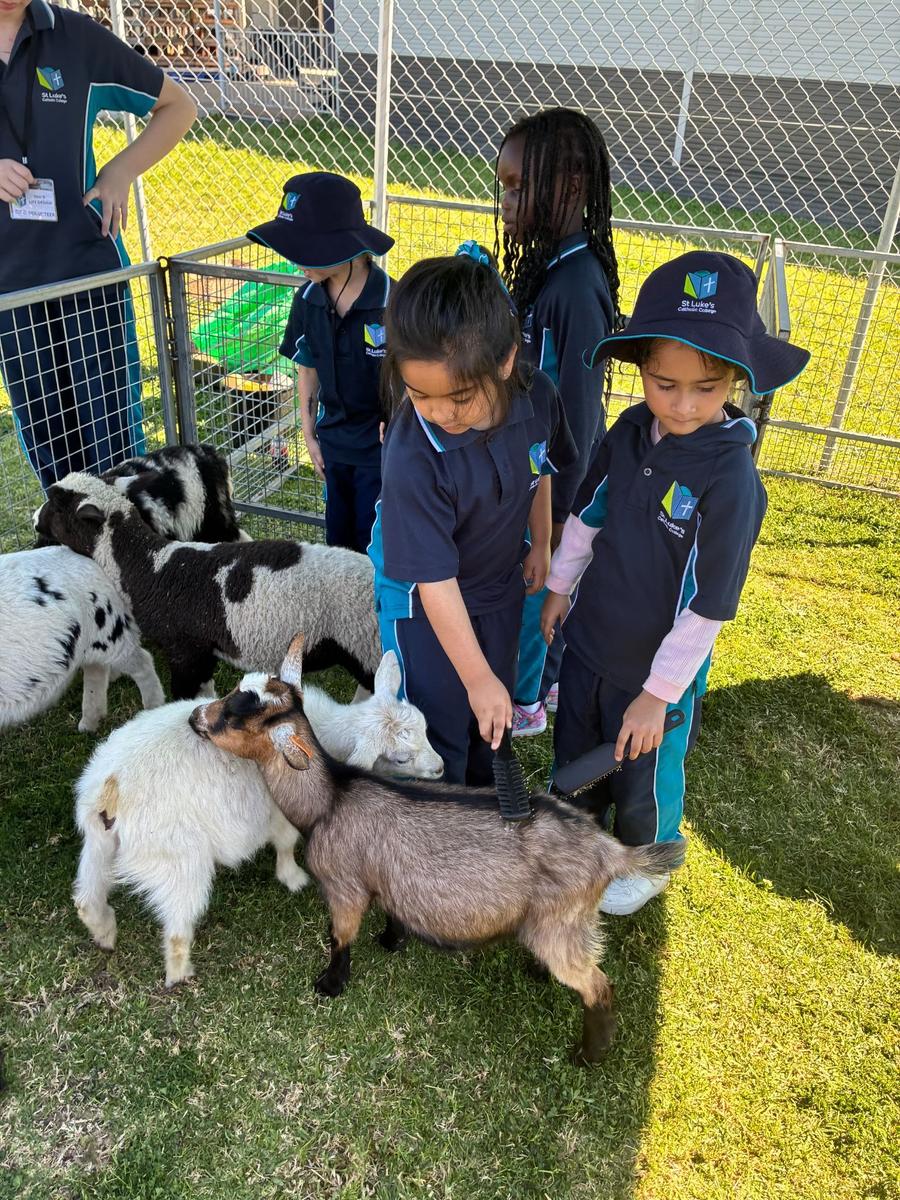
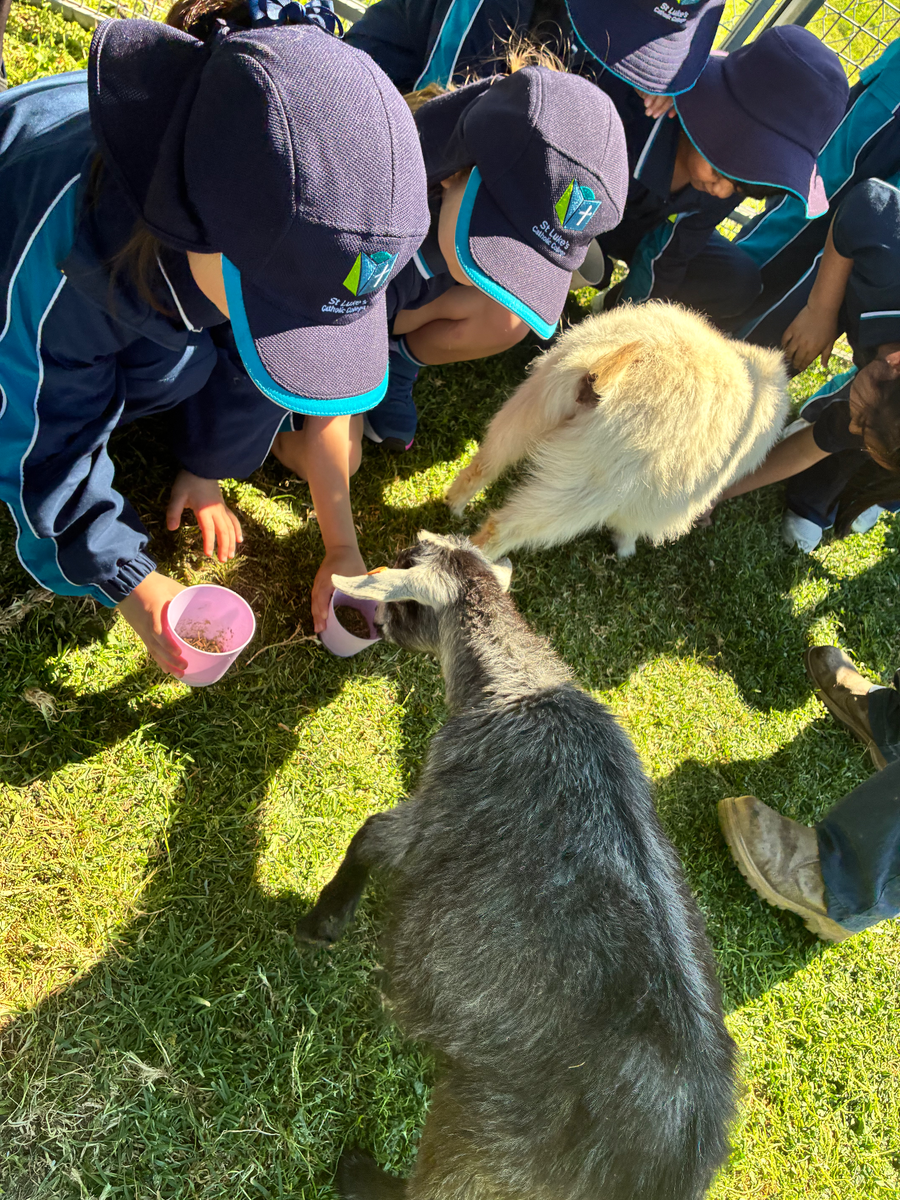
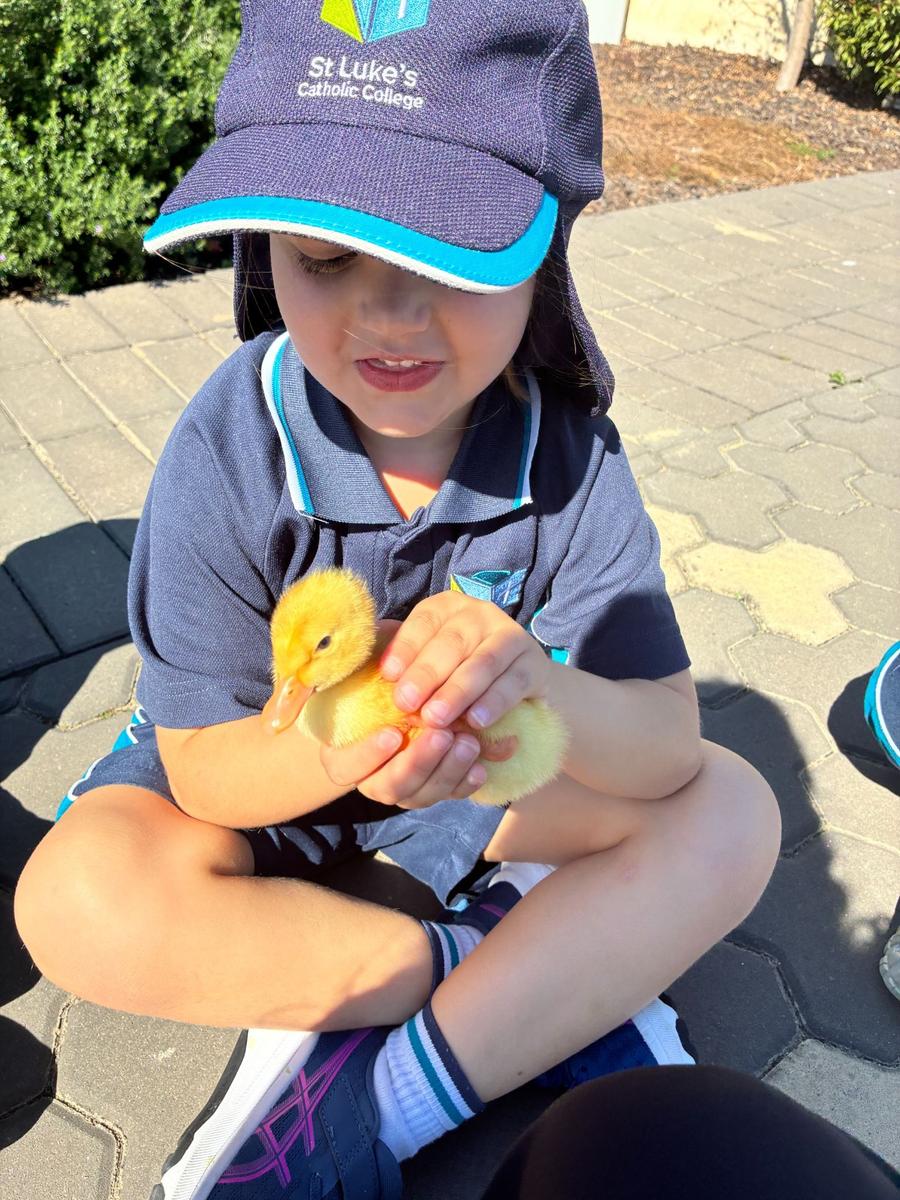
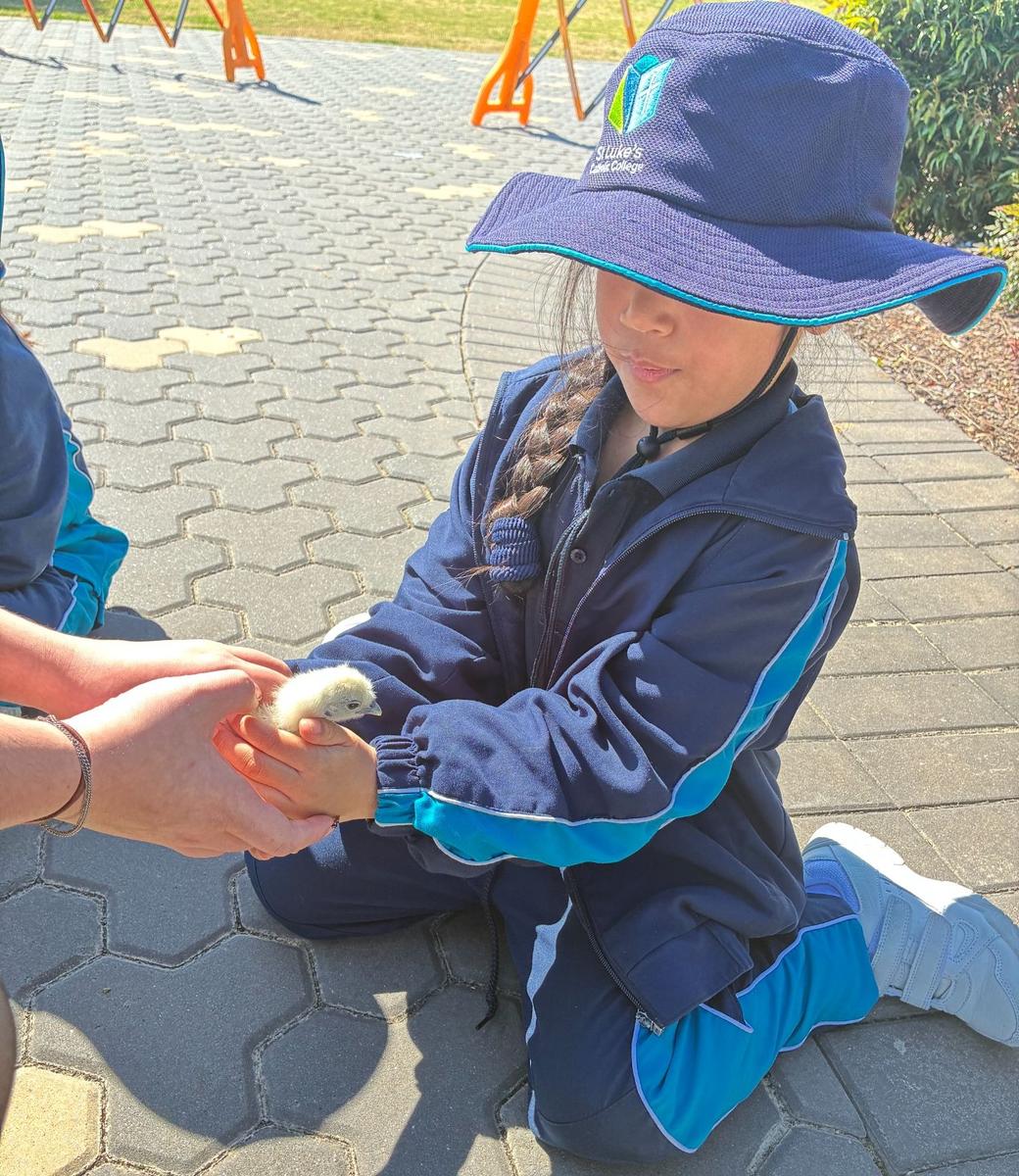
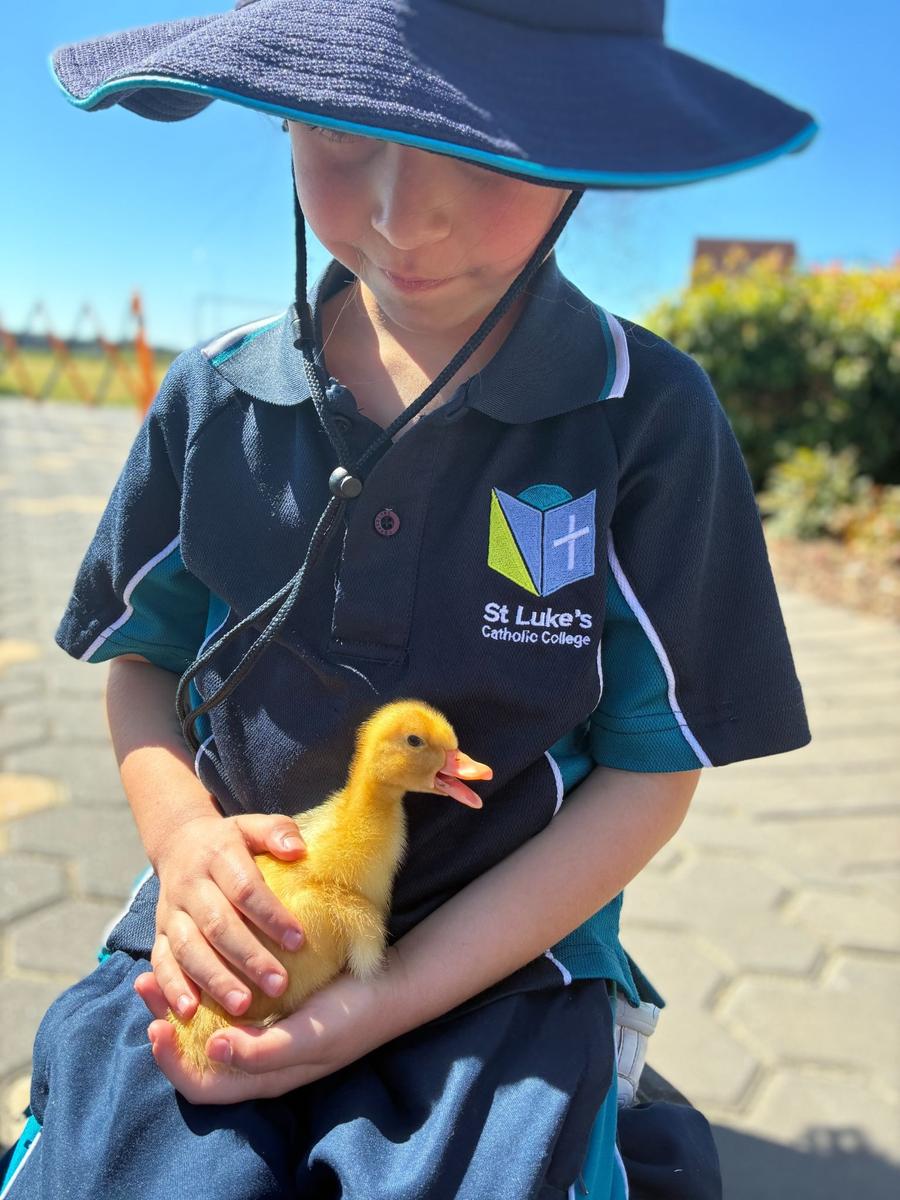
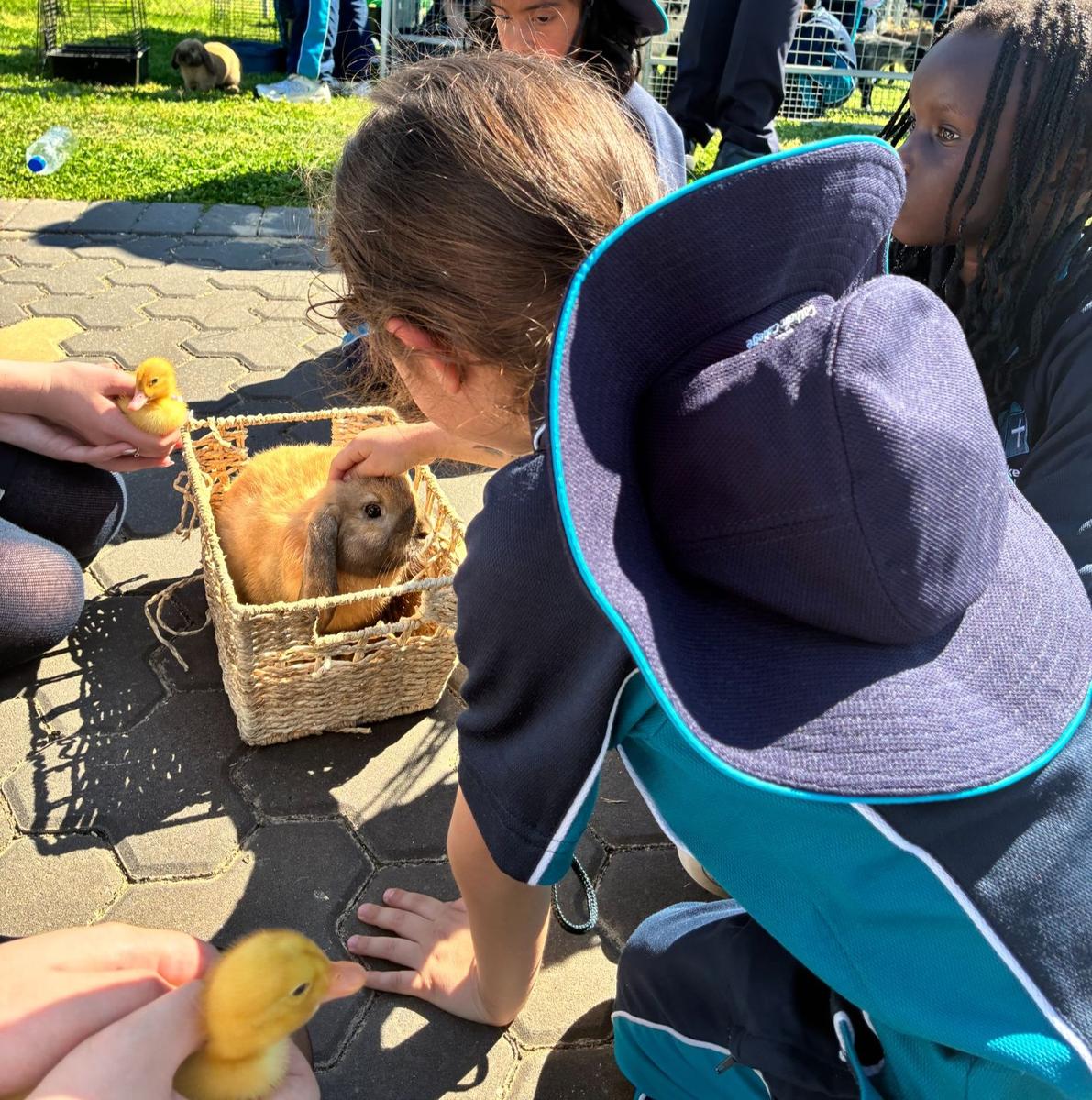
Kindergarten students have been busy little scientists as they explored the wonderful world of living things! Students have been learning to tell the difference between living and non-living things and recognise the characteristics, needs and behaviours of living things. They have also been discovering how living things help meet our human needs by providing food and fibre. To bring our learning to life, we were very excited to welcome a petting zoo incursion! Students had the opportunity to get up close with a range of animals, including feeding the goats and holding ducks, chickens and rabbits. It was a wonderful hands-on experience that helped Kindergarten develop a deeper understanding and appreciation of living things!
Stage 1
Term 3 Week 9
English
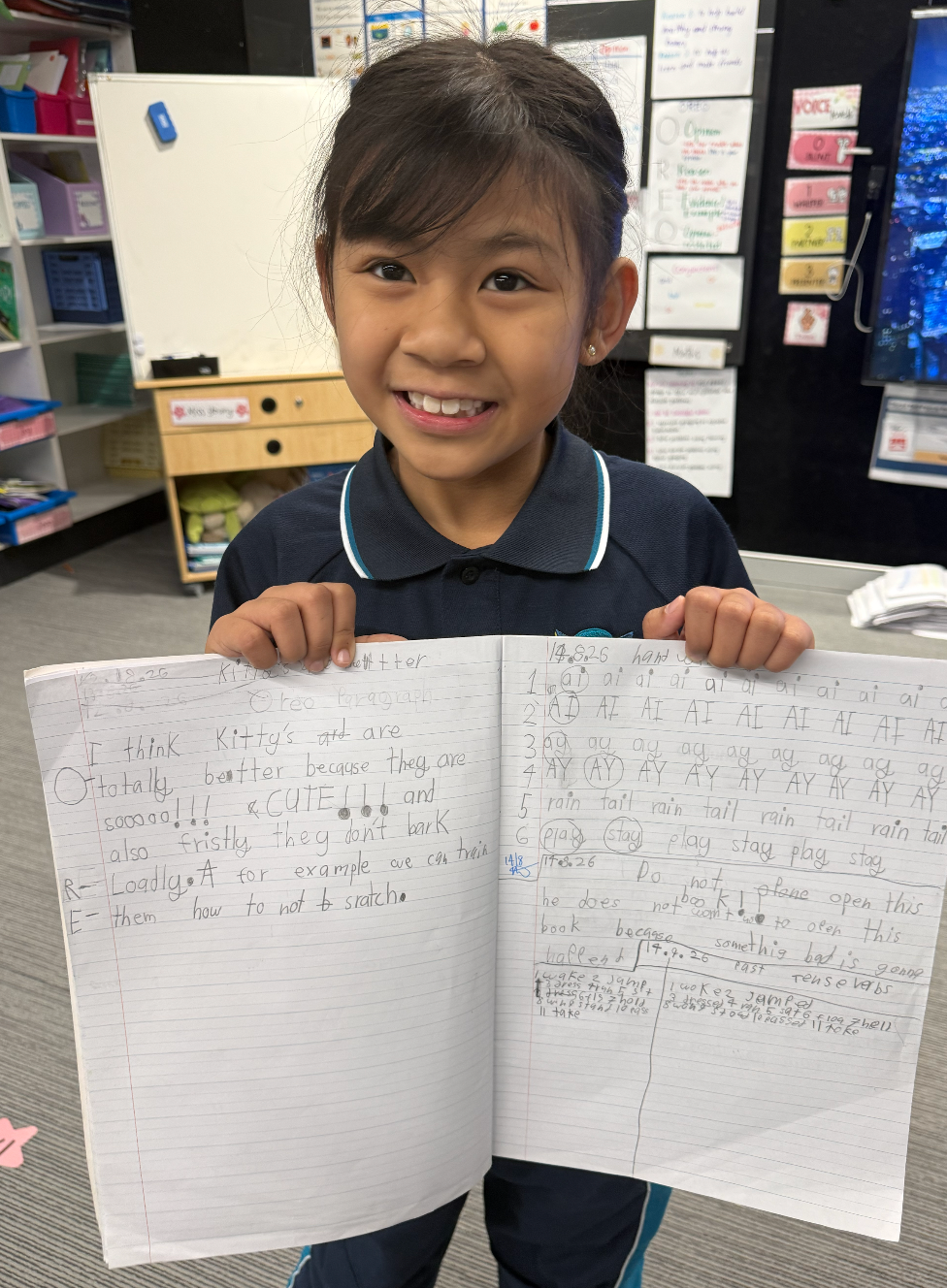
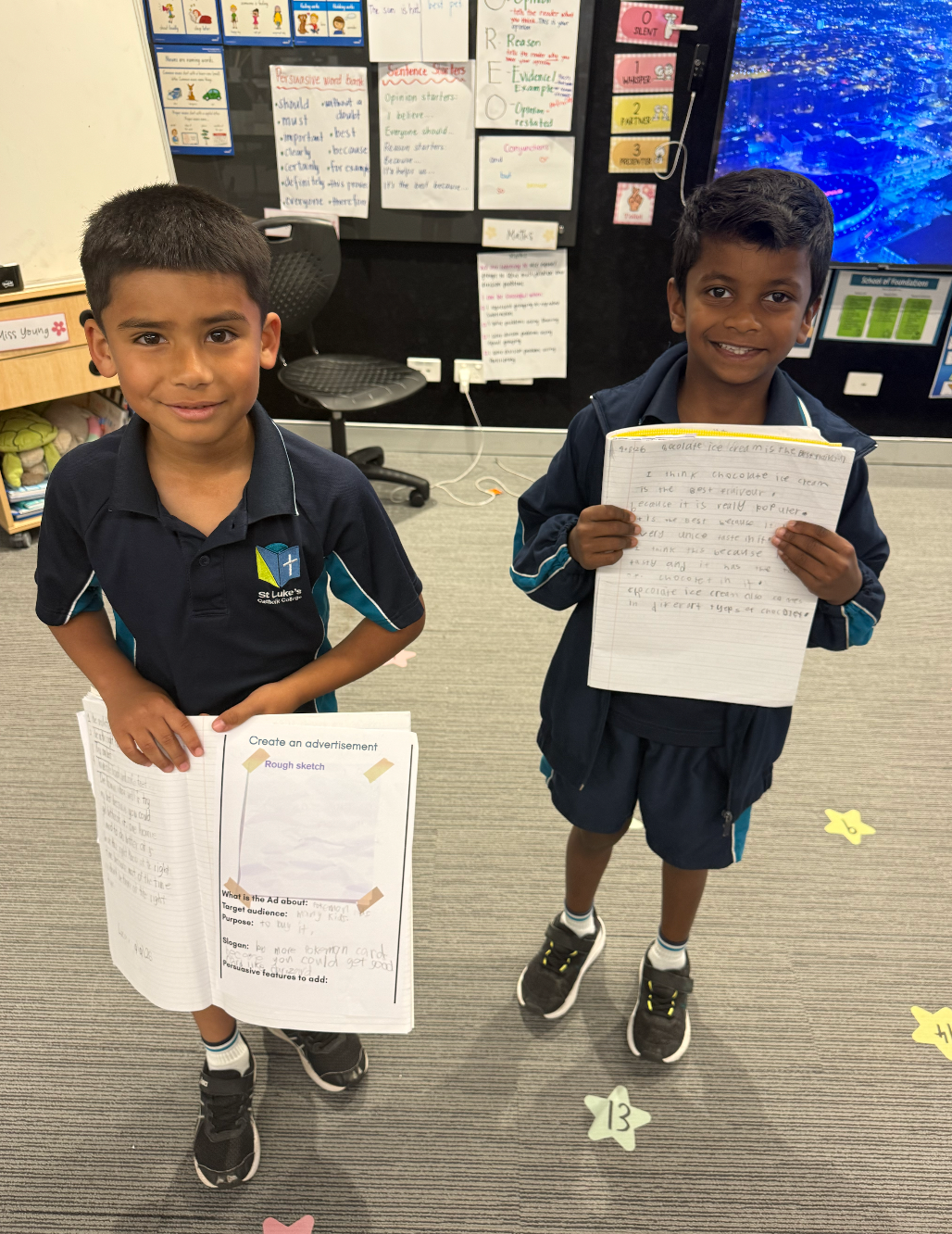
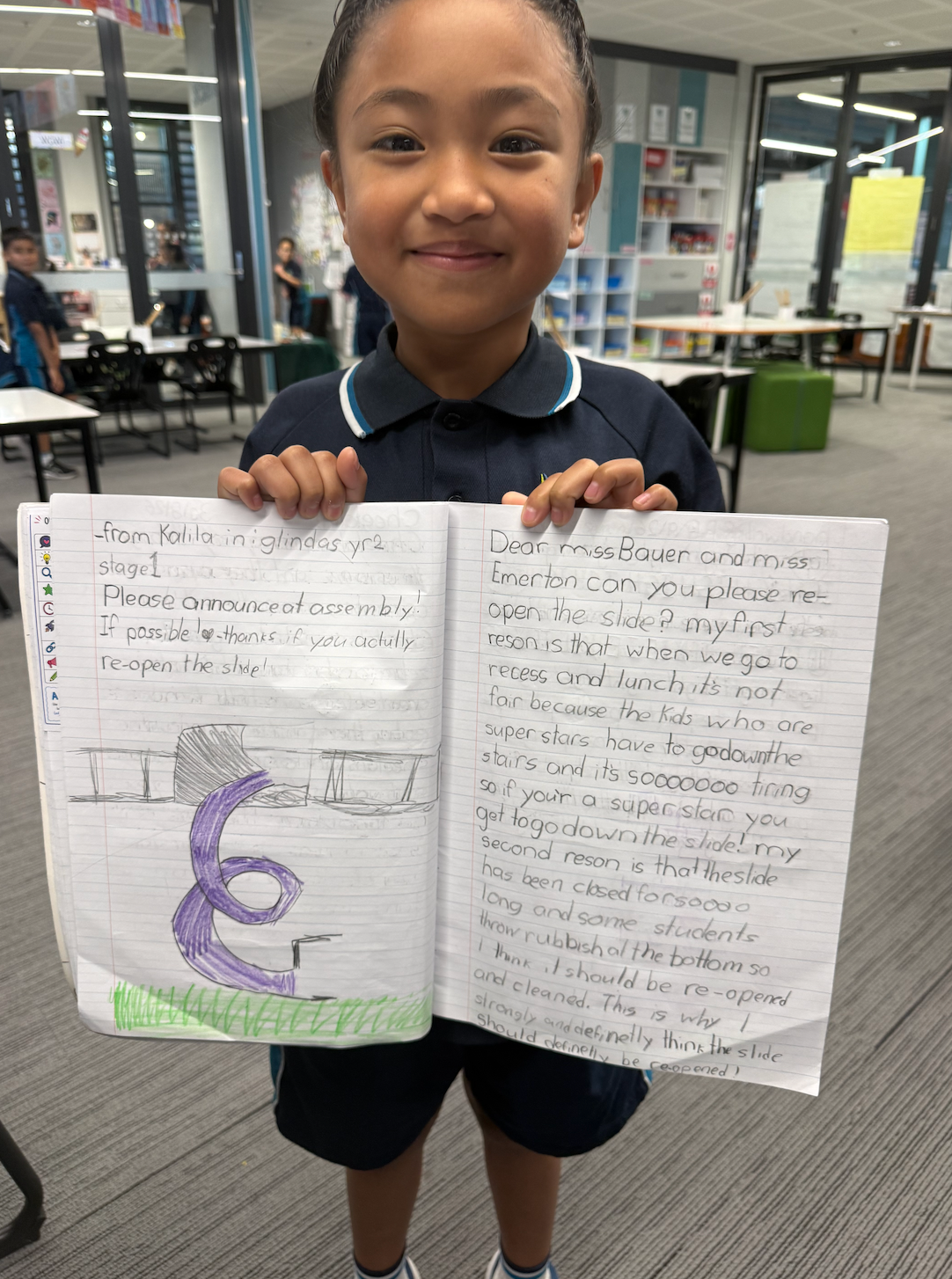
Over the past few weeks, our Year 2 students have been exploring different types of persuasive texts, with a particular focus on advertisements. Students have discussed the purpose of advertisements and explored how they are designed to capture the attention of a specific target audience.
As part of their learning, students have identified and discussed the key features that make an advertisement effective. These include eye-catching images, bold and engaging text, catchy slogans, humour, and bright colours. Students have enjoyed analysing advertisements and considering how these features work together to persuade and engage an audience.
It has been wonderful to see students developing their understanding of how language and visual features can be used to communicate a message and influence others.
Mathematics
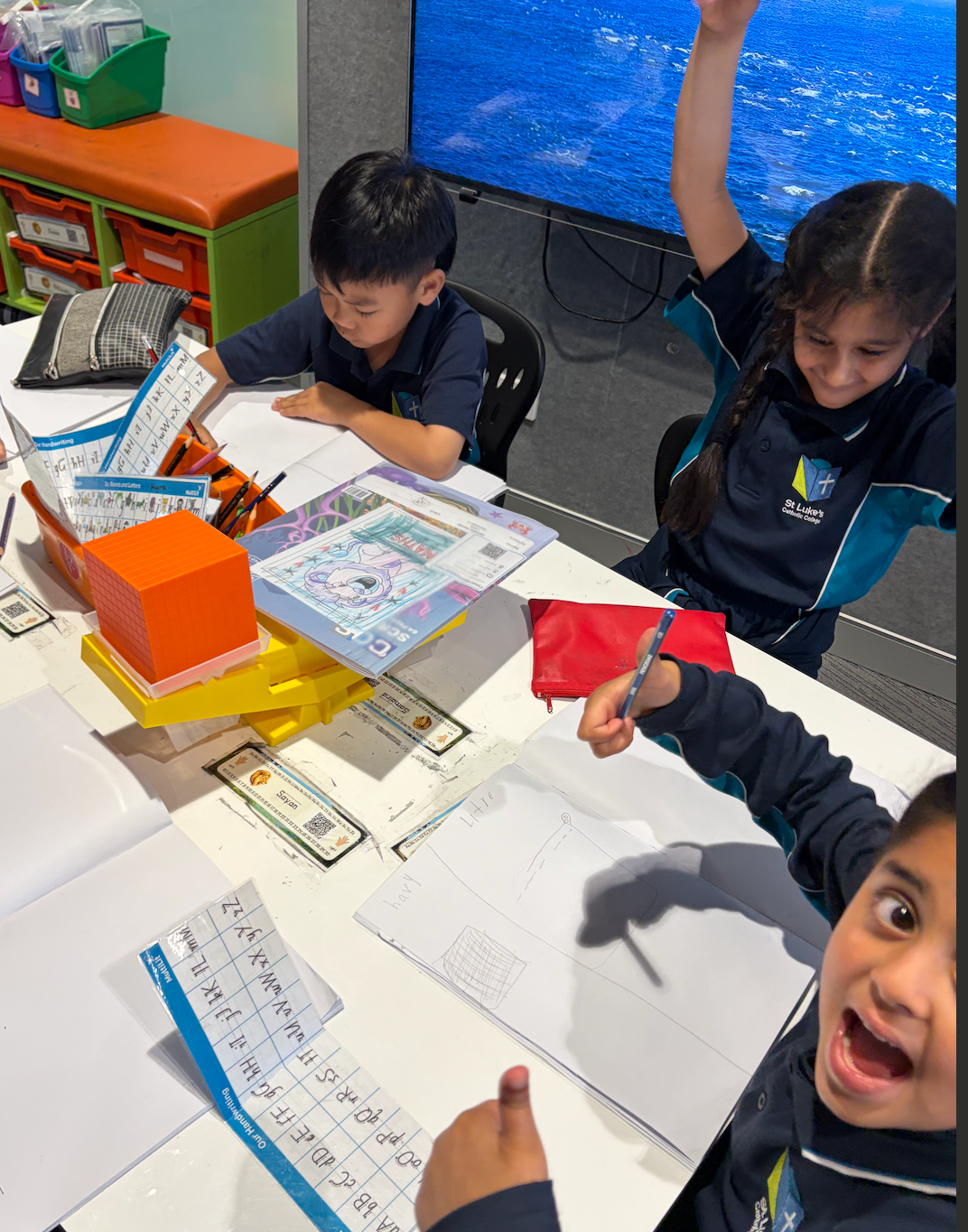
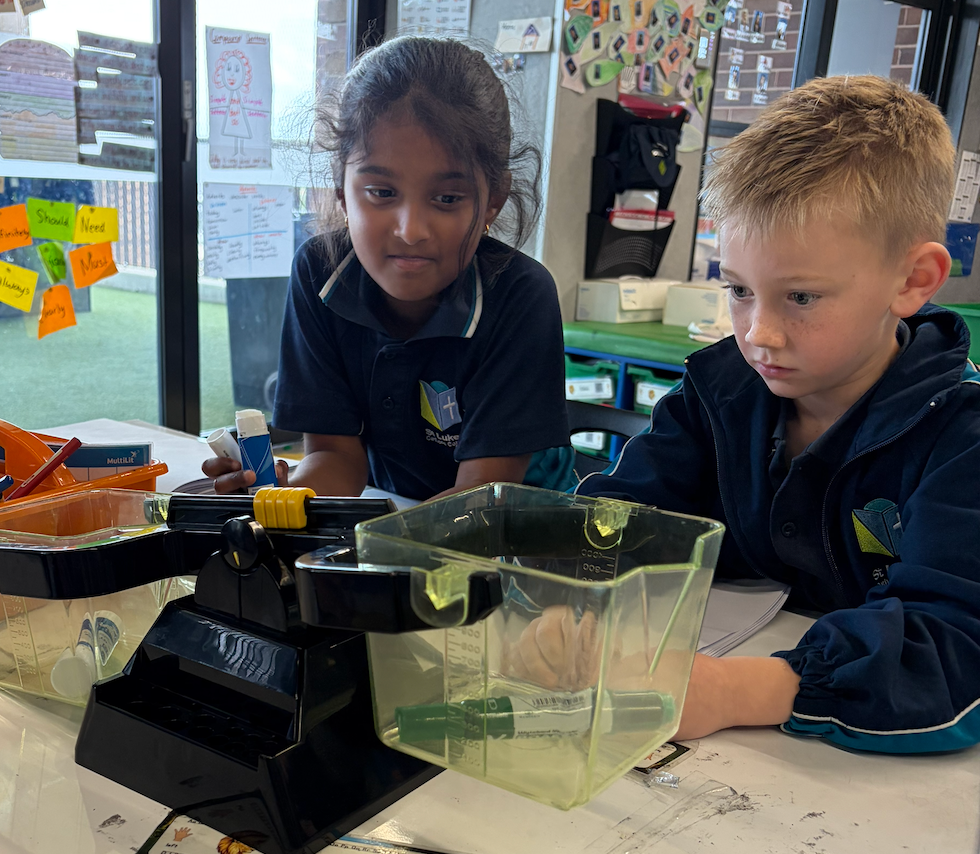
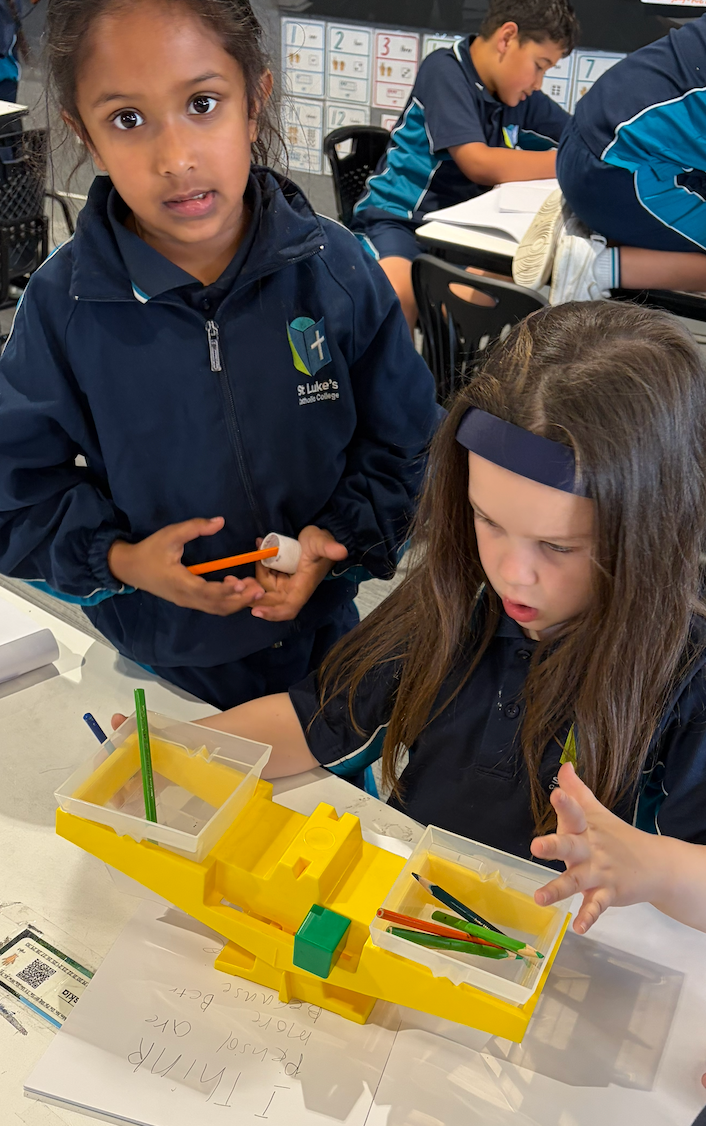
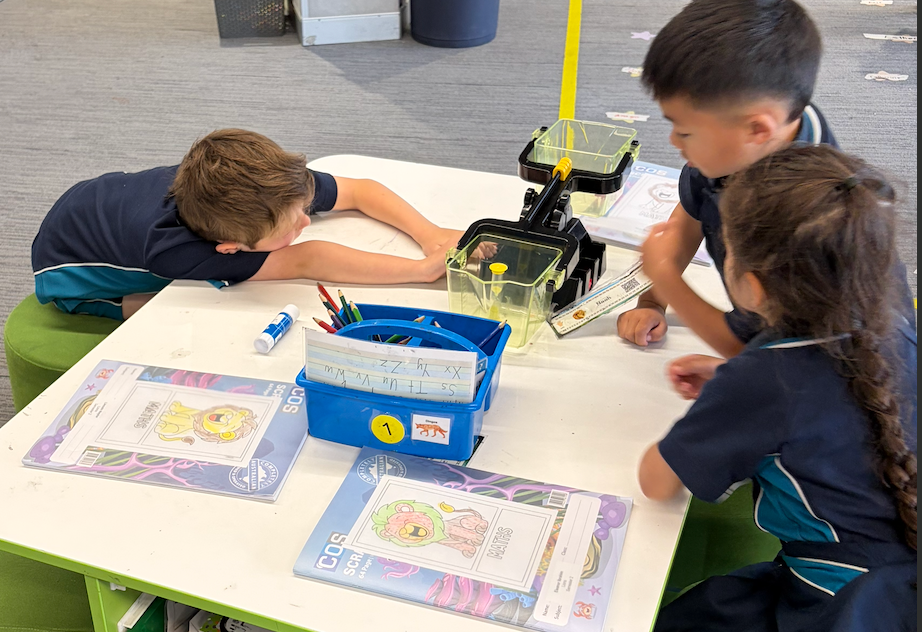
Over Weeks 5–8, Year 1 students have been developing their understanding of multiplication, division, mass and capacity through hands-on and practical learning experiences. In Weeks 5 and 6, students explored equal groups and arrays to represent and solve multiplication and division problems. They practised making equal groups, representing groups in different ways and explaining division through sharing.
In Weeks 7 and 8, students shifted their focus to mass and capacity, learning to compare objects using everyday language such as heavier, lighter, holds more and holds less. Students used informal units, including blocks, cups and spoons, to measure and compare objects and containers. They also developed their ability to explain their choice of measurement unit and order objects from heaviest to lightest or from least to greatest capacity.
Religion
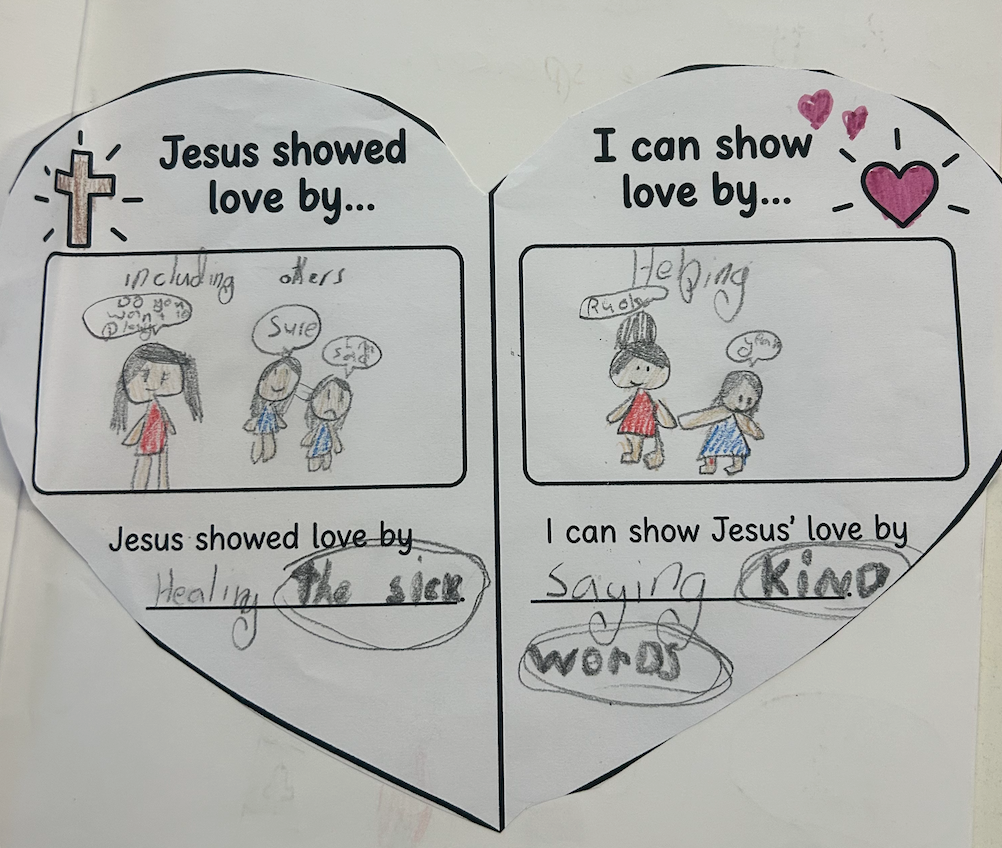
Over the past two weeks, we have been learning about the Sacrament of Reconciliation. Students explored how Jesus showed forgiveness and grace and reflected on how we can build peace, care for others and bring reconciliation to our community as his disciples.
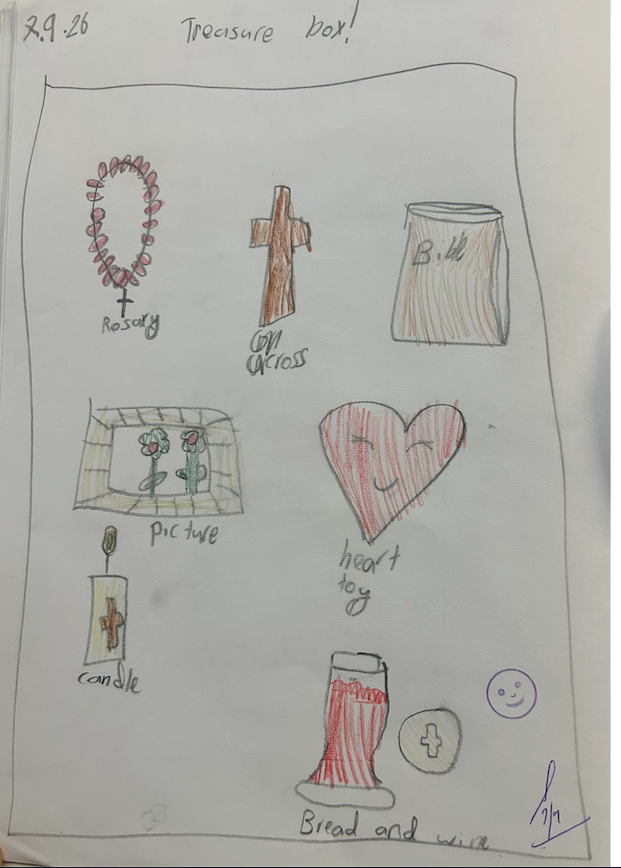
We also read The Treasure Box by Margaret Wild, focusing on the themes of hope, love and resilience as signs of grace. Students discussed the “treasures” we carry within us that show love to others and how grace is God’s gift of love that helps and inspires us to care for others.
Science
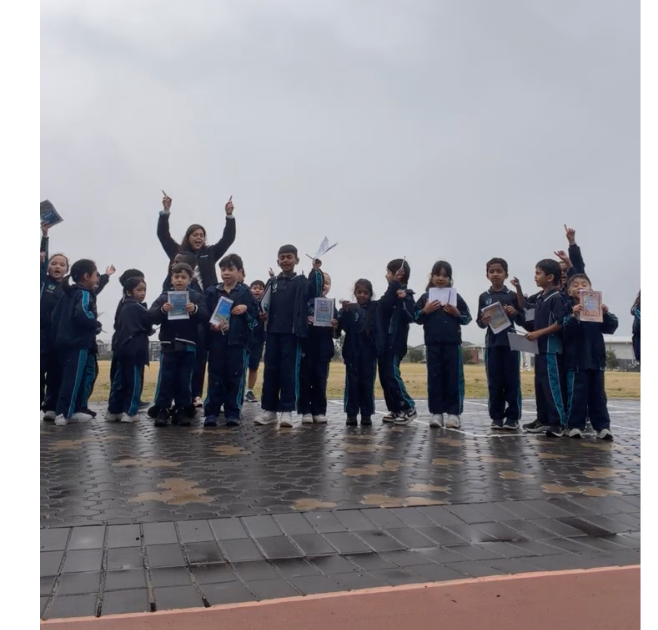
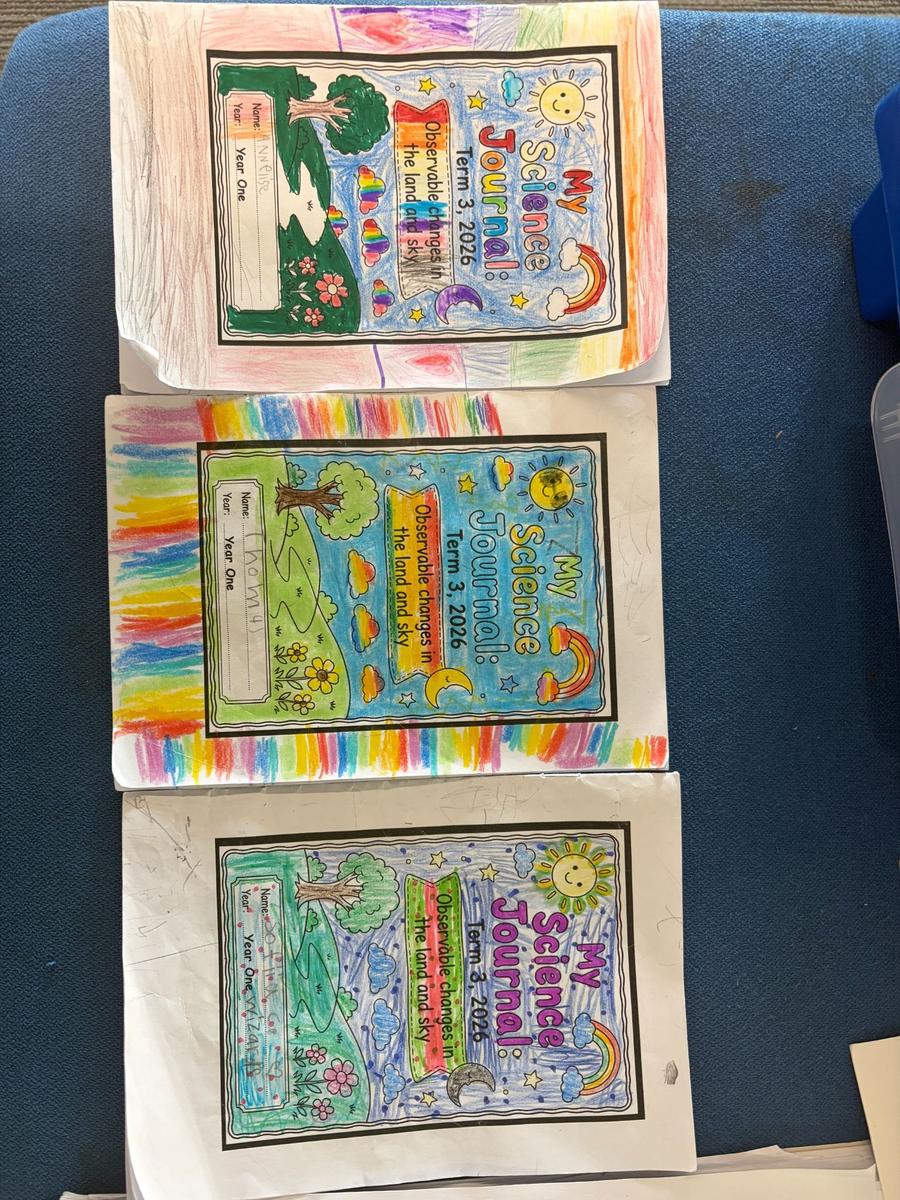
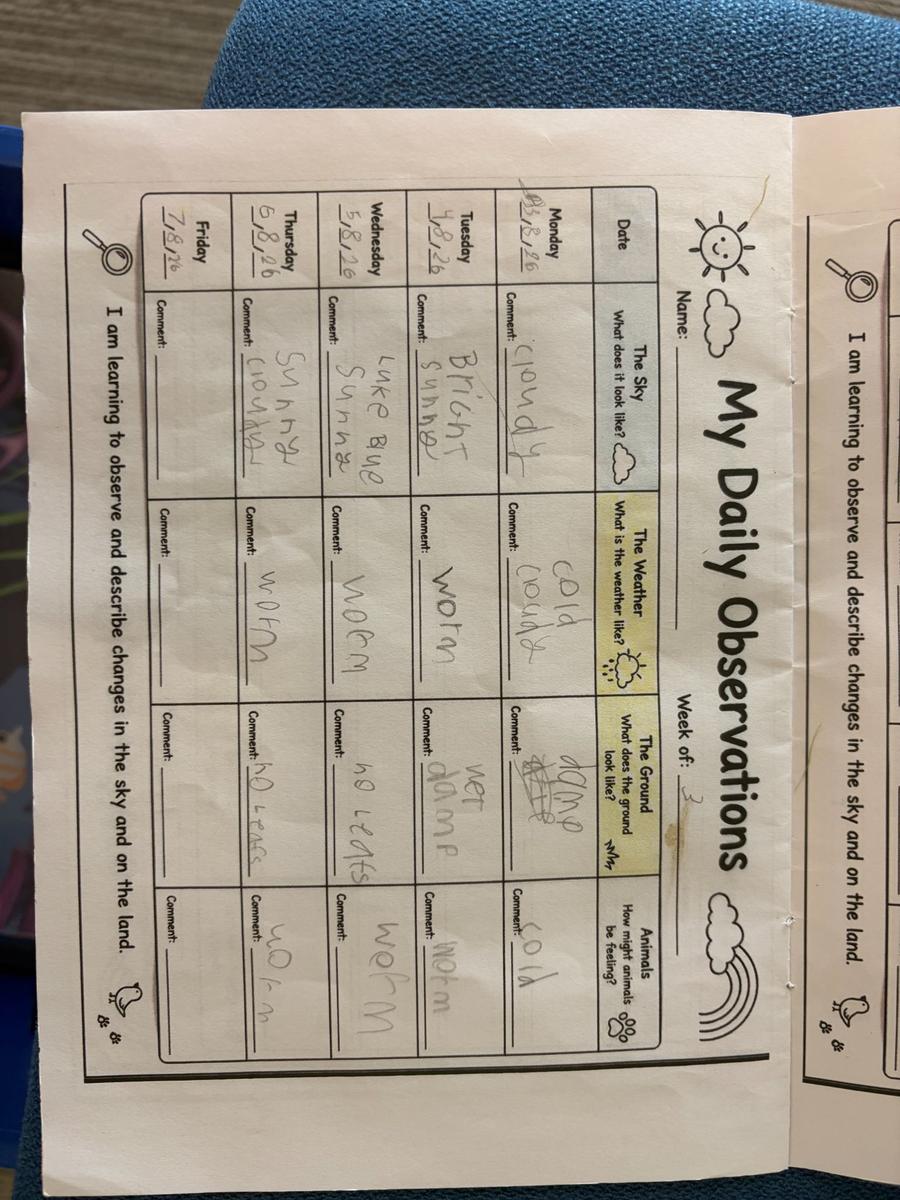
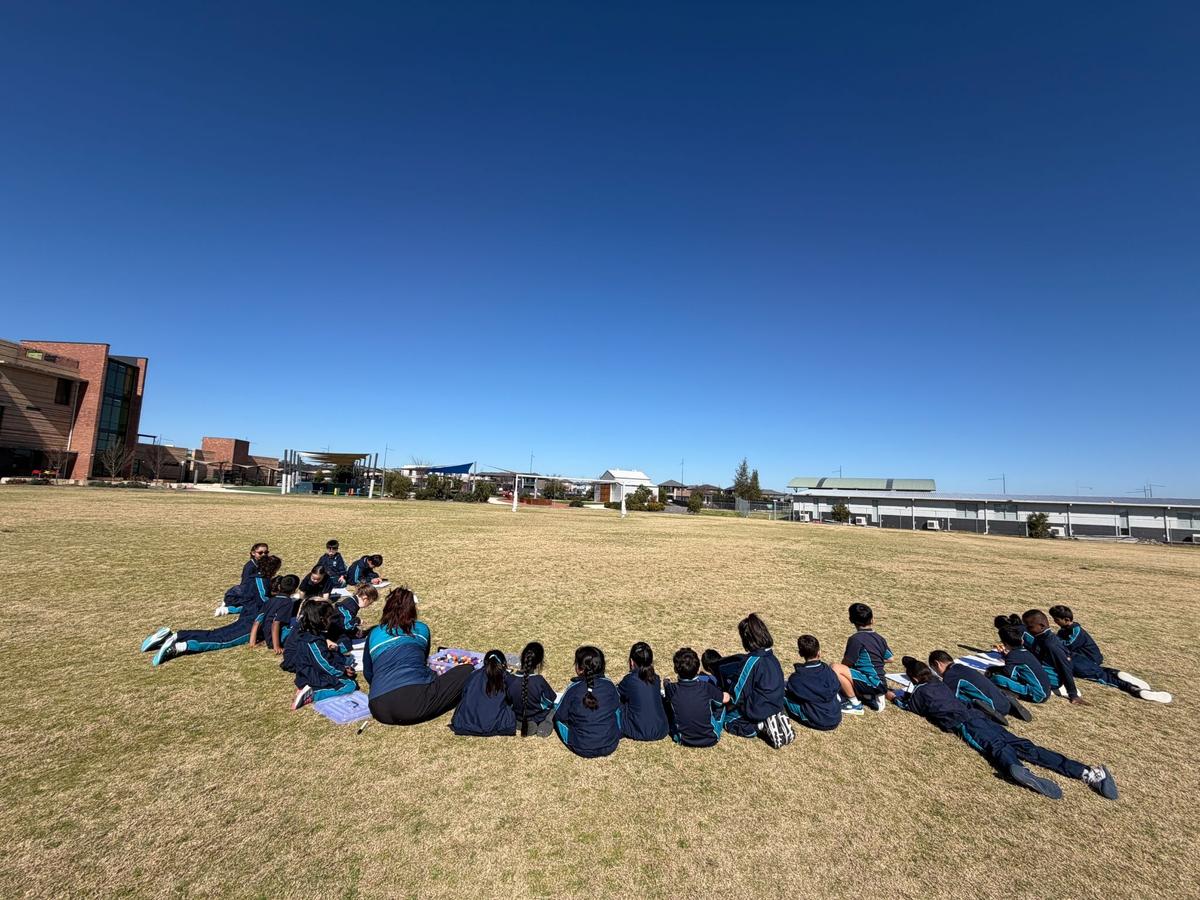
In Science, Wizards have been busy little weather scientists this term ! We have been learning all about the weather and how it changes from day to day. Each day, our budding meteorologists observe the sky, temperature, wind and clouds before recording their observations in their very own Science Journals. We are becoming excellent weather watchers, spotting patterns and making predictions about what the weather might bring next!
Stage 2
Term 3 Week 9
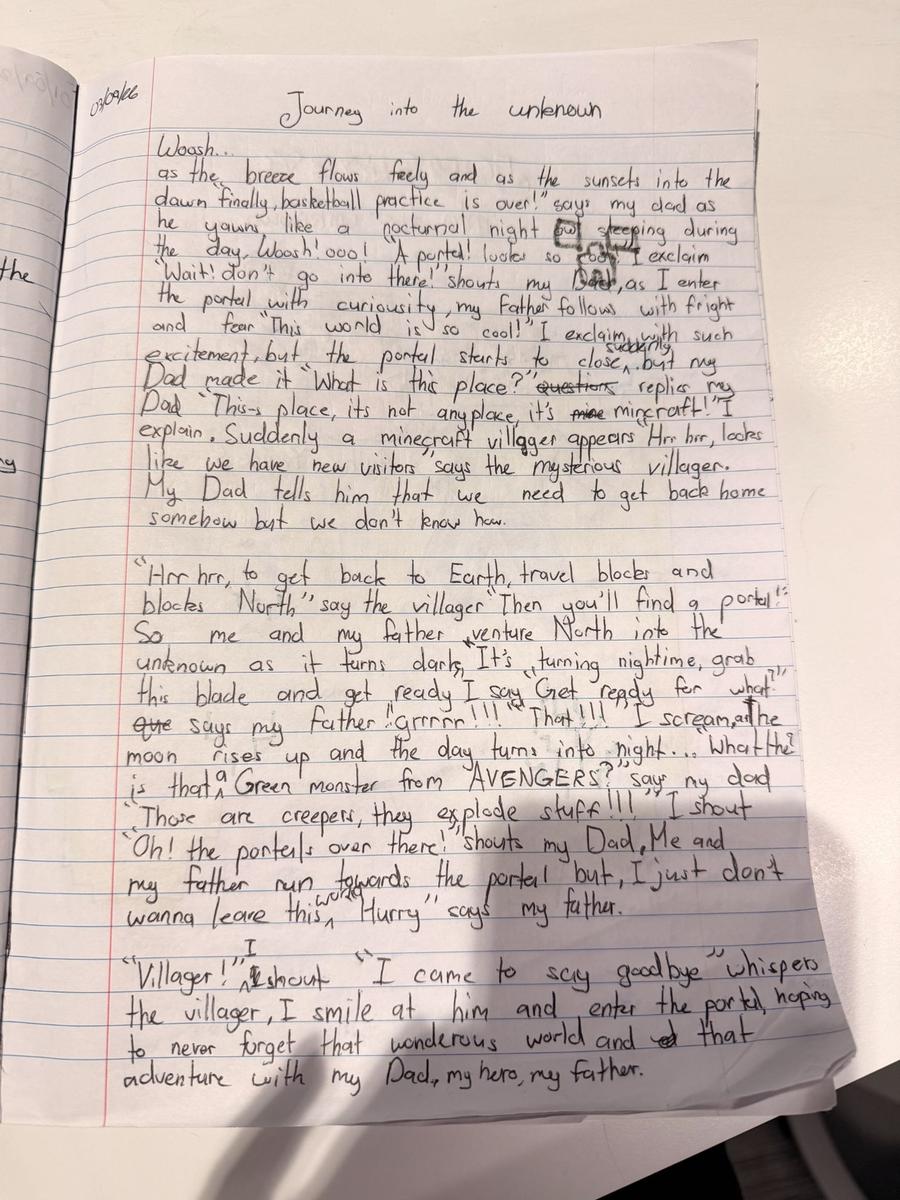
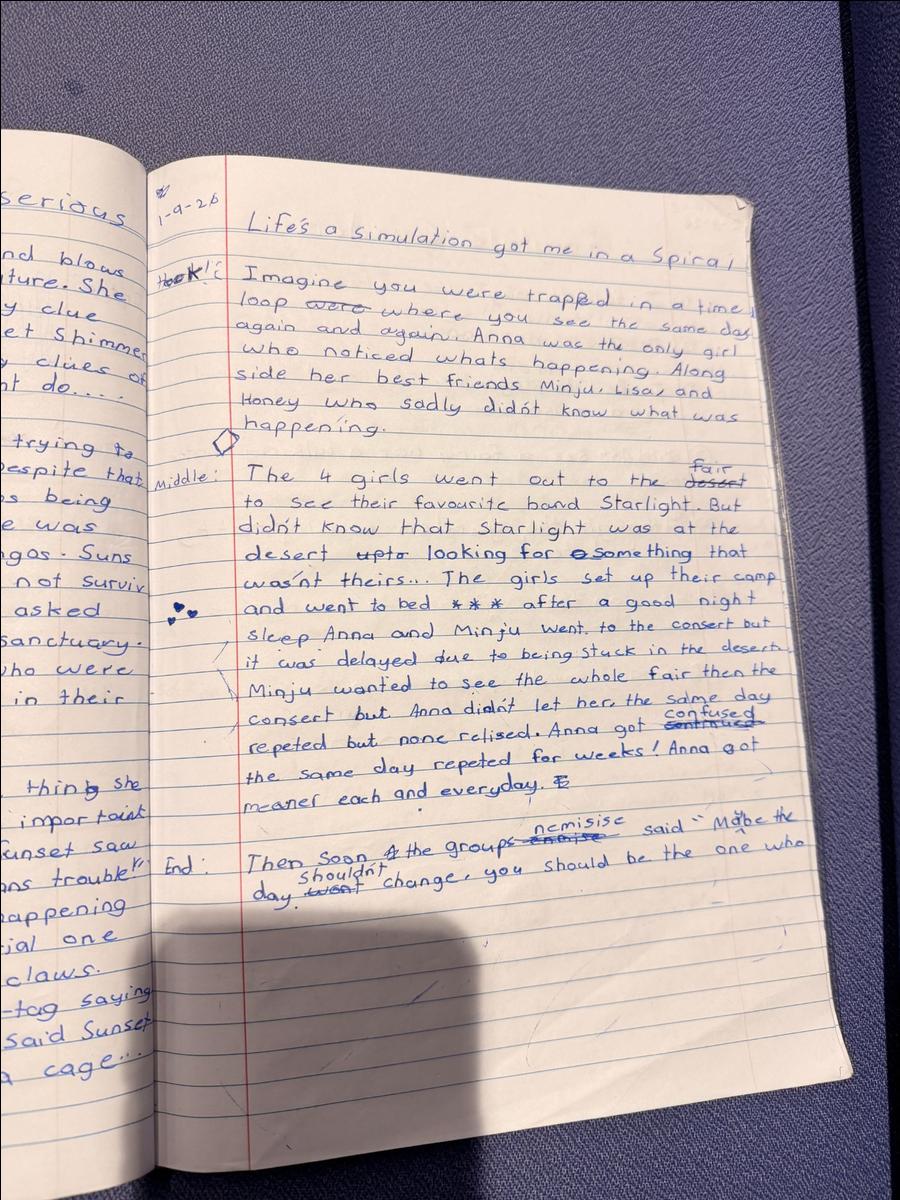
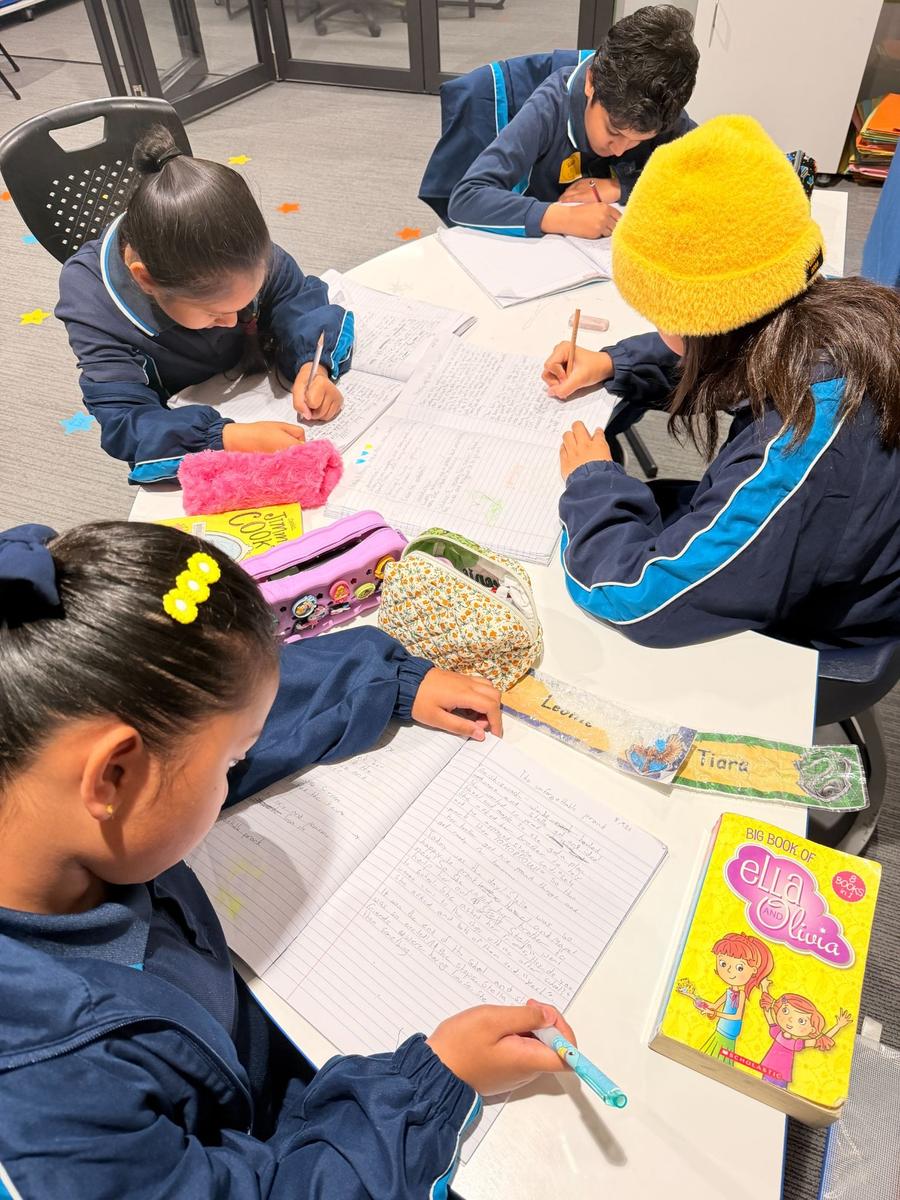
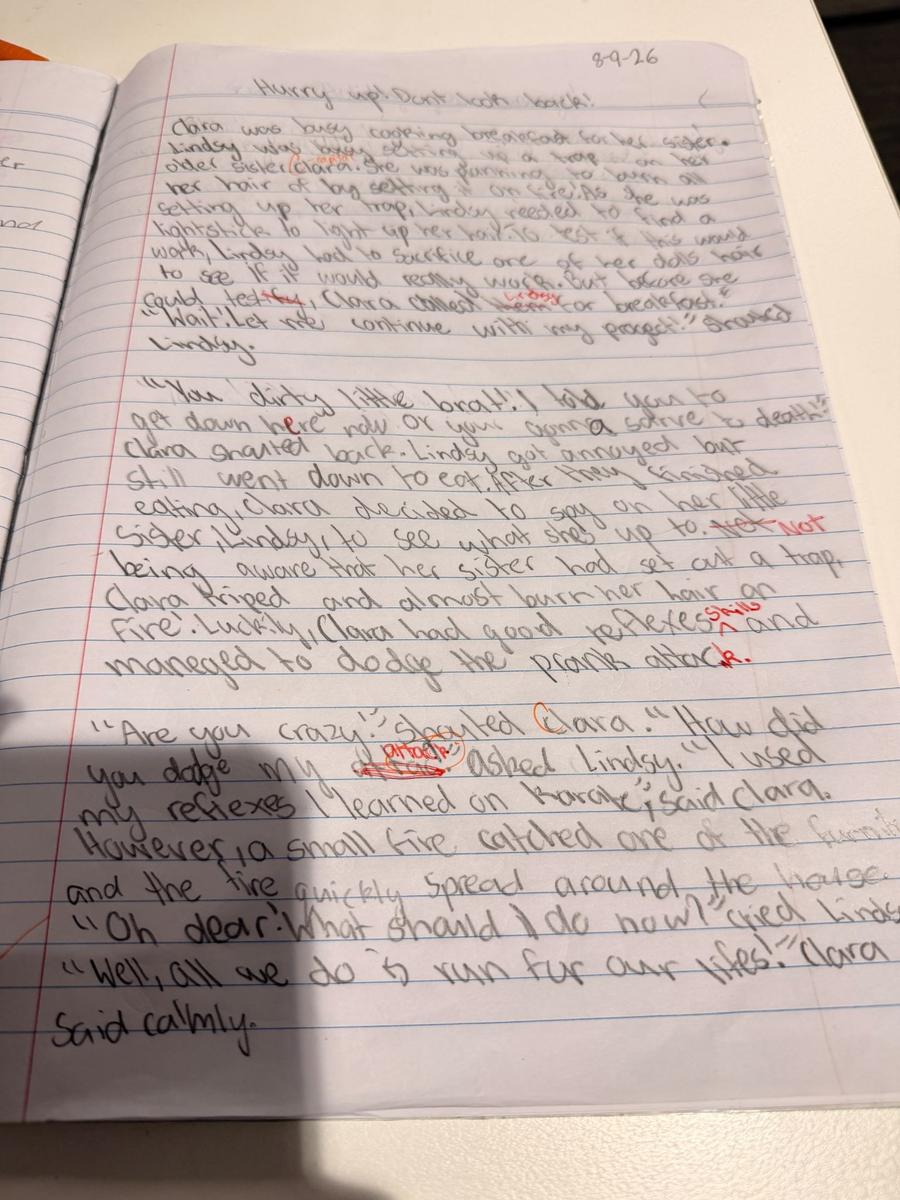
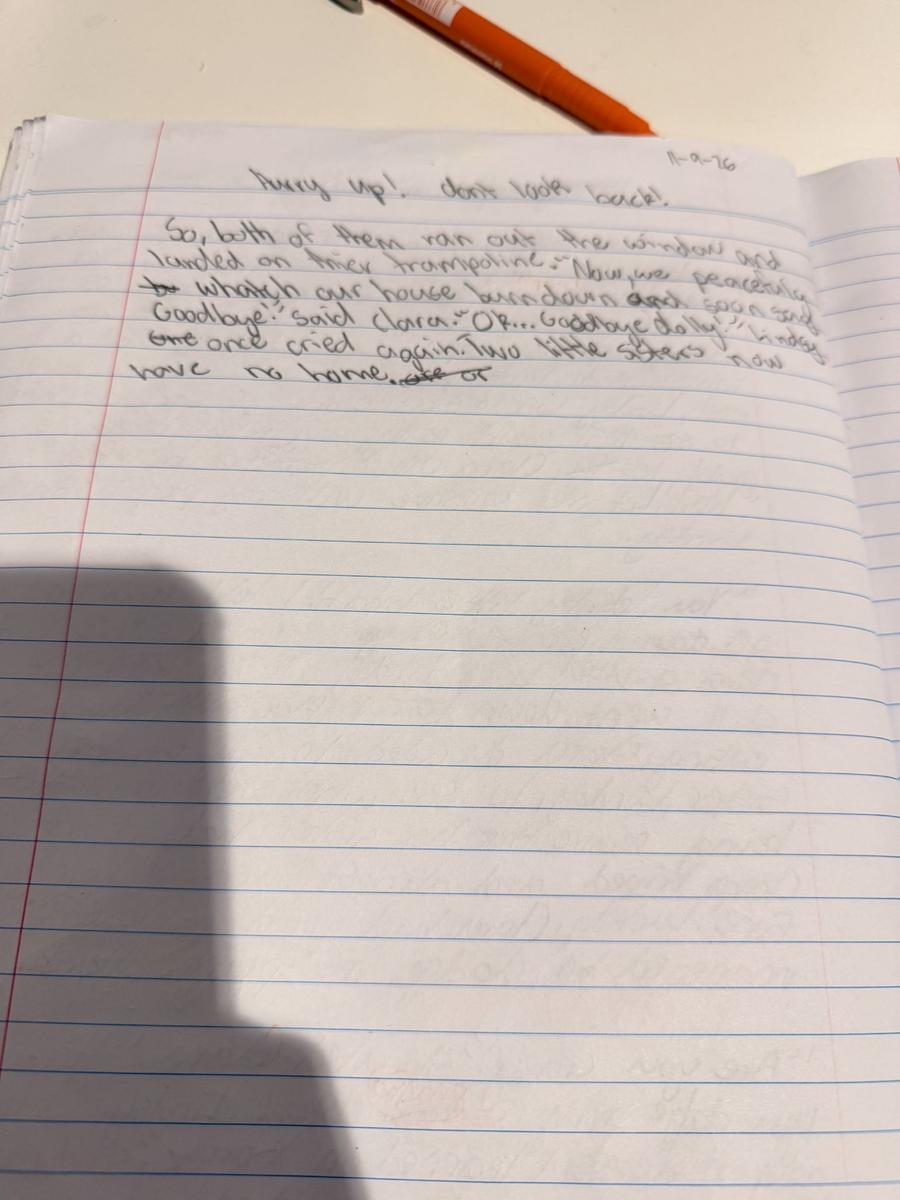
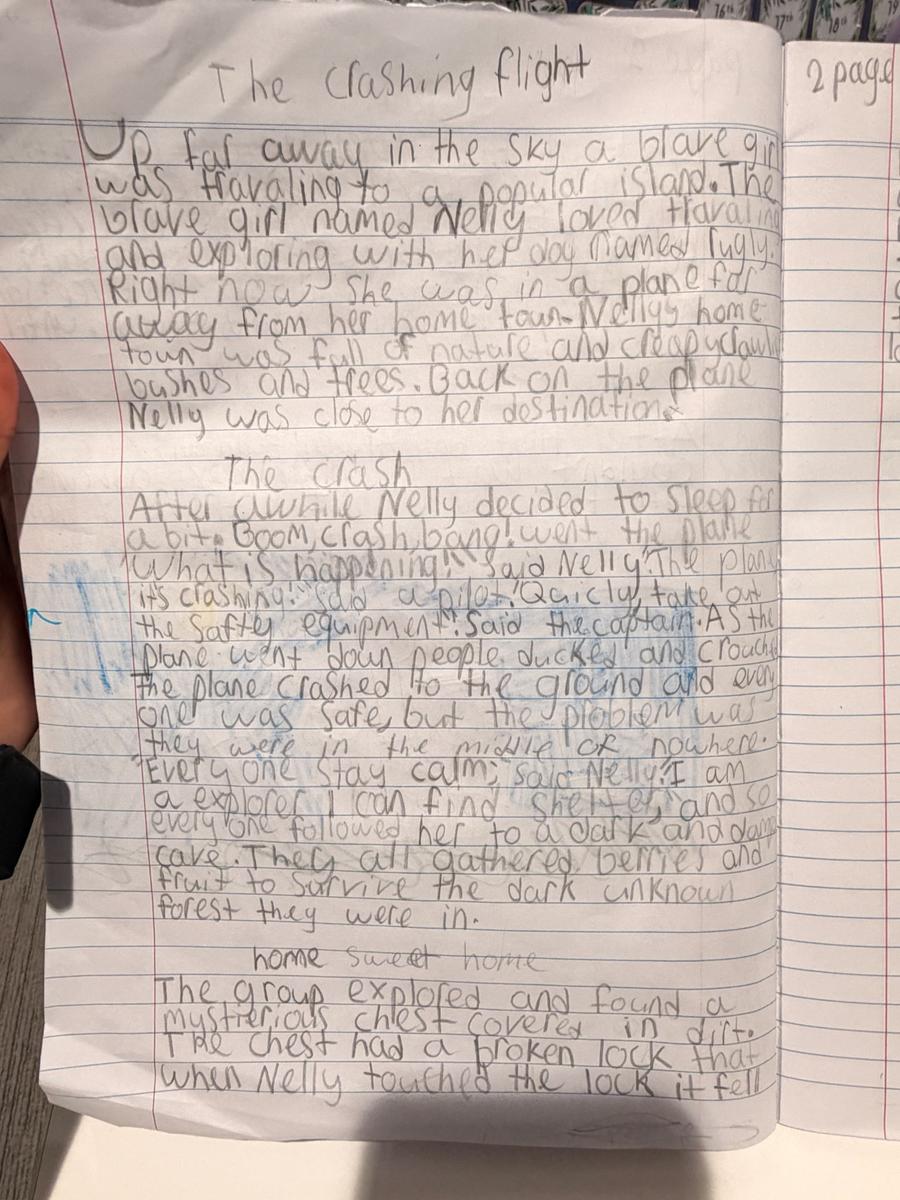
EnglishIn English Writing this term, Stage 2 students have been developing their narrative writing skills. They have learned to engage readers with a sizzling start and structure their stories with a clear problem, solution and conclusion. Students have planned their ideas using keywords, organised their writing into paragraphs and used varied sentence types, accurate punctuation, figurative language and engaging Tier 2 and Tier 3 vocabulary. They have also edited and improved their work using the CUPS and ARMS strategies. During writing sessions, students understand that quiet thinking time supports creativity, deep thinking and the development of well-structured stories.
Mathematics
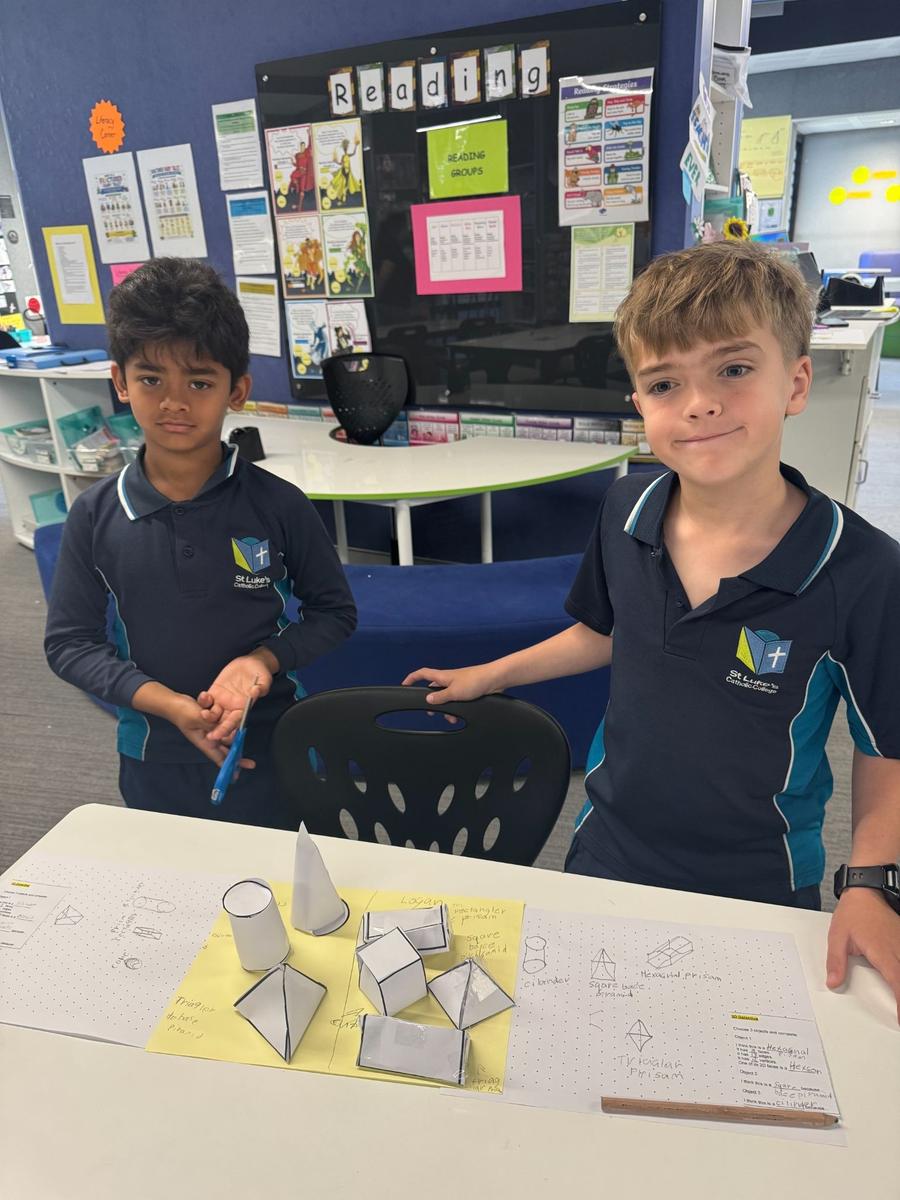
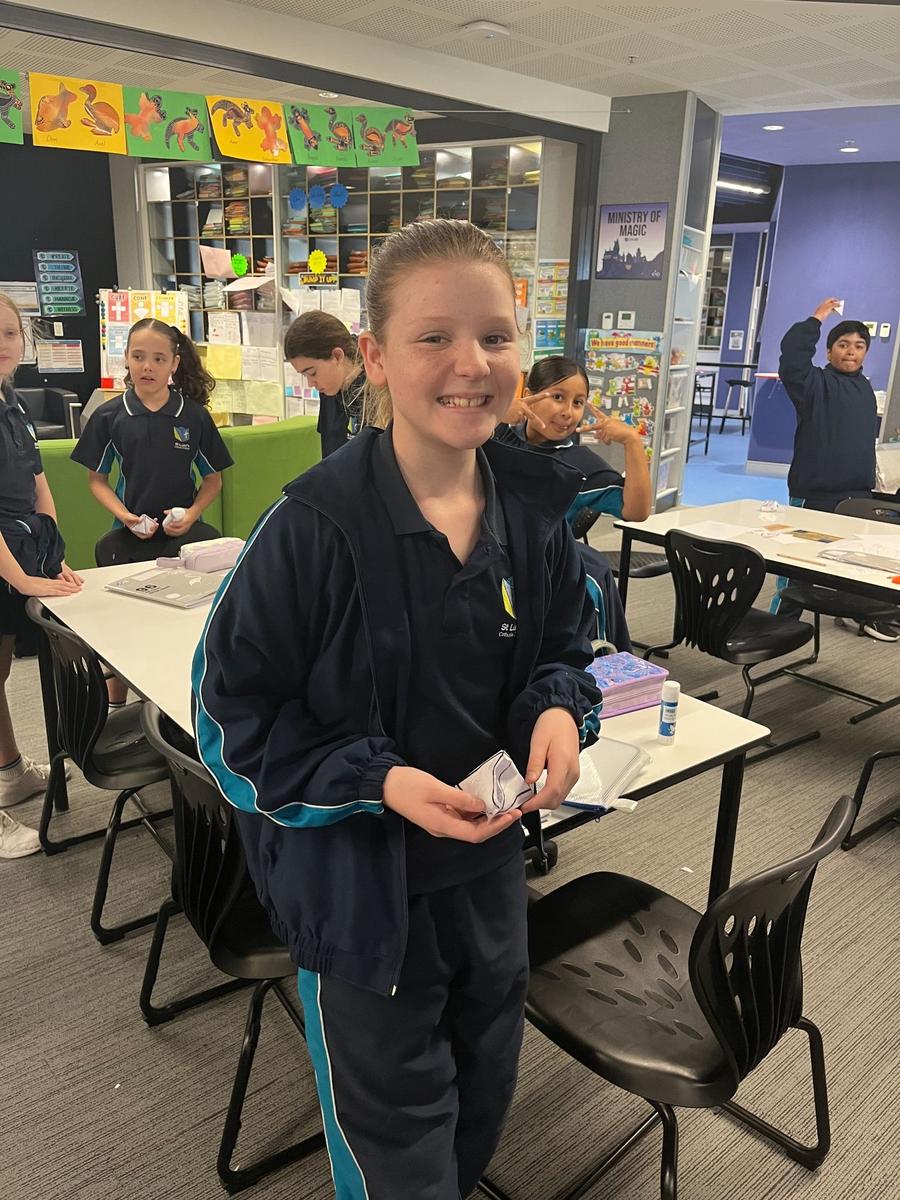
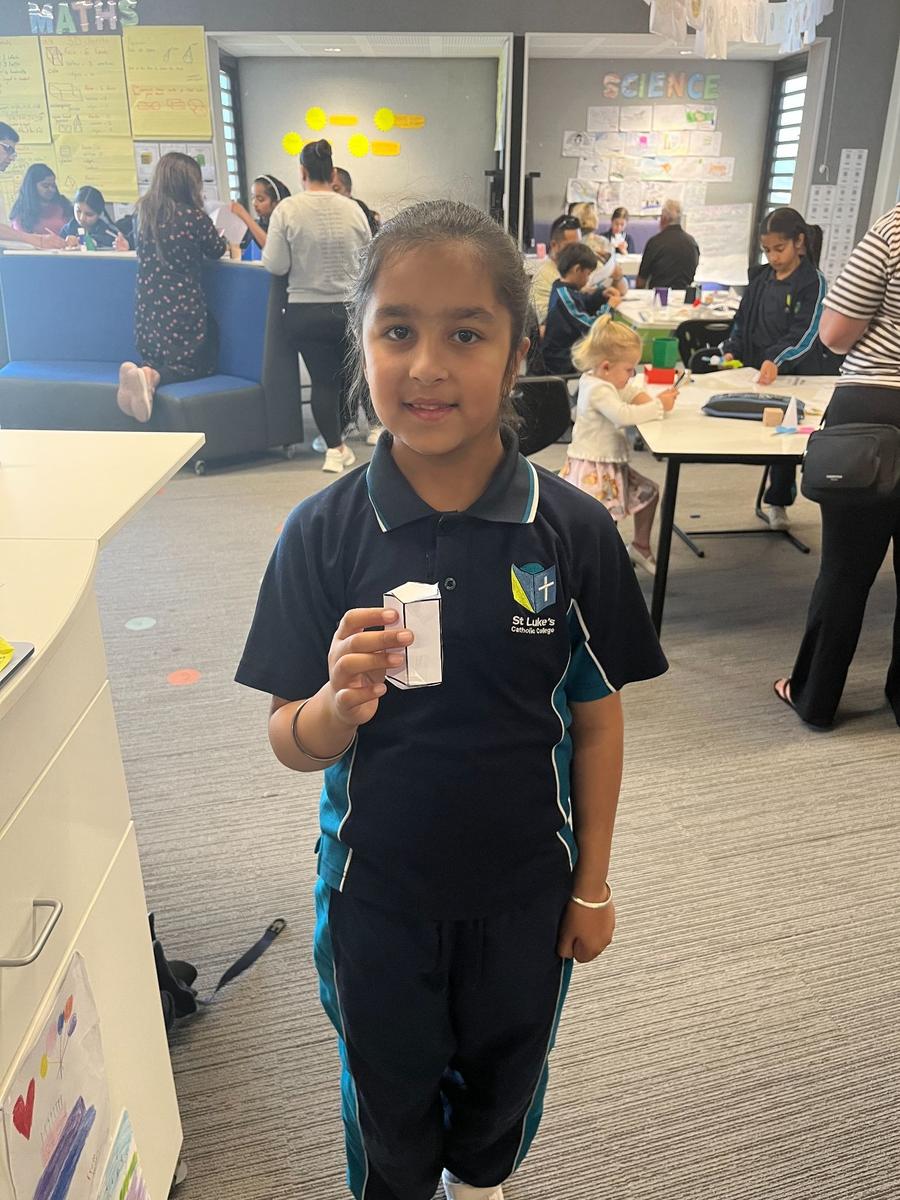
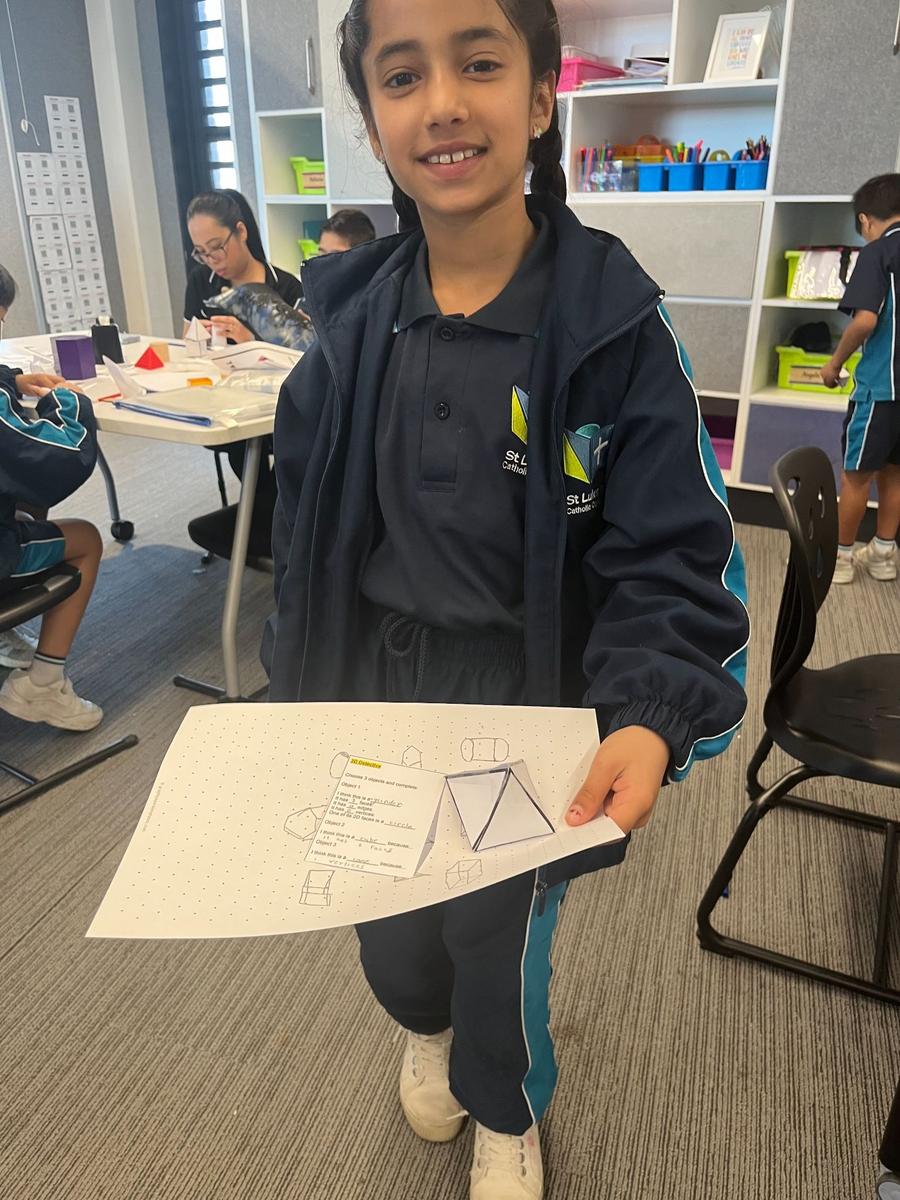
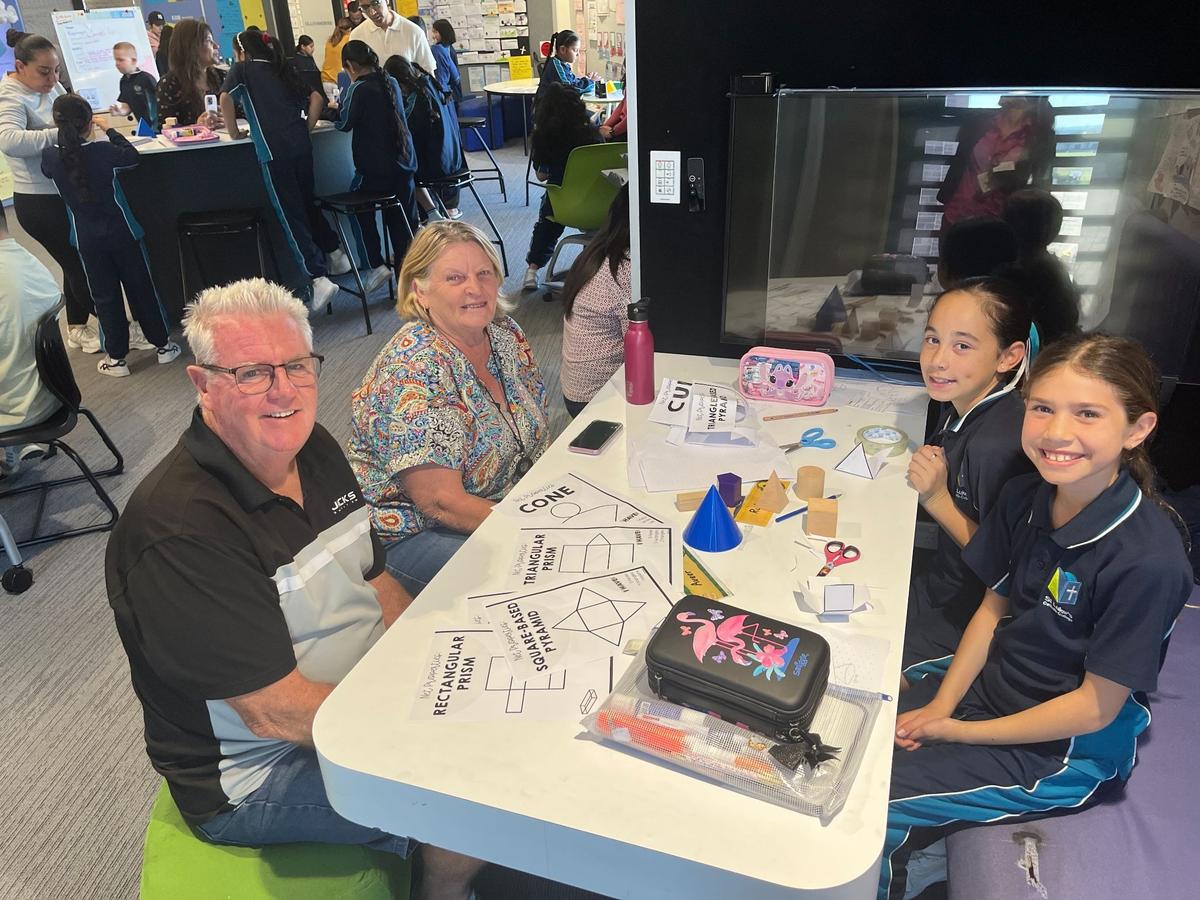
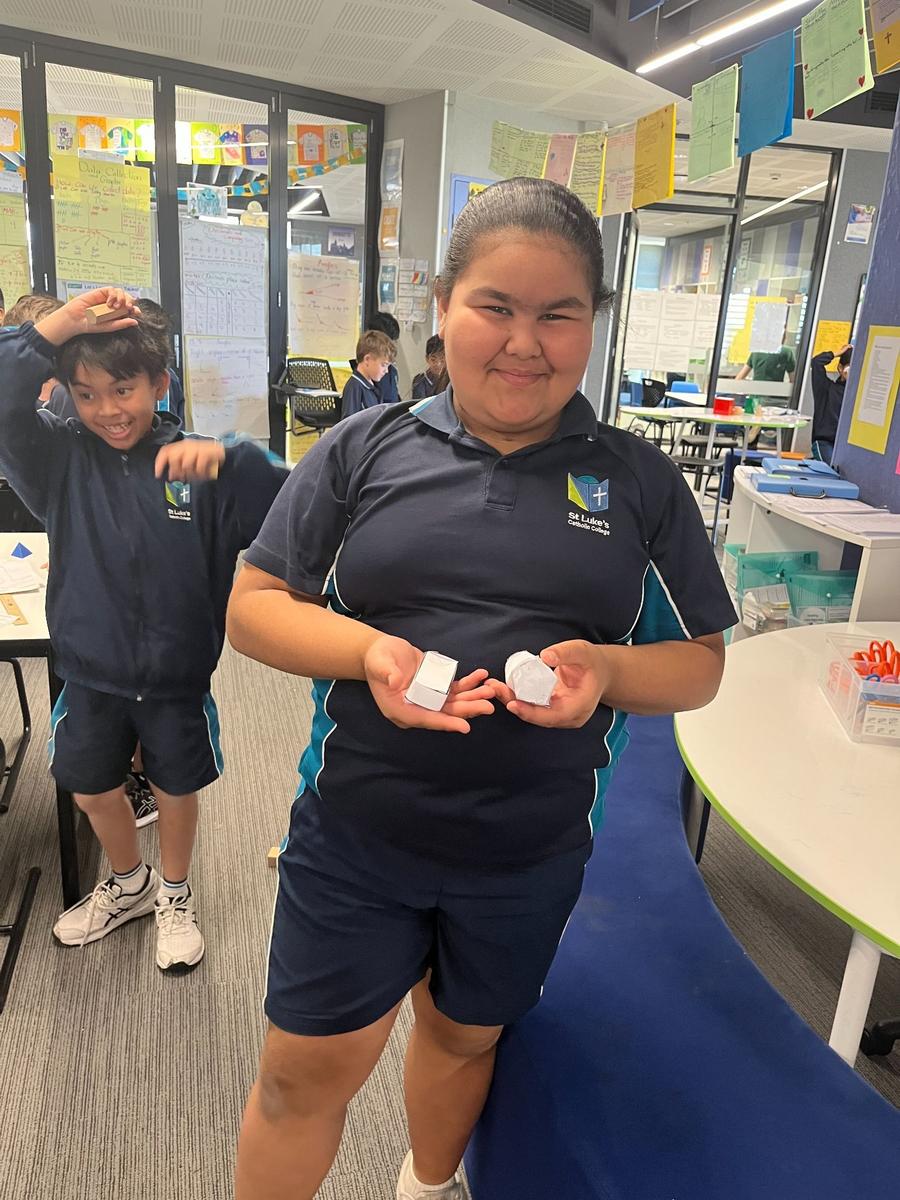
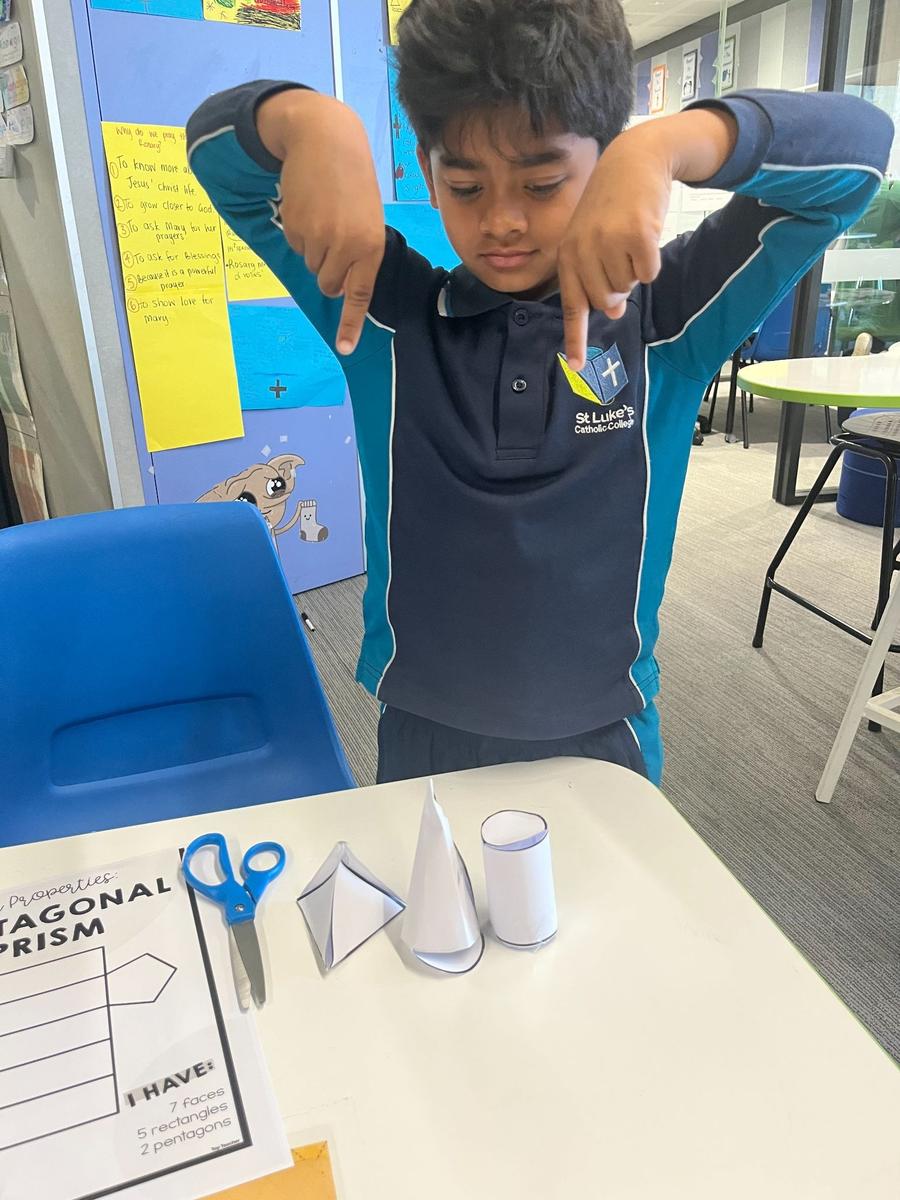
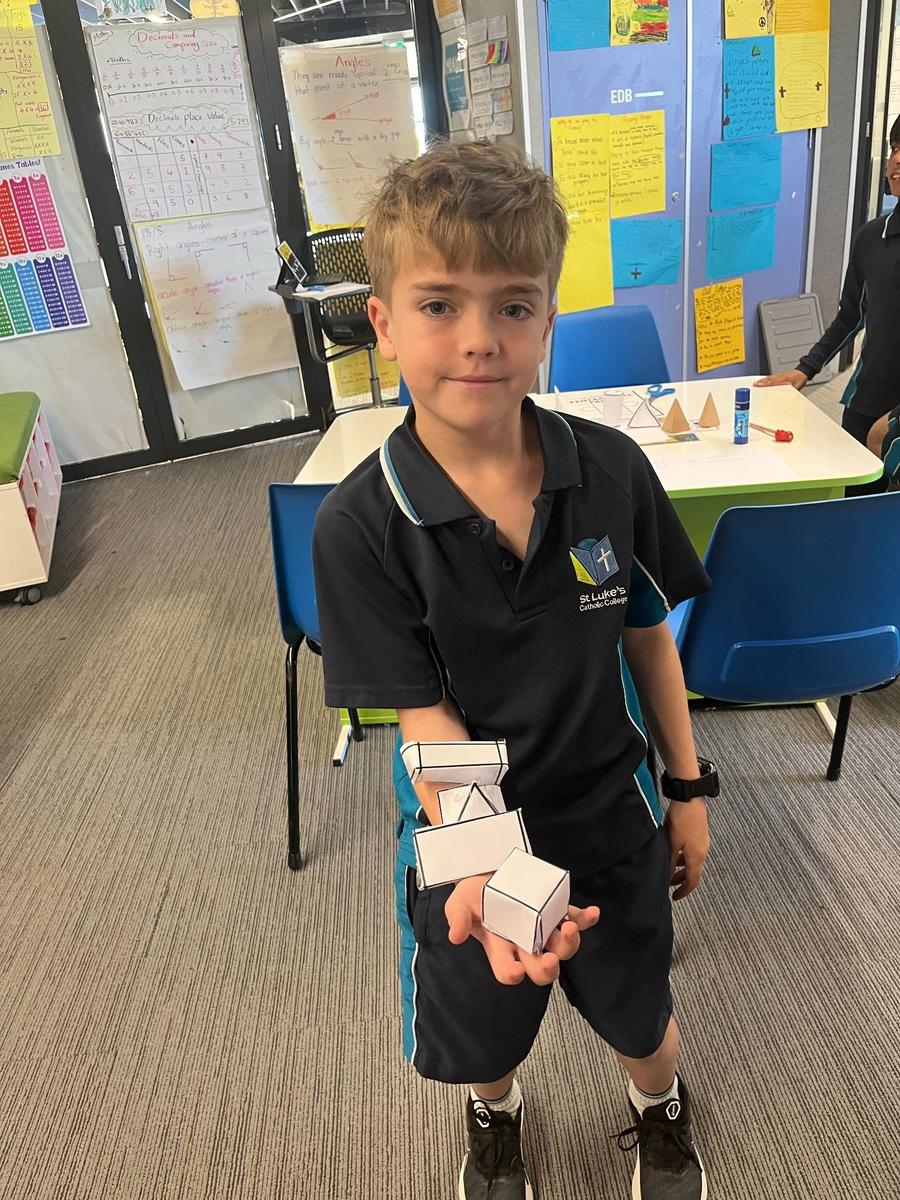
In Mathematics, Stage 2 students have been learning about 3D objects and their properties. They have been identifying and describing different 3D objects, including prisms and pyramids, and exploring their faces, edges and vertices. Students have also been learning about the 2D shapes that make up 3D objects and investigating different nets to predict which 3D objects they can make. Through a variety of hands-on activities, students have had opportunities to construct, sketch and classify 3D objects while using mathematical vocabulary to explain their thinking.
Religion:
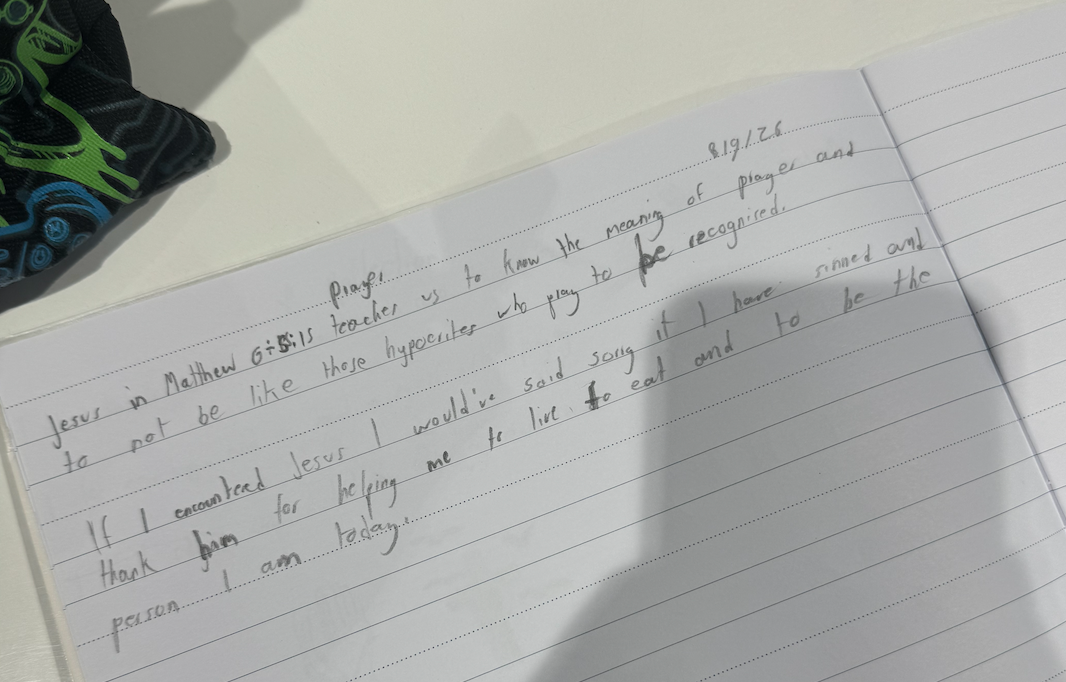
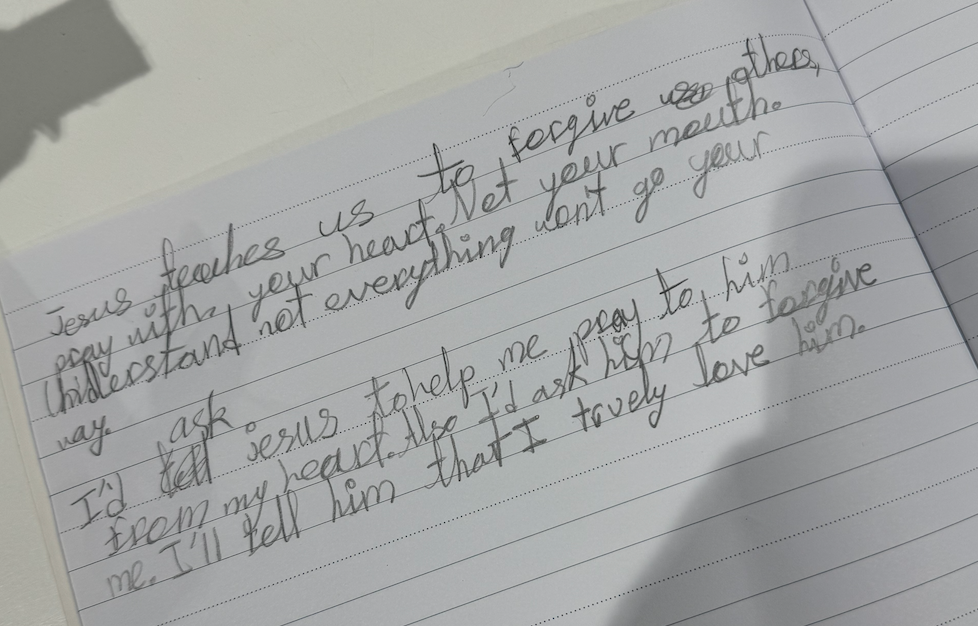
This week in Religion, students have been discussing different passages in the Bible and what they teach us about prayer. They have also been learning what an encounter is, and that it is more than simply seeing someone—it is meeting them in a meaningful way. In particular, students focused on the Gospel of Matthew 6:5-15, and reflected on what this passage teaches us about prayer and what we would say to Jesus if we encountered Him in real life.
🔬 Science
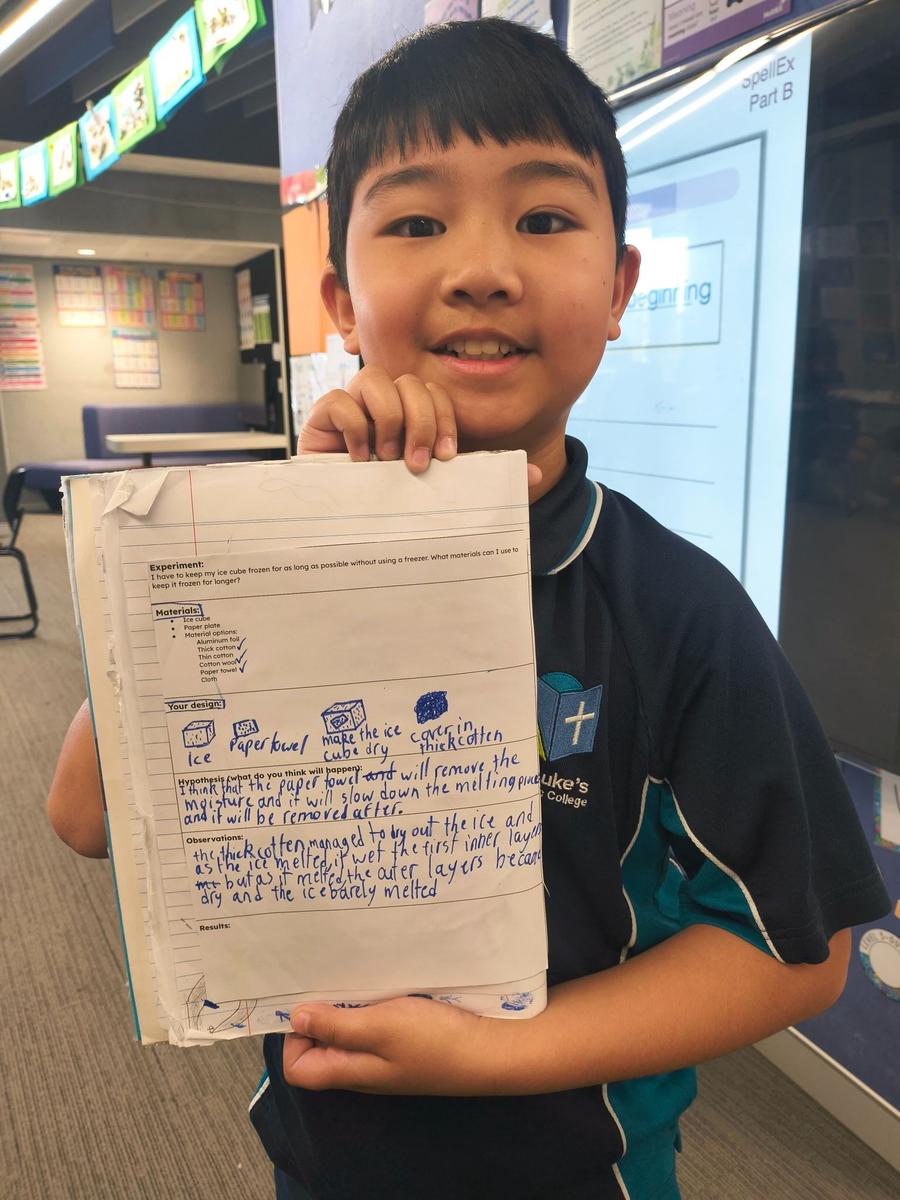
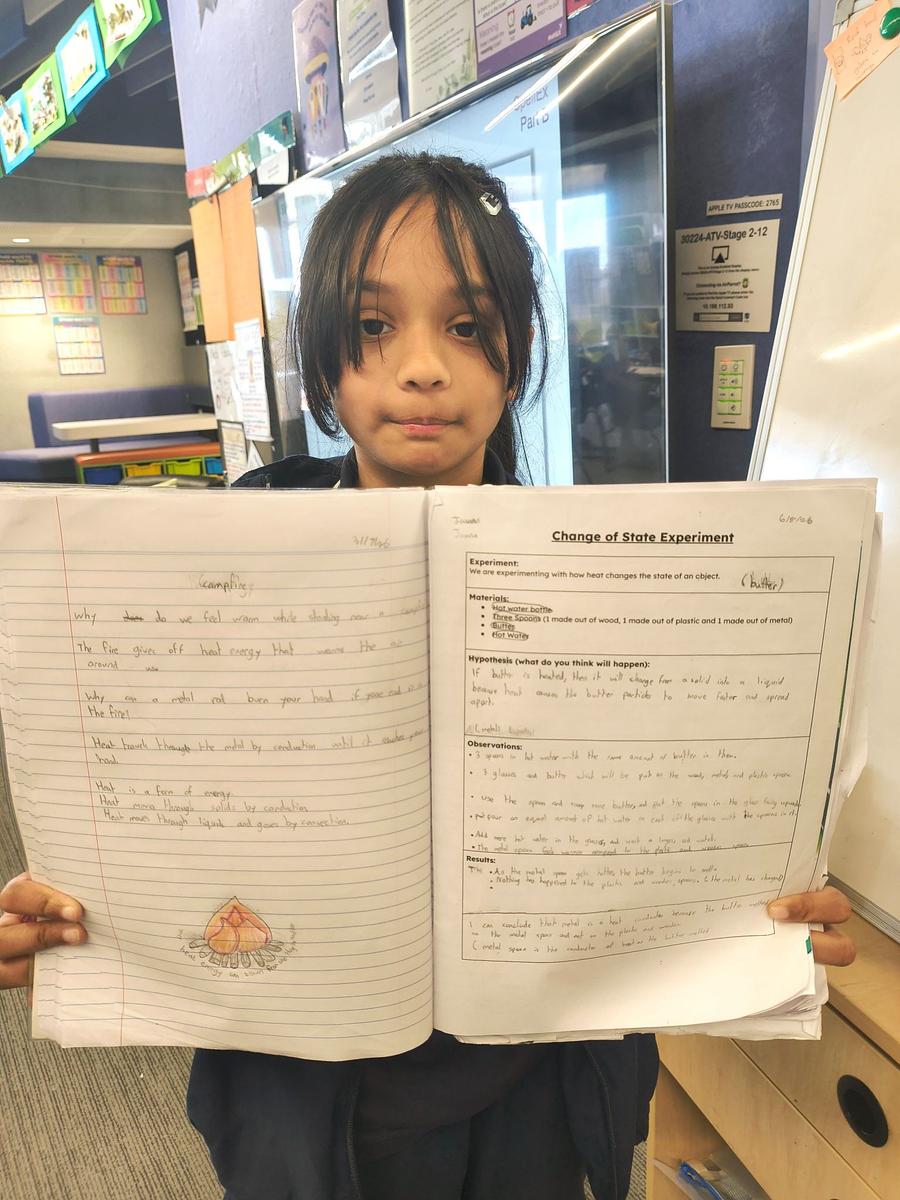
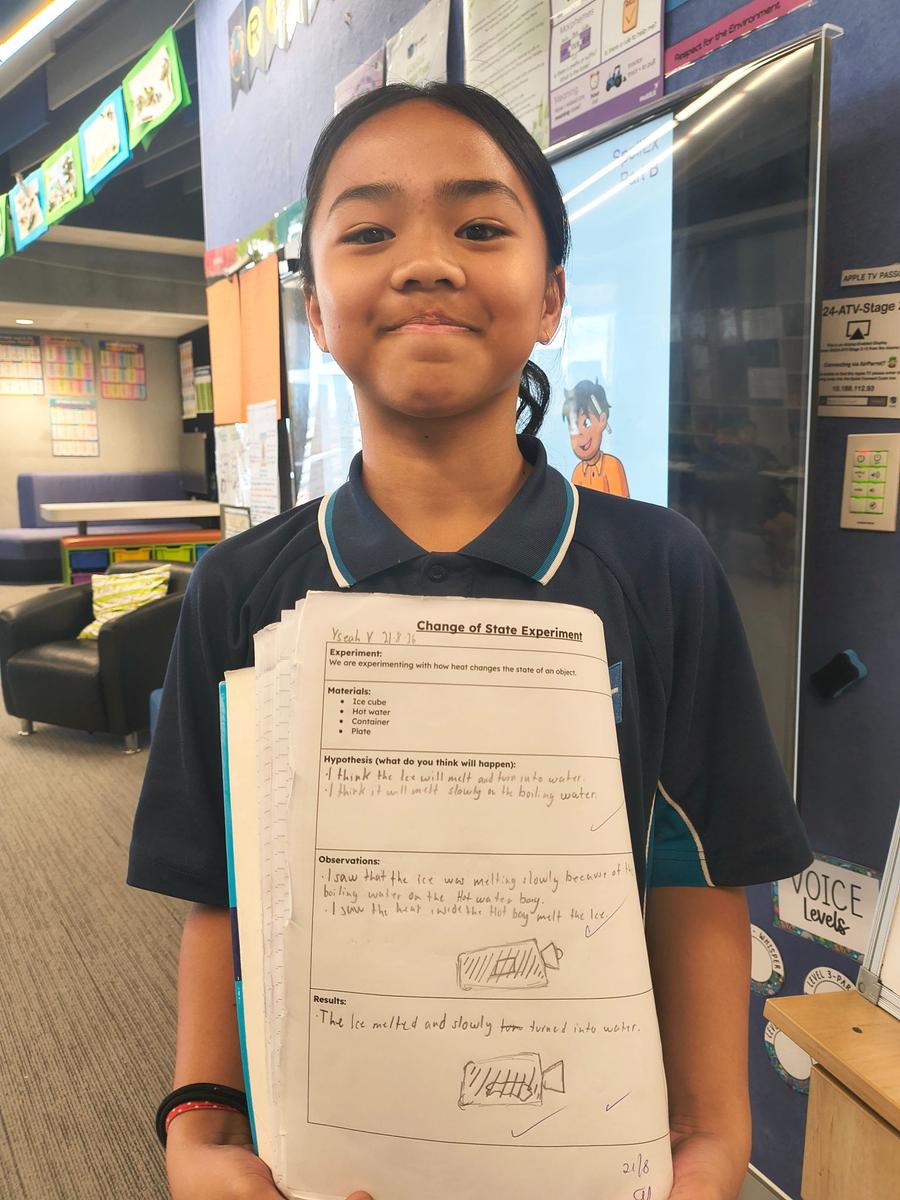
Changes of State: Over the past three weeks, students have been exploring how materials change when they are heated and cooled. We investigated the processes of melting, evaporation, freezing and condensation, and students demonstrated their understanding through visual representations, drawings, models and videos. We also conducted an exciting investigation using different materials and ice cubes, making predictions, observing changes and recording our results. Students enjoyed discussing their findings and developing their scientific skills through hands-on experimentation.