Wellbeing














 St Francis de Sales Catholic Primary School Lynbrook
At SFS, our PBL (Positive Behaviours for Learning) school wide expectations are:
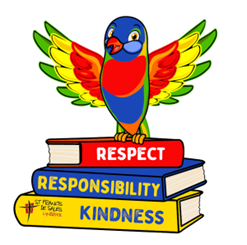
Respect, Responsibility and Kindness
We have a whole school social skills lesson where we explicitly teach an expected behaviour from our Behaviour Expectation matrix.
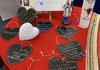
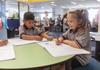
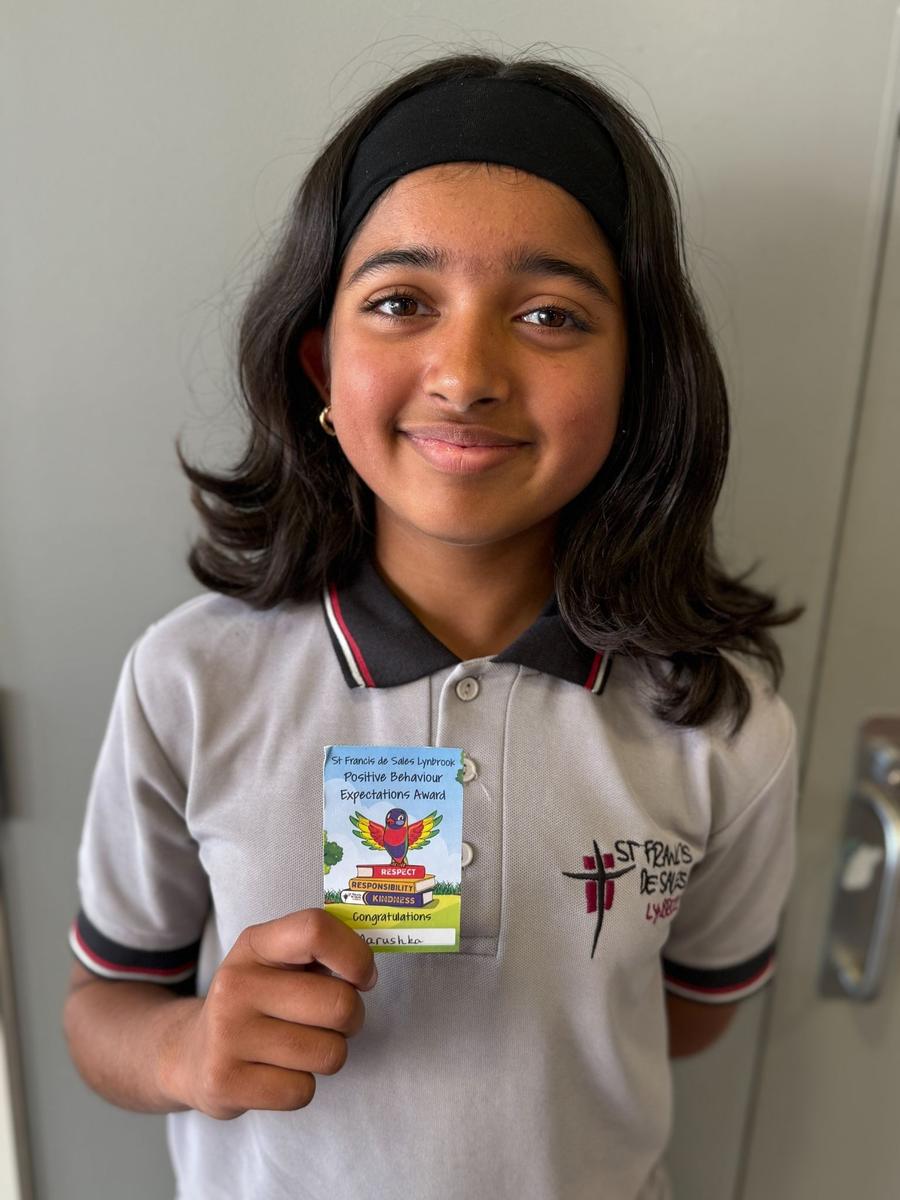
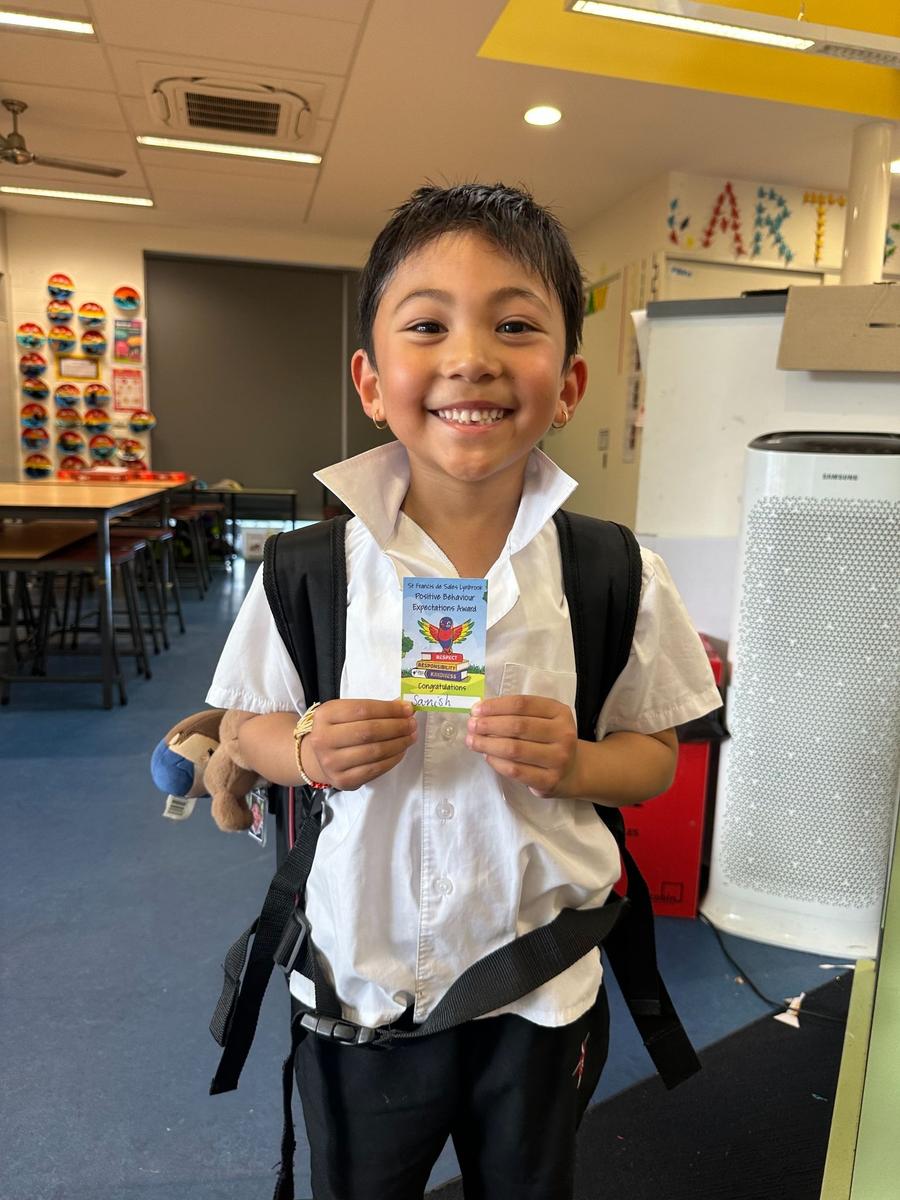
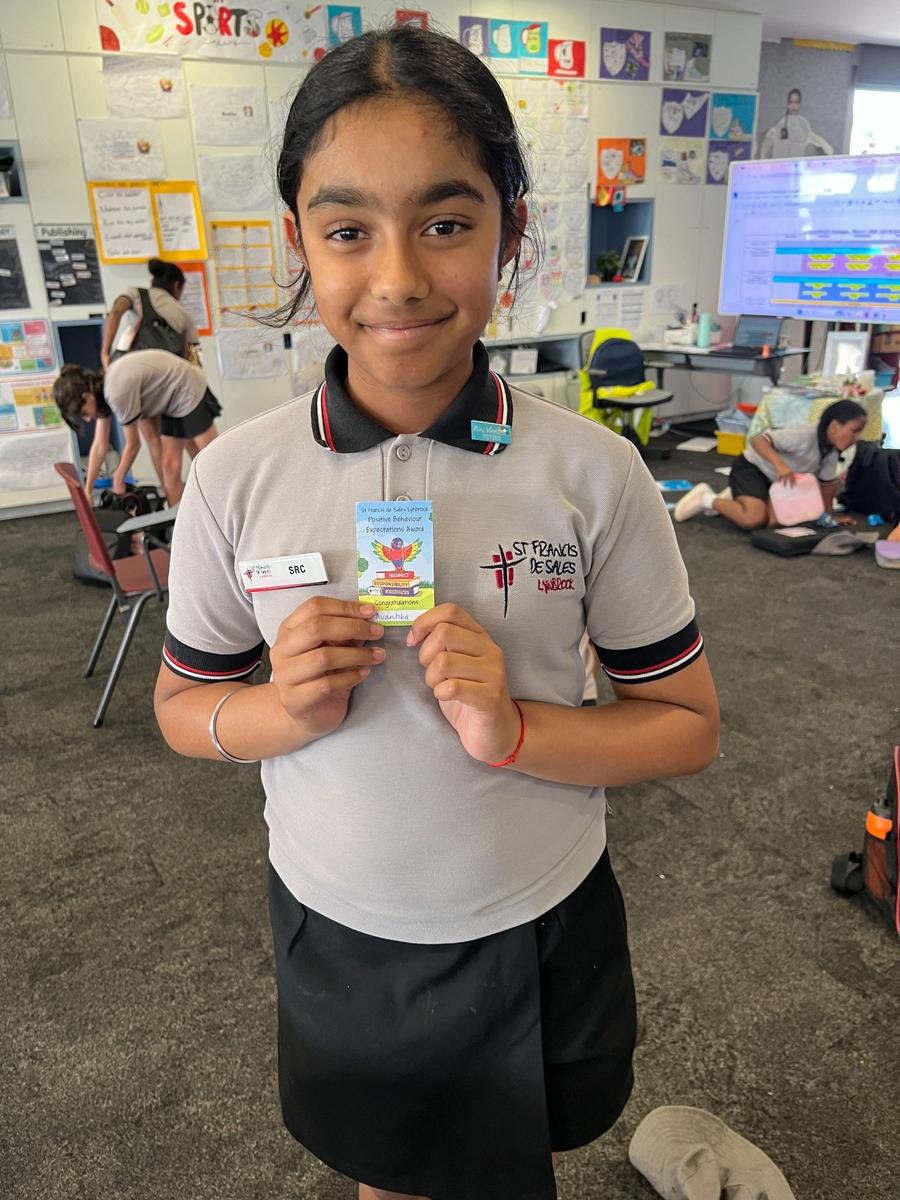
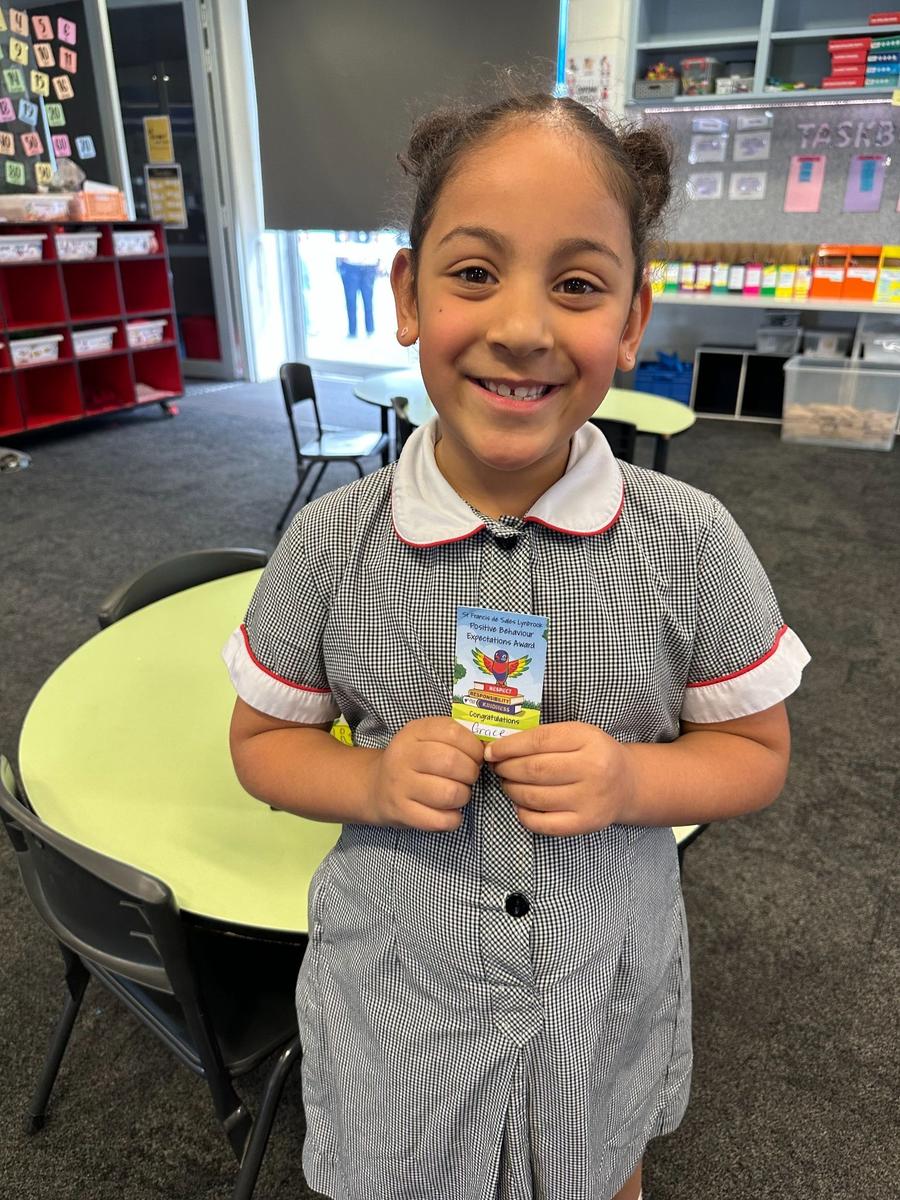
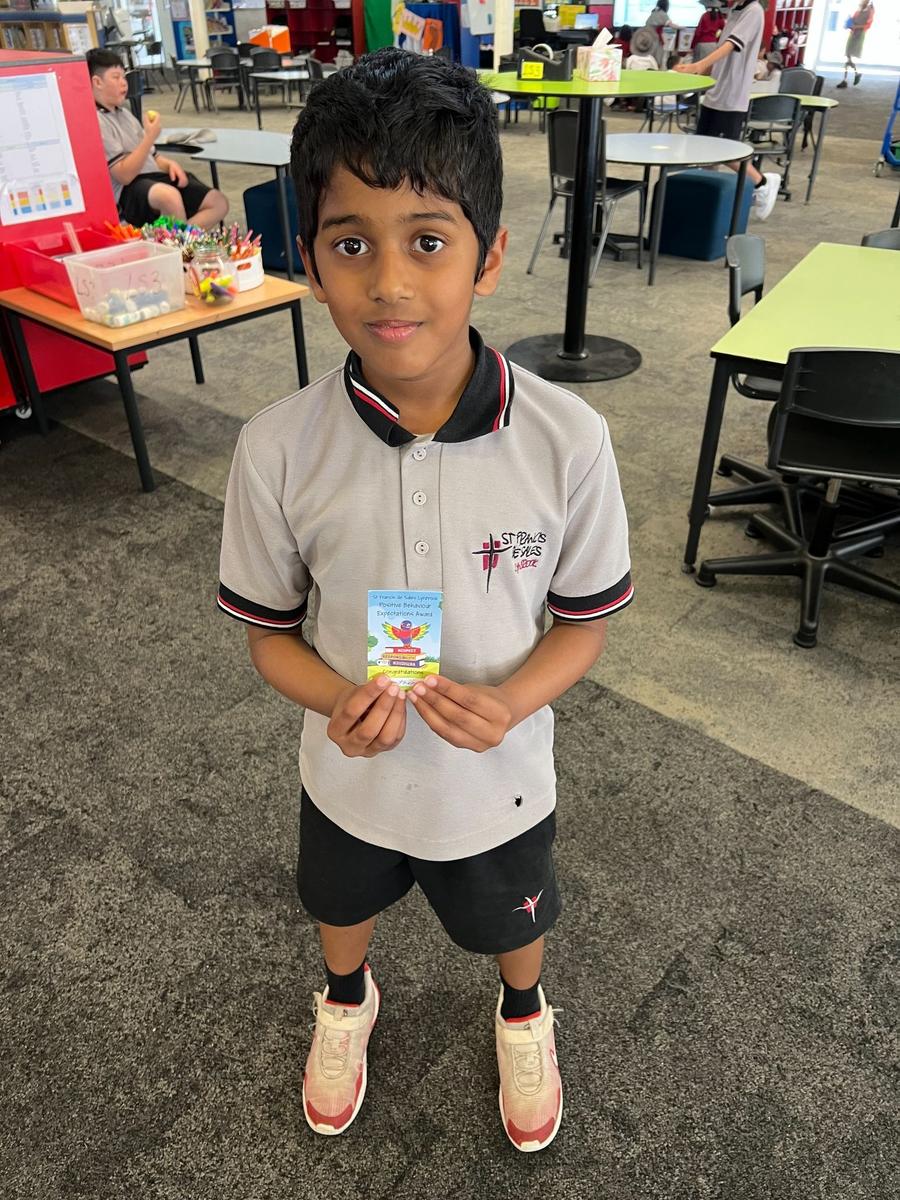
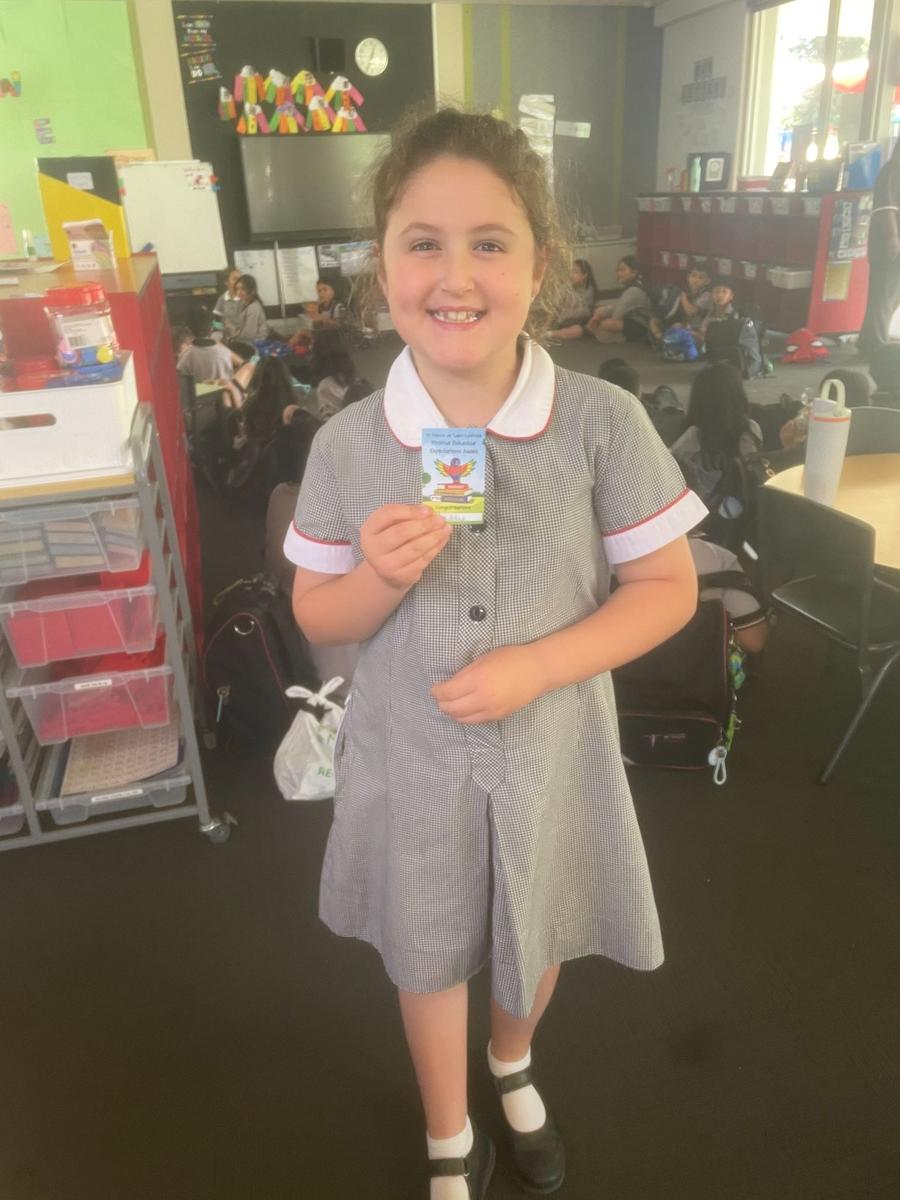
This week we have focused on RESPECT: Listen and follow instructions. This is important because students need to listen to the teacher or speaker to learn and follow instructions.This will help them to be engaged in their learning, complete tasks successfully in the learning space. Students then practiced using the skill of listening and following instructions. Here are some of our lucky PBL raffle winners from last week who have been demonstrating expected behaviours at school. Congratulations to these students.

The Orange Door
Our school cares about the safety and wellbeing of our students and their families.
Sometimes things at home or in a relationship are not OK or families can be worried about the wellbeing of their children or young people.
The Orange Door can help you to get the support you need, quickly and easily.
It’s free and you don’t need a referral.
The Orange Door can help families. They provide support for concerns with parenting, relationships, and family violence. The Orange Door is a free intake and assessment service for:
• families requiring support for their child or young person’s wellbeing or development
• families needing parenting support
• young, isolated, or unsupported families
• individuals and families experiencing family violence
• adults using family violence
• young people using violence in the home.
If you contact The Orange Door, they can help by:
• working with you to identify the help and support you need
• supporting you with the wellbeing and development of your child or young person
• helping you make a safety plan if someone is making you feel unsafe
• connecting you to services that can help like counselling, accommodation, mental health and drug and alcohol services, parenting support groups, services for children, financial help, or legal assistance
• supporting you to access funding for basic living expenses and some other costs
• supporting you to change abusive or controlling behaviour.
Each Orange Door location across Victoria has their own phone number and email. Students and their families can also visit their local Orange Door in person for support, Monday to Friday, 9am - 5pm for support. No appointment is needed.
To find your local service, see: The Orange Door – Support near you.
The closest 2 Orange Door services to Lynbrook are located in Cranbourne and Dandenong.
Cranbourne - The Orange Door
Location
23 High Street, Cranbourne VIC 3977
Phone 1800 271 170
Email sma@orangedoor.vic.gov.au
Opening hours Mon-Fri: 9:00am to 5:00pm
Dandenong - The Orange Door
311 Lonsdale St, Dandenong VIC 3175
Phone 1800 271 170
Email sma@orangedoor.vic.gov.au
Opening hours Mon-Fri: 9:00am to 5:00pm
How do schools connect with The Orange Door?
Our school might talk to a student and/or their family about The Orange Door. We might encourage them to contact their local Orange Door to get advice and help if needed. Ideally, a student and/or their family will get in touch with The Orange Door to seek advice and support.
Sometimes, schools might make a referral to The Orange Door without the student or their family’s knowledge or consent. Schools will do this if:
• informing a student and/or family increases the risk to their safety or wellbeing
• not linking a student to support increases the risk of their safety and wellbeing.
You can learn more about:
• The Orange Door and how they can help you and your family here.
We also have a Child Safety and Wellbeing Policy and Child Safety Code of Conduct to help keep our students safe. You can find out more about how we keep children safe at school by reading these linked policies.

Transitions
The end of the educational year brings changes, both big and small, for children, young people and adults. We have begun transitions this week with our new Foundation students for 2027 coming to SFS for the Step into SFS party this week and transition sessions coming soon this term. Our Year 6 students are beginning to make their transition to secondary school next year with their Orientation days fast approaching. Each year we have Juniors moving to Seniors and students moving up to the next Year Level. While it can be an exciting time, it can also be challenging and overwhelming for some students and families. The following information is taken from the BeYou website, a government website to assist educators to create mentally healthy communities. For more information, please visit www.beyou.edu.au
“Everyone reacts differently to change – some find it exciting, some find it stressful, some hardly notice it happened. Adults use their experience and existing knowledge to predict what changes may be like, and how it may affect them and can develop strategies to help them adjust and cope. Children and young people don’t often have as much prior knowledge or experience to draw on which can make change more difficult and challenging.

Transitions are everywhere, every day
Transitions are best described as change: a period where we must adapt to new circumstances, expectations, people, environments or routines. Transition involves more than the first day in a new situation – it’s happens over time both before and after what we think of as the ‘big’ day. How quickly children and young people adjust varies.
When thinking about types of transitions for children and young people we might consider:
- their first transition from home to an early learning service
- the first year of school
- moving from primary to secondary school
- finishing secondary school and moving to the next stage of study or work.
However, small transitions are happening every day for children and young people: saying goodbye to family in the morning, stopping one thing and starting something new, moving from one room or building to another. Transitions also occur in home life: moving house, going on holiday, the birth of a sibling, family changes, separations or bereavements.
These early years’ experiences can influence how we approach and cope with transitions throughout life.
What we might observe during transitions
Children and young people often communicate their feelings through behaviour. They rely on the adults around them to understand, acknowledge and interpret their behaviour, and provide a safe, secure, predictable space for them.
Transitions are successful when children and young people feel confident, secure and included – and these are all important protective factors for children’s mental health and wellbeing.
Supporting transitions and building resilience
We build resilience by learning and developing social and emotional skills – including coping skills. With these skills we manage life stressors, grow confidence and willingness to try new things, and seek and accept help when required. During transitions, things we can do that provide the most positive experience for children and young people, maintain and grow relationships, and reduce routine disruption and stress include:
Plan and prepare for transitions through a supportive orientation process.
Have consistent communication with everyone - including the children, young people, their families and educators.
Develop strategies that include planning for and respecting diversity and individual needs.
Be flexible when the unexpected happens.
Establish routines as soon as possible to develop a sense of predictability in the new environment”.
If you have any wellbeing concerns for your child, please feel free to contact me at school or via email to see how we can best support your child at school rlenko@sfslynbrook.catholic.edu.au
Rachel Lenko
rlenko@sfslynbrook.catholic.edu.au
Mental Health and Wellbeing Leader
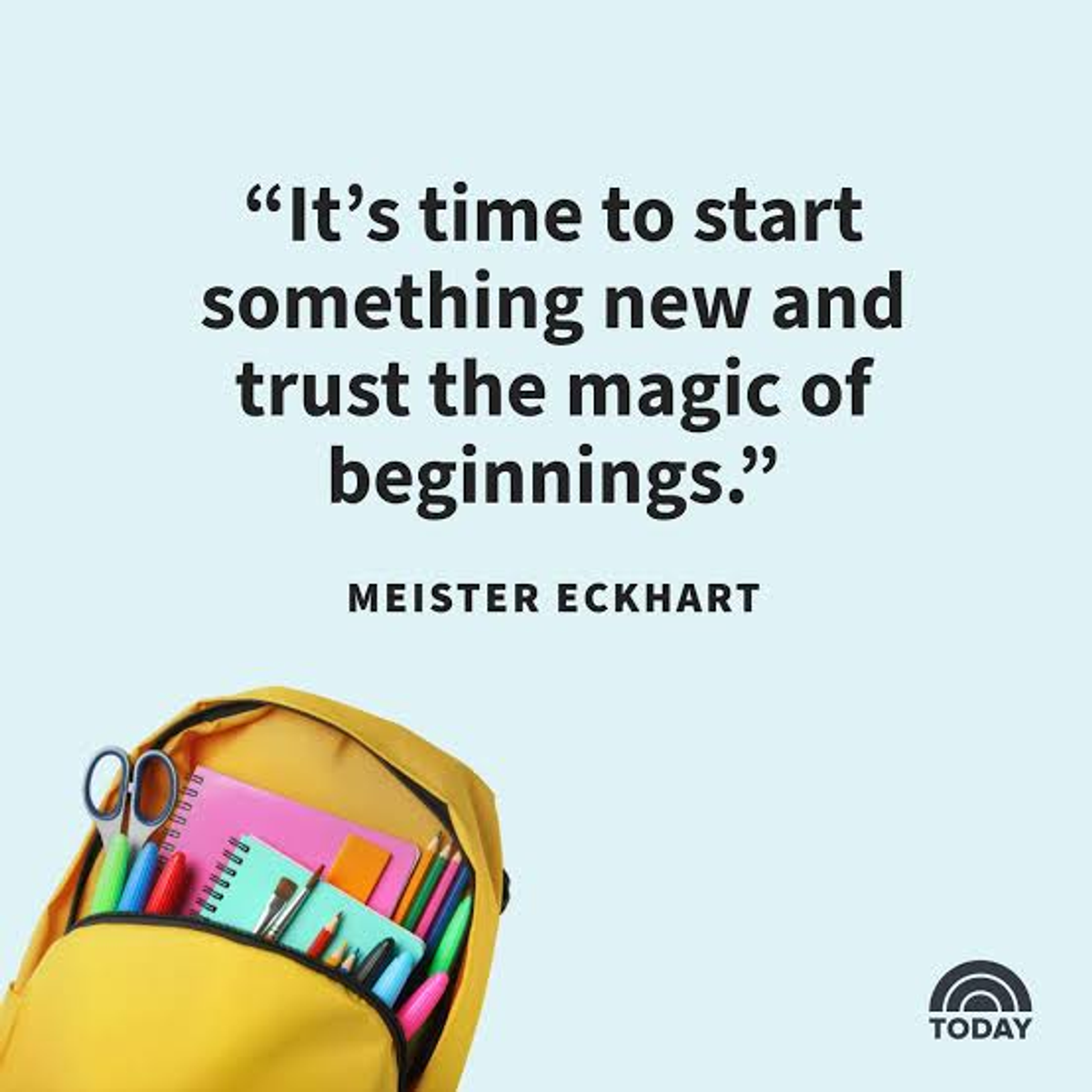
Positive Quote for the Day
Positive Quote for the Day