Wellbeing News









Resilience, Rights and Respectful Relationships:
Topic 7: Gender and Identity
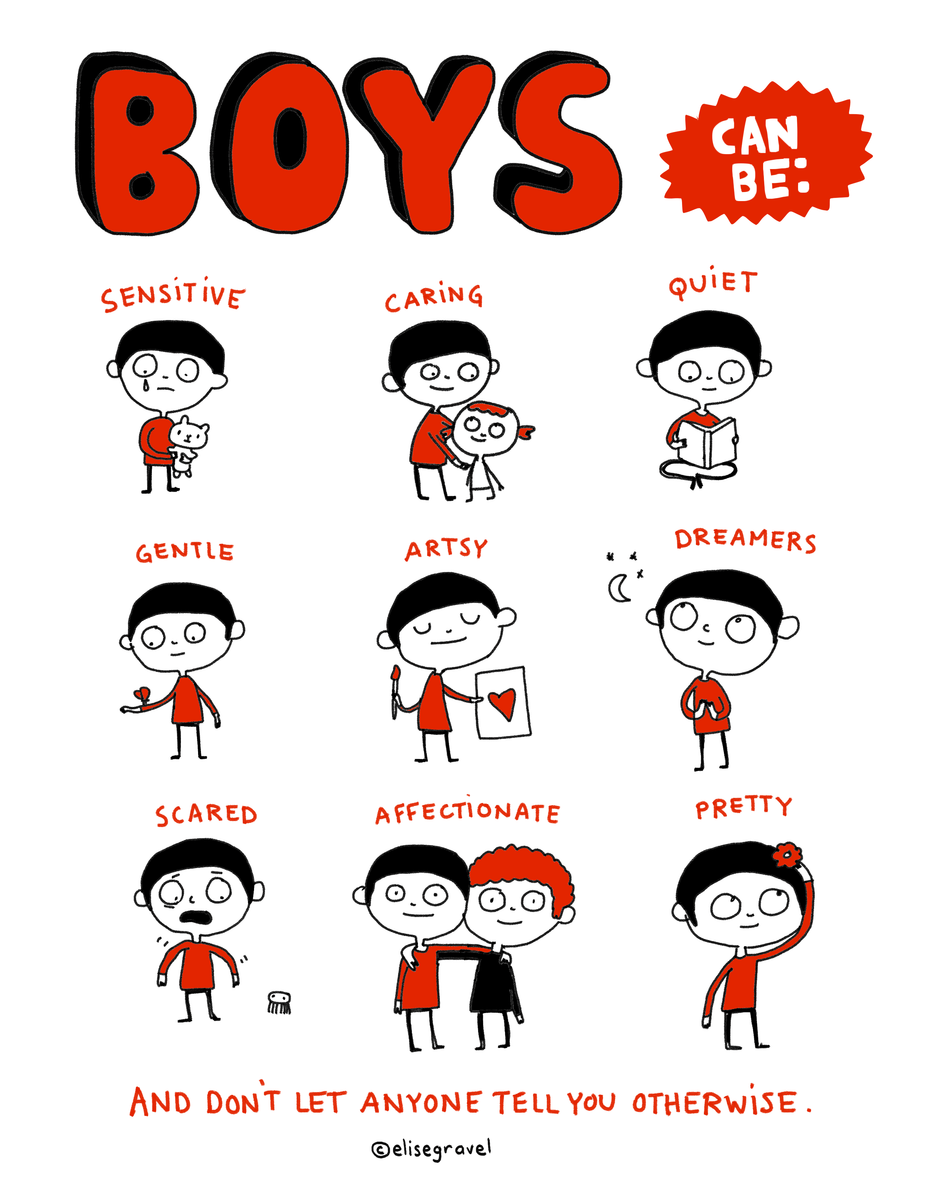
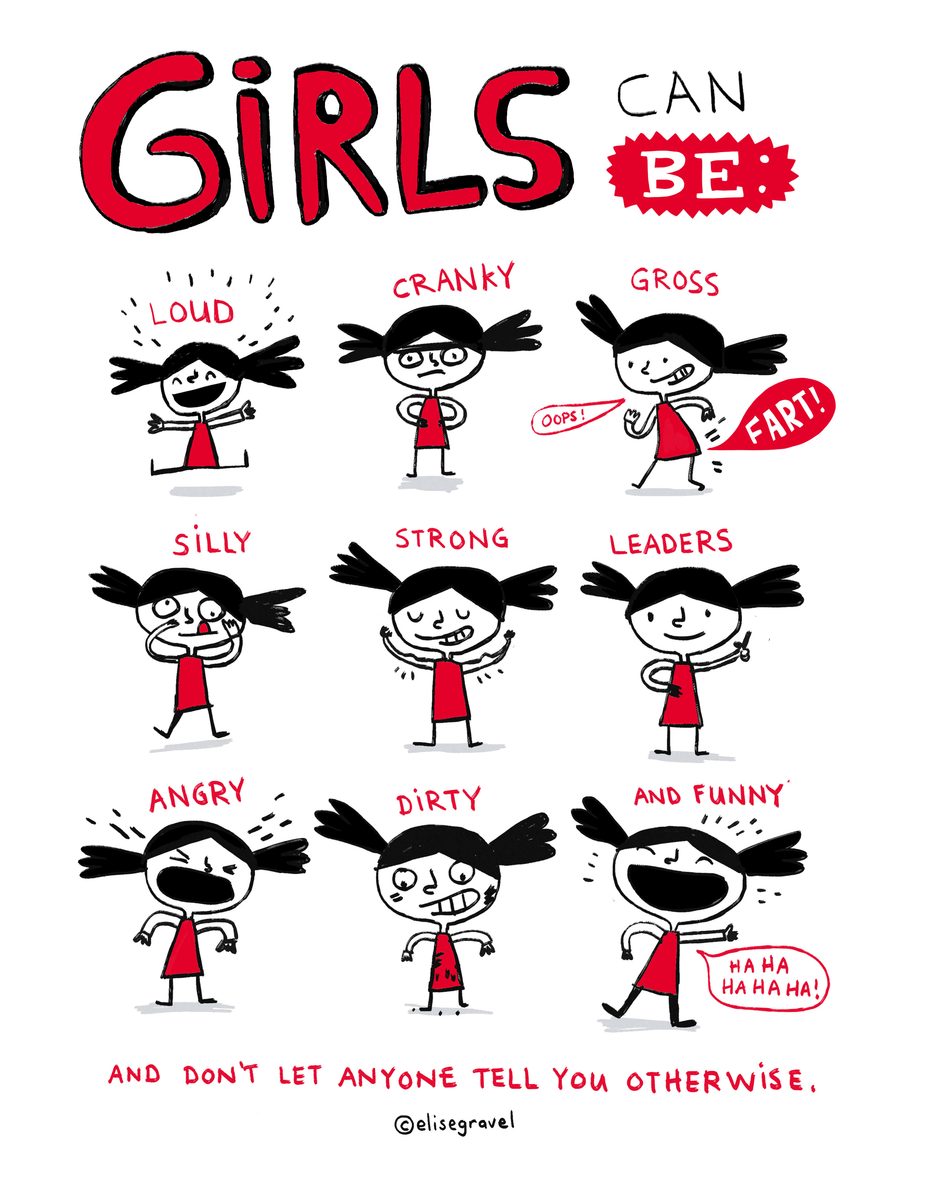
As we walk through the playground or overhear a conversation between kids, it's not uncommon to hear a child say something like "that's a boys' game" or "pink is for girls". Children pick up ideas about gender from a very young age, from the books they read, the shows they watch, and the world around them.
This term, our students are exploring Topic 7 of the Respectful Relationships program. It's all about gender and identity. Where our ideas about gender come from, why everyone deserves respect, and how we can all feel free to be ourselves.
What's happening in the classroom
In class, children are learning to spot gender stereotypes, which are those fixed ideas about how physical females and males are "supposed" to act. Our beliefs about gender begin forming in childhood and are shaped by families, schools, media and pop culture, so this is a great age to get curious about them.
During wellbeing lessons, students might read picture books where girls and boys do all sorts of things, or chat about why everyone should be free to wear what they like, play what they love, and dream of any job they choose. They're also discovering that qualities like kindness, caring, respect and sensitivity belong to everyone, not just one gender.
Why we start now
Respectful Relationships is a preventative program which teaches children, from an early age, the foundations for healthy, caring relationships: understanding feelings, communicating kindly and treating everyone fairly. Along the way, children learn to question rigid ideas about gender and build empathy and resilience. Small habits like these help shape a kinder, safer community for all of us.
A recent Australian study shows why this matters. The Adolescent Man Box report, from Jesuit Social Services' The Men's Project, asked 1,401 teenagers aged 14-18 what it means to be a teenage boy today. Around 60-63% of the boys and girls surveyed felt that Australians expect teenage boys to adhere to gender norms such as being tough, confident and strong all the time. That's a lot of pressure to carry. The researchers found that boys who take these rigid expectations most to heart are more likely to hold harmful attitudes and struggle with their own wellbeing.
The study also found that many boys feel they must hide their feelings. More than a third thought it would be weird for a boy to talk about his feelings with other boys.
But there's good news, too.
Many boys are moving away from narrow ideas about masculinity, especially the idea that boys shouldn't show emotion.
Most boys interviewed believe girls should be treated as equals and feel uncomfortable when they see gendered comments or harassment aimed at females.
A majority of boys feel safe to show vulnerability and feel hopeful about their future.
Boys still turn to their parents for guidance. That means you, and what you say and do at home, make a real difference.
The study was about teenagers, but these ideas start to take shape much earlier. That's why we begin these conversations now, together.
Keep the conversation going at home
You don't need a special program or a big sit-down talk. Small, everyday moments do the most. Here are a few ideas to try.
Show what fairness looks like
Share the household jobs, like cooking, cleaning and the planning that goes on in the background, so children see everyone pitching in.
Make big decisions together and say thank you for the things you each do.
Learn through stories and play
When you read together, wonder aloud: "Does that seem fair for both boys and girls?"
Let your child pick the toys, games, clothes and hobbies they love, without labels like "for boys" or "for girls."
Be curious. If your child does or says something that reinforces a gender stereotype, try not to correct it or launch into a lecture. Respond with curiosity. "What makes you say that?" or "That comment surprises me. Where did you hear that?" and engage your child in a conversation from there.
Make room for feelings
Let boys know it's okay to feel sad, scared or worried. Being strong and being kind go hand in hand.
Share your own feelings out loud, like "I felt nervous today, so I took a few deep breaths." Children learn so much from watching us.
Go easy on phrases like "man up," "boys will be boys" or "don't be a girl." They excuse or reinforce harmful attitudes or can teach children that feelings are weak.
Chat about teasing. Playful fun is different from teasing that hurts. Help your child develop skills to call out unkind behaviour by workshopping things they can do or say like, "that's not funny" or letting a grown up know so they can intervene.
Look at the media together
Watch an ad or show, and ask how men, women, boys and girls are shown. "Is that like real life? Who's missing?" or "Would the meaning be the same if that person was a different gender?"
Conversation starters for the car, the dinner table or bedtime
Not sure where to begin? Try one of these and see where the conversation goes:
"Is there anything you'd love to try that you’ve been told wasn't for you?"
"Do you ever feel like you have to act a certain way to fit in?"
"What do you do when you feel sad, worried or cross? Who could you talk to?"
"What makes a good friend, do you think?"
"How would it feel if someone said you couldn't join in because of who you are?"
"What could you say if a friend didn't want to play the game you'd chosen?"
"Who would you go to if something felt wrong or unsafe?"
A little look ahead
The skills children practise now, such as talking about feelings and speaking up for themselves and others, are the foundation for the bigger conversations that come in the teenage years about relationships, consent and life online. Children who learn them early are also more likely to become "upstanders," the ones who step in when someone is being treated unfairly.
You don't need to have all the answers, and you don't have to get it perfect. Showing your child that you value fairness, kindness and honest feelings is what counts most.