Teens & Screens
Digital Habits - tips for parents/carers






















 Wantirna College

Teens & Screens
Digital Habits - tips for parents/carers
This week’s Teens & Screens feature puts a spotlight on a simple checklist used to practice safe, responsible, and respectful digital citizenship before sharing anything online.
Before hitting "post," "send," or "share," we should all ask ourselves:
T - Is it True? Are you sharing verified, accurate facts, or is it a rumour, guess, or piece of misinformation?
H - Is it Helpful? Does this message add value or support someone, or does it cause unnecessary stress or division?
I - Is it Inspiring (or Important)? Is this lifting people up, or is it meant to tear someone down?
N - Is it Necessary? Does the world actually need to see or hear this right now, or are you posting out of a split-second emotion?
K - Is it Kind? Would you say these exact words to the person's face, or could it hurt, embarrass, or bully someone?
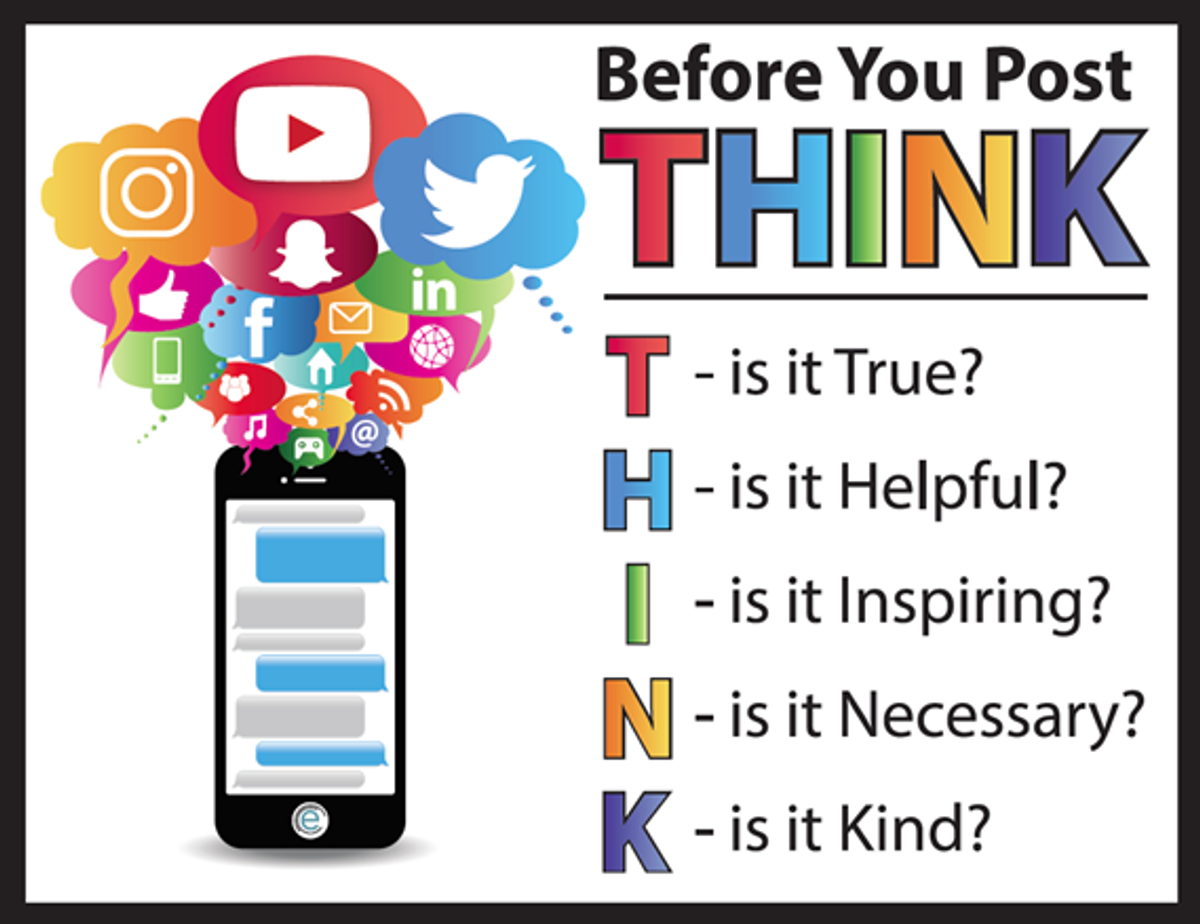
We encourage parents to discuss the THINK checklist with their teens because it acts as a crucial emotional and cognitive buffer before a single click causes long-term real-world consequences.
Teenagers navigate an online ecosystem driven by immediate gratification, algorithmic pressure, and intense peer dynamics. Below are some crucial reasons why the reasonable adults in their lives should teach their teens how to safely navigate the online world as part of their adolescent development.
Mitigating Adolescent Impulsivity - The teenage prefrontal cortex, the area of the brain responsible for impulse control and long-term planning, is still developing. Teens frequently post out of sudden emotion (anger, excitement, or a desire for attention). The THINK checklist introduces a deliberate pause, forcing them to transition from a fast, emotional reaction to a slow, rational evaluation.
Protecting Their Digital Footprint - Teens rarely grasp how permanent online data truly is. A single cruel comment, unverified rumor, or inappropriate photo can linger indefinitely. Emphasising True, Necessary, and Kind helps them realise that colleges, future employers, and coaches look at social histories. It teaches them to curate a digital reputation of which they can be proud.
Curbing Cyberbullying and Social Drama - Online exchanges makes it incredibly easy for teens to say things behind a screen that they would never say in person. Group chats and comment sections can quickly turn into toxic environments or breeding grounds for gossip. Asking "Is it Kind?" or "Is it Helpful?" builds digital empathy, reminding them that there is a real human being receiving their words on the other side of the screen.
Developing Critical Media Literacy - Teens consume massive amounts of information daily, much of it unverified or highly edited. Misinformation spreads rapidly when teens share posts just because they look shocking or match their current worldview. The "Is it True?" step trains teens to question what they read and verify facts before amplifying them to their social circles.

Instead of sitting teens down for a formal talk, look for natural entry points like watching a show together, driving in the car, or discussing a recent viral trend.
The Third-Party Angle: "I saw a post today where someone got completely roasted in the comments for sharing a rumor that wasn't even true. Do people do that a lot in your group chats?" (This addresses True and Kind without accusing them of doing it).
The "Accidental Post" Entry: "Have you ever posted something or sent a text, and immediately wished you could unsend it? What made you change your mind?" (This hits Necessary and Helpful).
The Future-Focused Question: "I read that some employers look at job applicants' old social media accounts now. If someone scrolled through your main feed right now, what kind of person do you think they’d assume you are?" (This covers the big-picture value of the checklist).
The Empathy Check: "Is it easier to say mean things to someone online or in person? Why do you think people lose their filter when they're behind a screen?"
Tanya Moran
Leader of Professional Practice