Parent Wellbeing





















 Wantirna College

Supporting Your Teen Through the End of the School Year
As the school year draws to a close, it’s natural for students and families to experience a mix of emotions. There might be excitement about what’s ahead, pride in what has been achieved, relief that another busy year is coming to an end, or simply exhaustion from a long year.
For some young people, particularly those in Years 11 and 12, the final weeks of the school year can also bring increased pressure around exams, results, future plans and expectations. For others, the challenge may simply be making it to the end of the year with enough energy left in the tank.
This time of year is a good opportunity to help your young person reflect on what they’ve achieved, maintain healthy routines and finish the year with a sense of balance.
Encouraging Healthy Study Habits
Senior students can sometimes feel pressure to study for long hours, sacrifice sleep or cram before assessments. While encouragement is important, it can also help to remind your young person that more study doesn't always mean better study.
Encourage your teen to:
Plan study time realistically: Help them break larger tasks into smaller, achievable pieces and build in regular breaks.
Keep sleep a priority: Sleep supports concentration, memory, learning and emotional regulation. An overtired student is not necessarily a more productive student.
Eat regularly and stay hydrated: When stress increases, it's easy to forget the basics.
Move regularly: A walk, exercise, sport or simply getting outside can help reduce tension and clear the head.
Create a space that supports concentration: A consistent, reasonably quiet study space can make it easier to switch into study mode.
It can also be helpful to focus on effort, progress and consistency rather than perfection. Young people don't need to hear that they need to work harder every time they mention school. Sometimes they need to hear that what they're already doing is enough.
Supporting Emotional Wellbeing
The end of the year can heighten emotions. Relief, excitement, anxiety, frustration and exhaustion can all exist at the same time.
One of the most helpful things parents and carers can do is create space for their young person to talk without immediately trying to solve the problem.
You can support your teen by:
Keeping communication open: Ask how they are going, not just how their marks or assessments are going.
Listening before problem-solving: Sometimes your young person may need to be heard rather than given advice.
Acknowledging their effort: A simple “I'm proud of how you've handled this year” can mean more than a conversation about results.
Encouraging breaks and downtime: Rest, social time, hobbies and time away from school are important parts of maintaining wellbeing.
Normalising stress: Feeling stressed at times is part of being human. Let your young person know they don't have to manage it alone.
Keeping perspective: School results are important, but they are only one part of a young person's life and future.
It can be tempting to increase reminders and pressure when you know your child has an important assessment coming up. Sometimes the more helpful approach is to ask, “Is there anything you need from me?”
That might mean practical help, a quiet space, a lift somewhere, dinner, a break from talking about school, or simply knowing that someone has their back.
For Families of Year 12 Students: Celebrating Safely
If your young person is finishing Year 12, congratulations! This is a significant milestone for the whole family.
The end of Year 12 can be exciting, but it can also be emotional. Students are leaving behind familiar routines, friendships and teachers while stepping into a very different stage of life. They may feel confident about what's next, completely uncertain, or somewhere in between.
As celebrations begin, it is worth having conversations about safety and expectations before the event rather than in the middle of it.
Some things to consider include:
Talk about safety and boundaries: Have open conversations about alcohol, drugs, travel, consent and social media.
Plan transport: Make sure your young person knows how they are getting home and who they can contact if plans change.
Know the plan: If they are attending events such as Schoolies or other end-of-year gatherings, talk about where they are staying and who they are with.
Keep communication open: Let them know they can contact you if something goes wrong, even if they are worried they will be in trouble.
Celebrate together: Mark the occasion as a family in a way that recognises not just their academic achievements, but how much they have grown.
A young person's final year of school is about much more than their results. It is about the friendships they've formed, challenges they've overcome, independence they've developed and the person they are becoming.
For Families of Year 11 Students: Rest and Reset
Year 11 is a significant year, and the transition into Year 12 can sometimes feel like a big jump.
The holidays provide an opportunity to step away from school, recover from a busy year and return with renewed energy.
Encourage your young person to:
Have genuine downtime: Time away from schoolwork is not wasted time. Rest helps prevent burnout.
Reflect on the year: What worked well? What made things harder? What would they like to do differently next year?
Build independence: Encourage them to take increasing ownership of their organisation, study routines and responsibilities.
Maintain some routine: A completely unstructured holiday can sometimes make returning to school harder, but there should still be plenty of time for fun.
Keep things in perspective: Year 12 will bring challenges, but your young person does not need to have everything figured out before it begins.
Your role isn't to manage Year 12 for them. Supporting them to gradually take ownership, while knowing you're there when they need you, can be one of the most valuable things you can offer.
And for Everyone Else...
The end of the school year isn't only significant for senior students.
For younger students, this can also be a time of tiredness, friendship changes, excitement about moving into a new year level and anticipation of the holidays. As the year winds down, encourage your young person to stay connected with school, finish what they can and recognise the progress they've made.
You don't need to turn the final weeks into a checklist of everything they haven't achieved. Sometimes getting to the end of a long school year is an achievement in itself.
Final Thoughts
As we wrap up another school year, take a moment to celebrate more than your child's grades or achievements.
Notice the growth you've seen in them. The challenges they've worked through. The friendships they've developed. The times they've shown resilience, kindness or courage. The ways they've become more independent.
Your encouragement, reassurance and belief in your young person can make a significant difference, particularly when things feel difficult.
And remember that you don't have to get it perfect either. Parenting a teenager can be challenging, especially when you are trying to support them through pressure, change and increasing independence. Sometimes being there, listening and reminding them that you are in their corner is enough.
We wish all families a safe, relaxing and enjoyable break. We hope the holidays provide an opportunity to rest, reconnect, have some fun and enjoy some time together.
Year 7 Starter Pack: Applications Now Open
State Schools Relief (SSR) provides free school uniform support to eligible students experiencing financial hardship.
Who is eligible?
Students commencing Year 7 at a Victorian government school who are eligible for the Camps, Sports and Excursions Fund (CSEF), including eligible concession card holders and students covered by special consideration arrangements.
What’s included?
Each Starter Pack includes two tops, one bottom, one outerwear item and one pair of shoes. Where logoed uniform items cannot be supplied, an $85 voucher may be provided to help cover their cost.
How to apply
Applications open at the start of Term 4 and close at the end of Term 1 the following year. Families cannot apply directly to SSR.
If your child may be eligible, please contact the school, complete the Year 7 Starter Pack Order Form and return it to the school. The school will confirm eligibility and submit the application on your behalf.
Approved items and vouchers are delivered to the school for collection.
For more information, please contact tsi@wantirnacollege.vic.edu.au.
Need Support?
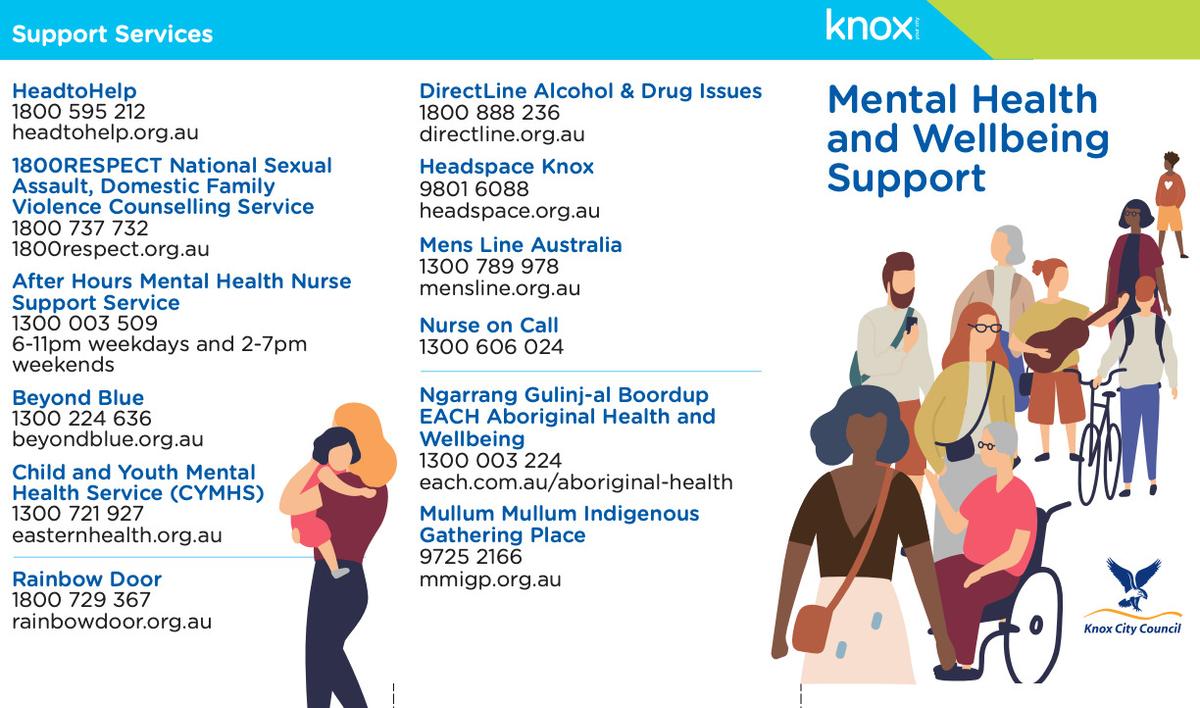
EACH - Health Services 1300 003 224
These services are free or low-cost.
93 Boronia Rd, Boronia
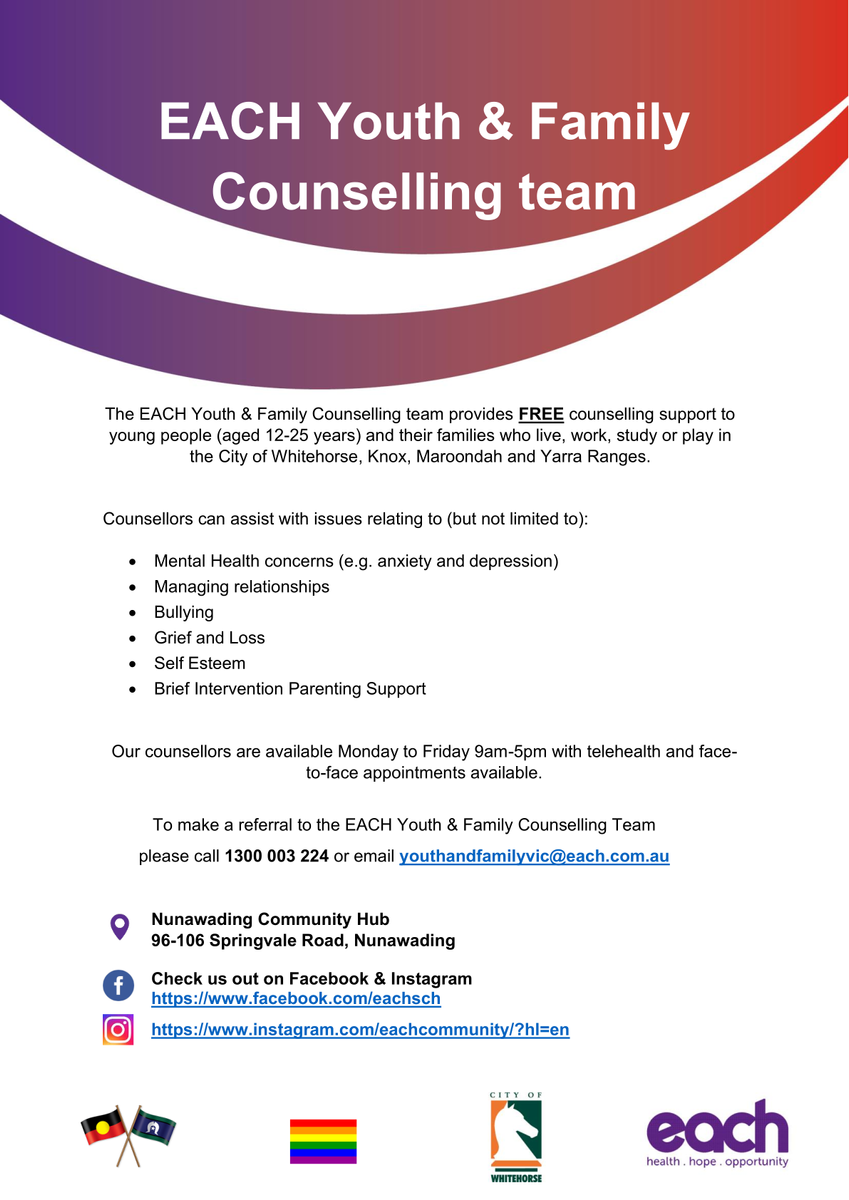
Youth Mental Health Services 9298 8469
headspace 1800 650 890
Safe Steps Family Violence Response Centre 1800 015 188 (24 Hours)
1800 Respect 1800 737 732 (24 Hours)
Nurse on Call 1300 60 60 24
The Butterfly Foundation 9822 5771
FriendLine 1800 424 287
24/7 Mental Health Hotlines:
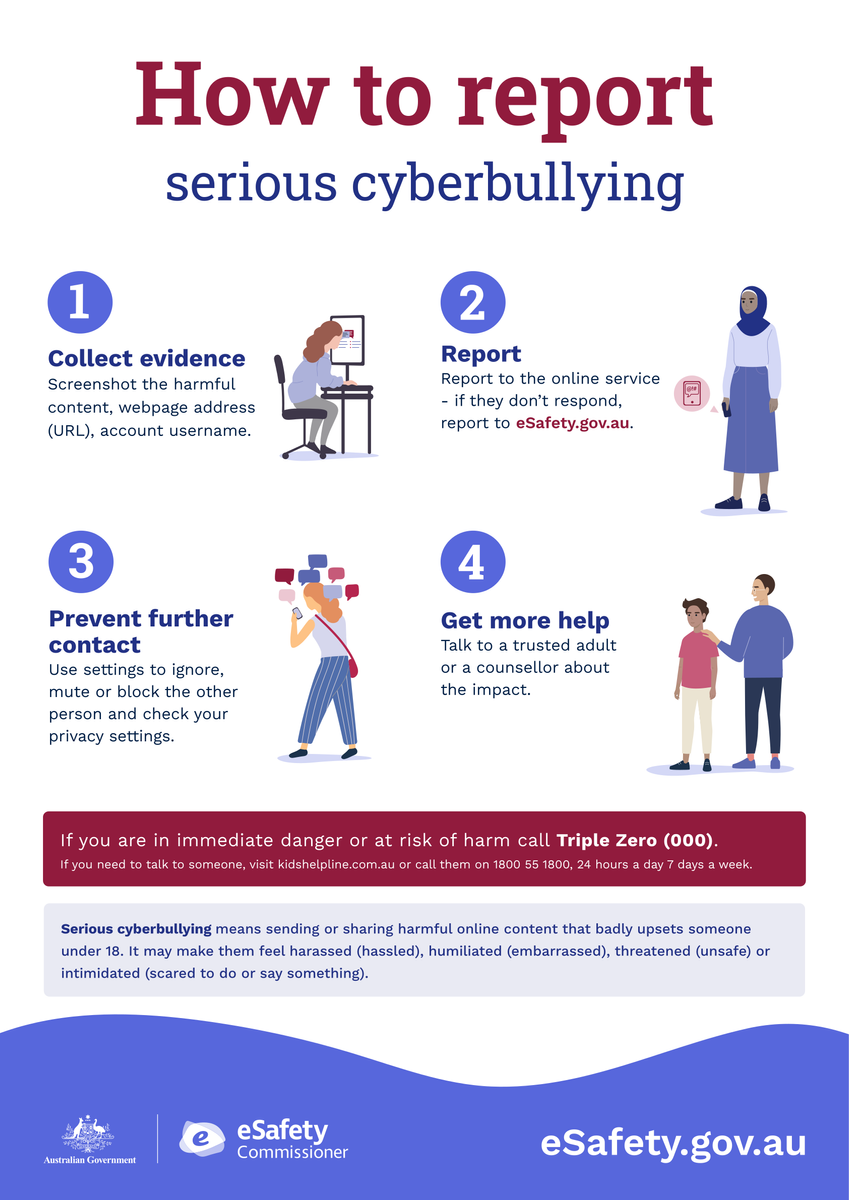
Kids Helpline 1800 55 1800
Lifeline - Call 13 11 14, text 0477 13 11 14 or chat online.
Suicide Call Back Service 1300 659 467 or suicidecallbackservice.org.au
Beyond Blue 1300 22 4636
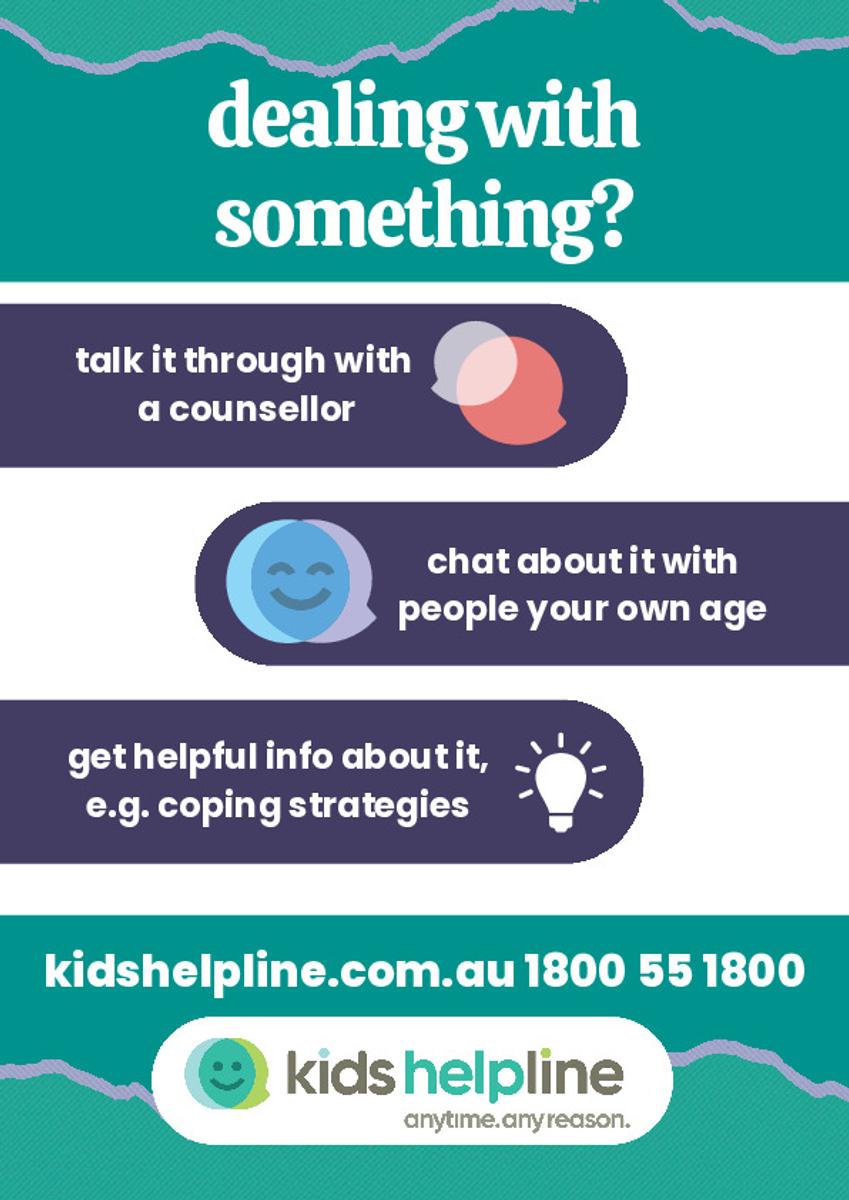


Student Wellbeing Team
Email: wellbeing@wantirnacollege.vic.edu.au
Chelsea Collings - Leader of Wellbeing
Guiseppe Relia – Wellbeing Counsellor
Sanela Avdic - Wellbeing Counsellor
Talea-Jane Simpson – Wellbeing Counsellor
Tajinder Wulff - Mental Health Practitioner 7-8