
Deputy News: Wellbeing
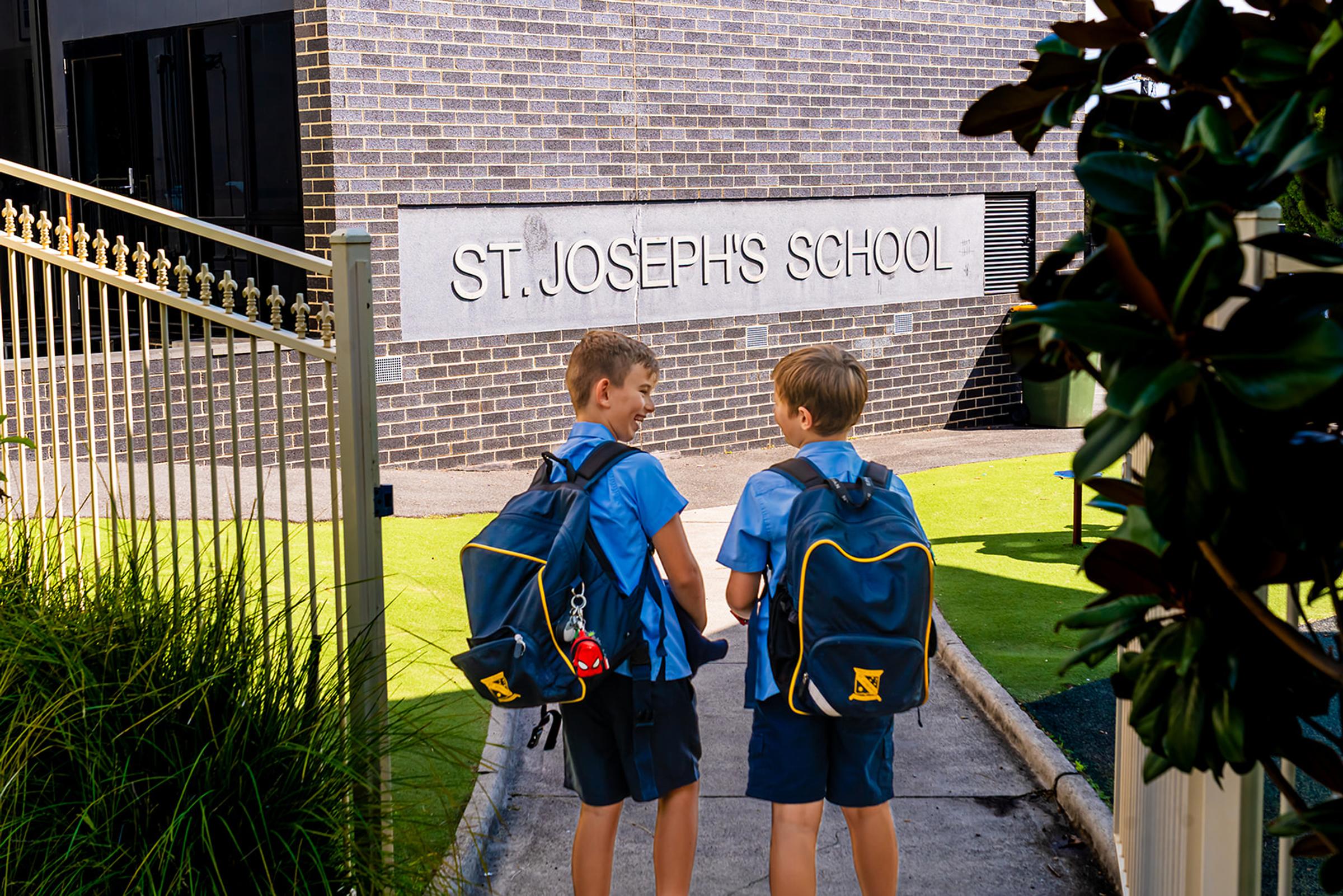
The Stages of Friendship
In honour of International Friendship Day this week, it is a wonderful time to reflect on how our students connect, care for, and grow with one another. As children grow and develop, their friendships naturally ebb and flow through distinct developmental stages. Navigating these shifting social dynamics can be challenging, and children need guidance and support as they learn how to build, maintain, and understand healthy relationships.
At St Joseph’s Primary School, we address these friendship stages through the explicit teaching of dedicated wellbeing lessons. By introducing key social skills and friendship concepts in an age-appropriate way, we ensure our students are well-equipped to navigate these changes with confidence and resilience. If you are ever concerned about your child's friendships or social development, please know that you are always welcome to reach out to their classroom teacher or our school leadership team. We are always here to support both you and your child every step of the way.
Below, you’ll find an insightful article outlining the five key stages of children's friendships, which offers a helpful guide to understanding what is normal at each age and how we can support your children together.
Alannah Harrison & Luke Daffy
Deputy Principals
The Stages of Children’s Friendships - A framework by Robert Selman
Kids First Children's Services
Children’s friendship needs and skills change as they grow. Their ideas about what friendship actually is also changes as they develop. There are different stages of friendship that children go through as they learn to make and keep friends.
Kids First’s Child Psychologists often refer parents to this multi step framework by Robert Selman that helps families understand developmental trends in children’s friendships.
We think it’s a useful way to look at what’s normal and what’s not within children’s friendships and hope you do too.
STAGE 1: Momentary Playmates
(Approximate ages: 3-7 years)
Children at this stage view friends as momentary playmates, and their friendships are all about having fun together. Their friends are kids who are conveniently nearby, and who do the same things they like to do.
Children at this stage have very limited ability to see other perspectives. They assume that other children think the same way they do, so they tend to get very upset when they find out that a playmate has a different opinion.
Kids this age typically make comments like “she doesn’t want to be my friend anymore” when their friend wants to do something different to them.
STAGE 2: One-Way Assistance
(Approximate ages: 4-9 years)
At this level, children understand that friendship goes beyond whatever their current activity is, but they still think in very pragmatic terms. They define friends as children who do nice things for them - such as sharing a treat, saving them a seat on the bus, or giving them nice presents, but they don’t really think about what they themselves contribute to the friendship.
Children at this level care a lot about friendship. They may even put up with a not-so-nice friend, just so they can have a friend.
They also may try to use friendship as a bargaining tool, saying things like “I’ll be your friend if you do this!” or “I won’t be your friend if you do that!“
STAGE 3: Two-Way, Fair Weather Cooperation
(Approximate ages: 6-12 years)
These children are able to consider a friend’s perspective in addition to their own, but not at the same time. So what this means is that they understand turn taking, but they can’t really step back and get an observer’s perspective that would allow them to see patterns of interaction in their relationships.
At this stage, children are very concerned about fairness and reciprocity, but they think about these in a very rigid way. So, if they do something nice for a friend, they expect that friend to do something nice for them at the next opportunity. If this doesn’t happen, the friendship may fall apart.
Children in this stage tend to be very judgmental of both themselves and others. They evaluate themselves harshly, the way they think other people do. So, they say things like, “No one will like me because of my stupid haircut!”
They tend to be jealous, and they’re very concerned with fitting in by being exactly the same as everyone else.
Children at this stage often form small friendship groups based on similar interests. Sometimes these are known as “secret clubs” which involve elaborate rules and lots of discussion about who is or isn’t included as a member.
Setting rules and learning to negotiate them is important for helping children to develop their understanding of social relationships. However, when children lack cooperative relationship skills it can lead to friendship groups being dominated by some children and excluding others.
STAGE 4: Intimate, Mutually Shared Relationships
(Approximate ages: 11-15 years)
At this stage, friends help each other solve problems and confide thoughts and feelings that they don’t share with anyone else. They know how to compromise, and they do kind things for each other without “keeping score,” because they genuinely care about each other’s happiness.
For some children, this is also the “Joined at the Hip” stage.
Girls, more often than boys, may be best friends and expect each other to do everything together. They may feel deeply betrayed if a best friend chooses to be with another child.
STAGE 5: Mature Friendship
(Approximate ages: Adolescence to adulthood)
At this stage, children place a high value on emotional closeness with friends. They can accept and even appreciate differences between themselves and their friends.
Young people who develop mature friendships are not as possessive as they might once have been, so they’re less likely to feel threatened if their friends have other relationships.
Mature friendship emphasises trust and support and remaining close over time, despite separations.
Friendships take time
What friendship stages are your children at right now?
For some children, it takes longer to connect with like-minded peers, but we hope that this information will give you an understanding of where your child is developmentally.