
Wellbeing
Fiona Dandie & Robert Pain
Wellbeing
Fiona Dandie & Robert Pain
Whittlesea World Dates - Term 4
Resetting Whole School Expectations for Term 4:
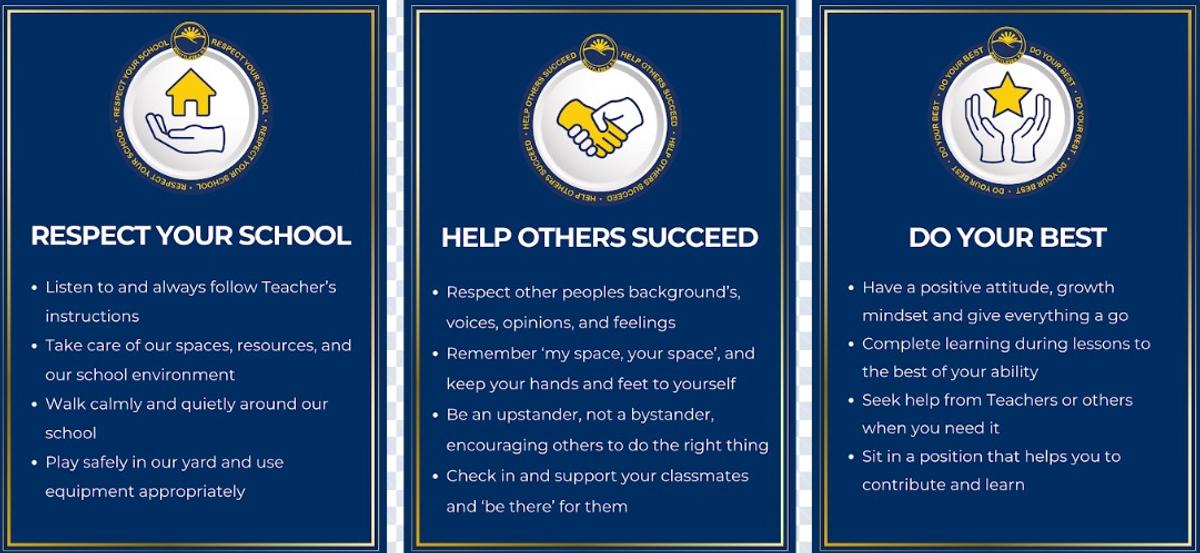
The beginning of each term presents a fantastic opportunity for all classroom teachers to reset classroom and whole-school expectations with their students. To start this week, teachers have reminded their students of the WPS Expectations to set each student up for a successful Term 4. Here is a reminder of the Whittlesea Primary School Expectations that you may like to discuss with your children:
Respect Your School
This schoolwide expectation focuses on how WPS students show respect towards people, places and materials in all areas of the school. Examples of this expectation are listening to and always following the Teacher's instructions, taking care of our spaces, resources, and school environment, walking calmly and quietly around our school, and playing safely in our yard and using equipment appropriately.
Do Your Best
This schoolwide expectation focuses on how our students show their best selves in all areas of the school. Examples of this expectation include having a positive attitude, a growth mindset, and giving everything a go. This also involves completing learning during lessons to the best of your ability, seeking help from Teachers or others when needed, and sitting in a position that allows you to contribute and learn.
Help Others Succeed
This schoolwide expectation focuses on how WPS students can have a positive impact on their peers, teachers, staff, and the broader school community. This expectation can look like students who respect other people's backgrounds, voices, opinions, and feelings, remembering 'my space, your space', and keep their hands and feet to themselves, being an upstander, not a bystander, and encouraging others to do the right thing, checking in and supporting classmates and 'be there' for them.
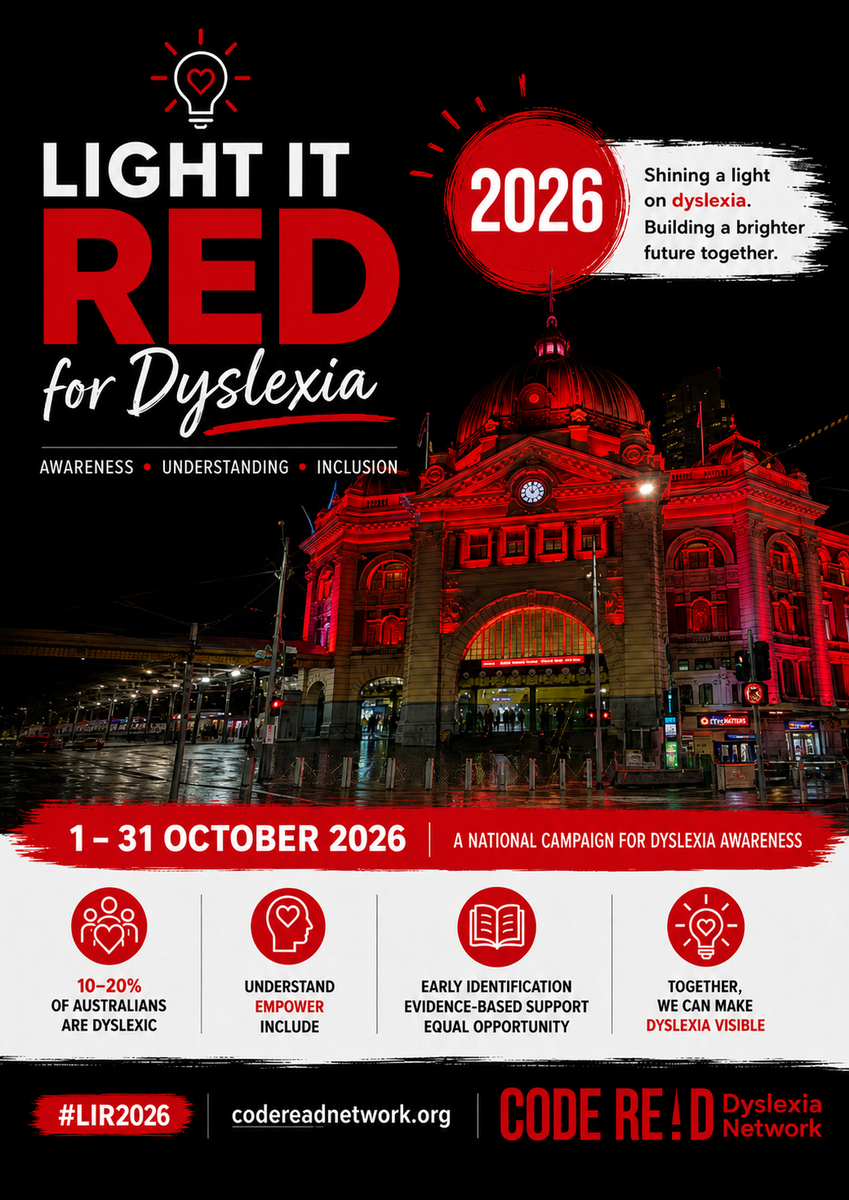
Dyslexia Awareness Week is an opportunity to build understanding and celebrate the many different ways children learn.
Dyslexia is a specific learning difficulty that primarily affects reading and spelling.
Children with dyslexia may have difficulty with:
📖Learning to read words accurately and fluently
🔤 Connecting letters and sounds
🧩 Decoding unfamiliar words
✏️ Spelling
📝 Developing automaticity and fluency when reading and writing
Dyslexia occurs across the full range of intellectual abilities.
A child can be highly capable, curious, creative and knowledgeable while finding reading and spelling particularly challenging.
Remember: Reading difficulty does NOT equal low intelligence.
❌ MYTH
“Dyslexia means seeing letters backwards.”
✅ FACT
Letter reversals can occur when children are learning to write, but they do not define dyslexia.
❌ MYTH
“They just need to try harder.”
✅ FACT
Dyslexia isn't about effort. A child may be working extremely hard and still need explicit, targeted literacy teaching.
❌ MYTH
“People with dyslexia aren't very intelligent.”
✅ FACT
Dyslexia occurs across the range of intellectual abilities. A child's reading ability does not determine their intelligence or potential.
❌ MYTH
“Dyslexia is caused by poor eyesight.”
✅ FACT
Dyslexia is not a vision problem. Eye exercises, coloured glasses or overlays do not treat dyslexia.
❌ MYTH
“Dyslexia is a gift.”
✅ FACT
Dyslexic people have individual strengths, interests and talents - just like everyone else. Dyslexia itself doesn't automatically give someone particular talents.
Many successful and well-known people have spoken publicly about their experiences with dyslexia, including:
🎬 Steven Spielberg – filmmaker🎨 Sophie Monk – Australian celebrity
📚 Jackie French – Australian author💼 Richard Branson – entrepreneur
🎭 Keira Knightley – actor👨🍳 Jamie Oliver – chef and author
Their stories remind us: A difficulty with reading and spelling does not determine what a child can achieve.
At school AND at home:
Read together Listen to rich, engaging books and continue building vocabulary and background knowledge.
each explicitly Provide systematic, explicit teaching of phonemic awareness, phonics, reading and spelling.
Break it down Break complex tasks into smaller, manageable steps.
Provide access Audiobooks and text-to-speech can help children access age-appropriate content while they continue developing reading skills.
Allow extra time Reading and writing can require considerably more effort for some learners.
Offer different ways to show learning Where appropriate, allow children to explain their knowledge verbally rather than relying entirely on written responses.
Protect confidence Celebrate progress, persistence and strengths — not reading speed.
Most importantly: Don't wait for a diagnosis before supporting a child who is experiencing difficulty.
STEP 1
Talk with your child's teacher.
Your child's teacher can discuss their literacy development, the support already being provided and any ongoing concerns.
STEP 2
Monitor progress and provide support.
Children can receive appropriate literacy intervention and adjustments while their needs are being explored. To recieve a Specific Learning Disorder, including dyslexia diagnosis a person must have had at least 6 months of evidence based systematic intervention.
STEP 3
Consider a formal assessment if concerns continue.
In Australia, assessment for Specific Learning Disorder, including dyslexia, is generally undertaken by a psychologist with appropriate training and experience in learning difficulties.
Other professionals, including speech pathologists, may also contribute to understanding a child's learning profile.
SPELD Victoria and The Dyslexia Hub also provide literacy assessments and information for families about dyslexia and specific learning difficulties