
SCHOOL NEWS
YEAR 9 CAMP
We are halfway through the rotation of the Year 9 Campaspe Downs Camp. One group returned today to the comforts of home whilst the second group have just arrived and are setting up rooms with excitement.
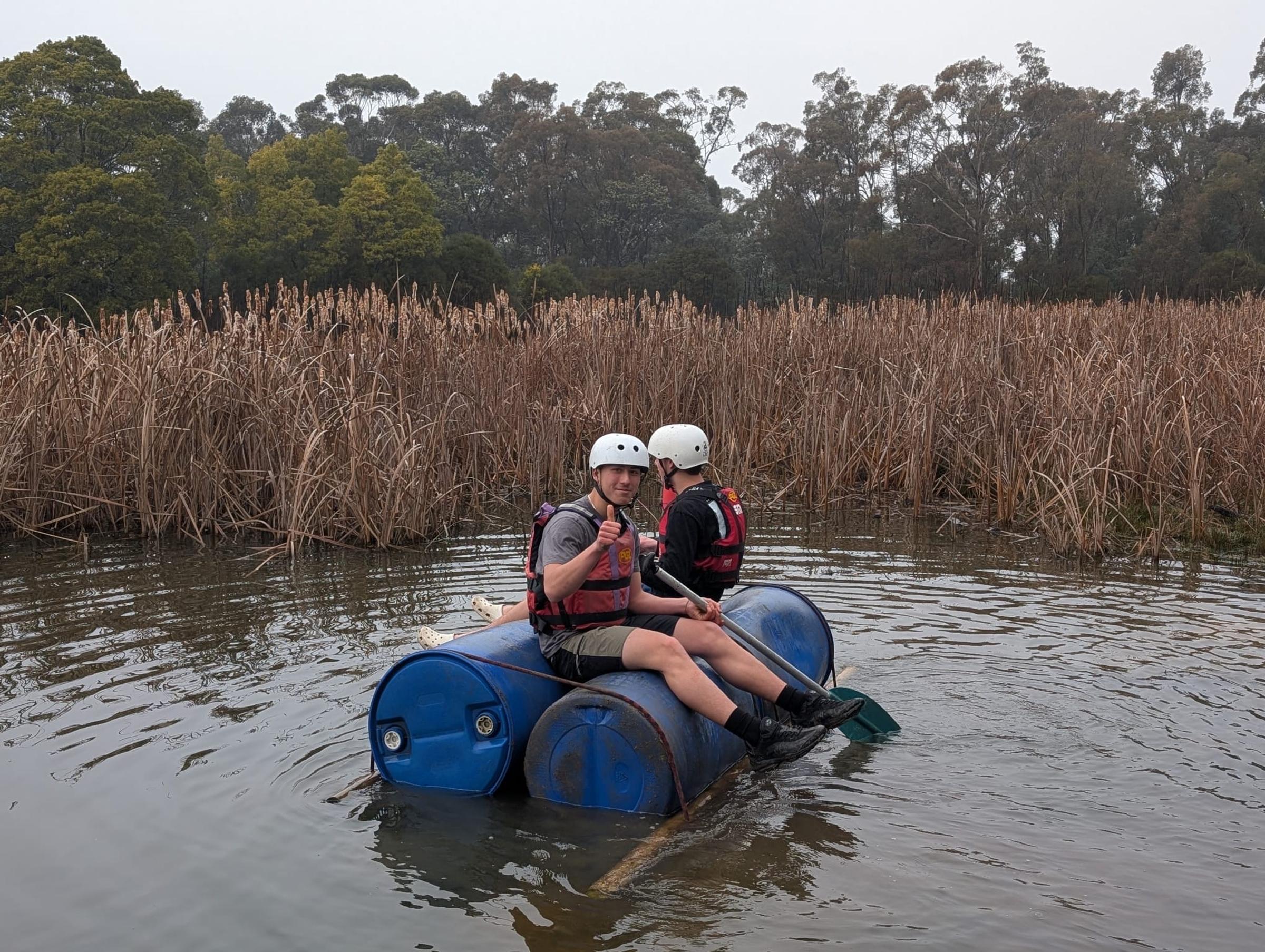
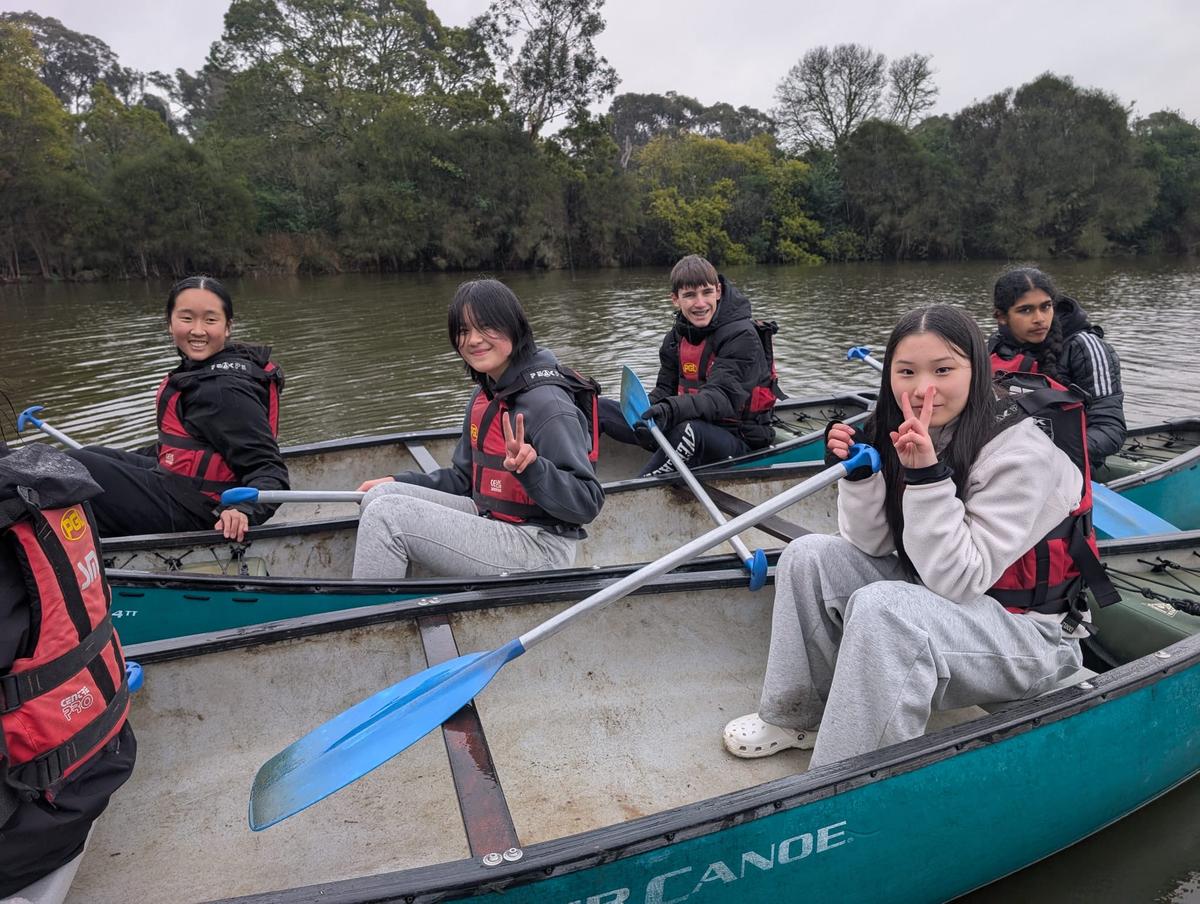
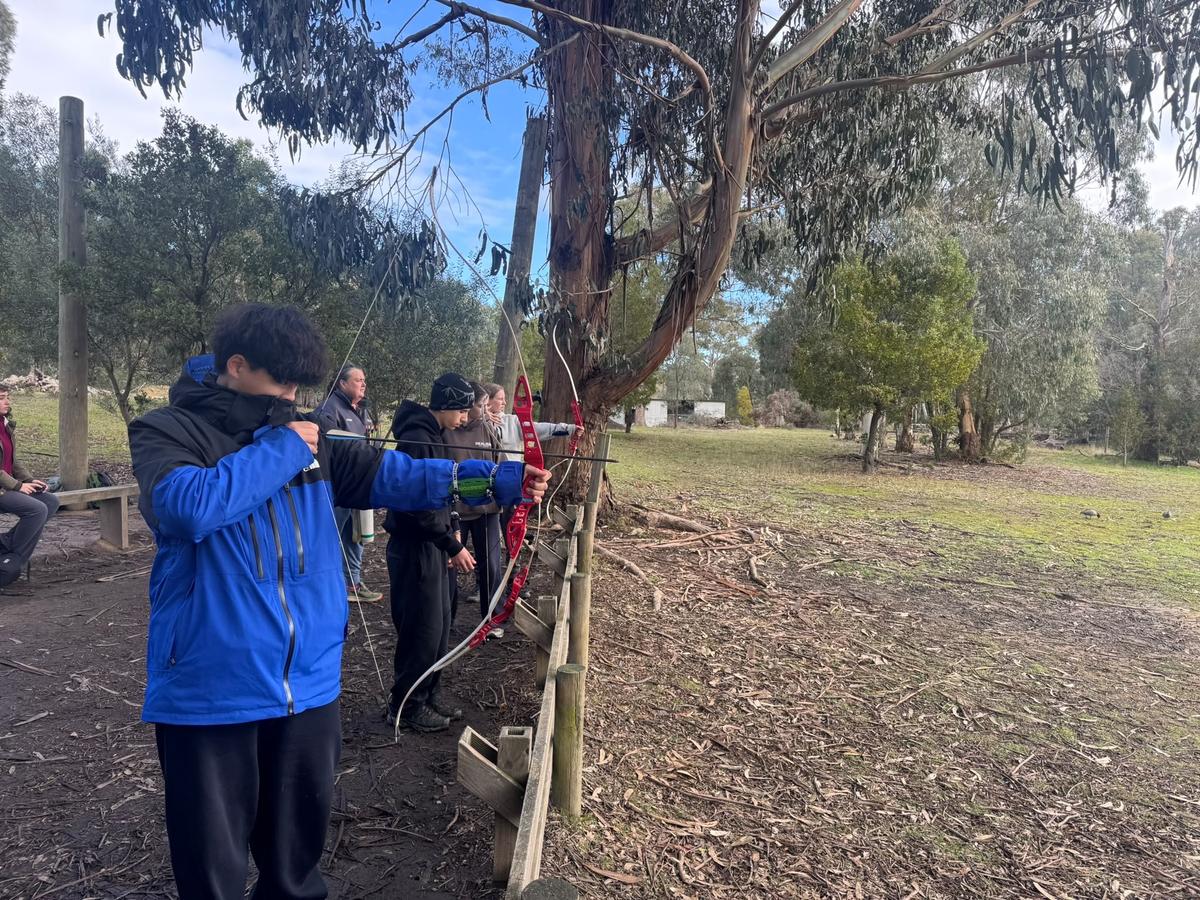
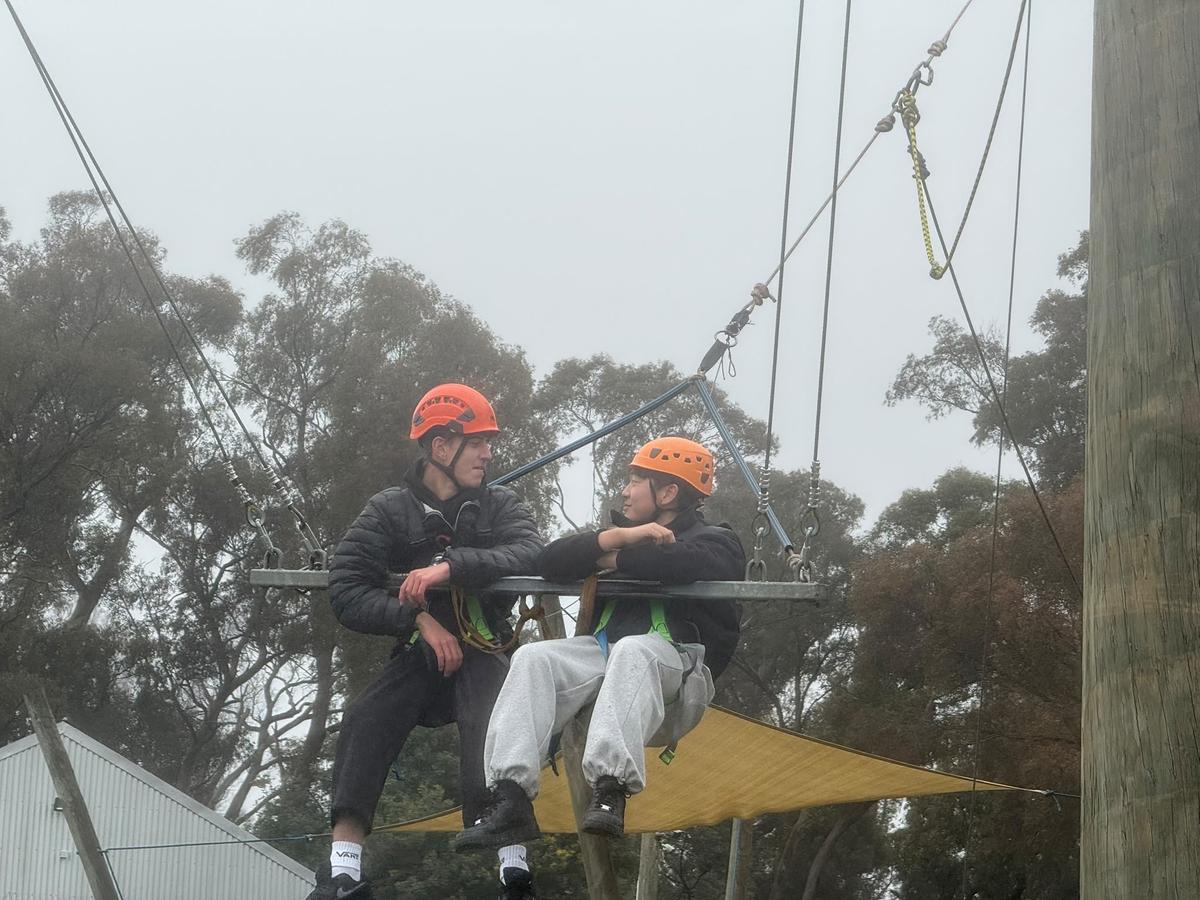
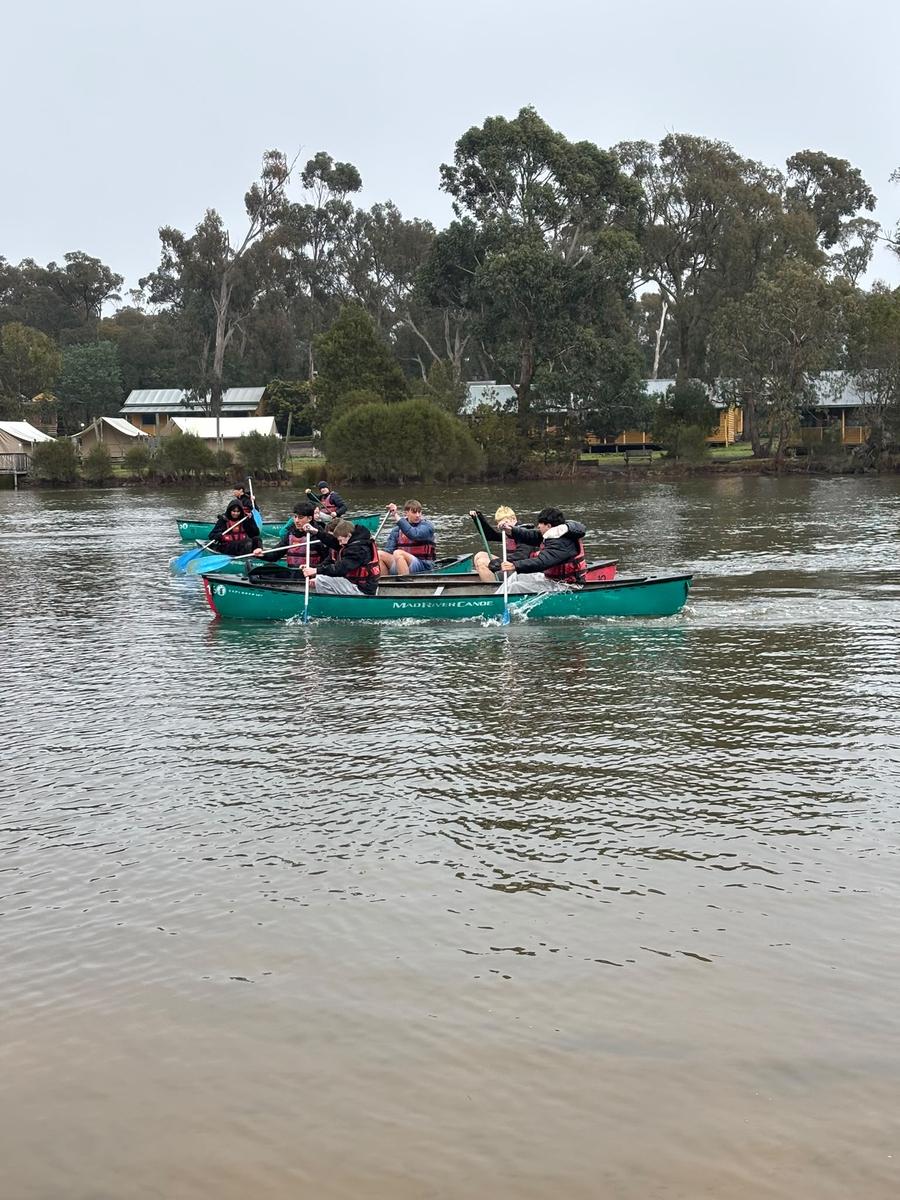
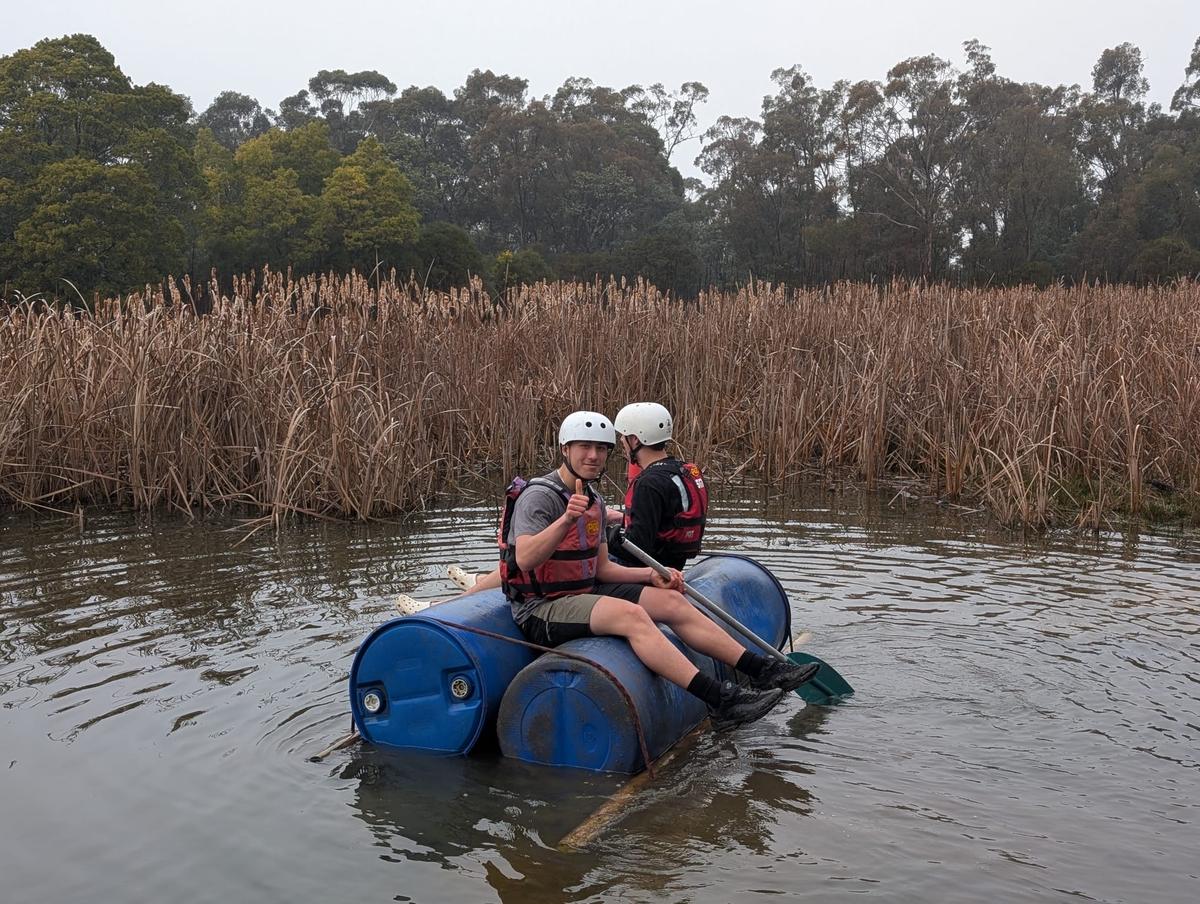
Students experienced many fun and challenging activities such as raft building, canoeing, abseiling, archery, laser tag, giant swing and team building challenge. Whilst having the comfort of friends to share a room with, we challenged them to create new friendships by splitting them up into activity groups, creating opportunities for students to mix outside their circle. It was heartwarming to see students cheer each other on through tough camp challenges, where they built mutual trust and fostered a supportive environment where everyone feels brave enough to step outside their comfort zone and discover their true capability.
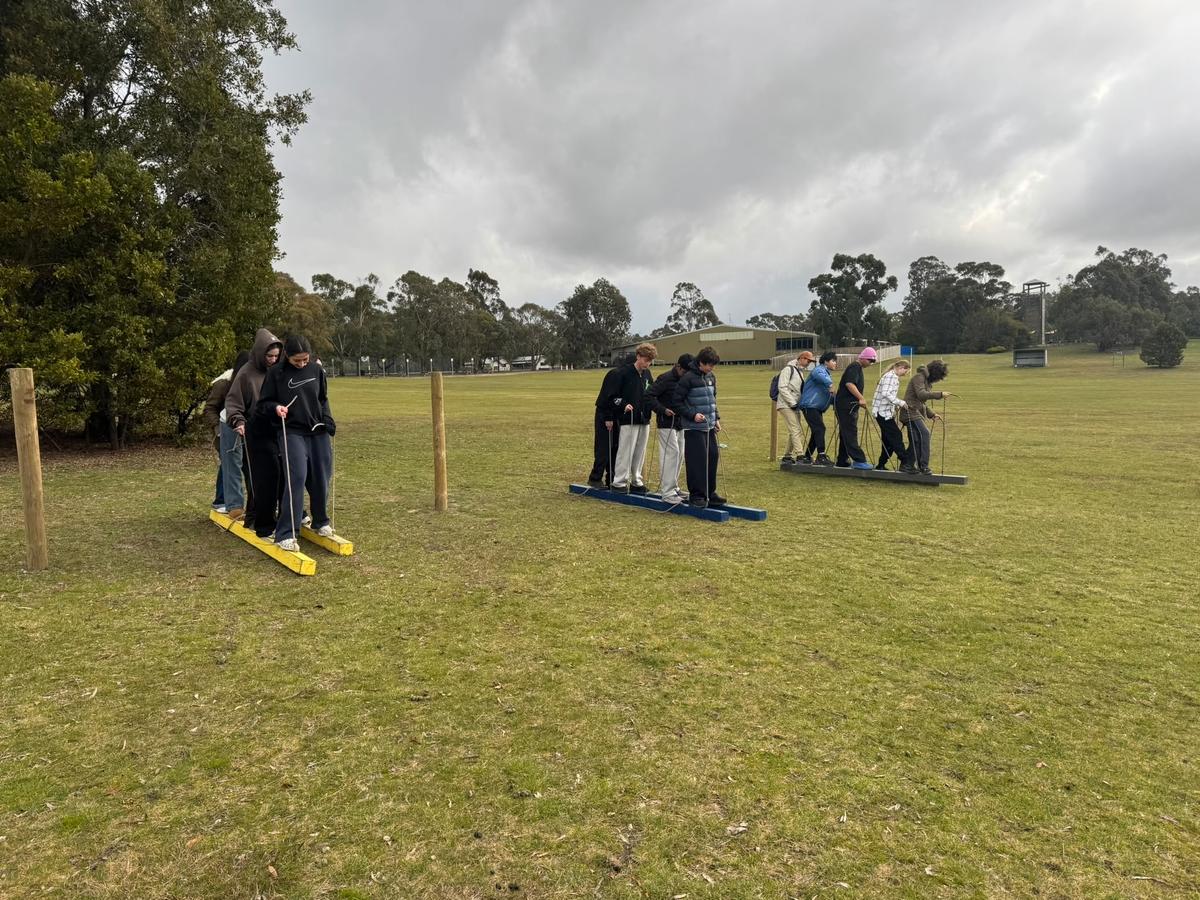
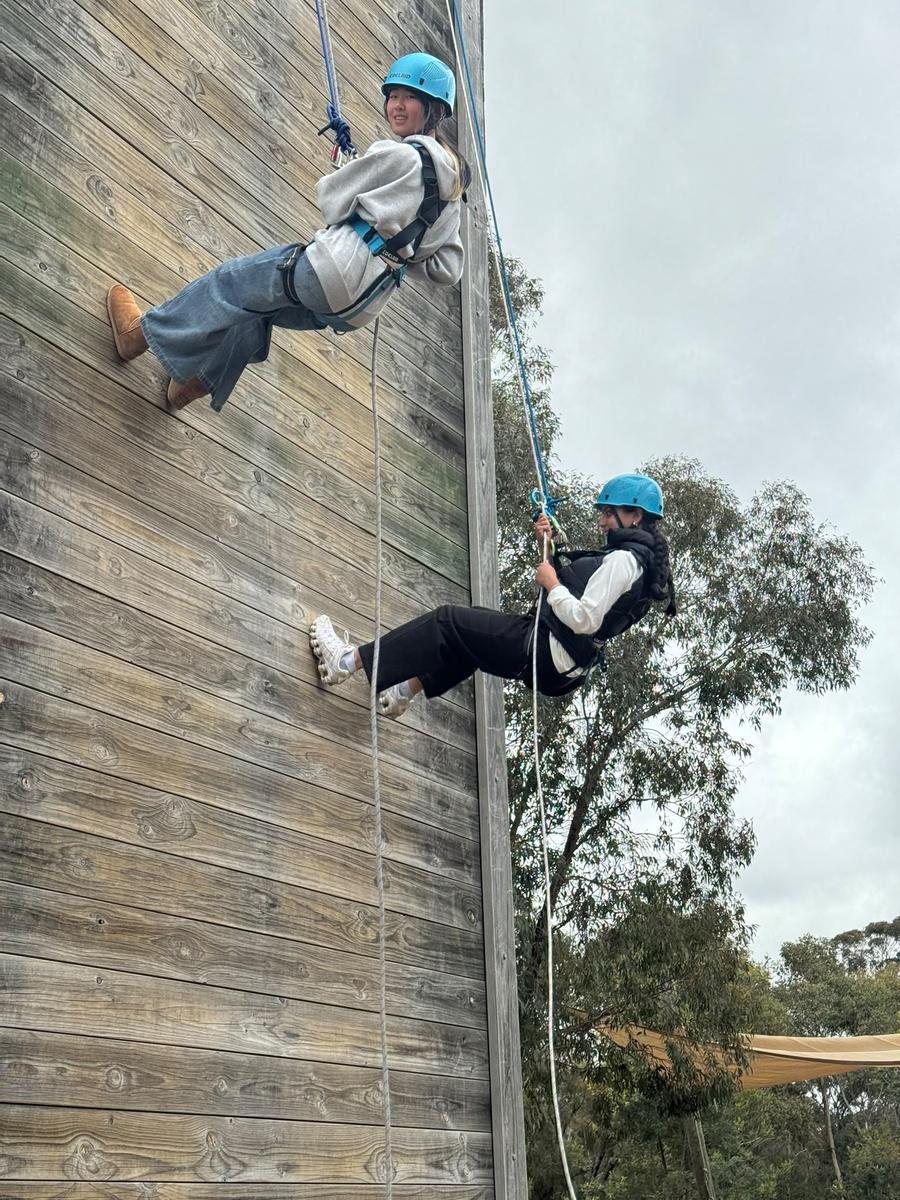
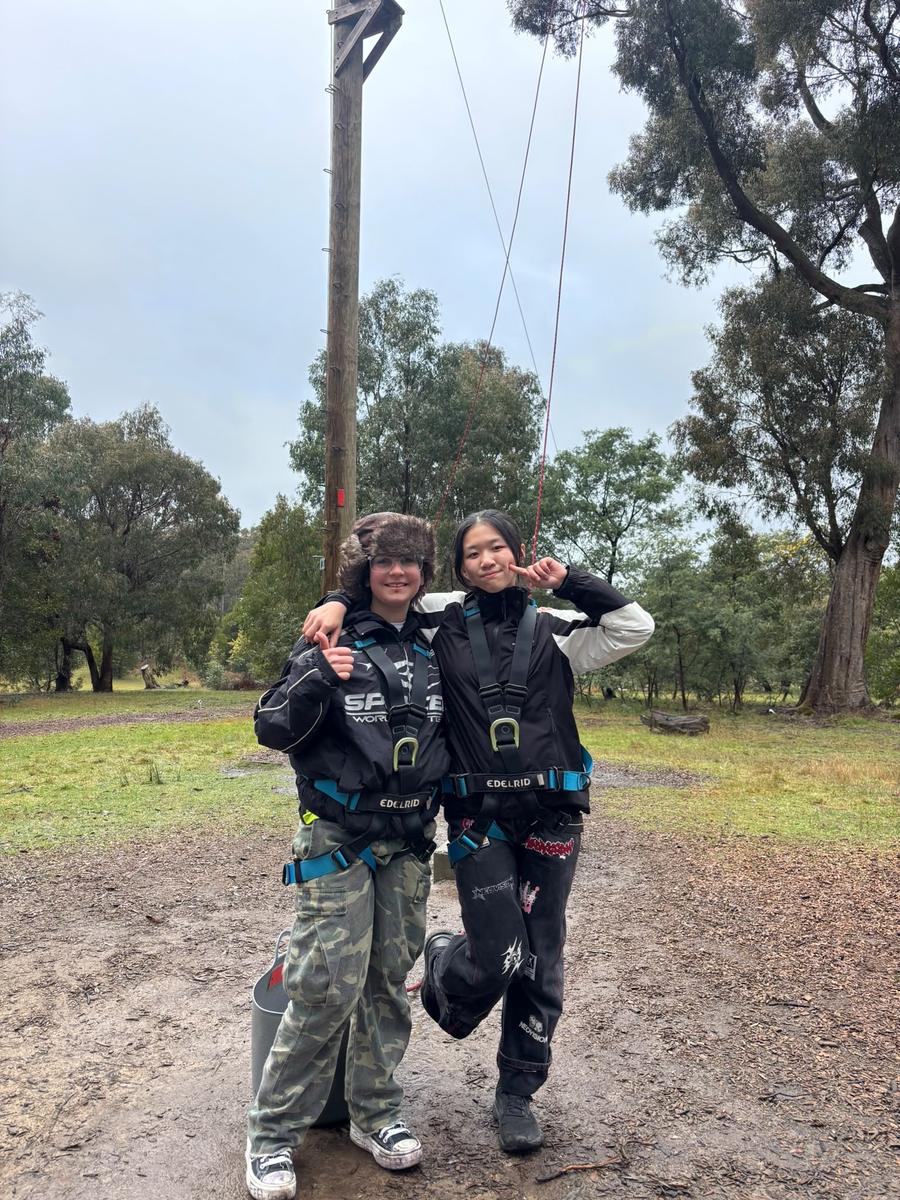
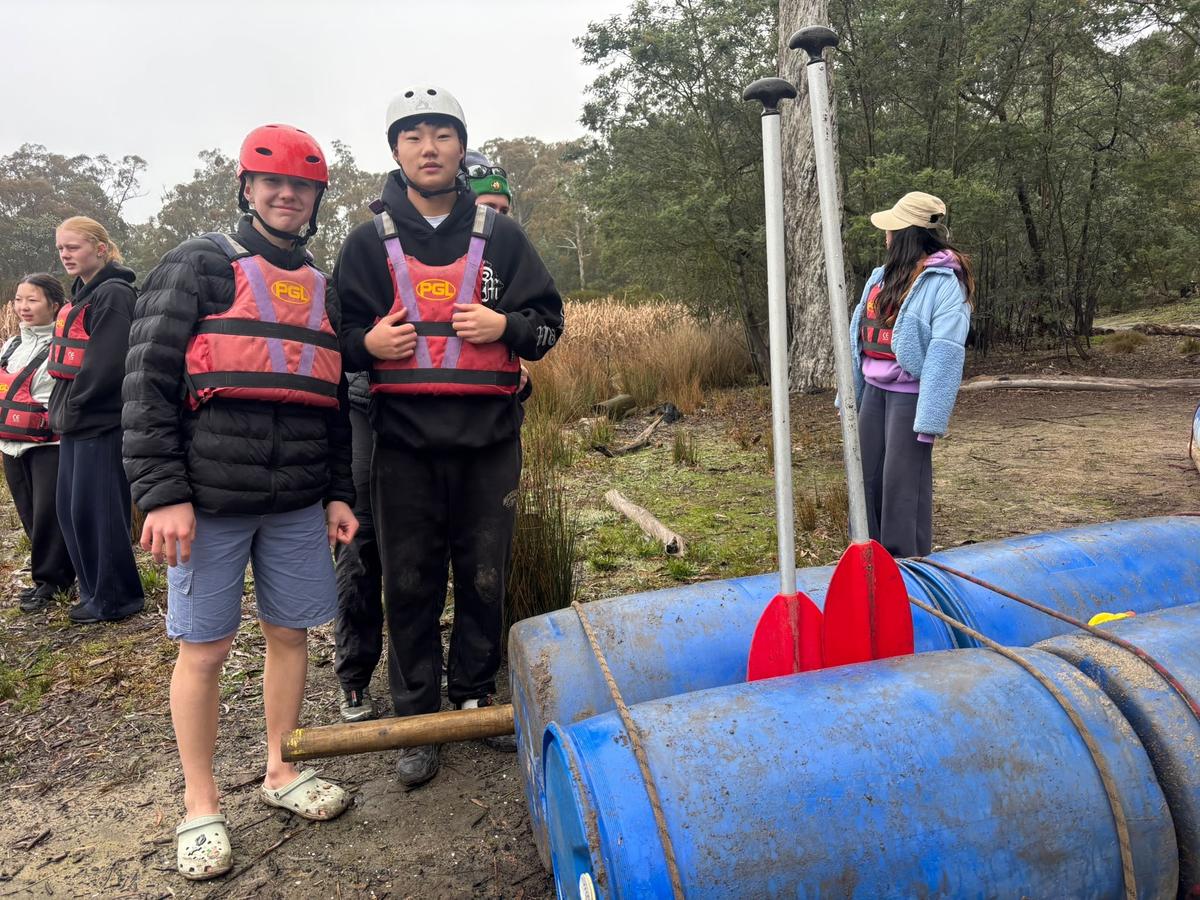
School camp dorm rooms offered late-night bunkroom laughter, as well as a place of simple, comforting breaks that turned an unfamiliar environment into a welcoming refuge. The shared bunk room is a crash course in communal living, where up to 12 teenagers had to instantly negotiate the unwritten rules of shared space and mutual tolerance. By trading private bedrooms for a noisy, chaotic dormitory, the students developed essential life skills in compromise, boundary-setting, and conflict resolution - discovering how to maintain harmony while living shoulder-to-shoulder with people of vastly different habits and personalities.
Weather was a challenge. Despite the unrelenting drizzle and bitter cold of Day 2, the students’ initial dismay gradually gave way to a shared determination to not let the weather dampen our experience. In surviving the physical discomfort together, the students built resilience; they discovered that adversity is manageable when met with adaptability and teamwork, ultimately transforming a hard day into a sense of confidence and collective pride. Even being overturned on a raft or canoe brought laughter. Once the active day was over, students were able to be with friendships during their night activities which were either sport challenges or a quiz. Many students surprised us with the confidence to sing before their peers for extra bonus points for their team. Luckily Day 3 morning skies were clear and even a little sunny which ended the camp on a high.
We would like to thank families for providing students with this opportunity, helping them pack clothing that would help them endure the conditions and for the subsequent washing of muddy clothes - especially those who slid down muddy slopes.
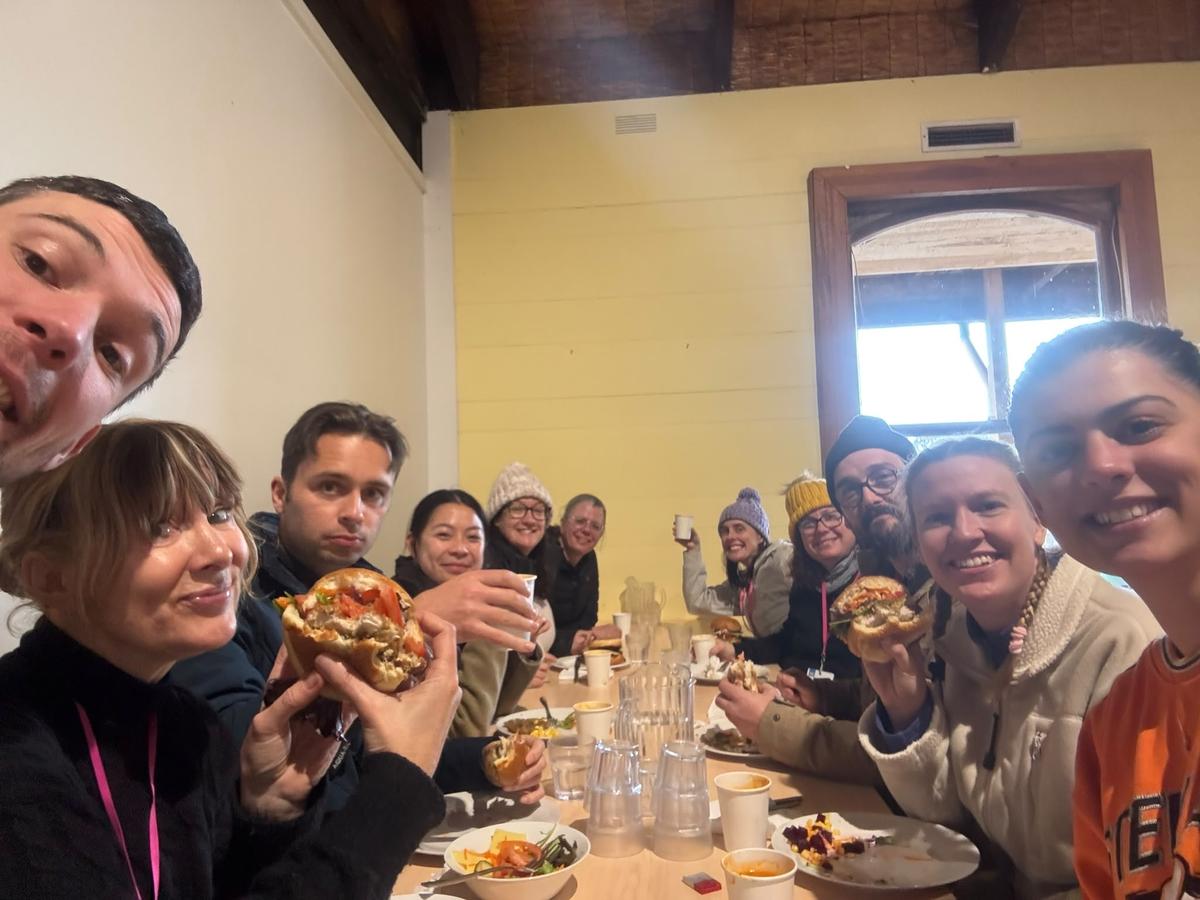
These camps are made possible by the wonderful staff who not only attend but throw themselves into activities, support students through challenging times and laugh along with them too. Camp days are long days and sometimes very interrupted nights (the perfect time for smoke alarms to malfunction). We would like to thank the following wonderful staff:
Camp 1 - Elisha Lappen, Sam Duewel, Tom Baldwin, Will Lee, Nick Scott, Izabel Pagel, Ashleigh Bell, Lauren Brown, Tini Malakasiotis, Genevieve Grose, Miranda Barber, Georgia Wiley, Aurianne Brandely, Piers Jansen, Annie Vo and a special guest appearance from Peter Quinn.
Camp 2 - Krishna Fleming, Jemma Owen, Matt Shaw, Bailey Scrivener, Pip Andrieux, Phillip O’Brien, Ashley Jansen, Josh Cukierman, Elisa Carson, James Van Rooy, Caitlin Hemphill, Anusha Sriram, Claire Weiss, Madeleine Remont, Harrison Greig-Hurtig, Isabella Holland
Our camp experts Liam Adlington and Ana Gomez who organised a wonderful camp experience. Their time and efforts paid off with smiling faces and they both were there all week to oversee the camp along with Mr Couttiguane.
Lastly, the Year 9 Student Management Team continue to be impressed by this year level. We have loved being on camp with them.
Student Management Team
Elisha Lappen, Krishna Fleming, Jasen Couttiguane and Ana Gomez
YEAR 11 ENGLISH LITERATURE
Within Tara June Winch’s novel, The Yield, the character of Albert Gondiwindi aims to preserve his language through the creation of a unique dictionary. Ellen van Neerven (2019) writes, ‘The Yield is about regaining more than language’ and acknowledges that Albert’s dictionary ‘shows [the reader] not only how to read Wiradjuri but also how to feel and speak and taste it; it decolonises the throat and the tongue’. Winch’s novel serves the dual purpose of bringing Wiradjuri terms into the vernacular in an effort to stop Aboriginal languages from becoming endangered whilst exploring, through the characters in the text, the importance of language for cultures, heritage, self-governance and identity.
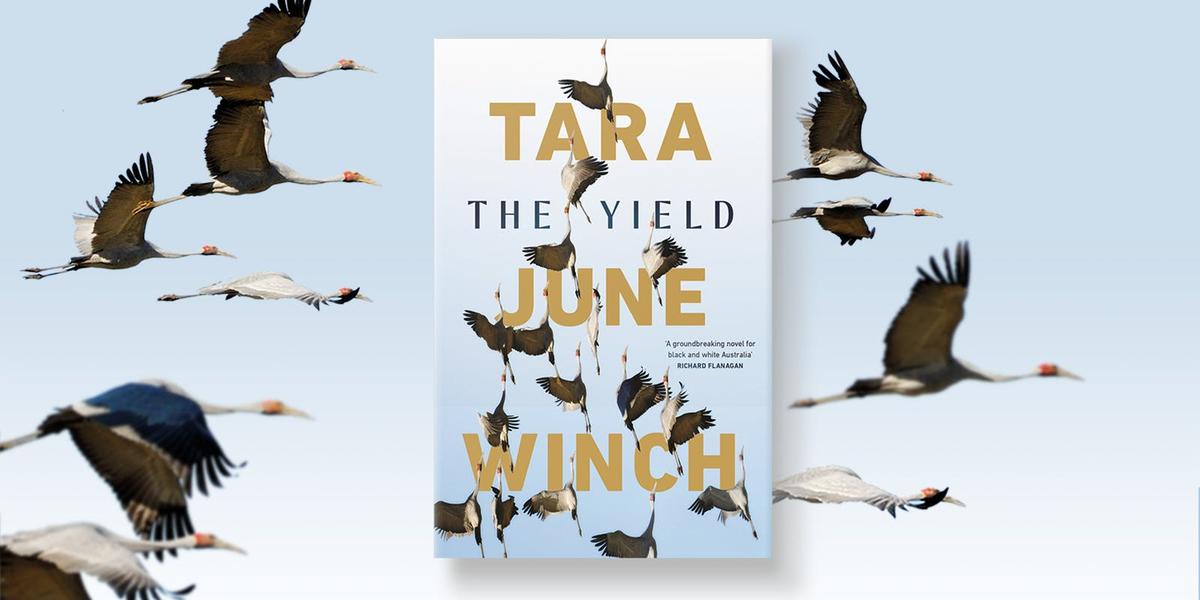
As part of our study of ‘Voices of Country’, we asked our Year 11 Literature students to select a word/phrase (in any language) that was important to them. Then, in the manner of Albert Gondiwindi's dictionary, they were invited to write their definition as a kind of narrative, one that explained the meaning of the word in relation to their life, their experience, and their connection to that word.
The results were a beautiful celebration of language, culture, and identity. Please enjoy.
Dr David Dick & Christopher Babidge
Year 11 English Literature Teachers
Pizelle: Sidney Silkstone
pit-SEL-le
noun
Italian: waffles
(perishable) An Italian biscuit/ pastry/ memory native to regions in Southern Italy.
(of a quality) The blooming of a flower on golden brown skin. The rind of a citrus fruit sticking to your hands, tasting like lemon. The feeling of one becoming two and then four in your hands. A piece for your brother, your cousin, your uncle, your mother.
(of a time) Your Nonna has placed a plate full in front of you. They are too thin, too beautiful and frail and like a fairy and a breeze blown off the lake. She says that they are waffles [see definition here], but they don’t look like pop-tart pretty cakes dripping syrups and packaged for Convenience! and pleasure. They are entirely new and still warm. They are swallowed like a spoon of honey; good for your throat. Good to swallow. Good like fairy and breeze, bella.
(traditional greeting/ recompence/ welcome/ apology) Customary in a certain Melbourne suburb that ties large red bows around the nature-strip oaks at Christmas time. Native to the old box that is held with heavy hands and placed under trees.
See; gift
Change: Madelyn Reschke
Change carries a cloud of dread into a room. Change is something to be feared, the inevitable refiner’s fire that you know may very well burn you alive. It brings the bittersweet reminiscence of childhood, the crippling weight in the sudden gravity of life. It brings the quiet sorrow of losing and leaving behind. A lingering tang on the tongue.
And yet, change is not only an architect of endings, but also the author of beginnings. It presents the thrill of not knowing what the next chapter contains, the anticipation of possibilities and discoveries beyond imagination. The world gently whispers this truth to us, a reminder that the harshest of seasons sprout the most lovely of flowers.
Bleak autumns strip trees bare only to allow for lusher foliage, remnants of the process becoming a cradle for the fresh buds and blooms of springtime soil. The earth orbits in a constant, unending rotation around the sun, the dawning of each new day bringing with it a new breath, a new memory, new gleaming opportunities just waiting to be grasped. Pieces of the grand mosaic shifting into their place. The catalyst of our own metamorphosis.
water - വെള്ളം (vellam): Shishir Sajit
Growing up, I’ve always been… distant from my culture to say the least. The truth is that I only picked this word because it was the only one I could recite from memory. Yet the more I thought about it, the more it made sense. I doubt I could understand a native Malayalam speaker’s day-to-day rambling but what me and them can relate on is survival. At the end of the day, we’re all human, and we all thirst for the elixir of life, water itself.
Continue reading our students' powerful words and stories in the full collection here: