Health
















 John XXIII College
Anaemia
What is anaemia?
Anaemia occurs when there are not enough healthy red blood cells or haemoglobin to carry oxygen around the body.
Who is at risk?
Anaemia is more common in:
- Children and teenagers during periods of rapid growth
- Girls and women with heavy menstrual periods
- Vegetarians and those with low iron intake
- Premature babies
Pregnant women
Signs and symptoms
Many children and teenagers with anaemia may have no obvious symptoms. Common signs include:
- Tiredness or low energy
- Pale skin
- Dizziness
- Headaches
- Shortness of breath during activity
- Cold hands and feet
Heart palpitations
Common causes
The most common causes of anaemia are:
- Iron deficiency
- Low vitamin B12 or folate levels
- Blood loss (such as heavy menstrual periods)
- Certain medical conditions or medications
Diagnosis
Only a blood test can confirm anaemia. If you are concerned your child may be anaemic, please arrange an appointment with your GP.
Treatment
Treatment depends on the cause and may include:
- Dietary changes to increase iron intake
- Iron supplements
Treatment of underlying medical conditions
Iron-rich foods include:
- Lean red meat
- Chicken and fish
- Iron-fortified cereals
- Green leafy vegetables
- Wholegrain breads and cereals
Nuts and legumes
When to seek medical advice
Please see your GP if your child experiences ongoing tiredness, dizziness, pale skin, poor concentration, or other symptoms that may suggest anaemia.
Remember: Never start iron supplements without medical advice, as not all anaemia is caused by low iron.
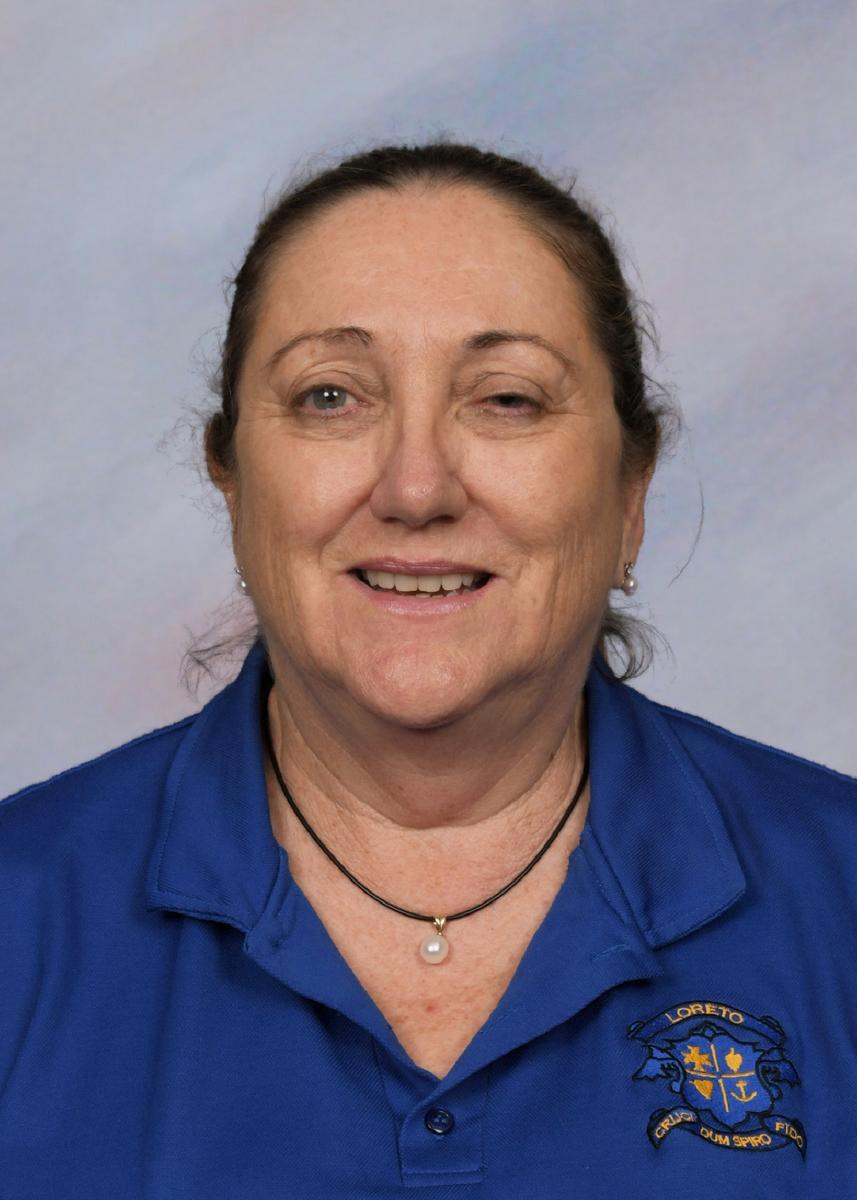
Judy Buckley
College Nurse