Health & Wellness


















 Blackburn Primary School

Cold/Flu or Hay Fever
From The Royal Children's Hospital Melbourne:
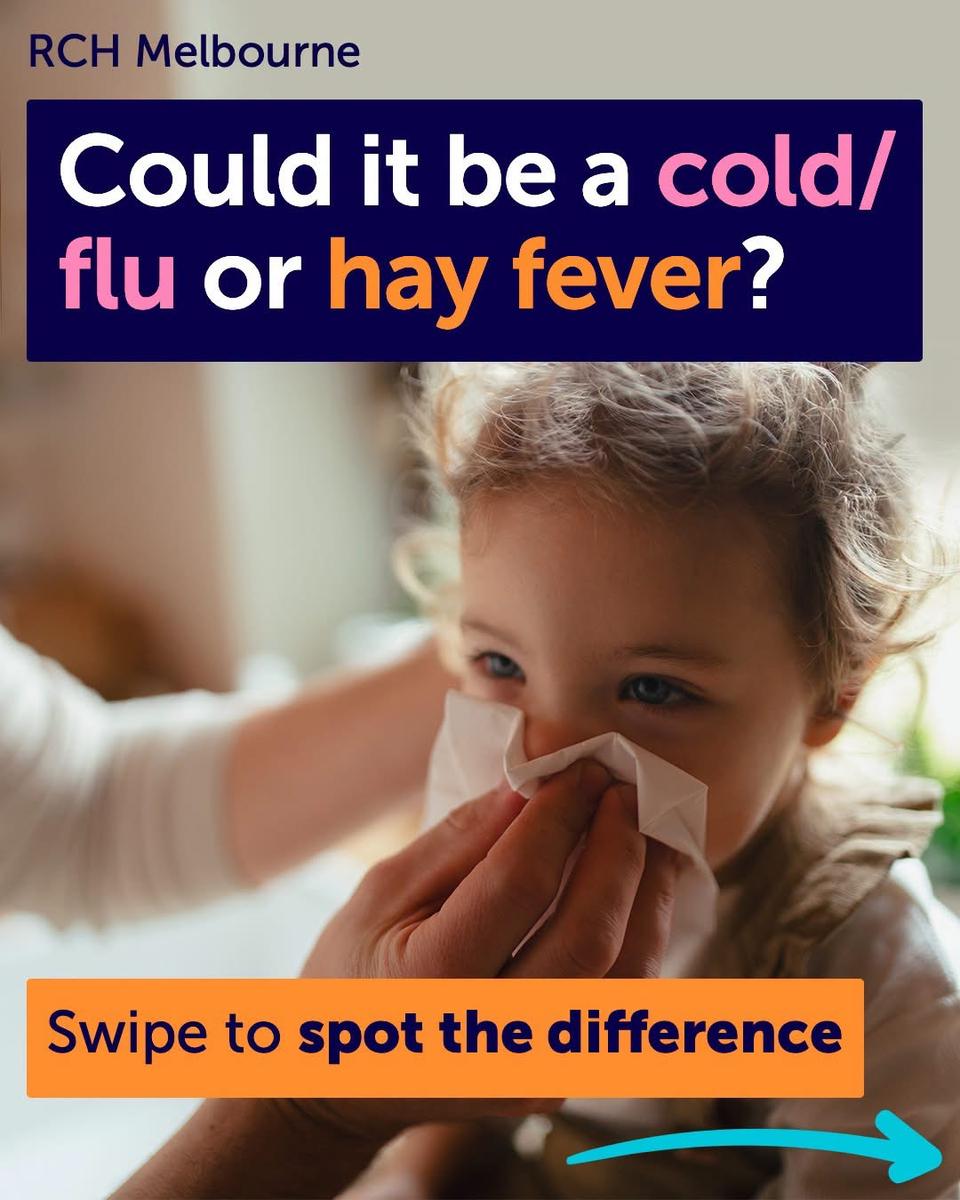
At this time of year, it can be tricky to tell whether your child’s sniffle is coming from seasonal allergies or a viral illness, like a cold or the flu.
➡️ Swipe through to see some of the difference to look out for.
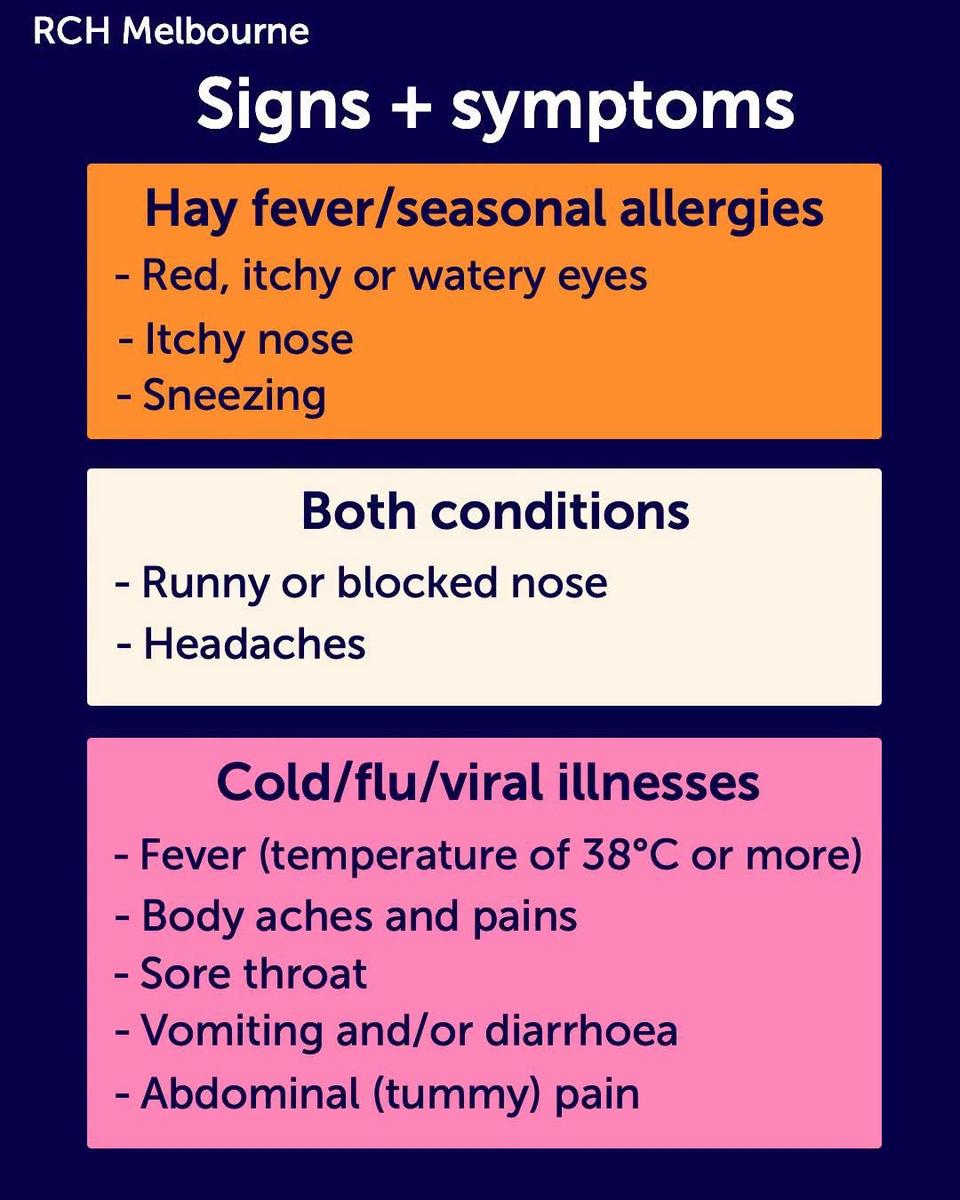
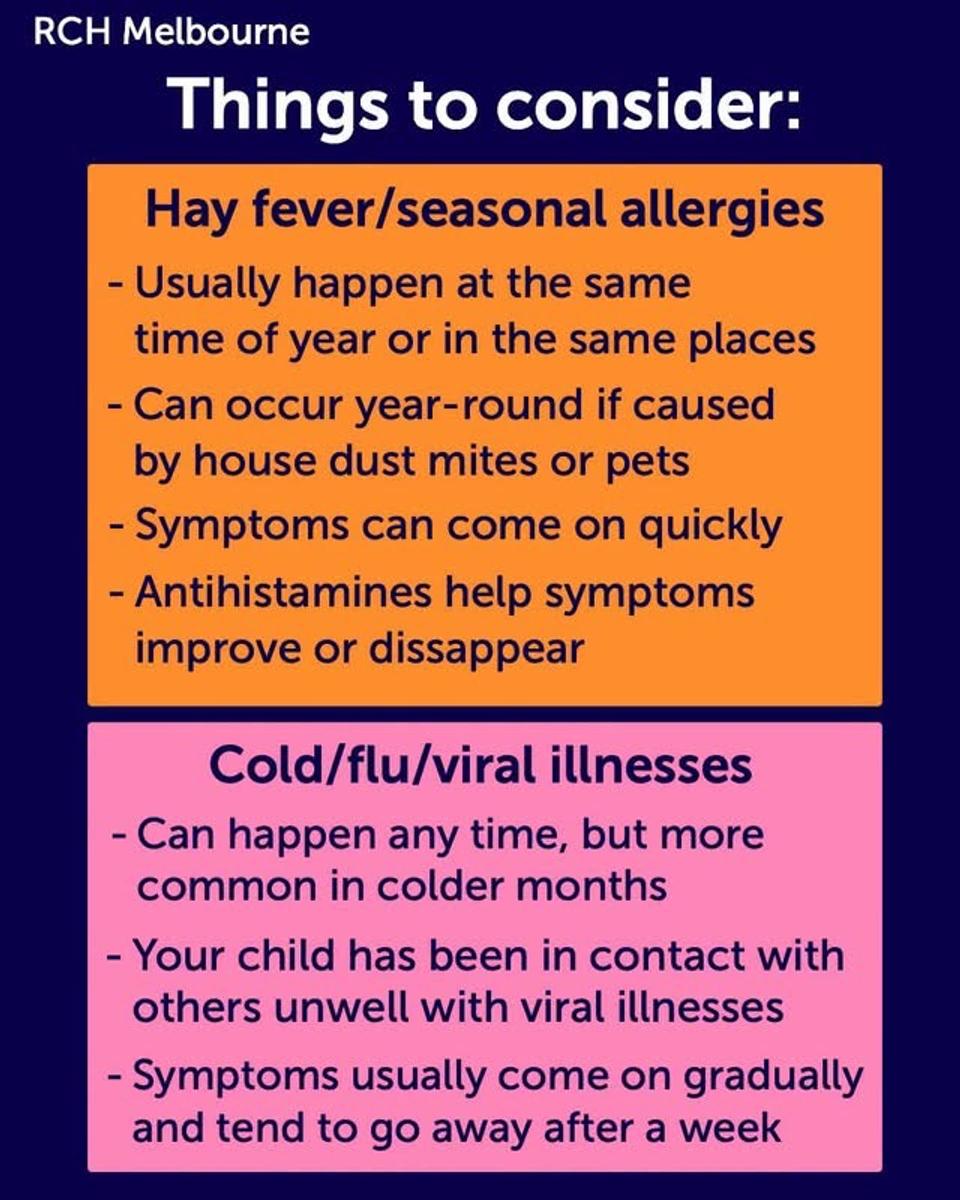
Some children may have seasonal allergies throughout the year, as they could be allergic to house dust mites or pet dander.
Hay fever is very uncommon in the first year of life, so if your child is under 12 months and experiencing hay fever-like symptoms, it’s best to speak to your Maternal and Child Health Nurse or doctor.
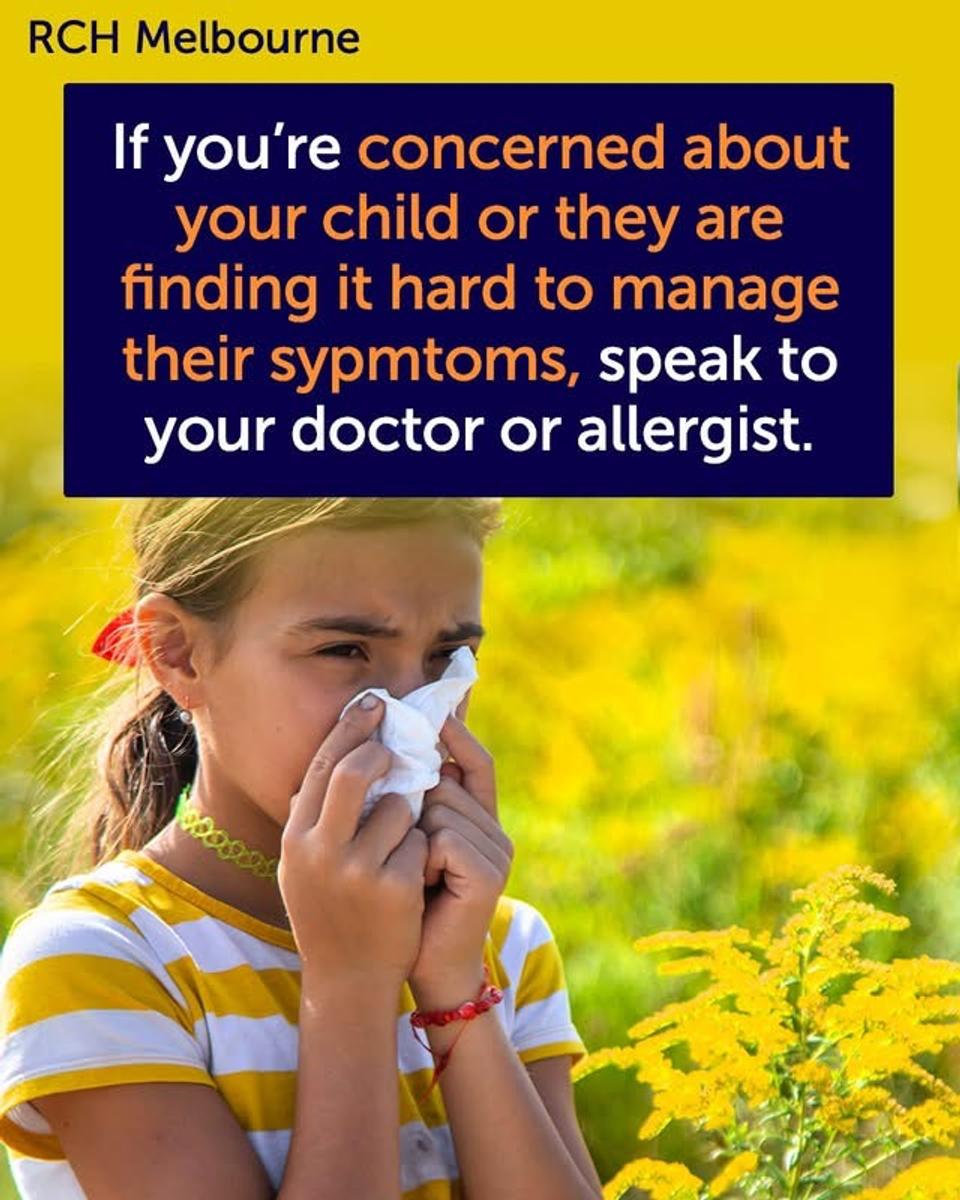
If your child’s symptoms are getting in the way of their everyday life or are severe, it’s best to speak with your child’s doctor or allergist to work out a treatment plan.
Regular use of an over-the-counter nasal steroid spray is a safe, simple and effective way to manage their symptoms, so talk to your doctor or pharmacist to see if this could work for your child.
Visit our Kids Health Info fact sheet for more seasonal allergy advice: https://www.rch.org.au/kidsinfo/fact_sheets/Hay_fever/
Allergens
From Allergy & Anaphylaxis Australia:
Environmental allergens are hard to avoid given that they're... in the environment 👀
There are, however, some ways that you can reduce exposure.
Slide through our carousel for just a few tips on how to do it! 🌷🐕 🤧
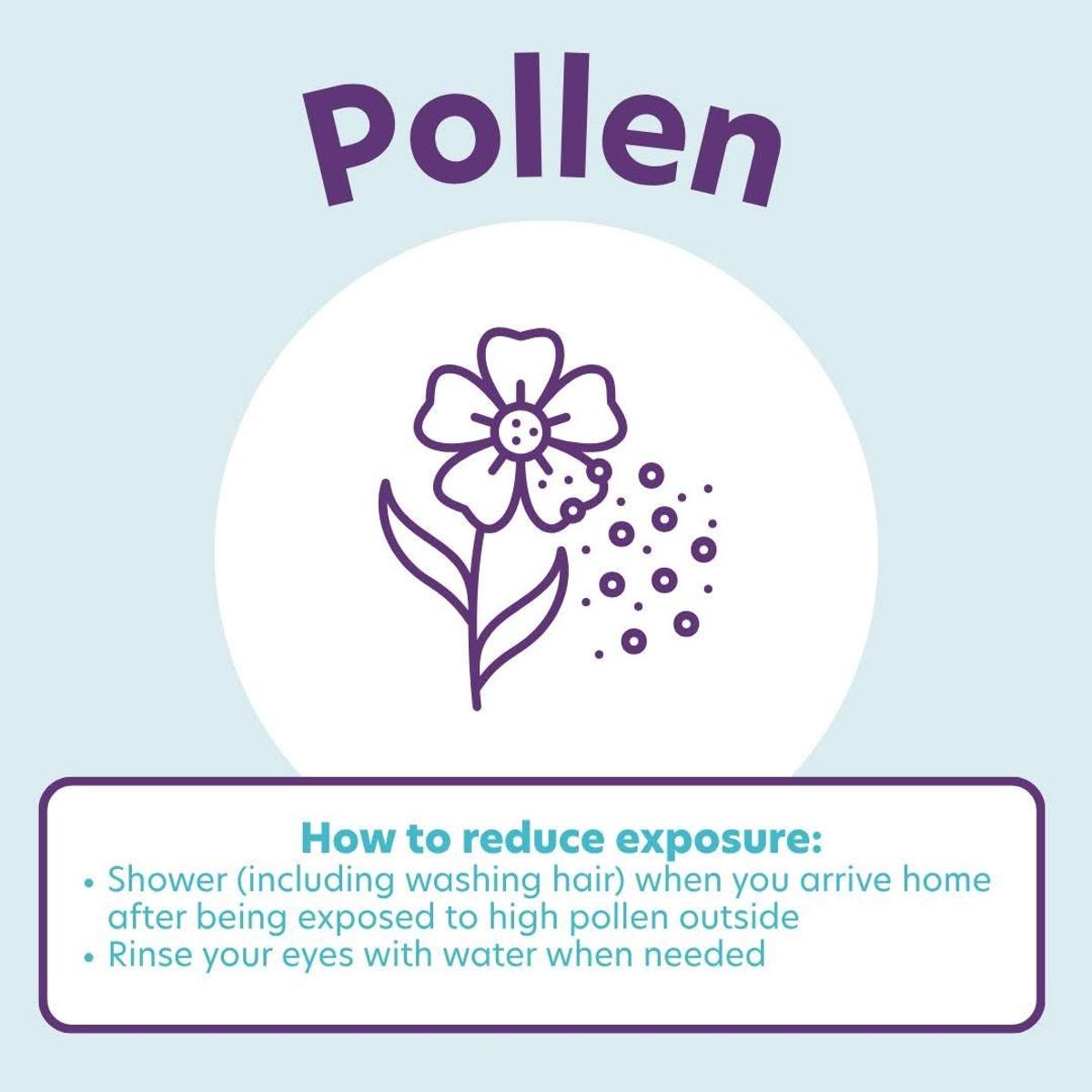
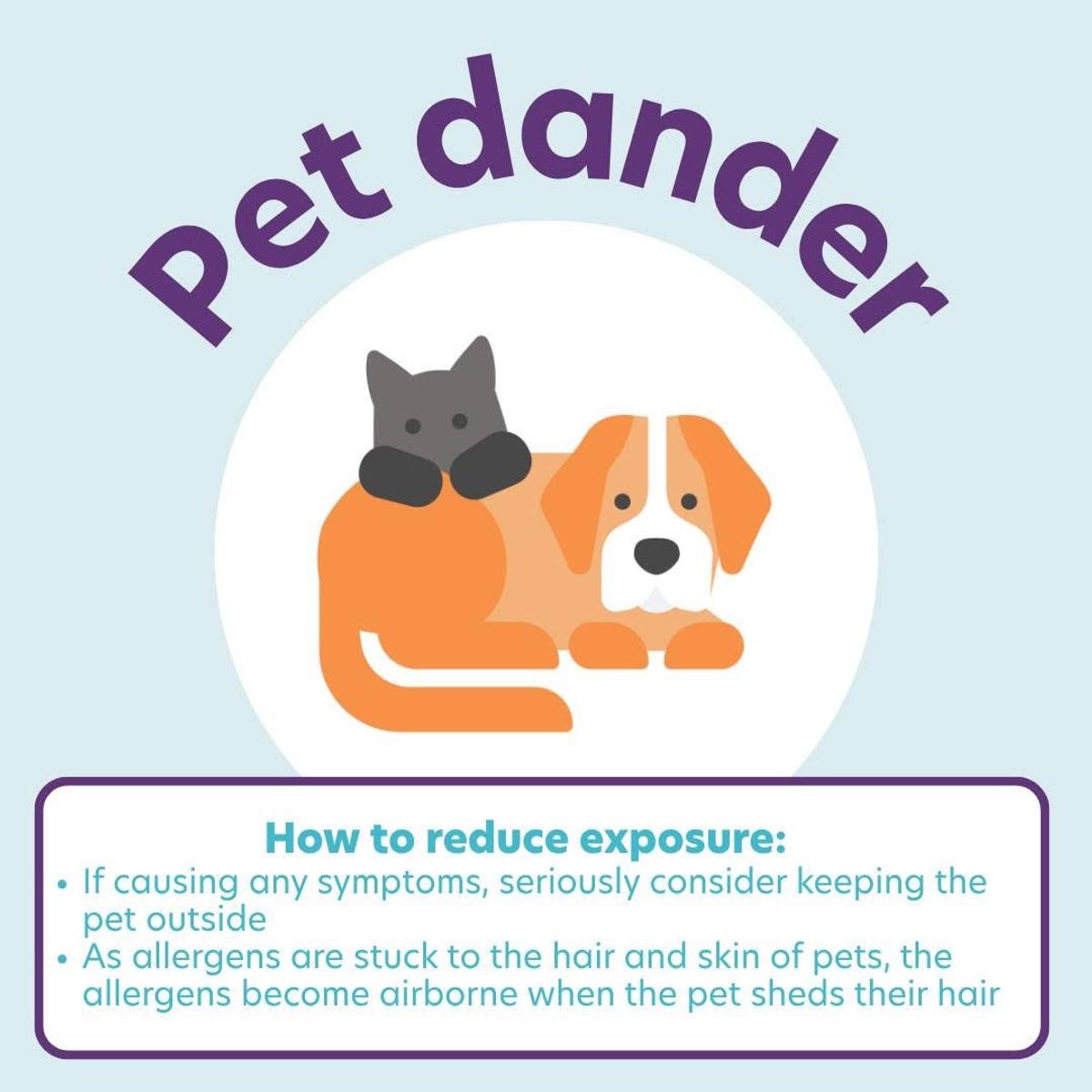
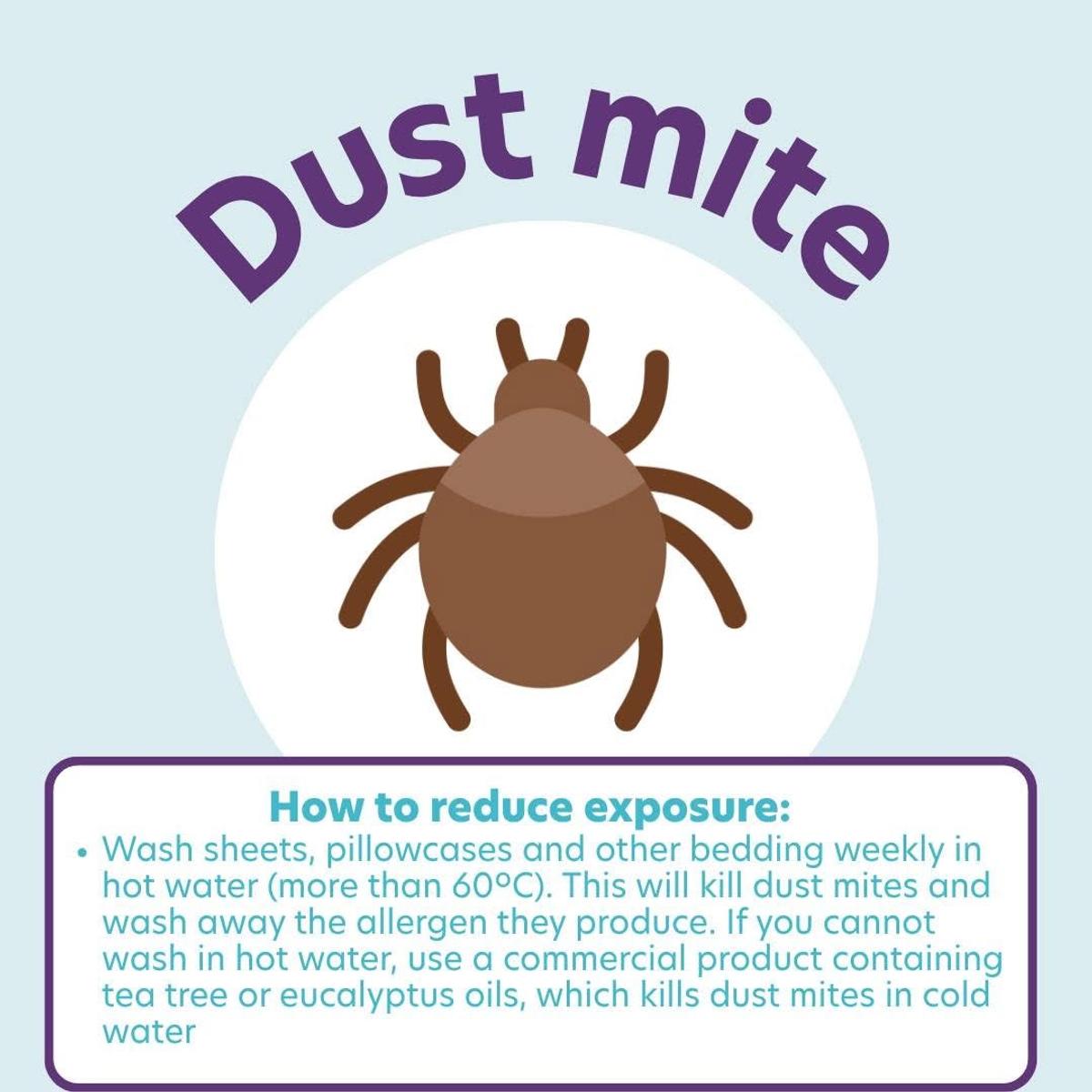
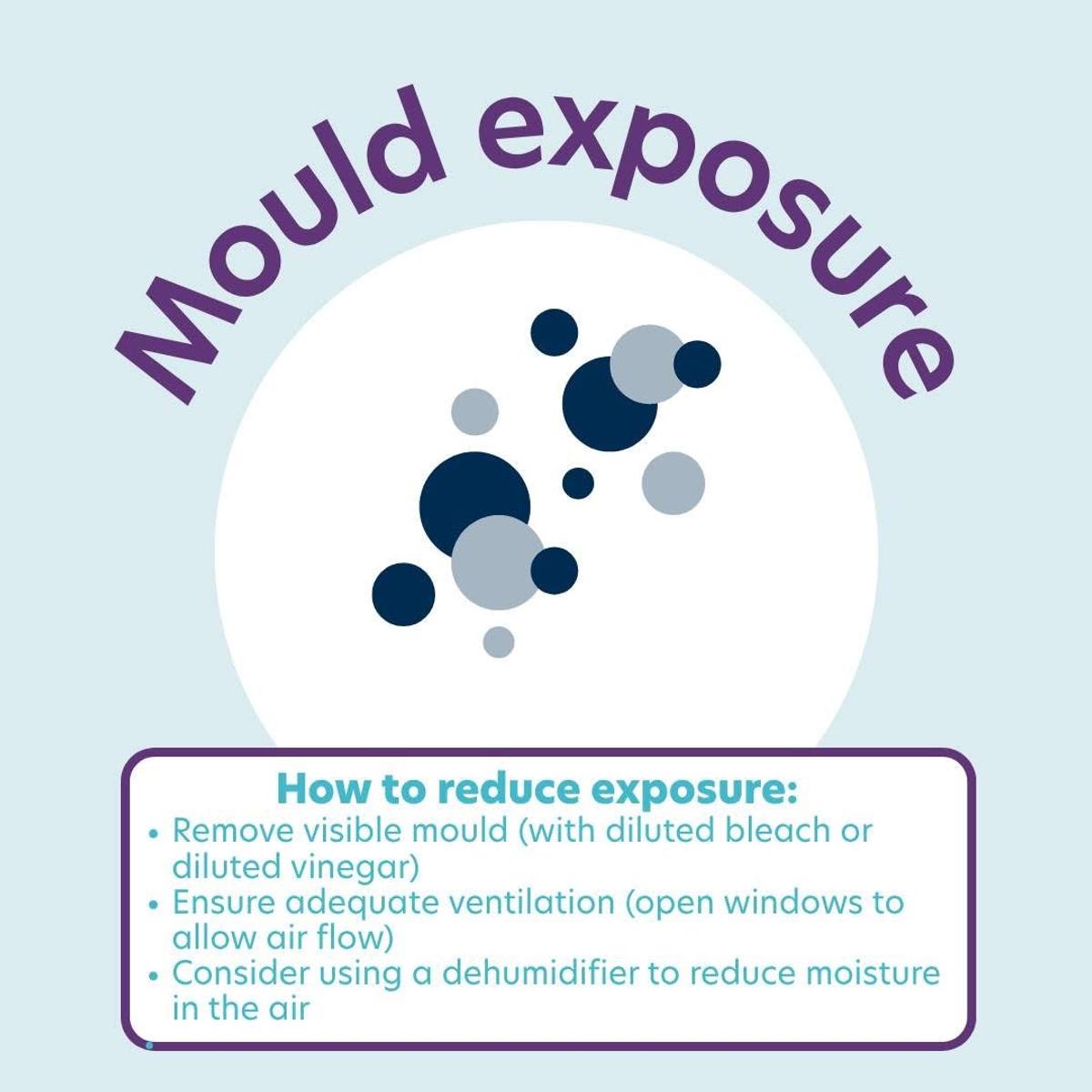
Go to our website to learn more about how to reduce your exposure to environmental allergens: https://loom.ly/1-qkqHk
Living with Allergic Rhinitis Guide
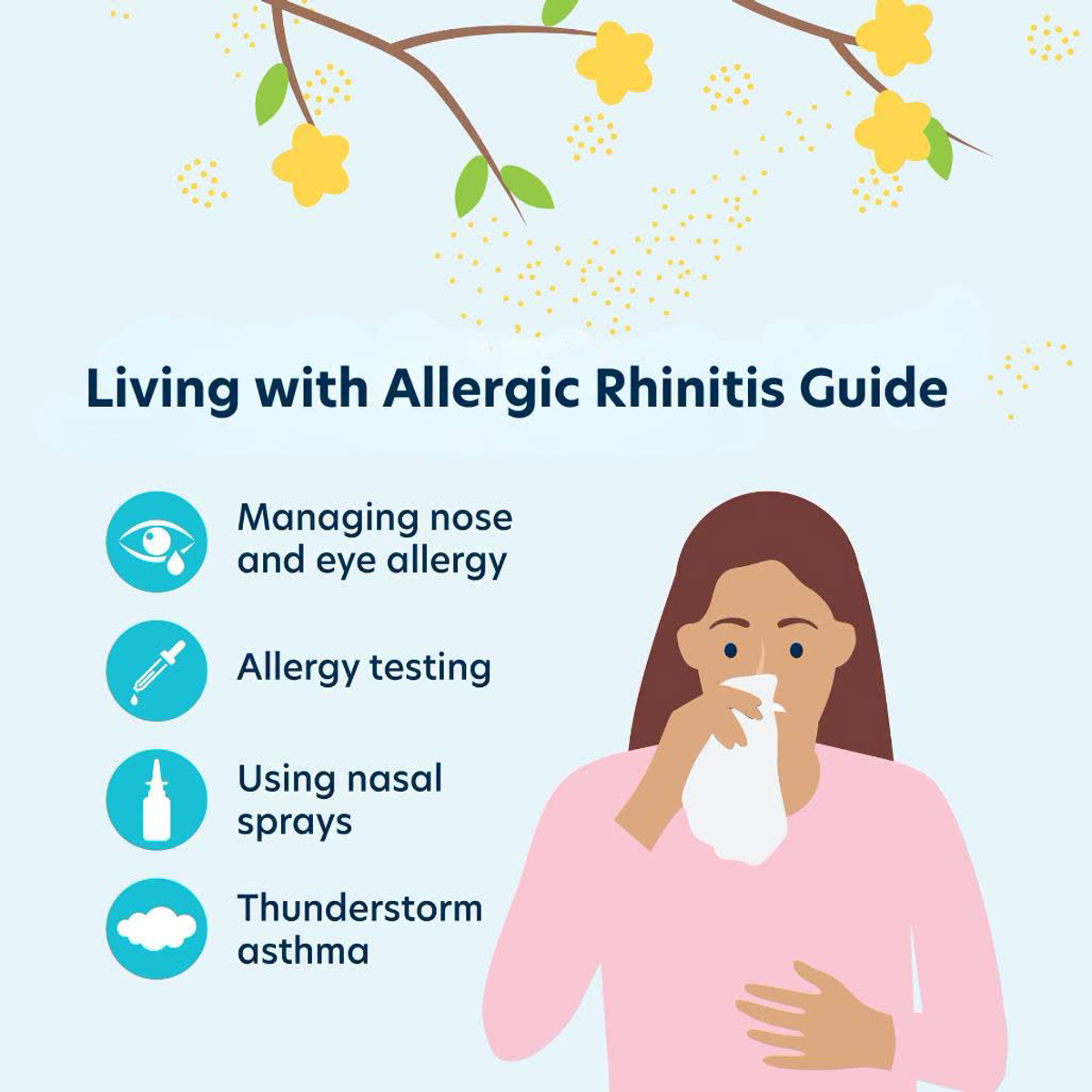
from Allergy & Anaphylaxis Australia
Sneezing. Congestion. Itchy eyes. Sound familiar? 🤧🌷
If allergic rhinitis (hay fever) is making this season harder than it needs to be, you're not alone. The good news? You don't have to just put up with the symptoms.
Our free Living with Allergic Rhinitis Guide is packed with practical information and everyday tips to help you make a start on understanding and managing your allergic rhinitis.
Join our FREE guide today and take the first step towards breathing easier this season: https://loom.ly/9qXses0
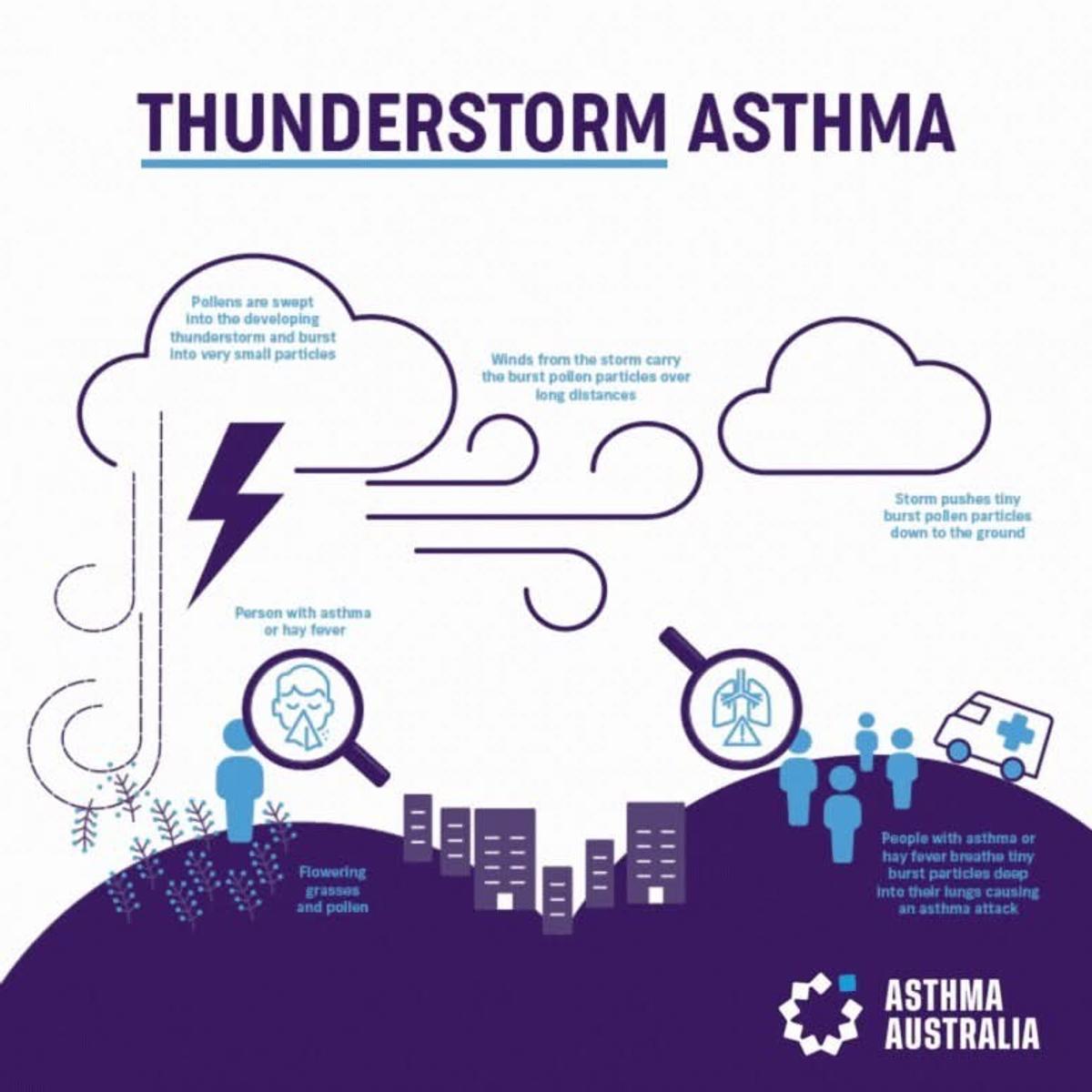
Thunderstorm Asthma
From Asthma Australia
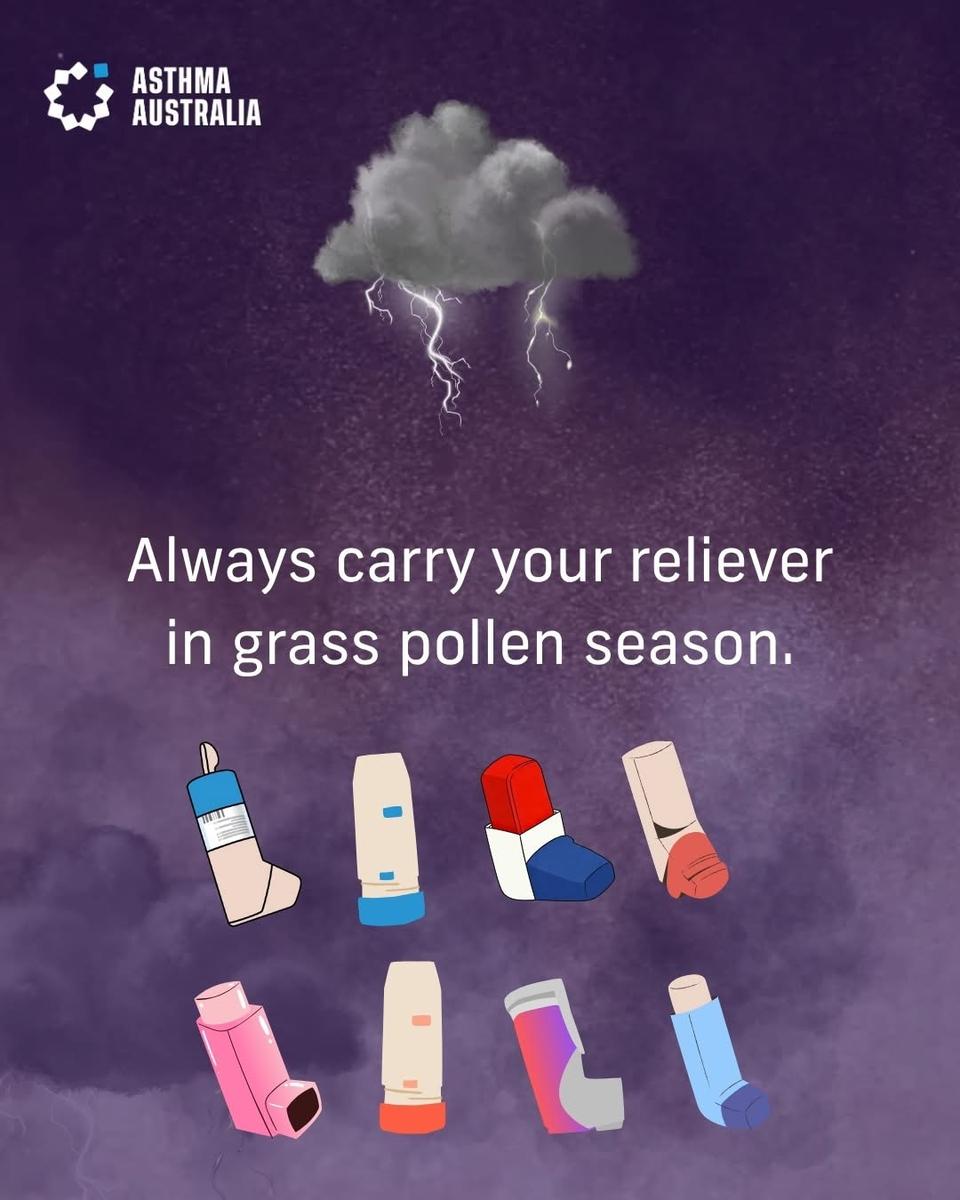
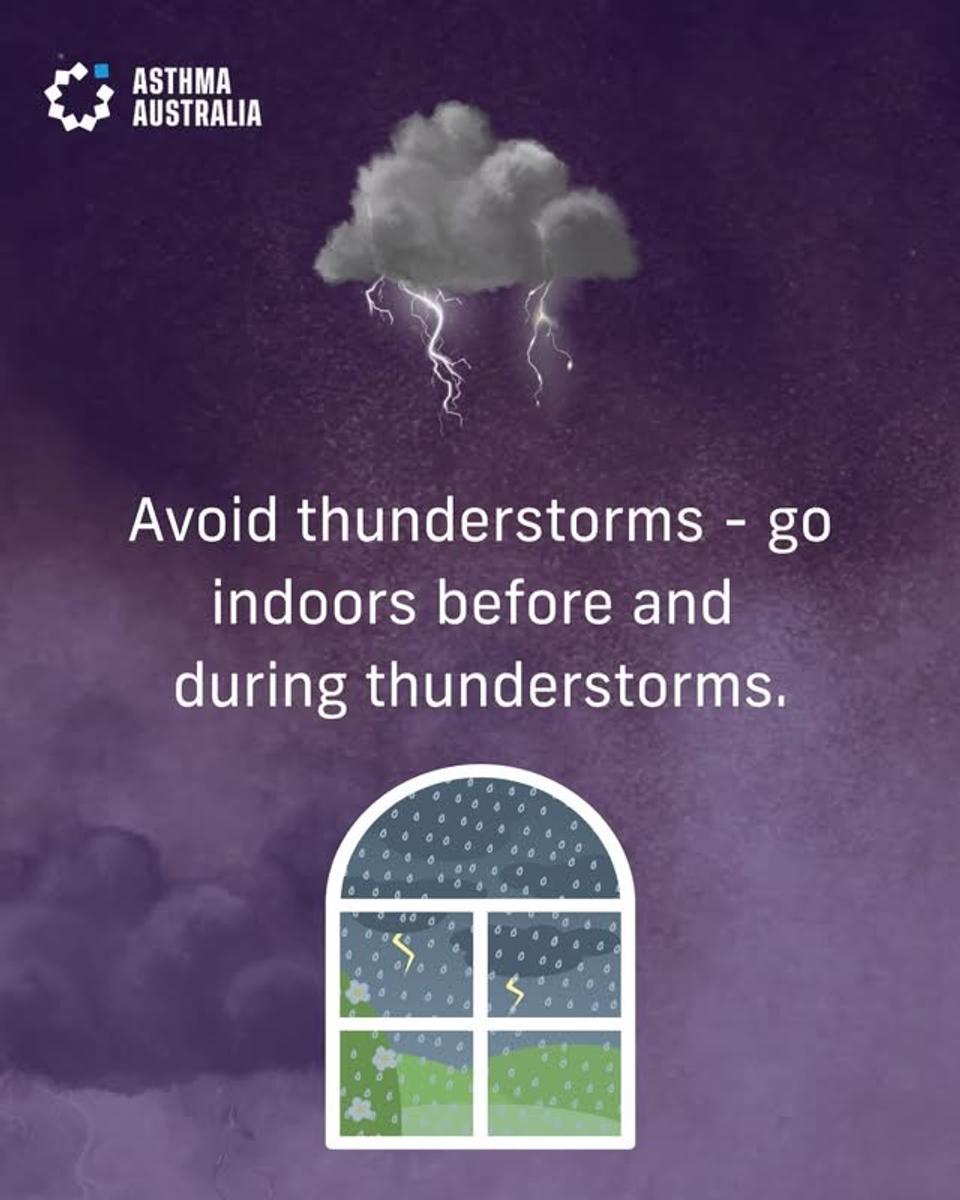
The best time to prepare for thunderstorm asthma is before the storms arrive.
If you have asthma, there are a few simple things you can do to help reduce your risk:
✔️ Use your preventer inhaler as prescribed
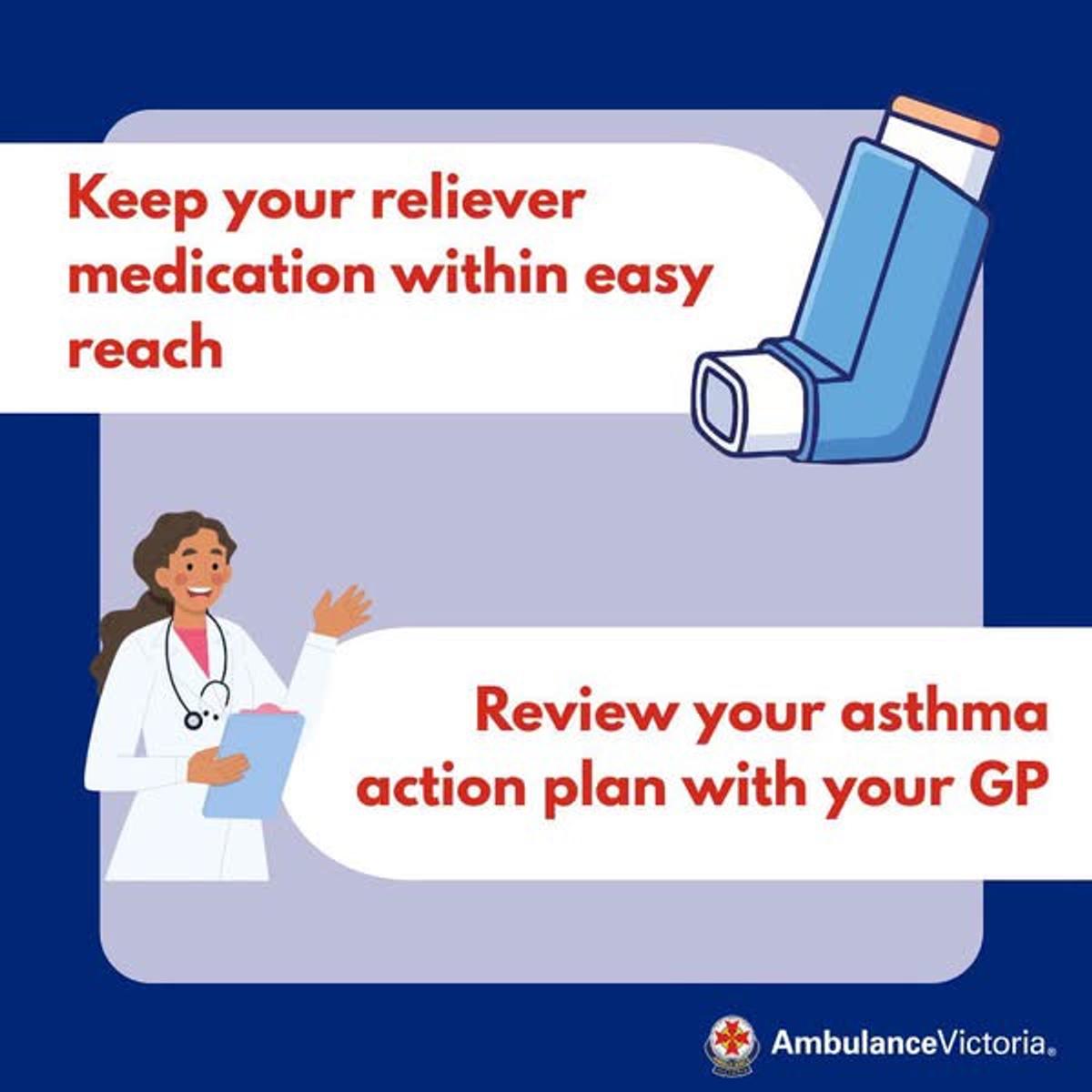
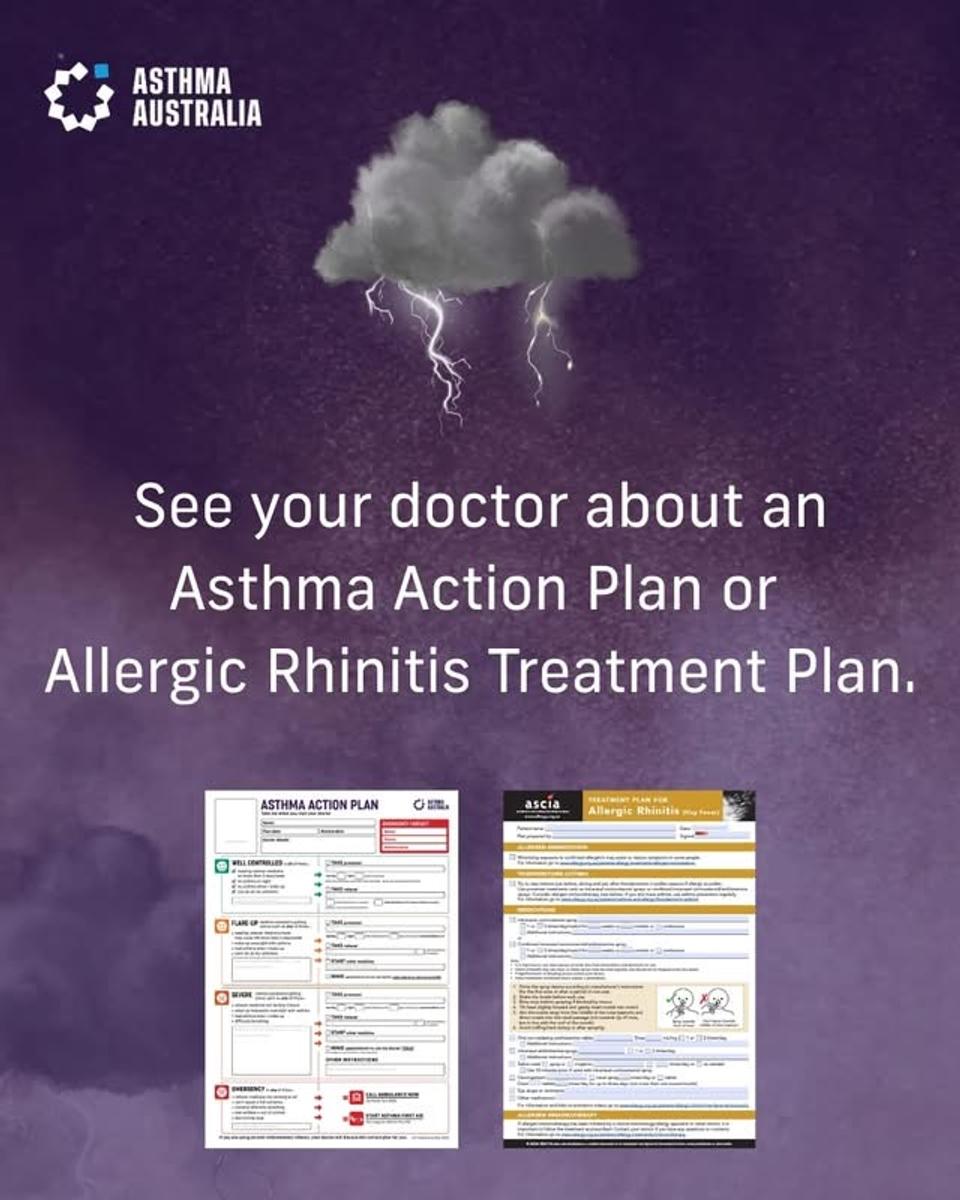
✔️ Make sure your Asthma Action Plan is up-to-date
✔️ Keep your hay fever under control
Good asthma management throughout the year can help reduce your risk of thunderstorm asthma.
Take a few minutes to get prepared now, so you're ready when the weather changes.
Find out how to prepare here: https://buff.ly/RqgQ7b0
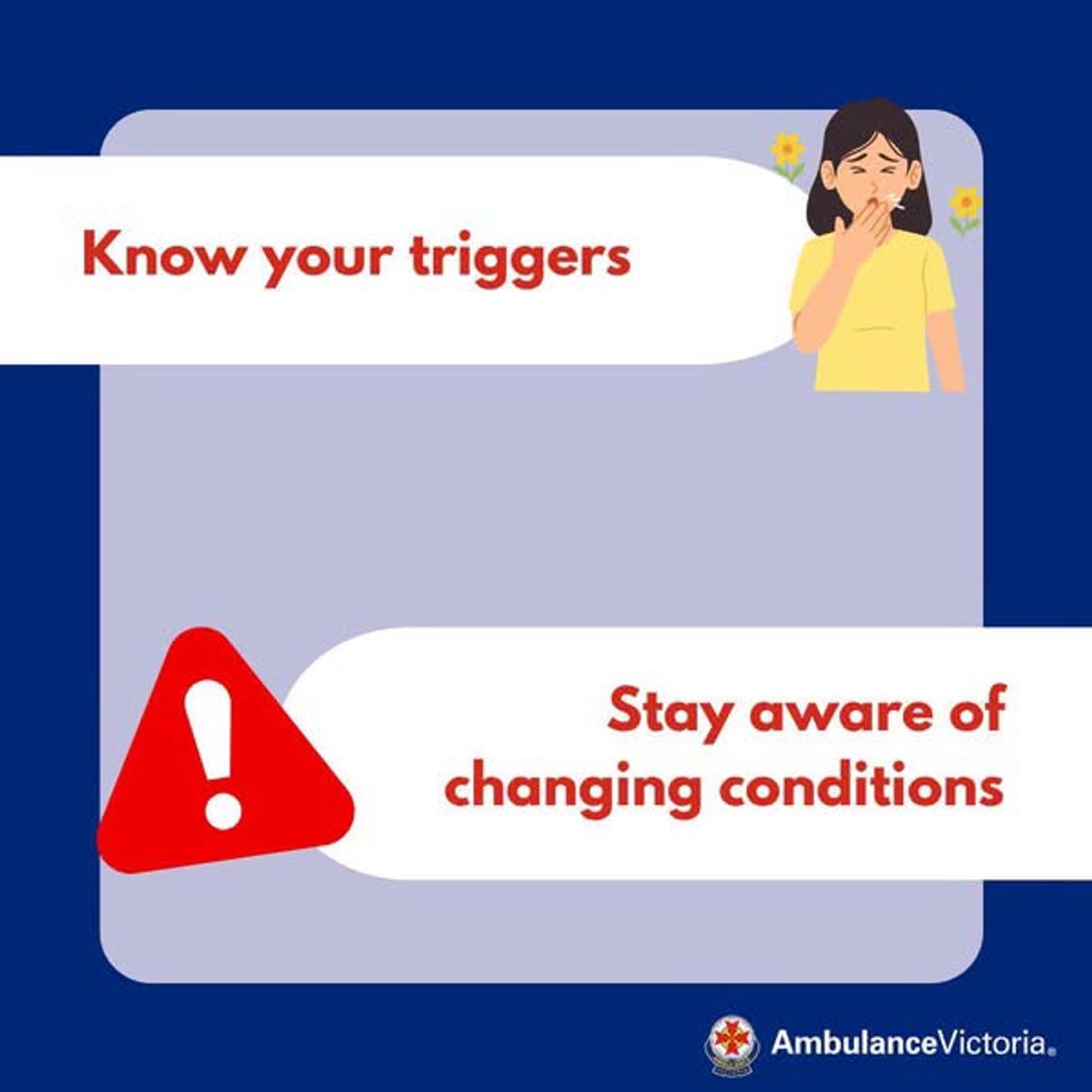
Ambulance Victoria - Spring Reminder