





SUPPORT SERVICES

As the road toll continues to rise in NSW, so too does the number of families impacted by road trauma. Already in 2025, we’ve received over 30 new notifications, and our membership has grown to nearly 500 people — a sobering reminder of the importance of our work.
At RTSG, we remain committed to providing trauma-informed support, meaningful connection, and strong advocacy for every person affected.
We’re thrilled to welcome Esther McKay and Samantha Dadd to our counselling team, joining Trish Malone in delivering personalised, compassionate care across the state.
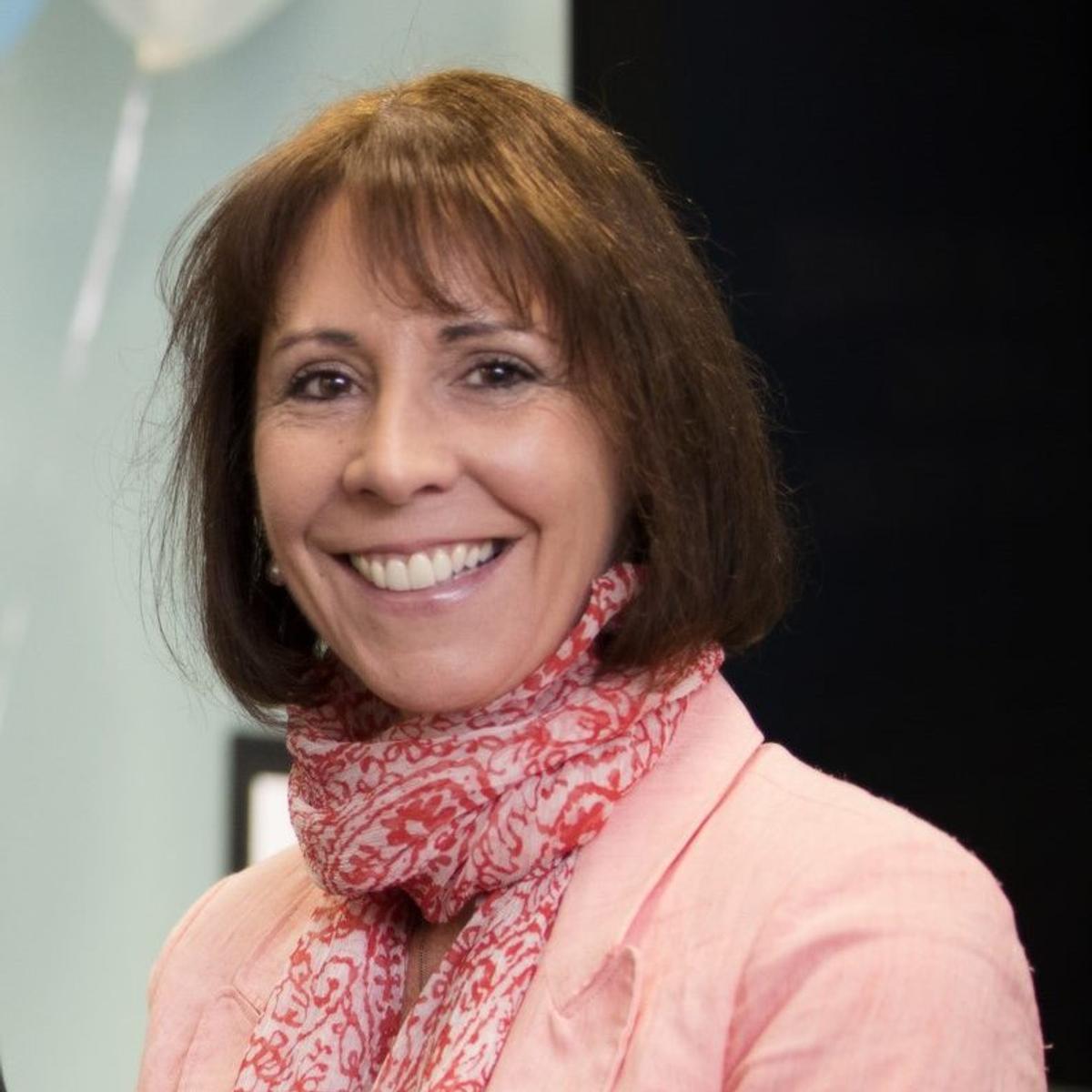
Esther brings over two decades of trauma recovery experience and lived insight into PTSD. She has led national mental health programs, supported first responders, and served as a strong voice in public advocacy.
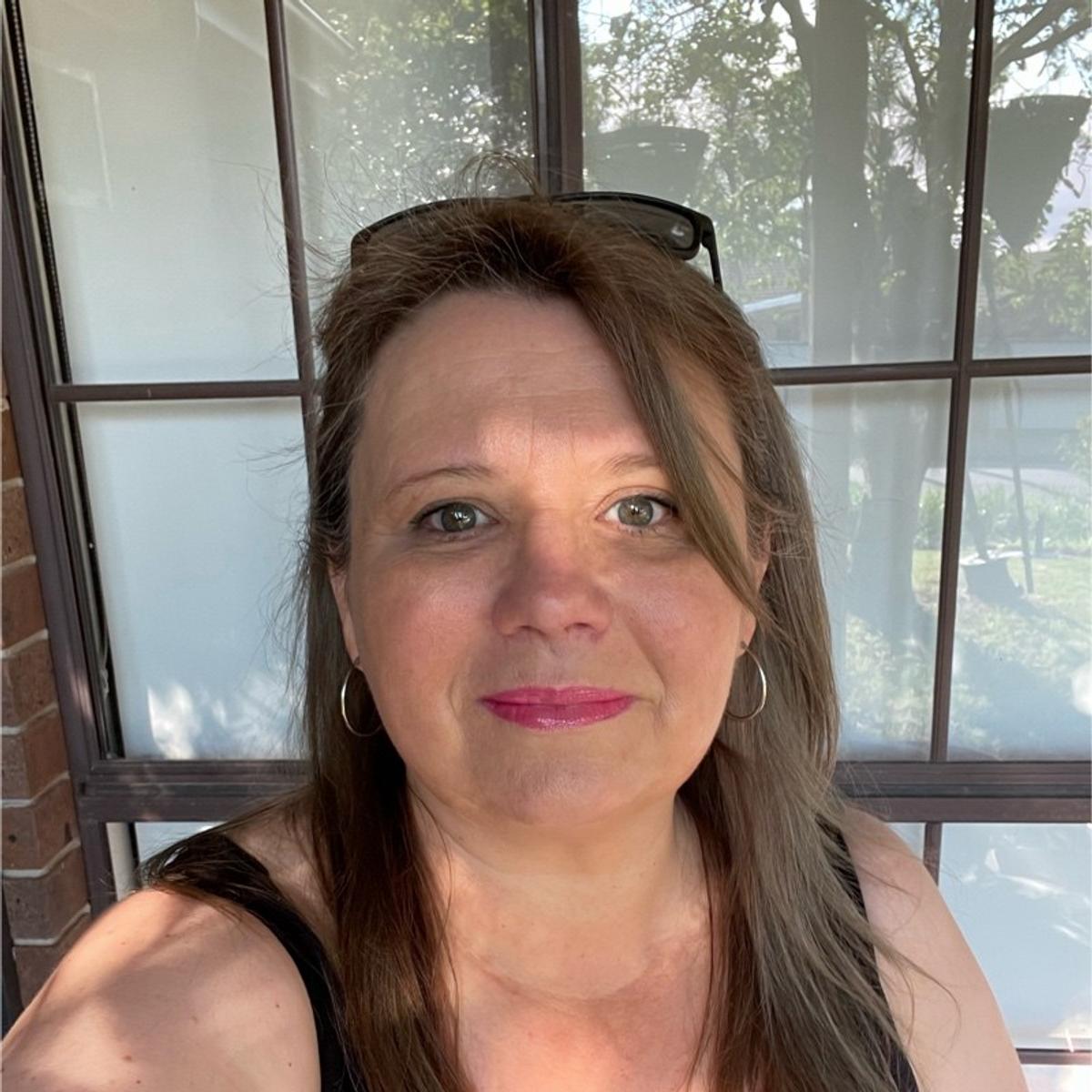
Samantha’s diverse background spans education, crisis response, disability support, and counselling. She’s currently studying criminology, enriching her ability to support those navigating the justice system after loss.
Already, both have supported families through phone counselling, home visits, support group meetings, and regional outreach. We feel incredibly lucky to have them on board.
Our counsellors have supported families in Children’s Court, District Court, and the coronial process, helping them navigate complex, often re-traumatising systems. We’ve built valuable relationships with the Coroner’s Court, State Insurance Regulatory Authority, and Office of the DPP, advocating for better outcomes and greater understanding.
Importantly, recent changes to the Victims Rights and Support Act now formally recognise victims of road crime. This milestone ensures families have access to the same entitlements as other victims of crime. We’ve already guided several families through the new system — and are pleased to see it working.
We also acknowledge the powerful advocacy of families who helped make this reform possible by bravely sharing their stories with Attorney General Michael Daley.
We’re also grateful to Jason Hogan of the Crash Investigation Unit, who now ensures that every senior next of kin receives RTSG and Victim Services information — a vital step in ensuring no family is left unsupported.
Our support group meetings — both in person and online — continue to be a place of comfort and healing. We’ve welcomed new families, shared stories, honoured loved ones, and even celebrated special moments like weddings, grandchildren, and new puppies.
We’ve explored how to mark birthdays, anniversaries, and milestones in meaningful ways — and discussed how to support family members who may not be ready to seek help.
Our private Facebook group remains a space of connection and peer support — especially important for those unable to attend meetings.
We started 2025 with a beautiful reflection of the things we did together in 2024, while looking forward to what's to come this year.
We’re finalising a support meeting framework based on member feedback and have welcomed expert guests including Sinead and Ally from GriefCare. In the coming months, we’ll be joined by speakers from the Parramatta W.A.S. Team and Victims Register.
We are deeply grateful to our partners, stakeholders, and supporters who continue to stand beside us. If you’d like to be involved in our work or learn more about how you can support RTSG, please reach out at info@rtsgnsw.org.au — we’d love to hear from you.