Vegetable Garden – STEM
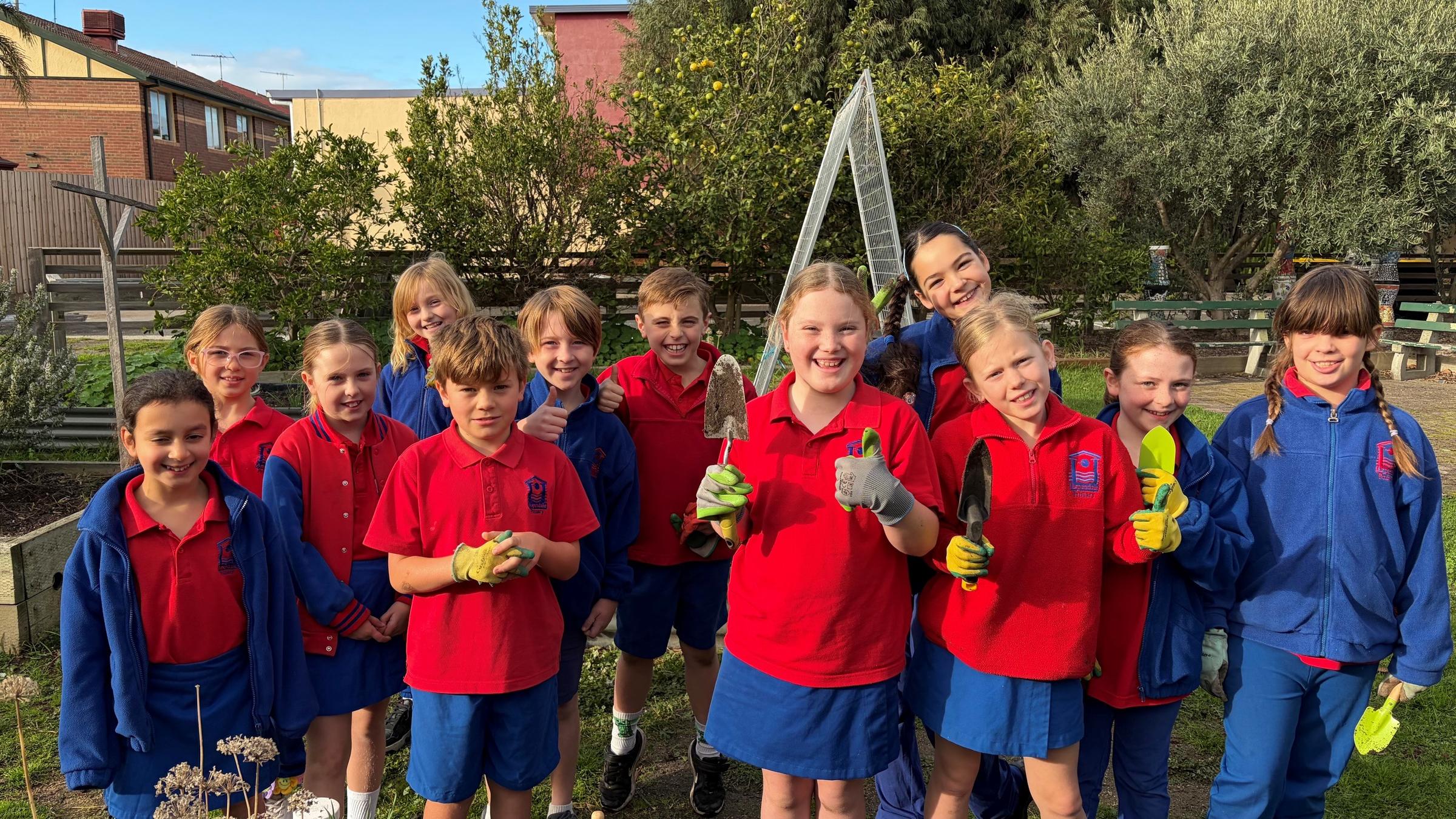
Ms Tideman and Ms Ma would like to say a big thank you to all APS students for their enthusiasm, participation and hard work in our vegetable garden this term.
Throughout the term, students planted seedlings that they had grown during their Biology (STEM) lessons. Students in Years 1–4 played an active role in preparing the garden beds, planting seedlings, and caring for our growing garden.
Foundation students became minibeast detectives, exploring the garden in search of snails and learning about how they survive in their environment. They also planted snow peas and radishes.
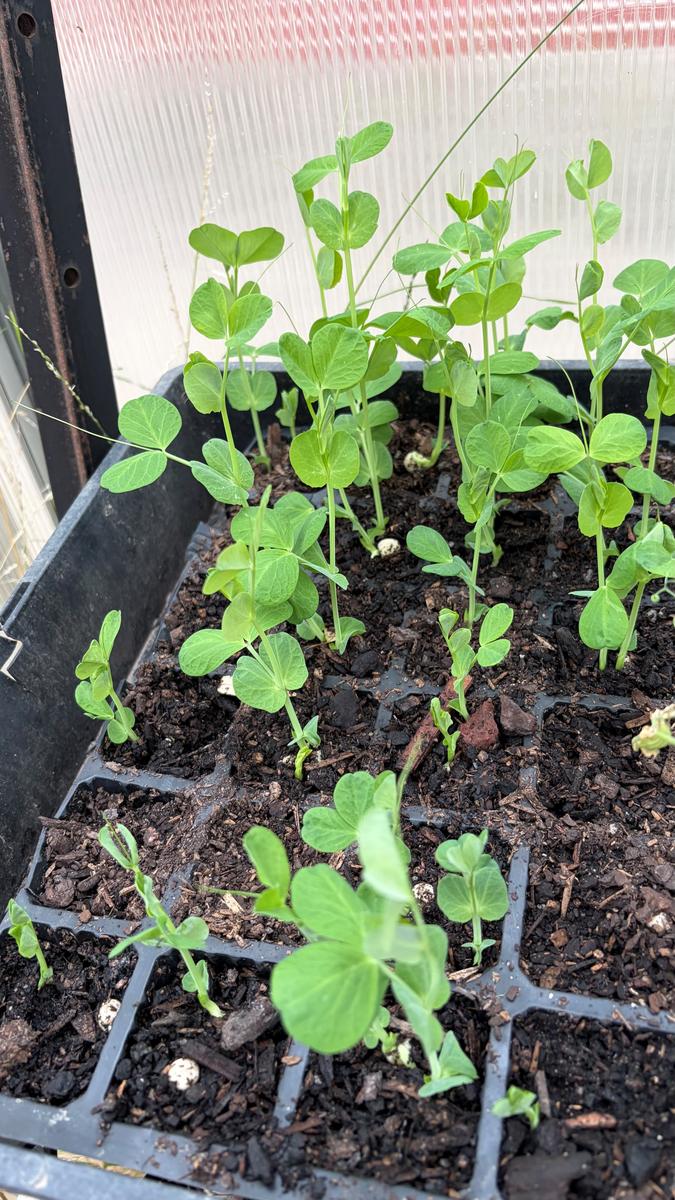
Our seedling shelves are now filled with young plants that students carefully planted and nurtured. It has been exciting to watch them grow.
Year 1 and 2 students took on the important task of weeding the garden beds and removing unwanted plants to make space for this year’s crops.
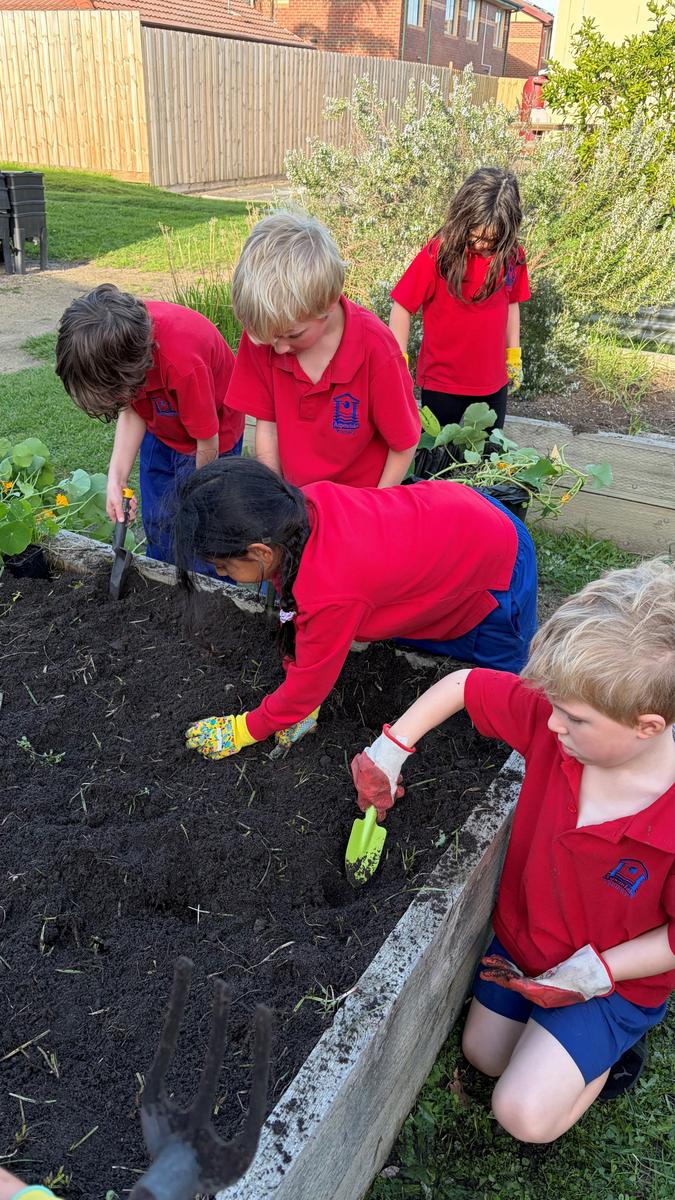
Preparing the garden was a big job, and it took many lessons of teamwork and perseverance. Thank you to our Year 1 and 2 students for their fantastic efforts!
As we worked together in the garden, students encouraged one another, built confidence, and learned how to safely work alongside the many creatures that call our garden home.
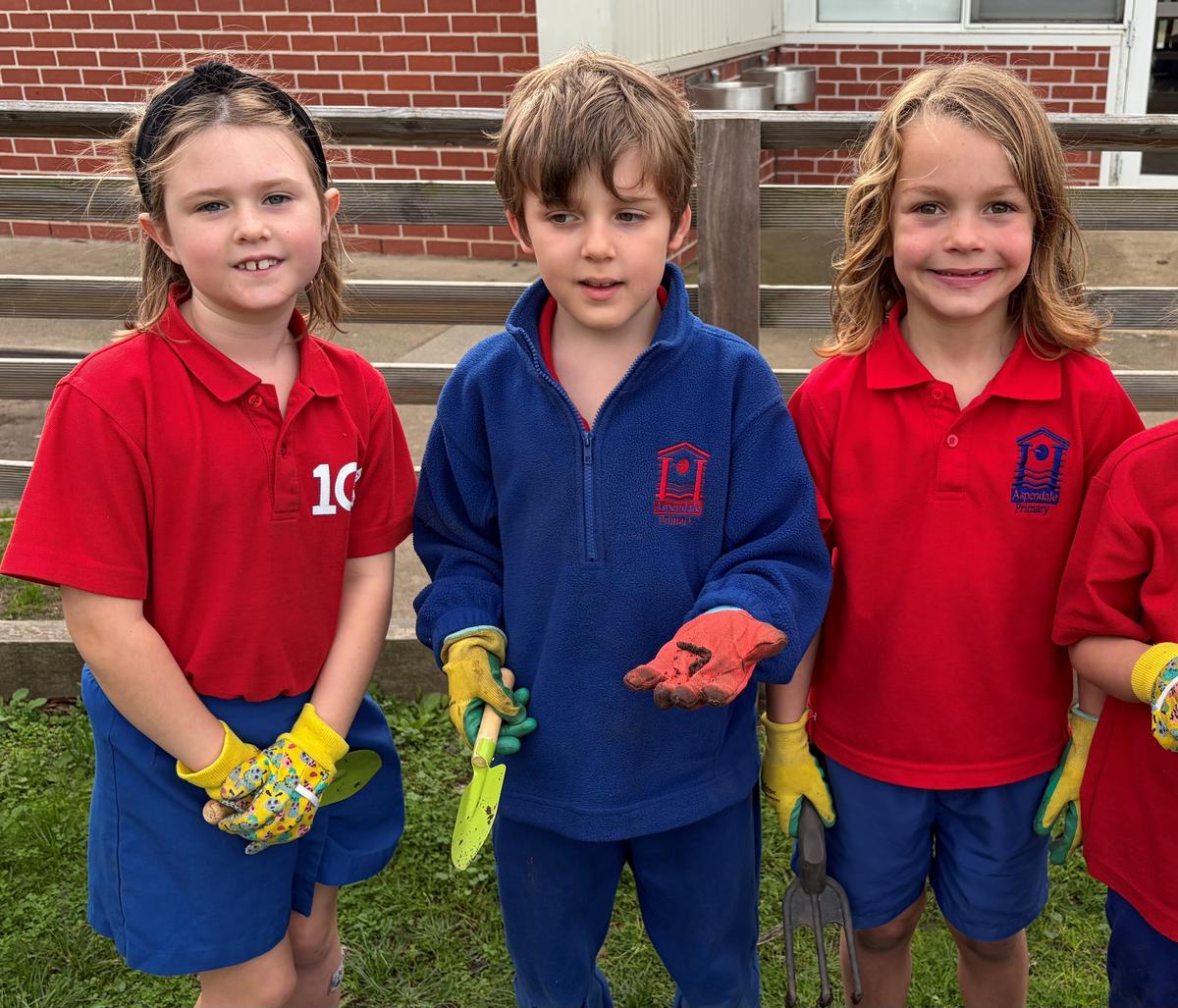
Students also investigated the important role of bees in our environment and discussed some of the challenges they face, including the impacts of pesticide use and students were made aware how they could make a safe pesticide with an adult.
They explored what makes an animal a pest and considered different perspectives on this topic.
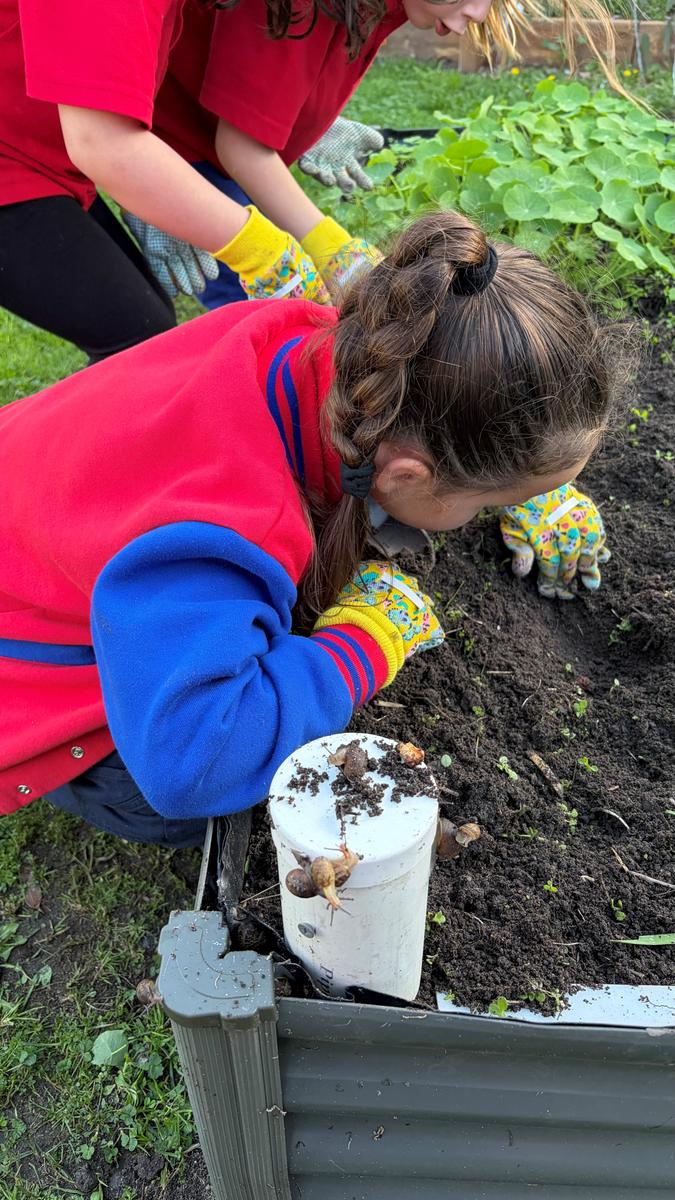
During our investigations, students discovered a variety of minibeasts seeking food and shelter within the garden.
Year 3 and 4 students planted broad beans, sugar snap peas and snow peas in classroom growing bags to learn about the stages of germination. While some seedlings were more successful than others, students learned that not every experiment goes to plan and that setbacks are an important part of the scientific learning process.
Next term, Year 5 and 6 students will move into the making phase of their STEM project, exploring the question:
"How can we protect our native species and increase our chances of seeing them here at school?"
Through their gardening experiences, APS students have developed an appreciation for nature, teamwork and sustainable food production. Students also practised important hygiene and safety routines, washing their hands thoroughly after each lesson and helping to keep themselves and others safe.
By Ms Tideman
STEM Teacher and Specialist Leader